• About

SOCIAL PERSPECTIVES

  • From Bloodied Gaza  Sands  to Shattered Kashmir Valleys: Terror’s Trail of Ashes

    May 3rd, 2025

    Gaza Burns, Kashmir Bleeds—And the Only Legacy of Terror Is Suffering, Silence, and the Slow Death of Hope

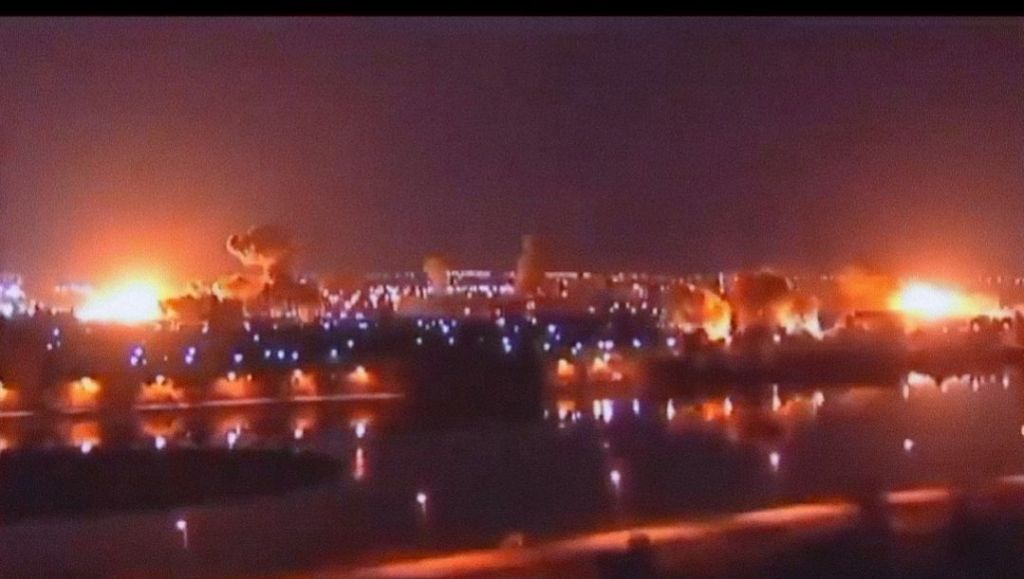
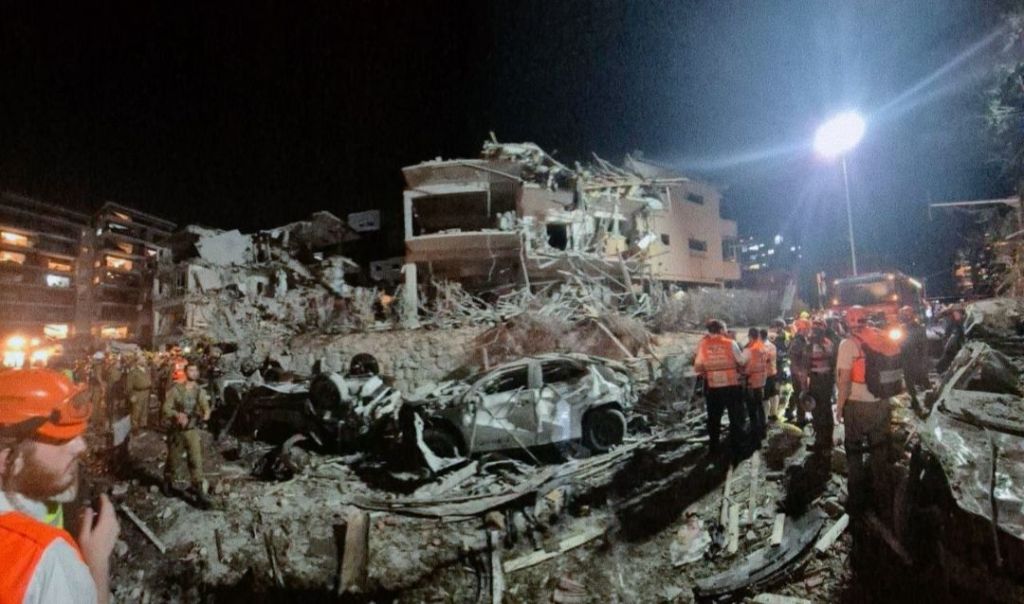
    October 7, 2023—once an ordinary date—has since become a harbinger of horror. On that day, Hamas militants crossed into Israel, slaughtering 1,200 civilians and abducting 251 hostages. The attack was not just a breach of borders but of humanity itself. The methods were barbaric, and the intent unmistakably cruel. Yet, what followed has spiralled into a catastrophe far beyond military retaliation or state defense. Gaza, a densely populated strip already teetering under decades of blockade and neglect, has now become a wasteland of grief. More than 51,000 people are dead, including 14,000 children. Hospitals are rubble. Schools are gone. Ninety percent of its population has been displaced. The stated cause—liberation—has decayed into obliteration.

    This is not collateral damage. It is the very cost of misbegotten ideology.

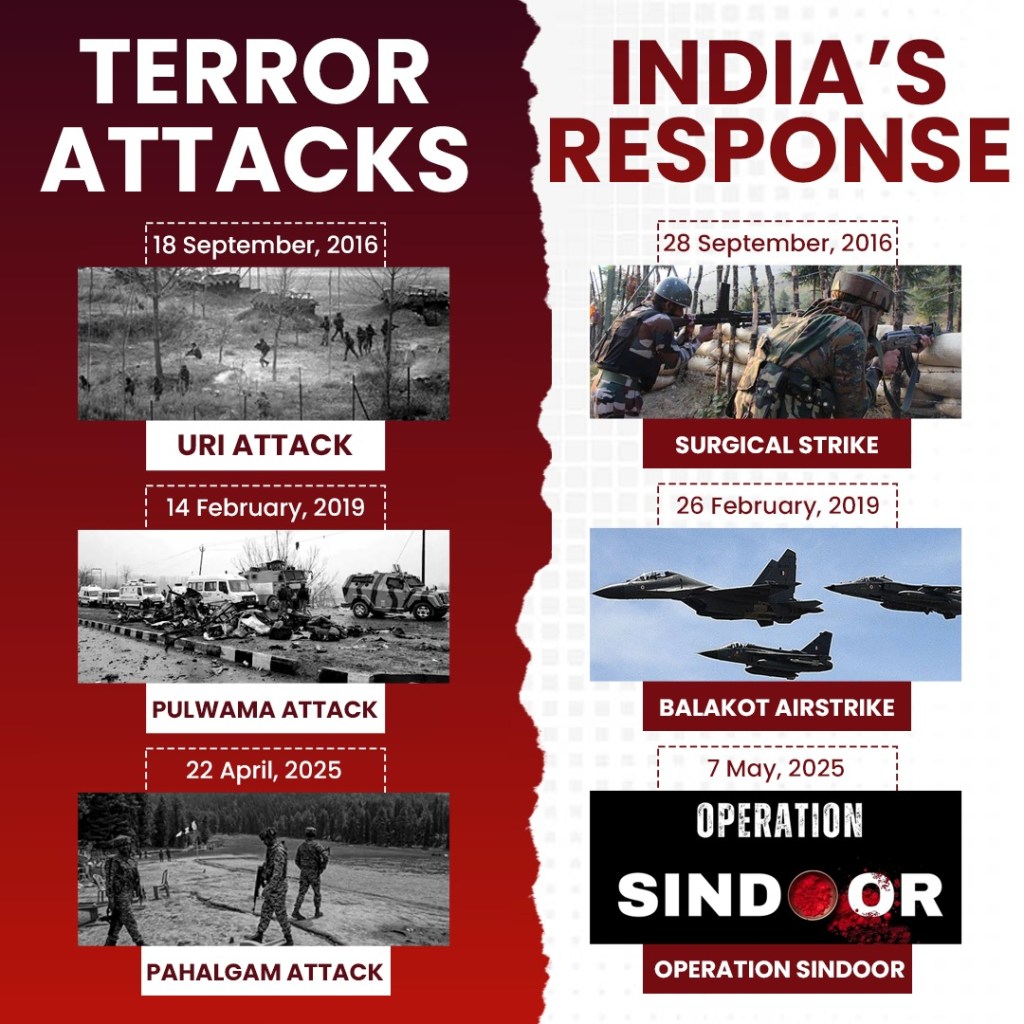
    Thousands of kilometres away, in India’s Kashmir Valley, a similar saga of terror unfolded on April 22, 2025. Pahalgam—once a symbol of natural beauty and harmony—was turned into a killing field by four gunmen from Lashkar-e-Taiba. The militants descended with an agenda of hate and a strategy of maximum pain. Twenty-eight innocents were executed in cold blood: a honeymooning Indian Navy officer, a Nepali worker, a local Muslim guide—each one a target in a perverse calculus of fear. Tourists were dragged out of vehicles, humiliated, and then shot. Some Hindu men were forced to recite Islamic prayers—those who stumbled over the verses were gunned down, as if mispronunciation were a capital crime.

    What binds Gaza’s devastation and Pahalgam’s massacre is not religion, not politics, not territory—but a deadly doctrine that views civilian life as expendable and violence as virtue. The perpetrators may cloak themselves in faith or flags, but their weapons don’t discriminate. Their victims are not soldiers—they are schoolchildren, street vendors, young couples, pilgrims. And their greatest betrayal is not against the state, but against the very people they claim to defend.

    In Gaza, the cycle of violence has devoured its own roots. Hamas launched its assault under the banner of resistance, but what has it achieved? Israel’s counteroffensive—brutal, prolonged, and unrelenting—has left Gaza in shambles. Civilian infrastructure has crumbled. Hospitals function without electricity, without anaesthesia, without hope. Tents have replaced homes. Famine stalks every neighbour-hood. And amid the rubble, children grow up with trauma as their only inheritance. The leaders of Hamas, meanwhile, are either underground or in exile—far removed from the devastation they triggered.

    What kind of freedom is this, where the oppressed are buried under the banner of their own supposed liberation?

    In Kashmir, the repercussions of the Pahalgam carnage are equally cruel. Security forces struck back with raids and arrests, homes of suspected collaborators were razed, and a climate of fear tightened its grip on the valley. The already fragile economy—dependent on tourism—has imploded. The militants who carried out the attack are now fugitives, hunted and isolated. Their families, once unaware of their descent into extremism, now live in stigma and danger. Whatever twisted victory they imagined has yielded nothing but more grief. And as in Gaza, the wounds here are not just physical—they are societal, psychological, generational.

    The tragedy is compounded by terrorism’s catastrophic misreading of justice. It assumes that bombs can buy dignity, that bullets can deliver emancipation. But what it creates is a black hole: a place where dreams, futures, and communities vanish. In Gaza, the ruins do not mark resistance—they mark a region whose children will grow up without schools, whose mothers will raise families in tents, and whose youth will inherit only ashes and anger. In Kashmir, the romanticism of rebellion has given way to the loneliness of ruin. Families grieve not only the loss of loved ones but the loss of peace, livelihood, and trust.

    Even international sympathy, once a powerful tool for the oppressed, is waning. The world has grown tired of bloodshed with no meaning, revolts with no roadmap, and revolutions that breed only more rubble. Images of maimed children and burning homes, once shocking, now scroll by on timelines as background noise. The terrorist’s cry for attention has succeeded—but only in numbing the world to their cause.

    Terrorism’s ultimate failure is its rejection of life. It does not build—it burns. It does not protect—it punishes. It does not fight for people—it sacrifices them. It turns towns into tombs and ideologies into instruments of genocide. Every bullet it fires rips not just through flesh, but through the fabric of civilization.

    In Gaza, in Pahalgam, and in every place touched by this contagion, the question echoes again and again: Was it worth it? The militants may never answer. But the craters, the coffins, and the orphans already have. Their silence is louder than any manifesto. Their tears write the verdict on walls soaked with blood.

    And that verdict, in every language and every land, remains the same: Never.

    Visit arjasrikanth.in for more insights
  • Amaravati 2.0: The Phoenix City Rising from Andhra’s Political Ashes

    May 2nd, 2025

    Amaravati Ascends: The Phoenix Capital of the Post-Carbon Age

    Amaravati’s tale is one of dazzling ambition, wrenching setbacks, and a stunning resurrection. Once envisioned as India’s first net-zero carbon capital, this 217-square-kilometre greenfield city, nestled between Vijayawada and Guntur, was meant to redefine the landscape of sustainable urban development. It captured the world’s imagination with its promise of futuristic living powered entirely by clean energy. But the dream soon turned to dust as political headwinds halted its momentum. What followed was a half-decade of stagnation, uncertainty, and unfulfilled promises. Now, with a dramatic political shift in Andhra Pradesh, Amaravati is roaring back to life—armed with sharper vision, global support, and the lessons of a tumultuous past.

    At its inception, Amaravati symbolized the apex of sustainable city planning. Spearheaded by N. Chandrababu Naidu, the project promised a ₹65,000 crore capital run entirely on renewable energy, featuring 2,700 MW of solar, wind, and hydro power, mandatory solar rooftops on one-third of all buildings, district cooling systems designed for Andhra’s punishing summers, and an electric-only public transportation system. The city’s blueprint bore the fingerprints of global luminaries—Foster + Partners, Singaporean urban planners, and multilateral backers like the World Bank and AIIB. It was the kind of high-tech, low-carbon marvel that developing nations aspired to emulate.

    But the change of government in 2019 brought with it a jarring reversal. The YSRCP administration shelved Amaravati’s plans in favour of a decentralized three-capital model, diverting resources and halting momentum. Farmers who had contributed 34,000 acres through a landmark land-pooling model erupted in protest, their sense of betrayal echoing across the state. International funders, alarmed by the policy U-turn and governance ambiguity, withdrew nearly $500 million in financing. Amaravati soon became a ghost city—filled with skeletal structures, deserted cranes, and fading dreams.

    The 2024 elections changed everything. With political clarity restored, Amaravati is experiencing one of the most remarkable infrastructure comebacks in Indian history. This isn’t just a restart—it’s a complete reboot. The revived plan expands the original vision while addressing its shortcomings with sharper focus and technological upgrades.

    Energy infrastructure is at the heart of this resurgence. The city now aims for 3,500 MW of renewable capacity, bolstered by floating solar panels on the Krishna River and agrivoltaic arrays co-existing with agriculture. Siemens is leading the development of an AI-powered smart grid—India’s first “energy internet” designed to optimize consumption, generation, and distribution in real time.

    Urban planning has also undergone a climate-smart transformation. New designs incorporate 51% green cover, micro-forests using Miyawaki techniques, and cool corridors inspired by traditional stepwells. Service tunnels run underground to reduce surface heat and allow for seamless maintenance. Heat-resilient urbanism is no longer an add-on—it is the design principle.

    Farmers, once alienated, are now at the centre of the development model. Through an innovative equity-sharing scheme, original landowners are being given stakes in commercial ventures on their lands. This economic participation is changing the narrative—from protest to partnership. The first batch of 10,000 solar-powered farmhouses is already under construction, merging agriculture with green living.

    Amaravati’s revival is not just local—it has triggered a geopolitical ripple effect. The UAE’s Tabreed is investing $200 million into district cooling infrastructure. South Korean companies are constructing what may become the world’s largest geothermal air-conditioning network. Japan has extended ₹15,000 crore in soft loans via JICA, with the strategic condition that Japanese firms supply 30% of renewable components. This is no longer just a state capital—it is becoming a diplomatic and economic crucible for sustainable innovation.

    The World Bank has returned, pledging $800 million with blockchain-monitored financial tracking to ensure transparency. In a major healthcare development, Mayo Clinic has signed an MoU to anchor a 2,000-bed smart hospital in the city’s Health District. Nine “theme cities”—including Knowledge City, Justice City, and Media City—are attracting global developers, turning Amaravati into a potential hub for climate-aligned urban specializations.

    However, the path forward is riddled with challenges. A Supreme Court verdict on the three-capital policy remains pending. Legal ambiguity continues to cast a long shadow over Amaravati’s final status, potentially requiring a constitutional amendment to cement its role as the sole capital. Funding is another hurdle. Phase-1 alone demands ₹37,702 crore, and the government is banking heavily on land monetization—auctioning prime commercial parcels at ₹50,000 per squre yard , higher than Mumbai’s Bandra-Kurla Complex.

    Execution pressure is immense. The construction of a fully functional government complex, equivalent to two new Dubai’s, must be achieved in under five years. Infra Companies are racing against time to deliver key infrastructure before the next elections. Climate volatility also threatens timelines and outcomes—erratic monsoons could disrupt both solar energy output and Krishna River’s hydropower supply.

    Yet, amid these uncertainties, Amaravati has re-emerged as a symbol of resilience. If successful, it will not only set a benchmark for post-carbon urbanism in tropical regions but also showcase how democratic course correction is possible, even for mega projects derailed by politics. It offers a compelling model of stakeholder-driven planning, technological ambition, and inclusive growth—one that is already drawing attention from nations across Africa and Southeast Asia.

    As construction cranes reappear on the skyline and international flights are slated to land at Amaravati International Airport by 2027, a new narrative is taking shape. This is no longer just a capital city in the making—it is a high-stakes experiment in sustainable civilization building. Amaravati may yet prove that from the ashes of political turmoil can rise the blueprint for humanity’s urban future.

    Visit arjasrikanth.in for more insights

  • From Gully Bat to IPL Thunderbolt: The Untold Fury and Grit Behind Vaibhav Suryavanshi’s Lightning Century at Fourteen!

    May 1st, 2025

    🔥 *“Pad Up, History: A 14-Year-Old Just Torched the IPL and Nobody Saw It Coming”* 🔥

    On the evening of April 28, 2025, cricket did not merely evolve—it transformed. In Jaipur, a 14-year-old from Samastipur, Bihar, turned a T20 match into a moment of sporting history. Vaibhav Suryavanshi, just 14 years and 32 days old, scored a century off 35 balls in an Indian Premier League (IPL) match, becoming the youngest ever to do so and registering the second-fastest century in the tournament’s history.

    His innings wasn’t simply a statistical marvel—it was a cultural moment that stunned commentators, delighted fans, and redefined what is possible in the sport.

    Bihar, a state often associated with academic aspirations rather than cricketing pedigree, is rarely seen as a nursery for sporting icons. At 14, while most adolescents grapple with school and adolescence, Vaibhav faced—and triumphed over—bowlers like Rashid Khan and Mohammed Siraj, names that have humbled seasoned professionals.

    His ascent is not rooted in privilege. There were no elite academies, corporate sponsorships, or headline-grabbing junior records in his early years. What defined his journey were makeshift nets, second-hand bats, and an unrelenting desire to improve. Discovered at the age of nine by coach Manish Ojha, Vaibhav’s early training was marked by sacrifices. Family savings were spent on travel and coaching. Dreams travelled in sleeper-class compartments and were sharpened in silence, away from the limelight.

    At 13, Vaibhav entered the IPL auction as an outsider and emerged with a ₹1.1 crore contract from Rajasthan Royals—the youngest player ever to be selected. While scepticism prevailed on social media and among experts, the franchise saw potential that defied age and convention.

    His debut on April 19 hinted at greatness. Facing Avesh Khan, Vaibhav struck his first delivery for six—a symbolic announcement of intent. A quieter second game followed, but in Jaipur, he exploded. Against Gujarat Titans, he reached his fifty in just 17 balls, including a 30-run over off Karim Janat, before completing his century in 35 balls.

    Cricketing legends responded in awe. Sachin Tendulkar termed it “rare and fearless,” while Yuvraj Singh quipped, “At 14, I was still afraid of maths class.” Rahul Dravid, the epitome of composure, was seen visibly emotional.

    Every boundary and six was not just a display of technique—it was a testament to resilience, sacrifice, and belief. Each shot echoed the stories of countless young aspirants training in anonymity, and served as a message that brilliance can emerge from any corner of the country—including Bihar.

    Yet, with meteoric rise comes responsibility. The pressure on prodigies can be immense. Rajasthan Royals, under the mentorship of Vikram Rathour, have taken a measured approach, ensuring Vaibhav’s long-term development is prioritized over short-term gains. The focus is on building not just a cricketer but a sustainable sporting career.

    Vaibhav Suryavanshi is no longer just an emerging athlete; he is a symbol of aspiration for small-town India. His story resonates with children who train with plastic balls, with parents who invest their modest earnings into dreams, and with coaches who nurture raw potential with limited resources.

    Behind the cheers lie years of struggle—of skipped meals, early rejections, and persistent doubts. The phrase, “Bihar se koi cricketer nahi nikalta,” has now been replaced with awe and admiration.

    There will be challenges ahead. There will be failures and comebacks. But April 28, 2025, will remain immortal in cricketing lore as the day a teenager didn’t just arrive—he announced a new era. As his own words whispered before the innings began, “Sir, aaj maarunga.”

    He did. And Indian cricket may never be the same again.

    Visit arjasrikanth.in for more insights

  • 🌊 “Liquid Borders: The Indus Water Treaty’s Breakdown Redraws Power Maps in South Asia”

    April 30th, 2025

    “From Strategic Leverage to Existential Crisis — Water May Emerge as the New Currency of Conflict between India and Pakistan”

    The Indus Waters Treaty (IWT), signed in 1960 under the aegis of the World Bank, remains one of the most enduring examples of transboundary water cooperation in a geopolitically sensitive region. Brokered between India and Pakistan in the aftermath of the Partition, the treaty sought to provide a structured, rules-based framework for the equitable sharing of the Indus River system—a lifeline for millions in both countries.

    According to the treaty, India was granted control over the eastern rivers—Ravi, Beas, and Sutlej—while Pakistan received rights over the western rivers—Indus, Jhelum, and Chenab. Despite several wars and prolonged hostilities between the two neighbours, the IWT held firm, serving as a rare anchor of stability in an otherwise volatile relationship.

    However, the recent suspension of key provisions of the treaty by India following a terrorist attack in Kashmir marks a serious rupture in this diplomatic architecture. Central to this suspension is the halt in the mandatory exchange of hydrological data, particularly during the monsoon season, which is crucial for Pakistan’s flood forecasting and agricultural planning.

    The implications for Pakistan are severe. The Indus River system accounts for nearly 80% of Pakistan’s irrigation needs, supporting about 60 million hectares of agricultural land. The withdrawal of upstream discharge data makes it nearly impossible for Pakistani authorities to anticipate water flow, exposing the country to heightened risks of floods, droughts, and crop failure. Pakistan’s agriculture-centric economy—already burdened by structural inefficiencies and climate change vulnerabilities—could be pushed to the brink.

    The cotton sector, in particular, stands to suffer. Cotton is not just a major cash crop; it is the backbone of Pakistan’s textile industry, which constitutes over 60% of exports and contributes 8.5% to its GDP. Water shortages could translate into lower yields, industrial disruptions, job losses, and a significant blow to foreign exchange earnings. Furthermore, the energy sector, which is heavily dependent on hydropower generated from the Indus and Jhelum rivers, could experience reduced capacity. This would exacerbate existing electricity shortages, inflate power tariffs, and deepen Pakistan’s already precarious circular debt crisis.

    From India’s perspective, the suspension, although controversial, offers both strategic leverage and economic opportunity. While the treaty does not permit unilateral withdrawal or amendment, India retains the right to utilize a portion of the western rivers for irrigation, hydropower, and storage, within prescribed limits. Much of this potential remains untapped, particularly in Jammu and Kashmir, where expanded irrigation and storage infrastructure could stimulate agricultural development and regional economic revival.

    High-value crops like apples and walnuts, which face stiff competition from imported alternatives, could benefit from improved water availability. With appropriate investments in canals, reservoirs, and water management, India could boost agricultural productivity and create employment in economically lagging regions. However, the road to realizing these benefits is neither short nor straightforward. Infrastructure development entails significant capital, time, and environmental planning. Moreover, any mismanagement of river flows could lead to localized flooding and adverse ecological consequences on the Indian side as well.

    Strategically, India’s decision carries broader geopolitical risks. By stepping beyond the cooperative spirit of the IWT, New Delhi risks setting a precedent that other regional actors may emulate. Of particular concern is China, with whom India shares several transboundary rivers. A unilateral Chinese move to control or divert upstream flows of the Brahmaputra or other rivers could be detrimental to India’s northeast and undermine diplomatic norms around water sharing.

    Moreover, such actions could trigger further militarization of water as a resource, aggravating tensions in an already fragile South Asian security environment. China’s growing presence in the region—through the China-Pakistan Economic Corridor (CPEC) and strategic investments in hydropower infrastructure—complicates this calculus further.

    For Pakistan, the suspension comes at a time when the country is already grappling with economic distress, high inflation, political instability, and food insecurity. A disruption to the Indus water flow could catalyse social unrest, exacerbate poverty, and accelerate migration from rural to urban areas, creating new administrative and humanitarian challenges.

    In conclusion, the unilateral suspension of elements of the Indus Water Treaty highlights the fragility of international agreements in the face of geopolitical tensions. While India may have legitimate concerns regarding national security, leveraging water as a tool of coercion risks undermining decades of diplomacy and mutual trust. The fallout of this decision could extend far beyond the immediate bilateral context, potentially altering the regional water security framework and challenging the global norms governing shared natural resources.

    What is urgently needed is a recommitment to dialogue, transparent dispute resolution, and the modernization of treaty provisions to account for climate change, technological advances, and emerging geopolitical realities. Water, unlike many other resources, is not just a commodity—it is a shared human necessity. The future stability of South Asia may well depend on how wisely and justly it is governed.

    Visit arjasrikanth.in for more insights
  • Harnessing Rayalaseema’s Liquid Legacy: A 50 TMC Opportunity Waiting to Be Tapped

    April 30th, 2025

    Liquid Gold Wasteland:Rayalaseema Flushes Away Its Agricultural Future Every Monsoon

    Beneath Rayalaseema’s sun-drenched skies lies an untapped opportunity of transformative potential. Every year, nearly 50 TMC (Thousand Million Cubic feet) of Tungabhadra water flows through Kurnool district—more than enough to rejuvenate the entire region’s agrarian landscape. Yet, much of this resource continues to flow away unused, not due to scarcity, but because of missed infrastructural and administrative opportunities.

    Andhra Pradesh, as per the Krishna Water Disputes Tribunal (KWDT), holds a rightful share of 33 TMC from the Tungabhadra. However, with limited storage facilities, actual utilization falls well below potential. This underutilization—estimated at over 40 TMC annually—represents not just a hydrological gap, but a missed chance to transform Rayalaseema into a thriving, water-secure, and economically vibrant region.

    Rayalaseema spans nearly 15 lakh hectares of cultivable land across Kurnool, Anantapur, Kadapa, and Chittoor districts. With effective water management, this area could flourish. The development of strategic carry-over reservoirs, such as the long-proposed Balakumari Reservoir (10 TMC), the Gundrevula Project (5 TMC), and the expansion of the Telugu Ganga Scheme (8 TMC), would provide the critical backbone for sustainable irrigation.

    Moreover, canal modernization—including the Kurnool-Cuddapah (KC) Canal—can drastically improve efficiency. With current water loss of nearly 30% due to leakage and evaporation, upgrading canal infrastructure could immediately increase water availability for farmers. The linking of Tungabhadra to Handri-Neeva through a 120-km canal or pipeline system would also distribute water to Anantapur and beyond, promoting regional equity in access.

    Rayalaseema can lead the way in pioneering water-smart agriculture. A shift toward drip and sprinkler irrigation, supported by substantial subsidies and training, could ensure maximum productivity per drop. Introducing AI-powered water grids—featuring real-time sensor networks and predictive tools—would enable data-driven decisions, minimizing waste and maximizing impact.

    Decentralized water storage through the creation of 50,000 farm ponds under schemes like MNREGA could further democratize access, especially in remote areas. These localized water banks would serve as critical buffers during dry spells, enhancing both water security and crop resilience.

    Effective utilization of the allocated 33 TMC could irrigate up to 3 lakh acres, boost agricultural income by ₹5,000 crore annually, and reduce distress migration from the region. Improved water availability would also ensure reliable drinking water supply to towns like Nandyal and Adoni, enhancing quality of life and public health outcomes.

    This is not just a hydrological mission—it’s a social and economic renaissance in the making. With a focused investment of ₹5,000 crore—less than Rayalaseema’s annual agricultural loss—the region can be positioned as India’s first drought-proof agro-zone.

    Rayalaseema’s transformation lies within reach. With proactive political will, swift clearances, and community participation, 2024 can mark a turning point—when Rayalaseema no longer watches its water flow away, but channels it into prosperity. This isn’t a tale of despair; it’s a call to action and a celebration of the possibilities that lie just below the surface.

    Its time, Rayalaseema reclaims its liquid legacy.

    Visit arjasrikanth.in for more insights
  • The Fast Lane Fiasco: Slow-Moving Vehicles Are Wrecking India’s Highways

    April 29th, 2025

    India’s Lethal Lane Disorder: How Slow Vehicles in Fast Lanes Are Fuelling a Road Safety Crisis

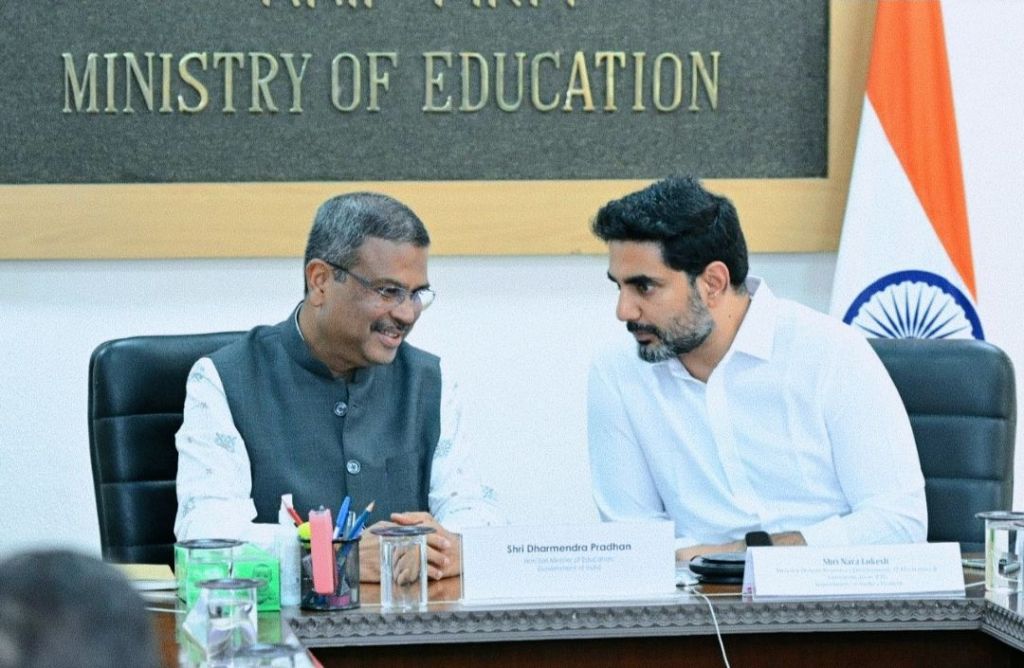
    India’s highways, originally envisioned as arteries of rapid and safe mobility, are increasingly grappling with a critical challenge: the encroachment of slow-moving vehicles into fast lanes. This dangerous practice triggers hazardous overtaking manoeuvres, frequent collisions, and a rising toll of preventable fatalities. What was once dismissed as mere road indiscipline has now escalated into a pressing public safety crisis.

    Recent data underscores the gravity of the situation. Wrong-side overtaking alone accounts for nearly 40% of highway accidents. In 2024, India witnessed approximately 180,000 road accident fatalities, including nearly 30,000 two-wheeler riders who lost their lives due to not wearing helmets and an estimated 70,000 deaths directly linked to unsafe left-side overtaking. Alarmingly, nearly 60% of truck drivers admitted to consistently using the rightmost lanes—an outright violation of fundamental traffic norms—further exacerbating the risk landscape.

    This situation stems from a combination of entrenched habits, infrastructural gaps, and enforcement challenges. Many drivers perceive the right lane as a safer path, inadvertently creating high-risk environments for faster vehicles. The lack of dedicated slow lanes, inconsistent signage, and insufficient emergency pull-outs exacerbates the problem, forcing vehicles of vastly different speeds into dangerously close proximity. Mechanical breakdowns further compound risks, as stationary vehicles often have limited safe spaces to pull aside.

    The physics involved are stark. A vehicle traveling at 100 km/h, forced into sudden swerves or emergency braking due to slower traffic occupying the rightmost lane, faces greatly increased chances of collision. Recent statistics from NH-16, highlighting over 320 accidents and a 27% fatality rate linked to improper lane usage, illustrate the systemic nature of the challenge.

    Addressing this issue demands a comprehensive, technology-driven, and educational response. The deployment of AI-based lane monitoring systems, combined with proactive highway patrols, can significantly enhance compliance. Infrastructure upgrades—such as clearly demarcated slow lanes, regular emergency bays, and dynamic, real-time signage—can encourage safer driving practices. Nationwide awareness campaigns, particularly focusing on commercial drivers, can foster a culture of disciplined lane use, while integration with GPS systems offering real-time lane adherence feedback can act as a continuous behavioural nudge.

    On the legislative front, strengthening the Motor Vehicles Act to mandate lane discipline, coupled with meaningful penalties for violations and incentives for compliance, can drive systemic change. Drawing inspiration from international best practices like Sweden’s “Vision Zero” initiative, India has the opportunity to significantly reduce road fatalities through targeted reforms.

    With India’s vehicle population on the rise, ensuring the safety of its highways is not merely an aspiration but a necessity. Every step taken towards restoring lane discipline is an investment in saving lives, boosting economic productivity, and fostering a more responsible road culture. By prioritizing swift action, India can transform its highways from corridors of chaos into true engines of mobility and national growth.

    The time to act is now—for every life saved paves the way for a stronger, safer future.

    Visit arjasrikanth.in for more insights

  • From Silver Screen Storms to Cultural Legend—Balayya’s Unstoppable Ascent to India’s Hall of Fame

    April 29th, 2025

    From Myth to Mass Mania, Cinema to Statesmanship — Balayya’s Roar Echoes Across India’s Heart, Crowned Now with a Nation’s Highest Applause

    Born on June 10, 1960, into the storied Nandamuri lineage, Nandamuri Balakrishna—revered as Balayya—was destined not merely to inherit greatness but to redefine it. As the son of the iconic N.T. Rama Rao—a cinematic legend and political visionary—the weight of legacy could have been a burden. Instead, Balakrishna transformed it into rocket fuel, propelling himself beyond comparison into a stratosphere of stardom few can claim.

    His artistic journey ignited with the spark of a child prodigy in *Tatamma Kala*, foreshadowing the meteoric rise to come. By 1984, his debut lead role in *Sahasame Jeevitham* announced the arrival of a force that would irrevocably alter Telugu cinema. This was not just an actor—this was a phenomenon, a whirlwind of charisma and intensity that demanded awe.

    Four decades and over 100 films later, Balakrishna’s legacy transcends box office numbers. It lives in the collective heartbeat of his audience. Films like *Samarasimha Reddy*, *Narasimha Naidu*, *Legend*, and *Akhanda* are not mere entertainments—they are cultural earthquakes, seismic events that reshaped the landscape of Telugu cinema. His performances didn’t just captivate; they commanded devotion, elevating him from hero to near-mythic stature.

    The essence of “Balayya Style” defies simple categorization. It is an alchemy of swagger, thunderous dialogue delivery, and a screen presence so magnetic it electrifies theaters. His lines are not spoken—they are unleashed, becoming part of the cultural lexicon. “Jai Balayya” is more than a fan chant; it is the battle cry of a movement, a testament to his unparalleled connection with the masses.

    Critics may label his cinema as “larger-than-life,” but his fans know better. A Balakrishna film is an event, a celebration where the boundary between cinema and collective euphoria dissolves. Theatres transform into temples, and each release becomes a festival of unbridled passion.

    His accolades—Nandi Awards for *Lakshmi Narasimha* and *Simha*, a SIIMA Award for his tour-de-force in *Gautamiputra Satakarni*, and the Kalaimamani Award—reflect only a fraction of his impact. Balakrishna’s artistry extends beyond regional borders, resonating with audiences nationwide through universal themes of valor, justice, and indomitable spirit.

    A master of historical and mythological portrayals, he doesn’t just perform—he resurrects legends. Whether as the formidable Satavahana emperor in *Gautamiputra Satakarni* or the divine Rama in *Sri Rama Rajyam*, Balayya bridges eras, rekindling pride in India’s heritage with every role.

    Beyond the arc lights, his commitment to public service mirrors his father’s legacy. As a Telugu Desam Party leader, he champions farmers, students, and the underserved, while his philanthropy—building schools, funding healthcare, and preserving the arts—reveals a leader who walks the talk.

    The Padma Bhushan is not merely an honor; it is a coronation of a life lived at full throttle. This recognition celebrates not just an actor, but a cultural architect whose work has inspired millions. Yet, for Balayya, this is not an endpoint—it is another milestone in an unstoppable journey.

    The roar of Nandamuri Balakrishna will echo for generations. JAI BALAYYA! 🚩🔥

    *—A tribute to the man who redefined stardom*

    Visit arjasrikanth.in for more insights

  • When Rivers Dream: Reimagining Vijayawada as the Eternal Symphony of the River Krishna

    April 28th, 2025

    “Symphony of a Dreaming River: Recasting Vijayawada in the Language of Eternity”

    For centuries, the Krishna River has flowed through Vijayawada like a timeless song, nurturing its fields, inspiring its poets, and binding its people to a shared spirit of resilience and hope. The river is not just water; it is memory, ambition, and emotion rolled into one shimmering current. Today, the city finds itself standing at the brink of an extraordinary moment — one where the Krishna River and its intricate network of canals could transform Vijayawada into India’s most spectacular riverine city. The only thing standing between dream and reality is the political will to act boldly and act now.

    Imagine a Vijayawada where the Krishna does not merely skirt the city but defines it — a city where mornings begin with river cruises past beautifully lit ghats, afternoons meander along café-lined canal fronts, and nights glitter with festivals that mirror the constellations above. Such a future is not just romantic fancy; it is achievable, tangible, and urgently needed. Across India, cities like Ahmedabad, Varanasi, and Hyderabad have already reimagined their waterfronts into engines of culture, economy, and ecological revival. Ahmedabad’s Sabarmati Riverfront pulses with life along an 11.5-km promenade, while Varanasi’s ghats blend spirituality with world-class tourism. Hyderabad’s Hussain Sagar dazzles with floating restaurants and laser shows. But Vijayawada has something even more rare — the majestic Krishna coursing through its heart and a dense canal network crisscrossing its urban fabric, offering a canvas grander than any other.

    The ₹1,000 crore Krishna Riverfront Development Project is a monumental leap in the right direction. Phase 1 is already breathing life into 2.5 km of the riverfront, complete with walkways, lights, and seating. New ferry services to Bhavani Island operate daily, offering glimpses of the possibilities that lie ahead. Floating restaurants are nearing 65% completion, while plans for a pedestrian bridge, an eco-park, and a stunning laser show promise to turn the riverfront into a spectacle that could rival the world’s best. Meanwhile, the Buckingham Canal and Budameru Canal — silent witnesses to Vijayawada’s past — are also stirring back to life with dredging, cycling tracks, flood mitigation walls, and efforts to intercept sewage.

    And yet, challenges lurk like unseen eddies in the current. Encroachments choke over 250 spots along the proposed riverfront stretch. Sewage still stains nearly 40% of the Buckingham Canal. Floods, like those in 2023, threaten to undo years of progress in mere days. Smart City funds remain underutilized. But these obstacles are not roadblocks; they are invitations to innovate. Ahmedabad beat encroachments through strong PPP models. Chennai diverted sewage from its Cooum River through innovative engineering. Lucknow turned the Gomti River into a cultural magnet through community-driven events. Vijayawada must learn, adapt, and move faster, smarter, and together.

    Inspiration for Vijayawada’s next steps comes from visionary concepts. Picture floating parks and restaurants that rise and fall with the river, refusing to be victims of the monsoon. Imagine promenades powered by solar energy, cleaned by AI-guided robots, with free Wi-Fi zones and charging pods for a digital generation. Envision a “Krishna Koin” — a loyalty program where citizens earn digital tokens for eco-friendly actions and redeem them for riverfront experiences. Think of night markets that weave culture, commerce, and celebration into unforgettable memories.

    The canals, too, must become living, breathing spaces. With algae management, water taxis, food streets, and eco-bridges, they can be transformed from forgotten channels into lifelines of urban joy. In a few short years, Vijayawada could move from 5 lakh tourists a year to 15 lakh. Water quality could improve dramatically. Public spaces could expand from 12 acres to 45 acres. Jobs could multiply from 800 to 5,000. The river could once again be not a boundary but a bond.

    The roadmap is clear: swift action to remove illegal structures, investment in sewage interception, innovation in flood resilience with floating wetlands, and relentless focus on creating public spaces that buzz 24/7. Funding models like Public-Private Partnerships, River REITs, (River Estate Investment Trust) and CSR-driven ecology initiatives can provide the necessary financial muscle. Community engagement through apps like ‘Nadi Mitra’ and annual environmental audits will ensure transparency and trust.

    But above all, it requires leadership — bold, unafraid, visionary leadership that can see beyond political terms and election cycles into the luminous arc of history. Vijayawada’s riverfront and canalfront development cannot be a half-hearted project executed in fragments. It must be a grand symphony, with the Krishna River as the eternal composer and the citizens as both the musicians and the audience.

    If we act now, the Krishna River will not merely flow through Vijayawada; it will flow through history, whispered about in the same breath as the Thames in London, the Seine in Paris, and the Danube in Vienna. A city that once grew by the river will be reborn because of it. It is time for Vijayawada to listen carefully — for rivers, when they dream, speak in the language of eternity.

    Visit arjasrikanth.in for more insights

  • “TCS, Infosys, Wipro: Dinosaurs in the Age of AI ?”

    April 28th, 2025

    “Code Red: The Existential Reckoning of India’s IT Empire”

    Once the engine propelling India’s ascent in the global economy, the Indian IT industry now stands at a critical juncture, facing unprecedented disruption. Confronted with shrinking client budgets, accelerating automation, and intensifying geopolitical headwinds, the sector’s giants—Infosys, TCS, and Wipro—are issuing cautionary signals. Once synonymous with growth, the industry is witnessing a marked downturn, with near-zero growth projections, plunging stock prices, and widespread hiring freezes. The skyline of Bangalore, shaped by the ambitions of this once-thriving sector, reflects an uncertain future as it grapples with the seismic shift ushered in by artificial intelligence and economic volatility in key international markets.

    Recent data paints a sobering picture. Infosys, traditionally a bellwether of the industry, has forecasted growth between 0% and 3% for 2026, a far cry from its era of double-digit expansion. Wipro offers a similarly restrained outlook, while TCS, despite its formidable reputation, has missed earnings expectations. These warning signs have not gone unnoticed by investors—India’s IT index has tumbled by nearly 20% this year, in stark contrast to the relatively stable Nifty 100, signalling eroding confidence in the sector’s resilience.

    At the heart of this crisis lies the United States, long the most significant market for Indian IT services. With recession fears rising, American corporations are slashing discretionary spending, stalling IT projects, and renegotiating contracts with relentless scrutiny. The resurgence of protectionist policies, including the re-imposition of tariffs under President Donald Trump, has further strained bilateral business relations. Industries such as manufacturing and retail have responded with budget cuts and project cancellations, eroding the dependable revenue pipelines Indian IT firms once enjoyed. These shifts have introduced a climate of uncertainty where previously there was predictability.

    Nonetheless, pockets of resilience remain. The banking and financial services domain continues to exhibit relative stability, providing a slender thread of continuity. Yet, this is an insufficient bulwark against the structural changes sweeping the industry. The global demand landscape is evolving rapidly; clients now seek expertise in artificial intelligence, cloud technologies, and cybersecurity, not bulk manpower for coding. Indian IT must therefore evolve from a volume-based delivery model to one rooted in high-value innovation.

    Generative AI encapsulates this transformation—both as a disruptive force and a catalyst for renewal. It enables automation of routine tasks, accelerates delivery timelines, and empowers leaner project teams. However, it simultaneously compresses margins by prompting clients to demand faster and cheaper services, eroding traditional business models. The technology is reshaping expectations and redefining competitiveness in ways that traditional service offerings cannot accommodate.

    Compounding this technological disruption is a deepening talent crisis. Once voracious recruiters, Indian IT firms have dramatically scaled back hiring. Infosys, for instance, which hired over 50,000 fresh graduates in a single year, has now curbed recruitment significantly. The shift in focus from expansion to efficiency underscores a paradigm change—low-cost manpower no longer guarantees competitive advantage. The future belongs to firms capable of harnessing specialist talent in machine learning, cloud architecture, and digital security.

    The path forward demands radical reinvention. Companies must pivot toward AI-led solutions and differentiate their offerings through proprietary platforms and advanced analytics. The global migration to cloud computing presents a transformative opportunity, and Indian IT must stake a strong claim in this domain or risk obsolescence. Positioning as strategic partners in clients’ cloud transitions will be critical for survival and relevance.

    Cybersecurity also represents a rapidly expanding frontier. As cyber threats grow more sophisticated and pervasive, the ability to safeguard digital infrastructure is no longer optional—it is existential. Indian IT firms must invest in building world-class capabilities in this space, both in terms of technology and human capital.

    Geopolitical challenges, particularly restrictive visa regimes and increasing scepticism of offshoring, require strategic recalibration. Establishing nearshore centres, investing in local talent across the U.S. and Europe, and adopting hybrid delivery models are no longer forward-looking strategies—they are immediate imperatives for maintaining market access and client trust.

    Upskilling is another cornerstone of the sector’s renewal. Engineers proficient in legacy coding languages must be reskilled in AI, cloud technologies, and cyber defense to stay relevant. Without a large-scale commitment to workforce transformation, the risk of obsolescence looms large.

    The Indian IT industry, while facing immense pressure, is not beyond redemption. Its foundational strengths—discipline, global delivery models, and client trust—still hold value. But the time for incremental change is over. What is required now is a bold, decisive embrace of innovation and specialization. The industry stands at a crossroads, with one path leading to reinvention and renewal, and the other to stagnation and decline. The choices made today will determine whether Indian IT regains its position as a global leader or becomes a cautionary tale of missed transformation in the face of change.

    Visit arjasrikanth.in for more insights

  • “When Gandhian Threads Meet Gen-Z Trends: The Rise of Andhra’s Handloom Hackers”

    April 27th, 2025

    Threads of Thunder: Andhra Pradesh Is Weaving the Future With Every Loom Stroke”

    The rhythmic clatter of wooden looms echoing through the weaving villages of Andhra Pradesh is more than just the sound of craftsmanship—it is the heartbeat of a cultural and economic renaissance. In an age where global fashion evolves rapidly, the handloom sector of Andhra Pradesh is quietly and confidently reclaiming its space, intertwining age-old skills with modern innovations. This evolution is redefining possibilities—empowering artisans, invigorating communities, and positioning the state as a shining beacon in India’s textile resurgence.

    Andhra Pradesh’s rich handloom legacy reflects the beauty and brilliance of its cultural heritage. Home to over 3.2 lakh active handlooms, the state nurtures one of the most vibrant weaving traditions in the country. Across more than 15 weaving clusters, exquisite textiles like Mangalagiri cottons, Uppada silks, and Dharmavaram sarees continue to flourish, celebrated for their intricacy and elegance. These clusters are living museums of technique and tradition, where the warp and weft carry not just thread, but generations of artistry. For decades, celebrated cooperative ventures have kept this heritage alive, fostering unity and self-reliance among artisan families across the state.

    With renewed focus and strategic vision, Andhra Pradesh is embracing a future-ready approach that bridges the traditional with the contemporary. The digital revolution has become a powerful enabler for weavers, unlocking new opportunities through e-commerce and social media. Handloom cooperatives are leveraging online platforms to reach broader audiences, with a significant share of sales now happening via social commerce. Products showcased on major e-marketplaces are commanding premium prices, demonstrating growing global appreciation for authentic, handmade creations. Augmented reality tools, virtual showrooms, and real-time consumer interaction are making handcrafted textiles more accessible than ever.

    The digital domain is also nurturing a new generation of artisans. Young weavers are building personal brands and vibrant communities around their craft. Through live demonstrations and storytelling, they are offering consumers a glimpse into the artistry behind every thread. This intimate engagement is creating a deeper emotional connection, turning each purchase into an experience rooted in appreciation and awareness.

    Andhra Pradesh is also innovating in how handlooms are experienced. Handloom tourism has emerged as a dynamic way to celebrate the state’s textile heritage while supporting local livelihoods. Interactive weaving experiences, artisan homestays, and textile-themed circuits are inviting visitors to not just observe but participate in the creative journey. Pilgrimage routes are evolving into cultural corridors, where handcrafted goods meet devotional journeys, creating meaningful economic linkages.

    Design innovation is thriving as tradition meets technology in inspiring ways. Collaborations between educational institutions and artisan communities are giving rise to future-ready fabrics and futuristic designs. Cutting-edge technologies such as AI-assisted design, IoT-enabled production, and blockchain-backed traceability are revolutionizing every aspect of the supply chain. This blend of creativity and science is not only enhancing efficiency but also ensuring transparency and trust in every handloom piece, elevating its value in discerning domestic and international markets.

    Financial ecosystems are also being thoughtfully strengthened to support the aspirations of handloom entrepreneurs. Forward-looking programs are unlocking new pathways for investment, mentorship, and market access. From tailored CSR initiatives and decentralized governance models to accessible capital and policy incentives, the environment is being shaped to nurture creativity, innovation, and entrepreneurship across the sector.

    A significant milestone in this journey is the state’s comprehensive Handloom Revival Fund, a forward-thinking initiative that fosters innovation and resilience. From interest subsidies to digital marketing assistance and export development support, it is ensuring that the weaver’s loom becomes a launchpad for global opportunity. Plans for design incubators and smart-city-based handloom hubs underscore the commitment to integrating tradition into the fabric of modern urban life.

    The outcomes are both inspiring and encouraging. A growing number of young artisans are choosing to embrace handloom weaving as a proud and promising career. Export figures continue to rise, with remarkable achievements in both volume and value. The vision of a globally recognized, innovation-led handloom startup ecosystem is becoming increasingly tangible, promising even greater opportunities in the years ahead.

    As the morning light graces the weaving villages of Andhra Pradesh, it reveals not only the fine textures of handcrafted fabrics but the vibrant momentum of a sector that is growing with confidence and pride. Each thread is a testament to resilience, each pattern a mark of innovation, and every loom a symbol of progress. Through this harmonious blend of heritage and ambition, Andhra Pradesh is not just preserving tradition—it is shaping a future where handlooms embody elegance, sustainability, and global appeal. The journey continues with every rhythmic pass of the shuttle, crafting a brighter tomorrow—one masterpiece at a time.

    Visit arjasrikanth.in for more insights

←Previous Page
1 … 25 26 27 28 29 … 135
Next Page→

Blog at WordPress.com.


Loading Comments...
 

    • Subscribe Subscribed
      • SOCIAL PERSPECTIVES
      • Join 99 other subscribers
      • Already have a WordPress.com account? Log in now.
      • SOCIAL PERSPECTIVES
      • Subscribe Subscribed
      • Sign up
      • Log in
      • Report this content
      • View site in Reader
      • Manage subscriptions
      • Collapse this bar