• About

SOCIAL PERSPECTIVES

  • De-Dollarization: The Rebellion That Eats Empires for Breakfast”

    August 20th, 2025

    The U.S. dollar isn’t collapsing, it’s corroding—one oil deal, one digital currency, one act of quiet defiance at a time.

    For nearly eight decades, the U.S. dollar has ruled like an emperor no one dared to challenge. Oil was priced in dollars, central banks hoarded Treasuries like religious relics, and global trade moved to the beat of Washington’s drum. But empires never fall overnight. They erode—chip by chip, whisper by whisper—until one day the throne no longer looks unshakable. Today, the dollar still wears the crown, but the world is already designing its exit strategy. The name of that strategy is de-dollarization.

    At its heart, de-dollarization is simply the act of reducing dependence on the greenback in trade, finance, and reserves. For decades, nations accepted the dollar’s supremacy because it brought liquidity, stability, and convenience. But what once felt like security now feels like a leash. And when Washington weaponized its currency—freezing Russia’s $300 billion in foreign reserves and cutting Moscow off from SWIFT in 2022—the leash suddenly looked like a noose. Countries from Asia to Latin America realized the same thing: if it could happen to Russia, it could happen to them. The weaponization of money sparked a rebellion.

    Economic gravity is also working against the dollar. In 2000, the United States made up a fifth of global GDP; today, it hovers closer to 15 percent. Trade has drifted toward Asia, where China quietly pushes its yuan onto the world stage. Back in 2018, the yuan was a rounding error in global currency markets. Now it accounts for 7 percent of foreign exchange turnover—a sliver compared to the dollar, but a leap forward nonetheless. Central banks from Brazil to Turkey are trimming their dollar exposure, piling into gold instead. Gold, the ancient hedge, is suddenly back in vogue as governments grow wary of holding too many American IOUs.

    Technology is accelerating this slow-burn revolution. More than 130 countries are testing or developing central bank digital currencies. China’s digital yuan has already been tested in large-scale settlements. India has opened Vostro accounts to settle trade in rupees. ASEAN is stitching together a payment network to allow local currencies to talk to each other directly by 2030. Each move is like an axe to the tree trunk of dollar dominance—not enough to topple it today, but relentless in its chopping.

    Examples are everywhere. Russia and China now settle more than 90 percent of their trade in rubles and yuan. India and the UAE struck their first crude oil deal in rupees and dirhams. Iran and Russia transact almost entirely in their own currencies. Saudi Arabia—the bedrock of the petrodollar system—is flirting with the idea of selling oil in yuan. BRICS has even launched experiments with a blockchain-based payment system, BRICS Pay, aimed at bypassing SWIFT altogether. The more Washington tightens its grip, the more others seek to wriggle free.

    The stakes are enormous. For the United States, a retreat from the dollar means a more expensive future. If foreigners stop buying Treasuries at the same pace, borrowing costs rise. Economists calculate that a $300 billion exodus from U.S. government bonds could lift yields by more than 30 basis points, sending ripples through mortgages, corporate loans, and consumer credit. A weaker dollar would make imports pricier, stoking inflationary headaches. Meanwhile, emerging economies could finally breathe easier. By trading in their own currencies, they insulate themselves from sanctions and free up resources previously tied in dollar reserves to invest at home. Investors are already reacting—gold is projected to climb toward $4,000 an ounce by 2026 as reserve managers hedge their bets.

    Yet the dollar’s downfall is no fairy tale of swift justice. No other currency can yet match the depth of U.S. bond markets or the ubiquity of dollar liquidity. The euro is hobbled by political fragmentation. The yuan is still chained by Beijing’s tight controls and suspicion abroad. Even within BRICS, unity is fragile—India resists any yuan-dominated architecture, preferring its own autonomy. Some analysts argue that what we’re witnessing is cyclical, tied to U.S. monetary swings, not structural. Washington, for its part, is not twiddling its thumbs. It is reinforcing alliances, leveraging NATO and the G7, and even floating extreme countermeasures. Donald Trump has threatened tariffs of up to 150 percent on BRICS economies if they pursue alternatives too aggressively.

    So, what comes next? The likeliest future is not a sudden dethroning but a messy, multipolar reality. Instead of one king currency, there will be a council: yuan, euro, digital currencies, gold, maybe even commodity-backed deals. Countries like Indonesia and the UAE, who play both sides, could become crucial hubs in this new ecosystem. Nations will diversify their reserves, build local settlement systems, and experiment with digital money—all while still holding plenty of dollars, just in case.

    The dollar is not dead. It still dominates trade, still anchors reserves, still floods every corner of global finance. But the monopoly is cracking. For the first time since World War II, the world is rehearsing for a future where the greenback is no longer the only script in town. De-dollarization is not a revolution with fireworks. It is a quiet, grinding re-choreography of global money. The emperor still sits on the throne, but the courtiers are already bowing to other powers. And in the slow-motion bleeding of dominance, history is being written—not with cannons and coups, but with contracts, settlements, and quiet defiance.

    Visit arjasrikanth.in for more insights
  •  “Feeding the Elephant in the Room: Can India Digest the Cost of Nourishing 80 Crore People?”

    August 19th, 2025

    Balancing benevolence and bankruptcy, India’s colossal food security program walks a tightrope between nourishment and national sustainability. 

    Picture this: 800 million people, each with a plate, waiting at the table of one of the world’s most ambitious food security programs. The National Food Security Act (NFSA), enacted in 2013, set out to serve this meal — not metaphorically, but quite literally. Designed to ensure access to subsidized food grains for 75% of rural and 50% of urban populations, the NFSA transformed India’s food distribution system into a social lifeline. But behind the curtain of compassion lies a complex puzzle of economics, environmental strain, and bureaucratic inefficiencies that is becoming increasingly difficult to swallow.

    At its core, the NFSA distributes rice, wheat, and coarse grains to over 80 crore citizens at heavily subsidized rates. Under schemes like the Antyodaya Anna Yojana, the poorest households receive 35 kg of grains per month. The backbone of this operation is an army of nearly 5.3 lakh fair price shops spread across the country. While this has helped millions keep hunger at bay, it comes with an annual food subsidy bill that now exceeds ₹2 lakh crore — a number large enough to fund multiple national programs or build thousands of schools, hospitals, or infrastructure projects.

    The gains are visible. Hunger and starvation deaths have declined. Children from poor families go to school instead of scavenging for food. Farmers benefit from assured procurement at the Minimum Support Price (MSP), providing them income stability. The public distribution system has, in many ways, stitched together the fractured seams of rural India’s fragile economy.

    But while India celebrates these moral victories, the economic side-effects can’t be ignored. This food subsidy burden consumes 4–5% of the government’s total expenditure. That’s not just a budget line — it’s a warning sign. This commitment, noble in intention, pulls precious funds away from long-term nation-building investments like education, healthcare, and infrastructure. A growing fiscal deficit, fuelled in part by subsidy overload, chips away at economic resilience.

    Beyond the ledger books, the NFSA distorts agricultural markets. With the state focusing procurement almost entirely on wheat and rice, farmers are discouraged from cultivating more ecologically and nutritionally diverse crops. This over-reliance depletes groundwater, contributes to methane emissions, and promotes unsustainable monocultures. India’s granaries may be full, but its soils and aquifers are being emptied.

    Then there’s the distribution chaos. Despite Aadhaar-based authentication and digitized ration cards, the system suffers from errors of exclusion and inclusion. Deserving beneficiaries get left out; undeserving ones sneak in. Procurement losses due to rot, theft, and transport inefficiencies plague the system. Moreover, calorie security has overshadowed nutritional security — the poor may get enough to eat, but they aren’t necessarily eating well. Hidden hunger, marked by vitamin and mineral deficiencies, remains a silent epidemic.

    This isn’t just a food story anymore — it’s a bigger narrative of how a well-intentioned safety net risks becoming an economic trap. The spread of “freebies” — from subsidized food to electricity, fertilizers, and fuel — creates a culture of entitlement that can sap productivity, inflate prices, and undercut long-term fiscal stability. Without careful management, welfare becomes an anchor, not a lifeline.

    But this story isn’t doomed. Reform is possible — and urgent. Targeting needs surgical precision. With the help of AI and big data, beneficiary databases can be cleaned up, making sure only the genuinely needy are served. Direct Benefit Transfers (DBT), inspired by Brazil’s Bolsa Família, can reduce leakages and give people agency in choosing their nutritional sources.

    India also needs to rethink what it feeds its people. A new food basket must go beyond rice and wheat to include millets, pulses, and fortified grains. A shift from calorie-counting to nutrient-rich food would attack malnutrition at its root. Programs like Brazil’s, which procure food locally for school meals and welfare schemes, offer a model for connecting agriculture with nutrition and livelihoods.

    On the farming front, India should phase out blanket subsidies and replace them with income-support programs that don’t dictate what farmers must grow. Mexico’s PROCAMPO program shows how decoupling support from specific crops can encourage more rational, eco-friendly farming decisions. Investment in irrigation, storage, and climate-resilient agriculture must accompany these reforms.

    Fiscal prudence cannot be compromised. Rationalizing overlapping welfare schemes, capping subsidies for higher-income groups, and creating an independent fiscal council to monitor expenditure could restore balance. What we save from trimming fat can be invested in the muscle — education, skill-building, MSMEs, and innovation.

    Human capital is India’s golden goose. Investing in skilling programs like Singapore’s SkillsFuture, while nurturing MSMEs with tailored support à la Germany’s Mittelstand, can gradually reduce dependency on welfare while expanding the economic pie. It’s not about cutting off support, but making support smarter.

    In the final analysis, feeding 80 crore people is not just an act of benevolence — it’s a national obligation rooted in justice. But the plate cannot be filled endlessly without checking the kitchen’s sustainability. India must now evolve from a food-security regime to a nutrition-sensitive, economically viable, and environmentally sustainable model. The question is not whether we feed our people — but how wisely, how fairly, and how sustainably we do it. Only then will India stop feeding the elephant in the room — and start nourishing its future.

    Visit arjasrikanth.in for more insights
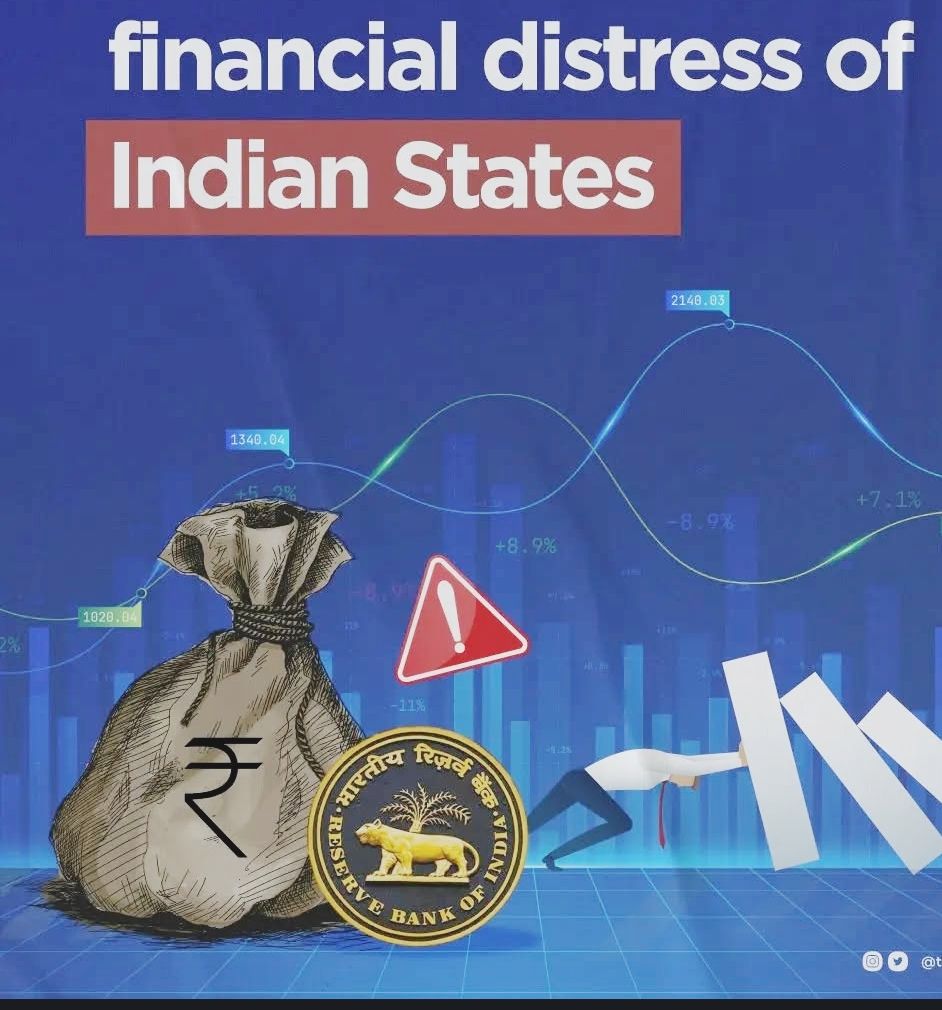
  • When the Sky Lost Its Temper and the Himalayan Mountains Kept the Score

    August 18th, 2025

    Kashmir’s cloudburst is more than a freak storm—it is nature’s ultimatum to a civilization building faster than it can prepare. 

    On the morning of August 14, 2025, the heavens over Kashmir threw a tantrum that would have impressed a diva. At 11:30 a.m., Sodhi town in the Kishtwar district found itself smacked by a cloudburst so furious that the rain turned to mud in minutes, a geological paint mixer that scythed across roofs and roads with gleeful abandon. Meteorologists labeled it a cloudburst—more than 100 millimeters of rain in under an hour—yet the spectacle felt almost theatrical: a sky that decided to drop a grand tragedy on a single, unsuspecting valley. Pilgrims gathered at a high-altitude shrine to Goddess Durga, expecting reverence and ritual, instead became witnesses to chaos as floodwaters surged into a community kitchen crowded with worshippers for lunch. By nightfall, the valley whispered in the language of sirens and rotor blades: dozens of lives lost, hundreds missing, and the landscape altered beyond recognition.

    This was not an isolated incident but a chapter in a troubling Himalayan dossier. Within days, Uttarakhand’s hillsides had already bled with floods and mudslides, and Himachal Pradesh’s Kinnaur region faced a comparable reckoning. The pattern revealed a mountain range under unprecedented duress—from warming temperatures and rapid glacial melt to the unregulated flux of tourism and pilgrimage that threads people through fragile ecological seams. Each disaster amplifies the question that science whispers and policymakers shout: has development in these sacred, treacherous terrains outrun nature’s tolerance?

    The Kashmir response was swift yet hemmed in by geography’s stubborn rigidity. Rescue teams—local police, disaster response forces, the Indian Army, and the Air Force—braided through collapsing roads and washed-out slopes, racing against continuing rainfall to recover bodies and pull the living from the teeth of a torrent. Jammu and Kashmir’s Chief Minister spoke candidly about the difficulty of confirming information from the worst-hit pockets; every hour mattered when ground vanished beneath you and communications faltered. Survival depended on courage and calculation, but the broader truth lurked in the margins: India’s preparedness for high-impact weather events remains misaligned with the scale of the challenge.

    Cloudbursts are a well-charted meteorological phenomenon, yet the defense against them remains frustratingly porous. The collision of monsoon air with cool western disturbances, amplified by the Himalayas’ dramatic topography, spawns violent precipitation. Climate change serves as a ruthless amplifier, injecting more moisture into a system already prone to chaos. The Himalayas, warming faster than global averages, see glaciers retreating in a cascading spiral of floods, landslides, and glacial lake outburst floods. In 2025 alone, cloudburst-like events punctuated three Himalayan states, signaling systemic stress rather than coincidence.

    Beyond the science lies the stubborn arithmetic of human choices. Riverside construction, deforestation, poorly planned hydropower schemes, and settlements in flood-prone corridors turn nature’s tantrums into amplified tragedies. Pilgrimages—culturally vital and spiritually resonant—draw tens, sometimes hundreds, into zones that remain ill-prepared for sudden disaster. Makeshift shelters, temporary kitchens, and narrow access routes morph into lethal choke points when the mountains unleash their fury. In Kishtwar, a cherished community space became an epicenter of grief, its ordinary walls suddenly guarding nothing against an upset sky.

    The globe offers a syllabus for resilience. Switzerland’s early-warning systems for glacial lake outburst floods have saved lives; Nepal’s SMS-based community alerts empower villagers to evacuate in time; Japan’s eco-engineering nets and check dams stabilize slopes; the Netherlands’ Room for the River demonstrates a bold reimagining of floodplains. These cases sketch a blueprint that India could adapt with urgency: broaden early warning beyond pilots, deploy Doppler radars, automated rain gauges, and robust community alert networks as the backbone of Himalayan preparedness; refocus infrastructure policy from ad hoc growth to climate-resilient planning; enforce strict zoning to forbid risky settlements; invest in watershed management, reforestation, and slope stabilization; and elevate public education so that locals and pilgrims alike understand evacuation protocols and survival strategies.

    The Kashmir cloudburst is more than a disaster report; it is a warning etched in water, mud, and the quiet between helicopter blades. Climate change is not a distant abstraction here; it is a lived, breathing force that tests both natural systems and governance alike. Devotion has always drawn people toward lofty, sacred spaces; now responsibility must steer them clear of danger. Development, even when cloaked in progress and piety, must evolve to honor the mountains’ thresholds. The true measure of advancement will be what remains after the clouds disperse: a society that chooses resilience over reckoning, humility before nature over bravado in development.

    If the sky could speak after tearing open that day, it would urge a collective prayer for preparedness. The Himalayas will endure their splendor and peril, but their future—whether a graveyard of neglect or a sanctuary of resilience—will depend on the choices we make today, not tomorrow.

    Visit arjasrikanth.in for more insights
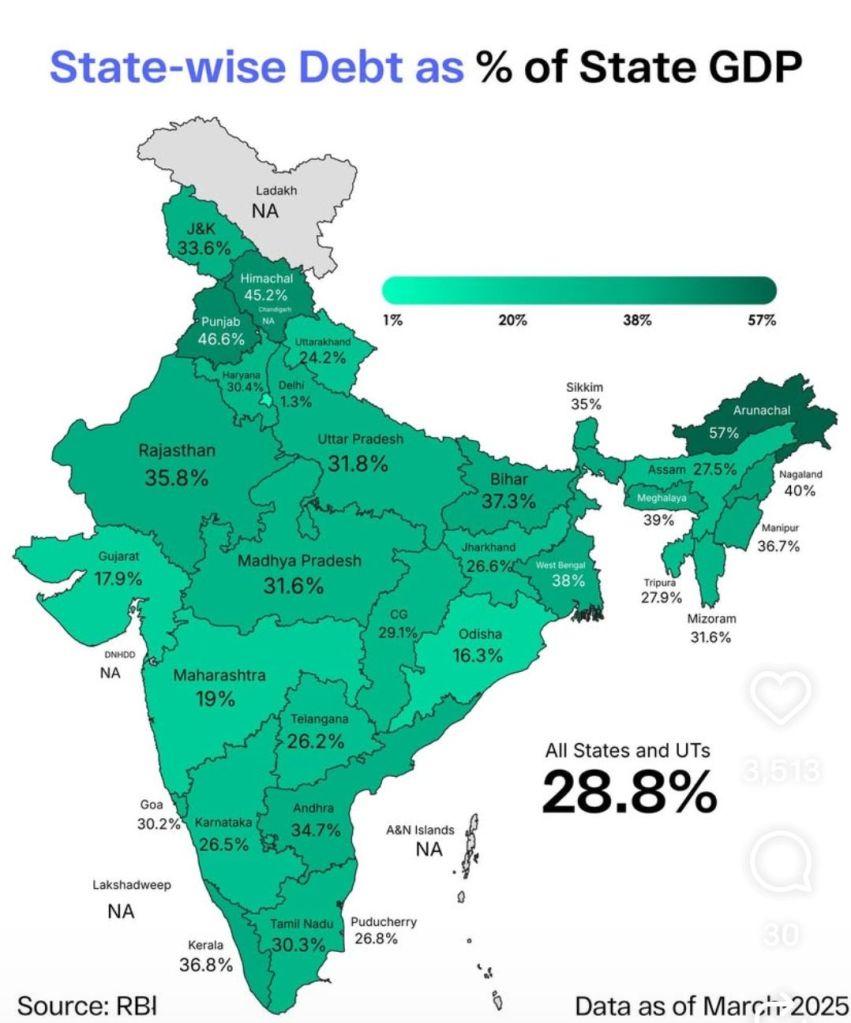
  • “Barking Up the Wrong Gavel: Judicial Flip-Flops on Delhi’s Stray Dogs Reveal a Courtroom Tug-of-War Between Conscience and Chaos”

    August 17th, 2025

    When Supreme Court verdicts wobble like Delhi’s traffic lights, society is left chasing its own tail—while a million dogs wait to know if they belong or must vanish. 

    In the blistering circus that is Delhi, where the honking of cars competes with the clatter of chai cups and the sky is forever tinted by construction dust, a new drama has erupted—not on the streets, but in the hallowed halls of India’s highest judiciary. The Supreme Court, in one moment, thundered that every stray dog in Delhi must be rounded up and dispatched to shelters within eight weeks, only to pull the brakes later and keep the judgment in abeyance. This stop-start, flip-flop routine has left the city’s citizens, animal activists, and policymakers stranded in a haze of confusion. If anything, it highlights a glaring reality: when it comes to coexistence with our four-legged neighbors, judicial indecision is becoming as notorious as Delhi’s traffic jams.

    For perspective, Delhi is no sleepy hamlet—it is home to nearly one million stray dogs. Between January and July 2025 alone, more than 90,000 dog bite cases were recorded, each an anecdote of trauma: toddlers mauled, delivery workers attacked, families scarred by rabies infections. Public safety concerns are real and cannot be shrugged off. But in the same breath, to treat these animals as expendable nuisances is to forget that dogs are also part of Delhi’s social and ecological fabric. They keep pests like rats and feral cats in check, guard neighborhood alleys, and for countless citizens, they are companions who wag their tails outside tea stalls or sleep curled up outside shopfronts.

    The contradiction begins with the judiciary itself. In 2024, the Supreme Court urged compassion, even admonishing those who demanded removals with the sardonic line: “Take them home if you care so much.” That statement embodied empathy, acknowledging that stray dogs are sentient beings with rights, not disposable obstacles. Fast forward barely a year, and the very same Court has flipped its moral compass, issuing an uncompromising directive to remove every stray within two months. Then, in a fresh twist, it quietly hit the pause button, keeping its own judgment in abeyance. What message does this send? That canine lives, and by extension the rights of all urban wildlife, hang by the fragile thread of judicial moods?

    The law may be written in black and white, but life on the streets is not. Delhi’s stray dog problem did not emerge overnight; it is the direct offspring of decades of half-hearted implementation of the Animal Birth Control (ABC) Rules. Designed to sterilize, vaccinate, and release dogs humanely, the program fell prey to India’s classic maladies: underfunding, corruption, lack of waste management, and bureaucratic inertia. Garbage piles became buffets. Sterilization rates never hit the magic 70% required to stabilize populations. And so, dogs multiplied while human frustration festered. Instead of strengthening this humane system, the Court’s “all dogs to shelters” order reads like a desperate band-aid slapped over a gaping wound.

    Practicality, too, screams against it. Where, pray, will one million dogs go in eight weeks? Delhi’s shelters are already overcrowded, underfunded, and understaffed. Forcing in thousands more animals will not create sanctuaries—it will create prisons of suffering, where disease spreads faster than compassion can keep up. Ironically, such a move could birth a humanitarian crisis within shelters worse than the street-level problem the Court is trying to solve.

    More importantly, it sets a dangerous precedent. If one stroke of judicial pen can decide that an entire species’ right to live freely is secondary to convenience, where does it end? The constitutional ethos of India upholds compassion for all living beings; surely, this spirit cannot be sacrificed at the altar of expediency. Dogs are not invaders—they are part of our urban ecosystem, shaped by the same forces that created the modern Indian city. To exile them en masse is to erase a piece of our collective environment.

    Thank heavens, then, that the Court has paused its own verdict, however awkward that reversal may seem. It gives Delhi one more chance—not to eliminate dogs, but to rethink coexistence. Humane solutions exist: scaling up sterilization with mobile veterinary units, fixing waste management so that garbage no longer sustains strays, enforcing pet ownership rules with registration and penalties against abandonment, and educating the public on rabies prevention and responsible feeding. None of these make for quick headlines, but they represent genuine progress.

    The deeper truth is this: animals are not intruders in human society; they are co-inhabitants of it. Stray dogs, for all their bark and bite, are reminders that our cities are not sterile machines but living ecosystems. To coexist requires patience, planning, and compassion—not knee-jerk decrees that change with the weather. The judiciary’s indecision only exposes a larger societal confusion: are we willing to evolve coexistence, or will we continue swinging wildly between sentiment and severity?

    The clock ticks not just for Delhi’s strays, but for India’s conscience. Courts may change their stance tomorrow, but the moral compass for humanity cannot afford to wobble. At the end of the game, animals are not guests in our world—they are part and parcel of it. They have as much right to live their lives freely as humans do. A judge’s word should not be sacrosanct enough to erase that truth. What Delhi needs is not elimination, but evolution—an evolved ethic of coexistence where the bark of a dog on a dusty street is not a threat, but a reminder that life in all its forms belongs here.

    Visit arjasrikanth.in for more insights
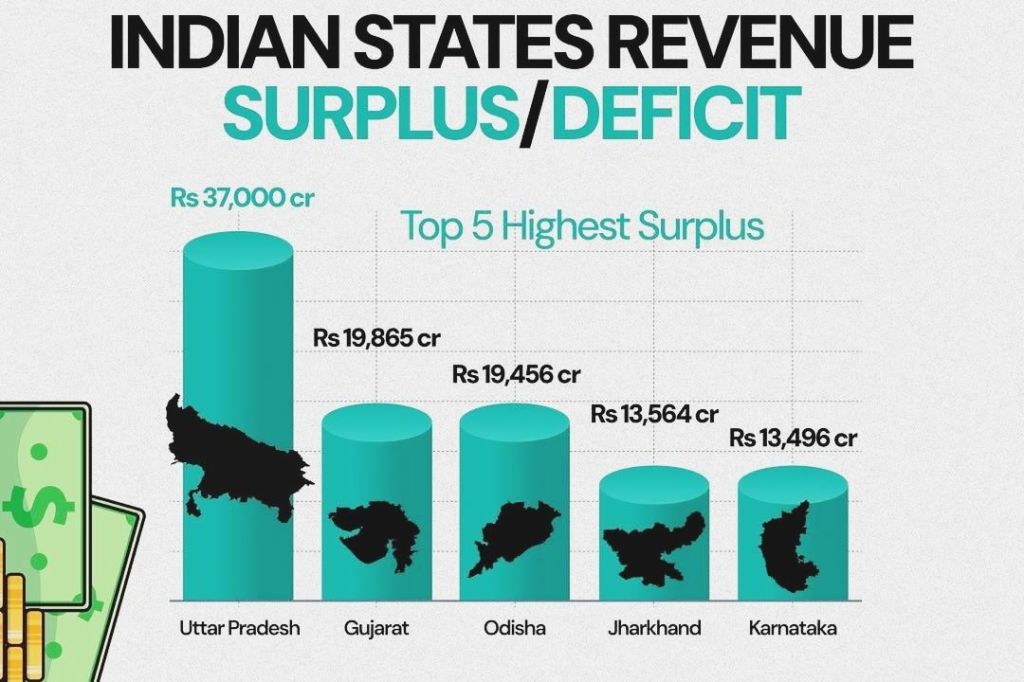
  • Zombie Towns on the $5-Trillion Highway: India’s Dead Cities Are Learning to Run

    August 16th, 2025

    Starved of cash and strangled by chaos, India’s municipalities are crawling out of the grave—armed with GIS maps, green bonds, and just enough swagger to change the nation’s fate. 

    India’s cities are gasping—not for breath, but for governance. For decades, urban local bodies, tasked with managing the daily lives of nearly 36% of the country’s population, have existed in a twilight state—neither fully functional nor entirely defunct—sustained by sporadic handouts, political interference, and bureaucratic inertia. Once envisioned as laboratories of urban innovation, they have instead become underfunded, unaccountable, and uninspired, drifting through decades of lost potential.

    Yet, in this smog of dysfunction, a quiet revival is taking shape. From Surat’s property tax revolution to Indore’s waste management transformation, some cities are beginning to demonstrate that change is not only possible but scalable. If nurtured, this shift could become one of the most important stories in India’s journey toward a $5-trillion economy.

    The crisis is both financial and operational. Fewer than 10% of municipalities are financially self-sufficient, with the rest surviving on central and state grants that create dependency rather than resilience. Property tax, the lifeblood of municipal finance worldwide, contributes less than 0.5% of India’s GDP compared to 3–5% in 38, OECD countries. Infrastructure gaps remain stark—40% of urban households lack piped water, 60% of sewage flows untreated into rivers, and less than a fifth of solid waste is scientifically processed. Allocated capital budgets often remain unspent for years, a symptom of deeper administrative paralysis.

    The governance structure is equally fractured. Multiple agencies often oversee the same service, creating a maze of overlapping jurisdictions where accountability evaporates. In many cities, transport falls under one body, water under another, and housing under yet another, forcing citizens to navigate an administrative labyrinth for even the simplest services. Outdated municipal boundaries, drawn in colonial times, no longer align with today’s urban realities, leaving neighbouring areas with vastly different access to infrastructure and amenities.

    Despite these structural failings, a handful of cities have refused to wait for top-down reform and instead engineered their own turnarounds. Indore’s waste management overhaul through a public-private partnership has not only made it 100% Open Defecation Free but also generated ₹120 crore annually. Surat tripled its property tax revenue using GIS mapping and digital licensing. Pune became the first Indian city to issue municipal bonds, raising over ₹2,000 crore for water and sewerage projects without depending on grants.

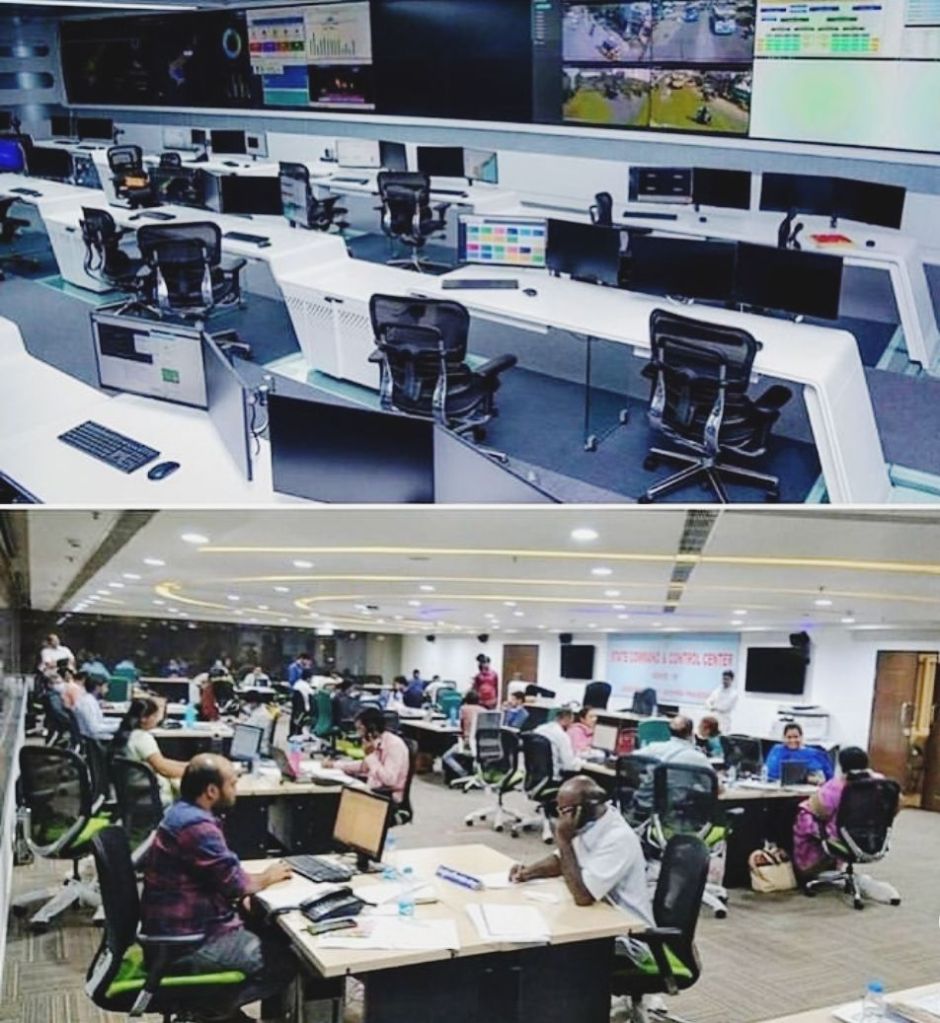
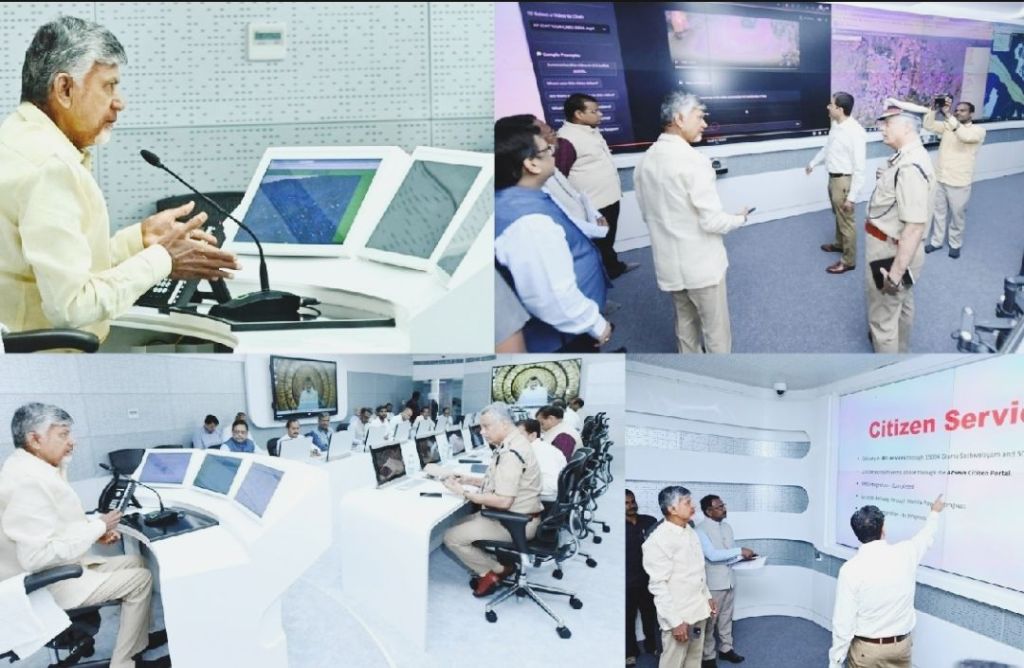
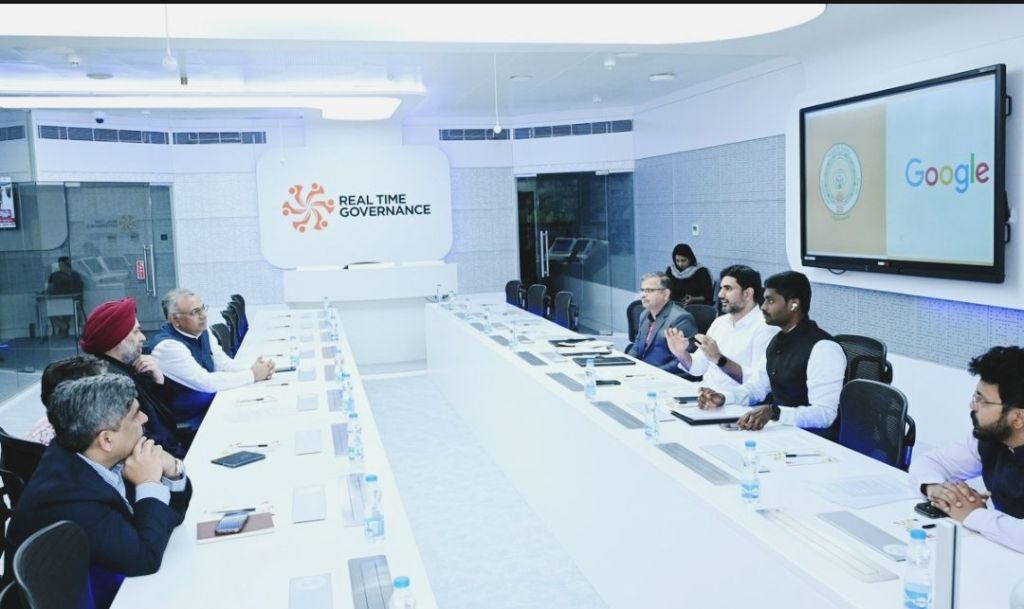
    Hyderabad’s integrated smart command and control centre reduced grievance redressal times by 30% and saved ₹90 crore a year in utilities. Tiruppur turned environmental compliance into a revenue stream through a zero-liquid-discharge textile park. These successes are not isolated anomalies but replicable blueprints.

    Scaling such revival requires three foundational shifts—financial autonomy, professionalised governance, and innovation-driven service delivery. Financial autonomy begins with expanding revenue streams: leveraging GIS and drone mapping to widen the property tax net, monetising municipal land for uses such as telecom infrastructure and EV charging stations, and issuing municipal bonds backed by credible repayment plans. Hyderabad’s ₹90 crore annual earnings from smart utilities and Delhi’s ₹300 crore from advertising and rentals prove that well-managed cities can pay their own way.

    Professionalised governance demands that leadership move beyond short-term political cycles. Municipalities need professional city managers with expertise in urban planning, infrastructure, and finance, appointed for fixed tenures to ensure continuity. Consolidating fragmented agencies into unified metropolitan authorities can eliminate duplication and enforce accountability. E-governance should be mandatory—online tendering, citizen service apps, and publicly accessible dashboards bring transparency and efficiency to municipal operations.

    Service delivery must embrace innovation. From prepaid water ATMs in Nagpur to waste-to-energy plants in Indore, the combination of smart technology and well-structured private partnerships is showing that high-quality services need not come at prohibitive costs. Integrated transport systems, green public spaces, and sustainable industrial clusters are not luxuries for the future—they are essential tools for urban survival, especially as climate change intensifies pressures on cities.

    Sustainability itself can become a revenue source. Ghaziabad’s ₹150 crore green bonds for streetlights and waste management demonstrate that climate finance is not just for environmental advocates—it is a practical funding tool for urban administrators. Trading carbon credits, installing solar panels on municipal buildings, and adopting energy-efficient street lighting can simultaneously reduce costs and generate income.

    However, even the most dynamic local initiatives will falter without structural policy reform. Implementing the 15th Finance Commission’s recommendation to guarantee urban local bodies a fixed share of state taxes is a necessary starting point. Municipal laws must be amended to permit land leasing, municipal bond issuance, and performance-linked revenue incentives. Linking state and central grants to municipal credit ratings can reward well-governed cities while pressuring laggards to reform. State-level urban banks could provide low-interest loans for infrastructure, breaking the cycle of grant dependency.

    One politically sensitive but essential reform is the rationalisation of municipal boundaries. Current borders, often irrelevant to economic and demographic realities, perpetuate inefficiency and inequity. Redrawing them based on population density, economic integration, and service delivery requirements could yield substantial productivity gains, though it will require political courage to overcome entrenched interests.

    By 2050, more than half of India’s population will live in urban areas. If municipalities continue to underperform, the urban economy—and by extension, national growth—will stagnate. But if they succeed, India’s cities could become powerful engines of productivity, equity, and quality of life. This transformation is not simply about fixing potholes or collecting garbage; it is about redefining cities as the first line of economic defence and the foundation of national prosperity. Giving urban local bodies the autonomy, accountability, and ambition they need is no longer an option—it is a necessity.

    The municipal zombies are stirring. The choice before the nation is clear: allow them to shuffle back into complacency, or help them run toward a future where India’s cities are vibrant, self-sustaining, and central to the country’s growth story.

    Visit arjasrikanth.in for more insights
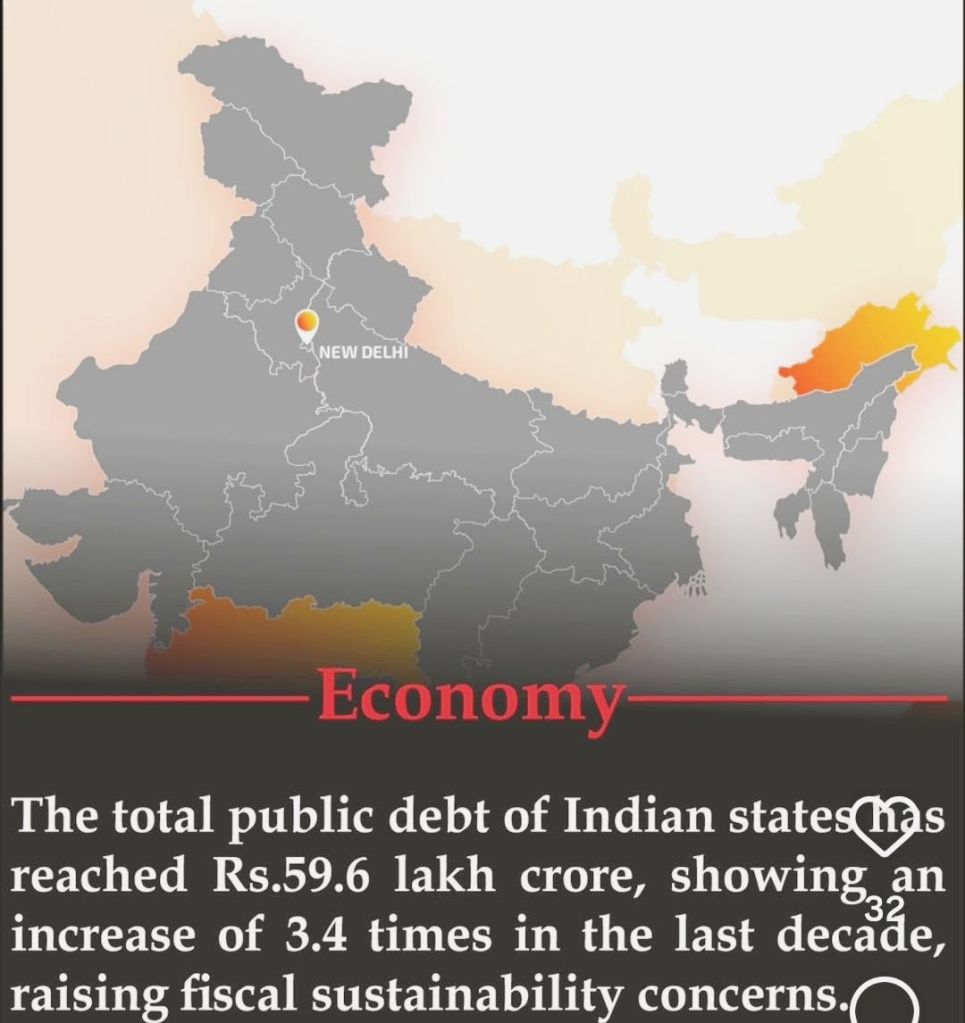
  • From Crisis to Conquest: India’s Exhilarating Evolution from Economic Abyss to Global Pinnacle

    August 15th, 2025

    Witness the Unbelievable Journey of a Nation Transcending Shadows and Seizing Sovereignty, Crafting a Future of Unmatched Prosperity and Innovation by 2025!

    In the summer of 1991, India stood at a precipice, teetering on the edge of economic collapse. A balance of payments crisis had ushered in a sense of urgency that national pride could no longer mask, compelling the government to take bold and transformative action. With P.V. Narasimha Rao at the helm and Manmohan Singh as Finance Minister, India adopted a drastic new economic direction that marked a significant departure from four decades of rigid, state-controlled policies. This pivot from a license-permit-quota Raj to embracing the global market was a radical departure, signaling a transformative journey that began with liberalization in 1991 and continues towards maturity in globalization by 2025.

    The catalyst for this seismic shift was a crippling crisis that no longer permitted complacency. The Union Bank of Switzerland’s intervention to mortgage gold as collateral for loans was a stark reminder of India’s dire circumstances, making it evident that only profound change could pave the way for recovery. Thus began the dismantling of the License Raj, an overhaul of fiscal and monetary policies, and the establishment of an environment conducive to foreign investment. Tariff walls crumbled, the private sector flourished, and the dawn of consumerism surged, as Indian households emerged from years of scarcity into a world filled with choices and aspirations.

    Yet, while the early 2000s were marked by high growth and an IT boom, the challenges remained daunting. Economic benefits were not universally shared; disparities between urban and rural growth widened, and jobless growth plagued the economy. The manufacturing sector proved incapable of absorbing the burgeoning workforce, leaving millions in the informal sector struggling for stability. Infrastructure gaps hindered growth, while agricultural distress, bureaucratic hurdles, and global shocks, such as the 2008 financial crisis and the COVID-19 pandemic, exposed vulnerabilities that could undermine India’s progress.

    As the nation ventured into the 2020s, India’s leaders recognized that to claim a spot on the global stage, innovative measures to enhance domestic capabilities were essential. Production Linked Incentives (PLI) were introduced to encourage critical sectors such as electronics, pharmaceuticals, and renewable energy, aiming not only to create champions within the country but also to integrate seamlessly into global value chains. The Atmanirbhar Bharat initiative sought to reduce import dependence and boost domestic manufacturing, while significant steps were taken to modernize infrastructure and unify the market through the Goods and Services Tax (GST).

    However, India’s path towards globalization in 2025 is fraught with challenges. On one hand, the country has the opportunity to exploit its strategic position amidst the geopolitical rivalry of major powers such as the United States, China, and Russia. India must juggle dependencies: seeking technological prowess and investment from the West, leveraging energy resources from Russia, and cautiously engaging with China for market access. On the other hand, India faces the risk of becoming ensnared in these rivalries, necessitating a deft balancing act that requires ongoing adaptation and foresight.

    The upcoming years hold immense potential for India, but only if the government successfully addresses critical challenges. Sustaining high growth rates demands monumental job creation, skill enhancement, and a significant influx of private investment. Ensuring inclusivity in growth and improving quality of life, especially for those in rural areas, must become a priority. Equally pressing is the need to manage climate change, as India transitions to renewable energy sources and responds to environmental challenges.

    For India to break away from its cyclical history of crisis and complacency, its policymakers must embrace a mindset of genuine market orientation closer to levels seen in developed economies. While the Indian economy has evolved significantly since its liberalization in 1991, the legacy of control and intervention lingers in both government and business practices. Embracing failure, trusting individuals to make economic choices, and recognizing that true freedom of the market also entails risks are vital lessons yet to be fully internalized.

    As the 2025 milestone approaches, India’s potential to ascend as a global economic powerhouse is palpable. Building on the solid foundation laid in 1991, the nation must embark on its next phase by bolstering digital public infrastructure, enhancing human capital through education reform, and pursuing aggressive green transitions. As part of a complex and often fractured global order, India stands to gain significantly from diplomatic engagement while simultaneously cultivating stability and fostering a collective national ambition among its diverse populace.

    In conclusion, India’s evolution from the clutches of labor-based intervention to a dynamic player shaped by globalization embodies resilience and ambition. This journey underscores the imperative for innovative policy-making that thrives on transparency, inclusivity, and risk-taking. If India navigates the path ahead with tenacity and strategic vision, it will not only reinforce its position on the global stage but also inspire other emerging economies to embark on their transformative journeys, fostering a future propelled by cooperation and shared progress. The magic of India’s journey lies in its inherent ability to embrace uncertainty while forging ahead, crafting a narrative of hope, growth, and unyielding determination.

    Visit arjasrikanth.in for more insights

  • Dancing on Thin Ice with Steel Boots: India’s Banks and the Art of Not Drowning

    August 14th, 2025

    India’s lenders aren’t crashing—but with slowing credit, margin squeezes, and a sugar rush from treasury gains, the sector must rebuild the engine while still speeding down a melting highway. 

    The first Indian banks are not collapsing, but they’re not winning either, and if you zoom out from the polite quarterly reports, you’ll see a sector balancing on thin ice while juggling umbrellas. Q1 FY26 brought no shocks, no meltdowns—yet the undercurrents are anything but calm. Credit growth across the system slowed to 8.9%, with private banks tiptoeing at 8.1% and public sector banks surprisingly brisk at 11% thanks to a government nudge toward priority lending in MSMEs, agriculture, and rural sectors. That gave PSBs a growth story, but at the expense of profitability. Private banks, meanwhile, stayed cautious, protecting margins and avoiding the high-volume, low-yield game. The real drag is the reluctance of large industries to borrow—corporate capex pipelines are dry, big infrastructure lending is cooling, and many companies either have cash reserves or tap markets directly. MSMEs have stepped up, but in a peculiar twist: bigger MSMEs get bigger loans, while the smallest players remain starved of credit. Even unsecured personal loans, credit cards, and vehicle loans are cooling, partly because banks are pulling back after defaults ticked higher.

    The big names tell their own stories. HDFC Bank saw flat corporate lending and only 8% growth in retail loans, with SMEs as the lone bright spot. ICICI Bank’s retail lending slowed, but its SME-focused business banking surged 30%. Kotak Mahindra Bank defied the trend, growing consumer lending by 16% and total advances by 14%, hinting at market-share gains while others hesitated. Yet margins are a headache across the board. The system’s Net Interest Margin fell to 3.24%, its lowest in three years. With most loans now linked to external benchmarks like the repo rate, lending rates drop instantly when the RBI cuts, but deposit rates remain sticky. Banks earn less while still paying nearly the same to attract deposits. Add the erosion of CASA ratios—cheap savings deposits flowing into term deposits and mutual funds—and the cost of funds creeps higher. The squeeze is real: slower growth, thinner spreads, and costlier money.

    Ironically, profits looked fine this quarter not because core banking shone, but because treasury desks struck gold. Falling interest rates boosted government bond prices, allowing banks to book hefty gains. Public sector banks saw treasury income more than double; private banks nearly tripled it. But this is a sugar rush, not a balanced diet. With the RBI now mopping up liquidity and bond yields likely to rise, the windfall could vanish as quickly as it came. Strip away the treasury magic, and the earnings picture looks worryingly pale.

    Structural challenges run deep. High NPAs, particularly in PSBs, still gnaw at balance sheets. Capital adequacy remains a hurdle for some, governance bottlenecks slow decision-making, and cyber-security threats rise with every new digital service. Fintech competitors snap up profitable niches, and financial inclusion is still uneven. Banks juggle heavy compliance costs, margin pressure, and a war for digital talent. The irony is that Indian banking is a world leader in digital payments—UPI is a global case study—yet many still run on creaky legacy systems.

    Survival, however, has a blueprint. The sharper players are embracing AI-driven credit scoring, cloud adoption, and open APIs. They are building early-warning systems to detect stress before it explodes, personalizing offers with data analytics, and embedding themselves into e-commerce and supply chain ecosystems. PSBs can be insulated from bureaucratic drift with stronger governance—professional boards, robust risk frameworks—and strategic partnerships with fintechs can turn disruptors into allies. Financial inclusion also needs reinvention: data-driven micro-lending for MSMEs, products tailored for women and underserved regions, and integrating financial literacy into service delivery.

    But the way forward demands more than tinkering. PSBs need real operational autonomy and, where feasible, privatization to unlock efficiency. Digital transformation must run deep—modernize core banking, embed cyber-security at every layer, and deploy AI for growth and defence. Risk management should shift from reactive to predictive, with faster NPA resolution through the Insolvency and Bankruptcy Code and deeper secondary markets for stressed assets. Banks must invest in future-ready talent—data scientists, cyber-security specialists, and agile product teams—while flattening hierarchies to speed decisions. Collaboration, not isolated competition, will define winners: shared API ecosystems, co-lending models, and joint innovation labs. And all this must align with ESG goals, financing India’s green transition through sustainable lending and climate-friendly investments.

    The sector’s test isn’t whether it can survive this quarter—it can. The real question is whether it can rebuild the engine while still driving at highway speed. If it clings to treasury windfalls, slow loan growth, and a shrinking deposit base, the ice will crack beneath it. But if it leans hard into technology, governance reform, risk discipline, and inclusive growth, it could turn today’s drizzle into tomorrow’s monsoon harvest. That shift requires courage—banks must shed the comfort of chasing easy gains, regulators must enable calculated risk-taking, and policymakers must protect stability without strangling innovation.

    For now, we watch banks in steel boots shuffle across the frozen surface, testing each step, hoping the water below stays solid a little longer. The juggling act continues—umbrellas spinning in the wind, eyes on the horizon, listening for the ominous crack that will demand either a leap forward or a plunge into the cold. The choice is theirs, and the season for hesitation is short. In banking, as in life on thin ice, those who move decisively are the ones still standing when the thaw comes.

    Visit arjasrikanth.in for more insights
  • “Vande Bharat Fever: A Shiny Train Could Derail Indian Railways’ Future”

    August 13th, 2025

    India’s sleekest ride is stealing the headlines, but the real journey to save Indian Railways lies on less glamorous, more urgent tracks. 

    The Vande Bharat Express (VBE) has become the poster child of modern Indian Railways—sleek, homegrown, fast, and photogenic. It embodies the “Make in India” ethos and stands as a proud symbol of technological capability. But somewhere along the way, symbolism began masquerading as strategy. The narrative around VBE has morphed into a mania, positioning it as the primary—or worse, the only—solution to Indian Railways’ deeply rooted systemic problems. This is not just an oversimplification; it is a dangerous misdiagnosis.

    The appeal is obvious. VBE launches are high-visibility political events, rich with ribbon-cutting and television coverage. Each new service feeds a feel-good story: India is modernizing, catching up with the world, moving faster. Yet in this obsession with glamour, the spotlight drifts away from the less photogenic but far more pressing realities—aging infrastructure, freight stagnation, poor safety culture, and chronic financial fragility. Celebrating symbols can sometimes hide the uncomfortable truth: in many parts of the network, things are either stagnant or deteriorating.

    Financially, VBEs are a tricky proposition. They cost more to build, more to run, and more to maintain than conventional trains. They require specialized maintenance depots, skilled staff, and consume more energy per seat-kilometre. Fares are higher, yes, but often not high enough to cover both operating and capital costs, especially given competition from airlines, luxury buses, and private cars. The irony is that, in a system already struggling under cross-subsidization—where freight profits and premium services help fund loss-making ordinary travel—loss-making premium trains add to the strain. Rolling out hundreds of VBEs without ensuring they turn a genuine profit risks turning a prestige project into a recurring financial liability.

    Worse, the VBE fixation sidesteps the very core issues Indian Railways must address to survive and thrive. Safety? A flashy train doesn’t eliminate level crossings, repair crumbling bridges, or modernize outdated signalling—root causes of most accidents. Financial health? VBEs don’t address the politically sensitive but essential task of fare rationalization or the urgent need to win back freight market share from roads. Capacity constraints? VBEs mostly replace existing premium services on already saturated routes, leaving freight and ordinary passengers squeezed. Equity? These trains cater to a small upper-middle-class slice, while the overwhelming majority of Indians endure overcrowded coaches, poor sanitation, and chronic delays.

    Then there is the operational reality. VBEs are designed for optimal performance at 160 kmph, but most of India’s tracks limit speeds to an average of 100 kmph. Deploying VBEs on unsuitable routes wastes their potential and accelerates wear-and-tear. Rapid proliferation without parallel investment in supporting infrastructure risks overextending maintenance capacity, eroding reliability, and potentially compromising safety. Many VBEs attract passengers not from road or air, but from other IR premium trains—cannibalizing existing services rather than growing overall demand.

    This is not an argument against Vande Bharat itself. The train is a fine product and has a rightful place in the network. But its role must be carefully calibrated, not inflated into a one-size-fits-all solution. A smarter approach would target profitable, high-potential routes with the right infrastructure, much like the Gatimaan Express model. Every route should pass a rigorous, transparent viability test before a VBE is introduced.

    More importantly, core investments cannot be deferred in favour of glamour projects. Indian Railways’ survival hinges on system-wide priorities: a relentless safety drive (Kavach, track renewal, bridge rehabilitation, level crossing elimination), freight rejuvenation (Dedicated Freight Corridors, faster feeder routes, efficient terminals), capacity augmentation (doubling, tripling, and new lines in strategic corridors), and full-scale modernization of signalling and electrification. Parallel to this, the bread-and-butter of IR—ordinary passenger services—needs investment in cleanliness, punctuality, comfort, and basic amenities. This is both a social obligation and a political necessity.

    Financial reform must also be on the table. Gradual fare rationalization, coupled with targeted subsidies for the most vulnerable passengers, can ease the crushing cross-subsidy burden. If VBEs generate genuine surpluses, these should be channelled to fund safety and ordinary passenger improvements rather than simply expanding the premium fleet. Organizational reforms—empowering zones, improving project execution, leveraging data analytics for smarter operations—are equally vital.

    One overlooked benefit of VBE’s success is the technology transfer potential. The manufacturing capabilities, supply chains, and engineering expertise built for VBE could spill over to improve the quality and reliability of other rolling stock, from suburban EMUs to freight wagons. But for this to happen, VBEs must be treated as one part of a bigger transformation strategy—not as the transformation itself.

    The Vande Bharat Express is a remarkable achievement. It is a symbol worth celebrating, a proof of what Indian Railways can do when it focuses resources and talent on a specific goal. But symbols do not substitute for strategy. The mania that casts VBE as the silver bullet to solve all of IR’s problems is misguided, and worse, it is dangerous—it risks draining resources and political capital from the slow, steady, unglamorous reforms that actually keep the trains running.

    If Indian Railways wants a future that is fast, safe, financially sound, and equitable, it must focus on fixing its foundations—tracks, safety systems, freight competitiveness, capacity, and the passenger experience for the majority. The Vande Bharat can be a valuable part of that journey, but it cannot be the whole journey. A shiny train can inspire pride, but only a stronger system can deliver lasting progress.

    arjasrikanth.in for more insights

  • Operation Sindhoor: The Day a 300-Kilometre Kill Shattered Pakistan’s Safety Myth

    August 12th, 2025

     From the skies over enemy territory to the deepest corners of militant sanctuaries, India’s precision strike rewrote the rules of South Asian warfare—without crossing a single border. 

    When the layered details of Operation Sindhoor finally emerged, the magnitude of its implications sent tremors across the geopolitical landscape of South Asia. This wasn’t just another military engagement—it was a strategic thunderclap, the kind of high-stakes manoeuvre that makes adversaries sit up and quietly revise their playbooks. Air Chief Marshal, stepped before the press with the composure of a man who knew he was about to change the conversation. His announcement was already dramatic: India had downed five Pakistani fighter jets and a large military aircraft. But the showstopper lay in the manner of one particular kill—a surface-to-air missile strike from an almost mythical 300 kilometres away.

    Three hundred kilometres is not a statistic to be skimmed past. In the language of modern warfare, that range is a game-changer. This was not some lucky pot-shot; it was a precision kill executed in live combat, validating years of investment in India’s recently inducted S-400 air defence systems. More than “just missiles,” the S-400 is a fully integrated ecosystem—layered radar networks, advanced tracking, and an arsenal of missile types capable of engaging multiple targets simultaneously. To use such a system in active conflict, and succeed so decisively, was to send an unmistakable message: India’s air defence game had entered the global elite.

    Military analysts wasted no time decoding the deeper significance. The ability to neutralize hostile aircraft deep inside Pakistani airspace without crossing borders changed the tactical equation overnight. One senior military official put it bluntly: “The kill showed we can reach every corner of Pakistan.” Those words were more than bravado—they were a warning wrapped in cold, operational reality.

    Operation Sindhoor was born out of outrage. On April 22, a terrorist attack in Pahalgam, Jammu & Kashmir, claimed 26 innocent lives. The shock was followed by an unflinching resolve to act. Launched on May 7, the operation had a clear purpose: neutralize nine terror camps spread across Pakistan and Pakistan-occupied territory. Over four relentless days, the operation unfolded like a military masterclass, climaxing in a single day where over 100 terrorists were eliminated—a seismic blow to cross-border militancy.

    But this wasn’t a crude display of missiles alone. The strikes were part of a meticulously orchestrated campaign: drones scouting and striking with surgical precision, long-range guided munitions dismantling hardened targets, and cyber operations that left Pakistani communication grids scrambling. The mission extended beyond the terror camps, hitting logistical lifelines that kept the militancy machine running. Every target, every move, felt like a chess piece placed with deliberate precision, designed to weaken more than just the enemy’s infrastructure—it was meant to puncture their sense of sanctuary.

    By May 10, an uneasy ceasefire flickered into place. Yet in Islamabad’s strategic circles, the aftershocks were still registering. The tangible losses were severe, but the intangible blow was arguably greater. Operation Sindhoor had redefined the boundaries of India’s defensive and offensive reach. This wasn’t about sabre-rattling; it was about rewriting the rules of deterrence in the subcontinent.

    What sets this operation apart is the doctrine it unveiled—a fusion of advanced technology, surgical precision, and psychological warfare. In an era where victory is measured less by occupied territory and more by operational dominance, India proved it could shape the battlefield without a single soldier crossing a border. That’s a level of power projection that resonates far beyond immediate hostilities.

    For India, Sindhoor represents the crystallization of a new military philosophy—built on speed, precision, and strategic depth. The ability to eliminate threats from a safe distance preserves resources, reduces exposure, and amplifies deterrence. It moves the posture from reactive to proactive, from holding the line to controlling the tempo.

    For Pakistan, the implications are stark. Long-cherished assumptions of territorial immunity have been dismantled. No base, no runway, no radar station can be confidently declared beyond India’s reach. The operational chessboard of South Asia is now more fluid, and far more dangerous for those who gamble on outdated strategies.

    Operation Sindhoor also serves as a reminder that in 21st-century warfare, integration is king. Possessing advanced hardware is meaningless without the skill, discipline, and doctrinal clarity to deploy it effectively. This was not a case of technology leading the strategy; it was strategy extracting the maximum from technology. That distinction will shape how future conflicts in the region are planned and deterred.

    In the end, Operation Sindhoor was more than a retaliatory strike—it was a statement of intent. It signaled the arrival of a new era in India’s security doctrine, one where borders are no longer the only lines that matter, and distance is no longer a refuge. Whether Pakistan fully grasps the dimensions of this shift remains to be seen. But one thing is certain: in the theatre of South Asian geopolitics, the script has been rewritten, and India now holds a far sharper pen.

    Visit arjasrikanth.in for more insights

  • When the Sky Explodes:  Dharali’s Tragedy Exposes India’s Flood Management Time Bomb

    August 11th, 2025

    “A Himalayan cloudburst exposes not just the fury of nature, but the deeper fault lines of human negligence, climate change, and unprepared governance.” 

    In the quiet pre-dawn hours of August 5, 2025, the tranquil village of Dharali in Uttarakhand was struck by an unimaginable catastrophe. A sudden and violent cloudburst transformed the serene Himalayan slopes into a churning torrent of water, mud, and debris. In minutes, homes, farmlands, and familiar landscapes were swept away with unyielding force. Over 210 millimeters of rain fell within just 24 hours, claiming at least five lives, while more than a hundred people remain missing. Survivors recall the moments before the disaster as hauntingly silent—an unsettling calm shattered by the sound of collapsing slopes, bursting riverbanks, and the earth itself succumbing to nature’s fury.

    Chief Minister Pushkar Singh Dhami confirmed that a cloudburst was the scientific cause. Yet the scale of destruction reveals a deeper, more sobering truth: the impact of human negligence in amplifying natural hazards.

    Cloudbursts—intense rainfall exceeding 100 millimetres per hour over a small area—are a known meteorological phenomenon in the Himalayas, where steep topography forces moisture-laden winds to rise rapidly, cooling and condensing into extreme rainfall. Climate change is intensifying such events. Rising global temperatures enable the atmosphere to retain more moisture, creating volatile conditions ripe for sudden downpours. The Dharali disaster echoes the Kedarnath floods of 2013, where over 6,000 lives were lost—a grim reminder of how global warming, coupled with local mismanagement, transforms natural hazards into large-scale humanitarian tragedies.

    But to frame Dharali’s destruction purely as a climate story is to ignore decades of human action—or inaction—that have weakened natural safeguards. Unregulated and haphazard construction in flood-prone zones, unchecked deforestation, and indiscriminate road building in fragile hill terrains have destabilized slopes and obstructed natural water channels. Across India, from Wayanad to Chennai to Srinagar, the pattern repeats: vulnerable ecosystems altered for short-term gains, inviting nature to reclaim space with devastating consequences.

    India’s institutional response to flood and landslide risks remains largely inadequate. By 2024, only 12% of the nation’s dams had Emergency Action Plans, despite long-standing recommendations. Floodplain zoning, proposed nearly five decades ago, has been implemented in just two states. Essential mitigation projects are delayed by bureaucratic hurdles, while vulnerable communities—the poorest and most exposed—are left to confront disasters with minimal preparation or support.

    Global experiences offer compelling alternatives. Wuhan, China, has pioneered the “Sponge City” model, embedding wetlands, permeable pavements, and green spaces into urban design to absorb excess rainwater. In India, some states have demonstrated leadership: Andhra Pradesh has restored urban water bodies to reduce flooding, and Kerala’s Eco-DRR (Ecosystem-based Disaster Risk Reduction) program has mobilized local communities to rehabilitate degraded landscapes while improving livelihoods. These examples prove that resilience is achievable when planning, ecological stewardship, and community engagement converge.

    India’s current policy posture, however, remains reactive—focused on relief and compensation rather than prevention. This approach perpetuates a costly cycle of rebuilding after each disaster instead of investing in long-term resilience. The path forward must combine structural measures—such as flood barriers, robust stormwater drainage, slope stabilization, and climate-resilient housing—with non-structural measures including early warning systems, strict land-use regulation, and transparent enforcement of zoning laws.

    In ecologically sensitive regions like Uttarakhand, the policy default should shift toward restrictive development. Infrastructure projects should undergo rigorous environmental and geological assessments before approval, with a bias toward rejection unless there is an overwhelming public interest and demonstrable risk mitigation. Ecological buffers such as river floodplains, wetlands, and forest cover must be treated as vital infrastructure, not expendable land.

    The Dharali cloudburst is both a tragedy and a warning. Climate projections indicate that extreme rainfall events in the Himalayan belt will intensify in frequency and severity. The region’s current infrastructure, governance capacity, and disaster readiness are ill-suited to withstand such shocks. Without systemic reforms, each monsoon season could bring fresh rounds of destruction, loss, and displacement.

    Importantly, nature’s forces—rain, rivers, and wind—are not inherently the enemy. The real danger lies in our inability, or unwillingness, to adapt and prepare. Disasters such as Dharali are shaped by a combination of climatic triggers and human vulnerabilities. Our challenge is not merely to endure these events but to redesign our systems—physical, social, and institutional—to minimize harm.

    This means embedding disaster risk reduction into every tier of governance, from village councils to national ministries. It requires climate literacy in infrastructure planning, better integration of local knowledge in hazard mapping, and sustained investment in nature-based solutions. It calls for holding both public agencies and private developers accountable for violations in ecologically sensitive zones. And it demands that political will align with scientific advice, resisting the temptation to compromise long-term safety for short-term gains.

    As the waters of Dharali recede, they leave behind more than wreckage—they expose the fragility of our current trajectory. The lives lost are a painful reminder of what is at stake; the landscapes altered, a visual testament to the costs of inaction. Whether we treat this as another fleeting headline or as a decisive turning point will define the safety and sustainability of communities across the Himalayas and beyond.

    If we fail to act now, the next cloudburst will not only erase homes and livelihoods but also wash away the last remnants of our excuses. In an era of accelerating climate change, preparation is not optional—it is a moral and strategic imperative.

    Visit arjasrikanth.in for more insights

←Previous Page
1 … 14 15 16 17 18 … 135
Next Page→

Blog at WordPress.com.


Loading Comments...
 

    • Subscribe Subscribed
      • SOCIAL PERSPECTIVES
      • Join 99 other subscribers
      • Already have a WordPress.com account? Log in now.
      • SOCIAL PERSPECTIVES
      • Subscribe Subscribed
      • Sign up
      • Log in
      • Report this content
      • View site in Reader
      • Manage subscriptions
      • Collapse this bar