• About

SOCIAL PERSPECTIVES

  • “From Bamboo Blackboards to Global Benchmarks: Nagaland’s Mind-Blowing Literacy Revolution”

    September 9th, 2025

    From 22% literacy to 96%, a tiny hill state turned chalk, music, and community spirit into an educational revolution. 

    Sometimes revolutions don’t roar in parliaments, palaces, or battlefields—they whisper in chalk-stained classrooms tucked away in misty hills. Nagaland, a small state in India’s far northeast, has pulled off an educational transformation so staggering it borders on the unbelievable. In 1963, when the state was born, literacy barely scraped 21.95%. Schools were scattered, infrastructure skeletal, and the daunting terrain kept knowledge locked out of reach for countless children. Fast-forward sixty years, and the picture reads like a fairytale: a literacy rate of 95.7%, making Nagaland the third most literate state in India. This isn’t just improvement—it’s reinvention.

    The Chief Minister, Neiphiu Rio, captured the spirit of this journey at a recent Teachers’ Day celebration, praising educators as the backbone of the revolution. His words weren’t ceremonial fluff; the numbers themselves tell the story. Nagaland today has 2,734 schools, nearly 33,000 teachers, and over 410,000 students. That isn’t mere infrastructure—it is the architecture of hope, carefully constructed through decades of persistence, vision, and community willpower.

    The climb, however, was never easy. Nagaland’s unforgiving terrain turned every classroom into a logistical miracle. Add to that the cultural diversity of 17 tribes and dozens of dialects, and the dream of universal education could have collapsed under its own weight. But the state leaned into its uniqueness. Community governance—deeply embedded in the Naga way of life—was harnessed through Village Education Committees. Local communities didn’t just send children to school; they owned schools, monitored teachers, and rooted education in collective pride. Christian missionaries, too, played a pioneering role, planting seeds of learning that blossomed into a culture of literacy.

    But Nagaland didn’t stop at access. It chased quality with the same hunger. Under the National Education Policy 2020, the state created the Nagaland State School Standards Authority and rolled out the School Quality Assessment and Assurance Framework. These reforms ensured schools weren’t just open—they were effective. The SOAR Mission (Systems for Outstanding Achievements and Reformation) restructured pedagogy, student assessments, and management practices, aligning classrooms with global best practices.

    What sets Nagaland apart is how it blended modern reforms with cultural authenticity. Recognizing the importance of mother-tongue learning, the state introduced certification programs for tribal language teachers, bringing dignity to indigenous knowledge and ensuring children could learn in familiar tongues before transitioning to English. Music, the soul of Naga culture, was woven into pedagogy itself. By collaborating with the Task Force for Music and Arts , music became part of the curriculum. In Nagaland, children memorize multiplication tables and musical scales with equal passion, giving their education a creative dimension rarely seen elsewhere.

    Global partnerships powered this ascent. With support from the World Bank, the Nagaland Education Project—aptly called The Lighthouse—focused on strengthening school leadership, empowering School Management Committees, and infusing technology into classrooms. The state’s online teacher transfer system introduced transparency and efficiency, while “e-learn Nagaland” became a lifeline during the pandemic, ensuring learning never stopped—even in the most remote corners.

    Yet, Nagaland is refreshingly candid about unfinished business. High literacy is a milestone, not the destination. Rote learning still shadows classrooms, specialist teachers remain scarce, and remote schools struggle with infrastructure gaps. The next challenge is clear: to transform literates into thinkers, creators, and skilled professionals who can thrive in a globalized economy.

    The roadmap is already unfolding. Foundational literacy and numeracy programs are being doubled down on. Vocational training and skilling initiatives are aligning education with market demands. Colleges and universities are being upgraded into centers of excellence, with a special focus on tribal studies and environmental sciences. Public-private partnerships are being tapped to integrate digital innovations, while teachers undergo continuous professional development so pedagogy keeps pace with the times.

    The larger message of Nagaland’s story resonates far beyond its borders. It proves that even a small, resource-constrained state with a turbulent past can defy gravity through community participation, cultural sensitivity, and visionary governance. Education, as Nagaland has shown, isn’t just about buildings and books. It is about ownership, pride, and the stubborn belief that every child deserves a chance to learn, no matter how high the hills or how scattered the villages.

    Nagaland’s 95.7% literacy rate isn’t just a statistic—it’s a symphony of resilience, innovation, and identity. It’s the story of villages lifting themselves into the light of knowledge, of teachers who carried chalk and courage in equal measure, and of communities that never stopped believing tomorrow could be brighter.

    As the world struggles to reconcile tradition and globalization, Nagaland offers a living lesson: respect your roots, trust your communities, empower your teachers, and embrace innovation. What many call a miracle in the hills is, in truth, a roadmap for the world.

    Visit arjasrikanth.in for more insights

  • Pharmageddon: America’s Drug War Became a Cartel-Fuelled Catastrophe

    September 8th, 2025

     From fentanyl-laced pills killing teenagers to cartels running billion-dollar empires, the U.S. stands trapped in a cycle where enforcement fuels innovation, stigma silences treatment, and the line between war and recovery blurs. 

    The United States stands at the epicentre of a drug storm that has spiralled far beyond law enforcement’s grip and public health’s reach. With more than 107,000 overdose deaths recorded in 2022 and fentanyl fuelling an epidemic that has seeped into every community, America’s drug problem is both a public health catastrophe and a national security crisis. The $44.5 billion annual federal spend reflects the scale of the battle, but dollars alone cannot measure the devastation—families broken, communities hollowed, and prisons overflowing.

    At the heart of this crisis are cartels that no longer resemble crude smuggling gangs but operate as transnational corporations with global reach, financial sophistication, and paramilitary firepower. Groups like the Sinaloa Cartel and CJNG dominate U.S. markets, pushing fentanyl, meth, and cocaine through vast networks embedded in over a thousand American cities. Globalization has given them wings: encrypted apps, drones, submarines, and laundering channels that move billions as effortlessly as legitimate multinationals. In sheer economic weight, organized crime may account for as much as 15% of global GDP—a figure that blurs the line between shadow economy and legitimate commerce.

    But enforcement alone hits a wall. Every high-profile arrest or border bust seems only to sharpen the cartels’ innovation. The U.S. even flirted with militarizing the fight, with Pentagon directives authorizing potential action against cartels labeled as terrorist groups. Yet such moves risk blowback, as seen when the arrest of El Chapo’s son triggered cartel assaults with rockets and armored convoys in Culiacán. Any escalation could bleed violence across the border, endangering American soil itself.

    Meanwhile, a youth crisis is unfolding. Though surveys show stable usage rates among teens, overdose deaths have skyrocketed because counterfeit pills laced with fentanyl make experimentation lethal. Teen brains, still in development, are more prone to addiction, and early exposure compounds lifelong risk. Yet prevention programs remain patchy, treatment facilities skew toward adults, and stigma silences cries for help. Only 23% of those who need treatment actually receive it, and among youth the gap yawns wider.

    Internationally, America’s war-on-crime model isolates it from nations that frame addiction as a health issue. Portugal decriminalized all drugs, redirected resources into treatment, and saw HIV infections and overdose deaths plummet. Canada regulates cannabis with minimal impact on youth use while undercutting black markets. Switzerland’s heroin-assisted therapy turned chaos into control. Meanwhile, the U.S. doubles down on punitive measures, producing the world’s highest incarceration rates for drug offenses while struggling to reduce supply or demand.

    The complexity is staggering. Addiction is a chronic, relapsing disease, not a moral failure, yet stigma keeps millions from seeking care. Rural America faces soaring overdose rates but limited healthcare access. Urban areas choke under both drugs and policing disparities. On the global front, cooperation with Mexico is undermined by corruption, and unilateral U.S. military action would trigger diplomatic firestorms.

    The way forward must merge firepower with compassion. On the supply side, the U.S. must target cartel finances, deploy smarter border technology, and strike at weak links in precursor supply chains. On the demand side, prevention programs must reach schools, families, and communities early—delaying first use even by a year significantly lowers lifetime risk. Treatment access must expand, integrating medication-assisted therapies and telehealth into mainstream care. Harm reduction—naloxone distribution, syringe exchanges, overdose prevention sites—can no longer be taboo; evidence proves they save lives.

    The ultimate challenge is cultural: shifting America’s mindset from punishment to balance. Recovery is possible—22 million Americans say they are living proof. But without broad investment in recovery-ready communities, mental health care, and economic opportunity, the crisis will regenerate faster than enforcement can cut it down.

    America’s drug war has lasted half a century, yet the battlefield only grows bloodier and more complex. Cartels adapt like Silicon Valley start-ups, youth fall prey to pills deadlier than ever, and policies lurch between crackdowns and neglect. The question now is not whether America can win a “war on drugs,” but whether it can escape the endless cycle of Pharmageddon by replacing war with a strategy that heals as much as it fights.

    Visit arjasrikanth.in for more insights
  • “Andhra Pradesh’s Billion-Dollar Tightrope: Factories, Fortunes, and the Gamble of a Lifetime”

    September 7th, 2025

    A state stripped of its capital is reinventing itself with audacious policies, billion-dollar projects, and risks as vast as its coastline. 

    No matter the sector—clean energy, electronics, oil, or even data centres—Andhra Pradesh kept surfacing in every conversation. Bold announcements seemed to pour from every corner, signalling ambition on a scale rarely seen. Why was this coastal state commanding such disproportionate attention? What strategies was it deploying to rise above a crowded economic landscape? As we dug beneath the headlines, a clear narrative emerged: one of audacious ambition, calculated risk-taking, and a willingness to reinvent itself. Andhra Pradesh today is not just competing; it is positioning itself to emerge as one of India’s foremost industrial powerhouses.

    The journey begins in 2014, when Andhra Pradesh was carved into two. Telangana walked away with Hyderabad—the jewel that made up over 30% of the old state’s GDP—while Andhra was left with the coastal and Rayalaseema regions, weighed down by protests and power shortages. With its economic heart ripped away, the “new” Andhra had to reinvent itself from scratch. The state government went into overdrive, aggressively courting investors, rewriting business rules, and pitching itself as India’s next industrial destination. What began as necessity has now transformed into one of India’s most ambitious growth stories.

    The results have been impressive. Since 2015, Andhra has grown at nearly 12% annually, consistently ranking among India’s fastest-growing states. Over the years, project commitments worth a staggering ₹4.5 lakh crore have been announced. Investors aren’t arriving by chance—Andhra has deliberately built a model that plays to its unique advantages. Its workforce is vast, skilled, and cost-competitive, producing some of the country’s top IIT-JEE aspirants, with 250+ engineering colleges feeding the industrial pipeline. The state also enjoys abundant, inexpensive power, both traditional and renewable. In fact, over ₹43,000 crore worth of renewable energy projects were cleared recently, adding capacity more than half the electricity demand of Hyderabad.

    Natural resources add another layer of strength. Andhra holds 22% of India’s bauxite reserves, vast barite deposits, and has recently discovered new oil fields. ONGC alone is investing ₹4,600 crore in oil infrastructure. Coupled with a coastline stretching across six major operational ports—including Visakhapatnam, one of the largest in India—and an expansive road network linked to three industrial corridors, Andhra is a logistics dream. It is uniquely positioned to serve as a hub for both domestic supply chains and international trade.

    But what truly distinguishes Andhra Pradesh is its policy framework. The state has 47 Special Economic Zones (SEZs), each designed to attract investors with tax holidays, affordable land, and ultra-fast clearances within 21 days. Amaravati was envisioned as a futuristic capital, Shree City evolved into South India’s largest industrial park, and Tirupati has become a thriving mobile manufacturing hub. These bold policy decisions have created fertile ground for marquee investments.

    Global and domestic giants have already set up shop. The state hosts the only Indian factory of a major Korean automaker, a $2 billion facility, alongside Isuzu Motors, Hero Motocorp, and Ashok Leyland. These anchor industries have sparked entire ecosystems of suppliers, creating multiplier effects across the economy. Andhra is also placing a calculated bet on the future, with talks underway for EV production plants, subsidies worth ₹4,600 crore to strengthen electronics manufacturing, and plans for Asia’s largest data centre in Vizag at a staggering $6 billion.

    Of course, every ambitious growth story faces challenges. Andhra’s drive is not powered by endless cash reserves, but by bold financial commitments. Subsidies and infrastructure spending have stretched resources, leading to a deficit of nearly ₹35,000 crore. Yet this is not a weakness but a reflection of the scale of its aspiration. The unfinished corridors of Amaravati and underutilized industrial parks are not failures; they are opportunities waiting to be realized. For every site still in progress, there are shining examples like Shree City that showcase Andhra’s ability to convert vision into reality. With careful planning and adaptive strategies, these early investments could transform into engines of sustainable growth.

    The reliance on a few large investors also highlights both a risk and an opportunity. Each anchor firm brings in suppliers, service providers, and smaller manufacturers, creating ripple effects that diversify the industrial base over time. Environmental pressures are being addressed through a strong push for renewable energy, ensuring future growth aligns with sustainability. On the employment front, Andhra’s high pool of educated graduates is less a problem than a vast resource waiting to be harnessed. With the right alignment of industry, vocational training, and policy, this restless energy can become the state’s greatest advantage.

    Andhra’s gamble is not folly—it is vision in motion. It is a bold experiment in proving that even without a traditional economic capital, a state can craft its own destiny. Its policies are daring, its resources abundant, and its intent unmistakable: to transform itself into a globally recognised industrial powerhouse. The next decade is not a knife-edge, but a horizon of opportunity.

    Far from being a risky tightrope walk, Andhra’s journey is about balance—leveraging strengths, learning from the past, and constantly innovating to stay ahead. Every industrial hub, every investment, and every reform is a building block toward a stronger, more resilient economy. No longer the overlooked sibling of Telangana, Andhra Pradesh is emerging as a state that commands attention, admiration, and anticipation. Its story is not just about recovery—it is about reinvention. If its current trajectory holds, Andhra may very well redefine the economic map of southern India and establish itself as a true engine of national growth.

    Visit arjasrikanth.in for more insights
  • “Bail or Jail: The Herculean Struggle of India’s Forgotten Citizens”

    September 6th, 2025

    Bail, Broke, and Buried: India’s Justice System Holds the Poor Hostage in Legal Limbo

    In the land that chants “Satyamev Jayate” and waves its Constitution like a moral compass, liberty has quietly become a luxury good. On the books, bail is a right — an extension of Article 21, where freedom isn’t just sacred but non-negotiable. In practice? It’s a cruel joke, whispered through iron bars to people who can’t afford the punchline. The Indian bail system doesn’t just discriminate; it criminalizes poverty, turning legal limbo into a long, slow punishment for being broke.

    The data hits like a slap. Nearly 70% of India’s prison population are undertrials — human beings legally presumed innocent, but imprisoned anyway, waiting endlessly while clogged courts shuffle paper like bureaucratic origami. And who are these undertrials? In Maharashtra, a study revealed 85% earned less than ₹10,000 a month, 90% had insecure jobs, and over 60% had no family support. Translation: they weren’t locked up for what they did, but for who they are — poor, powerless, and invisible.

    Take the hypothetical (read: very real) case of a daily-wage mason granted bail on a ₹25,000 bond. Sounds generous, until you realize that’s two months’ income, and no one he knows has that kind of money sitting idle. So, despite being “granted” bail, he stays caged. Now imagine being a migrant worker — already branded an outsider — trying to find a “local surety” to vouch for your release in a city that barely tolerates your existence. That’s not a legal requirement; that’s an obstacle course. It gets worse. In communally charged cases, even sympathetic neighbours won’t dare sign a bond for someone from “the other side.” The result is a Kafkaesque maze where the accused remains imprisoned, not for lack of innocence, but lack of paperwork and popularity. You don’t just need money; you need connections, credibility, and a lawyer who doesn’t disappear after filing a five-line bail plea on recycled paper. Legal aid? Often a cruel parody of justice. Overworked and underpaid legal aid lawyers shuffle from court to court, unable to prepare or argue bail with any conviction. Many undertrials don’t even know they’ve been granted bail because the message gets lost somewhere between a judge’s desk and a jail warden’s coffee break. In July 2023, the Supreme Court acknowledged that over 5,000 undertrials were still in jail despite bail orders, suffocating in the bureaucratic quicksand of lost forms and forgotten affidavits.

    Meanwhile, tech solutions like ePrison portals and undertrial review committees were launched with digital fireworks but fizzled in execution. Success depends entirely on local officials who may or may not care, may or may not act, and often don’t.  This isn’t just a procedural problem. It’s a human catastrophe. A man denied heart surgery while in jail becomes paralyzed. A mother misses years of her child’s life. A teenager grows up learning that justice is just a word — not a reality. All this without a single conviction. All this while the rich accused waltz out of lock-ups in hours, cash in hand, lawyers in tow, press releases ready.

    The Supreme Court has shouted itself hoarse. From Motiram vs. State of M.P. in 1978 to Satender Kumar Antil vs. CBI in 2022, the message has been clear: bail isn’t a favor, it’s a right. Economic disability should not mean continued detention. And yet, here we are, decades later, still debating whether the poor deserve to sleep outside jail while their innocence is being considered.

    Government efforts? A few promising sparks in a dark tunnel. In 2023, a central scheme was announced to help poor prisoners pay bail. The result? Maharashtra released just 11 people in one year. Eleven. In a state with thousands of eligible undertrials. You’d have more luck escaping jail through a tunnel than through government assistance.

    Still, some local and grassroots efforts shine. Delhi’s Legal Services Committee has para-legal volunteers in courts helping connect undertrials to bail lawyers instantly. Undertrial Review Committees, mandated by the Supreme Court, are making slow but real progress identifying prisoners eligible for release. NGOs like Project 39A at NLU Delhi are using tech to track undertrial cases and push legal aid into motion. And yet, these are still exceptions — patches on a sinking ship.

    What India needs is nothing short of a bail revolution. Eliminate monetary bonds for petty offences. Replace them with risk-based assessments and non-monetary conditions: check-ins, GPS tracking, community service, or personal recognizance. Equip judges to see beyond the courtroom — to understand that a man with no shoes can’t produce a surety. Overhaul legal aid with funding, accountability, and specialization. And above all, fix the timelines. Bail hearings can’t happen months apart. Every day inside is a constitutional crime if you’re innocent until proven guilty.

    Liberty isn’t a perk. It’s the foundation. And yet, our system sells it to the highest bidder, while the poor barter dignity for freedom they may never see. This isn’t just injustice. It’s a betrayal.

    Until the rules change, “bail is the rule, jail the exception” will remain just another courtroom cliché — the legal equivalent of “thoughts and prayers.”

    Visit arjasriknath.in for more insights

  • 🚨 Rocket Dreams, Broken IDs: India’s Digital Revolution Forgot the Disabled

    September 5th, 2025

    In a country that builds satellites and sells trillion-dollar visions, millions of citizens with disabilities are still fighting for a single card to prove they exist—trapped in portals, paperwork, and percentages that decide their dignity.

     In a nation obsessed with announcing digital revolutions, celebrating rocket launches, and dreaming of trillion-dollar milestones, the cruellest irony is that millions of its citizens are still waiting for something as basic as an identity card to prove they even exist. For persons with disabilities, this is not just another laminated document. It is the only passport to scholarships, welfare schemes, reservations, jobs, and, most importantly, dignity.

    The Unique Disability ID (UDID), launched in 2016 with promises as grand as any space mission, was supposed to be the key to inclusion—a single card that would unify the fragmented certification jungle across states. Instead, nine years later, it looks less like a revolution and more like a half-built bridge, dangling over a canyon of bureaucracy, confusion, and apathy. Today, only about 39 percent of India’s disabled population has a UDID. The rest remain stranded at the gates of welfare, invisible by design.

    The rot begins in the clash between central ambition and state responsibility. Disability certification in India falls under the state list, meaning district or block-level authorities control the process. For decades, states issued their own certificates in wildly different formats. When Delhi decided to bulldoze this into a single uniform card, the rollout turned patchy. Karnataka joined in 2019, others followed in fits and starts, and some still lag. By the time the diktat filters down to a taluk hospital clerk, the grand scheme has already lost steam.

    Even for those who try, the application process resembles an obstacle course. Everything—from registration to card download—happens online, as though the state assumes India’s most marginalized population is also digitally literate, well-equipped with devices, and patient enough to wrestle clunky portals. For many, the first barrier is the digital divide itself. For those with visual impairments, intellectual disabilities, or motor limitations, the UDID website might as well be a locked fortress. Accessibility, ironically, is the one design feature it forgot to include.

    Then comes the medical gauntlet. Hospitals often treat certification like paperwork to be done after real patients have gone home. Applicants are asked to return multiple times, face casual dismissals, or are handed temporary certificates that expire after a few years. When they do, the process resets: reapply, re-upload, re-justify your disability. Rules shift midstream too. In 2021, the government suddenly decreed that only IDs issued through the portal would count, rendering countless earlier certificates useless. Communication, naturally, never reached many district offices. Imagine being told your very existence has an expiry date—renew it like a bus pass or lose your rights.

    As if that weren’t enough, the cruel arithmetic of percentages awaits. Indian disability law uses 40 percent as the magic cut-off to qualify for reservations and schemes. Below that, you are simply “not disabled enough.” A person with 38 percent hearing loss or 35 percent locomotor impairment falls into this absurd purgatory—not fit for affirmative action, yet too impaired for equal opportunity in the private sector. No wonder only about 24 percent of disabled Indians are employed, mostly in low-paying, low-skill jobs. Executive suites and managerial posts remain walled off by invisible prejudice and official indifference.

    Children don’t fare any better. Flagship schemes like ADIP distribute wheelchairs and hearing aids at political camps that serve more as photo ops than as genuine welfare. Yet only 10 percent of India’s disabled population actually owns required assistive devices. Those with “invisible” conditions—autism, intellectual disabilities, or blood disorders like thalassemia—rarely find themselves even eligible for interventions. They vanish from classrooms, households, and policies alike.

    The statistics themselves reek of erasure. Census 2011, India’s last official dataset, recognized just eight categories of disability. The Rights of Persons with Disabilities Act, passed in 2016, expanded that number to twenty-one. This mismatch ensures that millions remain absent on paper, and in India, if you don’t exist in the data, you don’t exist at all. Add to this the cultural bias of hiding disabled daughters—families often omit them from surveys to preserve “marriage prospects”—and the official undercount turns into a gendered vanishing act. The steep drop in female disability ratios between 2001 and 2011 was no accident; it was a mirror held up to a society that prefers its daughters invisible.

    Budgetary neglect seals the betrayal. The Department of Empowerment of Persons with Disabilities receives around ₹1200 crores annually but routinely fails to spend even half of it. States, handed token allocations of ₹15–20 lakhs per scheme, treat them as too petty to bother filing proposals. So the money lapses back into the treasury, while disabled citizens wait endlessly for hearing aids, prosthetics, or scholarships that never arrive.

    Nine years after its birth, the UDID has turned into a parody of itself. Instead of levelling the field, it has built new walls: digital illiteracy, bureaucratic mazes, medical gatekeeping, and arbitrary percentages. The card that was meant to symbolize empowerment has become a cruel reminder of exclusion.

    India never tires of saying it will “leave no one behind.” But until the disabled are counted, identified, and supported, those words ring hollow. For millions, liberty doesn’t mean freedom of choice or opportunity. It means proving again and again that they are “disabled enough” to deserve dignity. That is not just poor governance—it is a moral failure, one that no card can paper over.

    Visit arjasrikanth.in for more insights

  • Clouds on Steroids 

    September 4th, 2025

    August 2025 broke records, drowned cities, and proved the monsoon is no longer a season—it’s a gamble with survival. 

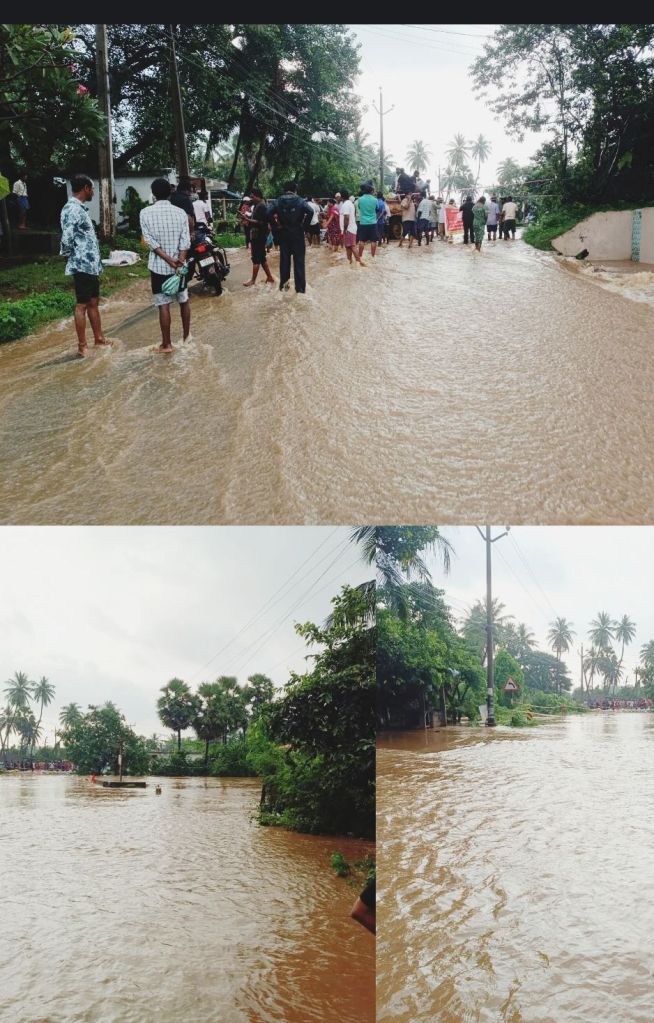
    August 2025 will be remembered as a month when the sky simply refused to go silent. The Indian Meteorological Department (IMD) clocked rainfall at 268 mm, 5.2% above the long-term norm, making it the wettest August for North India since 2001. That single statistic carries history inside it, a reminder that we are dealing not with minor fluctuations but with seismic shifts in the way India’s climate is behaving. And this is only the halfway mark—the IMD has already warned that September could be worse, projecting rainfall at more than 109% of the long-period average of 167.9 mm. In other words, brace for a deluge.

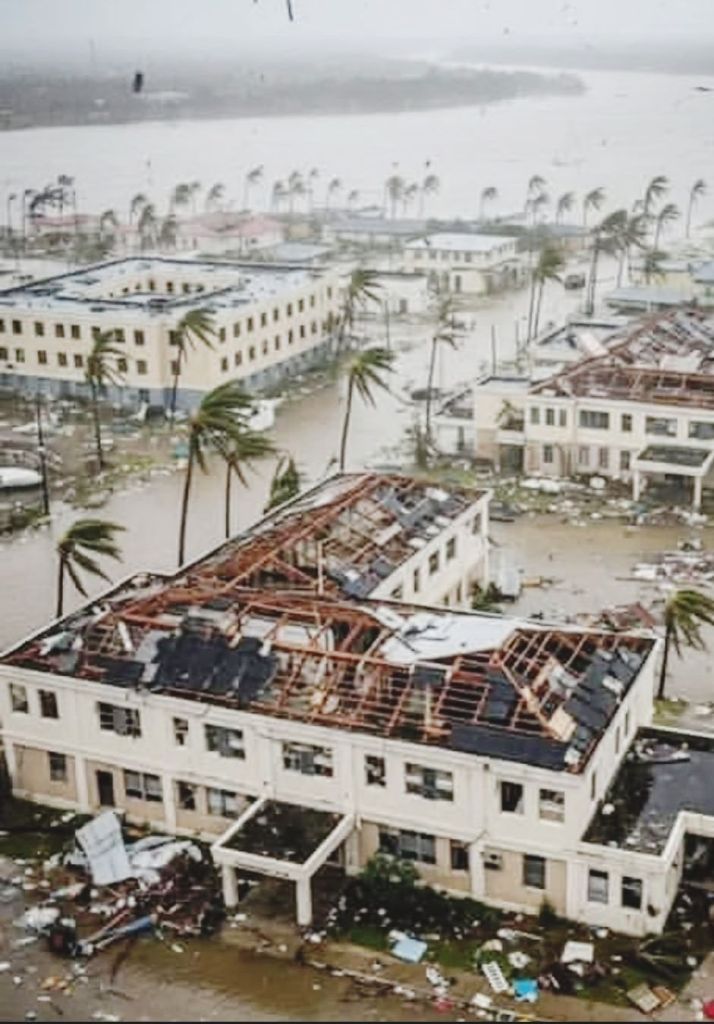
    This season’s monsoon, taken as a whole, has been generous, with rainfall since June running more than 6% above the norm. But averages hide more than they reveal. What matters is not just how much rain falls, but where, when, and how. And this year, the Northwest has borne the brunt. Punjab, Himachal Pradesh, and Uttarakhand were pounded with 265 mm in August alone—34% higher than normal. The cumulative June–August tally for the region is a staggering 614.2 mm, nearly 27% above its usual seasonal average of 484.9 mm. For the IMD, these are record entries; for the people of the region, they are weeks of flooding, landslides, displacement, and loss. Submerged fields in Punjab, crumbled mountain roads in Himachal, villages cut off in Uttarakhand, and devastation sweeping across Jammu & Kashmir—these are the lived realities behind neat statistical tables.

    The monsoon has always been India’s paradox—saviour and destroyer rolled into one. On one hand, surplus rainfall revives agriculture, replenishes reservoirs, and breathes life into soils. Farmers nurturing rice, maize, cotton, and pulses see their crops thrive when the skies open generously. Food security, still tethered to the rhythm of the monsoon, looks a little more assured when water is plentiful. But the same rains, when they arrive in excess, turn feral. Floods wipe out infrastructure, disrupt supply chains, and paralyze transport. Landslides slice through Himalayan highways, isolating communities. For millions, every dark cloud that gathers is as much a source of dread as of hope.

    Step outside the deluged Northwest, however, and the picture flips. Northeast India, the far south, and pockets of the northern frontiers are staring at deficits. Rainfall here has fallen below normal, reminding us that the Indian monsoon is no longer a uniform, dependable phenomenon. Instead, it is fragmenting—exploding in torrents in some places while ghosting others entirely. This patchwork of extremes is exactly what climate scientists have been warning about: a monsoon no longer governed by gentle continuity but marked by abrupt, violent swings.

    What is particularly alarming is how the monsoon’s predictability window seems to be shrinking. For centuries, India’s farmers timed their sowing, harvesting, and irrigation cycles with astonishing precision to its rhythms. Today, that trust has frayed. Too much rain, too soon, drowns seedlings. Too little rain, for too long, wilts crops. It is not just about water anymore—it is about uncertainty. And uncertainty is the cruellest adversary in a country where livelihoods still hang on the balance of the skies.

    The August label—wettest since 2001—should not be filed away as a mere weather factoid. It is a red flag, a wake-up call. If the IMD’s projection of a heavy September plays out, risks will deepen further. Floodwaters could rise in the plains, landslides could multiply in the mountains, and the economic bill could spiral. Cities like Delhi, Chandigarh, and Dehradun are already showing their fragility, with waterlogged roads, gridlocked traffic, and paralysed drainage systems after each downpour. Rural regions, meanwhile, live the paradox of abundance: fields that gleam with promise one day are drowned in standing water the next.

    This monsoon is laying bare a deeper truth: India is woefully unprepared for a climate that is mutating faster than its infrastructure. Disaster management cannot remain a game of catch-up, where governments respond only after the waters rise or the hills collapse. Preparedness must move from reactive relief to proactive prevention. Technology-driven forecasting, AI-powered flood modelling, and community-level early warning systems are not luxuries anymore—they are survival tools. As the IMD’s Director General rightly pointed out, resilience is not an option; it is the only strategy that makes sense in an age where the monsoon itself has gone rogue.

    Numbers like 268 mm in August or 614.2 mm across the season are not just climate trivia. They are markers of upheaval—statistical signposts of homes destroyed, livelihoods lost, and lives altered forever. The monsoon of 2025 is no longer just about rainfall; it is about rewriting India’s contract with its climate. It tells the story of a nation caught between abundance and ruin, where farmers rejoice at full reservoirs even as mountain villagers mourn landslides, and where the thin line between relief and disaster grows fainter each year.

    When the sky won’t stop talking, India must learn to listen differently. Because this is no longer weather. It is survival.

    Visit arjasrikanth.in for more insights

  • 💥 “GST Fireworks: India’s Fiscal Diwali Between Sparks and Smoke” 

    September 3rd, 2025

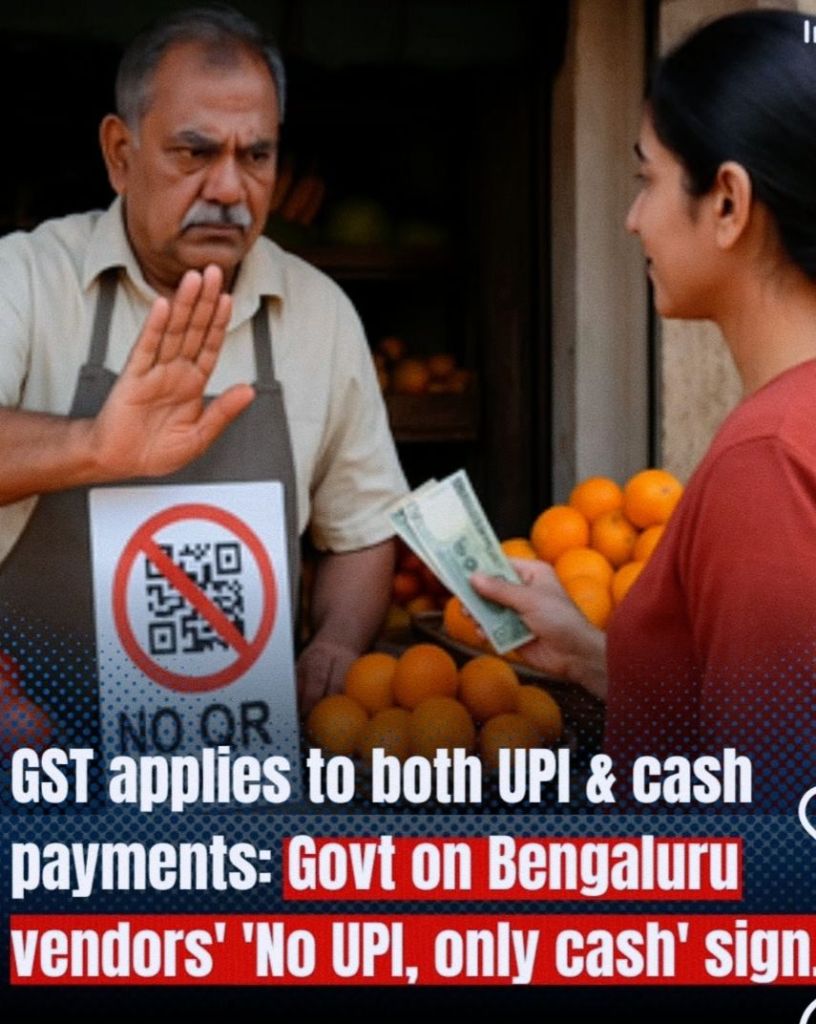
    When the GST Council swaps rockets for revenue math, the real fireworks aren’t in the sky but in India’s balance sheets—can lighter tax rates still keep the lamp of revenues glowing bright? 

    As India readies itself for the festive season, the familiar sparkle of diyas and the aroma of sweets mingle with a different kind of anticipation—the crackle of debate inside the GST Council. This year’s fireworks are not limited to the skies but are unfolding in fiscal policy, where the government is weighing a bold restructuring of the tax slab system. If Diwali has long been a festival of prosperity, this “Fiscal Diwali” is about arithmetic: can India simplify and lower GST rates while still keeping the lamps of revenue glowing bright for both Centre and states?

    At the center of discussion lies the dramatic proposal to merge the existing 28% and 12% tax brackets into a streamlined 18% slab. On paper, this seems rational, offering simplicity for businesses and relief for consumers. Yet beneath the festive packaging lies a complex game of fiscal trade-offs, federal bargaining, and economic psychology. The immediate risk is clear: potential revenue leakage estimated between ₹60,000 crore and ₹1 lakh crore annually—nearly 0.23% of GDP. Even a cautious rollout could leave the first year dented by ₹45,000 crore. For policymakers, it is the classic Diwali gamble: light a sparkler of reform and hope it dazzles, or risk being left with only smoke.

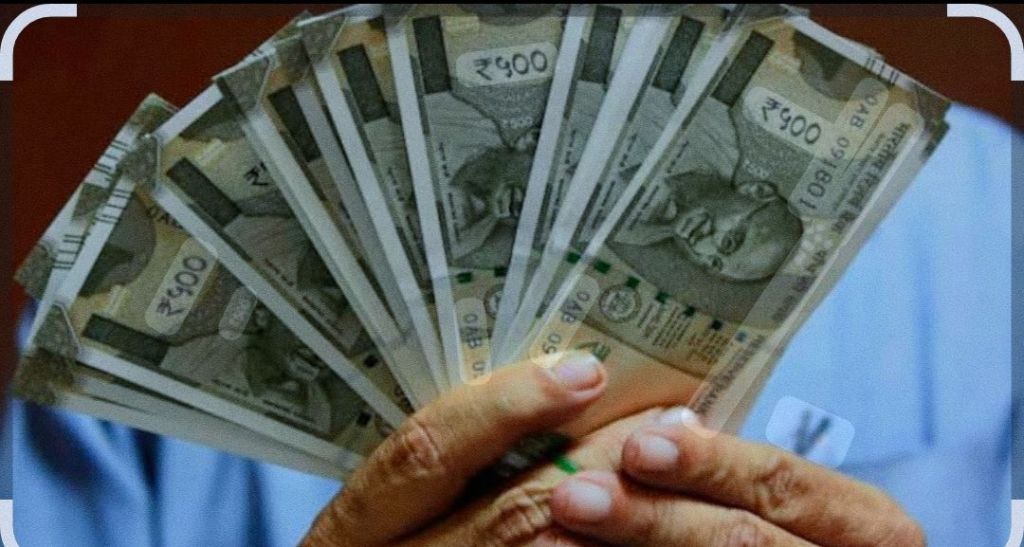
    History, however, offers comfort. Tax reforms tend to stumble initially before steadying. When GST rates were slashed on more than 2,200 items in 2017, fears of a fiscal nosedive spread like wildfire. Collections did indeed dip, but as e-invoicing, online return filing, and data analytics tightened compliance, revenues rebounded. Today, GST collections are robust, crossing ₹22 lakh crore annually, with monthly inflows hovering around ₹2 lakh crore. This suggests rationalization may actually widen the base: lower rates can boost consumption, reduce evasion, and bring more players from the shadow economy into the formal system. Meanwhile, higher taxes on sin goods—pushed up to 40% for items like tobacco—are designed to offset revenue loss, keeping harmful consumption costly while adding ballast to the exchequer.

    But arithmetic alone does not decide India’s fiscal fireworks. Politics, especially federal politics, adds its own colour. GST revenues are split equally between the Centre and states, yet the pain of cuts is unevenly distributed. Industrial states such as Maharashtra, Gujarat, Tamil Nadu, and Karnataka lean heavily on urban consumption of high-value goods like automobiles, appliances, and electronics. These are precisely the sectors where rate cuts sting the most. Agrarian states, by contrast, feel little burn since essentials dominate their consumption basket and remain largely exempt or minimally taxed. When slabs were slashed in 2018, some industrial states reported revenue losses of nearly 24%, while smaller states hardly noticed.

    This asymmetry explains why compensation remains a political flashpoint. States had enjoyed a five-year safety net, extended further during the pandemic, but that cushion has now vanished. They argue that sweeping reforms of this scale deserve renewed protection. The Centre retorts that perpetual compensation breeds fiscal dependency and blunts local reform incentives. Somewhere in the middle lies a compromise: special funds from cess collections, or targeted transfers to particularly vulnerable states, balancing fairness with reform momentum.

    Meanwhile, the choreography of reform is being carefully staged. Hiking rates on luxury and sin goods is not only a fiscal counterweight but also a moral and policy signal. For India, the larger trajectory is unmistakable: nudging the overall average GST rate closer to 10%, compared to the pre-GST effective average of 15%. Yet as with any grand production, disputes over category shifts, transitional losses, and implementation speed are bound to spark. The GST Council, traditionally a forum for cooperative federalism, now faces the task of managing both trust and tensions as fiscal fireworks light up the horizon.

    For states, the real challenge lies not in wrangling for perpetual bailouts but in adapting to a new fiscal reality. Reliance on compensation dilutes reform spirit. Expanding their own tax base, plugging leakages, leveraging industrial and infrastructure policy, and embracing compliance technologies will ultimately ensure resilience. A stable and buoyant GST ecosystem could turn India into a competitive consumption-driven manufacturing hub, allowing states to reap long-term dividends.

    At its core, GST restructuring is less about today’s losses and more about tomorrow’s opportunities. A simpler, rationalized tax structure has the power to stimulate demand, build compliance, and align India’s fiscal architecture with global norms. But the gamble rests in execution. Handled with transparency and consensus, it could ignite a brighter era of growth, competitiveness, and cooperative federalism. Mishandled, it risks scorching fiscal balances and deepening mistrust between the Centre and states.

    Like a Diwali sparkler, the GST gambit is thrilling but unpredictable. Light it carefully, and it could illuminate India’s economic future in dazzling arcs of prosperity. Mismanage it, and the smoke may linger long after the glow fades. The coming months will reveal whether these fireworks in taxation signal the dawn of a brighter fiscal festival—or the beginning of a costly misstep.

    Visit arjasrikanth.in for more insights

  • From Barricades to Ballot Boxes: The Political Plot Twist in Jammu & Kashmir

    September 2nd, 2025

    Former separatist voices are rewriting the Valley’s script, trading boycotts for governance, and cautiously steering one of India’s most complex regions toward democratic normalcy. 

    In a region long defined by political estrangement, insurgent rhetoric, and a deep mistrust of New Delhi, an extraordinary transformation is underway. Leaders who once championed separatist ideologies—voices synonymous with defiance—are now stepping into the electoral spotlight. They are not only contesting elections but also forming alliances with national parties, fundamentally rewriting the political script of Jammu and Kashmir. This isn’t a subtle shift; it’s a dramatic departure from decades of boycotts, barricades, and bitter disengagement.

    One high-profile example is a leader whose past speeches were steeped in fierce criticism of the Indian state. Today, he is crisscrossing constituencies, shaking hands, delivering campaign speeches, and rallying support like any seasoned politician. His transformation mirrors a broader current sweeping through the Valley—a pivot from rejecting democratic institutions to embracing them. Stages once reserved for defiance are now platforms for policy promises.

    This momentum has its roots in the seismic political shock of August 2019, when Article 370 was abrogated, stripping J&K of its special status and integrating it fully into the Indian Union. The move, controversial and deeply polarizing at the time, didn’t just alter the constitutional framework—it redrew the entire political battlefield. Every law in the Indian Constitution became applicable to the region, erasing the legal grey zone that had existed for decades.

    Alongside this legislative overhaul came a surge of development projects. Roads, bridges, medical colleges, tourism hubs, and industrial parks began to materialize, signalling a visible shift in the state’s infrastructure. These projects were not just symbolic gestures; they were intended to change the lived reality of the people—making governance tangible in a place where it had often felt distant.

    Security dynamics, too, have evolved. Violence has receded in many areas, creating space for public gatherings, rallies, and political discourse that once risked being overshadowed by conflict. The difference is visible in voter turnout figures, which now reflect not just participation, but a cautious but growing faith in the democratic process.

    The generational dimension of this change is striking. Many young people in J&K, having grown up amidst uncertainty, are prioritizing aspirations that revolve around education, employment, and stability. For them, separatist narratives feel like relics of a past that has yielded little in terms of tangible improvement. Development programs and central government initiatives offering job opportunities, skill-building, and business incentives are far more attractive than ideological posturing.

    This isn’t to suggest that the road ahead is free from challenges. Historical grievances still cast long shadows. Trust is not rebuilt overnight, and reconciliation remains a slow, often fragile process. There is still scepticism—both from within the Valley and from those outside watching the shift unfold. Critics argue that political integration will be hollow unless it is accompanied by genuine dialogue on the unresolved issues that have fuelled decades of alienation.

    Yet, the significance of former separatist voices now participating in elections cannot be overstated. It marks a potential turning point in the political culture of the region. Where once the act of voting was dismissed as capitulation, it is now increasingly seen as a legitimate means of shaping the future.

    Observers note that J&K’s evolving political scene could serve as a global case study in conflict resolution through a combination of decisive policy change, infrastructural investment, improved security, and inclusive political engagement. The formula is not perfect—and it is certainly not without risk—but it suggests that entrenched divisions can sometimes be softened when citizens witness tangible, positive changes in their daily lives.

    The stakes are high. For the central government, sustaining this momentum means ensuring that economic promises don’t evaporate into rhetoric, and that political inclusion is substantive rather than cosmetic. For regional leaders making this transition, it requires earning the trust of constituents while managing suspicion from old allies who see participation as betrayal. And for ordinary citizens, it involves holding leaders accountable for delivering on the vision of a stable, prosperous, and democratic Jammu and Kashmir.

    The irony is both sharp and symbolic: individuals who once dismissed Indian elections as illegitimate are now relying on those very elections to secure political futures. This reversal is more than political theatre—it’s evidence of democracy’s adaptability. The ballot, once shunned, has become the battlefield of choice.

    To outsiders, the transformation might look like a paradox, but to those within the region, it represents the slow, complex, and sometimes contradictory path toward normalcy. Disruption is being replaced by dialogue. Despair is giving way to development. And a democratic process, imperfect yet resilient, is gaining new champions in one of the most politically sensitive corners of the world.

    If the current trajectory holds, it could redefine the region’s identity—away from the cycles of unrest and toward a politics grounded in governance and growth. It won’t erase the past, but it may build a future in which disagreements are resolved in debating halls rather than on the streets.

    In a place where hope has often been fleeting, the very act of participating—of choosing to engage rather than disengage—feels radical. And in that choice lies the possibility of a Jammu and Kashmir that finally trades boycotts for ballots, and in doing so, moonwalks—perhaps awkwardly, perhaps brilliantly—into the heart of Indian democracy.

    Visit arjasrikanth.in for more insights
  • Dosas, Drones, and Dollar Dreams: The South Indian Hunger Games of Growth

    September 1st, 2025

    “From Hosur’s electric scooters to Hyderabad’s biotech labs and Kerala’s fintech hubs, South India’s states duel as gladiators, where culture, innovation, and audacious moves decide India’s economic future.” 

     India’s economic map is being redrawn, and the compass needle is swinging south. Tamil Nadu, Karnataka, Telangana, Andhra Pradesh, and Kerala have become gladiators in a high-stakes arena where the prize is not merely foreign direct investment but the right to claim they are driving India’s trillion-dollar future. It is a spectacle where automobile factories stand beside karaoke rooms, IT coders rub shoulders with shrimp exporters, and golf courses are pitched as aggressively as tax incentives. Welcome to the wild, unpredictable, and strangely effective South Indian Hunger Games of Growth.

    Tamil Nadu, the undisputed heavyweight, is scripting an audacious playbook. Once the Detroit of the East with half of India’s car production, it has swaggered into electronics and EVs. Hosur, once sleepy, now hums with electric scooters and semiconductors, while Coimbatore reinvents itself as a hub of precision manufacturing. Political stability across parties, professional investment agencies, and decentralization away from Chennai have created a constellation of industrial cities, each orbiting a trillion-dollar dream. Tamil Nadu has stopped being a capital-city story; it is a multi-polar industrial galaxy.

    Karnataka refuses to be left behind. Bengaluru continues to be India’s IT brain, attracting more venture capital than most countries in a year, but software alone cannot drive growth. Aerospace hubs near Devanahalli, biotech clusters brimming with labs, and electronics corridors on the city’s fringes reflect a conscious effort to add muscle to its brain. Land acquisition nightmares, patchy infrastructure, and the challenge of bridging urban-rural development remain obstacles, yet the state radiates confidence that innovation first will keep investors pouring in.

    Andhra Pradesh, the comeback kid, leans on Chandrababu Naidu’s vision. Stripped of Hyderabad after bifurcation, it uses its long coastline, modern ports, and food processing units to lure capital. Shrimp exports are quietly becoming its global calling card, with textiles and automobiles adding heft. Naidu’s aggressive courtship—red-carpet treatment, land and power incentives—positions Andhra as a speed and scale state. But Amaravati’s half-built dream looms, a cautionary tale that without policy stability, flashy promises can fall flat.

    Kerala, the contrarian, cannot compete with smokestack industries, so it bets on brains over brawn. With high literacy, tech-savvy youth, and a globally mobile diaspora, it promotes fintech parks, AI skill centers, and startup villages alongside tourism and Ayurveda. Ironically, a Left-ruled state that once dismissed capitalist jamborees now pitches investors like stockbrokers. Kerala’s gamble is on smarts rather than scale, a strategy that makes the state intriguing and sustainable in its niche.

    Telangana, the restless startup of the south, pushes harder. Hyderabad shines as India’s biotech and pharma capital, but the state brands itself for AI cities, GCC hubs, and data centers. Its professional investment arm runs like a consulting firm, and ministers openly treat competition with Tamil Nadu and Andhra as personal. Investors enjoy the attention; it’s a courtship where they are treated as royalty. Telangana’s audacity is emblematic of a state willing to overshoot to claim the prize.

    Yet cracks remain beneath the glamour. Infrastructure gaps choke smaller towns. A severe skills shortage—the formally trained workforce barely a tenth—threatens industrial ambitions. Labor unrest simmers, and the semiconductor rush exposes talent scarcity. Climate risks like water scarcity loom large, reminding policymakers that trillion-dollar dreams are fragile. Without reforms in education, industrial relations, and environmental policy, the South risks faltering under its own hype.

    What makes this southern contest both absurd and brilliant is the cultural personalization of investment pitches. Tamil Nadu studies Japanese etiquette to woo automakers. Telangana knows karaoke bars seal Korean deals. Karnataka flaunts cosmopolitan vibes. Andhra dangles land near ports. Kerala whispers of beaches, wellness, and lifestyle. Golf courses, karaoke rooms, and shrimp farms have become as important as tax incentives. It is surreal, yet effective: in a world where capital is footloose, states must sell not only policies but dreams.

    The paradox is striking: these states compete like gladiators but thrive like collaborators. Industrial corridors cut across borders, knowledge is shamelessly copied, and water disputes are managed with pragmatism. Together, they account for over 30% of India’s GDP, a share poised to grow. The South has cracked the code: competition fuels innovation, collaboration sustains credibility.

    India’s future will not be scripted only in Delhi or Mumbai; it will be forged in Hosur’s factories, Bengaluru’s labs, Hyderabad’s biotech parks, Amaravati’s ports, and Kerala’s fintech hubs. Karaoke nights, golf courses, shrimp exports, and semiconductors may sound like a bizarre cocktail, but together, they define South India’s rise. When India eventually stands as a $30-trillion economy by 2047, history will credit the South as the chef who cooked the meal.

    Visit arjasrikanth.in for more insights
  • “Cyber Slaves, Crypto Chains, and the Thai Ticket to Hell: India’s Newest Export”

    August 31st, 2025

    “From airport promises to digital gulags, thousands of Indian youths chasing jobs in Thailand or Cambodia are trapped in scams, torture, and exploitation—a one-way ticket to hell.” 

    The promise is seductive, dangerously simple, and wrapped in the glitter of globalization: a job abroad, easy money, maybe even a shot at a brighter life in Thailand. For thousands of young Indians, especially from small towns where dreams often outpace opportunities, this lure has become bait for one of the cruellest fraud industries of our time. In recent months, India has watched in horror as planeloads of its citizens return home not with paychecks, but with scars—rescued from lawless borderlands of Myanmar, trafficked into cybercrime compounds that sound less like workplaces and more like dystopian nightmares.

    The script is chillingly efficient. Recruitment begins with slick online ads promising roles as “chat support staff,” “crypto exchange agents,” or “sales executives” in Bangkok. Smooth-talking mediators—often Indians themselves—arrange visas, tickets, and convincing paperwork. Families, blinded by hope, scrape together savings to cover travel. At the airport, nothing seems amiss. But on arrival, the trap slams shut. Passports are confiscated for “visa processing,” and the new recruits are hustled into guarded cars headed for Myanmar’s chaotic border towns like Myawaddy. From there, they vanish into walled compounds that operate like digital gulags.

    Inside these fortified camps lies a reality stripped of law, conscience, or escape. The model is part cyber sweatshop, part prison. Barbed fences and armed guards make flight nearly impossible. On day one, workers are informed that they now owe “debts”—for airfare, food, and housing. That invented debt becomes their leash. To “repay” it, they are forced into a grotesque digital assembly line: elaborate online scams targeting victims worldwide. Trainees are drilled in impersonating brokers, lovers, or crypto advisors, cultivating trust with strangers before draining their savings through fake platforms. Every keystroke is surveilled. Quotas are brutal. Failure is punished with fists, electric rods, starvation, or worse.

    The testimonies of those who have made it back are harrowing. Young men recount being beaten unconscious for missing targets. Women describe unending harassment and sexual coercion. Those who attempt escape are dragged back, tortured, and sometimes “resold” to harsher operators like cattle. In some cases, families in India are contacted directly—extorted to pay ransoms in exchange for their children’s release. Survivors describe being trapped in a surreal loop of deception and violence: enslaved to commit fraud while being themselves defrauded of their dignity, safety, and freedom.

    At the top of this pyramid of cruelty sit transnational crime syndicates with Chinese roots, shifting operations to Southeast Asia after Beijing’s crackdown on illegal gambling hubs in Macau. Myanmar’s chaos following the 2021 coup provided a perfect incubator: fractured governance, corrupt militias, and desperate local actors eager for cash. Militias control territory along the Thai border, guarding scam factories in exchange for profit shares. Reports suggest even factions of Myanmar’s military look the other way—or worse, enable operations. Add the anonymity of cryptocurrencies and global messaging platforms, and the machinery hums like a dystopian factory farm for human exploitation.

    The money involved is astronomical. Between 2020 and 2024, victims worldwide lost an estimated $75 billion to scams linked to these compounds. The notorious “pig butchering” fraud—where scammers fatten victims with fake profits before a devastating final cleanout—alone accounts for billions in losses across the United States, China, and beyond. But behind these glossy figures lies the true tragedy: the 200,000-plus trafficked workers, according to UN estimates, who are beaten, broken, and enslaved to power this grotesque economy.

    For India, the crisis carries a double sting. Not only are its youngsters fueling this machinery of global fraud, but they are also among its most brutalized victims. The Ministry of External Affairs has scrambled to negotiate repatriations through Thailand, with dozens rescued in recent months. Yet every planeload back is also a reminder of the invisible many still locked inside. For returnees, the nightmare doesn’t end with rescue. They come home scarred—physically battered, mentally shattered, socially stigmatized—with little institutional support for reintegration.

    What this saga makes brutally clear is that this is no longer just an “online scam” problem. It is a multinational industry of modern slavery, lubricated by desperation, impunity, and digital technology. It thrives on porous borders, corrupt recruiters, and crypto anonymity. And it will not vanish with token raids or symbolic crackdowns. It demands coordinated global responses—harder visa vetting, intelligence cooperation, tech platform accountability, and above all, recognition that every fraudulent click comes at the cost of a captive human life.

    The Indian youths caught in this nightmare embody the fragility of dreams in our digital age. They boarded flights chasing opportunity. They landed in cyber prisons, chained to keyboards under the threat of torture. Their pain should ignite more than pity—it should compel governments, law enforcement, and digital giants to strike directly at the heart of this grotesque industry. Because as long as the scam factories thrive in Myanmar’s shadows, every “job abroad” ad flashing on a smartphone screen could be another one-way ticket to hell.

    Visit arjasrikanth.in for more insights

←Previous Page
1 … 12 13 14 15 16 … 135
Next Page→

Blog at WordPress.com.


Loading Comments...
 

    • Subscribe Subscribed
      • SOCIAL PERSPECTIVES
      • Join 99 other subscribers
      • Already have a WordPress.com account? Log in now.
      • SOCIAL PERSPECTIVES
      • Subscribe Subscribed
      • Sign up
      • Log in
      • Report this content
      • View site in Reader
      • Manage subscriptions
      • Collapse this bar