
Skip to content
    • About

SOCIAL PERSPECTIVES

  • The Legacy of Mahatma Gandhi: Celebrating the International Day of Nonviolence

    October 2nd, 2023

    Mahatma Gandhi’s birthday is celebrated worldwide as the International Day of Nonviolence, a testament to the immense respect for his philosophy of nonviolence.

    On the occasion of Mahatma Gandhi’s birthday, celebrated as the International Day of Nonviolence, we pay tribute to the enduring relevance of his teachings in today’s conflicted world. Gandhi, the icon of nonviolence and the champion of ahimsa, introduced the concept of nonviolence as a central principle of Hinduism. His philosophy, deeply rooted in Indian culture, holds immense potential for achieving peaceful resolutions both within nations and on a global scale.

    Gandhi’s belief in nonviolence was not a newfound theory but one deeply influenced by various sources. He recognized that the highest form of righteousness, dharma, lies in practicing ahimsa. Even prior to Gandhi, Buddha preached extreme nonviolence and introduced the Dharma of Bhikku, emphasizing nonviolence in every aspect of life. Gandhi’s philosophy of nonviolence resonates with the spiritual fabric of India, as it draws from these teachings and showcases their significance in our collective consciousness.

    Throughout his life, Gandhi steadfastly practiced nonviolence in its purest form. His influential work, Hind Swaraj, published in 1905, outlined the principles of nonviolence and highlighted its potential to bring about social and political change. However, as time passed, interpretations of nonviolence within the Gandhian movement became fragmented, with differing views on its efficacy in achieving independence. Economists such as Madan Mohan Malviya and Lala Lajpat Rai expressed skepticism, questioning the practicality of nonviolence in the face of oppression.

    Amidst the skepticism, there were individuals like Shradhanand who embodied the principles of nonviolence and stood as true Mahatmas. These spiritual leaders recognized the power of Gandhi’s nonviolence and its potential to transform society. Their unwavering commitment to peace inspired others, including Martin Luther King Jr., who greatly admired Gandhi’s nonviolent idealism and meticulously planned his own peaceful protests. Gandhi himself even wrote five letters to Hitler, making a plea for a change of heart through nonviolent means.

    Nonviolence should never be mistaken for weakness or cowardice. On the contrary, it requires immense courage to practice nonviolence in the face of adversity. Mhadev Desai, a close associate of Gandhi, interpreted Hinduism through the lens of nonviolence, emphasizing its inherent strength and transformative power. Nonviolence has the capacity to bring about lasting change by appealing to the higher nature of humanity, fostering empathy, understanding, and reconciliation.

    As we commemorate the International Day of Nonviolence, we must recognize the enduring relevance of Mahatma Gandhi’s teachings in our tumultuous world. Nonviolence offers an alternative to the default response of violence during conflicts and disputes. By embracing the philosophy of nonviolence, we can cultivate a more harmonious and peaceful future for all nations. Let us honor Gandhi’s legacy by striving to understand and respect each other’s feelings, and by working towards peaceful resolutions. As Gandhi once said, “An eye for an eye only ends up making the whole world blind.”

    Visit arjasrikanth.in for more insights.

  • Remembering Lal Bahadur Shastri – A Leader of Integrity, Courage, and Humility

    October 2nd, 2023

    Lal Bahadur Shastri, the second Prime Minister of India, is often overshadowed by the towering presence of his predecessor, Jawaharlal Nehru, and his successor, Indira Gandhi. However, Shastri’s contributions to the nation and his remarkable leadership during turbulent times deserve recognition and remembrance. This article aims to shed light on the life and legacy of Lal Bahadur Shastri, a forgotten hero who left an indelible mark on India’s history.

    Lal Bahadur Shastri emerged from humble beginnings, born on October 2, 1904, in Mughalsarai, Uttar Pradesh. His commitment to public service and advocacy for social justice were evident from an early age. Shastri actively participated in the Indian independence movement, joining Mahatma Gandhi’s non-cooperation movement and later becoming a prominent figure in the Indian National Congress.

    As the Minister of Police and Transport in Uttar Pradesh, Shastri’s exemplary leadership skills and integrity earned him the nickname “Lal Bahadur,” meaning “Red Brave.” However, it was during his tenure as India’s Prime Minister from 1964 to 1966 that Shastri faced his greatest challenges and showcased his unwavering determination.

    Shastri’s leadership was tested during the Indo-Pakistani War of 1965. Despite facing a formidable adversary, he displayed remarkable courage and resilience in leading the nation. His famous slogan of “Jai Jawan, Jai Kisan” (Hail the Soldier, Hail the Farmer) resonated with the people, uniting them in the face of adversity. Shastri’s ability to maintain calm and make tough decisions during the war earned him immense respect both domestically and internationally.

    During his tenure, Lal Bahadur Shastri also initiated significant economic reforms, focusing on food self-sufficiency and agricultural development. The Green Revolution, inspired by his vision, aimed to increase agricultural productivity and alleviate poverty. Shastri’s emphasis on self-reliance and empowerment of rural communities laid the foundation for India’s agricultural progress and economic growth in the following decades.

    Lal Bahadur Shastri’s untimely demise in 1966, under mysterious circumstances in Tashkent, Uzbekistan, left the nation in shock and mourning. Despite his short tenure as Prime Minister, Shastri’s legacy endures as a symbol of integrity, simplicity, and selflessness.

    While history often remembers the towering figures of India’s independence movement, it is crucial not to overlook the contributions of leaders like Lal Bahadur Shastri. His commitment to the principles of truth, justice, and equality remains an inspiration for generations to come.

    As we remember Lal Bahadur Shastri, let us honor his memory by reflecting on his values and striving to emulate his unwavering dedication to the nation. It is time to revive his legacy and ensure that the forgotten hero finds his rightful place in India’s rich history.

    In the words of Shastri himself, “The preservation of freedom is not the task of soldiers alone. The whole nation has to be strong.” Let us pay tribute to this forgotten hero, who led by example, and ensure that his vision of a prosperous and united India remains alive in our hearts and actions.

    Visit arjasrikanth.in for more insights.

  • The Timeless Wisdom of Gandhi’s Philosophy in the Present Complex World

    October 2nd, 2023

    Title:

    Mahatma Gandhi, the venerable leader of India’s struggle for independence, bestowed upon us a legacy of profound philosophical principles. His teachings on non-violence, truth, self-reliance, and communal harmony resonate even more powerfully in our contemporary, technology-driven society. This article explores how Gandhi’s ideals are not just historical artifacts but are indispensable tools for addressing pressing issues such as border conflicts, unemployment, aggression, and economic disparities.

    In a world beset by intra and intercountry border disputes, Gandhi’s doctrine of non-violence remains a guiding light. The scourge of terrorism and violence continues to plague nations. Gandhi’s philosophy demonstrates the potency of peaceful resistance, exemplified by his Salt March. In an era marked by turmoil, embracing non-violence offers a path to break the cycle of repression and injustice.

    Gandhi’s concept of Satyagraha, or nonviolent resistance, is a moral alternative to aggression and war. The principles of standing for truth and deploying non-violent means can be harnessed to address contemporary challenges like human rights violations, climate change, and political corruption. Recent events, such as the farmers’ protests in India, exemplify the resonance of Gandhian ideals in today’s world.

    The idea of Swaraj, or self-rule, bears immense relevance in our society, where external influences and social media often dictate our actions. In the face of such pressures, the concept of self-reliance and inner strength becomes crucial. Swaraj encourages individuals to resist abusive authority, nurturing personal empowerment and responsibility.

    Gandhi’s advocacy for self-sufficiency through swadeshi, or indigenous production, is pertinent in the wake of economic crises and globalization. The recent “Atma Nirbhar Bharat” (Self-Reliant India) initiative during the COVID-19 pandemic underscores the necessity of self-sufficiency in addressing issues like poverty and unemployment.

    Gandhism’s emphasis on religious tolerance is imperative in a world grappling with religious conflicts. By promoting tolerance and eradicating prejudices rooted in religion, caste, or ethnicity, societies can strive for peace and unity. Secularism acts as a bulwark against divisiveness, nurturing harmony among diverse communities.

    Gandhi’s tireless efforts to foster unity between different religious communities resonate strongly today. Harmony among various religious groups is pivotal for the progress of any nation. Addressing issues such as mob lynching and promoting communal harmony must be prioritized.

    Gandhi’s belief in decentralization finds practical expression in local self-governance systems like Panchayati Raj and Municipalities in India. Empowering communities at the grassroots level promotes inclusive development and participatory decision-making. Decentralization remains crucial for addressing the diverse needs and aspirations of a nation.

    Gandhi’s emphasis on cleanliness extends beyond physical hygiene to encompass transparency, accountability, and a corruption-free society. Initiatives like Swachh Bharat Abhiyan (Clean India Mission) align with Gandhi’s vision of a clean and virtuous society. Attaining inner purity, alongside physical cleanliness, is vital for societal progress.

    Gandhi’s call for minimizing wants and living in harmony with nature finds resonance in an era of escalating environmental concerns. The philosophy of sustainable development, advocated by Gandhi, underscores the need to balance human needs with ecological preservation. Gandhian principles can guide efforts to combat climate change and resource depletion.

    Gandhi’s progressive stance on women’s emancipation and gender equality remains highly relevant in today’s society. Dismantling patriarchal norms and ensuring equal opportunities for women are essential steps toward a more inclusive and just world. Gandhi’s teachings continue to inspire ongoing efforts to empower women across all spheres of life.

    The legacy of Mahatma Gandhi’s philosophy endures as an eternal wellspring of wisdom, resonating profoundly in our complex world. His principles of non-violence, truth, self-reliance, and communal harmony are not relics of the past but are indispensable guides for addressing contemporary challenges. Embracing Gandhian ideals offers a path to a more just, sustainable, and harmonious society. As we tread the path of progress, it is imperative to reflect upon the timeless wisdom of Gandhi and integrate his teachings into our personal and collective lives.

    Visit arjasrikanth.in for more insights.

  • Title: “National Interests: Shaping Global Relations in an Interconnected World”

    October 1st, 2023

    In today’s interconnected world, international relations are shaped by a complex interplay of various factors. Among these, national interests emerge as a crucial force, driving countries to prioritize their own economic, security, and strategic concerns. This article delves into the role of national interests in global relations, exploring key examples such as the Saudi-Israeli rapprochement, the Russia-Ukraine conflict, the Indo-Canadian relationship, and the empowerment of developed countries at the expense of developing nations.

    The ongoing dialogue between Saudi Arabia and Israel, mediated by the United States, has captured global attention. This historic rapprochement reflects how national interests often override historical conflicts and ideological considerations. Saudi Arabia, under the leadership of Crown Prince Mohammed bin Salman, has shifted its stance on the Israeli-Palestinian conflict, prioritizing its own national interests. This aligns with the growing sentiment among Gulf states that the Palestinian cause should not hinder their pursuit of closer ties with Israel. However, the road to normalization is far from straightforward, with the United States playing a crucial role as a key player in these negotiations.

    The war between Russia and Ukraine is a prime example of national interests driving international conflicts. While historical and ethnic tensions lay the foundation for this conflict, Russia’s desire to protect its national interests is a significant factor. The annexation of Crimea and support for separatist groups in eastern Ukraine serve as clear demonstrations of this. Furthermore, Russia’s relationship with North Korea is driven by strategic calculations rather than shared values, as Moscow seeks to maintain influence in the region and exploit the North Korean issue to its advantage.

    The case of Nijjar Killing in Canada and the support for Khalistani movement highlights the complexities of balancing national interests and diplomatic challenges. Canada’s struggle to control separatist activities within its borders, while also maintaining relationships with India, underscores the importance of prioritizing national interests. It is crucial for concerned governments to discourage practices that undermine the sovereignty and unity of nations. Moving forward, fostering open and honest dialogues between countries is essential to address these sensitive issues and find mutually beneficial solutions.

    Developed countries have become power centers on the global stage, often growing at the expense of developing nations. Whether through climate change, international conflicts, or the exploitation of natural resources in underdeveloped countries, these actions create conflicts between and within nations, further empowering the developed countries. The role of international organizations like the United Nations (UN) has come into question as national interests take precedence. The emergence of alternative alliances such as the G20, BRICS, and ASEAN has further complicated the global landscape, with national and regional interests dominating decision-making processes.

    National interests play a central role in shaping international relations. As countries prioritize their own economic, security, and strategic concerns, global cooperation often takes a backseat. This dynamic can be seen in various conflicts and relationships across the globe, ranging from the Saudi-Israeli rapprochement to the Russia-Ukraine conflict and the Indo-Canadian relationship. Developed countries, in particular, often assert their power and exploit resources in underdeveloped nations, furthering their own interests at the expense of others. As the world grapples with complex global issues, understanding the influence of national interests is crucial to comprehending the dynamics of international relations and fostering meaningful cooperation.

    Visit arjasrikanth.in for more insights

    (more…)
  • “E-FIR: The Need of the Hour for Efficient Crime Reporting and Accountability”

    October 1st, 2023

    Title:

    In today’s fast-paced digital world, where technology has permeated every aspect of our lives, it’s imperative that our legal systems adapt to these advancements. The 22nd Law Commission, under the able leadership of Justice (retd) Ritu Raj Awasthi, has recognized the pressing need for embracing technology in the realm of law enforcement. In its latest report, the Commission has recommended the creation of a Centralized National Portal for the registration of Electronic First Information Reports (E-FIRs). This progressive move aims to streamline the process of reporting crimes, reduce delays in FIR registration, and enhance accountability in our criminal justice system.

    One of the most persistent issues plaguing our criminal justice system has been the delay in registering First Information Reports (FIRs). Victims of crimes often find themselves entangled in bureaucratic red tape, struggling to have their complaints officially acknowledged. The delay in FIR registration not only impedes the pursuit of justice but can also lead to the loss of crucial evidence and witnesses becoming less reliable over time.

    The Law Commission’s recommendation to enable E-FIR registration aligns seamlessly with the National e-Governance Plan of the Government of India. In an era where digital governance is becoming the norm, ensuring that citizens can report crimes online is not just a convenience but a necessity. It reflects the government’s commitment to leveraging technology for the betterment of society.

    Recognizing the need for a cautious and practical approach, the Commission suggests enabling E-FIR registration in a phased manner. Initially, this facility should be made available for offenses with punishments of up to three years of imprisonment. This phased implementation allows stakeholders to assess the system’s effectiveness and, at the same time, minimize the risk of potential misuse.

    By starting with less serious offenses, the proposed system can be thoroughly tested. If found effective, its scope can then be expanded through subsequent amendments. This pragmatic approach ensures that any teething issues are identified and addressed before E-FIRs become applicable to more serious crimes.

    Currently, under the umbrella of the Crime and Criminal Tracking Network & Systems (CCTNS), eight states already permit E-FIR registration. Additionally, several states have introduced online complaint registration systems, which can later be converted into FIRs. These initiatives reflect a growing recognition of the importance of leveraging technology in the criminal justice process.

    During the preparation of its report, the Law Commission engaged in extensive consultations with various stakeholders, including the Crime Records Bureau and the Bureau of Police Research & Development, as well as academicians, advocates, and senior police officers. This collaborative approach ensures that the recommendations are grounded in practicality and are well-informed by the insights and experiences of those involved in law enforcement and legal practice.

    The need for E-FIRs extends beyond mere convenience. It is a call for accountability and efficiency in our criminal justice system. Prompt registration of FIRs is crucial not only for the victims but also for law enforcement agencies. It allows them to take immediate action, gather evidence, and pursue leads effectively.

    In 2017, the Conference of Directors General of Police (DGPs) and Inspectors General of Police (IGPs) highlighted the importance of amending Section 154 of the Code of Criminal Procedure (CrPC) to enable online FIR registration. This recommendation, which came from the highest echelons of law enforcement, underscores the urgency and consensus surrounding this issue.

    The Law Commission’s recommendation for the creation of a Centralized National Portal for E-FIR registration is a significant step towards modernizing our criminal justice system. It acknowledges the transformative power of technology and its potential to make our legal processes more accessible, efficient, and accountable.

    By enabling citizens to report crimes in real time through E-FIRs, we not only empower the victims but also provide law enforcement agencies with the tools they need to swiftly respond to and investigate crimes. It’s a win-win proposition that can help ensure a more just and secure society.

    In an era where information flows at the speed of light, our legal systems must keep pace. E-FIRs are not just the need of the hour; they are the need of the future. It’s time to embrace technology as a force for good in the pursuit of justice.

    visit arjasrikanth.in for more insights.

  • “Global Credit Ratings: Navigating the Challenges of an Oligopoly”

    September 30th, 2023

    Credit rating agencies (CRAs) are integral players in the financial world. They provide assessments of the creditworthiness of countries and companies, guiding investors and influencing capital flows. However, a critical question arises: Are the global credit rating agencies, dominated by three major players—Moody’s, Standard & Poor’s (S&P), and Fitch—fostering healthy competition, or are they inadvertently creating an oligopoly that hampers diversity and innovation in the industry? Furthermore, do these ratings genuinely contribute to a country’s economic stability?

    This article explores these questions, delving into the structure of the credit rating industry, the impact of ratings on countries, and the challenges that arise from the dominance of a few key players.

    The credit rating industry is largely controlled by Moody’s, S&P, and Fitch, which collectively assess the creditworthiness of nations and corporations. Each agency has its own methodology and rating scales, but their influence is undeniable. This concentration of power raises concerns about competition and potential conflicts of interest.

    Credit ratings have far-reaching consequences. They affect a country’s ability to attract foreign investment, obtain favorable borrowing terms, and maintain economic stability. For investors, ratings serve as crucial benchmarks when making investment decisions. The global importance of these ratings is underscored by the fact that even small changes in a country’s rating can trigger significant financial repercussions.

    Critics argue that the dominance of three major agencies creates an oligopolistic market structure. This concentration of power can stifle innovation, limit choices for investors, and potentially lead to complacency in rating practices. Smaller rating agencies may find it challenging to compete with the established giants, perpetuating the status quo.

    The global financial crisis of 2007-2009 revealed significant flaws in credit rating practices. CRAs were accused of providing overly optimistic ratings for complex financial instruments, contributing to the crisis. This raised questions about the agencies’ ability to accurately assess risk and promote economic stability.

    In response to the crisis, regulatory reforms were introduced to enhance oversight of credit rating agencies. The Credit Rating Agency Reform Act of 2006 in the United States and the European Union’s regulatory framework for CRAs aimed to address conflicts of interest, improve transparency, and enhance accountability. However, challenges persist in ensuring that ratings are accurate, unbiased, and reliable.

    India, like many countries, relies on sovereign credit ratings to attract investment and gauge economic stability. India’s sovereign rating is currently at the lowest investment grade level, indicating low expectations of default risk. While the country has several positive economic indicators, including low forex risk and financial growth projections, challenges such as inflation, fiscal deficits, and labor force participation rates persist.

    Despite its credit rating challenges, India exhibits several positive signs of economic growth. These include low forex risk, financial growth projections of 7% for 2023, a resilient banking system, and the Reserve Bank of India’s effective response during the COVID-19 pandemic. The quality of government spending has improved, and digitization efforts have made the economy more efficient.

    As the global financial landscape evolves, credit rating methodologies must adapt to changing times. There is a growing call for greater flexibility and recognition that emerging markets can ascend the credit rating scale. The credit rating industry, while facing challenges from oligopolistic tendencies, has the potential to foster healthy competition and innovation.

    The dominance of a few global credit rating agencies raises valid concerns about competition and its impact on industry dynamics. However, credit ratings remain pivotal in the world of finance, influencing investment decisions, economic stability, and capital flows. Regulatory oversight is crucial to ensure transparency and accuracy in rating practices. While credit rating agencies play a significant role in the financial ecosystem, they must continuously reassess their methodologies and adapt to the changing global landscape. As economies evolve and emerging markets gain prominence, the industry’s ability to provide accurate, forward-looking ratings will be essential for fostering economic stability and ensuring a fair and competitive financial environment worldwide.

    Vist arjasrikanth.in for more insights

  • “Collaboration Over Confrontation: A Social Responsibility to Combat Delhi’s Winter Pollution”

    September 30th, 2023

    Title: “Collaboration Over Confrontation: A Social Responsibility to Combat Delhi’s Winter Pollution”

    Delhi, India’s vibrant capital, is no stranger to the ominous arrival of winter, which brings with it a more insidious problem – skyrocketing levels of air pollution. This annual phenomenon is a result of various factors, including adverse weather conditions, the pervasive use of firecrackers, and limited ventilation. Recognizing the gravity of this issue, the Delhi government has implemented a series of measures over the years to combat pollution during the winter season. However, it’s essential to understand that pollution knows no boundaries, and it requires a collective effort involving not only Delhi but also neighboring states. Instead of mudslinging and blaming each other, cooperation should be the guiding principle in the fight against winter pollution.

    In recent years, the Delhi government has taken significant steps to address the pressing issue of winter pollution. These measures include: An initiative that restricts vehicles with odd and even-numbered plates on alternate days to reduce traffic congestion and emissions; Enhancing the frequency and efficiency of public transportation to encourage people to leave their private vehicles at home ; Setting up additional air quality monitoring stations across the city to provide real-time data on pollution levels ; Distributing face masks to the public to protect themselves from harmful pollutants; Launching awareness campaigns to educate citizens about pollution-reducing practices and the importance of their role in curbing pollution.

    These measures have played a crucial role in mitigating pollution to some extent, but the problem persists, requiring continuous effort and innovation.

    While Delhi takes these steps, it is imperative to recognize that pollution does not adhere to geopolitical borders. It drifts across states, affecting millions of lives. Instead of indulging in blame games and finger-pointing, the need of the hour is cooperation among states to combat the shared menace of air pollution.

    Crop Stubble Burning is One of the major sources of winter pollution in the region is crop stubble burning in neighboring states like Punjab and Haryana. Delhi cannot solve this problem alone. A collaborative approach involving these states to regulate and find sustainable alternatives to stubble burning is essential.

    Bursting of firecrackers during Diwali contributes significantly to the deterioration of air quality. The Delhi government can run awareness campaigns, but cooperation with neighboring states to implement regional bans or regulations on firecracker usage is key.

    Given the recurring smog during the winter months, distributing air pollution masks at subsidized rates could be a shared initiative among states facing similar challenges.

    Coordinated efforts to reintroduce and enforce the Odd-Even policy, along with promoting carpooling, can help reduce vehicular emissions.

    Open burning of garbage, leaves, and plastics is a significant contributor to pollution. Cooperation in enforcing regulations and imposing fines for such activities should be a mutual commitment.

    Encouraging the adoption of electric vehicles and strict regulation of Pollution Under Control (PUC) centers should be collaborative efforts.

    Learning from successful models in other regions, the installation of air purifiers could be explored collectively.

    Using mechanized sweeping and artificial rain to control dust and particulate matter should be part of a shared strategy.

    Large-scale tree plantation initiatives can significantly improve air quality. States should cooperate in promoting such campaigns.

    Strengthening the legal framework for regulating construction sites and debris management should involve all stakeholders.

    Delhi’s battle against winter pollution is a social responsibility that extends beyond its borders. While Delhi has implemented several measures to combat this issue, cooperation among neighboring states is essential to create a lasting impact. Rather than indulging in blame games, states should come together to find collective solutions. Air pollution knows no boundaries, and only through unity can we breathe clean air and protect the health and well-being of millions of people living in this region. It’s time for collaboration over confrontation, for the benefit of all.

    Visit arjasrikanth.in for more insights

  • “Harmonizing Interstate Disputes: The Crucial Role of the Central Government in Ensuring Peaceful Resolutions”

    September 30th, 2023

    “Harmonising Interstate Disputes: The Crucial Role of the Central Government in Ensuring Peaceful Resolutions”

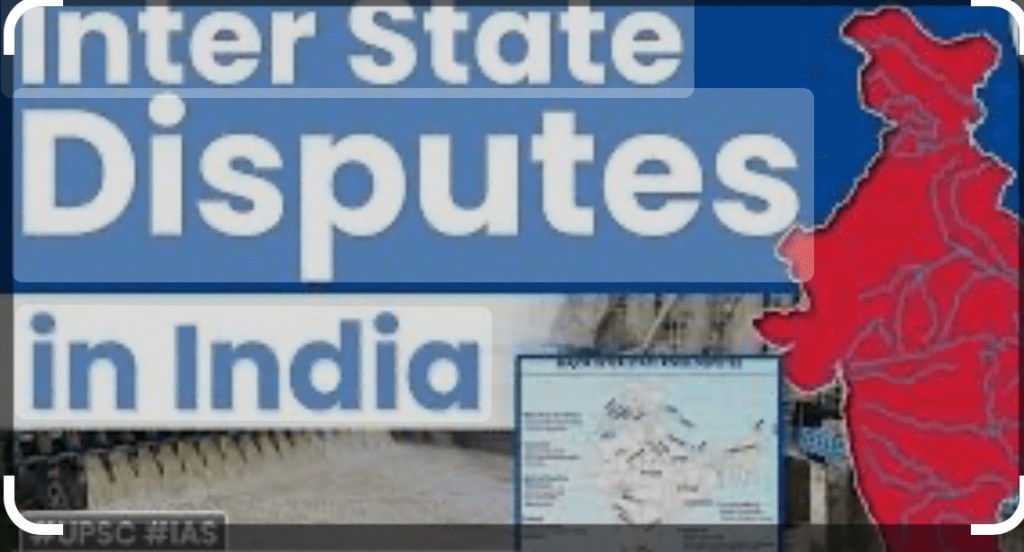
    In a diverse and complex country like India, inter-state conflicts pose significant challenges that require the intervention and cooperation of the central government. This article explores the role of the central government in harmonizing disputes beyond politics, particularly focusing on border disputes and water disputes. By actively addressing these conflicts and finding permanent solutions rather than short-term measures, the central government plays a crucial role in ensuring a fair and peaceful resolution.

    Border disputes between states often arise due to conflicting territorial claims. Defining state boundaries based on language can be a complex factor in resolving these disputes, particularly in border areas with populations speaking multiple languages. The Belgaum dispute between Maharashtra and Karnataka and the border dispute between Manipur & Nagaland , Assam & Meghalaya are examples of longstanding conflicts that require the central government’s intervention. Another unresolved dispute is the conflict over Chandigarh City between Haryana and Punjab, despite previous agreements.

    Water disputes pose another significant challenge that tests the patience and cooperative spirit of states. As rivers serve as a major resource, conflicts over water can arise between neighboring states. The Cauvery water dispute between Tamil Nadu and Karnataka is a crucial issue that necessitates the central government’s intervention. Similarly, the Narmada water dispute involves Gujarat, Madhya Pradesh, and Maharashtra. By facilitating dialogue and cooperation among states, the central government plays a vital role in ensuring fair and equitable solutions to these water disputes .

    To address water disputes between states, the Inter-State River Water Disputes (ISRWD) Act, 1956 was enacted. This act allows for the fair and impartial adjudication of disputes related to inter-state rivers and river valleys’ water. When negotiations between states fail, water disputes tribunals are constituted by the central government. Currently, five water disputes tribunals are active, including the Ravi & Beas Water Tribunal, Krishna Water Disputes Tribunal -II, Vansadhara Water Disputes Tribunal, Mahadayi Water Disputes Tribunal, and Mahanadi Water Disputes Tribunal. The central government’s involvement in providing a legal framework for resolving water disputes showcases its commitment to ensuring equitable distribution and preventing conflicts over this vital resource.

    India’s federal arrangement includes special provisions granted to certain states based on their unique social and historical circumstances. These provisions aim to accommodate the diverse needs and requirements of states. For example, states like Assam, Nagaland, and Mizoram in the northeastern region have special provisions due to their sizable indigenous tribal population and distinct history and culture. Similarly, states like Himachal Pradesh, Goa, Gujarat, Maharashtra, Sikkim, have different provisions to address their unique circumstances. This recognition of diversity and the provision of tailored solutions by the central government contribute to a cooperative federation.

    The history of Jammu and Kashmir exemplifies the complexities of inter-state disputes. As one of the large princely states, Jammu and Kashmir had the option to join India, Pakistan, or remain autonomous. In 1947, Pakistan sent infiltrators to capture Kashmir, leading Maharaja Hari Singh to seek Indian assistance and accede to the Indian Union. Jammu and Kashmir was granted special status under Article 370 of the Indian Constitution, granting it greater autonomy compared to other states.

    However, the special status under Article 370 no longer exists. The Jammu and Kashmir Reorganisation Act 2019 divided the state into two Union territories – Jammu and Kashmir, and Ladakh. This amendment, effective from October 31, 2019, brought the region under direct central government administration. While this move generated debates and discussions, it highlights the central government’s ability to address complex inter-state disputes and make decisions in the best interest of the nation.

    In conclusion, the central government’s role in harmonizing disputes beyond politics is essential for a cooperative federation in India. By actively addressing inter-state conflicts, particularly border disputes and water disputes, the central government plays a vital role in ensuring fair and peaceful resolutions. Moreover, the recognition of unique circumstances through special provisions for certain states and the ability to address complex issues like the Jammu and Kashmir situation demonstrate the central government’s responsiveness and sensitivity to the diverse needs and demands for autonomy of states. Additionally, the enactment of the ISRWD Act and the constitution of water disputes tribunals highlight the central government’s commitment to finding permanent solutions and ensuring long-term stability and cooperation among states. Overall, the central government’s efforts contribute to a harmonious and united India.

    Visit arjasrikanth.in for more insights.

  • Digital Dominance: Withdrawal of 2000-Rupee Notes Has Minimal Impact on Indian Economy”

    September 30th, 2023

    “Digital Dominance: Withdrawal of 2000-Rupee Notes Has Minimal Impact on Indian Economy”

    The decision to withdraw the 2000-rupee notes from circulation in India is not expected to have a significant impact on the country’s economy. Unlike the sudden demonetization move in 2016, this gradual phasing out of the high-value notes allows for a smoother transition. With the majority of payments in India now being digital in nature, the reliance on cash has reduced significantly.

    The Reserve Bank of India’s decision to withdraw the 2000-rupee notes aligns with its aim to streamline the currency system and promote the usage of more commonly used denominations. The withdrawal is also believed to be a measure to prevent the misuse of cash during upcoming state and general elections, promoting transparency in transactions.

    The availability of smaller denomination notes in sufficient quantities and the substantial growth of digital transactions and e-commerce over the past few years mitigate any potential inconvenience caused by the withdrawal of the higher denomination notes. While small businesses and cash-dependent sectors may face short-term inconveniences, the overall impact on economic growth is expected to be minimal.

    Banks are likely to receive increased deposits as individuals deposit or exchange their 2000-rupee notes, easing the pressure on deposit rate hikes and enhancing liquidity within the banking system. The reduction in cash circulation resulting from the return of all 2000-rupee notes to the banking system is expected to have positive implications for bond markets, potentially leading to a decrease in short-term interest rates.

    In conclusion, the withdrawal of the 2000-rupee notes is a strategic move by the Reserve Bank of India to streamline the currency system and promote transparency in transactions. With digital payments emerging as the preferred method of conducting transactions in India, the impact on the economy is expected to be minimal. The transition to a more digitized and transparent financial ecosystem remains on track, ensuring the continued growth and stability of the Indian economy.

    Visit arjasrikanth.in for more insights.

  • September 30th, 2023

    Title: The Battle of Dairy Cooperatives: A Struggle Like Developing Nations vs. Developed Nations

    In the heartlands of rural India, the dairy industry is undergoing a seismic shift that mirrors the struggles faced by developing nations in their quest for economic progress. As we delve into the fierce battle between Amul and other dairy cooperatives, it becomes apparent that this isn’t just about milk—it’s a clash of ideologies, economic interests, and political power that could reshape the future of India’s dairy sector.

    In the serene landscapes of Mandya district, farmers like Nanje Gowda have been forced to sell their cows and abandon dairy farming due to soaring feed costs and meager earnings. While Amul, India’s largest FMCG brand, is aggressively expanding its operations beyond its home state of Gujarat, tensions are brewing in regions where state cooperatives have long held sway. This expansion has become a contentious political issue and has ignited a fierce debate over the future of dairy farming in India.

    Amul’s Managing Director, Jayen Mehta, has outlined ambitious plans to promote multi-state cooperatives and create hundreds of new dairy cooperatives in uncovered villages. While Amul’s remarkable success story makes it a force to be reckoned with, it begs the question: Why is Amul venturing into states where established local cooperatives already exist?

    The answer lies in the inadequacies of many state-level dairy cooperatives. States like Uttar Pradesh, despite being among the largest milk producers, have failed to develop strong state-level brands, resulting in a fragmented dairy landscape. In contrast, smaller dairy brands have cropped up across the state, leading to inefficiencies and missed opportunities.

    The cooperative dairy movement has faltered in some states due to political interference and ambitions. However, there remains a glimmer of hope in states like Bihar, Rajasthan, Madhya Pradesh, Karnataka, and Tamil Nadu. These states present lucrative opportunities for large dairy federations like the Gujarat Co-operative Milk Marketing Federation (GCMMF), the parent organization of Amul.

    Amul’s strategy of entering states with weak dairy cooperatives and offering attractive prices to local farmers has ruffled feathers. For instance, Amul’s decision to supply milk and curd in Karnataka just before the assembly elections led to widespread protests and political upheaval.

    The recent amendment to the Multi-State Co-operative Societies Act, which eases the merger of two state cooperatives, has further fueled political tensions. Opposition parties and cooperatives have voiced concerns about the potential loss of local dairy brands and have accused Amul of attempting to monopolize the market.

    While the battle may seem to revolve around Amul’s entry into new markets, the real issue is the procurement of milk from other states. Tamil Nadu and Karnataka’s opposition to Amul’s procurement stems from the fear of their state cooperatives losing access to milk supplies, potentially leading to increased milk prices—a politically sensitive issue.

    However, some experts argue that it’s only fair for farmers outside Gujarat to receive better prices for their milk. Amul has a track record of paying higher remunerations to farmers in other states where it procures milk, leveling the playing field.

    As the political storm over milk procurement intensifies in poll-bound states, it’s essential for state cooperatives to enhance their processes, offer competitive prices, and streamline milk distribution efficiently. Failure to do so could jeopardize the well-organized and profitable GCMMF and leave India’s dairy sector in disarray.

    In conclusion, the clash between Amul and other dairy cooperatives in India is more than just a corporate rivalry. It’s emblematic of the challenges faced by developing nations as they grapple with economic growth, political posturing, and the need to balance the interests of local farmers with those of national dairy giants. The outcome of this battle will not only shape the future of India’s dairy industry but also provide critical lessons in cooperative economics for the world to learn from.

    Visit arjasrikanth.in for more insights.
←Previous Page
1 … 135 136 137 138 139 … 143
Next Page→

Blog at WordPress.com.


Loading Comments...
 

    • Subscribe Subscribed
      • SOCIAL PERSPECTIVES
      • Join 102 other subscribers
      • Already have a WordPress.com account? Log in now.
      • SOCIAL PERSPECTIVES
      • Subscribe Subscribed
      • Sign up
      • Log in
      • Report this content
      • View site in Reader
      • Manage subscriptions
      • Collapse this bar