From ancient sea routes to AI-driven superhubs, India’s maritime gateways are not just moving cargo—they’re engineering a revolution in economic geopolitics.
In the ever-evolving theatre of global trade, Indian ports have emerged from the shadows to take centre stage, becoming pivotal anchors of economic transformation. Accounting for nearly 95% of the country’s trade by volume and 70% by value, these maritime gateways are no longer just conduits for cargo—they are strategic assets reshaping India’s global standing. As aptly stated by Anurag Bansal, ports are the pulse points of economic momentum, directing trade flows, investments, and international integration.
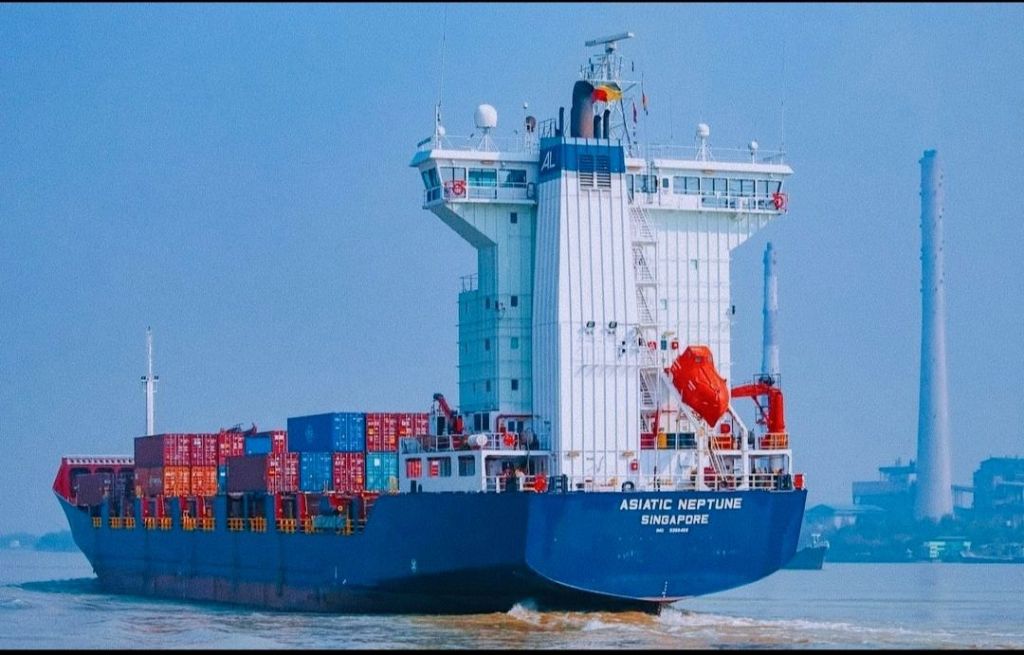
India’s maritime journey dates back over four millennia, when ancient ports like Lothal connected the subcontinent to Mesopotamia through flourishing sea routes. Over time, especially during colonial rule, a state-controlled port network emerged to serve a primarily inward-looking economy. However, the liberalisation wave of the 1990s catalysed a transformative shift, demanding modernised port systems that could support the pace and complexity of global commerce. The introduction of the landlord port model allowed private entities to lease terminals and infuse capital into port infrastructure, while the government retained strategic land ownership—ushering in an era of public-private synergy.
The enactment of the Major Port Authorities Act in 2021 further propelled this momentum, empowering port authorities with autonomy to constitute professional boards, take swift decisions, and function with a commercial mindset. Jawaharlal Nehru Port in Navi Mumbai epitomises this shift, with its container terminals now fully operated by private players—streamlining efficiency and attracting significant investment. The transition to this model of governance reflects India’s maturing port strategy, aligning it with global standards.

Today’s Indian port resembles a high-functioning economic ecosystem more than a traditional harbour. These port complexes are outfitted with rail corridors, customs facilities, refrigerated warehouses, and digital command centres, enabling seamless cargo handling across multiple verticals. India operates 13 major ports under central administration, and more than 200 non-major ports under state governments and private operators. Private-sector giants such as Mundra, Pipavav, and Krishnapatnam have redefined operational benchmarks, and in FY 2024–25, Indian ports collectively handled an impressive 1,423 million metric tonnes of cargo—720 MMT through major ports and 703 MMT via non-major ones. From coal and crude oil to automobiles and electronics, Indian ports serve as arteries to virtually every sector of the economy.

Geography plays its part, with the western seaboard offering deep waters and direct access to vital shipping lanes. Yet the eastern coastline, often susceptible to cyclones and infrastructural lag, is catching up through focused investment. States like Andhra Pradesh and Tamil Nadu are leading the charge in upgrading their maritime infrastructure. Still, challenges persist. About 25% of India’s transshipment cargo is routed through foreign ports like Colombo, Singapore, and Jebel Ali due to insufficient draft and operational limitations at home. This external dependency adds to logistics costs and delays, weakening India’s competitive position in global trade chains. New deepwater ports like Vizhinjam in Kerala and Vadhavan in Maharashtra are set to correct this imbalance, aiming to transform India into a transshipment hub in its own right.
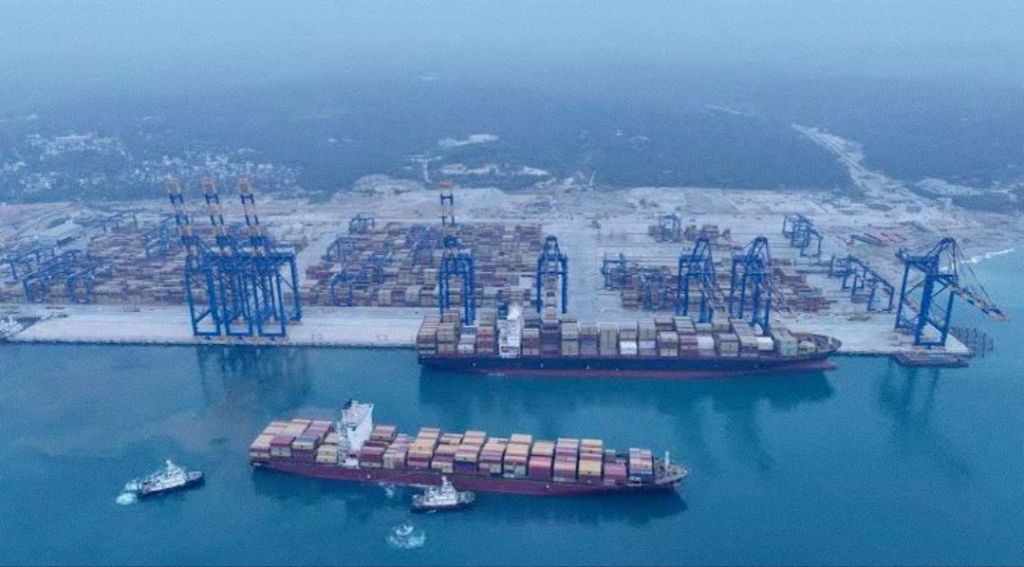
Yet for all the progress, several anchors still weigh down performance. Most Indian ports have limited draft depths of 10–14 metres, preventing access to next-generation mega vessels, which require 16–18 metres. Ship turnaround time in Indian ports averages 2.5 days, well behind the global standard of under a day. Poor last-mile connectivity, bureaucratic red tape, and congested hinterland corridors contribute to India’s high logistics costs, which stand at around 14% of GDP—almost double that of developed nations.
Efforts to overcome these structural inefficiencies are gaining traction. The Sagarmala and Bharatmala programmes are integrating ports with multimodal logistics networks—roadways, railways, and inland waterways—to enhance connectivity. Modernisation is also being pursued on the digital front. The implementation of the Port Community System (PCS), RFID-based cargo tracking, and AI-driven analytics are transforming operations from analog bottlenecks to smart logistics. Blockchain is being introduced to ensure transparent and tamper-proof documentation, accelerating customs clearance and reducing pilferage.

Meanwhile, the vision for green ports is materialising across India’s coastline. From electrifying cranes and transitioning to solar and wind energy, to establishing waste treatment facilities and introducing green hydrogen export zones at Paradip and Kandla, sustainability is becoming a central tenet of port planning. Complementing these efforts are Free Trade Warehousing Zones, cruise terminals, and Ro-Ro ferry services, all part of an expanded economic blueprint that transcends traditional cargo functions. Initiatives like the proposed Leather Park in Andhra Pradesh and the port-led industrial clusters under VCIC and CBIC corridors illustrate the expanding mandate of ports as engines of regional industrialisation and employment generation.
India’s ports are not merely physical gateways—they are geopolitical instruments, economic multipliers, and symbols of national ambition. Their continued evolution demands a relentless focus on deregulation, digitalisation, and global alignment. The future lies in transforming these harbours into high-throughput, low-latency trade enablers, capable of adapting to the increasingly decentralised, data-driven logistics landscape.

The trajectory is unmistakable. India’s ports are shedding their traditional roles and assuming a broader purpose—as strategic assets that can unlock trade competitiveness, attract foreign investment, and elevate India’s role in global supply chains. The course ahead requires bold reforms, sustained capital infusion, and seamless policy coordination. But as the waves of global commerce grow stronger, India’s ports are not bracing for impact—they’re rising with the tide.
Visit arjasrikanth.in for more insights






































 SOCIAL PERSPECTIVES