• About

SOCIAL PERSPECTIVES

  • “Unlocking Potential: Empowering the Physically Challenged for a Brighter Tomorrow”

    November 6th, 2023

    “Fostering Independence and Self-Resilience for Physically Challenged Individuals”

    In a world that constantly evolves and progresses, the importance of inclusivity and equal opportunities for all members of society cannot be overstated. Yet, one segment of our population that has often been overlooked are the physically challenged individuals. These extraordinary individuals harbor immense potential and a strong desire to lead fulfilling lives, yet they face numerous barriers. To address this pressing need, a multi-faceted approach is being adopted to empower the physically challenged, enabling them to lead lives of dignity and financial independence.

    One of the cornerstones of this initiative is the provision of skill development programs designed to equip physically challenged individuals with the necessary tools for success in various aspects of life. Recognizing the significance of these programs, a stipend of Rs. 5000 is offered to these individuals for the duration of their training. This financial support not only helps them meet their daily needs but also serves to boost their self-esteem, as they realize that society values their efforts.

    To further facilitate their skill development journey, residential facilities are made available to these individuals throughout their training program. This ensures that they have a safe and comfortable living environment where they can focus on their development without the added burden of finding suitable accommodations.

    The journey towards empowerment does not culminate with skill development alone. The program encompasses comprehensive training and placement support to help these individuals secure suitable employment opportunities. Job cards are provided, granting access to alternative placement support based on market requirements. This significantly enhances their chances of securing meaningful employment, thus contributing to their financial independence and overall well-being.

    Recognising the importance of holistic care, the program dedicates its focus to the healthcare needs of physically challenged individuals. Information regarding the availability of medical camps, aid distribution, and distribution kits for medical emergencies is provided. This ensures that their healthcare needs are met effectively, safeguarding their physical and mental well-being.

    Entrepreneurship stands as a path to financial independence and self-reliance. To encourage and equip aspiring physically challenged individuals in this regard, Entrepreneur Development Programs are organized. These programs provide not only the necessary skills but also raise awareness about self-employment schemes and government initiatives designed for their benefit.

    Job Melas, specifically organized for physically challenged individuals, provide them with unique opportunities to connect with private companies actively seeking to hire individuals with disabilities. These events create a platform for them to showcase their skills and talents, opening doors to potential employment prospects.

    To further enhance employability, the program provides information about the specific requirements of private companies. This empowers physically challenged individuals to better prepare for job interviews and meet the expectations of potential employers, helping them secure gainful employment.

    Entrepreneurship often requires financial resources to kickstart ventures. The program supports physically challenged individuals in connecting with Stand Up India Loans, a government initiative that supports entrepreneurship and self-employment. This assistance ensures that they have access to the financial resources needed to start their own businesses.

    Connecting with the National Handicap Development Corporation can open up various schemes and benefits designed to empower individuals with disabilities. This guidance ensures that physically challenged individuals can access the resources and support they need to thrive.

    Government initiatives aimed at supporting persons with disabilities are abundant. Physically challenged individuals are provided with information about these schemes, enabling them to take advantage of the benefits and support offered by the government to enhance their skilling and training opportunities.

    Technology plays a crucial role in leveling the playing field for the physically challenged. Physically challenged individuals are provided access to assistive technology and equipment during their training. This includes specialized tools, devices, and software that can help them overcome physical limitations and enhance their learning experience.

    One size does not fit all. Each physically challenged individual receives a personalized training plan tailored to their specific needs and abilities. This approach ensures that the training is effective and addresses their individual requirements, maximizing their chances of success.

    Training facilities should not be barriers but gateways to empowerment. The program ensures that the training facilities are fully accessible, providing ramps, elevators, and other accommodations to ensure that physically challenged individuals can navigate the premises independently and participate in training without any barriers.

    To navigate the complexities of training and employment, physically challenged individuals will have access to mentors and guidance. Experienced professionals will provide support, advice, and motivation to help them overcome challenges and achieve their goals.

    Networking can be a powerful tool for career growth. Physically challenged individuals will have access to various networking opportunities, allowing them to connect with industry professionals, experts, and other individuals with disabilities. This networking can lead to valuable connections, mentorship opportunities, and potential employment prospects.

    In the pursuit of empowerment, mental well-being should not be overlooked. The program provides counseling services and emotional support to physically challenged individuals, ensuring their mental well-being throughout the training period. A strong support system is essential for their holistic development.

    Transportation should never be a hindrance to accessing opportunities. Physically challenged individuals are provided with transport assistance, ensuring that they can easily commute to the training facilities without any hassle or inconvenience.

    Skill assessments are a crucial part of the journey. The program conducts skill assessments to identify strengths and areas of improvement for physically challenged individuals. This helps tailor the training programs to their specific needs, enhancing their overall skill development.

    Language and communication are essential skills for employability. Physically challenged individuals will receive language and communication training to enhance their verbal and written communication skills. This will boost their confidence and improve their employability, enabling them to effectively communicate their ideas and abilities.

    Financial independence is a goal for many. Physically challenged individuals will benefit from financial literacy programs that educate them about financial planning, budgeting, and managing their resources effectively. This will empower them to make informed financial decisions and achieve financial independence.

    In addition to technical skills, soft skills are equally important for personal and professional growth. Physically challenged individuals will undergo soft skills development training, focusing on areas such as teamwork, problem-solving, time management, and leadership skills. These skills are essential for building well-rounded individuals who can contribute to society.

    Learning materials should be inclusive and accessible to all. Physically challenged individuals will have access to accessible learning materials, including braille, large print, audio books, and digital resources. This ensures that they can access and engage with educational content on an equal footing with their peers.

    Empowering the physically challenged is not just a matter of social responsibility; it is an investment in a more inclusive and prosperous society. When we provide opportunities, skills, and support to those with disabilities, we unlock their immense potential and contribute to a more equitable world. The initiatives outlined above are just a starting point, and there is much more that can be done to ensure that no one is left behind.

    As a society, it is our duty to break down the barriers that prevent physically challenged individuals from reaching their full potential. By providing comprehensive support, fostering independence, and creating a nurturing environment, we can enable them to lead dignified and fulfilling lives. Moreover, it is imperative to raise awareness about the challenges these individuals face and advocate for policies that promote their rights and well-being.

    The statistics make it clear that there is much work to be done. With an estimated 1.3 billion people worldwide experiencing significant disability, and around 15% of the global population living with some form of disability, the need for action is undeniable. By working together as a society, we can create a world where disability is not a barrier but a unique characteristic that adds to the richness of our diverse human tapestry.

    In conclusion, empowering the differently-abled is not just a noble cause; it is an essential step toward a more inclusive, compassionate, and prosperous society. It is a path to realizing the full potential of every individual, regardless of their physical challenges. The future we envision is one where every person has the opportunity to shine, to contribute, and to lead a life of purpose. It’s a future where we celebrate diversity and embrace the unique strengths that each individual brings to the table. Through dedicated efforts and a collective commitment to change, we can make this future a reality and truly empower the differently-abled.

    Visit arjasrikanth.in for more insights

  • “Remembering the Wrath of Tsunamis: Relevance in a Changing World”

    November 5th, 2023

    World Tsunami Awareness Day – Honoring the Past, Preparing for the Future

    In the vast expanse of our world’s oceans, where waves serenely lap at the shores, hides a fearsome, unpredictable monster – the tsunami. These monstrous waves have caused havoc, leaving a trail of destruction in their wake, impacting communities and altering lives. Every year, on the 5th of November, we observe World Tsunami Awareness Day, a day of remembrance, reflection, and vigilance. As we look back at the past horrors, we must also realize the continued relevance of this observance in the face of a changing world.

    Japan stands at the forefront of World Tsunami Awareness Day, not just because it is a country with a long history of grappling with devastating tsunamis but also because of its commitment to mitigating these destructive natural phenomena. The history of tsunamis in Japan is well-documented, and their experiences have shaped the way the world perceives and prepares for this natural disaster.

    Tsunamis are a force to be reckoned with. They can be one of the deadliest and most devastating hazards that nature throws our way. These monstrous waves can result from earthquakes, volcanic eruptions under the sea, landslides along the coast, and even extra-terrestrial collisions. The first recorded tsunami, dating back to 2000 B.C. off the coast of Syria, marked the beginning of humanity’s encounters with this natural disaster. Yet, it’s in recent history that we’ve seen the most devastating tsunamis.

    In the modern era, perhaps the most destructive tsunami in recorded history was the Indian Ocean Tsunami of 2004, also known as the Boxing Day Tsunami. Triggered by a massive 9.1-magnitude earthquake off the coast of Sumatra, Indonesia, this tsunami brought about devastation on an unprecedented scale. With a death toll exceeding 230,000, it affected people across 14 countries, leaving Indonesia, Sri Lanka, India, and Thailand profoundly impacted.

    The tsunami of 2004 serves as a stark reminder of the sheer power and destructive potential of these natural disasters. This horrific event, with its enormous loss of life, stands as a symbol of the importance of understanding and preparing for tsunamis.

    As we remember these past catastrophes, it’s crucial to acknowledge the continuing relevance of World Tsunami Awareness Day. The theme for WTAD 2023 is “Fighting Inequality for a Resilient Future.” It emphasizes the importance of bridging gaps in preparedness and response to ensure that no community is left vulnerable to the ravages of tsunamis.

    In the face of a changing world, with the frequency and intensity of natural disasters increasing, we must adapt to evolving threats. The impacts of climate change, including rising sea levels and extreme weather events, have the potential to amplify the threat of tsunamis, making early warning systems and preparedness even more critical.

    One of the most effective tools for protecting people from tsunamis is early warning and early action. The implementation of advanced early warning systems can provide vital minutes, if not hours, for communities to evacuate to safety. It’s a critical part of disaster preparedness, and World Tsunami Awareness Day serves as a reminder of this necessity.

    On this year’s World Tsunami Awareness Day, we celebrate the resilience of Asia’s coastal and island communities that have rebuilt their lives and regional economies in the aftermath of devastating tsunamis. Their stories of recovery are inspiring, but they also highlight the need for ongoing preparedness.

    The journey towards a world better prepared to face tsunamis and other natural disasters is an ongoing one. This observance is a call to action, a plea to governments, communities, and individuals to prioritize disaster preparedness, invest in early warning systems, and bridge the gaps that leave vulnerable communities at risk.

    Tsunamis are not confined to the shores of a single nation; they are a global concern. The damage caused by tsunamis knows no boundaries, and the need for collective global responsibility is paramount. World Tsunami Awareness Day is a call for nations to unite in preparedness, sharing knowledge, resources, and expertise to ensure that no one is left vulnerable.

    As we remember the havoc caused by tsunamis in the past and their continued relevance in a changing world, we must view this observance as more than just a day on the calendar. It’s a collective endeavor to make our world safer, more resilient, and better prepared for the future.

    Let us mark World Tsunami Awareness Day not only with reflection but with action. It is a day that reminds us of the power of nature and the strength of human resolve. Let us stand united, striving to protect our communities, safeguard our shores, and create a world where the wrath of tsunamis can be met with resilience and hope.

    This is a mission of global importance, and as we look back at the destruction of the past, let us also look ahead to a future where early warning systems, preparedness, and global cooperation ensure that tsunamis will never again claim such a devastating toll on our world.

    visit arjasrikanth.in for more insights
  • “Adani Group’s Sporting Revolution: Empowering the Youth for a Brighter Future”

    November 5th, 2023

    “From nurturing grassroots talent to international partnerships, Adani Group’s unwavering commitment to India’s sporting future.”

    In a corporate world often characterized by a relentless pursuit of profit, the Adani Group emerges as a shining example of unwavering dedication to the world of sports. Led by Gautam Adani, a prominent business magnate, the group has consistently championed the cause of sports by nurturing and promoting athletic talent. Their vision, firmly rooted in the principles of nation-building and “growth with goodness,” is inspiring the youth of India to aim for greatness in the realm of sports.

    As a multi-sector multinational conglomerate, with interests spanning infrastructure, energy, and resources, the Adani Group has made significant contributions to the world of sports. Their admirable commitment to healthy living, teamwork, and community engagement is evident through various initiatives aimed at supporting sports and athletes. These endeavours include sponsoring sports teams and events, providing athletes with opportunities to showcase their talents, and building connections with fans. The Adani Group’s dedication to sports transcends profit-seeking and is etching a profound mark on India’s sporting landscape.

    The Adani Group’s journey into the world of sports began in 2017 with the establishment of the Gujarat Giants, a Pro-Kabaddi League team. Embracing the slogan “Garjega Gujarat,” the team charged its way to the finals in consecutive years, 2017 and 2018, earning the runner-up title in both seasons.

    But their sporting journey didn’t stop there. In 2019, the Gujarat Giants boxing team ventured into the Big Bout Boxing League under the captainship of Amit Panghal. Comprising promising boxing champions like Ashish Kumar and Poonam Punia, the team secured victory in the inaugural boxing championship.

    In 2022, the group ventured into Kho-Kho by participating in the Ultimate Kho-Kho League. The group also made its presence felt in cricket through the Legends League, with the Gujarat Giants (men’s) team being led by the legendary Virender Sehwag and coached by Venkatesh Prasad.

    In 2023, the Adani Group took a significant step in the realm of women’s sports by entering the inaugural Women’s Premier League. Led by Australian legend Rachael Haynes and mentored by Adani Sportsline, this move underscores the group’s commitment to strengthening women’s sports and providing opportunities for female athletes to shine on a global stage.

    In a significant move, the Adani Group’s sports arm, Adani Sports line, became an official partner of the Indian Olympic Association (IOA) for multiple major sporting events. This partnership includes the Birmingham Commonwealth Games 2022, Hangzhou Asian Games 2022, and Paris Olympic Games 2024. This isn’t the group’s first association with IOA, as it previously sponsored the Indian Contingent during the Tokyo Olympics in 2021. Adani Sports line’s partnership with IOA signifies its contribution to nurturing sporting talent, boosting the sports economy, and supporting India’s journey to become a prominent sporting nation.

    The Adani Group’s dedication to sports extends to the groundbreaking initiative known as “Garv Hai,” initiated in 2019. This program is designed to unearth and support world-class athletes from diverse backgrounds across India. “Garv Hai” invites applications from athletes, coaches, and sports academies across a wide spectrum of sports disciplines. This initiative covers 29 states and 100 cities, receiving thousands of entries. The primary goal of “Garv Hai” is to identify more than 15 promising athletes aged above 14, who harbor aspirations of achieving excellence in sports. “Garv Hai” features a rigorous selection process, involving assessments based on past accomplishments and qualitative and quantitative evaluations conducted by a sports management agency specializing in grassroots talent scouting. The individuals who benefited from the “Garv Hai” pilot project in 2016, including athletes like Ankita Raina (Tennis), Pinki Rani (Boxing), Sanjeevani Jadhav (Athletics), Malaika Goel (Shooting), have not only brought honor to the nation but have also become inspirational figures for aspiring athletes.

    The Adani Group’s involvement in sports goes beyond nurturing talent. They own and sponsor teams across various sporting leagues. Operating under the banner of Adani Sportsline, Team Gujarat Giants has become a significant presence in multiple sports leagues, making remarkable contributions to Pro Kabaddi, boxing, and cricket. In Pro Kabaddi, the Gujarat Giants have consistently reached the league’s finals, demonstrating their sporting prowess and commitment to excellence. Their boxing team has achieved significant success in the Big Bout Boxing League, emerging as champions. Moreover, the franchise ventured into the Ultimate Kho-Kho League, showcasing the talents of young Kho-Kho players from across India. In cricket, the Gujarat Giants participated in the Legends League Cricket, captained by the legendary Virender Sehwag.

    The Adani Sportsline’s dedication to sports extends to creating world-class sporting infrastructure and opportunities for aspiring athletes, ultimately contributing to the development of Indian sports. They have initiated state-of-the-art sports parks, thereby creating access to top-notch infrastructure, coaching, and training facilities. One such endeavor is the Sabarmati Riverfront Sports Park, which offers top-quality sporting facilities for the residents of Ahmedabad and the state. The Sabarmati Riverfront Sports Park, located along the iconic Sabarmati Riverfront, boasts jogging tracks, gymnasiums, children’s play areas, cricket pitches, and courts for sports such as pickleball, basketball, volleyball, and tennis. This facility is designed to encourage widespread participation in sports, providing opportunities for individuals of all ages and backgrounds to engage in various games and activities. Within the Sports Park, several academies are established to introduce children between the ages of 5 and 7 to a range of sports. As these young athletes progress, they can select their preferred sports based on their abilities and interests. This approach is designed to uncover and nurture sporting talent within the city and the state, offering a pathway to more specialized programs for further development.

    The Adani Group’s dedication to sports stands as a beacon of inspiration for others, underscoring the transformative influence of sports in society. Their commitment fosters national pride, unity, and individual development. Through their various initiatives, the group has left an indelible mark on the landscape of Indian sports. Their example demonstrates that greatness can be achieved by nurturing talent and providing the right opportunities.

    As the Adani Group steadfastly supports emerging sports stars, they become an integral part of these athletes’ journeys and celebrate their successes, thereby contributing to India’s ascent in the global sports arena. Their unwavering commitment to sports is a testament to their dedication to nurturing talent, developing India’s future sporting champions, and fostering a grassroots sports culture.

    In a nation where sports hold a revered place akin to religion, the Adani Group’s initiatives serve as a driving force that inspires and empowers India’s youth to strive for sporting excellence. Their efforts extend across multiple sports disciplines, showcasing a holistic approach to harnessing the nation’s sporting potential.

    As the Adani Group continues its journey, guided by the principles of “growth with goodness,” it stands as a trailblazer for India’s sporting aspirations. They are paving the way for a brighter future where Indian athletes can reach for the stars. Their unwavering commitment underscores the transformative power of sports and the pivotal role it plays in shaping the country’s identity and pride. The Adani Group’s enduring support for sports transcends corporate boundaries, embodying their core philosophy of nation-building and fostering positive progress. Through nurturing grassroots talent to international partnerships, the Adani Group’s unwavering commitment to India’s sporting future sets an example for corporate India and the world.

    visit arjasrikanth.in for more insights.

  • Birthday Wishes to “Virat Kohli: India’s Cricketing Marvel”

    November 5th, 2023

    Celebrating the legacy and greatness of Virat Kohli

    In the annals of cricket history, there exists a name that reverberates with extraordinary batting prowess, unwavering leadership, and an unparalleled commitment to the sport. That name is Virat Kohli. Born on November 5, 1988, in the bustling heart of New Delhi, Virat’s journey from a young, determined cricketer to one of the greatest batsmen in the history of the sport is nothing short of awe-inspiring. As the cricketing world celebrates his birthday, it is the perfect moment to delve into what makes Virat Kohli an exceptional cricketer and an iconic personality.

    Virat Kohli’s rise to cricketing stardom is a story etched in sheer dedication. His journey commenced with the West Delhi Cricket Academy, where he honed his skills. His unwavering commitment to the game became apparent during his youth career with the Delhi Under-15 team. With a dream in his heart and a will of steel, Kohli gradually climbed the ranks and made his international debut in 2008.

    The world took notice of this young prodigy as he swiftly became a cornerstone of the Indian One-Day International (ODI) team. In 2010, he made his T20I debut, further showcasing his versatility. Kohli’s Test debut came in 2011, solidifying his presence across all formats.

    But what truly sets Virat Kohli apart is his unrelenting pursuit of excellence. In 2013, he achieved the number one spot in the ICC rankings for ODI batsmen for the first time, a testament to his remarkable consistency and adaptability. Kohli’s dominance wasn’t limited to ODIs; during the 2014 T20 World Cup, he set a record for the most runs scored in the tournament, proving his mettle on the global stage.

    The moniker “King Kohli” bestowed upon him by his ardent fans isn’t just a title; it’s a reflection of his incredible performances in the cricketing arena. As of now, he stands as the fourth-highest run-scorer in international cricket, second in the list of cricketers with the most international centuries to their name, and fourth in the number of international matches played for India.

    In the realm of ODIs, Virat Kohli’s numbers are nothing short of extraordinary. In 285 matches, he has amassed a staggering 13,342 runs at an average of 58, with a strike rate of 93.71. These statistics are accompanied by 48 centuries and 68 fifties, making him a true force to be reckoned with.

    Virat Kohli’s journey also took him to the captain’s seat, where he etched his name in Indian cricket’s history. From 2014 to 2022, he led the Indian cricket team with passion and intensity. His leadership style was marked by fearlessness, inspiring his team to approach each game with determination and commitment. His relentless pursuit of success became the hallmark of the Indian cricket team during his captaincy.

    One of the defining moments of Kohli’s captaincy was leading the team to victory in the 2011 World Cup and the 2013 Champions Trophy. These achievements remain etched in the memories of cricket enthusiasts, and Kohli’s influence on Indian cricket has been profound.

    Virat Kohli’s excellence isn’t confined to any one format of the game. In 2018, he achieved a rare milestone by becoming the world’s top-ranked Test batsman, making him the only Indian cricketer to hold the number one spot in all three formats of the game. His exceptional form continued in 2019 when he became the first player to score 20,000 international runs in a single decade.

    His impact goes beyond just numbers; it extends to the very essence of the game. Virat Kohli’s aggressive playing style, coupled with his astute decision-making, has created a legacy that inspires generations of young cricketers.

    Virat Kohli’s performances have earned him numerous accolades. He was named the ICC ODI Player of the Year in 2012 and has claimed the prestigious Sir Garfield Sobers Trophy, awarded to the ICC Cricketer of the Year, twice – in 2017 and 2018. In a historic feat, he was bestowed with both the ICC Test Player of the Year and ICC ODI Player of the Year awards in 2018, becoming the first player to achieve this dual recognition in the same year.

    At the national level, his contributions haven’t gone unnoticed. In 2013, he was honored with the Arjuna Award, and in 2017, he received the Padma Shri under the sports category. In 2018, the Khel Ratna award, India’s highest sporting honor, was bestowed upon him, a reflection of his exceptional contributions to Indian cricket.

    Virat Kohli’s impact extends far beyond the cricketing field. He is renowned for his dedication to fitness, maintaining a strict diet and rigorous fitness regime that has set new standards in Indian cricket. His commitment to physical well-being not only improved his own performance but inspired his teammates to follow suit.

    Off the field, Kohli’s philanthropic endeavors are well-documented. He has been actively involved in various charitable causes and has used his influence to create a positive impact on society. His actions both on and off the field make him a true role model, admired by fans worldwide.

    Virat Kohli isn’t just a cricketer; he’s a brand. In 2016, he was ranked as one of the world’s most famous athletes by ESPN and was recognized as one of the most valuable athlete brands by Forbes. In 2018, Time magazine included him on its list of the 100 most influential people in the world. His commercial viability is evident in his estimated earnings, with an astonishing ₹165 crore (US$21 million) in 2022.

    Virat’s influence stretches beyond borders and cricketing boundaries. He has managed to carve a unique niche for himself, making him not just a cricketing sensation but a global icon.

    While Kohli is associated with the jersey number 18, few know the significance of this number in his life. It’s a number that holds a deep connection with his cricketing journey. He first wore it on the India U-19 jersey, and it marked his India debut on August 18. But the number 18 is not just about cricket; it’s a part of his life story.

    A Birthday Tribute

    As Virat Kohli celebrates another year of life and cricketing achievements, it’s not just a celebration of his runs, records, and trophies; it’s a celebration of his passion, dedication, and the indomitable spirit that makes him the legendary figure he is today.

    Here’s wishing “King Kohli” a very happy birthday, and may he continue to inspire countless cricketers and fans worldwide. His greatness is not just about the cricketing records; it’s about the values, the passion, and the legacy he embodies. Happy Birthday, Virat Kohli!

    visit arjasrikanth.in for more insights
  • Overcoming the “Tarikh-pe-Tarikh” Syndrome: Chief Justice’s Call to Expedite Justice

    November 4th, 2023

    Chief Justice of India, Dhananjaya Y. Chandrachud, highlights the urgency to curb adjournment culture in courts and expedite justice.

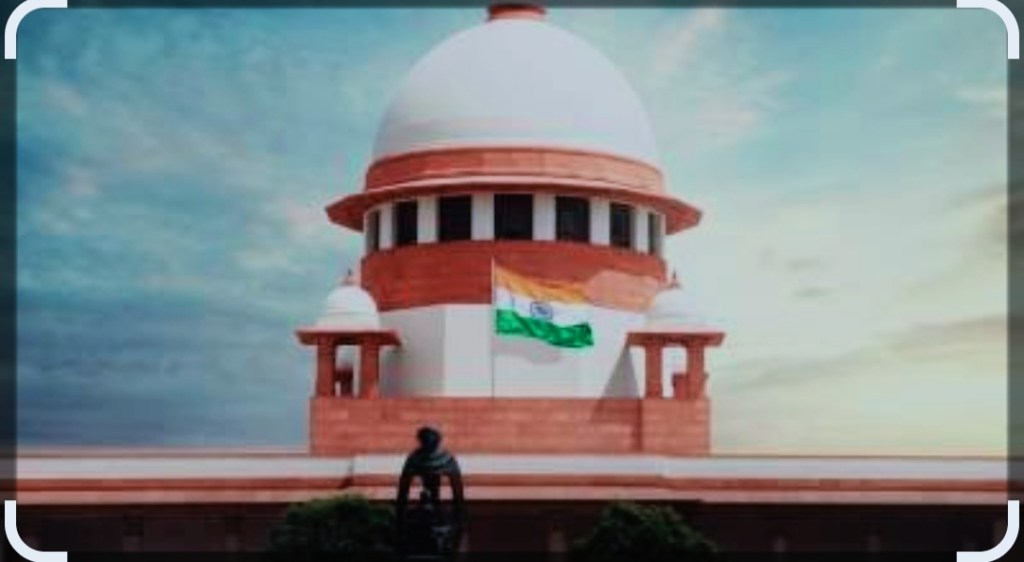
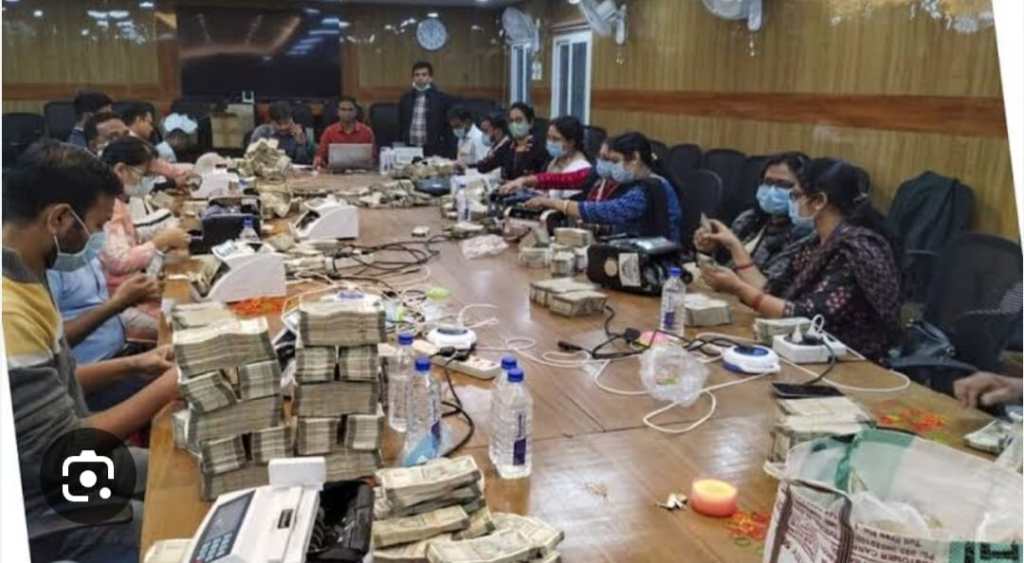
    In the corridors of justice, the phrase “Tarikh-pe-Tarikh” has often resonated as a stark reminder of the adjournment culture prevalent in Indian courts. This practice of repeated postponements, immortalized by Bollywood’s iconic “Damini” dialogue, has long plagued the legal landscape, delaying the dispensation of justice and eroding public trust. However, Chief Justice of India Dhananjaya Y. Chandrachud, in a resolute stance, has called upon lawyers to rethink their approach. He urges the legal fraternity not to seek adjournments unless absolutely necessary, aiming to prevent the Supreme Court from becoming a “tarikh-pe-tarikh” court.

    In the past two months, the Supreme Court has witnessed a staggering 3,688 cases where lawyers sought adjournments, highlighting the urgency of this issue. The gravity of this situation lies in its potential to undermine citizens’ trust in the judicial system and delay justice delivery. The Chief Justice’s plea resonates with the intent to enhance the efficiency of the courts, reduce adjournments, and uphold the sanctity of justice.

    Adjournments have been a common recourse for lawyers, often with legitimate reasons like : Lawyers may request adjournments to adequately prepare for hearings, gather evidence, and review legal documents. This is critical to ensure that cases are presented comprehensively, and justice is served ; Unexpected events, such as family emergencies or significant changes in circumstances, may necessitate adjournments to address these exigencies effectively ; In the face of a burgeoning caseload, lawyers may seek adjournments to avoid scheduling conflicts with other cases and ensure that their case is heard with the attention it deserves.

    However, it is crucial to note that adjournments, when excessively and needlessly sought, can disrupt the judicial process, compromise the sanctity of justice, and erode public faith in the legal system. The plea made by Chief Justice Chandrachud arises from this very concern.

    Chief Justice Chandrachud’s call for restraint in seeking adjournments is aligned with a broader vision to expedite the process of justice. In his view, the Supreme Court must not merely be a “tarikh-pe-tarikh” court, but an institution committed to timely resolution of cases. The urgency of this matter is underscored by the fact that an average of 154 adjournment slips is filed every miscellaneous day, often in sharp contrast to the urgency with which cases are mentioned for hearing. A noteworthy aspect of Chief Justice Chandrachud’s plea is his acknowledgment of the progress achieved in reducing the time between filing fresh cases and their listing in the Supreme Court. This accomplishment has been the result of fruitful collaboration with lawyers’ associations, and it is imperative to ensure that this progress is not undermined by excessive adjournments.

    The significance of Chief Justice Chandrachud’s plea lies in its potential to transform the Indian judicial landscape. As of now , approximately 5 million cases were pending in Indian courts, encompassing the Supreme Court, High Courts, and subordinate courts across the country. The exponential growth of pending cases is a consequence of historical backlogs and an increasing number of cases being filed. It poses a substantial challenge to the Indian judiciary’s ability to ensure timely justice. The culture of adjournments not only exacerbates the backlog issue but also affects the efficiency and credibility of the court system. The refrain of “Tarikh-pe-Tarikh” in courts echoes a process marred by delays, inefficiencies, and prolonged agony for litigants.

    The essence of Chief Justice Chandrachud’s call to limit adjournments is to uphold the trust of citizens in the judicial system. When cases are filed and listed with urgency, it reflects the commitment of the judiciary to dispense justice promptly. Conversely, excessive adjournments create a perception of procrastination and indifference, which can erode the faith that individuals and communities place in the legal system. By curbing adjournment culture, the legal fraternity has the opportunity to send a powerful message to the public: the pursuit of justice is a priority, and the courts are dedicated to delivering it efficiently. This transformation aligns with the principles of transparency, accountability, and accessibility that underpin a robust democracy.

    Chief Justice of India Dhananjaya Y. Chandrachud’s impassioned plea marks a pivotal moment in the evolution of the Indian legal system. It emphasizes the need for change, not only within the legal fraternity but in the hearts and minds of every Indian who looks to the courts for justice. The quest to expedite justice, eliminate the culture of adjournments, and prevent the Supreme Court from becoming a “tarikh-pe-tarikh” court is a shared responsibility.

    As legal practitioners and advocates reflect on the Chief Justice’s call, the legal landscape stands on the brink of a transformative era. The vision to reshape the judicial process, reduce delays, and enhance efficiency is a commitment to the welfare of citizens and the integrity of the legal system. In this vision, the court system is a beacon of hope, a sanctuary for the pursuit of justice, and a true embodiment of the phrase “Justice delayed is justice denied.” With Chief Justice Chandrachud’s plea as a catalyst for change, the legal community has the power to expedite justice and secure the trust of citizens, transcending the echoes of “Tarikh-pe-Tarikh” to embrace the promise of “Justice on time.”

    visit arjasrikanth.in for more insights
  • “Unveiling the Conundrum of Stubble Burning: A Looming Menace to Delhi’s Air Quality”

    November 4th, 2023

    Delhi, the bustling metropolis and the national capital of India, finds itself caught in the grip of an alarming air pollution crisis. Each year, as winter descends upon the city, Delhiites brace themselves for the inevitable blanket of toxic smog that engulfs their lives. The city’s Air Quality Index (AQI) spirals out of control, creating a public health emergency and forcing residents to don masks, stay indoors, and seek refuge from the noxious air.

    The practice of stubble burning, especially in the states of UP, Punjab and Haryana, has emerged as a significant contributor to this annual environmental catastrophe. This article delves into the compulsion that drives farmers to resort to stubble burning, the profound consequences it inflicts upon Delhi’s air quality, and the urgent need for a comprehensive solution to break this perilous cycle.

    Stubble burning is a common agricultural practice employed by farmers in the northern states of India, especially Punjab, Haryana, and Uttar Pradesh. This practice involves the deliberate ignition of crop residue, primarily the remnants of paddy straw, in the fields after the harvest, to clear the land quickly for the subsequent wheat crop. This practice, although destructive, is often perceived by farmers as a compulsion driven by several factors.

    One of the primary drivers of stubble burning is the narrow time window available to farmers between the harvesting of the paddy crop and the sowing of the subsequent wheat crop. This limited timeframe, usually lasting two to three weeks, leaves farmers with little choice but to resort to stubble burning as the quickest and cheapest method of clearing their fields. Any delay in sowing wheat can adversely affect the wheat crop, leading to economic losses for the farmers.

    Complicating matters further, the practice of burning crop residue coincides with the festive season, notably during Diwali, a time when firecrackers add to the already heightened air pollution levels in Delhi. Research shows that stubble burning on Diwali alone contributes between 5-8% to Delhi’s overall PM2.5 pollution levels, underscoring the urgency of addressing this issue.


    The smoke generated by stubble burning contains a cocktail of hazardous pollutants, including particulate matter (PM), carbon monoxide, and nitrogen oxides. These pollutants pose severe health risks and have a calamitous impact on Delhi’s air quality. The particulate matter, particularly PM2.5, can soar up to 60 times the World Health Organization’s safe limit, creating an environment ripe for respiratory illnesses, heart issues, and other health problems.

    While stubble burning plays a significant role in degrading Delhi’s air quality, it is not the sole contributor. Industries in and around Delhi, vehicular emissions, and other sources also play their part. For instance, a study conducted by the Indian Institute of Technology (IIT) Delhi found that vehicular emissions contribute to approximately 25% of Delhi’s PM2.5 levels. Hence, addressing stubble burning alone is insufficient to combat the multifaceted problem of air pollution in the region.

    Beyond the immediate consequences on air quality, stubble burning has far-reaching effects on soil fertility, economic development, and the environment. The destruction of valuable nutrients in the soil results in a decline in soil fertility, impacting crop yields. A more sustainable approach to managing crop residue, such as utilizing it for economic benefit or converting it into organic fertilizer, can provide a win-win solution for both farmers and the environment.

    The prime contributors to the alarming air pollution levels in North India are the indiscriminate stubble burning practices of farmers in Punjab and Haryana. While the issue of air pollution due to crop residue burning has been escalating over the past few years, the need for effective solutions has become more pressing than ever.

    Previous studies have conclusively shown that stubble burning contributes to approximately 20% of the PM2.5 mass concentration in Delhi during the burning season. Moreover, it is a significant source of major gaseous pollutants, including greenhouse gases (GHGs), nitrogen oxides (NOx), sulfur oxides (SOx), and various particulate matter (PM10 and PM2.5), causing severe human and environmental health issues. This practice results in the release of an astonishing amount of pollutants, including carbon monoxide, carbon dioxide, methane, and nitrous oxide, further deteriorating air quality.

    In the agricultural heartlands of northern India, particularly Punjab and Haryana, the urgency to prepare fields swiftly for the wheat crop after harvesting rice leaves farmers with limited alternatives. A practice known as ‘paddy stubble burning’ emerges as a quick but harmful solution. Year after year, Punjab alone sees the collective burning of approximately 7 to 8 million metric tonnes of leftover plant debris in the months of October and November. The process is not a matter of choice but a result of the minimal time available between rice and wheat crops, making it a compulsion for many.

    In recognition of the environmental crisis, the government of Punjab introduced measures to address the issue. In 2020, about 8,000 nodal officers were appointed in villages to monitor and curb stubble burning. The central government, understanding the severity of the situation, introduced new legislation to combat air pollution in the Delhi-NCR region. The ordinance dissolved the Environment Pollution (Prevention and Control) Authority (EPCA), indicating the government’s commitment to addressing the problem.

    The National Human Rights Commission (NHRC) has been at the forefront of addressing the rise in pollution levels in Delhi-NCR. The commission recently brought the chief secretaries of Delhi, Punjab, Haryana, and Uttar Pradesh to discuss the issue of stubble burning. Following the deliberations and considering the responses of the states, the NHRC stated that farmers are compelled to burn stubble due to the failure of state governments in providing harvest machines and other requisite measures. The NHRC emphasized that it is the collective failure of the four state governments—Delhi, Punjab, Haryana, and Uttar Pradesh—that has led to the alarming levels of stubble burning, causing an excessive amount of pollutants in the air. The NHRC rightly pointed out that blaming the farmers for stubble burning is unjust, given the compelling circumstances they face. The commission has further requested the chief secretaries to appear for the next hearing on the matter and submit their responses within four days positively, indicating its commitment to finding a solution.

    Addressing the menace of stubble burning necessitates a multi-pronged approach that involves the government, farmers, and other stakeholders. Some potential solutions and measures include: The government should introduce effective and economically viable technologies and infrastructure to assist farmers in managing crop residue. The ‘Happy Seeder’ is one such innovation that can help farmers transition away from stubble burning ; Shall encourage, farmers to diversify their crop choices, moving away from paddy, can significantly reduce the dependence on stubble burning ; Organizing local awareness programs to educate farmers about the harmful effects of stubble burning and providing them with viable alternatives is essential ; Agricultural scientist M.S. Swaminathan’s proposal to establish ‘Rice Bio Parks’ in key states can convert stubble into useful products, such as cardboard, paper, and animal feed ; Farmers engaging in stubble burning should face penalties, and they should be excluded from the benefits of the Minimum Support Price (MSP) scheme. Instead of burning stubble, the government should incentivize the conversion of crop residue into organic fertilizer, fodder, or fuel, supporting industries involved in this conversion.

    The government has taken several measures to combat stubble burning, including : Dstributing over 23,000 crop residue management machines to farmers for on-site management of straw ; Launching the ‘Promotion of Agricultural Mechanization for In-Situ Management of Crop Residue’ scheme in 2018, focusing on machinery distribution, the establishment of Custom Hiring Centres (CHCs), and Information, Education, and Communication (IEC) activities ; Appointing 8,000 nodal officers in villages in Punjab to curb stubble burning ; The central government introducing legislation to tackle air pollution in the Delhi-NCR region

    Exploring alternative solutions to stubble burning can effectively address this problem. Some of these alternatives include: Promoting paddy straw-based power plants to generate electricity, creating both energy and employment opportunities ; Converting crop residues into organic manure through composting ; Exploring new industrial uses for crop residue, such as yeast and protein extraction ;Incorporating crop residues into soil to improve moisture retention and encourage the growth of beneficial microorganisms.


    Interventions from the National Green Tribunal (NGT) and the Supreme Court have played a pivotal role in addressing stubble burning. In December 2015, the NGT banned crop residue burning in Uttar Pradesh, Punjab, Haryana, and Rajasthan. The Supreme Court, in November 2019, directed the governments of these states to provide financial incentives to farmers who refrain from stubble burning. The Supreme Court has underscored the importance of offering incentives to farmers who abstain from stubble burning and penalizing those who continue this practice. It also urged that the existing Minimum Support Price (MSP) scheme be reinterpreted to enable states to withhold benefits from farmers engaged in stubble burning.

    Chhattisgarh, a state renowned for its innovative approach, has devised a pioneering model known as ‘Gauthans.’ These are five-acre plots held in common by villages where unused stubble or crop residue is collected and converted into organic fertilizer using natural enzymes and cow dung. This innovative approach has generated employment opportunities for rural youth and won government support. Chhattisgarh has successfully established around 2,000 ‘Gauthans,’ providing a shining example of a sustainable solution to stubble burning.

    Stubble burning poses an acute threat to Delhi’s air quality and public health. While farmers resort to this practice due to compulsion, a comprehensive and holistic approach is essential to break the cycle of destruction. Government measures, technological innovations, and legal interventions can play a pivotal role in curbing stubble burning and protecting the environment. It is imperative that all stakeholders work in unison to address this pressing issue and develop sustainable alternatives to stubble burning, ensuring cleaner air for Delhiites and a brighter future for generations to come. The need for collective action to tackle this critical challenge cannot be overstated, and the time to act is now.

    visit arjasrikanth.in for more insights
  • The Silent Killer: Nitrogen Dioxide’s Deadly Impact on Health

    November 3rd, 2023

    Nitrogen Dioxide (NO2) from vehicle traffic poses a more significant health hazard than previously thought.

    In the bustling streets of urban conglomerates, millions of people go about their daily lives, often unaware of the silent killer lurking in the air they breathe – Nitrogen Dioxide (NO2). While the public discourse on air pollution primarily canters around Particulate Matter (PM), the insidious effects of NO2 on human health have largely gone unnoticed. Recent research has uncovered the alarming impact of NO2 exposure on health. It reveals that even short-term exposure to this colourless and odourless gas, primarily emitted from the burning of fossil fuels and various industrial processes, leads to a significant increase in emergency room admissions. This revelation calls for urgent attention, as NO2 is prevalent in urban areas, closely linked to traffic pollution.

    Nitrogen Dioxide (NO2) is a toxic gas and one of the most common pollutants present in the atmosphere. It is predominantly released through the combustion of fossil fuels, making vehicles one of the leading sources of this hazardous emission. While Particulate Matter (PM) pollution has garnered much attention and study, the pernicious effects of NO2 have largely flown under the radar. This oversight is partly because NO2 is closely associated with traffic pollution, and its concentrations are highest in congested areas and regions with heavy traffic, such as major intersections and bus terminals.

    In discussions about air pollutants, the focus typically centers on Particulate Matter (PM), including PM10 and PM2.5. These fine particles are notorious for their ability to penetrate the respiratory system, leading to various health issues. In recent years, PM2.5 levels have been a significant cause for concern due to their small size and the potential to harm various organ systems. However, the adverse effects of NO2 have not received the attention they deserve. The AIIMS study has revealed a troubling fact: exposure to NO2 results in a staggering 53% increase in emergency department admissions in the following week, surpassing the effects of PM2.5. In comparison, PM10 leads to a 19.5% increase in admissions. This significant difference underscores the severity of the health risks posed by NO2.

    When inhaled, Nitrogen Dioxide can induce inflammation and swelling within the lungs. This acute inflammatory response can lead to severe breathing difficulties. Individuals exposed to NO2 may experience shortness of breath and struggle to breathe normally, necessitating immediate medical attention. What sets NO2 apart is its immediate and long-term health impact, as the study highlights a surge in emergency department admissions within the following week post-exposure. This correlation underscores the gravity of NO2’s health effects.

    The study identifies specific population groups more vulnerable to the detrimental effects of NO2 exposure. Emergency department visits due to NO2-related health problems often lead to subsequent hospitalizations, typically lasting a day or two. Although the study does not specify the nature of these comorbidities, they likely include heart conditions, hypertension, and diabetes, which are among the most common. Individuals with these underlying health conditions face heightened risks when exposed to NO2, with exacerbated symptoms and the need for increased medical care.

    Addressing the NO2 issue necessitates comprehensive measures aimed at controlling traffic pollution and reducing emissions. The most effective approach involves regulating traffic levels and transitioning to cleaner, more fuel-efficient vehicles. In recent years, several initiatives have been implemented to tackle traffic congestion and promote cleaner modes of transportation. These initiatives encompass enforcing traffic regulations, advocating for the use of public transportation, and promoting electric vehicles. However, additional measures are required to achieve substantial reductions in NO2 levels.

    Individuals must take steps to protect themselves from NO2 and other pollutants to safeguard their health. Working from home on days with elevated pollution levels is a practical option to minimize exposure. When venturing outdoors becomes necessary, it’s advisable to do so during times when pollution levels are lower, such as early mornings and evenings. On high-pollution days, minimizing outdoor activities is strongly recommended. Additionally, individuals living near busy streets should keep their windows closed to significantly reduce indoor pollution levels. Using air purifiers in bedrooms can create a cleaner and healthier environment for sleeping.

    Nitrogen Dioxide’s harmful effects extend beyond human health. In the environment, NO2 can react with other chemicals in the atmosphere to produce ozone, which poses a threat to crops, forests, and bodies of water. Moreover, it contributes to the formation of acid rain, capable of causing significant damage to ecosystems and infrastructure.

    Nitrogen Dioxide (NO2), the silent killer lurking in our urban air, is a grave threat to public health. Its harmful effects, often overshadowed by the focus on Particulate Matter (PM) pollution, cannot be underestimated. Immediate and long-term health implications, exacerbated by NO2 exposure, are well-documented. Vulnerable populations, including those with underlying health conditions, are at heightened risk. Addressing the NO2 menace necessitates a two-pronged approach – government intervention and individual vigilance and precautions. Controlling traffic pollution, transitioning to cleaner vehicles, and advocating for environmental conservation are pivotal. Ultimately, safeguarding our health and environment from the pervasive threat of NO2 requires a collective effort to reduce emissions and combat this silent killer.

    visit arjasrikanth.in for more insights

  • The Need for Openness in Electoral Bonds – Examining Transparency in Political Funding

    November 2nd, 2023

    The Supreme Court’s pending plea challenges the opacity of Electoral Bonds

    In a democracy, transparency is paramount, especially when it comes to political funding. India, as the world’s largest democracy, has been striving for transparency in electoral finance. The introduction of electoral bonds in 2017 aimed to address this issue. However, since their inception, these bonds have stirred controversy and drawn criticism from various quarters. The need for openness in electoral bonds has become a pressing concern, as two prominent NGOs challenge the scheme in the Supreme Court. This article delves into the electoral bond system, its rationale, criticisms, and the ongoing legal battle, emphasizing the urgency for transparency in political funding.

    Electoral bonds are financial instruments that enable individuals, corporations, and entities to make anonymous donations to political parties in India. To ensure legitimacy, only registered political parties that secured at least 1% of votes in the previous general election are eligible to receive electoral bonds. These bonds are available in denominations of Rs 1,000, Rs 10,000, Rs 1 lakh, Rs 10 lakh, and Rs 1 crore and can be purchased from authorized branches of the State Bank of India (SBI) through non-cash methods like cheques or digital transactions. The donors remain anonymous, and political parties can encash the bonds within 15 days of receipt to fund their electoral campaigns.

    Electoral bonds were introduced in an effort to enhance transparency in political funding in India. It aimed to reduce the prevalence of anonymous cash donations, a common practice among political parties. The two main changes were reducing the cash donation limit from Rs 20,000 to Rs 2,000 and introducing electoral bonds to facilitate legitimate funding. The anonymity provided by these bonds was intended to protect donors from potential victimization while ensuring transparency in the process.

    Despite their initial goals, electoral bonds have attracted a considerable amount of criticism. Critics argue that the anonymity of these bonds mainly benefits the ruling party, as the government-owned SBI, which sells the bonds, can access information about the donors. This could potentially lead to extortion or victimization, providing an unfair advantage to the party in power. More than 75% of all electoral bonds have gone to the ruling party at the Centre.

    Furthermore, the high denominations of the bonds have been questioned. While they were meant to enable common people to fund political parties of their choice, more than 90% of bonds purchased have been in the highest denomination, Rs 1 crore. The removal of caps on corporate donations and changes to the Companies Act have opened doors for unlimited funding by corporations, including loss-making or shell companies. Additionally, Section 13A of the IT Act exempts companies contributing through electoral bonds from keeping records of such donations, resulting in complete financial opacity.

    The amendments to the Foreign Contribution Regulation Act (FCRA) have exempted foreign funds received by political parties, creating potential risks of foreign interference. Furthermore, the opaque nature of electoral bonds has intensified concerns of money laundering and bribery in political funding.

    A Public Interest Litigation (PIL) was filed by the Association for Democratic Reforms (ADR) in 2017, raising concerns about corruption, subversion of democracy, and lack of transparency in political party accounts due to illicit and foreign funding. The Supreme Court directed political parties to submit details of funds received through electoral bonds to the Election Commission in response to ADR’s affidavit. In January 2021, the Supreme Court refused to grant an interim stay on the electoral bond scheme, but it agreed to hear a petition challenging political party funding through these bonds.

    The Supreme Court’s decision to hear petitions challenging the electoral bond scheme is significant. It underscores the need for transparency and accountability in political funding, which is crucial to safeguarding India’s democratic values. The controversy surrounding electoral bonds raises questions about the functioning of India’s apex institutions.

    While electoral bonds were introduced with the promise of transparency, they have, in reality, entrenched opacity and raised concerns about potential corruption and misuse. The Supreme Court’s upcoming hearing will play a pivotal role in determining the future of electoral bonds and the transparency of political funding in India.

    In a democracy, the transparency of political finance is essential for maintaining the integrity of electoral processes. Electoral bonds, as they currently stand, have failed to provide the level of transparency needed to ensure fair and equitable political funding. The ongoing legal battle will shed light on the direction India’s electoral financing system takes, and whether it truly embraces the principles of openness and accountability that are vital to democracy.

    Visit arjasrikanth.in for more insights

  • A Forgotten Tragedy: The 1864 Flood that Shook Machilipatnam

    November 1st, 2023

    The little-known disaster that altered the course of history for Machilipatnam, and the need to remember the lost souls.

    While the world celebrates All Saints Day and All Souls Day on November 1st and 2nd, it’s essential to remember a lesser-known event that unfolded exactly 159 years ago tomorrow. On November 1, 1864, the bustling port town of Machilipatnam faced a calamity of unimaginable proportions, resulting in the silent burial of an astonishing 30,000 lives beneath the unforgiving waves of the sea. This tragic event not only left an indelible scar on the town but also reshaped its destiny.

    Machilipatnam had been a significant player in the shipping business, emerging as a major port in South India. It was on the cusp of becoming a thriving commercial hub. However, the fateful day of November 1, 1864, would alter its course dramatically.

    That day, the sea raged with a fury rarely seen. Enormous waves, towering at 13 feet, cascaded upon the town, covering an astounding 780 square miles. It was a night of terror when the sea, without warning, engulfed Machilipatnam, its unsuspecting residents, and its dreams. At that time, the town’s population stood at 65,000, but in the wake of the catastrophe, 30,000 souls perished, swept away by the unforgiving sea.

    The sea’s fury was so intense that it breached the Cheliala dam, causing it to traverse 17 miles, inundating villages and settlements. The waves of destruction spared none in their path. Those who survived witnessed their world transformed in the blink of an eye.

    Amidst the chaos and despair, the British district collector, Mr. Thornhill, led a commendable rescue and recovery effort. English officers, along with the police, formed teams to bury the thousands of bodies and cattle carcasses strewn across the town. The magnitude of the tragedy was staggering, but their determination to bring some semblance of order in the face of devastation was remarkable.

    The flood of November 1, 1864, etched its memory into the very landscape of Machilipatnam. Immense sand dunes formed along the seashore, affecting the town’s shipping and commercial activities. The economic ramifications were profound, and the saltwater intrusion into the surrounding agricultural lands further compounded the difficulties faced by the residents.

    In the wake of the disaster, even drinking water sources were contaminated by saltwater, making life unbearable. In a remarkable show of solidarity, some philanthropic groups raised 17,000 rupees for drinking water, which was supplemented by a government contribution of 30,000 rupees. This initiative led to the construction of an underground pipeline from Naguleru to Koneru, effectively addressing the drinking water needs of the town’s population.

    In the aftermath of the flood, stories of human greed emerged. Some individuals, driven by selfishness, engaged in the deplorable act of collecting gold ornaments from the bodies of the deceased. Their actions, born out of avarice, only added to the sorrow and pain of the survivors. A curse, they say, haunted the descendants of those who collected the ill-gotten gold, leading to tragic consequences that spanned three generations. It is a haunting reminder that the price of ill-gotten wealth is steep indeed.

    The town of Machilipatnam persevered, albeit forever changed. Many residents, deeply affected by the flood’s intensity, chose to relocate to other areas. Even the British, who had harbored great expectations for the town, gave up on their ambitious plans and shifted their families to Madras. Salt water had contaminated the nearby wells, transforming it into a brackish expanse and making access to clean drinking water increasingly difficult.

    It is disheartening that such a monumental tragedy remains largely forgotten. A grave oversight is evident in the absence of any commemoration or acknowledgment of the horrors endured by our forefathers. As we approach the 160th anniversary of this calamity, it is crucial to remember the lost souls and the profound impact of this tragic event.

    Today, Machilipatnam boasts a population of two lakh, a stark contrast to the 30,000 who survived the flood of 160 years ago. Still, the memory of their great-grandparents’ plight has faded into obscurity. As we pay homage to the 30,000 souls who lost their lives, we must also remember the living history etched into the town. A visit to the memorial stupa, dedicated to those who perished in the flood, is an act of remembrance and respect. I

    The stupa stands as a silent witness to the tumultuous night of November 1, 1864, when the sea rose to a fearsome height and claimed 30,000 lives. It is a living reminder of the tragedy that reshaped Machilipatnam. The inscriptions on its stone slabs, reminiscent of the restless waves of the sea, tell the tale of a town forever marked by that devastating flood.

    As we mark the 159th anniversary of the 1864 flood, it is imperative that we do not let this tragedy fade into oblivion. The stories of heroism, survival, and human resilience in the face of overwhelming adversity deserve to be remembered and retold. By acknowledging the past, we not only pay tribute to the lost souls but also ensure that their sacrifice is not in vain. Let us remember the flood of 1864 and honor the indomitable spirit of the people of Machilipatnam who endured one of the most horrific disasters in history.

  • The Bittersweet Tale of Andhra Pradesh’s Bifurcation: Remembering the Glory Days

    November 1st, 2023

    The birth of Andhra Pradesh and its subsequent division – a journey through time.


    Andhra Pradesh, a name that resonates with a rich tapestry of history, culture, and progress. Located on the southeastern coast of India, this state has been a significant contributor to the nation’s growth and development. With its diverse landscape, iconic cities, and a unique blend of traditions, Andhra Pradesh was once a symbol of unity and prosperity. However, the passage of time has brought about a significant transformation, replacing the unity that once defined the state with a sense of division and uncertainty.

    The formation of modern Andhra Pradesh, as we know it today, is a story deeply rooted in linguistic identity, aspirations, and political manoeuvring. On the 1st of November, 1956, the state of Andhra Pradesh was born, merging the Telugu-speaking areas of Andhra State with the Telugu-speaking regions of the erstwhile Hyderabad State, with Hyderabad as its capital. This momentous event was realized through the enactment of the States Reorganisation Act of 1956, aimed at creating linguistic states across India. The birth of Andhra Pradesh was celebrated as a victory for the Telugu-speaking people, marking the beginning of an era of growth and development.

    The idea of a united Andhra Pradesh did not materialize overnight. It germinated from the Visalandhra movement, a vision of a Greater Andhra, where all Telugu speakers would find a home within a single state. Led by the Communist Party of India, this movement ardently advocated the merger of all Telugu-speaking areas into a unified state. It was a vision that deeply resonated with the aspirations of the Telugu people.

    After a series of negotiations and struggles, Andhra Pradesh was finally realized in 1956, with Hyderabad, a vibrant city steeped in history, emerging as the capital of the new state. The state’s first chief minister, Tanguturi Prakasam, assumed leadership, laying the foundation for a prosperous future.

    Over the years, Andhra Pradesh witnessed the rise of leaders who left an indelible mark on the state’s development. The Indian National Congress governed the state from 1956 to 1982, with Neelam Sanjiva Reddy serving as the first chief minister. Among the notable chief ministers, P. V. Narasimha Rao implemented significant land reforms and reservation policies, promoting social equality. The construction of irrigation projects, including the Nagarjuna Sagar Dam and Srisailam Dam, significantly enhanced agricultural production in the state.

    In 1983, the Telugu Desam Party, led by the charismatic N. T. Rama Rao, won the state elections, breaking the long-standing monopoly of the INC. NTR’s tenure saw transformative changes in the state’s administration, with the introduction of mandals to replace taluks, the removal of hereditary village heads, and the launch of e-governance initiatives. Under his leadership, Andhra Pradesh embarked on a journey towards becoming a technology hub, attracting numerous tech companies to establish their presence in Hyderabad.

    In 2004, the INC returned to power, with Y.S. Rajashekara Reddy, or YSR, becoming the new chief minister. His focus was on social welfare schemes and initiatives such as free electricity for farmers, health insurance, and tuition fee reimbursement for the underprivileged. He also took over the free emergency ambulance service, operating it as a government project.

    YSR’s tragic death in a helicopter crash in 2009 marked a turning point in the state’s political landscape. His successor, Konijeti Rosaiah, and later Nallari Kiran Kumar Reddy faced the daunting task of managing the impending division of the state to create Telangana. This division evoked memories of past separatist movements, particularly the Telangana movement in 1969 and the Andhra movement in 1972. The formation of the Telangana Rashtra Samithi (TRS) in 2001, led by Kalvakuntla Chandrashekar Rao (KCR), rekindled the Telangana movement, ultimately leading to the decision to establish the new state of Telangana in December 2009.

    The struggle between those in favor of Telangana and those advocating for a united state became a defining chapter in Andhra Pradesh’s history. To address the situation, the Srikrishna committee was formed and submitted its report in December 2010. The Indian parliament subsequently passed the Andhra Pradesh Reorganisation Act, creating Telangana with Hyderabad as its capital, while the remaining areas retained the name Andhra Pradesh. The division, however, left several issues unresolved, including disputes over the division of assets and river waters between the two states.

    The bifurcation of Andhra Pradesh in 2014 had a profound impact on the state’s political landscape, economy, and social fabric. In the last elections held in the united state in 2014, the Telugu Desam Party secured a mandate, with N. Chandrababu Naidu becoming the chief minister. His leadership marked a new chapter in the state’s governance, with the government’s headquarters shifting to the greenfield capital, Amaravati. However, the division brought its share of challenges. Interstate issues with Telangana, including disputes over the division of assets and river waters, have remained unresolved. The question of Hyderabad’s status as a joint capital also lingers, and the division has had lasting economic consequences for both states.

    In the 2019 elections, the political landscape took a significant turn. Y.S. Jagan Mohan Reddy, the son of former Chief Minister Y.S. Rajashekara Reddy, led the Yuvajana Sramika Rythu Congress Party (YSRCP) and won a convincing victory. Jagan’s campaign highlighted the need to shift the focus from Amaravati and address the broader issues facing the state, including healthcare, education, and social welfare. Under Jagan’s leadership, the government shifted its attention to welfare activities, aiming to provide better healthcare, education, and support to the marginalized sections of society. While this approach garnered significant support, it also faced criticism for the financial burden it imposed on the state.

    The story of Andhra Pradesh’s formation and subsequent division is a testament to the complex interplay of history, politics, and identity. The state’s journey from a united Andhra Pradesh to the divided Andhra Pradesh and Telangana has been marked by triumphs and tribulations, unity and division.

    While the seeds of bifurcation may have been sown in 2009, the impacts are still felt today. The division has led to a sense of confusion and imbalance, with one side having the capital and the other facing a brain drain, affecting the youth and the economic prospects of the state. The sacrifices made for the formation of the state in 1956 on the same day now stand as historical events, with a bittersweet legacy.

    In the end, it is the people of Andhra Pradesh who have been most affected by this division. As they navigate the challenges of a post-bifurcation world, they continue to uphold the cultural richness, historical significance, and aspirations that have defined their state. The question of who gained and who lost in this division may remain open, but one thing is clear – the story of Andhra Pradesh’s past and future is an enduring narrative of resilience and hope in the face of change. And as the state moves forward, its leaders and its people have the responsibility to shape the next chapter in the history of this region, striving for unity and prosperity once more.

    visit arjasrikanth.in for more insights.

←Previous Page
1 … 114 115 116 117 118 … 130
Next Page→

Blog at WordPress.com.


Loading Comments...
 

    • Subscribe Subscribed
      • SOCIAL PERSPECTIVES
      • Join 96 other subscribers
      • Already have a WordPress.com account? Log in now.
      • SOCIAL PERSPECTIVES
      • Subscribe Subscribed
      • Sign up
      • Log in
      • Report this content
      • View site in Reader
      • Manage subscriptions
      • Collapse this bar