• About

SOCIAL PERSPECTIVES

  • Unravelling Diplomatic Intricacies: US Alleges Assassination Plot, India’s Response

    November 24th, 2023

    The recent revelation of an alleged conspiracy to assassinate Khalistan separatist Gurpannu on US soil has added complexity to India’s diplomatic landscape, raising questions about global perceptions and strategic alliances.

    In a significant turn of events, the US has recently claimed to thwart a conspiracy to assassinate Khalistan separatist Gurpannu on American soil, issuing a warning to the Indian government regarding its potential involvement. This revelation comes just two months after Canadian Prime Minister Justin Trudeau publicly alleged a link between the Indian government and the killing of Khalistani activist Hardeep Singh Nijjar, a Canadian citizen.

    The allegations and responses from both incidents highlight a complex diplomatic scenario, prompting us to delve into the nuances of these developments, their implications on India’s global image, and the distinctive dynamics between India and two of its key strategic partners – the US and Canada.

    The primary difference between the two incidents lies in the victims – Hardeep Singh Nijjar was killed in June, whereas Gurpannu is the subject of an alleged assassination plot on US soil. Despite this disparity, the common thread is the accusation that India is involved in orchestrating these actions, linking the government to acts of violence against Khalistani activists.

    India’s response to the US allegations stands in stark contrast to its reaction to Trudeau’s claims. This time, the Indian government has acknowledged sharing inputs regarding the nexus between criminals and terrorists, emphasizing that it takes the matter seriously and is conducting a thorough examination. The tone is one of cooperation and acknowledgment of shared concerns regarding national security.

    Gurpannu, a Khalistan separatist with dual US and Canadian citizenship, has been a known figure advocating for Khalistani causes and making provocative statements against India. His recent threats to Air India and its passengers led to his booking under the Unlawful Activities (Prevention) Act (UAPA). Gurpannu has a history of using democratic platforms in the US and Canada to spread messages that India views as advocating violence.

    The question arises: How do these developments affect India’s global image, especially considering its strategic relationships with countries like the US and Canada?

    US-India Dynamics, the response to the US allegations showcases a more cooperative and serious approach from India. The request for Indian cooperation from the White House indicates the significance of the strategic partnership between the two nations. India’s willingness to engage in a constructive manner with the US may mitigate potential damage to its global image.

    Canada-India Relations, the contrast in India’s response to Trudeau’s allegations reflects the strained relations between the two countries. The lack of cooperation and dismissal of concerns by Canada has led to a diplomatic standoff. This dynamic presents a challenge for India in managing its image on the global stage.

      The strategic relationship between India, the US, and Canada plays a pivotal role in shaping India’s response. The power differential and the importance of the alliances influence how India navigates these diplomatic waters.

      The US, as a key strategic partner, elicits a more cooperative and engaged response from India. In contrast, Canada’s dismissal of allegations and lack of cooperation have strained relations, emphasizing the differing dynamics.

      India’s actions in response to such situations carry weight in shaping its global reputation. How it navigates these challenges, particularly when state actors are involved, defines its standing as a responsible player in the global rule-based order.

      In conclusion, the recent developments surrounding the alleged assassination plot highlight the intricate diplomatic landscape India finds itself in. The cooperative stance with the US reflects the strategic importance of their relationship, while the strained ties with Canada underscore the challenges in managing global perceptions. As India grapples with these complexities, its response will undoubtedly influence its role as a global player and the narratives surrounding its commitment to democratic values and international norms.

    1. “Maharashtra’s Quandary: Navigating the Maratha Reservation Maze”

      November 24th, 2023

      “Unravelling the Layers: Understanding the Maratha Reservation Controversy in Maharashtra”

      The Maratha Reservation Controversy has been a persistent issue in India since 2018, sparking protests, debates, and legal battles. The demand for reservation by the Maratha community, which constitutes a significant portion of Maharashtra’s population, has led to a complex socio-political landscape. From the historical context to the legal intricacies and the contemporary struggles, this article delves deep into the multifaceted dimensions of the Maratha reservation debate.

      The controversy traces back to 2018 when members of the Maratha community initiated protests and violence, demanding their inclusion in the economically weaker sections (EWS) eligible for reservation. This marked the beginning of a tumultuous journey that has since seen ongoing debates on the constitutional validity of caste-based reservations.

      The historical context of the Maratha community’s identity is crucial in understanding the reservation demand. The assertion that Kunbis and Marathas are the same, as indicated by the Kshatra Jagadguru’s farman in 1931, adds layers to the complexity. This historical identity plays a role in the contemporary demand for Kunbi certificates and the inclusion of Marathas in the Other Backward Class (OBC) category.

      The legal battle surrounding Maratha reservation involves a series of challenges and landmark decisions. The Supreme Court’s scrutiny, particularly the 2021 decision, declared the Maratha reservation unconstitutional, citing violations of equality principles enshrined in the Indian Constitution. The debate over the 50% reservation ceiling and whether reservations should be a state or central subject adds legal intricacies to the controversy.

      Examining the demand for reservations by dominant castes, including Marathas, sheds light on the changing socio-economic landscape. The resurgence of these castes, often politically and economically influential, seeking quotas in jobs and education reflects deeper issues related to economic growth, agrarian crises, and the quest for stable livelihoods. Analyzing the evidence related to the socio-economic status of Marathas reveals stark disparities.

      The government’s response to the Maratha reservation demand, particularly the issuance of Kunbi caste certificates, has triggered discontent among the Other Backward Classes (OBCs). With OBCs having a 27% reservation in various domains, the inclusion of Marathas in the OBC category faces strong opposition. The political ramifications, especially in Vidarbha, highlight the challenges faced by the government.

      As Maharashtra grapples with the Maratha reservation controversy, the road ahead involves navigating a complex maze of legal, social, and political imperatives. The government’s efforts to find a solution through committees and negotiations, while addressing the concerns of various communities, will shape the future of reservation policies in the state.

      In conclusion, the Maratha Reservation Controversy encapsulates a dynamic interplay of historical identities, legal challenges, and socio-political dynamics. The quest for reservation reflects not only the aspirations of the Maratha community but also the broader complexities of India’s reservation system. Striking a balance between constitutional principles, social realities, and political considerations becomes imperative as Maharashtra navigates this intricate maze. The outcome will not only impact the Maratha community but will set precedents for the larger discourse on reservations in the country. As the debate continues, Maharashtra stands at a critical juncture, where decisions made will reverberate through the socio-political fabric of the state.

      visit arjasrikanth.in for more insights

    2. “Unveiling the Unsung Heroes: The Valiant Contributions of Gangmen in Safeguarding Indian Railways”

      November 23rd, 2023

      “In rain or shine, day or night, these unsung heroes, known as Gangmen, work tirelessly to ensure the safety of millions of railway passengers. Discover the extraordinary world of the foot soldiers of Indian Railways.”

      Indian Railways, with its sprawling 67,000 km network, serves as the backbone of the nation, connecting people from every corner. Operating 13,000 passenger trains and 9,000 freight trains daily, it is a lifeline for 23 million passengers and 3.05 million tonnes of freight. However, the backbone faces challenges, and amid these challenges stand the unsung heroes – the Gangmen.

      Gangmen, numbering 2.2 lakh, are the silent guardians of Indian Railways. This article embarks on a journey to uncover the lives and contributions of these dedicated foot soldiers who work relentlessly in challenging conditions to maintain the railway tracks, ensuring the smooth functioning of the extensive network.

      Gangmen, also known as trackmen, form the backbone of Indian Railways. Daily, they walk 4 to 5 kilometres, inspecting tracks, and addressing defects to ensure proper maintenance. Armed with tools weighing around 15 kg, including a fish bolt spanner, a tricolour lamp, and a rod, they are the first line of defence against potential dangers on the tracks.

      The life of a Gangman is fraught with challenges, from extreme weather conditions to the risk of encountering wild animals and filth on the tracks. Shockingly, around 130 Gangmen lose their lives annually, underscoring the dangers they confront. Yet, their unwavering commitment is evident in their meticulous inspections and timely reporting of defects.

      While recent initiatives, including providing new gear, acknowledge the Gangmen’s contributions, challenges persist. High medical expenses and the need for better compensation are significant concerns, shedding light on the struggles faced by these dedicated individuals.

      The article delves into the challenges faced by Gangmen during the monsoon season. Their responsibilities include inspecting tracks for waterlogging and potential issues. While new gear is a positive step, the article emphasizes the need for comprehensive safety measures. It explores proposals like equipping Gangmen with devices such as Rakshaks, providing warning sounds when a train approaches.

      In conclusion, this article aims to shine a light on the invaluable contributions of Gangmen, the unsung heroes safeguarding Indian Railways. Their commitment, sacrifices, and the challenges they face deserve recognition. As passengers, it is imperative to appreciate the hard work of these foot soldiers who ensure the safe operation of our trains. The next time you see Gangmen working on the tracks, offer them a respectful view and a gesture of appreciation – for they are the silent guardians of our railway system. The story of Indian Railways is incomplete without celebrating the relentless dedication of these extraordinary individuals.

      visit arjasrikanth.in for more insights

    3. “Governors and the Legislative Tapestry: Navigating the Conundrum of Bill Approval”

      November 23rd, 2023

      “Decoding the Powers of Governors in the Democratic Quilt: An In-Depth Analysis”

      In the intricate tapestry of Indian democracy, the role of governors in the legislative process takes center stage, especially when it comes to the approval of bills. This article, delves into the nuanced dynamics of governors’ roles in shaping the legislative landscape.

      At the heart of democratic principles lies the supremacy of elected governments. Yet, the appointment of governors as custodians of the constitution adds complexity to the power dynamics. The article initiates by setting the stage, emphasizing the delicate balance between elected representatives and nominated officials. Moving into the core of the matter, the article explores the critical role governors play in the legislative process. Post-passage of a bill by the legislative assembly, the governor’s approval becomes the gateway to its transformation into law. This examination sets the tone for unravelling the intricate dance between elected representatives, assemblies, and governors.

      Article 200 of the Constitution emerges as a crucial piece in this legislative puzzle. It outlines four options available to governors after the passage of a bill: granting assent, withholding assent, returning the bill for reconsideration, or, in specific cases, reserving it for the President’s approval. This constitutional framework becomes the canvas on which the governors paint their decisions.

      A shift in focus reveals the unique position governors hold as agents of the union government, despite their appointments at the state level. The Supreme Court’s perspective treats governors as constitutional offices, often directing notices to the Ministry of Home Affairs and the secretary of the governor. This layer of the analysis adds depth to understanding governors’ roles in a federal structure.

      As the narrative unfolds, the complexities inherent in the interpretation and exercise of governors’ authority take centre stage. While the Constitution expects governors to act on the advice of the cabinet, real-world instances of conflict between governors and state governments, particularly in opposition-rule states, highlight the inherent challenges.

      The historical roots of the governor’s role, stretching back to the Government of India Act of 1935, come to light. Post-independence, the Constituent Assembly’s deliberations underscore the ornamental and nominal nature of the governor’s position. This historical perspective forms the backdrop for understanding the evolution of governors’ roles.

      A critical juncture in the exploration unveils the considerable discretion wielded by governors, particularly in the passage of bills. Article 200 grants them the power to decide on bills passed by the legislature, leading to a delicate balance between legislative primacy and gubernatorial discretion. The article navigates through instances of this conundrum, especially in states where the opposition holds sway.

      Recent cases, exemplified by Arif Mohammed Khan in Kerala and Aryan Ravi in Tamil Nadu, showcase a recurring issue – governors withholding assent for extended periods. With the Constitution lacking a prescribed timeline, state governments seek Supreme Court intervention, urging for defined timelines for governors to follow. This legal dimension brings clarity to the often-contested issue of temporal constraints on gubernatorial decisions.

      The exploration deepens into the grey areas surrounding governors’ actions, particularly the absence of a constitutional timeframe for governors to act on bills. Opposition-rule states grappling with delayed approvals approach the Supreme Court, seeking clarity on the governor’s role when withholding assent indefinitely. This unresolved aspect raises critical questions about governors’ authority.

      Drawing parallels with speaker disqualification timelines, concerns arising from the absence of fixed timeframes for disqualification proceedings. The comparison between constitutional offices, namely governors and speakers, emphasizes the complexities involved in dealing with timelines within democratic processes.

      As opposition-rule states present their cases before the Supreme Court, seeking clarity on governors’ timelines, the role of the judiciary in defining constitutional norms becomes paramount. While the Constitution refrains from specifying timelines, the courts emerge as pivotal actors in ensuring checks and balances within the democratic framework.

      The grey areas and complexities surrounding the governor’s authority, especially in the absence of fixed timelines, call for a revaluation of constitutional norms. As India navigates the evolving landscape of democratic governance, defining the delicate balance between elected representatives and nominated custodians becomes imperative for upholding the essence of democracy.

      visit arjasrikanth.in for more insights

    4. “A Critical Examination of Governance in the Legal Arena”

      November 22nd, 2023

      In contemporary times, a significant trend has emerged in the Indian governance landscape – an increasing number of government decisions face legal challenges in courts. Governments, determined in their course of action, find their policies and laws subjected to rigorous scrutiny. This raises a crucial question: Are these legal battles indicative of deficiencies in bureaucratic and political vision, the overwhelming influence of social media, or a dwindling tolerance for diverse perspectives?

      The recent verdict by the Punjab and Haryana High Court on Haryana’s State Employment of Local Candidates Act, 2020, exemplifies the challenges governments face in implementing policies. The law, aimed at addressing unemployment concerns, faced opposition on grounds of infringing upon fundamental rights. The court’s declaration of the law as unconstitutional triggers reflections on whether governance decisions align with constitutional principles.

      The Jammu and Kashmir High Court’s stance on the Unlawful Activities (Prevention) Act (UAPA) is another example of the legal landscape scrutinizing governance decisions. The court’s insistence that investigating agencies justify arrests under UAPA based on the doctrine of present danger signifies a delicate balance between security measures and safeguarding individual liberties. This prompts contemplation on the impact of stringent laws on personal freedoms and national security.

      The Uttar Pradesh government’s ban on Halal-certified products adds another layer to the governance-courts interface. The legal battle, triggered by a complaint against alleged illegal certification, raises questions about the role of religious practices in commerce and the need for a regulatory framework. This episode underscores the complexities in balancing individual rights, business interests, and regulatory compliance.

      The observations of the Supreme Court regarding Governor Ravi’s actions on pending bills in Tamil Nadu prompt a deeper inquiry into the Governor’s role in governance. While the constitutional position is meant to act as a check, delays in decision-making can impede effective governance. This calls for a reevaluation of the Governor’s role – should it be a facilitator ensuring smooth functioning or a potential hurdle in the governance process?

      As legal battles become more frequent, it’s imperative to explore the underlying factors contributing to this trend. Is it a result of inadequacies in bureaucratic and political vision? Are governance decisions susceptible to social media influences, leading to information overload and public polarization? Alternatively, is there a shrinking tolerance for diverse opinions, prompting dissent to find its way to the courtroom?

      In navigating the intersection between governance and the legal arena, it is essential to strike a balance that upholds constitutional values while fostering effective decision-making. The courts play a pivotal role in ensuring that governance decisions align with the principles of justice, equality, and individual rights. As we reflect on recent legal challenges, the path forward must encompass a commitment to transparent, accountable, and inclusive governance that stands resilient in the face of legal scrutiny.

      visit arjasrikath.in for more insights.

    5. Team India’s Unforgettable Journey: Celebrating the Best Moments in the Hearts of the Nation

      November 21st, 2023

      With the recent conclusion of the tournament, Team India has undoubtedly left an indelible mark in the spirits of the people in India. Despite not bringing the prestigious cup home, their exceptional performance and remarkable achievements have given the nation 45 days filled with pride, joy, and thrilling cricket moments. In this article, we will celebrate and congratulate Team India for their extraordinary achievements, highlighting their dominance in crucial areas of the game.

      Throughout the tournament, Team India showcased their exceptional skills and dominated the cricketing world. Out of the 46 days of intense competition, India’s prowess and consistency were on display for 45 days. This unwavering dominance symbolizes the determination and dedication of each member of the team.

      Team India’s batting lineup proved to be a force to be reckoned with, as they recorded an impressive total of 3160 runs throughout the tournament. This remarkable achievement allowed them to outshine all other teams and secure a place at the top. Equally impressive was their bowling attack, as Team India took a staggering 100 wickets, the highest among all participating teams. This outstanding record is a testament to the team’s collective efforts and exceptional abilities.

      It is no surprise that Team India’s batting unit was the driving force behind their success. With a total of 25 half-centuries, including an astonishing seven centuries, they consistently outperformed all other teams in terms of individual milestones. Moreover, it is noteworthy that no other team managed to match the batting average of 52.37 set by Team India, making them the standout performers of the tournament.

      Team India’s success is a result of the collective brilliance showcased by each player. Virat Kohli, the highest run-scorer of the tournament, displayed exemplary skill and perseverance, leading his team with confidence and determination. On the bowling front, Mohammed Shami proved to be an unstoppable force, claiming the highest number of wickets. These exceptional individual performances further solidify the team’s achievement and their impact on the tournament.

      Rohit Sharma, one of the key players in Team India, showcased immense power-hitting skills by hitting an astonishing 31 sixes throughout the tournament. This remarkable feat not only electrified the cricket lovers but also set a new record for the most sixes hit by any player in the tournament. Sharma’s explosive batting added a thrilling dimension to Team India’s performances and made him an integral part of the squad.

      As the sun sets on this incredible journey, it is crucial to celebrate and congratulate Team India for the outstanding moments they etched in the hearts of millions across the nation. Their dominance on the field, record-breaking achievements, and remarkable team effort have not only entertained cricket lovers but also inspired a new generation of budding cricketers. While the prestigious cup may have eluded them, the pride and joy they brought to the nation over 45 days is immeasurable. This Indian team is a source of inspiration, reminding us that victory lies not only in the end result, but also in the spirit and resilience with which we face challenges. Let us salute Team India for their exceptional performance and eagerly await their future triumphs on the cricketing stage.

      Visit arjasrikanth.in for more insights

    6. “The Ballot Battle Escalates: Unveiling the Shocking Underbelly of Democracy with ₹1,760 Crore Seized in Historic Election Inducements Crackdown!”

      November 21st, 2023

      “Cash, drugs, liquor, and precious metals worth over ₹1,760 crore recovered in a shocking electoral revelation. The Election Commission deploys high-tech monitoring to combat election malpractices.”

      In an unprecedented turn of events, the Election Commission of India (EC) has disclosed the recovery of a staggering ₹1,760 crore in free narcotics, cash, liquor, and precious metals from five poll-bound states. The Enforcement Directorate (ED), Central Bureau of Investigation (CBI), Income Tax Department (ITD), and other law enforcement agencies spearheaded this effort, aiming to curb the influence of black money and funding of terrorism in the electoral process.

      The scale of the seizures in the current assembly elections, announced on October 9, has shattered previous records. The EC reports that goods and cash to induce voters have been confiscated at a rate more than seven times higher (₹239.15 crore) than in the 2018 elections in these states. The states in question include Madhya Pradesh, Chhattisgarh, Mizoram, Rajasthan, and Telangana, with the latter two yet to cast their votes on November 25 and November 30, respectively.

      Telangana emerges as the frontrunner in this unsettling revelation, with a massive seizure amounting to ₹659.2 crore, closely followed by Rajasthan at ₹650.7 crore. In Mizoram, while no cash or precious metal was seized, authorities recovered drugs worth ₹29.82 crore, contributing to the overall total of ₹49.6 crore in seized assets.

      The stark contrast between the current seizures and those of the 2018 Assembly polls is alarming. Back then, goods and cash worth ₹239.15 crore were seized, making the current figure of ₹1,760 crore an alarming sevenfold increase. The Election Commission highlights the severity of the issue, emphasizing the need for stringent measures to ensure fair and inducement-free elections.

      Looking beyond the immediate scenario, the Election Commission draws attention to the broader context. Over the past six State Assembly elections in Gujarat, Himachal Pradesh, Nagaland, Meghalaya, Tripura, and Karnataka, seizures worth over ₹1,400 crore were recorded. This staggering figure represents an elevenfold increase compared to the previous assembly polls in these states.

      Acknowledging the evolving nature of electoral malpractices, the EC has incorporated advanced technology into the monitoring process through the Election Expenditure Monitoring System (ESMS). This strategic move facilitates better coordination and intelligence-sharing among central and state enforcement agencies. The deployment of 228 officers as expenditure observers, with 194 marked as “expenditure sensitive” seats, emphasizes the meticulous approach taken by the Election Commission.

      Chief Election Commissioner while announcing the poll schedule, underscored the importance of inducement-free elections to ensure a level playing field for all candidates and parties. The colossal seizures made during this election cycle reinforce the significance of combating malpractices and upholding the integrity of the electoral process.

      The revelation of over ₹1,760 crore in seized assets during the ongoing assembly elections raises serious concerns about the prevalence of inducements and illicit practices in the electoral landscape. The Election Commission’s proactive use of technology, coupled with the coordinated efforts of various law enforcement agencies, reflects a commitment to ensuring free and fair elections. As voters in Rajasthan and Telangana prepare to cast their ballots, the focus remains on maintaining the sanctity of the democratic process and preventing undue influence through the infusion of black money. The need for continued vigilance and innovative strategies to counter electoral malpractices is more critical than ever, safeguarding the democratic foundation of the nation.

      visit arjasrikanth.in for more insights
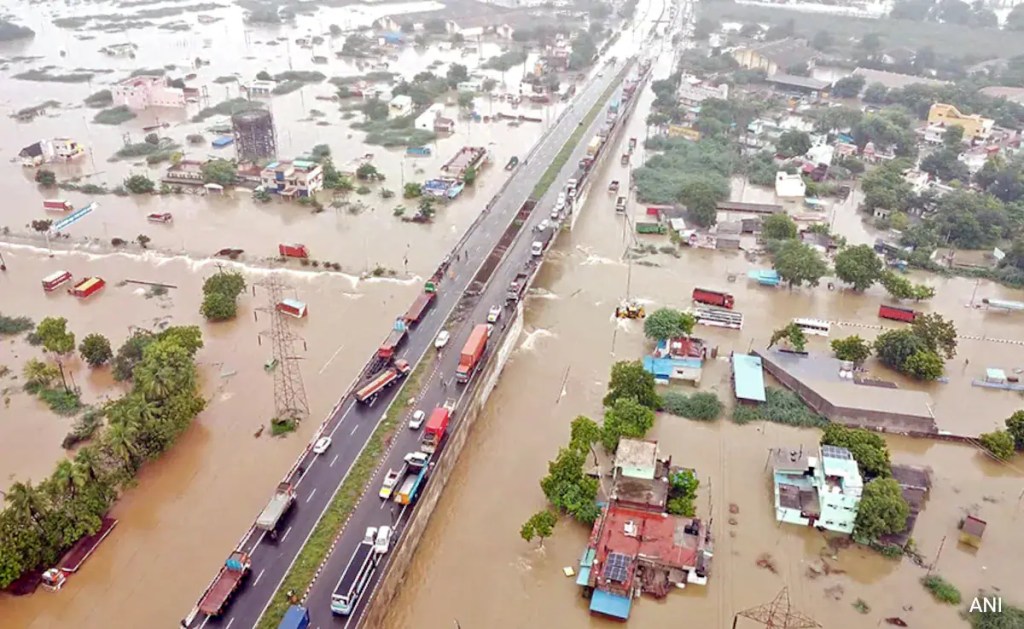
    7. Unmasking Artificial Intelligence: Navigating the Dark Side

      November 21st, 2023

      “AI Unleashed: The Shadowy Realm of Deep Fakes and Digital Deception”

      In the dazzling realm of technological advancement, Artificial Intelligence (AI) emerges as both a beacon of innovation and a harbinger of potential threats. As society embraces the promises of AI, it becomes imperative to scrutinize its darker facets, with one such menace looming large—the ominous Deep Fake technology. This article explores the multifaceted perils of AI, delving into the nefarious realm of Deep Fakes and their unsettling impact on individuals, celebrities, and even political figures.

      AI, equipped with its deep learning algorithms, has birthed a formidable adversary—the Deep Fake. This technology enables the creation of hyper-realistic, forged content, blurring the lines between reality and fiction. Its insidious nature becomes glaringly apparent when wielded as a tool for character assassination, misinformation, and even political manipulation.

      No one, not even political figures, is immune to the malevolent reach of Deep Fakes. A glaring example is the manipulated video of Prime Minister Modi purportedly dancing in a Dandia program. This not only underscores the audacity of Deep Fake perpetrators but also highlights the potential political repercussions, where misinformation can sow seeds of discord and public distrust.

      Beyond the political spectrum, the entertainment industry bears the brunt of Deep Fake assaults. Celebrities like Kajol find themselves ensnared in a web of deceit, with their faces superimposed on fabricated videos showcasing them in different situations. The virality of such content on social media amplifies the damage, raising concerns about the psychological and reputational toll on the victims.

      Social media platforms, the bustling hubs of global connectivity, unwittingly become accomplices in the dissemination of Deep Fakes. The ease with which manipulated content infiltrates these platforms raises questions about their role in curbing the spread of misinformation. It’s imperative for intermediaries like Facebook, Instagram, and Twitter to adopt stringent measures, employing AI-based technologies capable of identifying and swiftly removing malicious content.

      To combat the Deep Fake menace, a call for technological vigilance echoes through the digital landscape. Intermediaries must deploy AI algorithms that not only detect malicious content within seconds but also ensure its automatic deletion. Crucially, these systems should be equipped to trace the origin of such content, generating IP addresses that can be relayed to enforcement authorities for swift and stringent action.

      The gravity of the Deep Fake threat has not escaped the attention of political leaders. Prime Minister Modi, acknowledging the misuse of AI for creating deceptive videos, emphasizes the need for citizens and media to exercise vigilance. However, the sheer volume and anonymity of content on the internet pose challenges in regulating and penalizing those behind the creation and dissemination of Deep Fakes.

      As Deep Fake technology proliferates, concerns extend beyond political and celebrity domains to encompass society at large. Politicians and cyber experts alike voice apprehensions about the widespread diffusion of Deep Fakes, foreseeing potential social unrest and legal dilemmas. The ease of access to Deep Fake tools raises questions about the existence of underground networks supporting such malicious applications.

      Bridging the gap between rapidly evolving technology and legal frameworks becomes an urgent imperative. While existing laws, such as the IT Act, prescribe a 36-hour window for content removal, the real-time nature of Deep Fake propagation necessitates a reevaluation of these temporal constraints. Additionally, empowering victims with accessible legal recourse remains a pressing concern.

      Examining global precedents, particularly the European Union’s discussions on creating a framework to address the menace of Deep Fakes, provides valuable insights. The necessity for India to craft a robust legal architecture capable of swiftly responding to AI-driven threats becomes evident. The urgency lies not just in adapting to technological advancements but in staying ahead of those who exploit them.

      In the intricate dance between technology and society, the phenomenon of Deep Fakes emerges as a dark mirage, challenging the very foundations of truth and authenticity. The malevolent potential of AI, when wielded for deception, demands a collective and proactive response. As we navigate the uncharted territories of technological evolution, it is incumbent upon governments, tech giants, and society at large to collaborate in unmasking the shadows cast by Deep Fakes, ensuring a future where truth prevails over digital deception

      visit arjasrikanth.in for more insights
    8. Navigating Tomorrow: NHAI’s Progressive Approach to Land Acquisition and Social Harmony

      November 21st, 2023

      “Paving the Way for Progress: NHAI’s Land Acquisition Reimagined”

      In the intricate dance of progress, where highways are the arteries of a nation’s growth, the National Highways Authority of India (NHAI) plays a pivotal role. However, the process of land acquisition, a necessary precursor to highway construction, often entangles itself in disputes, particularly when intertwined with the lives of farmers and local communities. To address these complexities, NHAI has embarked on a transformative journey, marked by progressive measures, social considerations, and a commitment to smooth project implementation.

      Land acquisition in India, especially when involving agricultural or community land, is riddled with challenges. Litigations due to property inheritance, unrecorded multiple sales, land granted to SC/ST communities, and stringent resettlement and rehabilitation laws contribute to the complexity. These intricacies, in turn, result in prolonged delays, hampering infrastructure development and economic progress.

      The NHAI Act, Section 3A, empowers the Central Government to acquire land for a public purpose, such as the construction, maintenance, or operation of national highways. This authority, however, comes with the responsibility of addressing the multifaceted challenges that accompany land acquisition.

      One of the critical aspects of land acquisition is compensation. For non-urban agricultural land acquired by NHAI, compensation is calculated based on the market value, as per the ready reckoner or circle rates—whichever is higher. This compensation not only reflects the value of the land but also plays a crucial role in resolving disputes and ensuring the cooperation of affected landowners.

      NHAI faces numerous challenges in land acquisition, including transparency concerns, concentration of authority with government officials, inadequate compensation, and insufficient rehabilitation and resettlement provisions. These issues, if left unaddressed, can lead to corruption, exploitation of farmers, and an increase in poverty. NHAI recognizes the need for a balanced and ethical approach to overcome these hurdles.

      NHAI’s recent instructions indicate a paradigm shift in the land acquisition process. The focus is not only on the efficient execution of projects but also on considering the social aspects and aspirations of land losers. This shift aims to balance road connectivity projects’ swift implementation with a compassionate approach towards those directly impacted by land acquisition.

      Incorporating technological solutions, NHAI utilizes the Gati Shakti Portal to verify the viability of proposed alignments. This portal ensures coordination with other departments or ministries, minimizing conflicts with existing or planned infrastructure projects. The digital integration through Gati Shakti reflects NHAI’s commitment to Prime Minister Modi’s vision of a National Master Plan for multimodal connectivity.

      NHAI’s guidelines emphasize the timely approval of alignment and land acquisition plans. By consulting stakeholders and obtaining approvals by June 30 each year or within three months of project inclusion, NHAI aims to streamline the entire process. This proactive approach ensures that projects move forward without unnecessary delays, contributing to the nation’s growth trajectory.

      Recognizing the socio-cultural norms and concerns surrounding land ownership, NHAI’s guidelines extend beyond the bureaucratic intricacies. The directives empower regional offices and project directors to collaborate with state governments and district authorities, aiming to update revenue maps and records. Additionally, NHAI may request a halt in land sale-purchase or changes in land use, safeguarding against speculative activities that could lead to an artificial rise in land costs.

      NHAI drafted new guidelines for land acquisition. It is a digital platform to bring 16 ministries together for integrated planning and coordinated implementation of infrastructure connectivity projects. As NHAI navigates the complex landscape of land acquisition, its recent initiatives signify a progressive leap. The balance between road connectivity ambitions and social responsibilities is crucial for the seamless implementation of projects. The commitment to transparency, timely approvals, and a compassionate approach echoes NHAI’s dedication to shaping a future where progress and social harmony coexist.

      In the intricate dance of land acquisition, NHAI emerges not only as an authority with the power to build roads but as a catalyst for positive change. By considering the diverse perspectives of stakeholders, leveraging technology, and adhering to ethical practices, NHAI is not just paving highways—it’s paving the way for a more equitable and harmonious tomorrow.

      visit arjasrikanth.in for more insights
    9. Navigating Tomorrow: Unveiling the Tapestry of Future Technologies

      November 20th, 2023

      “Decoding the Vision for Our Technological Destiny”

      In the realm where the relentless march of technological innovation shapes our destinies, some of the visionary insights serve as a guiding light, offering profound revelations into the intricate path leading to a transformative future. From reshaping healthcare with AI to envisioning a world free from coal, these insights provide an in-depth exploration of domains poised to define the trajectory of our collective journey.

      The predictions paint a vivid panorama of the evolving technological terrain. The convergence of the Internet of Things (IoT), Artificial Intelligence (AI), Virtual Reality, Renewable Energy, and Smart Cities heralds an era of unparalleled change. These technologies, promising automation, connectivity, efficiency, and sustainability, stand as architects poised to redefine the very essence of our existence.

      The Evolution of Shopping, Bridged, Realms from Mall to Metaverse
      Technological metamorphosis has seamlessly woven into our daily fabric, altering the core essence of how we shop, entertain, and communicate. From the simplicity of online shopping to the immersive realms of virtual reality, technology has not only transformed the basics of existence but has also redefined the modes of our communication and entertainment.

      Beyond 2022-23, Emerging Horizons, beckon with promises of innovation, as technologies like Chatbots, robotic automation, smell-o-vision technology, driverless technology, applied AI, and Web 3.0 stand ready to reshape the landscape of business and industry. As automation takes center stage, questions arise about the global implications and potential barriers to entry posed by the evolution of the internet.

      In the Speed Race, Technological milestones like 5G, 6G, and satellite internet extend beyond the promise of faster connectivity; they serve as gateways to a future teeming with autonomous vehicles, real-time remote robotics, and immersive augmented reality. However, the unlocking of possibilities also casts shadows of concern, particularly regarding global connectivity and equitable access.

      Technology’s impact on society echoes a double-edged sword. While fostering connectivity, information access, and improved medical care, it simultaneously gives rise to challenges such as job loss, cyberbullying, and technology addiction. Striking a delicate equilibrium between these positive and negative facets becomes imperative as the technological landscape evolves.

      Artificial Intelligence (AI) infiltrates homes, automating daily tasks and reshaping our way of life. Home assistants like Alexa and Google Home, accompanied by robot cleaners like Roomba, provide a glimpse into a future where automation is omnipresent. The profound impact on access to information, digital literacy, independence, responsibility, learning, and social connectivity underscores the magnitude of this transformation.

      Fast forward to 2050, and the world undergoes a metamorphosis. Quantum computing, the metaverse, augmented reality, nanotechnology, human brain-computer interfaces, and robotics intricately weave into the tapestry of everyday life. This technological odyssey holds the promise of both challenges and opportunities, shaping an era where the boundaries between reality and the virtual realm blur.

      AI transcends being a mere buzzword; it stands as a transformative force reshaping industries. From collaborative AI-powered robots in manufacturing to predictive analysis sensors empowering healthcare professionals, the AI revolution heralds a new epoch characterized by unparalleled efficiency and precision across diverse sectors.

      Forecasts predict that IoT technology will saturate 95% of electronics by 2050, creating a world where everything is connected to the cloud and the internet. This vision of unprecedented connectivity, however, coexists with the potential reality of limited access to space tourism, predominantly reserved for the privileged few.

      Technology’s omnipresence has left an indelible mark, significantly enhancing our quality of life. From redefining communication and transportation to revolutionizing healthcare and connectivity, technology’s transformative impact is undeniable. Yet, the promise of an improved quality of life remains asymmetrical, with emerging technologies often favoring the privileged.

      As we navigate this epoch of technological evolution, the significance of technology in our lives cannot be overstated. It serves as a gateway to diverse resources, assistance, and opportunities. However, the ongoing debate on whether technology is inherently good or bad underscores the necessity for a balanced and nuanced approach.

      Technology’s influence on cognitive abilities prompts contemplation about its long-term effects. While the potential for technology to diminish cognitive functions is acknowledged, judicious use and adopting healthy habits can act as shields, protecting our brains from detrimental impacts.

      The anticipation of AI achieving superintelligence is both exhilarating and disconcerting. Surpassing human intelligence in problem-solving capacities heralds a future beyond our current understanding. However, the looming ethical considerations and the necessity for safeguards become paramount as this reality draws near.

      Access to energy, electricity, sanitation, and clean water has become a global reality, transforming lives on an unprecedented scale. The innovations on the horizon, including artificial intelligence, autonomous driving, reusable rockets, virtual and augmented reality, rapid adaptation of renewable energy, large-scale desalination, ridiculously fast internet, and online DNA analysis, are poised to etch their legacy on the canvas of human progress.

      In a world defined by the relentless pace of technological progress, predictions stand as a guiding light into the future. From the revolutionary impact of AI on medicine to pragmatic approaches for tackling carbon emissions, these insights traverse the critical facets of our impending existence.

      514804391

      Standing on the precipice of tomorrow, the trajectory of technological advancement weaves a tale of both promise and peril. The transformative potential embedded in emerging technologies serves as the key to a utopian future. Yet, the collective choices we make will determine whether this trajectory unfolds as a utopia or a dystopia.

      The dance into the future necessitates careful navigation—a delicate ballet, embracing the positive transformations while vigilantly mitigating the negative repercussions. Adapting to the evolving technological landscape, staying informed, and fostering a compassionate approach stand as imperatives. Choosing the path toward a utopian future ensures that technology becomes a harmonious enhancement, rather than a complicating factor, in the human experience. The intricate journey into the future, with foresight and responsible adoption, allows us to craft a destiny that harmonizes seamlessly with the ever-evolving tapestry of technology.

      visit arjasrikanth.in for more insights
    ←Previous Page
    1 … 113 114 115 116 117 … 134
    Next Page→

    Blog at WordPress.com.


    Loading Comments...
     

      • Subscribe Subscribed
        • SOCIAL PERSPECTIVES
        • Join 99 other subscribers
        • Already have a WordPress.com account? Log in now.
        • SOCIAL PERSPECTIVES
        • Subscribe Subscribed
        • Sign up
        • Log in
        • Report this content
        • View site in Reader
        • Manage subscriptions
        • Collapse this bar