“Wishing a Happy Birthday to Kapil Dev – The Cricketing Legend who redefined the game with his prowess, leadership, and records. 🎉🏏 #KapilDev #HappyBirthdayKapilDev”
As the cricketing world gears up to celebrate the birthday of a true maestro, Kapil Dev, on January 6, it’s time to delve into the extraordinary journey of a cricketer who left an indelible mark on the sport. Kapil Dev’s legacy extends far beyond his stellar performance on the field – he is hailed as one of the greatest all-rounders and captains in the history of cricket. This article pays tribute to the cricketing legend, exploring his remarkable career, leadership, and the records that etched his name in the annals of the game.
Born on January 6, 1959, Kapil Dev’s journey in cricket began in his early years, showcasing a natural talent that would eventually revolutionize the sport. Known for his explosive fast bowling and hard-hitting middle-order batting, Kapil quickly rose through the ranks, catching the attention of cricket enthusiasts around the world.
Regarded as one of the greatest all-rounders to grace the cricketing arena, Kapil Dev’s impact was felt with every delivery he bowled and every stroke he played. His ability to take crucial wickets, coupled with his knack for turning matches with the bat, made him a force to be reckoned with. Kapil’s unique combination of skills marked him as a rare talent in the world of cricket.
Kapil Dev’s crowning achievement came in 1983 when he captained the Indian cricket team to a historic victory in the Cricket World Cup. The triumph against the West Indies in the final remains one of the most iconic moments in cricketing history, and Kapil’s leadership during the tournament solidified his status as one of the greatest captains ever.
Even after retiring from international cricket in 1994, Kapil Dev continued to contribute to the sport. Serving as India’s national cricket coach between October 1999 and August 2000, he shared his wealth of knowledge and experience with the next generation of cricketers, leaving an indelible impact on the development of the game in India.
Kapil Dev’s name is synonymous with records that underscore his cricketing brilliance. At the time of his retirement, he held the world record for the highest number of wickets taken in Test cricket, a feat eventually surpassed by Courtney Walsh in 2000. Kapil was also India’s highest wicket-taker in both Tests and ODIs. Notably, he was the first player to achieve the milestone of 200 ODI wickets.
Kapil Dev stands as the only player in the history of cricket to have taken more than 400 wickets (434 wickets) and scored over 5000 runs in Test matches. His remarkable all-round capabilities showcased his versatility and made him a trailblazer in a sport that demands excellence in multiple facets.
On March 11, 2010, Kapil Dev received one of the highest honours in cricket – induction into the ICC Cricket Hall of Fame. This recognition marked the culmination of a glittering career and underscored Kapil’s enduring impact on the sport.
As we extend heartfelt birthday wishes to Kapil Dev, it’s essential to acknowledge the enduring legacy of a cricketing legend. From his early days as a prodigious talent to the pinnacle of success as a World Cup-winning captain, Kapil Dev’s journey is a testament to his passion, skill, and indomitable spirit.
In celebrating Kapil Dev’s birthday, we celebrate not only a cricketer but an inspirational leader, a record-breaking genius, and a true maestro who shaped the narrative of Indian cricket. Happy Birthday to the cricketing legend, and may his legacy continue to inspire generations to come. 🎂🏏
In the intricate ecosystem of the corporate world, mastering the art of managing bosses is a crucial skill for professional growth. This comprehensive article explores the psychology of Boss Behaviour.
A boss who consistently criticizes employees may reveal traits like insecurity, dissatisfaction, or a sadistic inclination. The behaviour can stem from feeling threatened, wanting to spread misery, perceiving the employee as weaker, venting personal frustration, or seeking favouritism. Understanding these underlying motives is crucial. Employees should assess their own reactions and, if necessary, engage in open communication or seek support to foster a healthier working environment.
A boss who habitually criticizes employees publicly may exhibit dominance, insecurity, or a desire to assert control. Public criticism could be a means of displaying power, masking personal insecurities, or projecting blame onto others. This behaviour may create a hostile work environment, damaging team morale. Addressing the issue involves understanding the underlying motives and, if necessary, fostering open communication to establish a more supportive and constructive workplace dynamic.
A boss who fails to lead by example creates a leadership void. This may stem from a lack of self-awareness, accountability, or a misguided belief in authoritative leadership. Such behaviour can result in a disengaged team and diminished respect for leadership. Effective leadership involves modelling the desired behaviour, fostering collaboration, and cultivating a positive work environment to inspire and guide the team toward success.
A boss ignoring rebels within a team may fear confrontation or lack conflict resolution skills. This avoidance might stem from insecurity or a desire to maintain a façade of harmony. However, overlooking dissent can foster a toxic work environment, hindering team dynamics. Effective leaders address concerns, promote open communication, and strive to understand differing perspectives to foster a collaborative and innovative team culture.
A boss with unclear communication may face challenges in expressing thoughts or expectations. This can result from a lack of organizational skills, fear of being misunderstood, or insufficient understanding of the subject matter. The boss might experience frustration or stress due to ineffective communication, potentially impacting team productivity. Developing clarity, active listening, and refining communication skills can enhance leadership effectiveness and team cohesion.
A boss who struggles to delegate may grapple with perfectionism, fear of loss of control, or a lack of trust in team members. This reluctance can lead to overburdening oneself, hindering team development, and causing inefficiencies. Understanding the importance of delegation, building trust in the team’s capabilities, and addressing personal concerns can help the boss develop effective delegation skills and improve overall team performance.
A boss organizing unnecessary meetings may indicate a lack of time management skills or a desire for control. It can result from a misguided attempt to stay informed or assert authority. Addressing underlying concerns, streamlining communication channels, and fostering a culture of efficient collaboration can help alleviate the need for excessive meetings and contribute to a more productive work environment.
A boss who engages in micromanaging may harbour trust issues or have a perfectionist mindset. Fear of failure or a need for control can drive this behaviour. It often stems from a desire to ensure tasks align with personal standards. Encouraging open communication, providing clear expectations, and fostering a collaborative environment can help alleviate the need for excessive micromanagement, promoting a healthier workplace dynamic.
A boss prioritizing paperwork over people work might be driven by a focus on administrative tasks or a lack of understanding about the importance of interpersonal relationships. This approach could stem from pressure to meet deadlines or an inclination toward procedural efficiency. Encouraging a balance between administrative duties and employee well-being, recognizing the value of both, can contribute to a more holistic and effective leadership style.
A boss immersed in day-to-day operations might exhibit a hands-on approach due to a desire for control or a sense of responsibility. This behaviour can result from a fear of delegation, a lack of trust in subordinates, or a belief that personal involvement ensures success. Encouraging a strategic perspective and building trust in the team’s capabilities can help alleviate the need for excessive involvement in daily tasks.
Boss behaviour, influenced by diverse personalities and management styles, shapes workplace dynamics. Leadership styles, ranging from authoritarian to laissez-faire, impact decision-making and communication. Effective communication, openness, and attentiveness contrast with poor communication leading to misunderstandings. Mastering boss management involves understanding these intricacies, fostering open communication, empathy, and adaptability. Recognizing leadership styles transforms workplace struggles into opportunities. To thrive professionally, decoding “boss psychology” is crucial. Strained boss relations often lead to job loss, emphasizing the need for understanding. Collaborative approaches, including changing perspectives, avoiding hostility, helping bosses improve, and strategic communication, empower professionals to navigate challenges and flourish amidst complexities, fostering collective success.
“India’s Economic Odyssey: Navigating Inflation, GDP Growth, and Election Dynamics in 2023”
“A deep dive into India’s economic landscape reveals a complex interplay of factors, from inflation challenges to surprising GDP growth and the looming spectre of national elections in 2024.”
In the ever-evolving tapestry of India’s economic landscape, the year 2023 emerged as a pivotal chapter marked by significant challenges and unexpected triumphs. From grappling with inflationary pressures to witnessing robust GDP growth, the nation faced a myriad of economic nuances. Moreover, the looming national elections added an extra layer of complexity to the narrative. In this article, we delve into the key facets that defined India’s economic trajectory throughout 2023.
India found itself entangled in the grip of inflationary concerns, with April 2022 witnessing a staggering 7.8% inflation rate. While subsequent months witnessed a moderation, concerns persisted. The core inflation, which extends beyond fuel and food, remained stubbornly high. The central bank’s decision to raise interest rates played a role in taming inflation, yet the target rate of 4% remained elusive. Despite progress, whispers of a potential interest-rate cut in 2024 loomed, riding on the hopes of achieving the coveted 4% inflation mark.
The cornerstone of India’s economic journey in 2023 was the unexpected GDP growth, defying prior expectations. In the aftermath of pandemic-induced contractions, the economy rebounded with a growth rate of nearly 6.5-7%. This unexpected surge raised eyebrows, especially considering pre-existing challenges such as the Russia-Ukraine war and supply chain disruptions. Government intervention played a pivotal role, fuelling speculation about the sustainability of growth led primarily by public-sector initiatives.
While macro-level employment data painted a positive picture, delving deeper revealed a nuanced reality. Official employment figures showcased a decline in unemployment rates and an increase in labour force participation. However, concerns arose as the rise in self-employment, particularly among women joining family enterprises, hinted at distress-driven job creation. The nature of these jobs and their impact on real income raised questions about the quality and sustainability of the employment surge.
India’s economic resurgence bore the imprint of a key-shaped recovery, with certain sectors thriving while others languished. The rise in self-employment and income disparities illuminated the challenges of a growth model perpetuating inequality. As GDP and employment numbers improved, the spotlight turned to the quality of growth and its implications on the broader populace.
A key challenge for India lay in striking the right balance between short-term gains and long-term investments in health and education. Despite economic strides, the country’s meagre allocation to health and education in the budget remained a longstanding concern. The temptation to focus on immediate gains often clashed with the imperative of nurturing human capital for sustained growth.
As India stands at the cusp of 2024, the macroeconomic outlook appears promising. Factors such as GDP growth, employment metrics, and policy continuity provide a positive backdrop. However, the specter of oil price fluctuations and geopolitical events poses a potential threat. The looming national elections add an element of uncertainty, with the assumption of a returning incumbent government offering both clarity and, paradoxically, an element of surprise.
India’s economic narrative in 2023 mirrors the intricate dance between growth and inclusivity, short-term gains and long-term investments. While challenges persist, the nation stands poised for sustained economic development, provided it navigates the complex interplay of global events, political dynamics, and the imperative for equitable growth. As India steps into 2024, the journey continues, with the hope that economic triumphs translate into tangible improvements for all sections of society.
“Across India, Anganwadi workers unite against injustice, demanding fair wages and recognition on September 5, highlighting the need for systemic reforms in the Integrated Child Development Services (ICDS).”
In the heart of rural India, Anganwadi workers stand as unsung heroes, contributing significantly to child development, healthcare, and community empowerment. As their voices echo in protests, from Andhra Pradesh to various corners of the nation, the need to understand their indispensable role, the reasons for their agitation, and the urgency for acknowledgment and redressal becomes paramount.
On September 5, under the leadership of the All India Federation of Anganwadi Workers and Helpers (AIFAWH), lakhs of Anganwadi Workers and Helpers from states like Assam, Andhra Pradesh, Bihar, Gujarat, Haryana, Himachal Pradesh, Jharkhand, Kerala, Karnataka, Madhya Pradesh, Maharashtra, Punjab, Puducherry, Rajasthan, Tamil Nadu, Uttar Pradesh, Uttarakhand, and West Bengal came together in a nationwide demonstration. The protest aimed to address the longstanding demands of over 26 lakh Anganwadi workers and helpers and highlighted the pressing issue of unscientific pre-schools in Anganwadi centers across the country.
The protesting workers raised their voices for the regularization of their services, fair compensation, and an increase in the retirement age. However, their concerns go beyond immediate benefits, encompassing broader issues such as the institutionalization of the Integrated Child Development Services (ICDS) and the right to education for 3-6-year-old children. The workers emphasized the importance of scientific pre-school education through Anganwadis, advocating for the future well-being of children. Additionally, they called for the regulation or ban on unscientific pre-schools, urging their conversion into Anganwadis. The protest also addressed the recent labour law changes by the Modi government, adding another layer of complexity to their struggle.
The multifaceted responsibilities of Anganwadi workers extend across nutrition, healthcare, education, and community development. Their duties encompass providing essential drugs and medicines, maintaining immunization records, reporting diseases, and creating awareness about hygiene. Integral to the public healthcare system, Anganwadi centers combat hunger and malnutrition while offering vital services such as contraceptive counseling, nutrition education, and pre-school activities. Beyond childcare, Anganwadi workers play a pivotal role in the holistic development of rural areas, contributing to the socio-economic well-being of communities.
In April 2022, the Supreme Court mandated gratuity benefits for Anganwadi employees and helpers, emphasizing timely disbursement within three months. However, the protesting workers allege that the Andhra Pradesh government has not implemented this order, intensifying their discontent. The political landscape also plays a role, with the opposition, particularly the Telugu Desam Party (TDP), supporting the workers. The Andhra Pradesh government issued a notice urging workers to resume duties by January 5, claiming acceptance of certain demands. However, the workers remain resolute in their demands for comprehensive reform.
Faced with an impasse, Anganwadi workers plan to escalate their protests, including hunger strikes in Vijayawada and relay hunger strikes across all districts. Their cause has garnered nationwide support, with protests spreading to various parts of the state and beyond. This widespread solidarity underscores the collective struggle of workers in their fight for just wages, recognition, and systemic change.
The ongoing plight of Anganwadi workers in Andhra Pradesh mirrors a larger struggle for dignity, fair wages, and recognition. As these champions of rural development continue their battle, it is crucial to recognize their multifaceted roles and promptly address their grievances. Beyond immediate demands for improved compensation, their protests underscore the need for systemic reforms to ensure the well-being and recognition of essential workers contributing significantly to the nation’s development. The unfolding events serve as a clarion call for a more equitable and empathetic approach toward those serving at the grassroots, promising a brighter and more just future for all.
“From ‘Didi’ to Chief Minister: Unveiling Mamata Banerjee’s trailblazing journey and her impactful contributions to Indian politics.
Mamata Banerjee, the formidable political force and Chief Minister of West Bengal, stands as a symbol of resilience, determination, and trailblazing leadership. Born on January 5, 1955, Mamata has shattered glass ceilings, making history as the first woman to hold the office of Chief Minister in West Bengal. This article navigates through Mamata’s remarkable political career, highlighting her significant contributions to India’s political landscape.
Mamata Banerjee’s political journey took a definitive turn in 1998 when she founded the All India Trinamool Congress (AITC or TMC), marking her departure from the Indian National Congress. Fondly known as ‘Didi,’ Mamata swiftly emerged as a dynamic leader, passionately advocating for the people and their rights.
Her trailblazing spirit led Mamata to become the Minister of Railways, a position she held twice, becoming the first woman to do so. Breaking barriers, she also assumed roles as the first female Minister of Coal and Minister of State for Human Resource Development, Youth Affairs, Sports, Women, and Child Development in the Indian government’s cabinet.
Mamata Banerjee’s rise to prominence gained momentum with her vocal opposition to the land acquisition policies of the Communist government in West Bengal. The government’s plans for industrialization, particularly the establishment of Special Economic Zones, were challenged by Mamata, who stood firm in defence of agriculturalists and farmers, notably in Singur.
The pinnacle of Mamata’s political career came in 2011 when she orchestrated a historic victory for the TMC Congress alliance in West Bengal. The victory marked the end of the 34-year-long rule of the Communist Party of India (Marxist)-led Left Front government, making Mamata the Chief Minister and ending the world’s longest-serving democratically elected communist government.
Mamata Banerjee’s impact transcended national borders, garnering international recognition. Time magazine honored her by naming her one of the 100 Most Influential People in the World in 2012. Bloomberg Markets magazine further acknowledged her influence, listing her among the 50 most influential people in the world of finance in September 2012.
In 2018, Mamata’s exemplary governance and leadership were recognized with the prestigious Skoch Chief Minister of the Year Award. The accolade underscored her commitment to transformative governance and her ability to steer West Bengal towards progress and development.
Mamata Banerjee’s legacy is one of unwavering determination, political acumen, and a fierce commitment to the welfare of her constituents. As Chief Minister, she has prioritized inclusive development, social justice, and empowerment of marginalized communities.
In conclusion, Mamata Banerjee’s journey from a political maverick to the Chief Minister of West Bengal reflects the indomitable spirit of a leader who dared to challenge the status quo. Her triumph over a decades-old communist rule and subsequent recognition on the global stage are testaments to her political prowess.
As ‘Didi’ continues to steer West Bengal through the currents of change, her contributions to Indian politics remain invaluable. Mamata Banerjee stands as a beacon for aspiring leaders, a symbol of breaking barriers, and a testament to the transformative power of determined leadership in shaping the destiny of a nation.
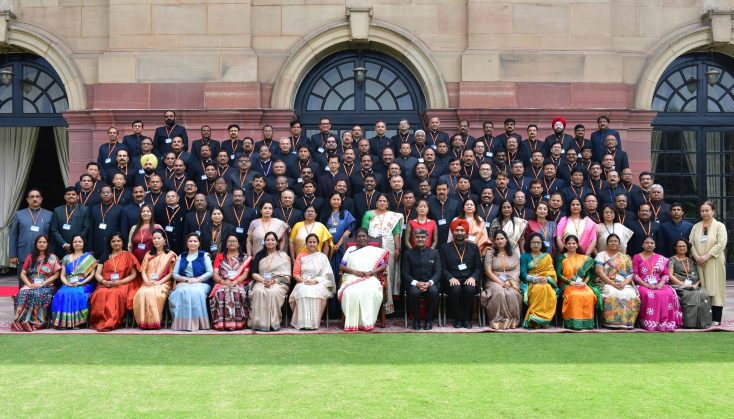
“Unveiling the dual facets of civil service – a journey from Aspiration to Reality. Explore the dynamics of power, satisfaction, and the intricate balance in shaping a nation’s destiny.”
The attraction to civil service arises from noble aspirations, familial influences, and a commitment to societal welfare. Yet, the harsh reality becomes evident upon exploring the intricacies of this esteemed profession. Despite the allure of power and influence, the journey is marked by challenges, ethical dilemmas, and an ongoing quest for meaningful impact. Civil servants navigate a complex terrain, where the idealism that propels them is tested by the intricate demands of public service, underscoring the need for resilience and unwavering dedication to effect positive change in the face of multifaceted challenges.
Once hailed as the steel frame of independent India, the nation’s civil service has undergone a decline from its esteemed history. The contemporary successors, grapple with pervasive challenges like Political bossism, inefficiency, nepotism, and corruption. Unfortunately, these issues tend to overshadow the committed many who strive to uphold the integrity of the system, painting a complex picture of the present state of India’s civil services in contrast to their once revered status.
In a notable address to the Lok Sabha, Prime Minister Narendra Modi sharply criticized the civil services, highlighting longstanding issues and their impact on India’s growth. He specifically identified unchecked power wielded by civil servants as a hindrance, expressing frustration at a bureaucratic system tainted by perceived arrogance and inefficiency. The resonance of the prime minister’s critique with the public underscores a common perception of bureaucratic shortcomings. This moment not only brings attention to the challenges within the civil services but also signals a need for reform and a reassessment of the role and effectiveness of civil servants in driving the nation’s progress.
The bureaucratic culture, commonly termed “babu culture,” is characterized by potent symbols of power and invincibility. Elements like imposing office chairs and the ubiquitous white towel draped over civil servants create an aura of unassailable authority. Additionally, the presence of red lights outside office doors accentuates hierarchical importance, intensifying the stark divide between civil servants and ordinary citizens seeking redressal. These symbolic features not only reinforce the entrenched bureaucracy’s image but also contribute to the perceptual and physical barriers that separate civil servants from the populace they are meant to serve.
The All India Civil Services (Conduct) Rules mandate civil servants to embody kindness and dignity, yet a disconcerting revelation arises—as per a study, over fifty percent of them are perceived as ruthless and adept in fraudulent activities. Scrutiny of the selection and training processes exposes a lack of practical wisdom and knowledge among civil servants. Ignorance becomes prevalent, with some officers lacking even basic financial understanding. The repercussions manifest in erroneous orders, unveiling an unsettling pattern of unprofessionalism that further accentuates the challenges and deficiencies within the bureaucratic machinery.
The civil services’ recruitment process, particularly the dominance of certain services, faces criticism for generating generalists in a world that demands specialists. The inherited archaic structure from the colonial era resists reforms proposed by the Administrative Reforms Commission. This resistance to change impedes effective policymaking, as civil servants, lacking specialization, assume expertise across diverse fields without adequate training. The result is a systemic deficiency that hampers the adaptability and efficiency of civil servants in meeting the evolving demands of contemporary governance and societal needs.
Examining the broader societal impact reveals a century-long trend where graduates both technical and Non technical, gravitate towards government jobs, perpetuating a strain on the economy. The pursuit of job security and an idealized government lifestyle hinder employment generation, impeding economic growth. These systemic issues extend to the education system and family expectations, fostering a prolonged race for coveted government positions. This scenario not only affects individual career choices but also poses challenges to national economic development by creating imbalances in the job market and perpetuating the allure of government employment over diverse and entrepreneurial career paths.
Contrary to popular belief, civil servants navigate within constraints, often unable to choose their team or exert disciplinary powers swiftly. The need to accomplish tasks in a resource-constrained environment prompts a paradoxical approach – treating subordinates with apparent disregard to shake their conscience, an unconventional method to achieve objectives. The lack of empowerment to solve inherent problems creates an atmosphere where the hierarchy resorts to unconventional means for achieving objectives.
The ongoing debate on lateral entry into civil services raises concerns about ideological inclinations. However, the existing bureaucratic structure, resembling an inverted pyramid with an excess of top positions, necessitates reevaluation. The fear of political alignment in lateral entry should be weighed against the prevailing “committed” bureaucracy that has evolved over decades due to intense competition within civil servants for influential posts. Balancing the need for fresh perspectives with the established commitment of long-serving officers poses a challenge, highlighting the complexity of reforming a system deeply ingrained in India’s administrative history.
As the civil services confront internal challenges and external criticisms, a pivotal question arises: can India’s bureaucracy reclaim its former glory? The reforms spearheaded by the Modi government, encompassing both training and structural changes, aspire to redefine the role of civil servants. The objective is to foster a more efficient, specialized, and accountable system. Amidst ongoing transformations, the bureaucracy is at a crossroads, and the success of these initiatives holds the key to revitalizing the civil services, aligning them with the demands of contemporary governance, and ensuring their continued relevance in shaping India’s future.
As the armed forces safeguard the nation externally, civil servants assume a vital role in maintaining internal peace and governance. The pride linked to both roles is well-founded, considering their collective contribution to the nation’s prosperity. A salute extends beyond the armed forces, recognizing every individual involved in nation-building, from the President to the municipality sweeper. It signifies a collective acknowledgment of diverse contributions, emphasizing the collaborative efforts required for the holistic progress and well-being of the nation, from the highest echelons of leadership to the grassroots workers dedicated to the betterment of society.
The historical trajectory of India’s civil services, once celebrated as the steel frame, has encountered numerous challenges, marking a transition from its illustrious past to the complexities of the present. The contemporary state of civil services is characterized by ethical dilemmas, challenges, and an ongoing pursuit of authentic impact. Despite inherent flaws, civil servants continue to play a pivotal role in shaping the nation’s destiny, and their significance remains undeniable.
In the vast expanse of India, where every twist and turn unveils a new chapter of diversity, the intricate web of Indian Railways silently weaves together the nation’s socio-economic fabric. With a network spanning 67,000 km, operating 13,000 passenger trains, and facilitating the movement of 23 million passengers and 9,000 freight trains transporting 3.05 million tonnes of freight daily, the Indian Railways stands as a testament to the nation’s growth. However, beneath this colossal operation lies a story of challenges, resilience, and a commitment to technological evolution.
Gang Man, Gate Man, Bogie Man, Loco Man, and Station Man are unsung hero’s of Indian Railway. Within the realm of Indian Railways, a symphony of roles unfolds. The Gang Man tirelessly maintains the tracks, the Gate Man guards crucial intersections, the Bogie Man ensures the smooth functioning of passenger carriages, the Loco Man commands the locomotives, and the Station Man orchestrates the activities at railway stations. These unsung heroes form the backbone of a system that breathes life into the nation’s connectivity.
Despite its monumental role, Indian Railways faces challenges that echo through its vast expanse. The infrastructure, once resilient, now grapples with overstretching, inadequate capacity, and an unmet demand for both freight and passenger services. The need for innovation becomes paramount to surmount these hurdles and propel Indian Railways into a future marked by efficiency and sustainability.
Recognizing the need for technological intervention, Indian Railways embraces the Real-Time Train Information System (RTIS). With a network as extensive as India’s, manual data collection becomes a bottleneck. RTIS, powered by the Internet of Things (IoT), leverages GPS devices installed in locomotives to track real-time train movements. This initiative brings automation to control charts, ensuring accurate information reaches both the system and passengers promptly.
Traditionally, train movement data was captured manually, with the Station Master relaying information to the Traffic Controller. Despite digitalization in control chart processes, the manual flow of information persisted. This intricate dance of coordination was crucial for managing both freight and passenger trains sharing the same tracks. The limitations of this system prompted the adoption of RTIS.
The deployment of IoT in locomotives, encapsulated in RTIS and REMMLOT, brings a multitude of benefits. From automated control chart plotting and accurate passenger information to energy-efficient driving and advanced monitoring of train speed profiles, IoT revolutionizes the efficiency and safety of rail operations. The integration of AI further opens avenues for real-time analytics and predictive functionalities.
As Indian Railways continues its journey into the digital age, the potential applications of RTIS expand. From estimating train travel times and preventing overspeeding to optimizing network usage and automatic rescheduling of trains, RTIS emerges as a versatile tool. The future promises enhanced utilization, ensuring that the system operates at its optimal capacity with a focus on punctuality and resource efficiency.
As the rails of Indian Railways crisscross the subcontinent, they carry not just trains but the aspirations, challenges, and innovations of a nation. The complexity of rail operations, intricately managed by dedicated individuals and propelled by technological advancements like RTIS, showcases the resilience and determination embedded in the heart of Indian Railways. The journey continues, with each track laid and each train moving forward, contributing to the tapestry of a nation on the move.
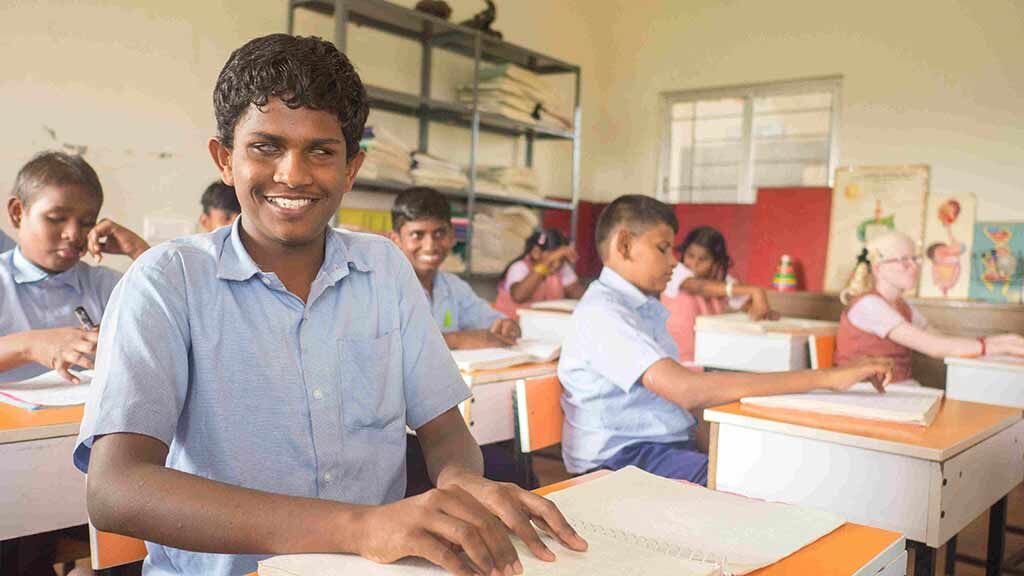
“Empowering Divyangas Globally: The Transformative Role of Braille in Reshaping Lives”
Caption: “Unlocking the world of possibilities—how Braille serves as a boon for Divyangas (people with disabilities) both nationally and globally. 🌐📘 #BrailleEmpowerment #InclusionForAll”
In a world where an estimated 40 million people are blind, with 18 million in India alone, the significance of Braille as a means of communication cannot be overstated. This article explores the impact of Braille on the lives of Divyangas, shedding light on its global relevance and transformative role in reshaping the narrative of disability.
It is challenging to pinpoint the exact number of blind individuals globally, influenced by factors like healthcare, education, and population growth. The estimates suggest around 40 million blind people worldwide, with 12 million in India. The prevalence of blindness poses significant challenges, especially considering the diverse needs of individuals.
The planning of blindness control in India must consider recent population-based data, indicating that the number of blind persons in India is over 18 million. This data emphasizes the urgency of adopting comprehensive strategies to address the needs of the visually impaired population.
World Braille Day, celebrated annually on January 4th, serves as a global platform to raise awareness about Braille and advocate for accessibility for the visually impaired. This day emphasizes the importance of using Braille and other accessible technologies to enable people with visual impairments to participate fully in society.
Many blind and partially sighted individuals find Braille to be a valuable tool at work. It serves as a fast and efficient way to make notes in meetings, review long printed documents, and participate actively in professional settings. Additionally, Braille is used on signage, menus, and everyday items, making it an integral part of modern life.
The Braille system has been instrumental in integrating blind people into society by providing access to education. Braille allows blind individuals to study math and science, fostering literacy and intellectual freedom. The system’s adaptability to various languages ensures a global impact on education.
Learning Braille is essential for individuals with visual impairments. Braille books, signage, and everyday items labelled in Braille contribute to creating an inclusive environment. The Braille Challenge, an annual event, highlights the skills of those with visual impairments and promotes the use of Braille.
Louis Braille, a French educator, invented the tactile system of reading and writing for the blind in 1824. Braille’s system, consisting of raised dot codes, is now used worldwide. The invention marked a crucial step in empowering the blind community, providing them with access to literacy and communication.
Braille isn’t confined to transcribing books; it extends to signage, menus, and labelling everyday items like medications. Its role in making public spaces accessible ensures that individuals with visual impairments can navigate the world independently.
In conclusion, Braille emerges as a transformative force in the lives of Divyangas, both nationally and globally. Its significance extends beyond being a communication tool—it serves as a gateway to education, literacy, and societal integration. World Braille Day serves as a reminder of the ongoing need for accessibility, encouraging the use of Braille to create a more inclusive world. As we celebrate Braille’s impact on World Braille Day, let us recognize its role in empowering individuals with visual impairments, providing them with the tools they need to navigate and contribute meaningfully to our diverse and interconnected global society.
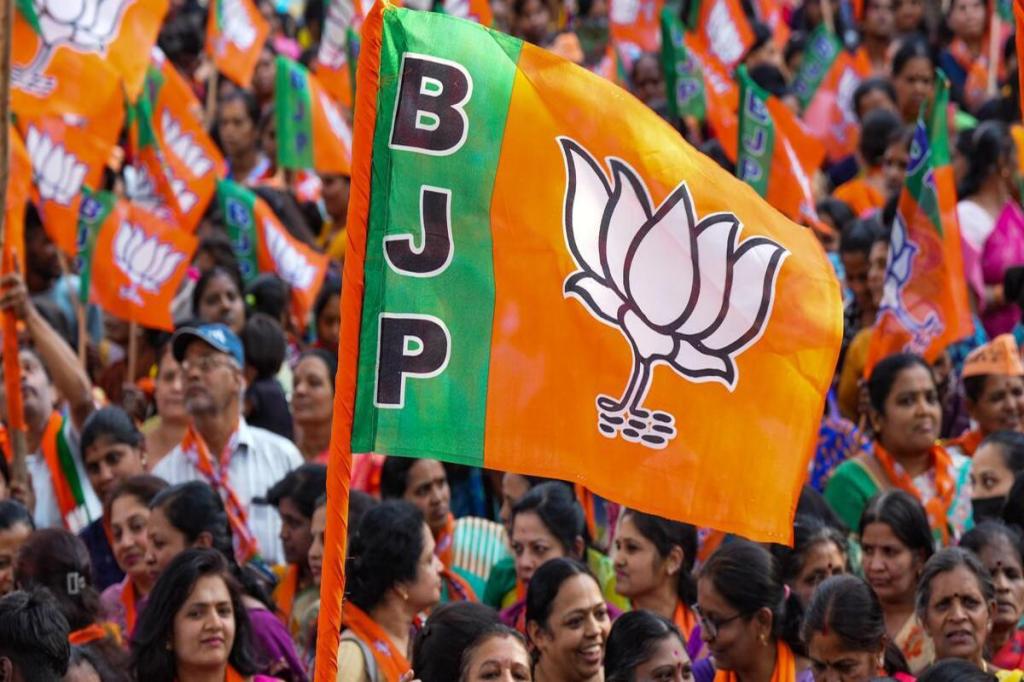
“Silently Surging: BJP’s Narrative Unfolds with Vision and Precision”
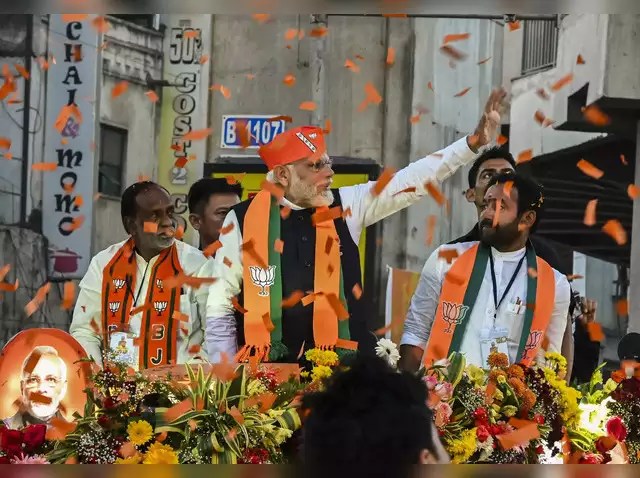
In the dynamic landscape of Indian politics, the Bharatiya Janata Party (BJP) emerges as the maestro, orchestrating a silent symphony that reverberates beyond individual milestones. As the nation gears up for the 2024 elections, the BJP’s strategic narrative, woven through visible triumphs, propels the party towards a promising future.
The inauguration of the Ram Mandir on 22 January, 2024, in Ayodhya transcends religious boundaries, symbolizing a 550-year-old dream turned into reality. Beyond the bricks and mortar, the BJP’s role reflects a commitment to cultural heritage and the ability to navigate complex narratives. The temple becomes a living testament to the party’s dedication to preserving traditions and fostering national unity.
The abrogation of Article 370 in Jammu and Kashmir stands as a paradigm shift, signalling the BJP’s commitment to national integration. This decisive move opens avenues for development, economic growth, and inclusive progress, demonstrating the party’s determination to overcome historical challenges and steer India towards a more integrated and united future.
The BJP’s push for a Uniform Civil Code echoes a progressive vision for national harmony. By advocating for equal rights and gender justice across religious lines, the party sets the stage for a modern and inclusive India. The UCC becomes a transformative tool, streamlining legal processes and promoting social harmony, aligning with the BJP’s commitment to a unified and egalitarian society.
The concept of “One Nation, One Election” emerges as a visionary step towards governance efficiency. The BJP’s endorsement of synchronized elections underscores a commitment to political stability, financial prudence, and uninterrupted governance. This transformative idea seeks to streamline India’s democratic processes, ensuring a focused approach to policy planning and implementation.
The ongoing delimitation process reinforces democratic principles, ensuring fair representation and inclusivity in India’s political fabric. Upholding the principle of “one person, one vote” and addressing demographic imbalances, the BJP contributes to the vibrancy of the political system. This commitment to administrative efficiency and social justice reinforces the party’s dedication to a robust democracy.
The introduction of new Chief Minister faces in Chattisgarh , Madhya Pradesh and Rajasthan reflects the BJP’s forward-looking approach. By empowering regional leaders and embracing diversity, the party sets a precedent for a more vibrant and responsive political landscape. This strategic move extends beyond individual states, indicating a nationwide commitment to nurturing new leadership.
Under Prime Minister Narendra Modi’s leadership, India’s economic ascent becomes a cornerstone of the BJP’s narrative. From the 10th position in 2014 to the 5th in 2019, and likely third by 2029, the Modi-led government propels the nation to new heights. The “Modi Guarantee” reflects not only economic progress but a visionary strategy for India’s role as a global economic powerhouse.
As the BJP silently orchestrates these narratives, each story becomes a note in a symphony, contributing to a crescendo that will echo in the 2024 elections. The party’s vision, encompassing cultural heritage, governance efficiency, and economic prosperity, paints a holistic picture of an evolving India under the strategic guidance of the Bharatiya Janata Party. The narrative is set, and the stage is poised for the grand performance in 2024 and beyond. In this silent symphony, the BJP emerges not just as a political force but as the architect of India’s promising future.
“Landmark Decision Upheld: Supreme Court Supports Adani Group in Hindenburg Case“
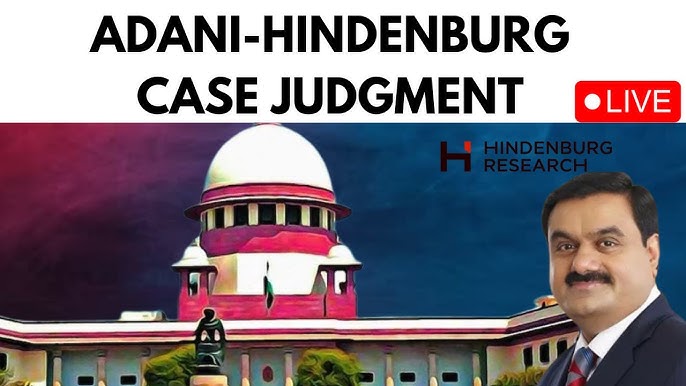
In a significant legal development, the Supreme Court of India has rendered its verdict on the Adani Hindenburg case, putting to rest the speculations and controversies surrounding the Adani Group. The ruling, delivered on January 3, emphatically states that there is no ground to transfer the investigation from the Securities and Exchange Board of India (SEBI) to a Special Investigation Team (SIT). This comprehensive article delves into the details of the case, the implications of the verdict, and the broader context of the Adani Group’s journey through legal scrutiny.
The Adani Hindenburg case gained prominence in January 2023 when US-based short-seller Hindenburg Research published a report accusing the Adani Group of accounting fraud and stock manipulation. The report, which sent shockwaves through the financial markets, alleged irregularities within the conglomerate led by billionaire Gautam Adani. The accusations triggered a massive sell-off of Adani group stocks, resulting in a substantial loss of market value.
The Supreme Court, led by Chief Justice DY Chandrachud, asserted that it cannot intervene in the domain of the regulatory framework. The ruling emphasizes that reports from third parties, such as Hindenburg Research, cannot be the sole basis for initiating a separate probe. The court maintained faith in SEBI’s ability to handle the case within its regulatory purview.
Dispelling any doubts about SEBI’s competence, the court directed the Securities and Exchange Board of India to proceed with its investigation according to the law. This decision underscores the court’s confidence in SEBI’s regulatory capabilities and its commitment to uncovering any potential wrongdoing.
In March 2023, the Supreme Court formed a six-member panel, led by retired Supreme Court judge AM Sapre, to investigate regulatory failures by SEBI and alleged breaches of laws by the Adani Group. The committee’s subsequent report, submitted two months later, highlighted certain concerns about Foreign Portfolio Investors (FPI) regulations but found no evidence to support the allegations of stock price manipulation or violations of Minimum Public Shareholding (MPS) norms.
The Supreme Court rejected the plea to transfer the case to a Special Investigation Team (SIT), emphasizing that such a move would not be appropriate without evidence of lapses on SEBI’s part. This decision reaffirms the court’s commitment to allowing regulatory bodies to carry out their functions independently.
Billionaire Gautam Adani, the founder of the Adani Group, welcomed the Supreme Court’s verdict, stating that truth has prevailed. He expressed gratitude to those who stood by the conglomerate during the challenging period. Adani’s response reflects the relief felt within the group and underscores its commitment to contributing to India’s growth.
Following the Supreme Court’s favourable verdict, Adani Group stocks experienced a surge in the stock market. Analysts and experts weighed in on the decision, with some suggesting that the negativity surrounding the allegations had significantly diminished. The stock prices of Adani Group companies witnessed profit booking, with expectations of a positive trajectory in the near term.
The Supreme Court’s judgment in the Adani Hindenburg case sets a crucial precedent for regulatory matters involving major conglomerates. It underscores the importance of allowing regulatory bodies like SEBI to conduct thorough investigations and dispels the notion that third-party reports alone can dictate legal proceedings. As the Adani Group looks ahead, the focus will likely shift towards enhancing corporate governance, transparency, and adherence to regulatory norms.
In conclusion, the Supreme Court’s decision in the Adani Hindenburg case marks a significant chapter in the conglomerate’s history. The judiciary’s support for regulatory processes reaffirms the principles of fairness and due diligence. As the Adani Group emerges from this legal battle, the spotlight now turns to its continued contributions to India’s economic growth and the lessons learned in navigating the complexities of global financial markets.















 SOCIAL PERSPECTIVES