“Navigating India’s Fiscal Landscape: Unraveling the Dynamics of the 2024-2025 Interim Budget”**
In the intricate tapestry of India’s financial strategies, the 2024-2025 Interim Budget holds a pivotal place. Presented by Finance Minister Nirmala Sitharaman, this budget sets the stage for parliamentary authorization, delving into taxation, pending purposes, and economic projections. This article unveils the nuances of the interim budget, exploring its impact on the nation’s fiscal health.
The budgetary process in India involves an interim budget presented by the government before a new government unveils a comprehensive budget in July. The duration between these budgets determines the financial trajectory for the upcoming fiscal year. While an interim budget typically refrains from major policy announcements, it provides insights into the government’s fiscal stance.
Finance Minister Sitharaman’s succinct 58-minute speech marked a departure from her previous lengthy addresses. While speech duration doesn’t define a budget’s substance, the brevity reflects the interim nature of this budget, focusing on essential fiscal aspects. The primary objective revolves around responsible spending, with a major emphasis on containing the fiscal deficit.
India’s fiscal deficit, a critical metric, is effectively addressed in the interim budget. Sitharaman surpasses her own target, reducing the fiscal deficit from the projected 5.9% of GDP to an accomplished 5.8%. This achievement is crucial for maintaining economic stability and reflecting the government’s commitment to prudent financial management. The interim budget witnesses a strategic reallocation of resources, with cuts across various sectors. Capital expenditure, a crucial driver for economic growth, faces a reduction, raising concerns about its impact on job creation and private sector participation. The government’s confidence in curbing spending aligns with its anticipation of returning to power, steering the fiscal course cautiously.
While the interim budget aims to streamline fiscal matters and instil confidence, concerns linger. Cuts in critical sectors, including health and education, raise questions about the long-term impact on societal well-being. The projection of nominal GDP growth at 10.5% reflects a somewhat muted outlook, indicating potential challenges in the coming year.
As India stands at the crossroads of political transition, the 2024-2025 Interim Budget serves as a temporary guide to fiscal responsibilities. The government’s emphasis on fiscal discipline and deficit containment, lays the groundwork for the upcoming administration. While challenges persist, the interim budget acts as a bridge, connecting the current financial landscape to the uncertainties and promises of the future.
India unveils a grand master plan to construct a state-of-the-art sports enclave in Ahmedabad, Gujarat, as part of its bid to host the 2036 Olympics. The plan includes six new stadiums, a multi-use public plaza, and sustainable infrastructure, aimed at creating a long-term legacy. With a deadline set for completion in three years, India is determined to meet the necessary requirements and showcase its ability to host global sporting events.
India’s aspiration to host the 2036 Olympics has taken a significant step forward with the unveiling of a grand master plan for the construction of a state-of-the-art sports enclave in Ahmedabad, Gujarat. This ambitious plan aims to create world-class infrastructure that will meet the requirements of hosting the prestigious event.
Ahmedabad, the vibrant city of Gujarat, has been selected as the potential host for the 2036 Olympics. With its rich cultural heritage and growing prominence, Ahmedabad is poised to become an international hub for sports and entertainment.
The master plan for the sports enclave in Ahmedabad has already been prepared, outlining the development of six new stadiums. These stadiums will be strategically located around the existing Narendra Modi cricket stadium, within a radius of 2 to 2.5 km along the riverfront. The plan includes considerations for broadcasting, security, media operations, transportation, crowd movement, and visitor experience.
The proposed Olympic Arena in the Sardar Vallabhbhai Patel enclave will boast state-of-the-art infrastructure. Each stadium within the enclave will have its own individual capacity, with the largest being the football stadium, estimated to accommodate around 53,000 spectators. Other stadiums include an aquatic centre with a capacity of 12,000 for swimming events, an arena for basketball and gymnastics with a capacity of 18,000, and two additional arenas for indoor games like handball and basketball.
The Sardar Vallabhbhai Patel enclave is designed with a long-term legacy and sustainability in mind. The master plan ensures that the infrastructure will have multifunctional and multipurpose venues, allowing flexibility for hosting various events even after the Olympics. The venues will be designed with sustainability features, such as being powered by renewable energy, aligning with the city’s long-term development plans.
Alongside the sports enclave, the master plan includes the construction of a landmark structure called Unity. This multi-use public plaza along the riverfront will serve as an event space, hosting cultural events, festivals, and temporary markets. The design incorporates amenities, food and beverage facilities, and convenient access from the metro station, making it a lively destination for daily visitors as well.
To ensure seamless connectivity, the master plan includes provisions for transportation around the venue. The upcoming multimodal transport hub, including the Ahmedabad-Mumbai Bullet train, Ahmedabad-Gandhinagar Metro rail, and Ahmedabad city bus service, will connect all the venues and enhance accessibility for athletes, officials, and spectators.
While there is no fixed deadline for the decision on the host city, it is expected to be made around 2026 or 2027. The construction work for the Sardar Vallabhbhai Patel enclave is set to begin in September or October of this year, with a projected completion timeline of three and a half years. India aims to have the infrastructure ready well in advance to confidently pitch its bid to host the 2036 Olympics.
India’s ambitious plan to host the 2036 Olympics in Ahmedabad showcases the nation’s determination to establish itself as a global sporting destination. The master plan, with its focus on state-of-the-art infrastructure, sustainability, and legacy, promises to create a world-class sports enclave. As the construction work begins, India is gearing up to meet the necessary requirements and position itself as a frontrunner in the race to host the prestigious international event.
The main goal of India’s plan to host the 2036 Olympics in Ahmedabad is to establish the city and the country as a global sporting destination. By hosting the Olympics, India aims to showcase its ability to organize and execute a large-scale international event, demonstrating its infrastructure capabilities, hospitality, and cultural richness to the world. The plan also aims to create a long-term legacy by developing state-of-the-art sports infrastructure that can be utilized even after the Olympics for various sporting events, ensuring the sustained growth of sports in the region. Additionally, hosting the Olympics will boost tourism, promote economic development, and inspire the younger generation to participate in sports and lead a healthy lifestyle.
Navigating the Agricultural Tax Maze: Decoding India’s Complex Landscape
In the diverse tapestry of India’s tax landscape, the treatment of agricultural income emerges as a distinctive thread, intricately woven with specific regulations and exemptions. This comprehensive exploration dives deep into the complex facets of agricultural income taxation, deciphering exemptions, potential liabilities, and the intricate challenges confronting the agriculture sector.
India’s agricultural sector, the backbone of its economy, faces a unique set of challenges in the realm of taxation. At the core of this discussion is Section 10(1) of the Income-tax Act, a pivotal provision that exempts agricultural income from direct taxation. Rooted in an understanding of the uncertainties ingrained in farming, this exemption serves as a mechanism to fortify farmers, enabling them to reinvest in their farms for sustainable growth.
Section 10(1) stands as the linchpin of this discourse, explicitly carving out agricultural income from the realms of taxation. The motivation behind such an exemption is clear – to ease financial burdens on farmers, acknowledging the volatile nature inherent in agricultural pursuits. This provision erects a protective shield, preventing the Central Government from imposing or levying taxes on agricultural income.
The locus of authority for taxing agricultural income is under Entry 46 in the “State List” of the Constitution. This decentralization bestows exclusive legislative powers upon state governments to formulate laws imposing taxes on agricultural income. However, navigating state-level variations introduces a layer of complexity, reflecting the diverse agricultural practices and economic conditions prevailing across the myriad states.
The Goods and Services Tax (GST), a formidable indirect tax framework in India, extends a benevolent exemption to small-scale agriculture. Basic produce sold in its fresh, unprocessed form often escapes the GST net, aligning with the overarching goal of nurturing the agricultural sector’s pivotal role in India’s economic tapestry.
Within the realm of exemptions, complexities abound. While Section 10(1) stands as a bastion of exemption, state governments can exercise their prerogative to impose taxes if agricultural revenues transcend a stipulated threshold. This nuanced layer introduces a level of intricacy, with state-level regulations weaving their own distinct patterns.
Taxing agricultural income presents innate challenges, primarily owing to the demographic landscape of agriculture. A staggering 95% of total assets in this sector are owned by small and marginal farmers, leaving a mere 5% potentially liable for taxes. The confluence of limited revenue potential and the labyrinthine task of accurately assessing agricultural income amplifies the inherent challenges in taxing farmers.
A dichotomy unfolds in the distinction between agricultural and non-agricultural income. The former encompasses revenue derived from a spectrum of activities – cultivating crops, raising livestock, producing dairy goods, and engaging in poultry farming. Conversely, non-agricultural income spans a diverse array of sources, including beekeeping and poultry farming.
Indian agriculture grapples with a myriad of challenges intricately entwined in its fabric. Climate change, erratic monsoons, and soil degradation pose existential threats. Economic woes manifest in low incomes, restricted credit access, and market volatility. The labyrinthine institutions, characterized by complex land ownership and tenure systems, impede progress and amplify the sector’s struggles.
The exemption of agricultural income from direct taxation in India reveals a nuanced understanding of the challenges entrenched in the agricultural sector. However, this exemption is not isolated; it grapples with complexities, from nuanced state-level variations to evaluating income for small and marginal farmers. As India navigates the labyrinth of balancing economic imperatives with fortifying its agrarian backbone, the taxation of agricultural income emerges as a dynamic facet of the nation’s fiscal policies. Unravelling these complexities places India at a crossroads, delicately balancing the interests of farmers, economic sustainability, and tax transparency. This journey through exemptions and challenges is a testament to the intricate dance between historical commitments, constitutional provisions, and socio-economic dynamics shaping the fiscal policies of a nation deeply rooted in its agricultural heritage.
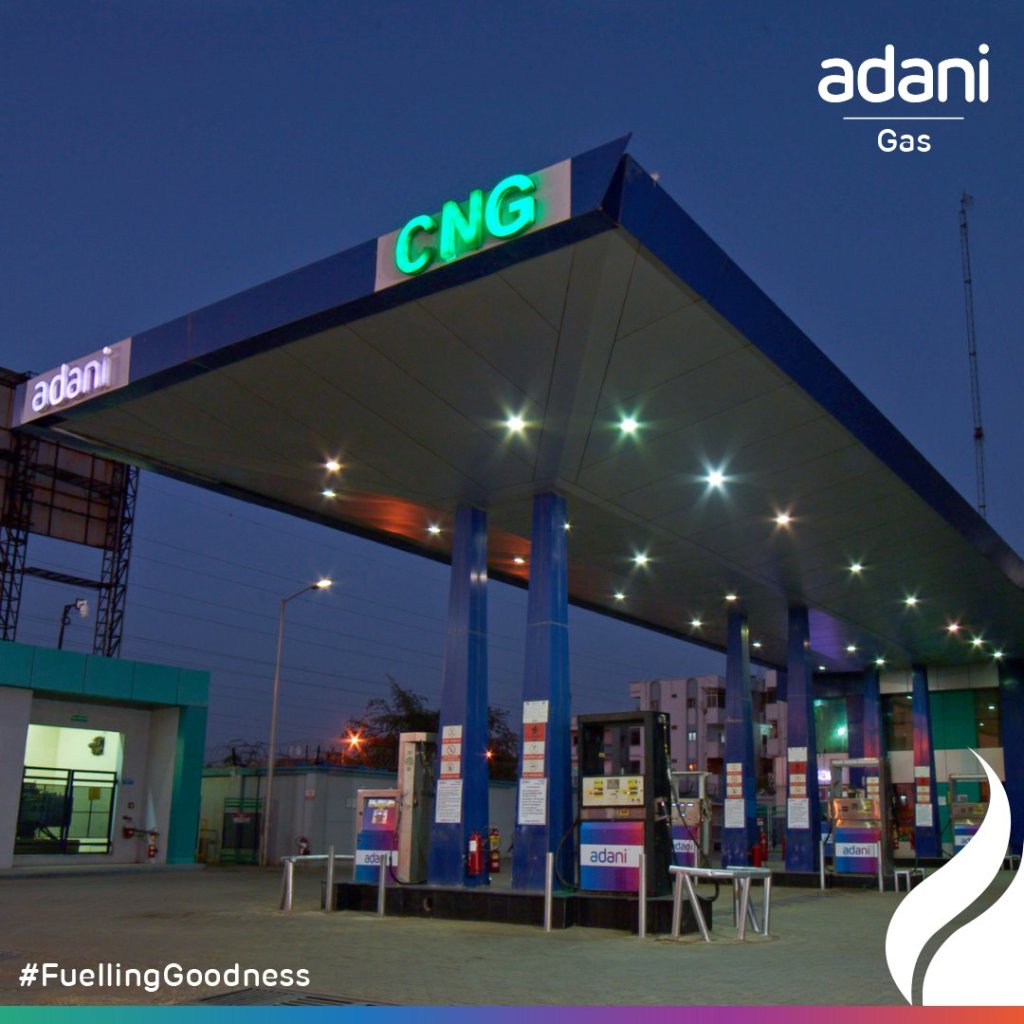
Adani Total Gas Limited: Transforming India’s Energy Landscape
India’s energy sector is undergoing a profound transformation, and at the forefront of this revolution stands Adani Total Gas Limited (ATGL). Originally incorporated as ‘Adani Gas Limited’ in 2005, the company’s strategic evolution and visionary partnerships have positioned it as a key player in India’s journey towards a sustainable and greener energy landscape.
ATGL’s journey takes a significant turn with its transformation from Adani Gas Limited to Adani Total Gas Limited in 2021. This shift in nomenclature aligns with the company’s expanded vision and strategic collaborations. In 2019, global energy behemoth Total invested $600 million to acquire a stake in Adani Gas Ltd., paving the way for Adani Total Gas. This partnership marked a momentous milestone, creating synergies between two industry giants with a shared commitment to bolstering India’s energy sector.
As of the latest financial reports, Adani Total Gas boasts a robust net worth of (market capitalisation ) ₹ 1,14,204 Cr as on 30-Jan-2024, a testament to its financial strength and stability. The ownership structure reveals a commanding 74.8% (As of December 2023) stake held by the Adani Group owners, showcasing their unwavering commitment to the company’s potential. The balanced distribution of the remaining 25.2% among retail and institutional investors signifies a harmonious collaboration for future growth.
The journey of Adani Total Gas is marked by a commitment to growth and adaptability. The name change in 2021 represents more than just a rebranding—it signifies a strategic shift possibly aligned with an expanded portfolio and a vision for the future that goes beyond conventional boundaries.
With a direct workforce ranging around 1,000 employees in India, Adani Total Gas is not just a business entity but a significant contributor to employment in the country. The overall employee satisfaction rating of 3.4 out of 5 reflects a generally positive work environment. Approximately 73% of employees would recommend working at Adani Total Gas to a friend, and 65% express a positive outlook for the business, indicating a workplace that fosters growth and contentment.
Headquartered in Ahmedabad, India, Adani Total Gas’s strategic location serves as a hub for its operations and decision-making processes. This local presence, coupled with a global vision, positions the company as a key player in India’s energy landscape.
Adani Total Gas has set ambitious yet achievable targets for the future. With a vision to impact approximately 10% of the population across different geographies ,the company is aligning its growth trajectory with India’s broader goal of transitioning towards a gas-based economy. This forward-looking vision encapsulates the essence of Adani Total Gas as a catalyst for transformative change.
Adani Total Gas Ltd. has unveiled an ambitious initiative, revealing its commitment to deploy 75,000 electric vehicle charging stations by the year 2030. Gautam Adani, highlighted the pivotal shift in the company’s operational vehicle fleet, spanning an impressive 37 million kilometres annually, as it transitions from diesel to compressed natural gas. This strategic move not only signifies a commitment to sustainable practices but positions Adani Total Gas as a key player in fostering the adoption of electric vehicles and contributing to the evolution of eco-friendly transportation solutions.
Adani Total Gas is not just a standalone entity; it is an integral part of the Adani Group—a diversified conglomerate comprising 10 publicly traded companies. The group’s expansive portfolio spans various sectors, including resources, logistics, energy, agro, real estate, public transport infrastructure, consumer finance, and defense. Headquartered in Ahmedabad, Gujarat, the Adani Group has emerged as a leader in India’s integrated infrastructure landscape.
The strategic listing of Adani Total Gas on stock exchanges was a calculated move to become the largest city gas distribution (CGD) company in India. As part of this process, equity shares were allotted to existing shareholders of Adani Enterprises at a 1:1 ratio. Retaining a dominant 74.8% stake post-listing reaffirms the Adani Group’s confidence in the company’s potential and signifies a commitment to unlocking shareholder value.
To tap into India’s growing gas market, Adani Gas has outlined ambitious plans, earmarking over ₹8,000 crores in investments over the next five years. This substantial commitment positions the company as a key player in meeting the escalating demand for clean and green energy. With India’s CGD consumption projected to rise significantly, Adani Total Gas is strategically positioned to be a major contributor to the nation’s energy landscape.
In conclusion, Adani Total Gas Limited emerges as a dynamic force propelling positive change in India’s energy landscape. Through its strategic vision, commitment to sustainability, and innovative initiatives, ATGL not only addresses the evolving energy needs of the nation but also sets benchmarks for responsible and progressive business practices.
As ATGL continues to grow and diversify, its impact on India’s energy sector is poised to be transformative. The company’s commitment to a cleaner, greener future aligns with global sustainability goals, and its pioneering efforts in LNG for transport and mining underscore a dedication to reducing carbon footprints. Adani Total Gas is not merely a business entity; it is a driving force in India’s journey towards a gas-centric, environmentally conscious future.
The Mysterious Murder of Divya Pahuja: Unravelling the Truth- A Shocking Tale of Love, Betrayal, and Intrigue
In a heart-wrenching incident that sent shockwaves across the nation, the lifeless body of 27-year-old model Divya Pahuja was discovered in a Gurugram hotel room. What initially seemed like a straightforward case turned into a complex web of criminal connections, exposing a disturbing love triangle. This comprehensive article delves into the intricacies of the case, shedding light on the events leading to the tragedy, the involved suspects, and the lingering mysteries that continue to perplex investigators.
Divya Pahuja, a budding model and first-year college student, met an untimely demise on January 2nd. Her involvement with Abhijeet Singh, a man associated with a rival gangster, added an unexpected layer of complexity to the case. The police initially suspected her of collaborating with law enforcement against a notorious gangster, Sandeep Gadoli, but the true motives behind her association with criminal activities remain elusive.
Before her tragic end, Divya spent seven years behind bars for her alleged role in a criminal conspiracy. Incarcerated at the tender age of 17, her time in prison significantly impacted her life. Despite her aspirations to pursue a career in law, inspired by her lawyer Divya struggled to reintegrate into society after her release, particularly in the challenging environs of Gurgaon.
At the center of the investigation is Abhijeet Singh, a 56-year-old with connections to Divya. Initially suspected due to his ties with Binder Gujar, a rival gangster, Abhijeet’s role took a surprising turn. Living in a relationship with Divya, according to the police, raised eyebrows, especially as Divya’s family vehemently denied such claims. CCTV footage from the fateful day shows Divya, Abhijeet, and another individual, Balraj Gill, entering a hotel, casting a mysterious shadow over the unfolding events.
Growing concerned over Divya’s sudden unavailability, her family traced her to Abhijeet’s residence using location-sharing features. The discovery of Divya’s phone with Balraj Gill heightened their worries, prompting them to involve the police. The hotel room assigned to Abhijeet was found empty initially, adding to the suspense. It was only later that Divya’s lifeless body emerged from the Bhakra Canal in Haryana, intensifying the tragedy.
As investigators delve into the case, a plethora of unanswered questions and conflicting statements emerge. Abhijeet alleges blackmail by Divya, citing explicit content as leverage. However, with Divya’s missing phone, essential to verifying these claims, the truth remains elusive. Divya’s family refutes Abhijeet’s accusations, portraying him as a constant source of pressure on Divya.
The perplexing murder of Divya Pahuja unfolds, revealing intricate layers of complexity and uncertainty. As law enforcement delves into motives, the nation collectively awaits justice for the life tragically lost. The profound tragedy and the web of intricate connections underscore the hidden depths within society, prompting reflections on the intricate dynamics of human relationships and the capricious nature of fate.Divya’s narrative, transitioning from an aspiring model to a tragic victim, accentuates life’s delicate fragility. Her journey, tainted by the shadows of crime and conspiracy, culminates in a chilling act of murder, inviting society to contemplate the dark intricacies woven into its fabric. While investigators navigate the labyrinth of clues, the nation watches in anticipation, yearning for closure in a case that lays bare the concealed shadows. From entanglement in her formative years to a shocking end in her twenties, Divya’s tale stands as a poignant reminder of the unpredictable twists and turns that define human existence.
“Decoding the Fiscal Landscape: Expectations and Implications of India’s Interim Budget”
As Finance Minister Nirmala Sitharaman gears up to present the final Budget under the current Narendra Modi government on February 1, 2024, anticipation and speculation surround the financial roadmap ahead of the Lok Sabha elections. This article delves into the expectations, strategic considerations, and potential outcomes of the Interim Budget, exploring diverse sectors and policy avenues.
The looming Lok Sabha elections set the stage for an Interim Budget or a Vote on Account, offering a glimpse into the government’s fiscal stance. Indian funds, insurers, and banks adjust their positions, expecting a fiscally conservative approach with no pre-election spending surprises.
Simultaneously, global investors keenly await cues from the US Fed, contemplating the onset of a rate cut cycle and the likelihood of a soft landing in the United States. The interconnectedness of global economies amplifies the significance of these decisions, impacting markets worldwide.
The absence of the Economic Survey on January 31 underscores the interim status of the budget. With no full-fledged Budget session, Finance Minister Sitharaman confines her announcements to the Interim Budget 2024, refraining from major policy changes.
Addressing the burning question of whether tax slabs will change in 2024, indications are that the income tax slab and rates under the new tax regime will remain consistent across all categories of taxpayers. This stability provides a foundation for understanding the broader economic strategies outlined in the budget.
Exploring the reasons behind an Interim Budget in 2024, many elucidate that, aligned with pre-election patterns, the budget is poised to be populist. Sectors such as EV, fintech, education, automotive, and infrastructure are expected to receive a boost, contributing to the government’s inclusive growth narrative.
Delving into specific sectors, the ‘Make in India’ initiative takes centre stage, with a focus on promoting India as a global manufacturing hub. The government’s commitment to the growth of MSMEs remains a priority. Additionally, a technological transformation journey is outlined, encompassing digital infrastructure, domestic hardware manufacturing, and legislative measures like the Digital Personal Data Protection Bill.
Recognizing the imperative of job creation, the government may emphasize tourism and the development of unexplored tourist places. This multi-pronged approach is anticipated to boost tourism, generate employment, and contribute to the growth of related sectors.
Performance concerns in the fintech sector may lead to tax holidays, while efforts toward achieving ‘Net-Zero’ emissions could result in incentives. The education sector, having seen limited changes in the previous year, may witness provisions for foreign universities and higher education institutions. Healthcare, particularly under the Ayushman Bharat scheme, is expected to receive increased investment in innovation and research.
The National Logistics Policy introduced in the previous year is expected to be strengthened, with a focus on EV infrastructure and green energy transition. The government might address demands for GST rate reductions in various sectors, with attention to ground-level movements monitored by the GST Council.
Budget 2024 is anticipated to navigate India’s economic landscape with a focus on digital transformation, inflation reduction, and employment generation. Public-private partnerships are expected to play a pivotal role in achieving sustainable development goals. While no spectacular budget announcements are predicted, the government aims to consolidate India’s position in the global market amidst the ongoing global socio-economic challenges.
As the Interim Budget unfolds, the article foresees increased capex outlays on physical and digital infrastructure. However, a cautious approach toward fiscal deficit is likely to prevail. The government’s push for taxpayers to embrace the new regime may see revisions, making it more appealing by allowing deductions for HRA and interest on home loans. The article emphasizes the need to align exemption limits for children’s education allowance with prevailing cost inflation indices, urging a realistic revision.
Even though no ground breaking budget announcements are expected on February 1, the article encourages hope for a comprehensive Union budget in July 2024, served with the essential ingredients for a robust economy and a stable taxation regime. The overarching goal remains the consolidation of India’s global standing, and the Interim Budget serves as a crucial step toward achieving that vision.
visit arjasrikanth.in/@DrArjasreekanth for more insights
Unveiling the Gyanvapi Controversy: ASI Report, Legal Battles, and Political Implications
The Gyanvapi mosque complex in Varanasi has become the epicentre of a heated controversy following the recent release of the Archaeological Survey of India (ASI) report. The ASI’s findings, suggesting the presence of a large Hindu temple predating the mosque, have intensified the longstanding legal battles and raised questions about the historical and religious narrative of the site.
The Gyanvapi case originated in 1991 when a petition was filed seeking the right to worship in the Gyanvapi complex. The contention was that the mosque, constructed in 1669 during Aurangzeb’s rule, was built over a demolished Hindu temple. Fast forward to 2021, five Hindu women filed a civil suit, reigniting the legal dispute.
The ASI’s survey, conducted after the discovery of a Shiva lingam in May 2022, spans over 800 pages and suggests the existence of a Hindu temple before the mosque’s construction. The report highlights reused pillars, inscriptions in various scripts, and identifies the western wall as a remaining part of the pre-existing temple. The findings reveal a complex historical layering, with the temple’s remains incorporated into the mosque.
Crucial to understanding the legal intricacies is the Places of Worship Act of 1991. This legislation sets August 15, 1947, as the cut-off date for determining the religious status of structures. Its purpose is to prevent litigations similar to the Ayodhya case. While the ASI report adds a historical dimension, the legal focus remains on the state of the structure in 1947.
The Gyanvapi case involves challenges to the maintainability of the suit under the Places of Worship Act. The Muslim petitioners argue that the ASI report is just one piece of evidence and not a conclusive decision. The district court ruled in favor of the Hindu petitioners, allowing the suit to proceed, emphasizing continuous worship even after 1947. The ASI report is subject to legal scrutiny and cross-examination, a process reminiscent of the Ayodhya case.
The political and social implications of the Gyanvapi case are profound, especially post the Ayodhya Ram temple inauguration. The ASI report’s public release, just days after the Ayodhya event, adds complexity to the legal and political dynamics. Political parties, have been cautious in their responses, acknowledging the judicial nature of the matter. However, the potential political ramifications remain uncertain, and the case may become a focal point in the upcoming political discourse.
As the Gyanvapi case unfolds, it provides a nuanced intersection of law, history, and communal sentiments. The ASI report, while shedding light on the historical layers of the site, is not a conclusive verdict. The legal battles, centered around the Places of Worship Act, will shape the case’s trajectory. The Supreme Court’s role in determining the suit’s maintainability and any potential changes to existing laws will further influence the outcome. In the midst of these legal deliberations, the Gyanvapi controversy resonates as a pivotal chapter in India’s socio-religious narrative, prompting reflections on the delicate balance between history, law, and the political landscape.
The challenges faced by Tata Steel and ArcelorMittal highlight the complex interplay between environmental concerns, economic viability, and the future of steel production in the UK and Italy.
In the ever-evolving landscape of industry, the steel production sector stands as a crucible of challenges and controversies. At the forefront of this unfolding saga are two Indian steel giants – Tata Steel and ArcelorMittal – whose operations in the UK and Italy exemplify the intricate dance between environmental concerns, economic viability, and the future trajectory of steel production. As the global steel industry faces unprecedented scrutiny over its environmental impact and sustainability practices, the struggles of Tata Steel and ArcelorMittal take centre stage, prompting profound introspection on the direction of steelmaking in the 21st century.
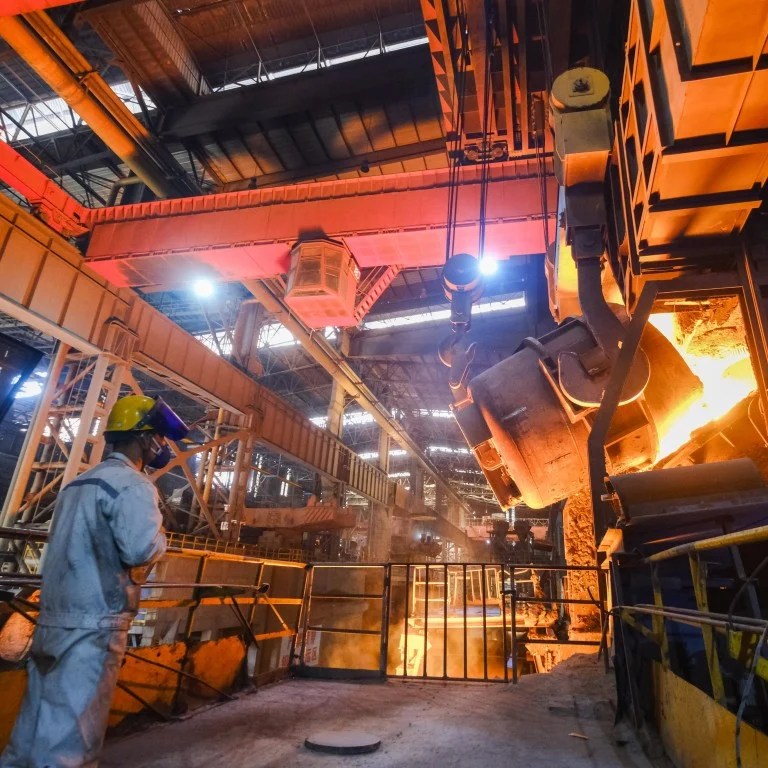
Tata Steel, a towering presence in the industry, has captured headlines with its bold decision to close two coal-fired blast furnaces at its Welsh steelworks. This strategic shift, aimed at transitioning to greener and more cost-effective steelmaking, comes at a significant human cost – nearly 3,000 workers are set to lose their jobs by the end of 2024. While Tata Steel emphasizes the necessity of these measures for long-term sustainability, a wave of worker unrest, union discontent, and political backlash has become a significant hurdle in their path.
The company’s vision unfolds a narrative of change – a shift towards electric arc furnaces, promising lower emissions and a reduced carbon footprint. Tata Steel’s ambitious plan includes a substantial investment in modernizing its facilities, with the audacious goal of transforming the Port Talbot facility into a premier center for green steelmaking in Europe. Despite the short-term pain inflicted by job losses, Tata Steel remains committed to reshaping the narrative of steel production in the UK.
Across the Mediterranean, ArcelorMittal’s steel plant in Taranto, Italy, grapples with a distinct yet equally formidable set of challenges. Accusations of emitting cancer-causing chemicals and the burden of significant debts have pushed the plant to the brink. An Italian court’s decision to permit the suspension of gas supply to the Mittal plant has escalated the crisis, creating a perfect storm of environmental and economic concerns.
In a bid to avert an economic catastrophe and mass unemployment, the Italian government is contemplating a takeover of the Taranto plant. With debts totalling $200 million and environmental allegations looming large, ArcelorMittal’s operation in Italy hangs in the balance. The situation underscores the delicate equilibrium between economic imperatives and environmental responsibilities, echoing the challenges faced by steel producers globally.
ArcelorMittal’s struggles in Italy are not isolated incidents. The steel giant has been grappling with financial concerns, marked by record-low production of around 3 million mt of crude steel in 2023 at its Taranto mill, well below the estimated breakeven point of 6 million mt. This financial strain adds an extra layer of complexity to the environmental and economic challenges the company faces.
Both Tata Steel and ArcelorMittal find themselves at the crossroads, navigating the intricate web of economic viability and environmental responsibility. Tata Steel’s commitment to invest 1.25 billion pounds sterling, with a significant government contribution, signals a bold step towards greener steelmaking. The shift towards electric arc furnaces aligns with global efforts to reduce carbon emissions and embrace sustainable practices.
In stark contrast, ArcelorMittal’s struggles in Italy emphasize the paramount importance of upholding environmental standards in heavy industries. The potential government takeover serves as a stark reminder that regulatory compliance and corporate responsibility are non-negotiable, even for industry giants.
The closure of Tata Steel’s blast furnaces in the UK has sent shockwaves through the nation, prompting anxieties among workers, unions, and politicians. Accusations labeling it “industrial vandalism on a grand scale” have ignited fervent calls to retain at least one operational blast furnace during the upgrade. This clash between economic strategies and worker livelihoods illuminates the intricate challenges of managing transitions in heavy industries. Concerns extend beyond the immediate workforce, reaching into the heart of the UK’s economy and employment landscape. As the country’s second-largest steelmaker, Tata Steel employs approximately 15,000 individuals directly. While the closure is anticipated to bring cost savings, it may usher in job cuts and a decline in steel production, posing broader ramifications for both the UK’s steel sector and the global steel market.
In Italy, the fate of ArcelorMittal’s Taranto plant has become a focal point for the government’s delicate balancing act between economic intervention and environmental considerations. The demand for a “drastic intervention” to save the steel plant reflects the intricate dance between economic imperatives and environmental consciousness.
The challenges faced by Tata Steel and ArcelorMittal in the UK and Italy serve as poignant reminders of the broader issues confronting the global steel industry. Striking the delicate balance between economic imperatives and environmental sustainability is an intricate dance, one that demands innovative solutions and collaborative efforts.
As these steel giants navigate the uncertain terrain ahead, the outcomes of their struggles will undoubtedly shape the future trajectory of steelmaking. The industry, long associated with its carbon footprint, must rise to the challenge and lead the way toward a cleaner, brighter tomorrow. The narratives of Tata Steel and ArcelorMittal underscore the need for a nuanced approach that considers not only the environmental impact but also the livelihoods of those dependent on the steel sector.
The future of steel production hinges on the industry’s commitment to sustainability, responsible corporate practices, and a harmonious coexistence with the planet. Navigating the complex interplay between economic viability and environmental responsibility requires strategic vision, adaptability, and a genuine commitment to forging a sustainable future amidst the turbulence of change. As the steel industry grapples with these challenges, the global community watches closely, hoping for a transformation that ensures a thriving industry without compromising the health of our planet.
Explore the intricate dance of alliances and strategic moves that define Nitish Kumar’s political journey in Bihar’s ever-changing political landscape.
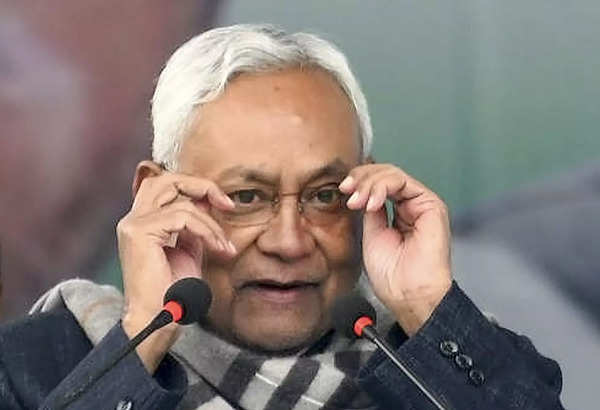
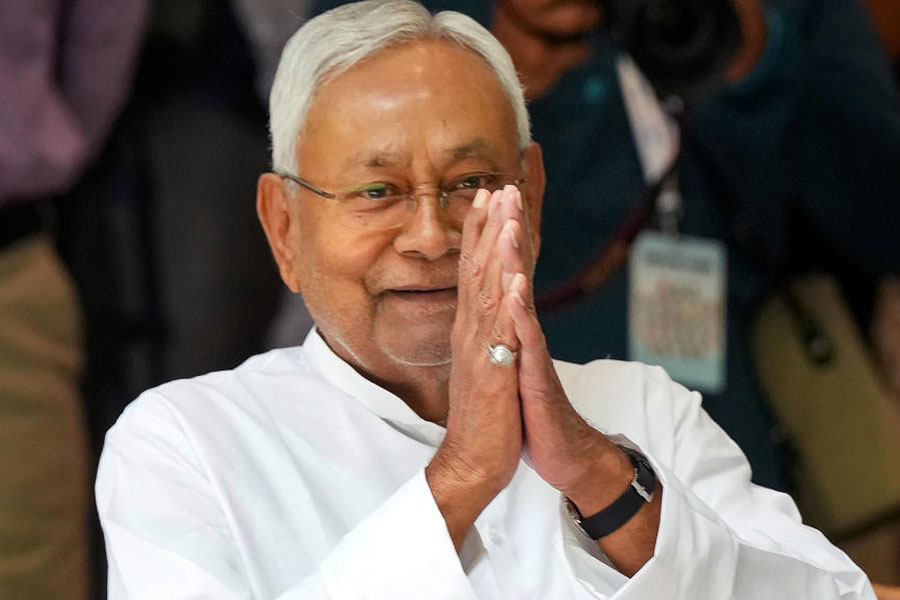
In the complex realm of Indian politics, Nitish Kumar stands as a crucial figure, adeptly navigating Bihar’s ever-changing alliances and power dynamics. This analysis unveils the nuanced complexities of Kumar’s political journey, offering insights into his leadership, alliances, and the defining challenges he has encountered.
Central to Nitish Kumar’s political acumen is a profound understanding of public sentiment. His strategic decisions, like supporting specific BJP policies to counter opposition strengths, underscore his political intelligence. Notably, his endorsement of demonetization reflects a keen grasp of prevailing public sentiments, showcasing Kumar’s ability to align with the pulse of the people. In Bihar’s intricate political tapestry, Nitish Kumar remains a pivotal player, leaving an indelible mark on the state’s political landscape.
Despite Nitish Kumar’s political astuteness, his alliances faced turbulence, especially with members like Laloo Yadav positioning successors to erode Kumar’s authority. Sensing loyalty shifts, Kumar explored alternative alliances, only to find himself isolated without the anticipated support.
The potential merger of Nitish Kumar’s JD(U) and Congress, leveraging Kumar’s political stature, presented a mutually beneficial opportunity. However, political calculations prevailed, trapping Nitish between the RJD and BJP. This missed opportunity becomes a significant episode in Bihar’s political chronicle, symbolizing the intricacies and missed potentials of Kumar’s political journey.
Janata Dal (United), once a formidable political force, is now on a descending trajectory. Nitish Kumar’s shift to the Mahagathbandhan seems to have sealed JD(U)’s fate, leaving it without a distinctive ideological stance or a dedicated voter base. This decline is evident in successive election outcomes.
As Nitish Kumar grapples with the intricate dynamics of Bihar politics, his future remains uncertain. Speculations about a potential shift to the centre raise concerns about his potential marginalization in a government dominated by RJD. The challenge of sustaining relevance in Bihar politics, particularly after being dubbed “Paltu Ram,” casts a looming shadow over Kumar’s political landscape.
Bihar’s political landscape has witnessed a substantial metamorphosis, with RJD and BJP emerging as dominant forces while Nitish Kumar orbits between them. The state’s political trajectory appears to be a continuous tug-of-war between these poles, presenting Nitish with limited options and a dynamic role in the ever-evolving political scenario. The intricacies of Bihar’s political dynamics pose challenges and uncertainties for Nitish Kumar as he navigates through the shifting alliances and power plays, underscoring the complexity of the political tapestry in the region.
In Bihar’s ever-evolving political landscape, Nitish Kumar’s journey unfolds with strategic moves, intricate alliances, and a dynamic political narrative. As Bihar and the nation brace for future elections, Nitish Kumar’s role becomes pivotal in shaping the state’s political trajectory. The intricate dance of alliances and political manoeuvres persists, transforming Bihar into a political theatre where alliances shift, power plays unfold, and Nitish Kumar retains a central role in this ongoing political odyssey. The fluidity of political dynamics in Bihar adds an element of uncertainty, making each move by Nitish Kumar significant in the larger narrative of the state’s politics.
Martyrs’ Day, observed on 30th January, is a solemn occasion commemorating those who sacrificed their lives for freedom, justice, and equality. This day holds immense significance, serving as a reminder of the struggles faced by brave individuals and their impact on shaping a better future. In this article, we explore the multifaceted importance and enduring relevance of Martyrs’ Day in today’s world.
Martyrs’ Day finds its roots in the assassination of Mahatma Gandhi, the revered Father of the Nation, on 30th January 1948. Mahatma Gandhi’s commitment to non-violence and tireless efforts for India’s independence left an indelible mark on history. His tragic demise underscores the challenges faced by those advocating for justice and freedom.
In today’s complex world, Martyrs’ Day stands as a poignant reminder that the struggle for justice, equality, and peace is an ongoing journey. The sacrifices of the past inspire us to actively participate in shaping a better future. The day encourages reflection on the sacrifices made by those who fought against injustice and oppression, urging us to uphold their ideals.
Central to Martyrs’ Day is the philosophy of non-violence, as championed by Mahatma Gandhi. His principles of Ahimsa continue to resonate, emphasizing the power of peaceful resistance and dialogue. The day calls for a rejection of violence in all its forms, advocating for peaceful solutions to conflicts, a message crucial in today’s strife-ridden world.
Martyrs’ Day extends beyond commemorating prominent figures; it honours the unsung heroes who, without fanfare, fought for their beliefs. Their sacrifices instil gratitude and responsibility, urging us to cherish our freedom and contribute to building a just and inclusive society.
Martyrs’ Day serves as a catalyst for contemporary social movements, inspiring collective action against injustice. The sacrifices made by martyrs empower individuals to advocate for social change and work towards a more equitable society.
The day offers an opportunity to reflect on the leadership qualities displayed by martyrs. Their commitment, courage, and selflessness provide valuable lessons for current and future leaders, emphasizing the importance of integrity, empathy, and making personal sacrifices for the greater good.
Martyrs’ Day plays a crucial role in preserving the history and memory of those who sacrificed their lives. By ensuring their stories are not forgotten, future generations can understand the struggles endured in the pursuit of freedom and justice.
While rooted in specific historical contexts, Martyrs’ Day’s message transcends borders. It reminds us that the fight for justice and equality is a global endeavour, with struggles in one part of the world inspiring change in another, fostering a sense of solidarity.
Martyrs’ Day provides an opportunity for education and awareness initiatives. Educational institutions, community organizations, and individuals can use this day to raise awareness about the sacrifices made by martyrs, fostering dialogue and learning about the history of social movements.
It is a day to remember and honor the personal sacrifices made by individuals and their families. Expressing gratitude for their courage and resilience becomes paramount, as does providing support and recognition to those continuing to carry forward their legacy.
Martyrs’ Day emphasizes the power of unity and solidarity in the face of adversity. It calls upon individuals from diverse backgrounds to come together, transcending differences, and work towards common goals of justice, equality, and peace.
In conclusion, Martyrs’ Day holds immense significance and relevance in contemporary times. Through its commemoration of sacrifices, it inspires social movements, imparts leadership lessons, preserves historical memory, fosters global solidarity, promotes education and awareness, honours personal sacrifices, and calls for unity and solidarity. May the spirit of the martyrs continue to guide us in creating a world that embodies the principles of justice, equality, and peace.



















 SOCIAL PERSPECTIVES