• About

SOCIAL PERSPECTIVES

  • “”Gujarat’s Green Horizon: Vibrant Gujarat 2024 Paves the Way for a Sustainable Energy Revolution”

    January 11th, 2024

    “Prime Minister Narendra Modi, Billionaire tycoons Gautam Adani and Mukesh Ambani, join forces at the Vibrant Gujarat Summit 2024, pledging transformative investments for a sustainable and job-rich future.”

    Gujarat’s indomitable spirit was vividly demonstrated in the aftermath of the 2001 earthquake, showcasing resilience and determination. The swift recovery laid the groundwork for its ascent as an economic powerhouse, embodying a story of revival, growth, and relentless pursuit of success.

    In 2001, a strategic symphony of pro-business policies orchestrated by visionary leadership marked the beginning of Gujarat’s transformative era. Initiatives like the Vibrant Gujarat Summit became Modi’s commitment to fostering a business-friendly environment, attracting billions in commitments and solidifying Gujarat’s status as an economic powerhouse.

    The biennial Vibrant Gujarat Global Investors’ Summit stands as a pivotal catalyst, propelling the state’s economic growth to unprecedented heights. This transformative event has successfully garnered billions in investments, cementing Gujarat’s reputation as a preferred destination for both domestic and international investors. The summit’s influence extends far beyond its periodic occurrences, serving as a beacon that has thrust Gujarat to the forefront of India’s economic landscape.

    Gujarat, the thriving jewel of India’s west, has become the epicentre of an economic renaissance, driven by historical resilience, visionary leadership, and pro-business policies. The triumvirate of industrial giants—Gautam Adani, Mukesh Ambani, and the orchestrator of transformative change, join forces at the Vibrant Gujarat Summit. Together, they intricately weave a tapestry of sustainable growth, promising an era marked by economic prosperity and environmental sustainability. As they synergize their efforts, Gujarat emerges as a beacon of success, blending innovation, resilience, and strategic leadership.

    In a monumental announcement at the 10th Vibrant Gujarat Global Summit, (10-12 January 2024) Gautam Adani, a pivotal architect of Gujarat’s economic renaissance, left an indelible mark with his transformative commitment. Pledging an investment exceeding ₹2 lakh crores in the next five years, Adani’s bold move represents more than just a financial injection into the state’s economy. It stands as a resolute pledge to generate over 1 lakh direct and indirect jobs, underscoring Adani’s commitment to not only economic growth but also inclusive development. This visionary step positions Adani as a driving force, shaping Gujarat’s destiny and contributing significantly to the state’s socio-economic fabric. The magnitude of this commitment echoes beyond financial metrics, symbolizing a transformative era of job creation and economic prosperity for Gujarat.

    Gautam Adani’s vision transcends conventional investments, exemplified by the ground breaking announcement of the world’s largest green energy park in the expansive Rann of Kutch. Encompassing 725 square kilometres and boasting a capacity to generate 30 gigawatts of renewable energy, this project marks a paradigm shift towards sustainability. More than a colossal venture, it becomes a symbol of Adani’s unwavering commitment to Prime Minister Modi’s vision for a greener and cleaner India. The sheer magnitude of this undertaking, visible even from space, underscores Adani’s pioneering role in advancing sustainable initiatives. This green energy park signifies not just a project but a transformative force, propelling Gujarat into a future where environmental consciousness aligns seamlessly with economic progress.

    Mukesh Ambani, the visionary Chairman and Managing Director of Reliance Industries, reaffirmed his commitment to Gujarat’s green growth during the summit. Pledging significant investments, including the establishment of India’s premier carbon fiber facility and the ambitious Dhirubhai Ambani Green Energy Giga Complex in Jamnagar, Ambani aligns with Gujarat’s aspirations to be a global leader in sustainable development.

    Prime Minister Narendra Modi stands as the chief architect of transformative change in India, embodying unwavering commitment through visionary initiatives. His leadership is evident in ground breaking campaigns like the Swachh Bharat Abhiyan and the ambitious Make in India initiative, reshaping the economic landscape and positioning India as a global player.

    In the intricate tapestry of Gujarat’s economic evolution, the threads woven by visionaries transcend mere financial investments; they symbolize a profound commitment to a sustainable future. Modi’s transformative leadership, Adani’s ground breaking pledge and Ambani’s visionary investments, converge to propel Gujarat into a future marked by resilience, innovation, and strategic growth. Beyond monetary figures, their investments signify a dedication to shaping a sustainable, inclusive, and economically robust future. Gujarat’s success story unfolds with these leaders spearheading a transition towards a brighter and greener tomorrow.

    visit arjasrikanth.in for more insights
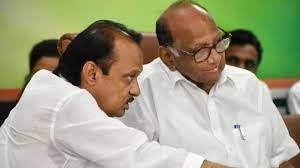
  • Unravelling the Legal Tapestry: ED’s High-Stakes Confrontation with Chief Ministers Kejriwal and Soren

    January 11th, 2024

    Navigating the intricate interplay of law and politics, the Enforcement Directorate takes centre stage, summoning Chief Ministers in a legal saga that unveils complexities and sparks a fervent debate.

    In the intricate dance between law and politics, the Enforcement Directorate (ED) orchestrates a high-stakes activity, summoning Chief Ministers Arvind Kejriwal and Hemant Soren in ongoing high-profile cases. This article peels back the layers of this multifaceted narrative, delving into legal intricacies, dissecting political dimensions, and probing the sweeping powers wielded by the ED. The summoning acts as a catalyst, igniting a fervent debate that raises poignant questions about the boundaries of legal authority and the nuanced role of political leaders under the relentless scrutiny of law enforcement.

    Unravelling Section 50: The Legal Nexus of ED’s Summoning Saga
    The ED’s summoning saga revolves around the intricate Section 50 of the Prevention of Money Laundering Act (PMLA). Despite its centrality to ED actions, this section grapples with a glaring lack of clarity regarding the status of summoned individuals – whether they are accused or mere witnesses. This ambiguity becomes the epicentre of contention as Chief Ministers Kejriwal and Soren challenge summonses, alleging political motives. Non-cooperation poses a nuanced challenge; while Section 50 mandates cooperation, the consequences for refusal remain obscured in ambiguity. Chief Ministers, citing reasons from health issues to political commitments, resist summonses, creating legal dilemmas for the ED. The political landscape transforms into a battleground, with opposition parties decrying selective targeting and the ruling party defending scrutiny as part of a genuine anti-corruption drive.

    Delving into historical instances of non-cooperation with the ED reveals a mosaic of outcomes, with some eventually complying after multiple summonses, while others faced legal consequences. The absence of a clear legal provision for handling non-cooperation introduces interpretational challenges, casting a spotlight on the agency’s powers and emphasizing the need for legislative clarity.

    In the strategic deployment of authority, the ED meticulously executes searches and seizures, anchored in the robust framework of Sections 16 and 17 of the PMLA. Further adding to its arsenal, Section 19 unveils the ED’s distinctive arrest powers, a facet that distinguishes it within the legal landscape. The conspicuous absence of warrants in both arrests and searches invites critiques, sparking questions about the extensive implications of this unique legal authority.

    Emphasizing the nuanced layers of complexity inherent in the ED’s operations is imperative as it deftly navigates through intricate legal terrain. The procedural intricacies involved contemplate the profound impact on accused individuals, delving into the multifaceted challenges and implications for their legal standing. Simultaneously, a broader lens is cast upon the legal framework, recognizing the evolving landscape shaped by the ED’s exercise of authority. This nuanced perspective underscores the need for continual scrutiny and open dialogue, essential elements in maintaining a delicate balance within the realm of financial enforcement. As legal dynamics evolve, fostering an environment of ongoing assessment and communication becomes crucial, ensuring that the ED’s actions align with the principles of justice while upholding the integrity of India’s financial regulatory framework.

    The Enforcement Directorate (ED) assumes a pivotal role in fortifying India’s financial system, strategically countering fraud and upholding economic laws to contribute to the stability of the nation’s economic landscape. Despite initiating numerous investigations under the Prevention of Money Laundering Act 2002, the ED has garnered criticism for a limited number of convictions, leading to concerns about potential bias against certain political factions. Recent scrutiny of the ED’s actions, particularly its interrogation methods, has intensified as seen in some cases, prompting broader questions about the agency’s practices. It is imperative that the Government has insights into the ED’s performance, economic recoveries, and its implications for political figures. Responding to accusations of overreach in implicating a regional leader in a liquor scam, the Supreme Court emphasizes the importance of a lawful investigative approach, cautioning against actions that instill fear and underscoring the need for a balanced pursuit of justice.

    This comprehensive analysis delves beyond the surface, providing a nuanced exploration of the Enforcement Directorate’s (ED) intricate involvements in prominent cases, spanning political figures and corporate entities. Amidst the complexities within the legal landscape and controversies surrounding these high-profile actions, the ED finds itself navigating nuanced legal intricacies and potential ramifications. This nuanced approach enhances the understanding of the broader implications of the ED’s engagements in cases carrying significant legal and financial weight, showcasing the intricate dance between the agency and the multifaceted legal challenges it confronts.

    In further elaboration of the scrutiny of a pivotal Supreme Court ruling, this analysis accentuates the limitations imposed on ED officials. It underscores their distinctive role, separate from that of police officers, emphasizing the constraints on their authority to make arrests under the PMLA. The Supreme Court’s unwavering assertion that the ED cannot function as a law unto itself serves as a stark reminder of the imperative for accountability and strict adherence to legal boundaries in its enforcement activities. This critical examination reinforces the necessity for the ED to operate within the framework of established laws, underscoring the significance of checks and balances to prevent overreach. As the legal landscape evolves, the ED’s commitment to adhering to judicially defined boundaries becomes paramount, ensuring a delicate balance between effective financial enforcement and safeguarding individual rights within the purview of the law.

    Navigating the intricate process of filing complaints with the ED, the exploration underscores the critical importance of preliminary complaints with other agencies or police departments. Shining a light on the ED’s exemption from the Right to Information (RTI) Act, the analysis unravels recent judicial pronouncements that solidify this exemption. This dual-pronged examination brings to the forefront the intricacies and legal considerations associated with citizen interactions, complaint procedures, and transparency dimensions surrounding the ED’s functioning.

    In conclusion, the Enforcement Directorate’s journey unfolds as a pivotal force in upholding India’s financial integrity. Amidst legal complexities and controversies, recent judicial clarifications showcase the nuanced interplay of law and economic enforcement. The ongoing tussle with Chief Ministers Kejriwal and Soren introduces a compelling chapter, raising crucial questions about the boundaries of legal authority and the obligations of political leaders in law enforcement. The agency’s path reflects the need for continual scrutiny, accountability, and a nuanced comprehension of its multifaceted responsibilities in the complex tapestry of India’s economic governance. As the legal dynamics evolve, the ED’s commitment to maintaining a delicate balance between effective financial enforcement and safeguarding individual rights remains crucial. The intricate dance between the ED and the legal challenges it confronts continues, shaping the narrative of India’s financial regulatory landscape.

    visit arjasrikanth.in for more insights

  • “The Battle for Andhra Pradesh’s Rivers: A Saga of Sand, Sustainability, and Environmental Justice”

    January 10th, 2024

    Navigating the Turbulent Waters of Sand Mining, Politics, and Ecological Peril.

    Andhra Pradesh, a riverine state post-bifurcation, boasts major, medium, and minor rivers, including the Godavari, Krishna, Vamsadhara, Nagavali, and Penna. The intricate river network, crucial for the region’s ecological balance, became a focal point as sand mining escalated.

    Rampant sand mining in Andhra Pradesh’s riverine systems triggered concerns of floods and groundwater depletion, affecting the lives of communities along these rivers. Villages in Chittoor to Srikakulam districts voiced apprehensions about environmental degradation and potential threats to the groundwater table. Balancing urbanization and environmental preservation became a pressing concern, aligning with Sustainable Sand Mining Guidelines of 2016 and 2020.

    The post-bifurcation period saw a surge in construction activities, particularly in the newly formed Andhra Pradesh, necessitating an increased demand for construction-grade sand. The Then CM’s introduction of the free sand policy in 2016 aimed to regulate sand mining but led to unintended consequences. Legal challenges, including litigation in the National Green Tribunal, exposed flaws in the implementation, with reports of illegal sand mining and the emergence of a lucrative black market.

    In April 2019, the National Green Tribunal imposed a significant penalty on the state government for its inaction against illegal sand mining. A committee comprising environmental organizations was formed to assess the environmental damage within three months. However, reports in 2019 revealed persistent issues, with illegal sand mining continuing in various districts.

    The indiscriminate extraction of sand from riverbeds posed severe threats to the environment, including damage to flora and fauna, altered river courses, increased water pollution, and compromised infrastructure stability. Additionally, the removal of riverbed sand negatively impacted water availability in shallow aquifers, potentially leading to long-term consequences for groundwater recharge.

    Andhra Pradesh faced extensive illegal sand mining, particularly in districts like Guntur, Krishna, Srikakulam, and East Godavari. Political parties were implicated in facilitating illegal mining, adding a layer of complexity to the issue. While the government’s efforts to curb illegal sand mining have been met with challenges, a shift towards sustainable practices is imperative. The need for stricter enforcement, community engagement, and a comprehensive approach to balance development and environmental preservation is critical for the long-term health of Andhra Pradesh’s riverine systems.

    Andhra Pradesh grapples with the dual challenge of illegal sand mining, highlighting the delicate equilibrium between development and environmental sustainability. Judicial interventions spotlight the severity of the issue, underscoring the need for accountable governance and the adoption of sustainable practices. Negotiating this complex terrain requires a united effort from all stakeholders to safeguard the future of the state’s rivers and the communities dependent on them. Positioned at the intersection of an environmental crisis and political dynamics, Andhra Pradesh’s rivers endure the consequences of unregulated sand mining. The ongoing battle for sustainability and justice urges a collective front to navigate these turbulent waters. Transparent policies, effective implementation, and data-driven decision-making emerge as the essential lifeline, resonating as the key to securing prosperity for future generations.

    visit arjasrikanth.in for more insights

  • Breaking the Chains of Injustice: Unravelling the Bilkis Bano Case Amidst the Shadows of 2002 Gujarat Riots

    January 10th, 2024

    In the haunting aftermath of the 2002 Gujarat riots, Bilkis Bano, a pregnant woman, fell victim to a brutal gang rape by a mob. The recent legal turmoil stems from the Gujarat government’s contentious decision in August 2022 to release 11 men convicted of this heinous crime, citing good behaviour. The subsequent legal battle culminated in the Supreme Court’s recent ruling, ordering the convicts back to prison.

    The trial, initially transferred to a special court in Maharashtra by the Supreme Court, resulted in the conviction of the 11 men who were sentenced to life imprisonment. The Gujarat government’s decision to release them prompted legal challenges. The Supreme Court, in its recent ruling, declared the remission granted by Gujarat as illegal and beyond its jurisdiction, highlighting the intricate legal journey.

    Advocate Vrinda Grover, representing the petitioners, emphasized the court’s scrutiny of the arbitrariness in the Gujarat government’s exercise of discretion. The court found the remission notices lacking legal power and nullified the 2022 order, deeming it obtained fraudulently. This nullification underscored the court’s commitment to upholding the rule of law.

    The 2022 release of convicts heightened concerns over witness safety, revealing reports of intimidation and threats against Bilkis Bano and others. The subsequent withdrawal of police protection deepened apprehensions, and legal cases against the convicts remained unresolved. The recent Supreme Court decision provides a glimmer of relief for the victim and witnesses, yet challenges persist in ensuring a secure environment and addressing the broader implications of the case. Balancing justice with the safety of those involved remains a complex endeavour in the aftermath of the 2002 Gujarat gang rape, underscoring the intricacies of the legal and societal dimensions at play.

    The legal saga unfolded when one the 11 sought early release, introducing jurisdictional ambiguity on Gujarat or Maharashtra’s decision. The Supreme Court’s ruling in favour of Gujarat and reliance on the 1992 remission policy proved pivotal. This policy, relevant during conviction, significantly influenced the convicts’ release, setting the stage for subsequent legal complexities and battles, emphasizing the intricate interplay of jurisdictional nuances and policy dynamics in the quest for justice in the aftermath of the 2002 Gujarat riots.

    The political dimension surrounding the case intensified with statements from certain leaders endorsing the release, raising questions about the politicization of justice. The involvement of high-ranking officials and politicians during the time of the riots, added complexity to the case.

    The recent Supreme Court decision nullifying the remission and ordering the convicts back to jail underscored the court’s dissatisfaction with the earlier order. The bench criticized the Gujarat government for using the court order to violate the rule of law, emphasizing the fraudulent means employed and suppression of crucial facts.

    While the recent Supreme Court decision brought relief to Bilkis Bano and her family, they refrain from declaring victory, exhibiting cautious optimism. Their faith in the judiciary and the ongoing legal proceedings keeps them vigilant. Living in an undisclosed location since the convicts’ release in 2022, the family awaits the conclusive end of this arduous legal battle.

    The legal intricacies of the Bilkis Bano case provide insight into the complex interplay of justice, entwined with political nuances, jurisdictional uncertainties, and the essential commitment to uphold the rule of law. With the imminent return of the 11 convicted men to prison, the case serves as a poignant reminder of the delicate balance required when navigating legal complexities against societal expectations of justice. The pursuit of justice in the aftermath of the 2002 Gujarat riots navigates a multifaceted terrain encompassing political, legal, and societal dimensions. This intricate journey compels the nation to confront its historical legacy and aspire to build a future that embodies justice, equity, and fairness. The case stands as a testament to the ongoing struggle to harmonize legal intricacies with the collective yearning for a more just and equitable society, emphasizing the perpetual need for transparency, accountability, and compassion in the pursuit of justice.

    visit arjasrikanth.in for more insights
  • A Century of Success: Andhra Pradesh Farmers’ Technological Advancements Applauded by PM Modi

    January 9th, 2024

    In a remarkable display of innovation and perseverance, a 102-year-old cooperative group in Andhra Pradesh has been lauded by Prime Minister Narendra Modi for embracing new practices and utilizing technological advancements. This article aims to highlight the achievements of the cooperative group and showcase how their efforts have contributed to the overall development of agriculture in the region.

    The cooperative group, led by Saeed Khwaja Muihuddinn, Nandyala has been instrumental in driving positive change in the agricultural sector. With 5,600 members, including women farmers and small businessmen, the group has effectively eliminated middlemen by leveraging technology. The implementation of electronic negotiable warehouse receipts has enabled farmers to secure low-interest loans from banks by keeping their grains in government-approved storage facilities. Additionally, the farmers are connected to e-mandis and eNam, ensuring fair prices for their produce and empowering them to make informed decisions.

    The commendable efforts of the cooperative group have caught the attention of the government, resulting in financial aid and support. Through the Agri Infrastructure scheme, the group received a three crore rupee loan from the National Bank for Agriculture and Rural Development (NABARD). This fund facilitated the construction of five godowns, providing much-needed storage facilities for the farmers. The Prime Minister expressed his admiration for the farmers’ hard work and resilience, highlighting the positive impact their initiatives have had on the region.

    The past decade has witnessed the successful implementation of various government initiatives aimed at transforming agricultural practices. The cooperative group enthusiastically embraced these advancements, which have revolutionized their operations. Operating a Kisan Samriddhi Kendra, the group has availed several facilities instituted by the government, including Kisan Credit Cards and value additions through Farmer Producer Organizations (FPOs). These progressive measures have improved the farmers’ access to credit and enhanced the value of their produce in the market.

    During the interaction, PM Modi emphasized the significance of controlling fertilizer usage and promoting natural farming practices. The Prime Minister urged farmers to refrain from overusing fertilizers and advocated for the adoption of nano urea to reduce environmental impact. The cooperative group assured the Prime Minister that they are actively creating awareness among farmers and implementing soil testing procedures to rationalize fertilizer usage. The PM’s request resonated with the farmers, who vowed to uphold sustainable agricultural practices for the betterment of the environment and future generations.

    PM Modi reiterated the government’s commitment to inclusive development and ensuring that no individual or community is left behind. He emphasized that the government is working tirelessly to strengthen Primary Agriculture Cooperative Societies (PACs) and expand storage infrastructure. Plans are underway to create an impressive 2 lakh storage units, empowering farmers and securing their agricultural produce efficiently.

    The tremendous achievements of the century-old cooperative group in Andhra Pradesh stand as a testament to the power of embracing technological advancements in agriculture. Catering to the needs of farmers, especially smallholders, the group has successfully eliminated middlemen, facilitated better access to credit, and ensured fair prices for their produce. The collaboration between the government and the cooperative group highlights the significant impact that can be achieved through collective efforts towards sustainable and inclusive agricultural development. By promoting natural farming practices and rationalizing fertilizer usage, the cooperative group is taking proactive steps towards environmental conservation and long-term agricultural sustainability. The cooperative’s achievements serve as an inspiration for farmers across the nation, encouraging them to embrace technological advancements and contribute to the enhancement of the agricultural sector.

    visit arjasrikanth.in for more insights
  • “Decoding the Andhra Pradesh Capital Conundrum: Three Capitals, One Controversy”

    January 9th, 2024

    “Amaravati’s destiny hangs in the balance as Andhra Pradesh grapples with the challenge of defining its capital.”

    In recent developments, the Andhra Pradesh High Court has directed the state government to construct and develop Amaravati as the capital within six months. This directive adds a new chapter to the ongoing saga of the state’s capital conundrum, marked by legislative interventions, legal battles, and significant public dissent.

    The origin of this controversy lies in the Andhra Pradesh Decentralisation and Inclusive Development of All Regions Bill, 2020. This legislative move aimed to establish three capitals for the state – Visakhapatnam as the executive capital, Amaravati as the legislative capital, and Kurnool as the judicial capital. The rationale behind this plan was to foster balanced regional development and inclusive growth.

    The government’s decision to change the capital had far-reaching consequences, particularly for farmers in and around Amaravati. Approximately 30,000 acres of land were acquired from these farmers, and the proposed capital shift threatened to disrupt their lives and livelihoods. This aspect added a layer of complexity to the controversy, with farmers organizing protests against the government’s move.

    In November 2021, the Andhra Pradesh Decentralisation and Inclusive Development of All Regions Repeal Bill, 2021 was passed, seeking to annul the earlier laws supporting the three-capital plan. The government promised a “better” and “comprehensive” replacement for the repealed legislation. However, this led to legal challenges, setting the stage for a judicial battle over the state’s capital configuration.

    The recent ruling by the Andhra Pradesh High Court added a new dimension to the controversy. The court held that the state legislature lacked the authority to legislate on shifting, bifurcating, or trifurcating the capital. It directed the government to adhere to the existing A.P. Capital Regional Development Authority Act and Land Pooling Rules. The court also emphasized the need to develop plots belonging to landowners and return them within three months.

    The legal aspects of the case are grounded in constitutional principles. The High Court emphasized that only Parliament holds the competence to make decisions regarding the setup of legislative, executive, and judicial organs of the state. This raised questions about the constitutional validity of the state’s attempts to change its capital configuration without central approval.

    While the three-capital plan was devised to promote balanced development, it faced several criticisms and concerns. Logistically, separating the executive, legislative, and judicial functions posed challenges, especially during forth coming assembly sessions. The financial feasibility of developing three capitals also raised eyebrows, along with worries about the environmental impact and lack of infrastructure in the selected locations.

    Proponents of the three-capital plan argued that it could lead to balanced regional development, attract investment, and improve accessibility to government services. However, opponents contended that the challenges, including coordination issues and financial concerns, outweighed the potential benefits.

    The plight of farmers who contributed land for the original capital project added a human element to the controversy. The uncertainty surrounding the fate of their land and the perceived betrayal by the government fueled protests and added a social and ethical dimension to the capital conundrum.

    Examining the international landscape revealed that multiple capitals exist in various countries for historical, administrative, and political reasons. However, the unique circumstances of Andhra Pradesh’s case, involving the reversal of a previous capital plan, set it apart from global examples.

    As Andhra Pradesh stands at a crucial juncture, considering the legal intricacies, public sentiments, and economic implications, the road ahead must be navigated carefully. Consultation with stakeholders, feasibility studies, infrastructure development, and environmental impact assessments should guide the decision-making process.

    The proposal for three capitals in Andhra Pradesh reveals a multifaceted strategy driven by political, financial, and real estate motives. The Yuvajana Sramika Rythu Congress Party (YSRCP) aims to consolidate power by redistributing administrative functions, strategically weakening opposition forces in North Andhra and Rayalaseema. Financially, the concept of multiple capitals offers a cost-effective alternative, directing funds towards welfare programs. Real estate interests emerge, involving influential figures with holdings in Vizag poised to benefit.

    Factual considerations scrutinize the developmental impact of a judicial capital in Kurnool/Rayalaseema, express concerns about scheme sustainability, and stress the importance of a forward-looking capital like Amaravati. The conclusion advocates a long-term perspective, discouraging Vizag as the capital due to environmental concerns, criticizing current government policies, and emphasizing the need for inclusive, sustainable decision-making. The controversy, marked by legal, political, economic, and social complexities, faces a critical juncture with the High Court ruling, urging careful navigation as the state awaits the pivotal Supreme Court judgment. The outcome will shape Amaravati’s role and determine the state’s trajectory, underlining the imperative for thoughtful, inclusive decision-making for stability and sustainable development.

    Visit arjasriaknth.in for more insights
  • “Diplomatic Debacles: Social Media Spats and International Relations”

    January 9th, 2024

    “Maldives government suspends ministers for derogatory remarks against PM Modi. The power of social media in shaping diplomatic discourse and its repercussions on India-Maldives relations.”

    In a surprising turn of events, the Maldives government recently suspended three deputy ministers for making derogatory remarks against Indian Prime Minister Narendra Modi on social media. The incident has sparked debates on the influence of social media on diplomatic relations and raises questions about freedom of expression in the digital age. This article delves into the details of the controversy, the response from both nations, and the broader implications of social media diplomacy.

    The controversy erupted when deputy ministers Mariam Shona Masha Shari and Majhi made derogatory remarks against Prime Minister Narendra Modi on various social media platforms. The Maldives government, responding promptly, suspended the ministers, emphasizing that such remarks were personal opinions and did not reflect the official stance of the Maldivian government. The comments included disparaging comparisons and criticisms, sparking a wave of responses both locally and internationally.

    Mariam Shona, in particular, had previously made disparaging comments about PM Modi, sharing now-deleted posts that included photos of Modi’s visit to Lakshadweep. She compared India to a cow and expressed opinions favouring previous administrations over the current one. The Maldivian government distanced itself from these comments, emphasizing that they do not align with official policy. Former Maldives President M Deep criticized the statements, stating they were unacceptable and expressing hope for resignations.

    The controversy comes just months after the Maldives government, under President Mohammed Moiz, requested the withdrawal of Indian military personnel from the nation. This recent incident has added strain to the relationship between India and the Maldives. The derogatory remarks, along with subsequent actions, have led to a social media battle between Maldivian politicians and Indian users, with calls for a boycott of travel to the Maldives gaining traction.

    The controversy unfolded shortly after Prime Minister Narendra Modi shared images from his visit to Lakshadweep, promoting domestic tourism. The positive message was well-received, leading to increased interest in Lakshadweep as a tourist destination. However, some Maldivian politicians expressed discontent, leading to derogatory remarks and a clash between supporters and critics on social media.

    The Indian government, taking note of the derogatory commentary, raised the issue with the Maldivian administration, expressing displeasure over the remarks facing slack. The Maldivian government, in response, distanced itself from the comments, stating they were made in a personal capacity. The Modi government emphasized its commitment to acting against those making such remarks, leading to the swift suspension of the three ministers involved.

    The incident has triggered a broader discussion on the influence of social media in shaping international relations. With derogatory remarks leading to diplomatic tensions, the use of social media as a platform for expressing political opinions has become a critical concern. The incident has also prompted discussions on the need for clear guidelines on the digital expression of opinions by government officials.

    The controversy highlights the challenge of maintaining diplomatic etiquette in the digital age. While social media provides a platform for individuals to express their opinions, the line between personal views and official positions can become blurred, leading to unintended diplomatic consequences. The erosion of traditional channels of communication has given rise to unfiltered expressions that can strain relations between nations.

    The Maldives social media controversy serves as a stark reminder of the challenges posed by digital diplomacy. While social media platforms offer unprecedented reach and immediacy, they also bring risks to diplomatic relations. The incident underscores the importance of clear guidelines for government officials in expressing opinions on digital platforms and the need for swift, decisive action in addressing diplomatic challenges arising from the online space. As nations navigate this evolving landscape, it becomes imperative to strike a balance between freedom of expression and maintaining the decorum expected in international relations.

    visit arjasrikanth.in for more insights

  • Unleashing the Artificial Intelligence Revolution: A Glimpse into India’s Tech Frontier in 2023 and Beyond

    January 8th, 2024

    Navigating the Horizons of Artificial Intelligence, India Takes Centre Stage in the Global Tech Arena.

    In 2023, India witnessed a ground-breaking surge in artificial intelligence (AI), overshadowing progress in other research domains. The pivotal moment was traced back to OpenAI’s launch of ChatGPT in August 2022, propelling generative AI, including models like ChatGPT, to global acclaim. The widespread adoption of AI among millions sparked unparalleled creativity and innovation, reshaping perceptions of data and coding. This article explores the transformative AI developments and milestones of 2023, offering a glimpse into upcoming projects shaping India’s technological landscape in 2024. The democratization of AI, making it accessible to those without extensive technical expertise, triggered a paradigm shift, unlocking a myriad of possibilities for individuals and industries alike.

    One of the distinctive features of AI’s impact in 2023 was its ability to supercharge various processes, creating a ripple effect across industries. AI is a “giant organism” tapping into the collective intelligence of humanity over millennia. The technology’s ability to read and comprehend vast amounts of information surpassed any previous achievements, fundamentally altering the way data and coding were approached.

    The acceleration of product cycles became a hallmark of AI’s influence. The rapid evolution of AI technology itself, coupled with its learning capabilities, contributed to an unprecedented pace of development. Tasks that once took considerable time to accomplish were now being executed at an extraordinary speed, with the promise of even faster iterations in the future.

    Generative AI, exemplified by models like ChatGPT, found applications across diverse domains. From drafting college essays and composing music to debugging code and analyzing complex data, the versatility of generative AI became evident. Rajan notes that major tech players, including Google, faced significant pressure to keep pace with the evolving landscape. Google’s response was the development of models like BERT and Gemini, with the latter positioned as a formidable contender against GPT-4.

    The development of AI2, another generative AI model, further underscored the rapid evolution of technology. The competitive environment fostered innovation and pushed companies to release more advanced and refined versions, creating a dynamic landscape for AI development.

    As AI continued its triumphant march, concerns and apprehensions began to surface. The unprecedented speed of AI evolution, combined with its potential impact on various industries, raised questions about its ethical use and societal consequences. The fear of job displacement and the ominous specter of AI-driven misinformation became significant points of contention.

    But many acknowledge the concerns surrounding the misuse of AI, exemplified by deepfakes and manipulated content. Instances like the Rashmika Mandanna case, where a deepfake video went viral, highlighted the darker aspects of AI’s capabilities. The need for regulation to curb malicious uses of AI became increasingly apparent.

    In response to the growing concerns, AI platforms, especially those operated by major tech companies, started implementing regulations and restrictions. Platforms like ChatGPT introduced measures to prevent the creation of specific individuals’ images, addressing privacy and ethical concerns. The challenge lies in striking a delicate balance between innovation and ethical considerations.

    The regulatory landscape for AI is expected to evolve further in 2024, with a focus on mitigating the potential negative impacts of the technology. The collaboration between governments and technology companies is crucial to ensuring responsible AI development and usage.

    As the technological horizon unfolds in 2024, AI is poised to continue its transformative journey. The integration of AI into smartphones, with a focus on on-device AI processing, is expected to become more prevalent. Some predict that large language models running on devices will provide suggestions and answers even without an internet connection, revolutionizing the user experience. Furthermore, the exploration of AI-led devices, such as the Human-AI pin, presents exciting possibilities. These devices, driven by AI, have the potential to redefine human interaction with technology, paving the way for innovative applications and enhanced efficiency.

    In conclusion, 2023 marked a pivotal year for India’s technological landscape, with AI taking center stage. The transformative impact of generative AI technology reached unprecedented heights, influencing diverse sectors and challenging traditional workflows. As India steps into 2024, the careful navigation of the AI frontier, with a keen focus on ethical considerations and regulatory measures, will be imperative. The journey into the realm of AI promises continued innovation, ushering in an era where humans and machines collaborate to unlock new dimensions of possibility. The saga of artificial intelligence in India is just beginning, and the chapters yet to be written hold the potential to reshape the future of technology and human experience.

    visit arjasrikanth.in for more insights

  • “Kodi Kathi Case: A Mother’s Unending Quest for Justice Over Five Long Years”

    January 8th, 2024

    “A mother’s plea for justice echoes as her son languishes behind bars

    In a poignant tale that spans five years, a mother’s relentless pursuit of justice unfolds, echoing the cry for her son, J. Srinivas Rao, imprisoned for his alleged role in the Kodi Kathi case. This case, marked by its political undertones and the attack on  Y.S. Jagan Mohan Reddy, has cast a shadow on the lives of those involved, especially Srinivas Rao, who has spent the past five years in the confines of Rajamahendravaram Central Jail.

    The Kodi Kathi case gained notoriety in 2018 when Srinivas Rao was accused of attacking  Jagan Mohan Reddy at Visakhapatnam Airport during the 2018 assembly general elections campaign. As his legal battle unfolded, the gravity of the situation became apparent, leaving Srinivas Rao, his family, and even the legal fraternity grappling with the complexities of justice.

    Srinivas’s mother, J. Savitri, and brother, Subbaraju, recently took a desperate step, seeking a No Objection Certificate (NOC) from Chief Minister Y.S. Jagan Mohan Reddy. Their plea was simple but loaded with desperation — a plea for an NOC that could potentially secure bail for Srinivas Rao. The family’s encounter with the legal system had been arduous, marked by seven unsuccessful bail petitions over the past five years.

    In a heart-wrenching moment, Savitri expressed her anguish at her son’s prolonged incarceration, stating that he has remained a remand prisoner for over four years without bail. The desperation in her voice was palpable as she threatened to take extreme measures, even contemplating suicide if her son did not return home on bail.

    Their journey took them to the CM’s camp office at Tadepalli, where they submitted their petition for an NOC as part of the Spandana program. Their plea was not just a legal manoeuvre; it was a cry for compassion, a plea for the Chief Minister to empathize with their plight as they navigate the challenges of supporting themselves in old age.

    This emotional appeal sheds light on the human toll of prolonged legal battles and the anguish of a family caught in the crossfire of political and legal complexities. Subbaraju, Srinivas’s brother, revealed the family’s relentless pursuit of justice through seven bail petitions that, unfortunately, yielded no results. Faced with these challenges, they turned to the Chief Minister, hoping for a ray of compassion in their pursuit of justice.

    The National Investigation Agency (NIA), tasked with investigating the attack on  Jagan Mohan Reddy, entered the fray with a counter-petition. The NIA clarified that there was no conspiracy behind the attack, seeking the dismissal of Jagan’s petition calling for a deeper probe into the incident.

    The complexity of the case is further heightened by the involvement of key players like Harshavardhan, the airport restaurant owner, and the accused, J. Srinivasa Rao. The NIA’s assertion that Harshavardhan was not linked to the incident and that Srinivasa Rao was not a sympathizer of the TDP introduces a web of intrigue, leaving the legal proceedings in a state of flux.

    As the legal battle unfolds, Srinivasa Rao remains behind bars, his fate hanging in the balance. Recent developments, including his interaction with advocate Battuala Rama Prasad, reveal a nuanced layer to the case. Srinivasa Rao’s denial of the attack and lack of knowledge about the alleged rooster knife introduce an element of mystery, leaving the door ajar for further revelations.

    The Andhra Pradesh High Court’s decision to postpone the bail petition hearing for Srinivas Rao adds another twist to the narrative, prolonging the family’s wait for justice. 

    In the midst of these legal manoeuvres, the emotional toll on Srinivas’s family is palpable. Savitri’s threat of suicide underscores the desperation and helplessness that often accompanies prolonged legal battles, especially for those with limited resources and political influence.

    The legal and political landscape surrounding the Kodi Kathi case is intricate and multi-faceted. The involvement of the Chief Minister, the NIA’s counter-petition, and the family’s plea for an NOC weave a complex tapestry of justice, politics, and human emotions. The fate of Srinivas Rao, an accused caught in this web, remains uncertain, highlighting the challenges within the justice system and the toll it takes on individuals and families. In conclusion, the Kodi Kathi case stands as a testament to the intricate dance between justice and politics, leaving families like Srinivas Rao’s in the crossfire. As the legal saga unfolds, the emotional plea of a mother for an NOC and the complexities introduced by the NIA’s counter-petition add layers of intrigue. The case serves as a stark reminder of the human cost embedded in legal battles, especially when political undertones further complicate the pursuit of justice. The wait for resolution continues, casting a long shadow on the lives of those entangled in the Kodi Kathi case.

    visit arjasrikanth.in for more insights

  • “Safeguarding Growth: Upholding Legal Integrity in India’s Economic Landscape”

    January 7th, 2024

    “In the face of foreign media onslaughts, India’s legal system stands strong, protecting conglomerates like Adani. A positive journey through the recent Supreme Court ruling unveils the resilience of our legal framework.”

    In the dynamic landscape of India’s economic growth, recent events surrounding the Adani conglomerate have sparked debates, accusations, and legal scrutiny. However, amidst the storm, the country’s legal system has demonstrated its robustness, assuring investors and conglomerates that the rule of law prevails. This article explores the positive aspects of the recent Supreme Court ruling, highlighting the significance of legal integrity in protecting and fostering economic growth.

    In a landmark ruling, the Supreme Court of India upheld the probe panel’s report in the Adani hidden case, dismissing doubts about the integrity of the investigation. The court’s decision, emphasizing no grounds for criminal investigation, reflects a commitment to legal due process. Importantly, the court refused to order a probe by the Central Bureau of Investigation (CBI), affirming faith in the existing regulatory mechanisms.

    The Securities and Exchange Board of India (Sebi), a key player in the regulatory framework, played a pivotal role in the Adani case. The court acknowledged Sebi’s competence in investigating market manipulation allegations and endorsed the probe conducted by the regulatory body. Moreover, the court suggested measures to enhance the regulatory mechanism, underscoring the commitment to continuous improvement and adaptability.

    Following the Supreme Court’s decision, Gautam Adani, the founder of the Adani Group, expressed gratitude on social media, emphasizing the principle of “Satyamev Jayate” (truth alone triumphs). Adani’s acknowledgment of those who stood by him reflects a positive perspective on the legal process. His assertion that the truth has prevailed echoes the confidence in the legal system’s ability to discern fact from speculation.

    While the legal landscape triumphs, political narratives surrounding the Adani case remain contradictory. The Congress party, on one hand, maintains allegations of manipulation and systemic abuse against the Adani Group. However, the Chief Minister of Telangana, Revanth Reddy, engaged in discussions with Adani Group representatives, highlighting the dual nature of political interactions with business entities.

    The Adani case underscores the delicate balance between promoting industrial growth and navigating political complexities. The Bharatiya Janata Party (BJP) questions the Congress party’s stance, raising concerns about permissions sought before political representatives meet business leaders. This juxtaposition emphasizes the intricate dance between economic development and political scrutiny.

    As India stands at the threshold of a new year, the economic outlook remains promising. The positive resolution of the Adani case signifies a commitment to fair and transparent legal processes. However, challenges persist, including geopolitical events and fluctuations in oil prices. The upcoming elections add another layer of complexity, requiring a harmonious balance between economic aspirations and political considerations.

    In conclusion, India’s recent experience with the Adani case illuminates the resilience of its legal system and the positive impact it has on economic prosperity. The Supreme Court’s unwavering commitment to due process and transparency sends a reassuring message to investors and conglomerates alike. As the nation strides into the future, the harmonious coexistence of legal integrity and economic growth will undoubtedly shape India’s narrative on the global stage.

    visit arjasrikanth.in for more insights
←Previous Page
1 … 100 101 102 103 104 … 134
Next Page→

Blog at WordPress.com.


Loading Comments...
 

    • Subscribe Subscribed
      • SOCIAL PERSPECTIVES
      • Join 99 other subscribers
      • Already have a WordPress.com account? Log in now.
      • SOCIAL PERSPECTIVES
      • Subscribe Subscribed
      • Sign up
      • Log in
      • Report this content
      • View site in Reader
      • Manage subscriptions
      • Collapse this bar