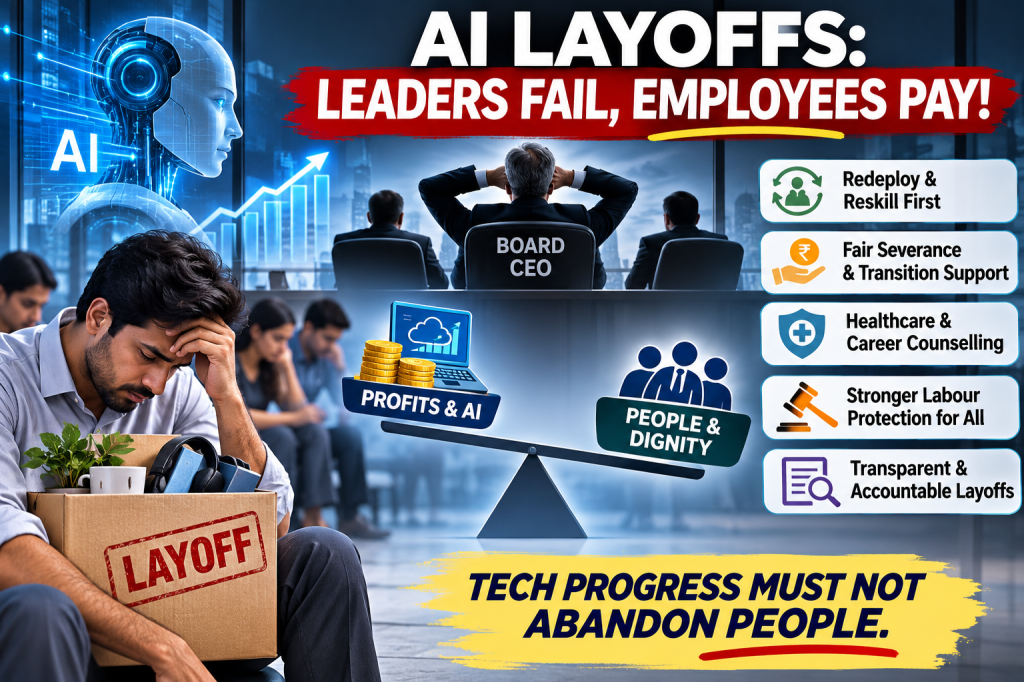
The global technology industry is celebrating an artificial intelligence revolution while simultaneously abandoning thousands of employees who built its fortunes. Multibillion-dollar corporations are investing aggressively in AI infrastructure, automation and cloud computing, announcing productivity breakthroughs while presenting mass layoffs as an unavoidable consequence of technological progress. But this narrative conceals an uncomfortable question: are employees genuinely becoming redundant, or are corporate leaders disguising years of managerial miscalculations as technological transformation? Artificial intelligence does not independently decide to dismiss people; boards, chief executives and senior management make those decisions. Employees who dedicated decades, sacrificed personal lives, built client relationships and contributed to institutional success are suddenly informed that their services are no longer required. Such dismissals are not merely employment decisions; they represent a fundamental failure of corporate responsibility. If an organisation cannot protect its people through a technological transition, its leadership must first answer for its own failure.
The first accountability question must therefore be directed at the top management. Technology companies aggressively recruited during the pandemic, expanded payrolls, rewarded executives for growth and projected uninterrupted demand. When market conditions changed, the same leadership discovered that its workforce was excessive. Now, as AI becomes the preferred investment destination, employees are being asked to finance the consequences of strategic misjudgements through unemployment. Why should engineers, analysts, architects and support professionals bear the cost of decisions they never made? A CEO who fails to anticipate technological disruption, overestimates demand, misallocates capital and neglects workforce planning cannot simply announce restructuring and walk away with executive compensation intact. Boards must examine leadership performance before approving mass retrenchment. Where persistent managerial negligence is established, executive accountability, including resignation where warranted, should be considered. A company cannot describe its leadership as visionary when profits rise and blame its employees when strategy fails.
The more disturbing contradiction is that companies frequently invest billions in acquiring AI capabilities while failing to invest adequately in preparing their existing employees to use them. Experienced professionals should be the first candidates for internal transformation, not the first casualties of technological change. Organisations must establish structured reskilling programmes, AI certification pathways, internal talent marketplaces, redeployment opportunities and cross-functional training well before announcing redundancies. Employees who understand business processes, customer expectations, institutional systems and operational risks possess knowledge that cannot be replicated overnight by algorithms or newly recruited specialists. Initiatives such as AT&T’s Future Ready programme demonstrate the importance of workforce transformation. Restructuring should follow an honest assessment of whether employees can be retrained, reassigned or absorbed into emerging business functions. Layoffs must be the last resort, not the first instrument for improving quarterly margins. The real measure of technological leadership is not how many employees a company can replace with AI, but how many it can successfully transform into an AI-enabled workforce.
Even where redundancies are genuinely unavoidable, corporate responsibility cannot end with issuing termination letters and calculating severance. Companies should be legally encouraged, and large enterprises required, to prepare comprehensive employee-transition plans.
These must include adequate advance notice, fair severance, extended health insurance, career counselling, professional certification support, placement assistance and access to employment networks. Employees should receive continued support until they secure alternative employment or complete a reasonable transition period, subject to a defined and proportionate framework.
The employer that terminates an employee should contribute towards ensuring that the individual does not fall into financial and professional uncertainty. A six-month transition-support arrangement, calibrated to tenure and circumstances, could provide a meaningful starting point for policy consideration. Corporate outplacement programmes, garden leave, accelerated benefit vesting and alumni recruitment networks are practical instruments. It is fundamentally unfair to extract years of loyalty from employees and then leave them stranded in the middle of an economic storm simply to improve a balance sheet.
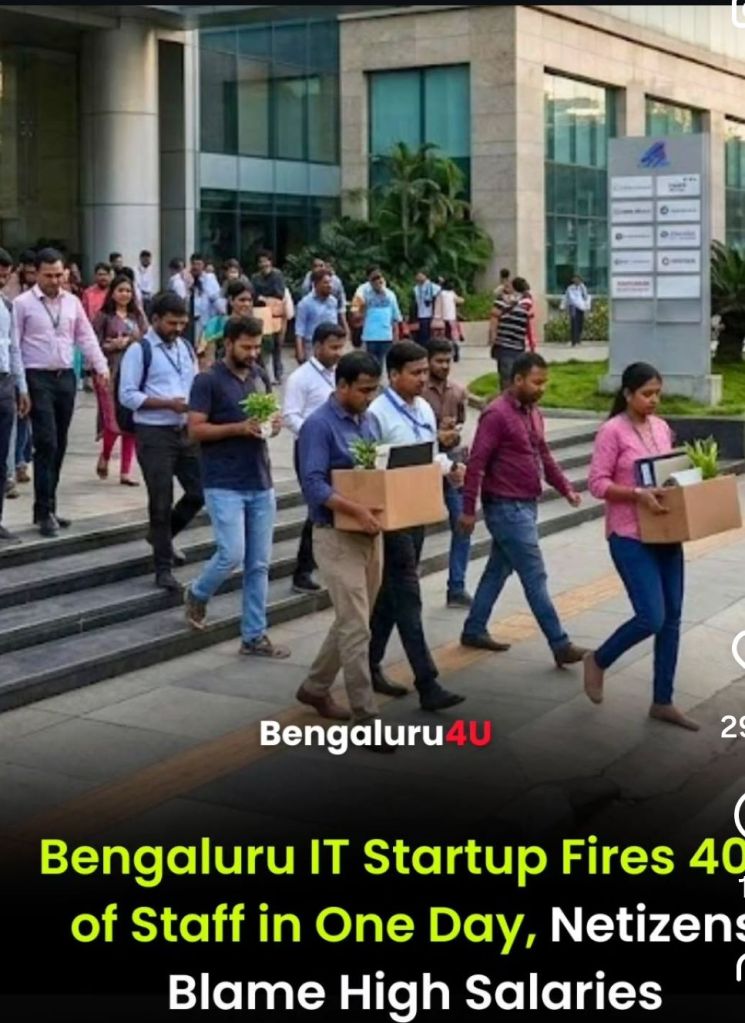
India’s labour protection framework needs to respond to this changing employment landscape. The four Labour Codes, brought into effect in November 2025 as stated in the present framework, consolidate several earlier labour laws and provide statutory retrenchment protections, including compensation equivalent to 15 days’ average pay for each completed year of continuous service for eligible workers. However, the Industrial Relations Code raises the threshold for prior government permission for retrenchment in specified establishments to 300 workers from the earlier 100-worker threshold. More importantly, the distinction between statutory protection for eligible workers and contractual arrangements for managerial and senior professionals leaves significant sections of the technology workforce vulnerable. Many software engineers, analysts and middle-management professionals depend primarily on employment contracts and company policies for severance. The government must examine a statutory minimum severance floor for employees across employment classifications, reasonable notice requirements and safeguards against forced resignations disguised as performance management. Mass exits engineered through coercive performance improvement processes must not become an escape route from retrenchment obligations.
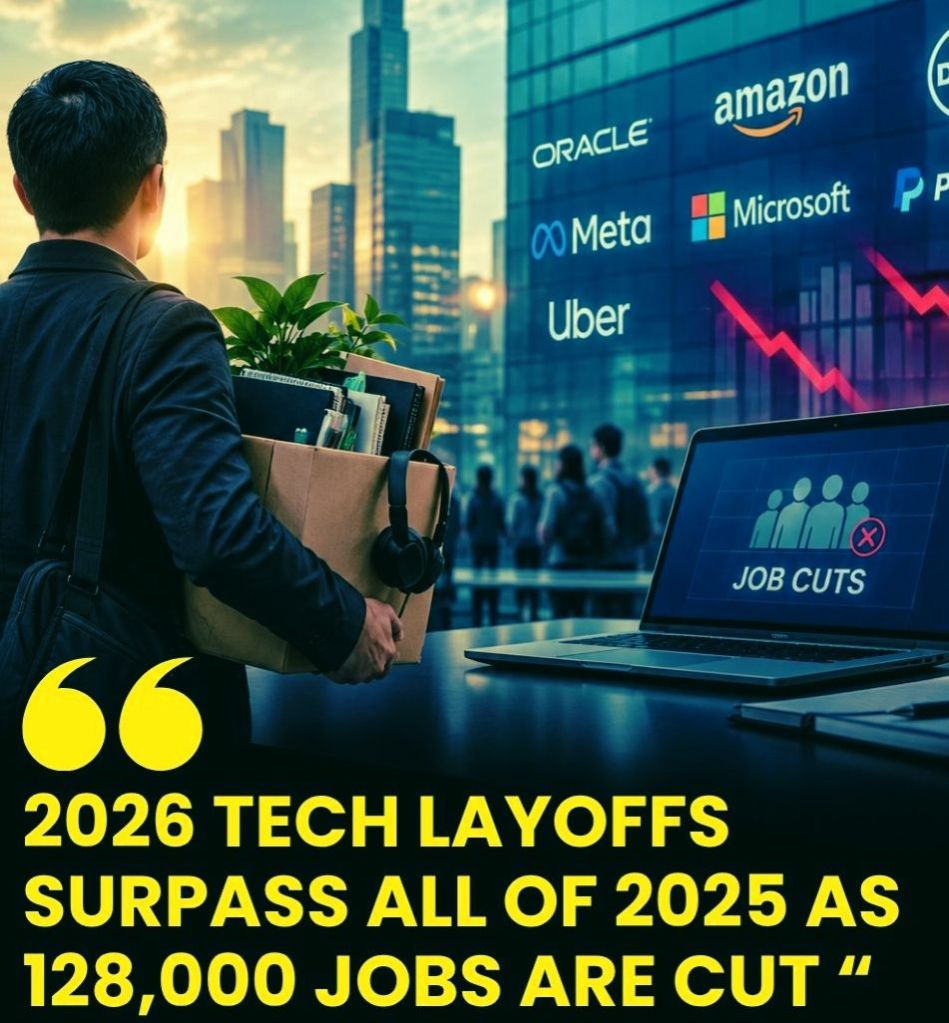
The social security challenge extends far beyond organised technology companies. India’s informal workforce accounts for approximately 90 per cent of employment, and millions of workers lack formal appointment letters, documented service records, employer contributions or effective grievance mechanisms. When technology-driven restructuring affects logistics, retail, transport, customer support, manufacturing and platform-based services, the consequences travel through the formal and informal economy. Existing mechanisms such as EPFO, ESIC’s Atal Beemit Vyakti Kalyan Yojana, gratuity and the Worker Re-skilling Fund provide important but uneven protection. Retirement savings cannot become a substitute for unemployment insurance, while temporary assistance cannot adequately address permanent occupational displacement. The government should establish a portable unemployment and transition-insurance framework covering eligible formal, contractual, gig and informal workers through a combination of employer contributions, worker contributions and targeted public support. Health insurance continuity, accessible skill certification and direct income assistance must form essential components. Social protection cannot depend entirely on whether an employer has issued an appointment letter.
India should also learn from international practices without mechanically importing them. Germany’s works councils and social plans encourage consultation and negotiated safeguards during major redundancies, while its short-time work arrangements can help businesses retain employees during temporary downturns. The European Union’s collective redundancy framework emphasises advance notification and employee consultation. Denmark’s flexicurity model combines labour-market flexibility with income protection and active retraining. These examples demonstrate that business competitiveness and worker security need not be opposing objectives. India should establish a tripartite workforce-transition council involving government, industry associations, employers and employee representatives. Large companies should disclose the number of positions affected by automation, redeployment outcomes, reskilling expenditure and severance arrangements. The Worker Re-skilling Fund should be strengthened through outcome-linked training vouchers and verified employment pathways. Corporate boards should be required to examine alternatives such as hiring freezes, executive compensation adjustments, reduced working hours and internal transfers before approving large-scale involuntary exits. AI productivity gains must contribute towards financing the human transition they create.
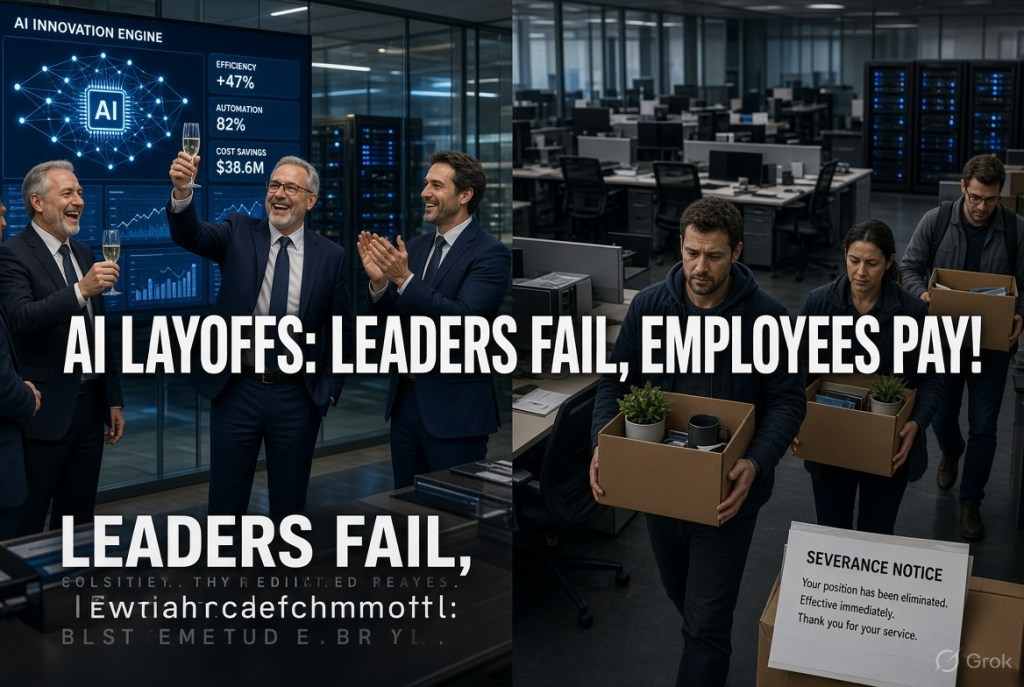
Ultimately, a nation’s technological ambition must be judged not merely by its artificial intelligence investments, unicorn valuations or corporate profitability, but by how responsibly it treats the people displaced by progress. Employees are not disposable components of a corporate spreadsheet; they are human beings with families, education loans, housing commitments, healthcare needs and professional dignity. A company that terminates thousands overnight to satisfy investor expectations may temporarily improve its margins, but it risks destroying institutional loyalty, organisational memory and public trust. Governments must legislate to ensure that technological flexibility does not become social insecurity, while corporate boards must recognise that responsibility extends beyond shareholders to the workforce that creates enterprise value. The first question after announcing a layoff should not be how much money the company will save, but what management did to prevent it and how it will protect those affected. AI may replace tasks, transform industries and rewrite the economics of work. It must never become an alibi for managerial failure or an excuse to abandon human beings.
VST ARJASRIKANTH.IN FOR MORE INSIGHTS

