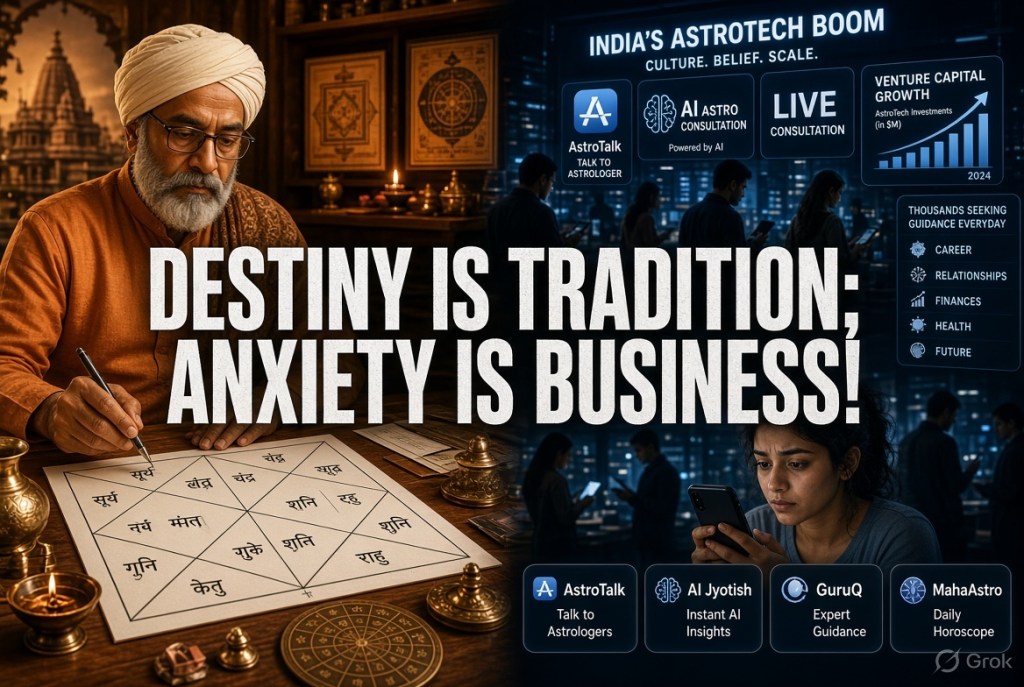
Astrology has travelled an extraordinary distance—from temple corridors, family traditions and neighbourhood consultations to mobile applications, artificial intelligence, venture-capital boardrooms and international digital marketplaces. India’s emerging Astrotech industry represents more than the digital reinvention of an ancient belief system; it reveals how technology can transform cultural familiarity, emotional uncertainty and consumer behaviour into a scalable commercial enterprise. The COVID-19 pandemic accelerated this transition by normalising remote consultations, digital payments and on-demand personalised services. Platforms such as AstroTalk have effectively organised a fragmented marketplace, connecting millions of consumers with astrologers across geographical boundaries. The frequently cited estimate of a multi-billion-dollar Indian astrology and spiritual-services economy, including the approximately $7 billion figure, should be treated as an indicative industry estimate rather than an independently audited market valuation. Nevertheless, the economic transformation is unmistakable: an informal traditional service has acquired the architecture of a modern digital platform.
The reported financial performance of AstroTalk demonstrates the commercial potential of this transformation. Its FY26 revenue reportedly reached ₹1,823 crore, representing approximately 55 per cent annual growth, while net profit increased from ₹22 crore to ₹222 crore. A reported user base of seven crore, with nearly 84 per cent below 35 years of age, challenges the assumption that astrology primarily attracts older generations. More revealing is the reported increase in international revenue contribution from approximately 20 per cent in FY25 to 37 per cent in FY26. These numbers suggest that the platform is moving beyond domestic customer acquisition towards international monetisation and improved operating leverage. Yet, headline growth alone cannot establish long-term business quality. Customer acquisition costs, retention rates, practitioner commissions, repeat-consumption patterns and the proportion of revenue generated by a small group of high-spending users deserve equal scrutiny. A profitable digital marketplace must demonstrate not merely its ability to attract customers, but its capacity to retain their confidence without encouraging excessive dependence.
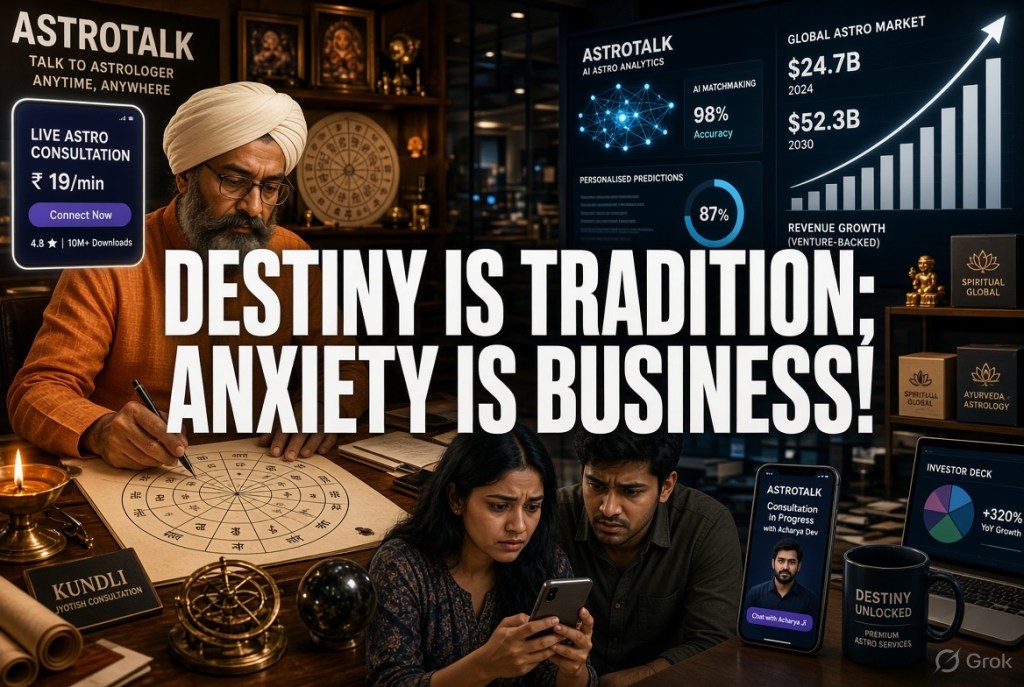
The most fascinating—and ethically sensitive—dimension of Astrotech is the economics of human anxiety. Relationships, marriage, career uncertainty and family concerns reportedly dominate consultation demand. The observation that nearly 65 per cent of revenue is associated with marriage-related advice, alongside emotionally charged questions such as “When will my ex come back?”, illustrates the powerful connection between personal uncertainty and willingness to pay for reassurance. Free introductory minutes lower the entry barrier, while subsequent paid consultations encourage conversion. Reported repeat-user expenditure, approximately three times earlier levels, further demonstrates the commercial importance of customer engagement. An average consultation expenditure of around ₹210 makes the service accessible, but frequent transactions can cumulatively become significant. This creates a fundamental distinction between providing culturally meaningful guidance and monetising emotional vulnerability. Technology can democratise access to traditional practitioners, but it must not become a sophisticated mechanism for cultivating fear, dependency or unrealistic expectations. The real measure of consumer trust is whether customers return because they value the service, not because they are made to fear what might happen without it.
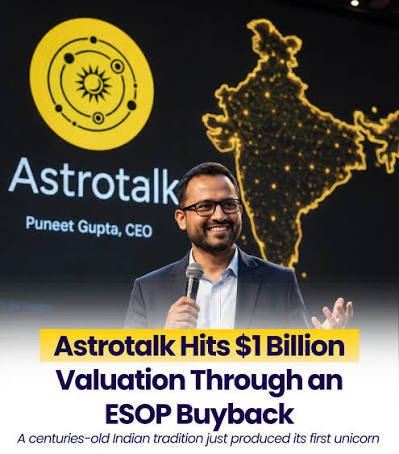
Astrotech is simultaneously creating a new digital livelihood ecosystem for astrologers. Practitioners who once depended on local reputation, personal networks and physical consultations can now access customers across India and overseas. Reported fees for leading astrologers can reach ₹250 per minute, while average transaction values remain considerably lower. Platforms potentially improve practitioner earnings by expanding market access, reducing discovery costs and enabling more consultations. However, this two-sided marketplace also introduces familiar platform-economy inequalities. Celebrity astrologers may command disproportionate customer attention, creating concentration risks; smaller practitioners may remain dependent on platform algorithms, commissions and ratings. The credibility of the entire ecosystem therefore depends on transparent pricing, practitioner verification, fair remuneration, clear commission structures and accessible grievance redressal. An industry whose principal product is personal trust cannot afford to treat professional credibility as merely another monetisable platform feature.

The next commercial frontier lies in the expansion from consultations to spiritual commerce. Gemstones, crystals, jewellery and Vastu-related products are creating additional revenue streams, with AstroTalk reportedly generating ₹166 crore from products in FY26. Distribution through established e-commerce and quick-commerce channels signals the mainstreaming of merchandise traditionally associated with religious and cultural practices. International expansion, particularly among Indian diaspora communities and culturally receptive overseas consumers, offers further opportunities. However, this transition from advice to product sales introduces a more complicated consumer-protection question. When a platform sells a gemstone alongside a consultation, consumers must be able to distinguish cultural belief, personal preference and verifiable product attributes from claims of guaranteed financial, medical or relationship outcomes. Product authenticity, sourcing, certification, pricing transparency and responsible advertising are essential. The commercialisation of cultural traditions should expand consumer choice, not create an ecosystem in which uncertainty is converted into compulsory purchases.

The most consequential regulatory fault line appears when astrology enters financial markets. Muhurat trading reflects India’s longstanding cultural association between auspicious timing and investment activity. However, there is a critical distinction between discussing traditional beliefs and recommending securities transactions based on planetary alignments. SEBI has taken action against individuals offering astrology-based stock recommendations, underscoring the importance of investor protection and compliance with securities-market regulations. Digital platforms cannot assume that attaching an entertainment disclaimer automatically protects content whose substance amounts to investment advice. The regulatory test must consider what is actually communicated, how it influences investment decisions and whether the activity falls within the applicable legal framework. Platforms need clear content classification, moderation systems, compliance oversight and safeguards against specific unauthorised trading recommendations. Cultural expression deserves space, but it cannot become a regulatory shortcut into financial advice. When personal belief begins influencing public investment decisions, accountability must take precedence over commercial experimentation.
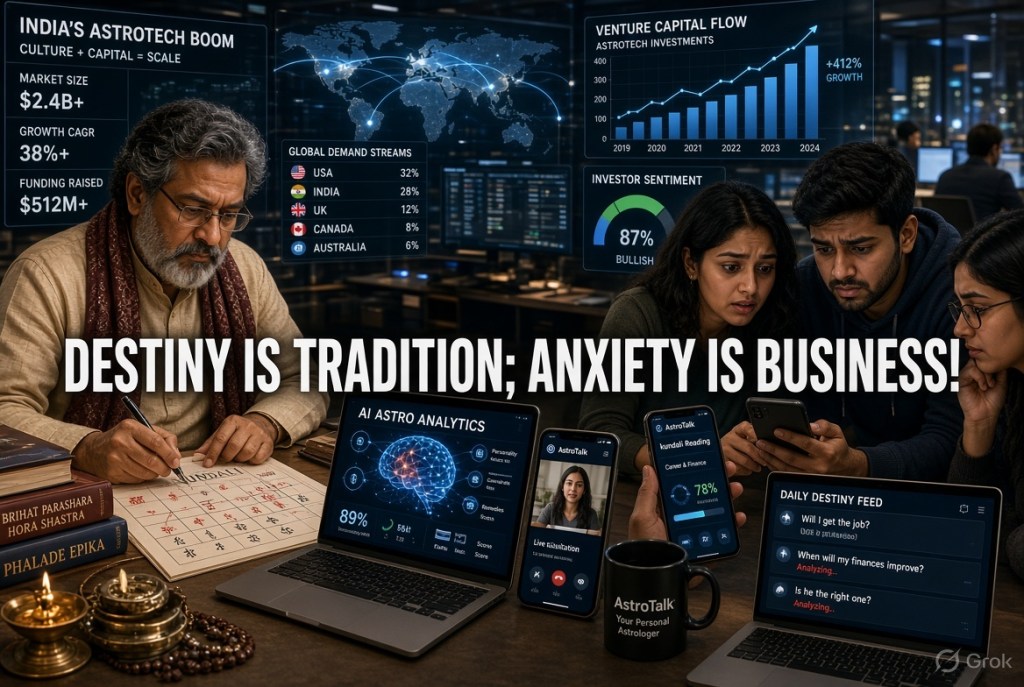
Artificial intelligence could become the next major inflection point, transforming both the cost structure and competitive landscape of Astrotech. Automated horoscope calculations, birth-chart interpretation, multilingual interfaces and preliminary consultations can increase service capacity while reducing marginal costs. Yet, the same technology could commoditise basic astrological interpretations, making standardised predictions widely available and placing pressure on consultation pricing. The premium proposition may increasingly depend on human interaction, perceived authenticity, cultural understanding and personalised engagement. A hybrid model combining AI-enabled efficiency with responsible human consultation appears more sustainable. However, AI introduces additional responsibilities: customer data protection, transparency about automated interactions, prevention of fabricated claims and safeguards against manipulative engagement with vulnerable users. Platforms must also distinguish algorithmically generated interpretations from verified professional credentials. Technology should improve accessibility and operational efficiency, not manufacture an artificial appearance of certainty. The competitive advantage of tomorrow may not belong to the platform offering the most predictions, but to the one that earns the greatest confidence.
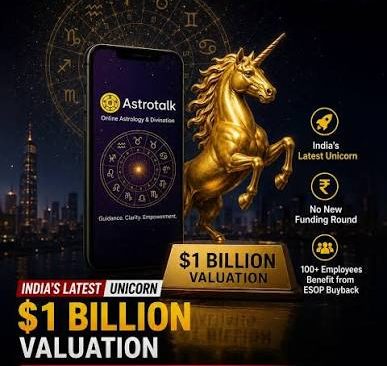
Ultimately, India’s Astrotech revolution is a remarkable case study in digital entrepreneurship, but its maturity must be judged by more than revenue, valuations and unicorn status. The industry needs credible self-regulatory standards, verified practitioner identities, transparent pricing, enforceable consumer grievance mechanisms and restrictions against fear-based selling. Astrologers must not be presented as substitutes for qualified medical, psychological, legal or financial professionals. Independent industry standards, supported by appropriate statutory oversight, can help establish ethical boundaries without unnecessarily restricting cultural practices or legitimate enterprise. Investors must examine customer concentration, international compliance, repeat-user economics and the sustainability of reported profitability. The larger lesson extends beyond astrology: technology can transform almost any deeply embedded human belief or anxiety into a commercial marketplace. India has demonstrated that even destiny can acquire a digital interface, a revenue model and a global customer base. But the ultimate test of this unicorn economy is whether it can monetise belief without exploiting vulnerability, expand commerce without compromising ethics, and make trust more valuable than transactions. When destiny becomes a business, responsibility must become its strongest competitive advantage.
VST ARJASARIKANTH.IN FOR MORE INSIGHTS

