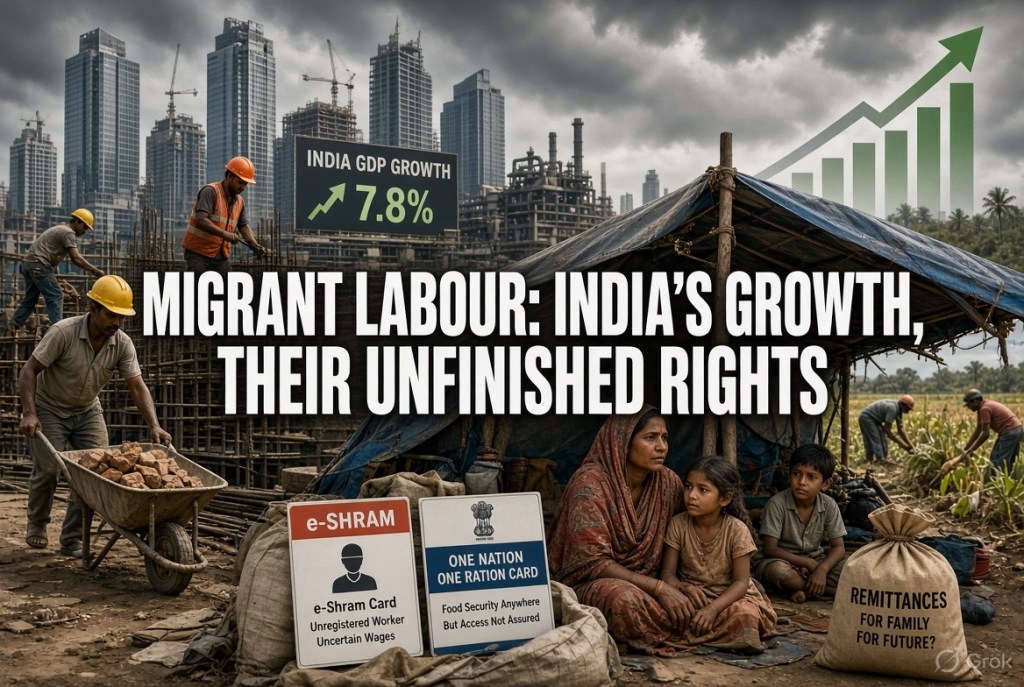
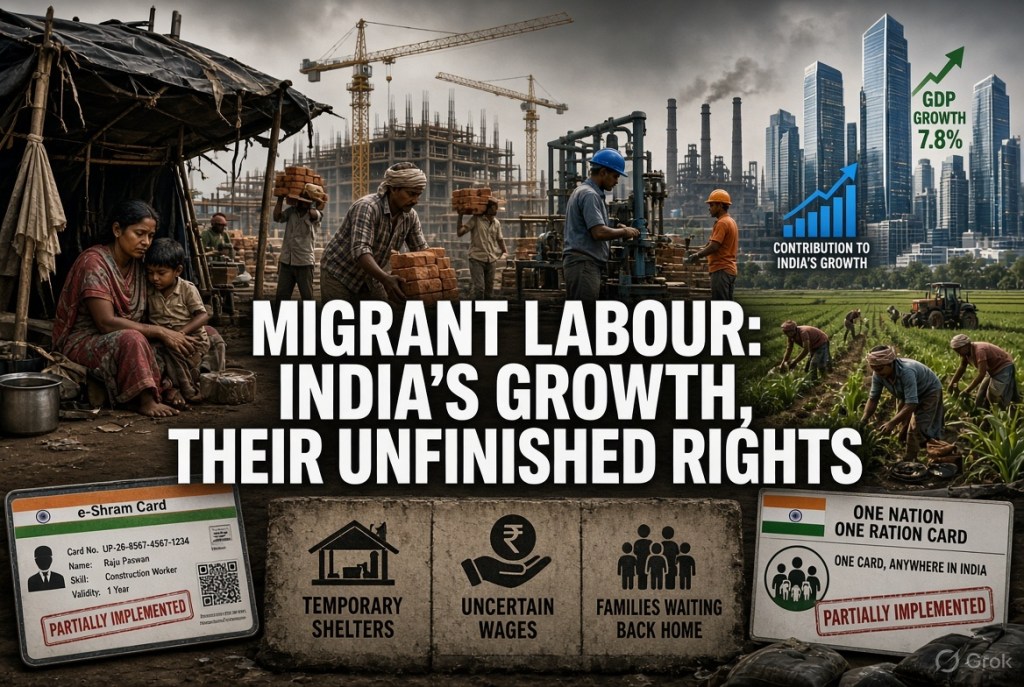
India’s migration story is often celebrated as an engine of economic opportunity, labour mobility and remittance-led prosperity. Yet beneath this narrative lies an uncomfortable contradiction: the people who build our cities, operate factories, harvest crops and sustain hospitality services remain among the least protected beneficiaries of economic growth. With an estimated 140–150 million internal migrant workers within a much larger population of over 450 million internal migrants, migration has become an indispensable component of India’s economic architecture. Migrant labour connects regions with surplus manpower to destinations with capital, industry and employment demand, contributing significantly to national production. Estimates place its contribution at nearly 10% of GDP. Yet the rights of these workers have not travelled as freely as their labour. India has mastered the economics of labour mobility but remains challenged by the governance of human mobility. The central question is no longer whether India needs migrant workers, but why an economy so dependent on them continues to leave their security, welfare and dignity behind.
The geography of migration exposes the structural inequalities embedded in India’s development model. Workers from Bihar, Uttar Pradesh, Jharkhand, Odisha, West Bengal and Assam move towards Delhi, Maharashtra, Gujarat, Karnataka, Tamil Nadu and Kerala in search of livelihoods. The movement reflects persistent disparities in per-capita income, industrialisation and employment opportunities. The contrast between states that have substantially improved their economic position and those remaining far below the national average illustrates the uneven geography of development. Even resource-rich regions reveal the paradox of growth without adequate employment: mining and extraction generate substantial economic value but often create limited direct employment. Capital-intensive investment, without labour-intensive industrial diversification, allows resources to generate wealth without creating sufficient local livelihoods. Consequently, workers migrate, local economies lose human capital, and destination states receive the labour required for expansion. Migration is therefore not merely an individual search for higher wages; it is also a reflection of India’s unfinished regional development agenda.
Migration, however, is neither an automatic escape from poverty nor a guaranteed route to prosperity. Social networks, caste relationships, family obligations and recruitment intermediaries influence who migrates, where workers settle and what opportunities they access. Studies have demonstrated that established village networks and relatives in destination cities significantly reduce the uncertainty and cost of migration. Remittances help families repay debts, finance education, meet healthcare expenses and manage agricultural risks. Yet migration can also alter household production decisions, reduce family labour available for cultivation and affect investment in agricultural technology. Gender adds another layer of complexity: women’s migration is frequently classified as marriage-related, obscuring their subsequent participation in paid and unpaid economic activity. Migration must therefore be understood as a household survival and risk-management strategy, shaped by unequal opportunities, social relationships and institutional constraints—not simply as a transaction between employers and workers.
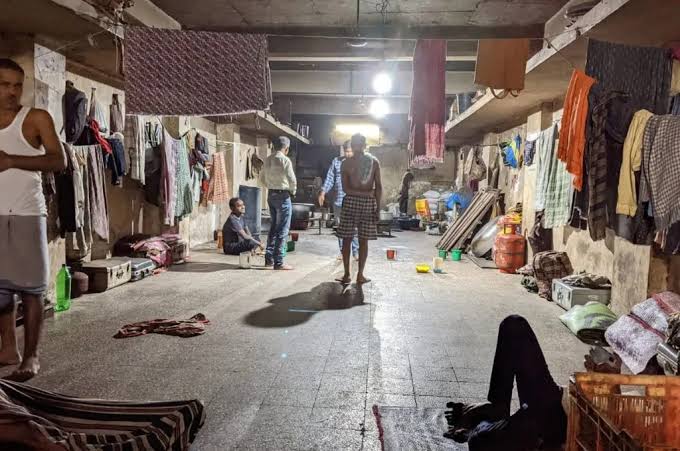
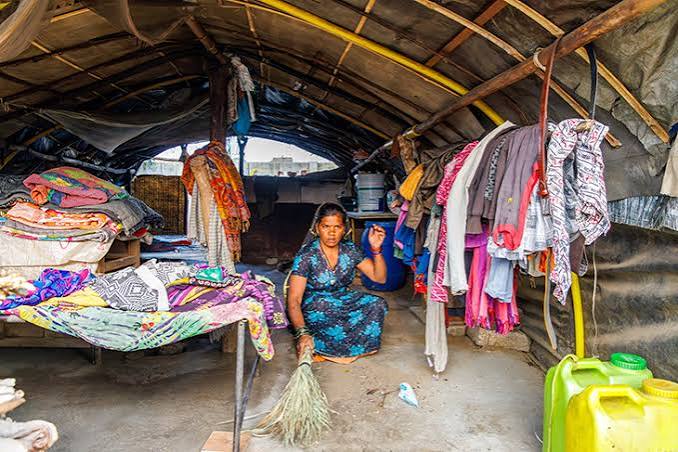
The deepest contradiction lies in the conditions under which migrant labour is employed. A substantial proportion of workers remain outside formal employment arrangements, without written contracts, predictable wages, paid leave or effective social protection. The South India Interstate Migration Survey 2026 reportedly found that 71.8% of respondents experienced improved living standards after migration, while 86.4% lacked signed employment contracts. This is mobility without adequate security. Contractors frequently control recruitment, wage advances, payments and accommodation, creating dependencies that can become coercive when workers cannot leave without forfeiting wages or repaying advances. In construction, brick kilns, textiles, mines, agriculture and hospitality, employers benefit from flexible labour while workers bear the risks of delayed wages, occupational injuries, insecure housing and sudden unemployment. The Inter-State Migrant Workmen Act, 1979, and the subsequent consolidation of labour legislation through the four Labour Codes provide important statutory foundations. However, legal provisions deliver meaningful protection only when backed by effective enforcement, accountable contractors, accessible grievance mechanisms and coordination between source and destination states. Labour-market flexibility cannot become a euphemism for institutionalised insecurity.
Remittances reveal another dimension of India’s migration paradox. They sustain household consumption, improve living conditions and finance education, healthcare and housing. Earlier household studies indicate that remittances account for more than 30% of consumption in some recipient households. Yet these financial flows do not automatically generate productive investment or employment in workers’ home regions. Kerala illustrates this complexity. Its 2023 migration survey estimated inward remittances at approximately ₹2.17 lakh crore, equivalent to nearly 23% of its State Net Domestic Product. At the same time, Kerala relies heavily on interstate migrant workers to sustain construction and other labour-intensive sectors. The reported increase in welding wages during the April–May 2026 return-migration episode—from approximately ₹20,000 to ₹30,000–33,000 a month—illustrates how quickly destination economies can experience labour shortages when mobility is disrupted. The larger lesson is significant: a state can prosper through remittances from its emigrants while depending on workers arriving from economically weaker states. Remittances must therefore be complemented by stronger financial intermediation, local enterprise development, agricultural value addition and industrial investment in source regions.
India has made important institutional advances through initiatives such as the e-Shram portal and One Nation, One Ration Card. With more than 31 crore registrations, e-Shram provides an important foundation for identifying unorganised workers and connecting them with welfare programmes. ONORC, covering approximately 81 crore beneficiaries, has weakened the traditional link between food security and permanent residence. Nevertheless, registration is not protection, and portable ration benefits alone cannot guarantee portable healthcare, insurance, housing, pensions or education. The COVID-19 reverse migration crisis exposed the consequences of treating migrant workers as temporary labour inputs rather than permanent stakeholders in national development. Initiatives such as Kerala’s Aawaz insurance and migrant welfare programmes, Odisha’s Project BLESS and Maharashtra’s GROW initiative for migrant sugarcane workers offer useful policy experiences. Their broader lesson is that migrant welfare requires two simultaneous interventions: protection at destinations and livelihood resilience at source. The objective must be to guarantee both the right to migrate in search of opportunity and the right to remain at home without being compelled to migrate by economic distress.
Demographic transitions will make labour mobility even more consequential. Younger states will increasingly supply workers to industrial and service economies facing ageing populations and rising demand for labour. By 2036, projections indicate that approximately 23% of Kerala’s population may be above 60 years, compared with around 15% nationally. This demographic complementarity can become a major economic advantage if mobility is accompanied by fair recruitment, decent wages, occupational safety and social integration. India needs a National Migration Data Observatory, interoperable welfare databases, stronger source–destination state agreements, digital wage payments, affordable rental housing, multilingual legal assistance and uninterrupted schooling for migrant children. Labour inspections must cover contractor and subcontractor networks, while social protection should follow the worker rather than stop at state boundaries. Equally important, migration-prone districts require investment in local manufacturing, skills, agricultural processing and diversified livelihoods. Migration governance must become a shared responsibility of the Union, state governments, employers and local institutions, supported by transparent data, enforceable accountability and accessible grievance redressal.
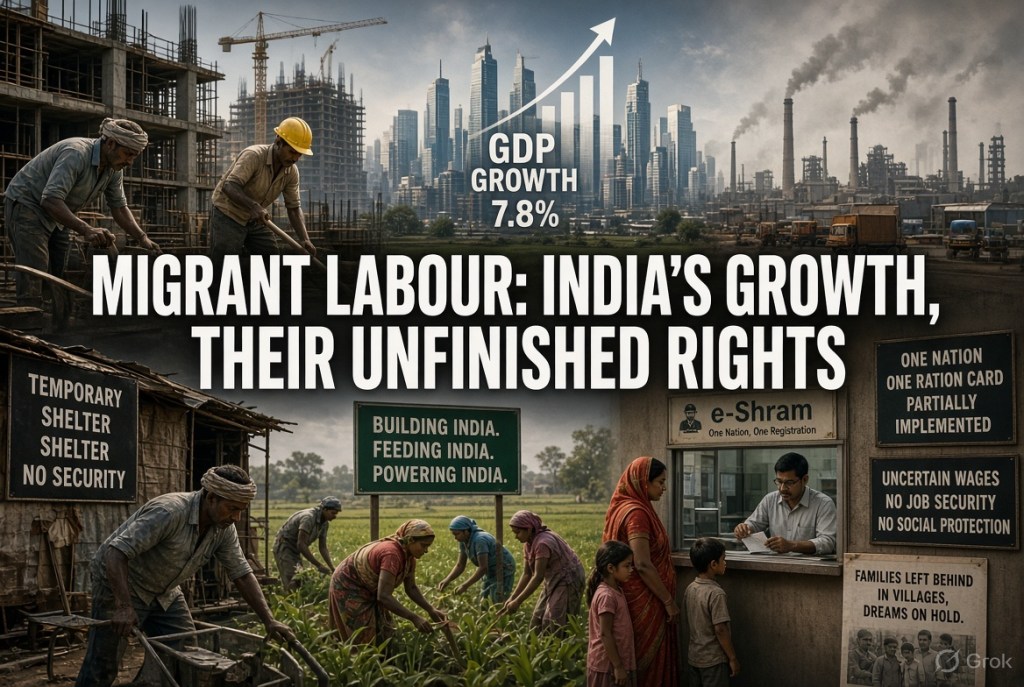
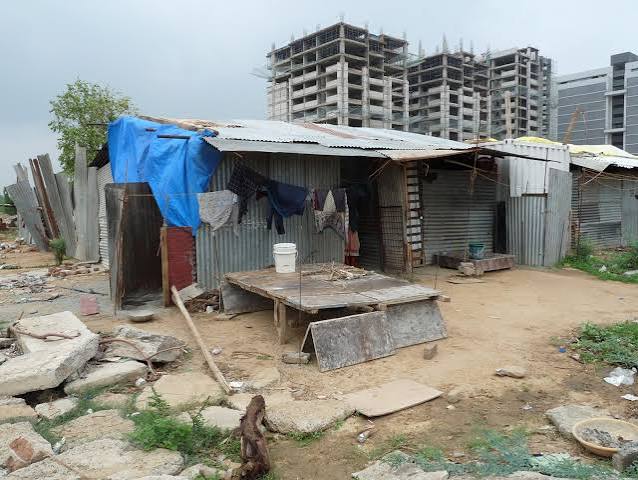
Ultimately, the success of India’s economic transformation cannot be measured merely through highways constructed, factories established, cities expanded or GDP targets achieved. It must also be measured by the dignity and security of the people who make that transformation possible. Migrant workers are not outsiders to India’s growth story; they are its builders, producers and essential economic citizens. Their labour sustains urbanisation, strengthens industrial competitiveness, supports agricultural production and connects India’s unequal regions through the movement of skills and manpower. Yet an economy that celebrates their contribution while denying them secure employment, decent housing, accessible healthcare and enforceable rights remains fundamentally incomplete. India must move beyond treating migration as a temporary labour-supply problem and recognise it as a permanent dimension of inclusive development. The real test of a developed India will not be how efficiently it moves workers from poorer states to richer ones, but how effectively it ensures that every worker can pursue opportunity without surrendering dignity. A nation that builds skyscrapers on migrant labour must never leave its migrant workforce sleeping beneath them.
VST ARJASRIKANTH.IN FOR MORE INSIGHTS

