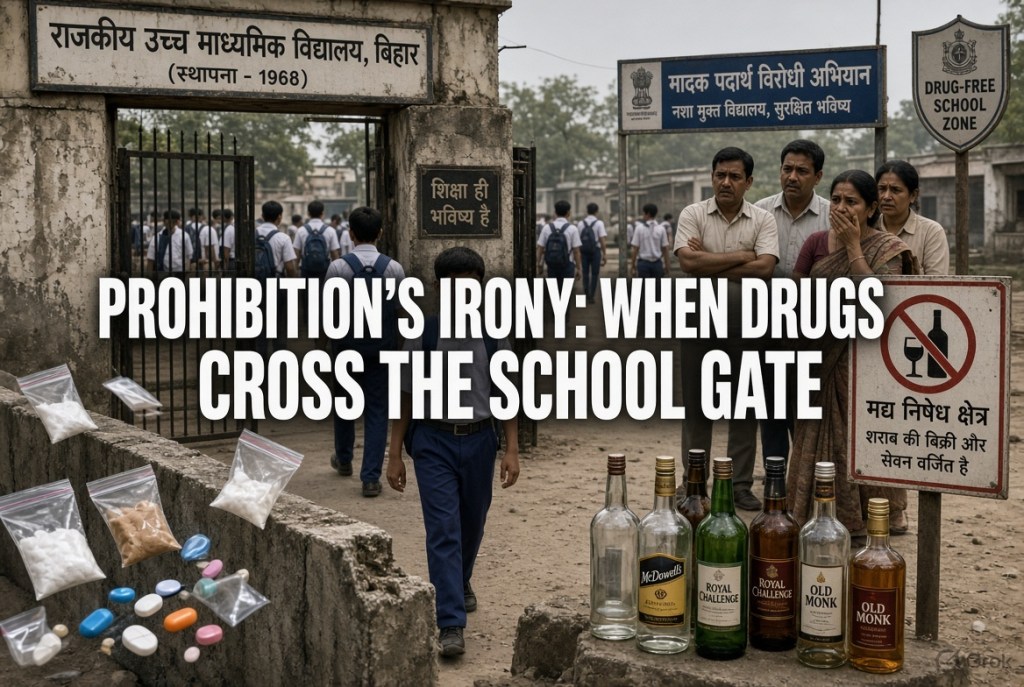
Bihar’s evolving narcotics problem exposes a disturbing paradox of public policy: suppressing one intoxicant does not automatically eliminate the demand for intoxication. Since introducing alcohol prohibition in 2016, the state has pursued social objectives including reducing domestic violence, household indebtedness and alcohol-related disorder. Yet reports of expanding narcotics markets raise concerns about whether prevention, treatment and enforcement have evolved alongside prohibition. The evidence does not establish that prohibition caused the drug problem; trafficking networks, economic distress, changing consumption patterns and healthcare deficiencies also matter. Nevertheless, Bihar presents a larger national warning: when policy focuses predominantly on restricting supply without addressing demand, criminal enterprises may exploit emerging opportunities. The challenge is no longer merely controlling intoxicants but understanding how substance use changes geography, composition and demographics—from border regions towards interior districts, and from adult populations towards vulnerable adolescents.
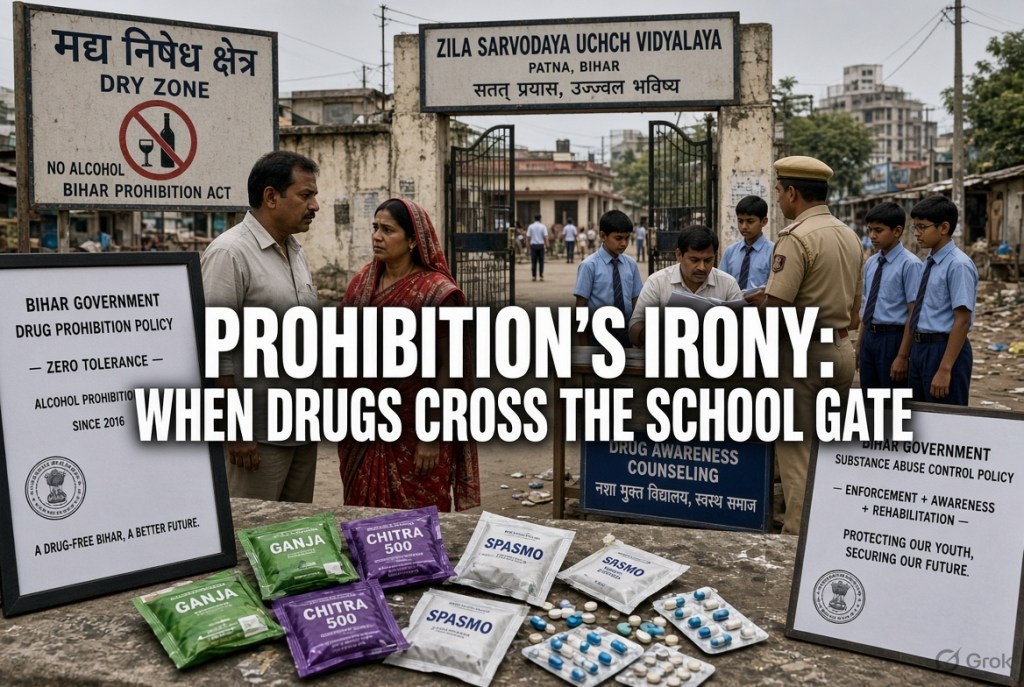
The scale of prohibition enforcement illustrates the complexity. Figures cited in the supplied material indicate seizures exceeding three crore litres of illicit liquor and more than seven lakh arrests over the years. These figures demonstrate substantial enforcement activity, but cannot independently establish either the policy’s overall social benefits or its unintended consequences. The critical distinction is between suppressing the availability of a particular substance and reducing the underlying demand for intoxication. Where demand persists, illicit suppliers have incentives to introduce substitutes, diversify products and reorganise distribution. Reports of heroin, brown sugar, MDMA and locally named substances such as “Kota” suggest a potentially diversifying market, although chemical composition, prevalence and trends require systematic verification. Bihar’s experience must therefore be assessed through reliable data on consumption, prices, seizures, treatment admissions, overdoses and trafficking routes—not political claims that prohibition has either solved or single-handedly created the crisis.
The geographical transformation deserves particular attention. India’s narcotics challenge has historically attracted attention around vulnerable border regions, including Punjab and parts of the Northeast, but drug distribution is not confined by state boundaries or distance from international frontiers. Bihar’s connectivity with Nepal, northeastern India and extensive road and railway networks creates logistical complexities for enforcement. Interior towns, rural communities and previously less-scrutinised districts may become retail markets even when they are not major entry points for contraband. Small consignments, multiple intermediaries and decentralised distribution can make illicit networks harder to detect. However, reports of specific routes or local supply channels must be verified through investigations and forensic evidence. Migration, occupation or residence near transport corridors should never become grounds for collective suspicion. Effective enforcement must follow financial transactions, identify principal suppliers and dismantle organised networks rather than merely apprehending vulnerable carriers.
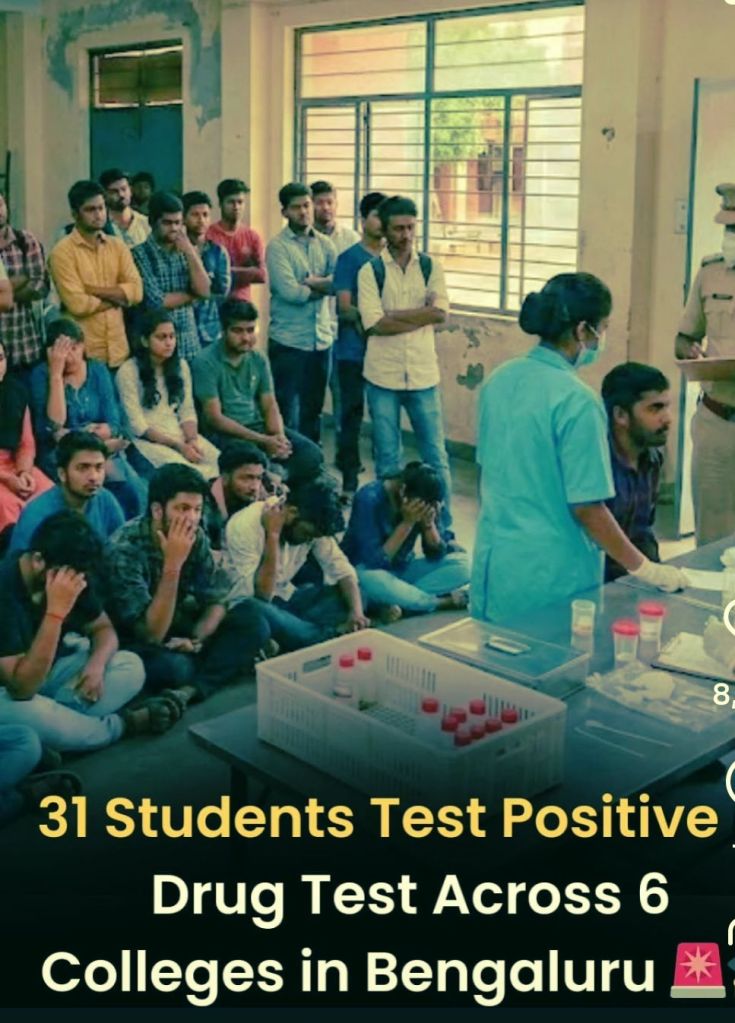
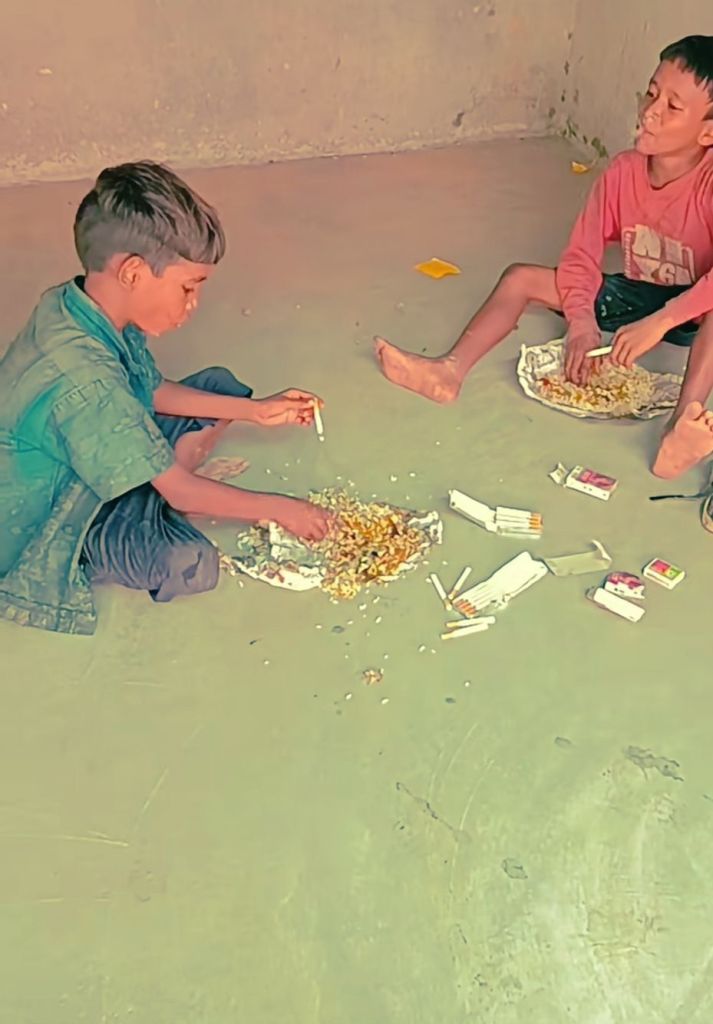
The most alarming shift is the potential movement of substance use into younger age groups and educational environments. The supplied material cites national estimates indicating approximately 18 lakh children require intervention for inhalant-related problems and reports that around 1.7% of children and adolescents use inhalants. These figures require careful interpretation against the original survey definitions and current official data, but the underlying warning is serious. Inhalants, tobacco, misused prescription medicines and other psychoactive substances may expose children to harm before their physical, emotional and educational development is complete. Schools, coaching centres and surrounding neighbourhoods must therefore become central to prevention. Early experimentation cannot automatically be equated with dependence, but it demands age-appropriate awareness, confidential counselling, family engagement and timely clinical assessment. The objective is to identify vulnerability before experimentation escalates into persistent harmful use, educational exclusion and long-term health damage.
This demographic danger intersects with Bihar’s socioeconomic realities. Unemployment, educational pressure, uncertain livelihoods, psychological distress and limited recreational opportunities can increase vulnerability, although no single factor explains addiction. The pandemic and reverse migration may have intensified hardship in some communities, but their direct contribution to subsequent drug consumption requires longitudinal evidence. For a state with a substantial young population, the consequences extend beyond individual health: addiction can disrupt education, undermine employability, strain family finances and weaken productive capacity. The same concern applies nationally, where India’s demographic dividend depends on young people becoming healthy, skilled and economically independent adults. Prevention must therefore reach beyond occasional awareness campaigns. Sports, arts, vocational training, mentorship, mental-health support and meaningful employment pathways can strengthen resilience. Families and institutions need practical guidance that encourages early help-seeking rather than stigma, secrecy or the criminalisation of every person who uses substances.

The changing drug mix further complicates the response. Opioids can produce dependence and potentially fatal overdoses, while stimulants and other psychoactive substances may cause different medical and psychiatric complications. Products sold under familiar street names may contain unexpected ingredients, making laboratory identification essential. Prescription-drug diversion also demands attention: medicines intended for legitimate treatment can cause serious harm when misused or supplied outside regulatory controls. The supplied material raises concerns about limited de-addiction capacity, including a claim that around 15 treatment centres serve 11 districts in Bihar; this figure should be verified against current official records before being cited as definitive. The broader policy gap remains significant wherever affordable, evidence-based treatment is inaccessible. Sustainable recovery requires qualified professionals, appropriate medication, counselling, family support, relapse prevention and community-based follow-up. Unregulated rehabilitation facilities must also be monitored to protect patients from coercion, abuse and unsafe practices.

Bihar and other states need an integrated strategy that combines intelligence-led enforcement with public-health intervention. Police and narcotics agencies should prioritise financiers, major suppliers, interstate distributors and organised traffickers, supported by forensic testing, financial investigations and intelligence-sharing. District administrations should map treatment gaps and establish accessible referral pathways through government hospitals and specialist facilities. Schools and coaching institutions should provide confidential counselling, age-appropriate prevention and early referral without turning educational campuses into environments of indiscriminate suspicion. Pharmaceutical supply chains require effective monitoring, while rehabilitation must include aftercare and support for educational and employment reintegration. Performance should be measured through reduced harmful consumption, improved recovery, fewer overdoses, safer communities and the disruption of major criminal networks—not simply arrests, seizures or publicity-driven campaigns. Independent evaluations should also examine alcohol prohibition’s intended benefits alongside any unintended changes in substance use.

Ultimately, Bihar’s crisis is a warning that narcotics policy must adapt as markets, routes and consumers change. The movement from border states towards interior regions, and the reported exposure of school-age children, represents a potential expansion of both the geographical footprint and the social cost of drug abuse. Yet sound policy must distinguish verified trends from alarming reports and correlation from causation. Prohibition may serve legitimate social objectives, but no restrictive law can substitute for prevention, treatment, intelligence and sustained community engagement. India must avoid an endless cycle in which one illicit market is constrained while another exploits persistent demand and institutional weaknesses. The ultimate measure of success is not how many litres are seized or how many people are arrested, but how effectively criminal networks are dismantled, vulnerable children are protected, people with addiction receive dignified care and families are spared preventable suffering. The real battle is not merely against drugs crossing borders; it is against addiction crossing the school gate.
VISIT ARJASRIKANTH.IN FOR MORE INSIGHTS !!!

