
Amit Shah’s political significance lies in a proposition that contemporary democracies often underestimate: elections may be won through public appeal, but enduring political dominance requires organisation, institutional discipline, strategic intelligence and the capacity to convert ideological commitments into administrative action. On the occasion of his birthday on 22 October, Nation extends warmest wishes to Amit Shah for good health, happiness, wisdom and continued success in public service. Widely described as the “Modern Chanakya” of Indian politics, Shah represents a distinctive model of political leadership in which the visible charisma of a leader is complemented by an often less visible machinery of planning, mobilisation and execution. His relevance extends beyond the Bharatiya Janata Party (BJP), because his career offers an instructive case study of how political organisations build durable electoral coalitions, penetrate new geographical territories and translate long-standing ideological objectives into consequential policy decisions. To understand present-day Indian politics, therefore, one must examine not merely Shah’s electoral victories, but the organisational architecture, governing philosophy and strategic methods that underpin them.

The first defining chapter of Shah’s national influence was his transformation of electoral management into a sophisticated organisational science. His role in the BJP’s spectacular performance in Uttar Pradesh in 2014, when the party and its allies secured 73 of the state’s 80 Lok Sabha seats, established his reputation as an exceptional political organiser. As BJP president from 2014 to 2020, he prioritised booth-level mobilisation, cadre expansion, membership drives, candidate selection and systematic coordination between the party’s central leadership and grassroots workers. The BJP’s 2019 victory, when it independently won 303 Lok Sabha seats, reinforced the effectiveness of this organisational model. Shah’s strategic contribution was not simply to win elections, but to institutionalise the capacity to contest them repeatedly across diverse regions and social constituencies. His political relevance today lies in demonstrating that data-informed planning, disciplined execution and continuous engagement with voters can give a political party a formidable competitive advantage.
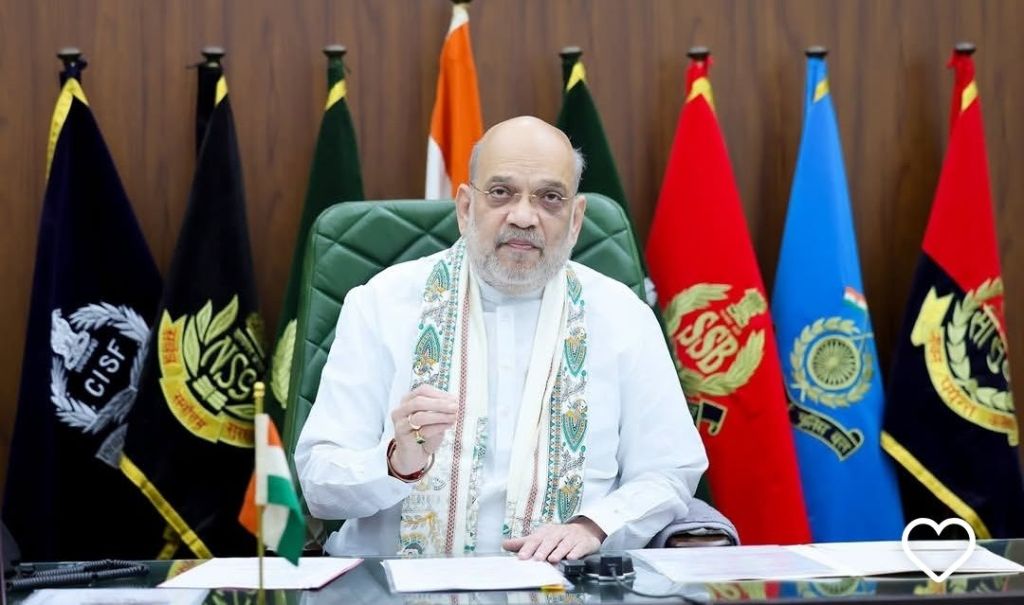
As Union Home Minister, Shah became the principal parliamentary face of several consequential decisions reflecting the BJP’s ideological commitments. The 2019 abrogation of Article 370 and the reorganisation of Jammu and Kashmir into two Union Territories represented a historic departure from the region’s previous constitutional arrangement. The Citizenship (Amendment) Act, 2019, subsequently brought into force through rules notified in 2024, was another major initiative, intended by the government to facilitate citizenship for specified non-Muslim migrant communities from Afghanistan, Bangladesh and Pakistan. Both measures generated intense political, constitutional and social debate, revealing the scale of Shah’s willingness to pursue politically contentious objectives. His governing philosophy emphasises decisive implementation over prolonged ambiguity. Yet the ultimate assessment of such decisions must extend beyond legislative passage to their consequences for national integration, federal relations, civil liberties, social cohesion and public confidence. Decisiveness is a powerful instrument of governance; democratic legitimacy requires that its exercise remain accountable to constitutional principles and judicial scrutiny.

Internal security has emerged as another central pillar of Shah’s political and administrative identity. His ministry has pursued counterterrorism coordination, action against left-wing extremism, engagement with insurgent groups in the Northeast and measures to strengthen border and intelligence capabilities. The government’s strategy increasingly combines security operations with peace agreements, rehabilitation and development interventions, recognising that violence cannot be overcome sustainably through force alone. In June 2026, Shah unveiled the Narcotics Control Vision Document for 2026–2029, emphasising coordinated enforcement, technological intelligence and disruption of drug-trafficking networks.
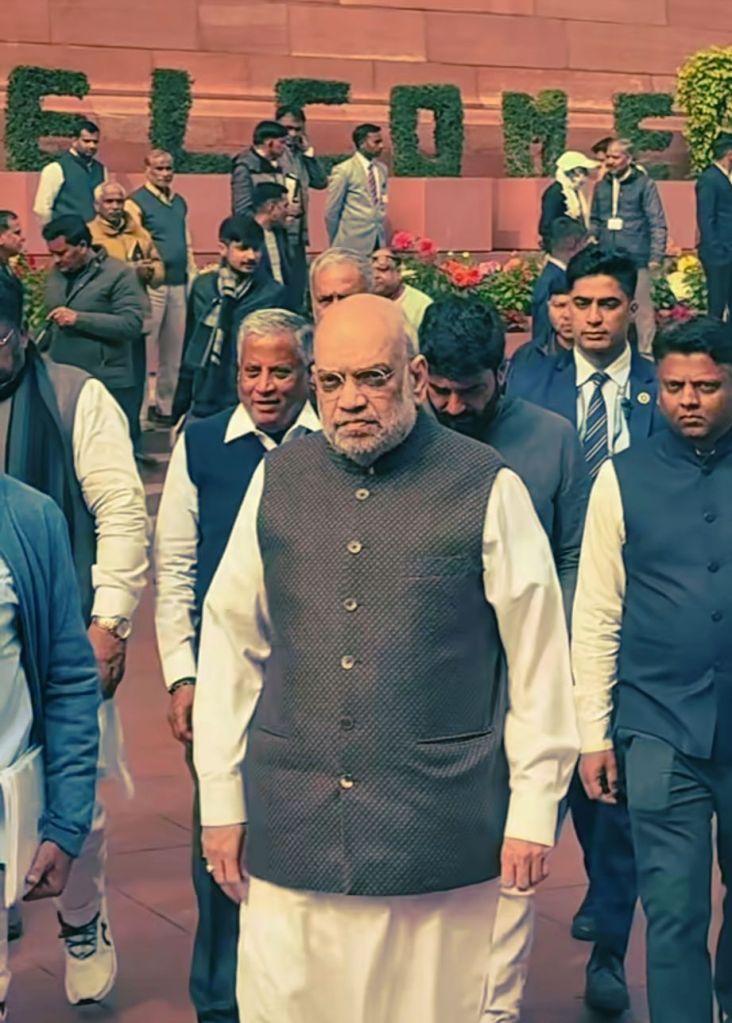
These priorities have become especially relevant as national security increasingly intersects with cybercrime, organised trafficking, illicit finance and transnational criminal networks. The real test of this approach is whether measurable security gains translate into lasting peace, safer communities, stronger institutions and greater opportunities for young people in vulnerable regions.
His stewardship of the three new criminal laws—the Bharatiya Nyaya Sanhita, Bharatiya Nagarik Suraksha Sanhita and Bharatiya Sakshya Adhiniyam, effective from 1 July 2024—constitutes another major contribution to India’s legal and administrative landscape. The legislation replaced the principal colonial-era criminal codes governing offences, criminal procedure and evidence. The reforms seek to modernise criminal justice through greater use of technology, forensic investigation and specified procedural timelines. Their ambition is significant, but legislation alone cannot deliver justice. Success depends on adequately trained police personnel, forensic infrastructure, judicial capacity, competent prosecution and effective safeguards against misuse. As India’s population, economy and digital transactions expand, the demand for accessible, timely and impartial justice becomes increasingly urgent. Shah’s role in advancing this restructuring will ultimately be judged not simply by the scale of legislative change, but by whether ordinary citizens experience a more responsive, equitable and trustworthy justice system.
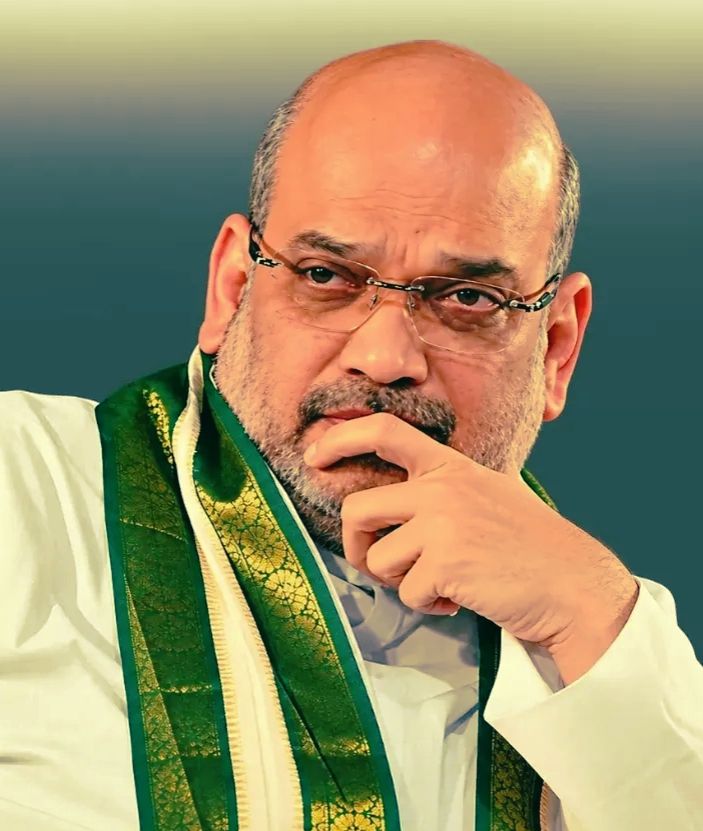
Equally important, though less visible in electoral discourse, is Shah’s responsibility as India’s first Union Minister of Cooperation. The cooperative sector connects agricultural credit, dairy production, rural enterprise and community-owned economic activity with millions of households. Initiatives to computerise Primary Agricultural Credit Societies, strengthen cooperative institutions and improve administrative transparency can help modernise rural economic infrastructure. His recent emphasis on narcotics control also illustrates his preference for measurable objectives, inter-agency coordination and time-bound implementation. These initiatives reflect a broader administrative philosophy: national development requires institutions capable of reaching citizens beyond metropolitan centres and established corporate networks. Nevertheless, cooperatives must remain genuinely member-driven, financially accountable and professionally managed if their potential is to be realised. Technology and central coordination can improve efficiency, but durable rural empowerment depends equally on democratic participation, local leadership and equitable access to economic opportunity.
Perhaps Shah’s most distinctive contribution is his ability to connect political strategy with the machinery of government. His long partnership with Prime Minister Narendra Modi has shaped the BJP’s organisational expansion and the government’s approach to implementing major policy commitments. Supporters admire his discipline, strategic precision, ideological consistency and administrative decisiveness. Critics, however, raise concerns about political polarisation, centralisation of authority, civil liberties and the implications of increasingly competitive electoral strategies for institutional independence. These competing assessments are not peripheral to his legacy; they are integral to it. In a constitutional democracy, political effectiveness must coexist with pluralism, accountability and respect for dissent. Shah’s continued relevance will depend not only on his ability to consolidate political power or deliver security objectives, but also on the extent to which institutions remain robust, public trust deepens and citizens with differing identities and opinions feel equally protected by the state.

As Amit Shah celebrates his birthday on 22 October, our warmest wishes extend to him for good health, happiness, wisdom and continued success in public service. At 62, his political journey offers a compelling study of how organisational discipline, strategic patience and determined execution can reshape a nation’s political landscape. His contributions to electoral organisation, constitutional policymaking, internal security, criminal-law reform and the cooperative movement have established him as one of the most consequential figures in contemporary Indian politics. The larger challenge ahead is to ensure that decisiveness produces not merely political victories, but lasting institutional strength, inclusive development, social harmony and justice for every citizen. Happy Birthday, Amit Shah . May the year ahead bring renewed energy and wisdom to your public responsibilities, and may your continued service contribute to a secure, prosperous, confident and constitutionally strong India.
VISIT ARJASRIKANTH.IN FOR MORE INSIGHTS

