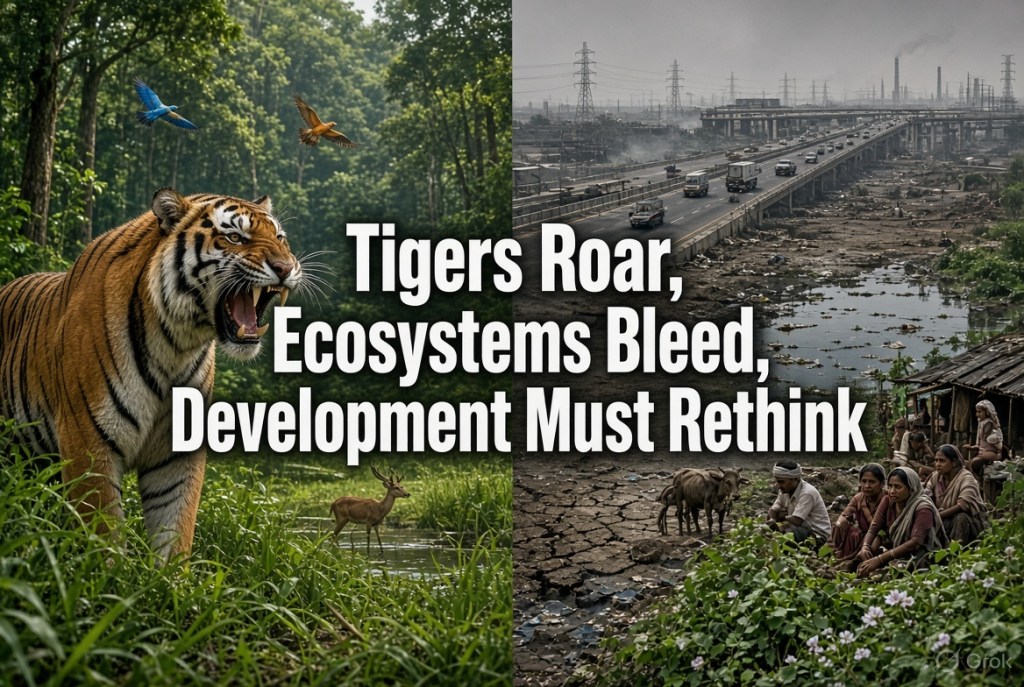
India’s conservation story is one of the most compelling paradoxes of modern environmental governance: a country confronting enormous developmental pressures has emerged as a global stronghold for wild tigers, yet continues to lose ecological ground across numerous habitats and species. The controversy surrounding The Economist’s portrayal of India’s conservation achievements as extraordinary for a relatively poor country reveals an uncomfortable intellectual prejudice: the assumption that environmental responsibility follows wealth. Conservation is neither the exclusive privilege of affluent societies nor a luxury that developing nations must postpone. India’s cultural traditions, ecological knowledge, scientific institutions and dedicated frontline personnel demonstrate that meaningful protection is possible despite resource constraints. Yet national pride must not become ecological complacency. The survival of a celebrated species does not automatically establish the health of its habitat, the integrity of its food web or the resilience of the ecosystem supporting it. India’s achievement is real; the danger lies in mistaking a significant victory for a comprehensive triumph.
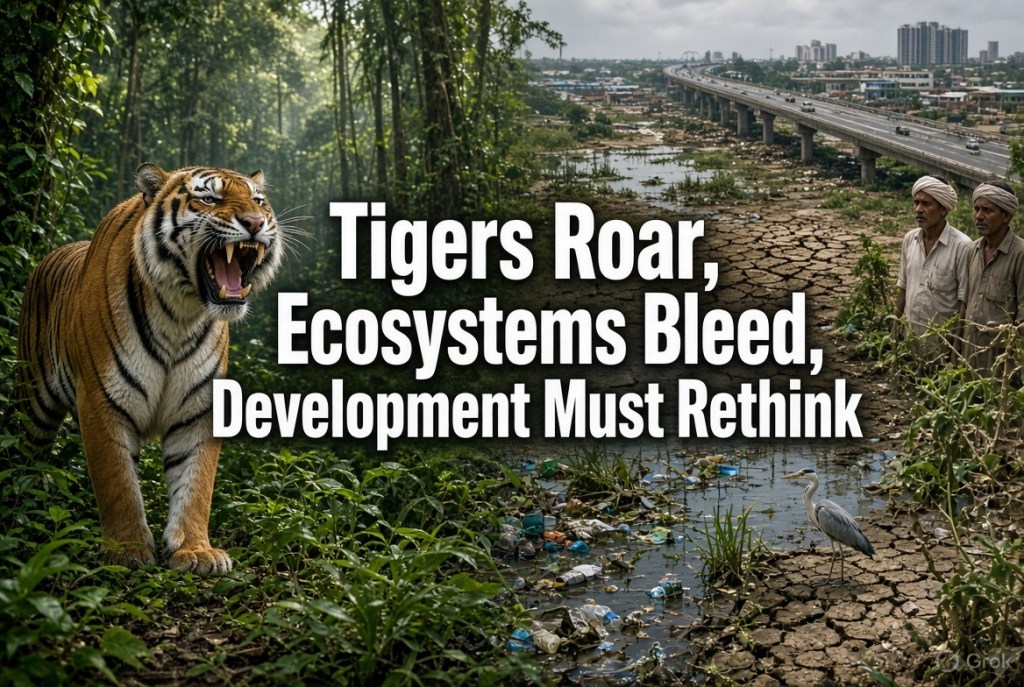
The historical roots of this contradiction lie in the transformation of India’s relationship with nature. Many communities historically incorporated ecological restraint into customary practices, sacred groves, seasonal restrictions and livelihood systems, although these traditions varied considerably in their effectiveness and inclusiveness. Colonial forest legislation, beginning with the Indian Forest Act of 1865, progressively consolidated state control over forests, frequently restricting customary rights while privileging commercial extraction and administrative control. Independent India inherited much of this institutional architecture while introducing modern conservation science, protected areas and international environmental commitments. The resulting model achieved important gains but often treated forest-dependent communities as subjects of regulation rather than partners in stewardship. The intellectual challenge is to reconcile scientific evidence, constitutional safeguards, indigenous knowledge and democratic participation. Neither romanticising every traditional practice nor dismissing community wisdom will suffice. Conservation must be scientifically credible, socially legitimate and institutionally accountable if it is to endure beyond political cycles.
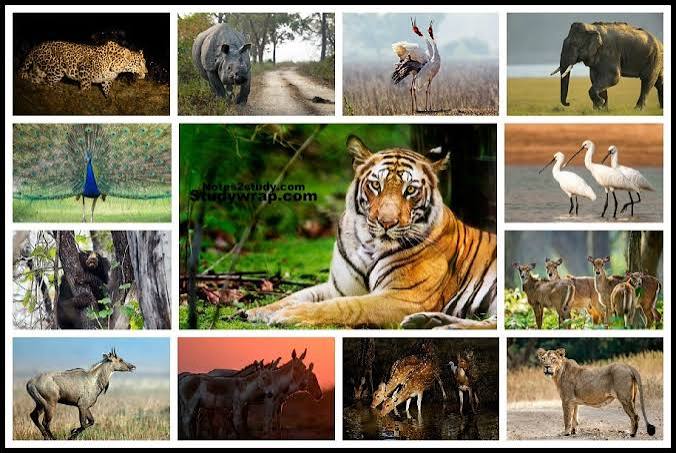
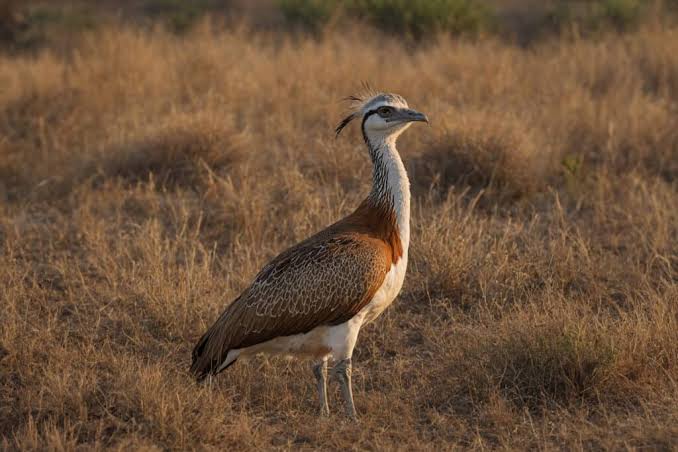
India’s tiger conservation programme demonstrates what sustained political commitment, monitoring and institutional coordination can accomplish. With an estimated 3,682 tigers in the 2022 assessment, India supports approximately three-quarters of the world’s wild tiger population. Its network of 58 tiger reserves represents a substantial conservation achievement. Nevertheless, the tiger has also become a symbol of a potentially misleading equation: more tigers equals healthier biodiversity. Charismatic species attract political attention, tourism revenue and public funding, while grassland birds, amphibians, insects, freshwater organisms and endemic plants struggle for comparable visibility. The Great Indian Bustard illustrates this imbalance. Critically endangered, it faces severe habitat pressures and collisions with overhead power lines. Captive breeding and releases may offer hope, but their significance must be measured through survival, reproduction and the recovery of viable habitat. A country can celebrate recovering tiger numbers while losing grasslands, wetlands and lesser-known species essential to ecological stability. Conservation cannot be reduced to protecting wildlife celebrities while neglecting the ecosystems that make their survival possible.
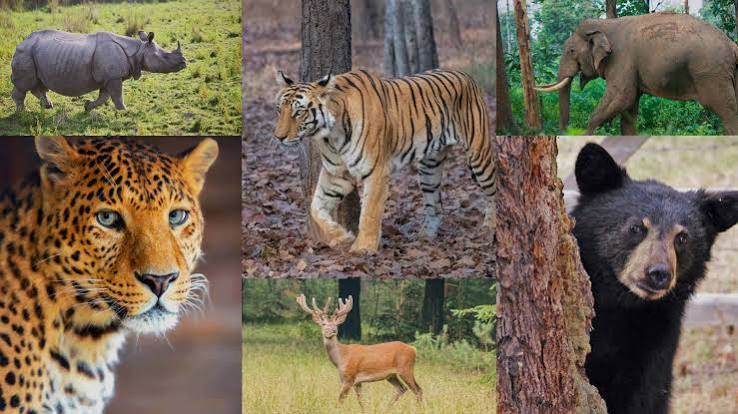
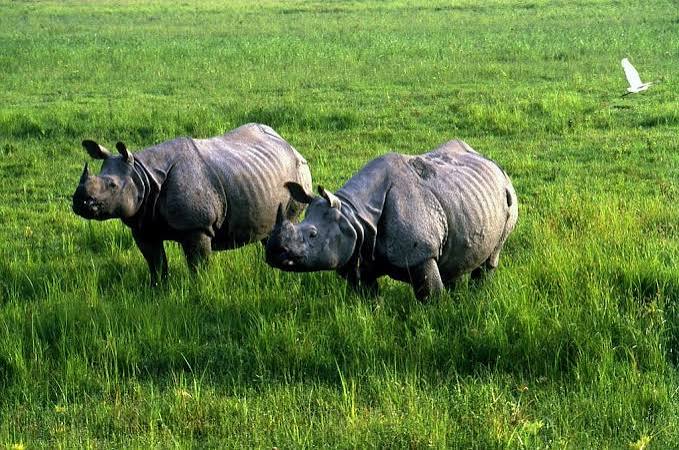
India’s demographic and geographical realities make the task exceptionally difficult. Supporting a substantial share of humanity on approximately 2.4 per cent of global land area creates intense competition among agriculture, housing, mining, transport, renewable energy and wildlife habitats. Moreover, reported forest-and-tree-cover statistics cannot automatically be interpreted as evidence of intact ecosystems: plantations, fragmented woodland and degraded natural forests differ profoundly in ecological function. Protected areas occupy only a limited proportion of the national landscape, while elephants, leopards and numerous other species depend on habitats and corridors extending beyond formal boundaries. Roads, railways, dams, transmission lines and expanding settlements can divide populations, obstruct migration and undermine genetic exchange. The answer is not to freeze development, but to make its ecological costs visible before irreversible decisions are taken. Scientifically mapped corridors, wildlife-sensitive infrastructure design, functional underpasses and overpasses, cumulative-impact assessments and transparent environmental clearances must become central to planning. A reserve surrounded by an ecological wasteland is not a conservation success; it is an island awaiting isolation.
The crisis extends far beyond fragmentation. Poaching, illegal wildlife trafficking, invasive alien species, pollution and climate change interact to intensify pressures on vulnerable populations. Changing temperatures and rainfall patterns can alter species distributions faster than administrative boundaries can accommodate them. Invasive plants can transform forest structure and suppress native vegetation, while inadequate long-term monitoring leaves major gaps in our understanding of insects, small mammals and other poorly studied organisms. India’s vulture crisis offers a sobering lesson: the collapse of a single ecological group can disrupt natural carcass disposal and create wider public-health consequences. Biodiversity loss is therefore not a sentimental concern confined to wildlife enthusiasts. It affects agricultural productivity, water security, disease dynamics, climate resilience and the economic foundations of rural communities. India requires a comprehensive biodiversity-monitoring architecture that evaluates habitats, ecological interactions and multiple taxonomic groups, rather than relying disproportionately on population estimates for a handful of flagship species. What governments do not measure systematically, they cannot protect intelligently.
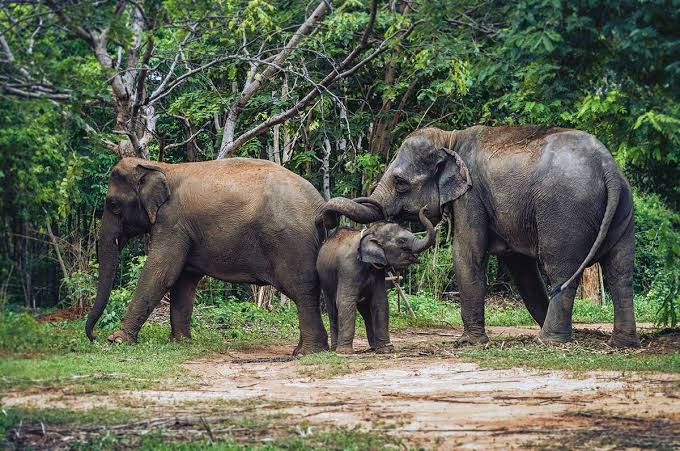
The most politically sensitive conservation challenge is the conflict between wildlife protection and human livelihoods. Elephants destroy crops, wild pigs damage fields, and encounters with large mammals can cause injury, death and devastating financial loss. When communities bear these costs while tourism revenues and conservation prestige accrue elsewhere, wildlife protection can appear less like a shared national responsibility and more like an unfair restriction imposed on vulnerable citizens. Delayed compensation, understaffed forest departments, inadequate equipment and weak enforcement further erode trust. Conservation policy must therefore make coexistence economically credible. Governments should provide time-bound compensation, reliable early-warning systems, rapid-response teams and accessible grievance mechanisms. Forest-fringe communities and panchayats should participate meaningfully in decisions, while appropriate tourism revenues and conservation-linked livelihood opportunities should reach local households. Community-led protection initiatives demonstrate that residents can become formidable custodians when their knowledge, incentives and dignity are respected. The fundamental principle is straightforward: conservation cannot sustainably succeed by asking those with the least economic security to bear its greatest immediate costs.
India must now move from a protection-centric approach towards a comprehensive conservation economy. This demands predictable funding, professional training, modern forensic capabilities, technology-assisted anti-poaching operations and stronger prosecution of wildlife crimes. Tools such as M-STrIPES can improve monitoring, while conflict-reduction innovations must be evaluated rigorously before being scaled up. Captive breeding, translocations and reintroductions should remain carefully justified interventions, supported by assessments of habitat suitability, genetic diversity, disease risks and long-term survival. Equally important is ecological restraint: increasing one species’ numbers must not involve interventions that damage natural processes or disadvantage other species. Biodiversity considerations must inform infrastructure approvals, agricultural policy, renewable-energy siting and climate adaptation from the outset, not appear as procedural obstacles after projects are designed. Success should be assessed through measurable ecological recovery, habitat connectivity, species diversity and reduced human-wildlife conflict—not simply higher expenditure, larger reserve boundaries or impressive population figures. The objective is not development without environmental costs, but development that recognises ecological destruction as an economic and intergenerational liability.
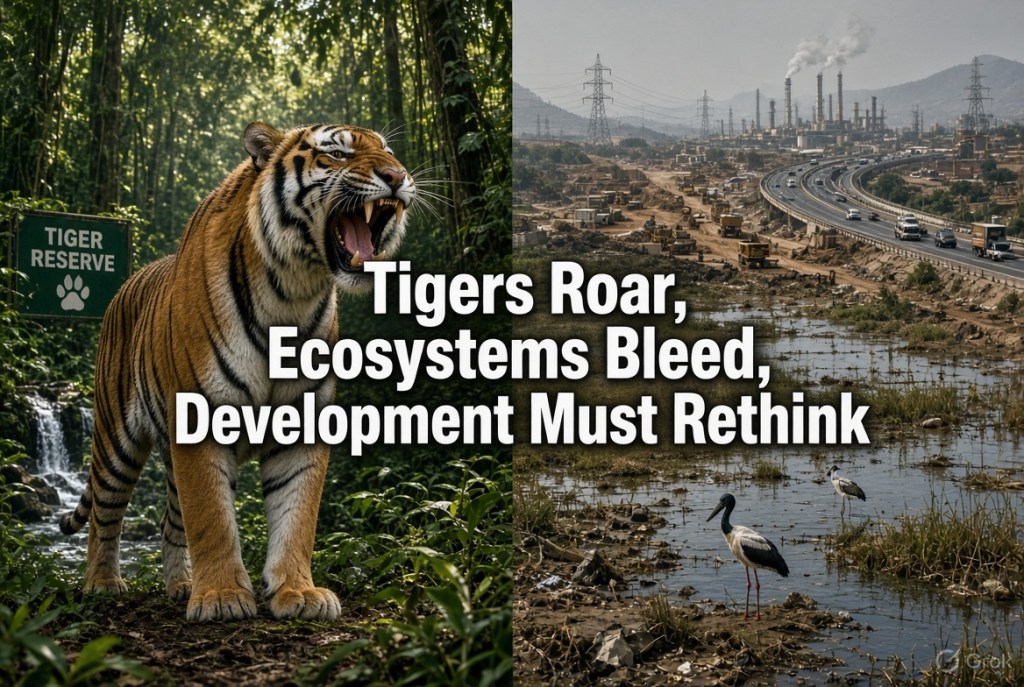
Ultimately, the debate over whether a relatively poor country can conserve nature asks the wrong question. The real test is whether a rapidly developing, densely populated democracy can reconcile legitimate economic aspirations with ecological survival. India has demonstrated that sustained intervention can rescue threatened species and build globally significant conservation institutions. Its next achievement must be more ambitious: connected forests, recovering rivers, functioning grasslands, resilient food webs and communities that regard wildlife as compatible with their security and prosperity. Wealth can finance conservation, but it cannot purchase ecological wisdom, public trust or political courage. Nor can national branding substitute for evidence of a recovering natural world. India’s environmental leadership will be judged not merely by whether tigers survive within protected reserves, but by whether its development model allows biodiversity to flourish across the wider landscape. The ultimate conservation miracle is not wildlife surviving despite human progress; it is a society learning that genuine progress is impossible when the natural systems sustaining life are allowed to collapse.
VISIT ARJASRIKANTH.IN FOR MORE INSIGHTS

