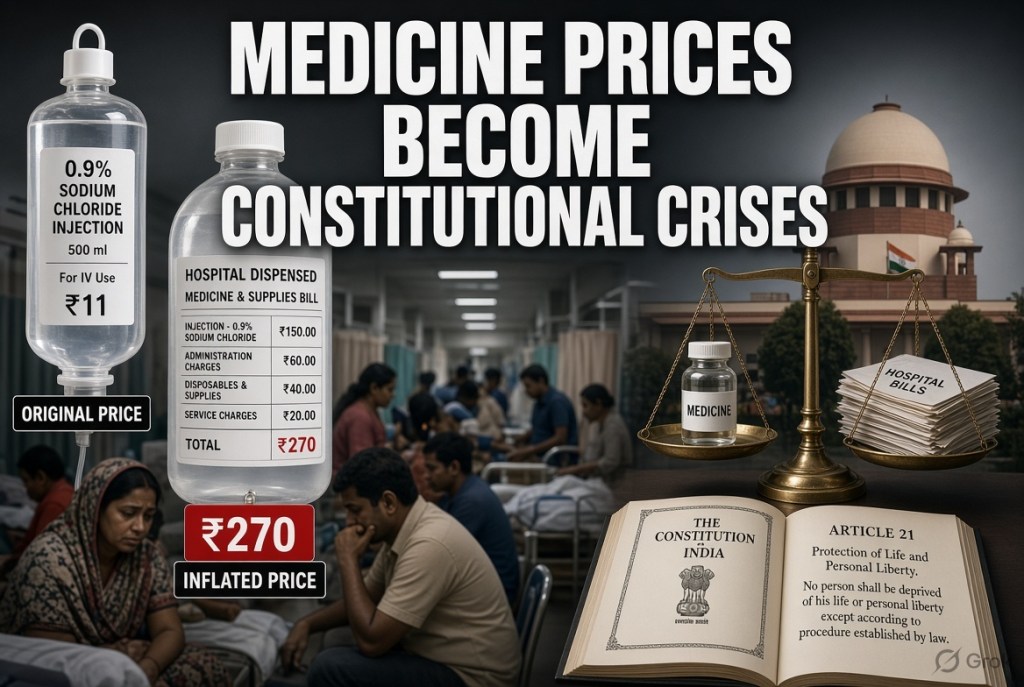
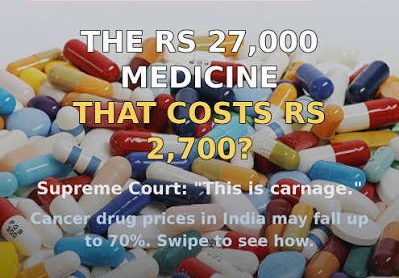
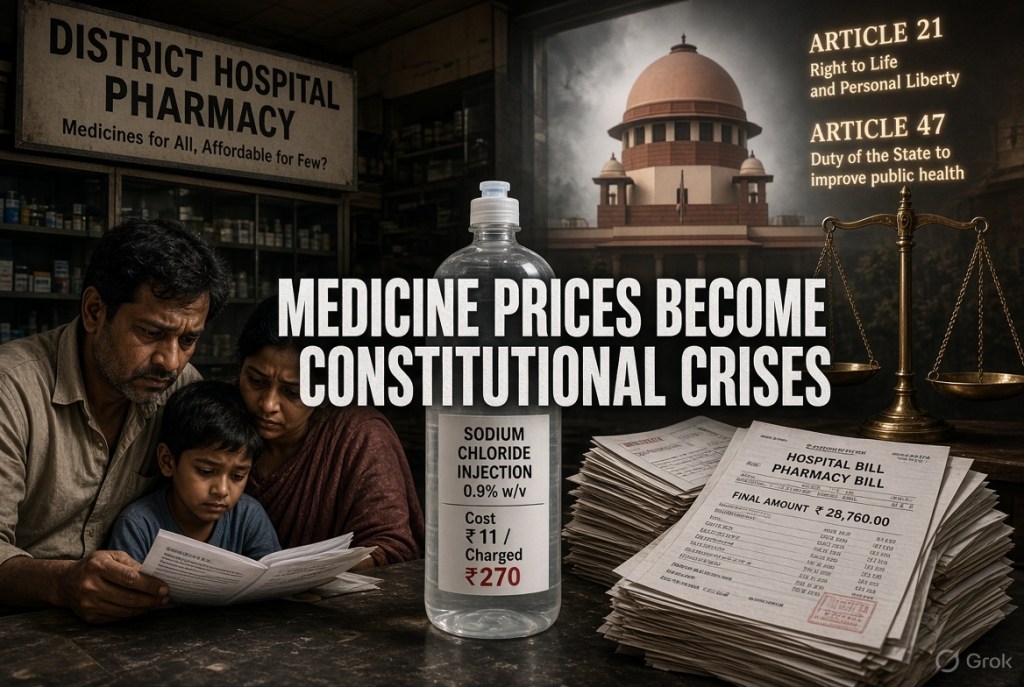
The Supreme Court’s deadline is not merely about capping pharmaceutical margins. It is a test of whether India can reconcile market freedom with the constitutional promise of life, dignity and affordable healthcare. There are moments when a price tag becomes a constitutional question. When a saline drip reportedly costing ₹11 reaches a patient at ₹270, or a cardiac stent costing ₹5,000 is sold for ₹25,000, the issue transcends commercial margins and exposes the moral fault lines of healthcare capitalism. The Supreme Court of India’s reported intervention seeking a concrete nationwide framework for regulating medicine trade margins by October 27, 2026, brings an uncomfortable question to the centre of public policy: can healthcare remain genuinely accessible when patients confront opaque pricing, unequal bargaining power and medically unavoidable expenditure? The real challenge is not simply to make medicines cheaper. It is to redesign the institutional architecture through which medicines are manufactured, distributed, prescribed, purchased and reimbursed—without compromising quality, availability or innovation.
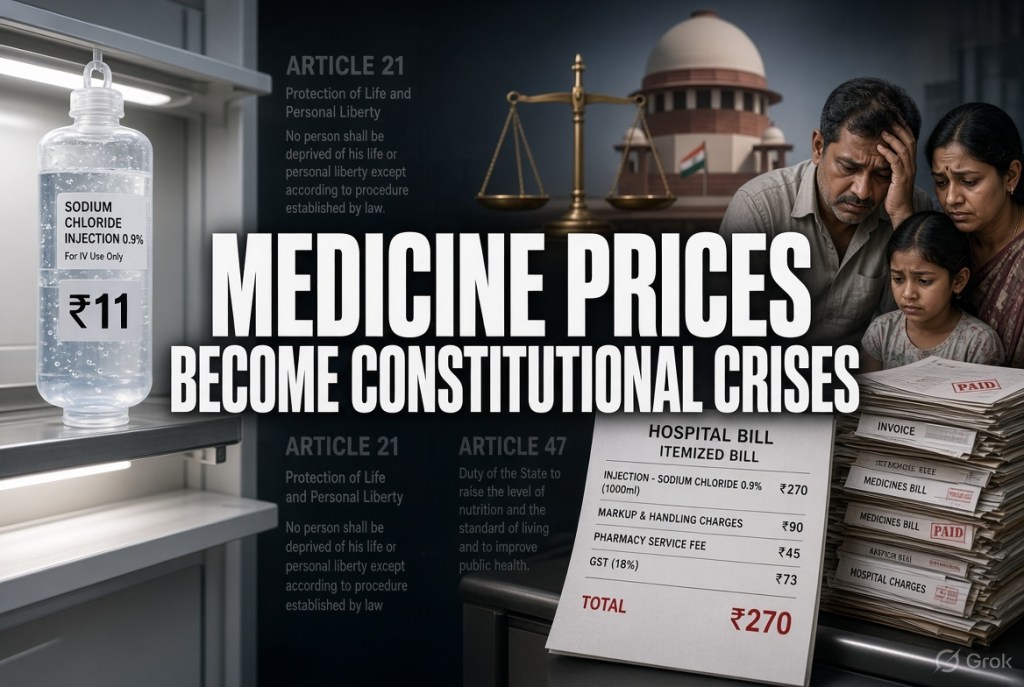
Pharmaceutical markets are fundamentally unlike ordinary consumer markets. A patient buying a life-saving drug rarely possesses the technical knowledge or practical freedom to negotiate its price. The doctor prescribes, the hospital or pharmacy supplies, the insurer or taxpayer may reimburse, but the patient frequently bears the ultimate financial burden. This separation between medical decision-making, commercial supply and payment creates opportunities for distorted incentives. Where demand is unavoidable and substitutes remain poorly understood, excessive margins can become instruments of rent extraction rather than reasonable compensation for distribution. The consequences extend beyond individual hardship: inflated medicine bills can exhaust household savings, deepen indebtedness and transfer avoidable costs to publicly funded insurance schemes. The market failure is therefore not merely about high prices; it concerns who possesses information, who exercises pricing power and who ultimately pays.
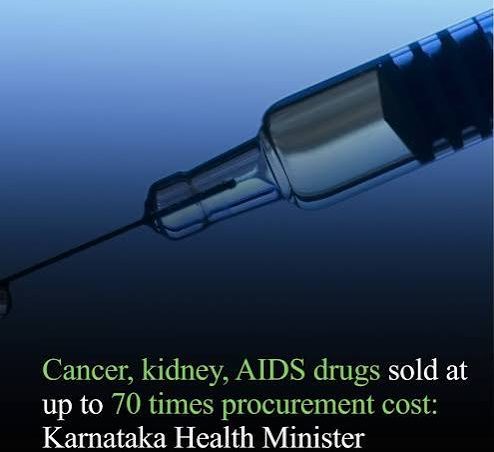
The constitutional case for intervention is compelling. Article 21, through its judicial interpretation of the right to life, and Article 47, which directs the State to improve public health, establish a powerful foundation for making essential treatment accessible. Yet constitutional responsibility must translate into measurable outcomes, not rhetorical commitments. India’s distinction between scheduled and non-scheduled medicines raises a difficult question: should patients remain exposed to potentially excessive distribution margins simply because a formulation falls outside existing price-control coverage? Targeted controls in areas such as cancer medicines demonstrate the importance of examining pricing practices, but any nationwide framework must be supported by reliable evidence on costs, competition and patient affordability. Healthcare cannot be treated as an ordinary marketplace when the consequences of exclusion can be irreversible.

The strongest argument against indiscriminate regulation is that distribution has genuine economic costs. Medicines must travel through complex supply chains, sometimes requiring specialised storage, cold-chain facilities, inventory management and stringent quality controls. Rural pharmacies and low-volume distributors may operate on narrow sales volumes despite substantial fixed costs. A uniform margin ceiling that ignores these realities could discourage the supply of essential but commercially unattractive medicines. Yet this is no justification for preserving excessive margins across the board. The intelligent response is differentiated regulation: identify legitimate costs, distinguish them from avoidable commercial rents, and create transparent compensation mechanisms where necessary. The objective must be affordable medicines without empty shelves.
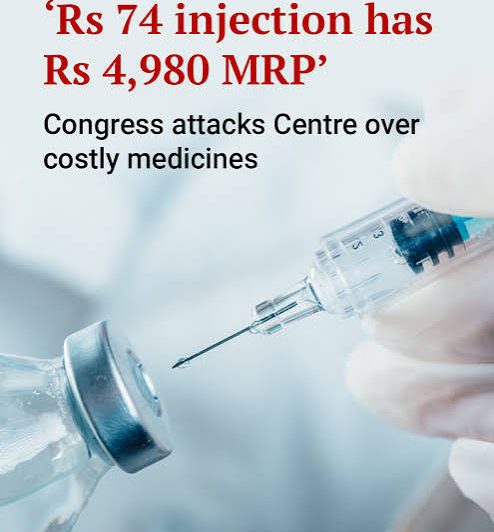
Hospitals present an equally complicated challenge. Pharmacy revenues may contribute towards nursing, diagnostics, infrastructure and other operational expenses. Abruptly compressing medicine margins could prompt some institutions to recover lost revenue through higher consultation fees, room charges, procedural costs or diagnostic tariffs. Patients might then pay less for a drug but more for the overall treatment episode. Regulation must therefore examine the entire hospital bill rather than celebrate isolated price reductions. Standardised billing, disclosure of medicine procurement prices, transparent markups and scrutiny of bundled charges are essential. Otherwise, profit will simply migrate from one billing category to another, leaving the patient no better off.

The most important analytical distinction is between regulating trade margins and controlling the underlying price of a medicine. A retailer’s markup can be restricted while the manufacturer’s base price remains excessive. Patent protection, limited competition and the absence of affordable substitutes may further constrain patient choice. Consequently, margin caps must complement—not substitute for—ceiling prices for essential medicines, stronger generic competition, pooled public procurement and the judicious use of statutory public-health safeguards. India’s National Pharmaceutical Pricing Authority and existing drug-price-control framework provide institutional foundations, but nationwide implementation requires reliable transaction data, digital monitoring, inter-state coordination, credible penalties and sufficient enforcement capacity. A government notification without effective supervision risks becoming regulatory theatre: impressive on paper, inconsequential at the pharmacy counter.
The Supreme Court’s intervention also tests the relationship between constitutional accountability and executive competence. Judicial scrutiny is legitimate when persistent market failures threaten access to healthcare and executive responses remain inadequate. Nevertheless, designing a durable pharmaceutical pricing regime requires pharmacoeconomic analysis, supply-chain mapping, consultation with manufacturers and distributors, and careful assessment of regional disparities. Courts can demand a reasoned response, insist on accountability and ensure that constitutional obligations are not ignored; the executive must develop an administratively workable framework. India needs phased implementation, differentiated margin ceilings, transparent prescriptions that enable patients to access verified lower-cost alternatives, stronger public procurement and targeted logistical support for underserved regions. The success of regulation must be measured through affordability, availability, quality and actual household savings—not merely the percentage reduction announced.
The ultimate question is whether a citizen’s access to treatment should depend on purchasing power or on a healthcare system capable of protecting human dignity. The Supreme Court’s reported October 27 deadline may compel the Government to confront the political economy of pharmaceutical pricing, but the real test begins after the policy is announced. Can a patient obtain a medically necessary drug without hidden markups, coercive purchasing practices, shortages or compensatory hospital charges? Can legitimate commercial returns coexist with public-health obligations? India cannot guarantee every citizen freedom from illness, but it must strive to prevent poverty from becoming a barrier to treatment. The constitutional promise of healthcare will remain incomplete if the medicine saves a life but its price destroys the family’s financial future.
VISIT ARJASRIKANTH.IN FOR MORE INSIGHTS

