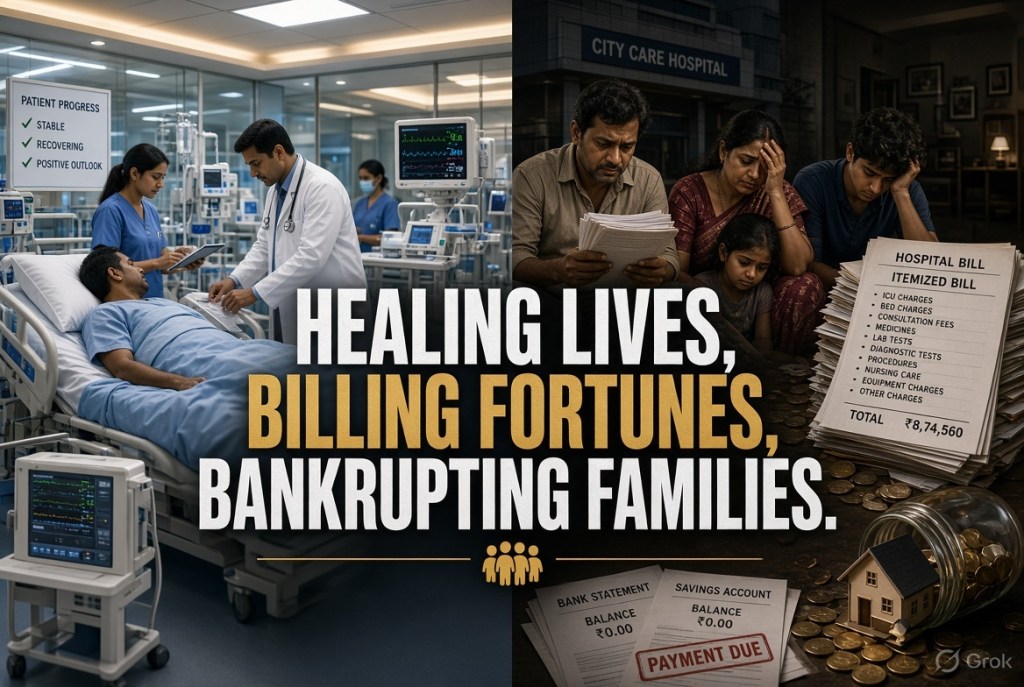
India’s healthcare system is confronting a disturbing paradox: medical science is advancing, hospital infrastructure is expanding, and private investment is accelerating, yet millions of families remain anxious about the financial consequences of falling ill. Hospital admission, which should mark the beginning of recovery, can instead trigger a crisis of debt, depleted savings and economic insecurity. Medical inflation, estimated in some assessments at 14–15 per cent annually, has raised serious concerns about affordability, although actual increases vary across treatments, providers and locations. The central question is no longer whether India can build world-class hospitals. It is whether world-class medicine can coexist with universal affordability. A country aspiring to global healthcare leadership must confront an uncomfortable truth: clinical progress loses much of its social value when access to treatment depends on a family’s capacity to withstand financial catastrophe.
The affordability gap becomes clearer when hospital costs are compared. Estimates place average hospitalisation expenditure in private facilities above ₹50,000, against approximately ₹6,600 in government hospitals, although these figures vary according to the period, methodology, location and complexity of treatment. Private hospitals deliver a substantial share of India’s healthcare, making their pricing practices central to the national debate. Their higher charges are not inherently unjustified: specialised clinicians, advanced equipment, intensive-care facilities, emergency readiness, research and infrastructure require significant capital. The real question is whether the price charged reflects the resources deployed, the clinical value delivered and the risks undertaken—or whether information asymmetry and limited patient choice permit excessive margins. Financial performance alone does not establish profiteering, but unexplained price disparities and opaque billing demand scrutiny. The challenge is not to punish medical excellence; it is to ensure that excellence does not become a privilege reserved for the financially secure.
The growing financialisation of healthcare adds another layer of complexity. Private equity, venture capital and institutional investment can strengthen governance, modernise facilities, improve efficiency and expand capacity. Yet investment models that prioritise rapid expansion, acquisition-led growth and defined exit horizons can create pressure to maximise revenue and returns. Healthcare, however, is not an ordinary consumer market. A customer comparing restaurants can walk away; a patient experiencing a cardiac emergency, complicated delivery or cancer diagnosis may have neither the time nor the freedom to compare prices. Urgency weakens bargaining power, while medical expertise gives providers a substantial informational advantage. This is a structural market failure, not proof that every corporate hospital acts improperly. It nevertheless establishes a compelling case for public oversight. Investors are entitled to reasonable returns, but those returns must operate within a framework that protects clinical judgment, informed consent and patients’ financial interests. When demand is driven by illness rather than choice, market discipline alone cannot guarantee fairness.
Vertical integration creates both opportunities and risks. Hospital groups operating diagnostic laboratories, pharmacies and specialised treatment facilities can coordinate care, reduce delays and achieve economies of scale. But excessive consolidation may weaken competition and make independent price comparisons more difficult. Concerns become particularly acute when patients receive bundled bills containing opaque charges for medicines, implants, consumables, investigations and procedures. Reports of steep mark-ups on basic medical supplies warrant transparent examination. A procurement price cannot be compared mechanically with a final charge without accounting for storage, wastage, logistics, taxes and clinical handling. Equally, these costs cannot justify unlimited mark-ups without disclosure. The appropriate response is systematic price transparency, independent audits and effective competition oversight—not indiscriminate accusations against providers. Patients should be able to understand what they are paying for, why a particular product or procedure was necessary, and whether a clinically equivalent, less expensive alternative was available. Transparency is not merely an accounting requirement; it is an essential component of informed medical consent.
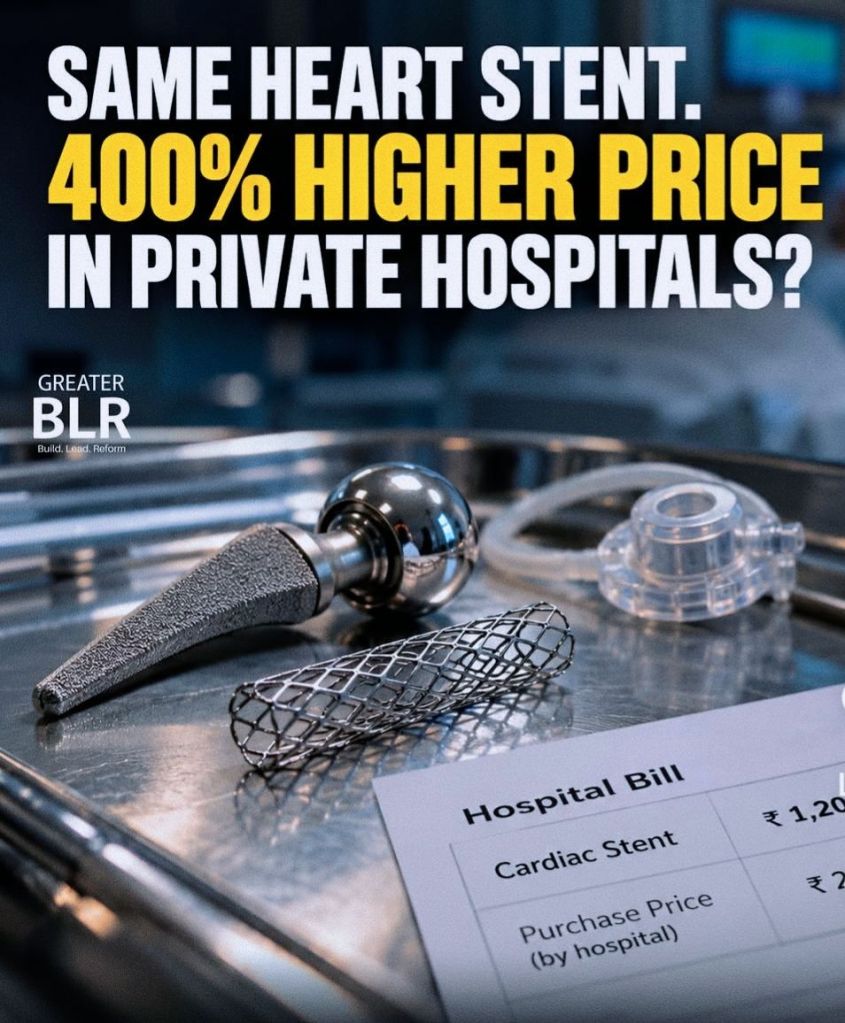
Technology presents a similar dilemma. Robotic surgery, advanced imaging, imported implants and precision oncology can improve diagnosis and outcomes, but their costs must be assessed against demonstrable clinical benefits. India is simultaneously confronting the rising burden of diabetes, cardiovascular disease and cancer, conditions that frequently require prolonged treatment and sustained expenditure. Unnecessary investigations and defensive medical practices may add to costs in some circumstances, but such concerns require evidence-based assessment rather than blanket generalisation. The policy objective should be to reward better outcomes, not simply higher consumption of expensive interventions. Hospitals should be evaluated through indicators such as survival, complications, infection rates, readmissions, patient experience and treatment effectiveness, adjusted for case complexity. Clinical audits and evidence-based treatment protocols can discourage avoidable expenditure without compromising professional autonomy. Technology is valuable when it improves patient welfare—not merely when it increases a hospital’s billing potential.
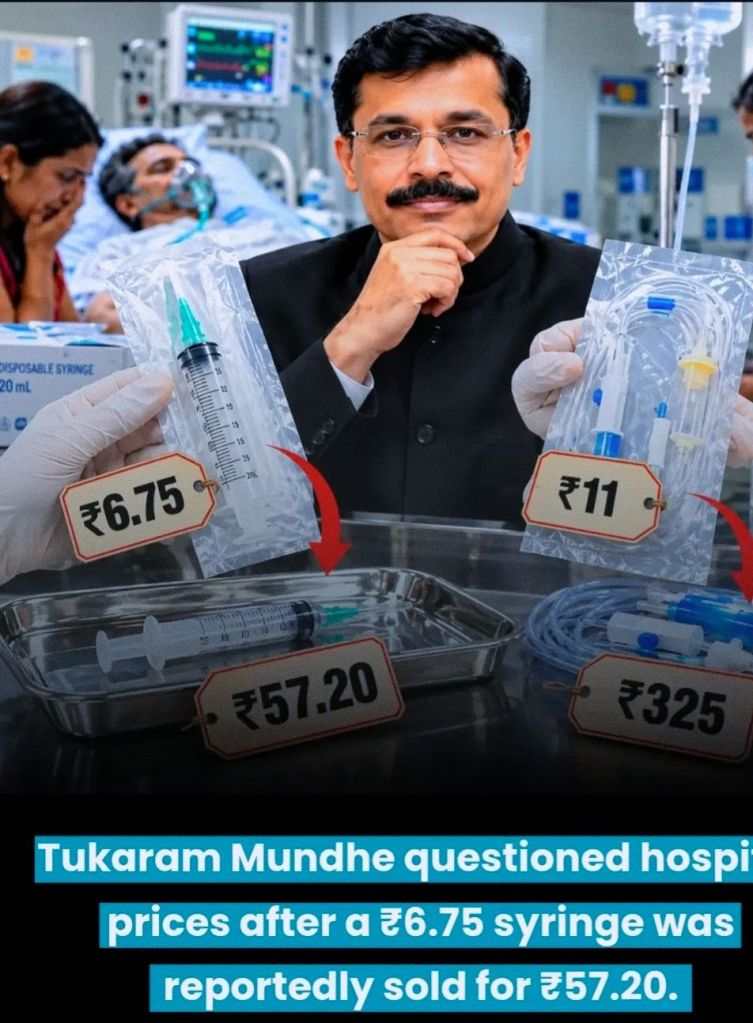
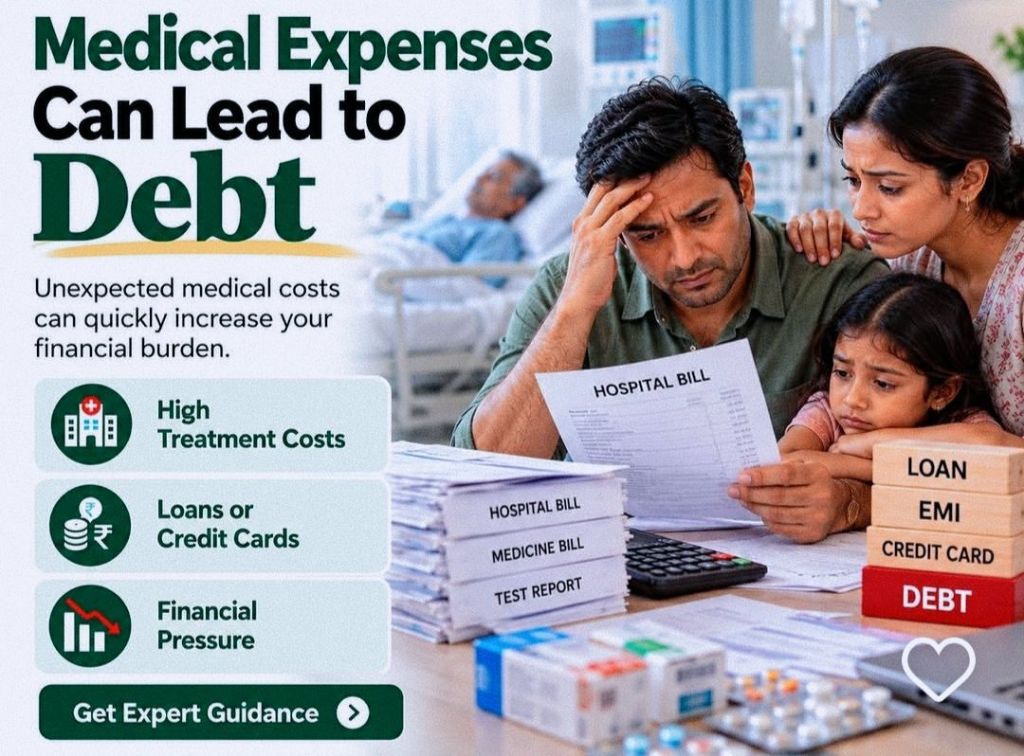
The economic consequences extend far beyond hospital corridors. High out-of-pocket expenditure can force families to borrow, liquidate investments, sell assets or postpone education and other essential spending. Others delay treatment until manageable conditions become medical emergencies. Health insurance offers an important financial buffer, but it is not a complete answer. Rising claims costs can increase premiums, while co-payments, exclusions, room-rent limits and disputes over coverage may leave patients exposed. Insurance without credible provider-price discipline risks redistributing rising medical costs across households instead of controlling them. Particular attention is needed for the so-called missing middle: families who may not qualify for publicly funded assistance but cannot comfortably afford comprehensive private insurance. India must therefore strengthen primary care, preventive screening, essential medicines and diagnostics alongside hospital coverage. The objective should be to reduce the need for expensive intervention wherever possible and protect households when hospitalisation becomes unavoidable. Financial protection must be measured not merely by the number of insurance cards issued, but by whether patients can actually obtain necessary treatment without economic ruin.
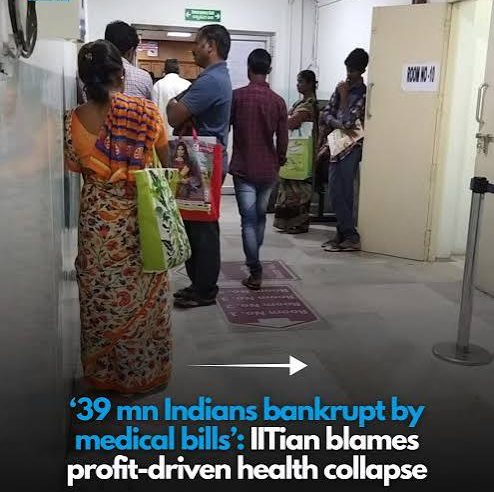
India’s regulatory framework requires stronger implementation and greater coordination. The Clinical Establishments Act, 2010, provides for registration and standards in participating states and Union Territories, but its adoption and enforcement remain uneven. Drug-price controls and restrictions on margins for selected products provide relief, yet they cannot regulate the entire cost of hospitalisation. India should develop evidence-based package rates for common procedures, with adjustments for clinical complexity, geography and legitimate differences in input costs. Publicly funded schemes can provide useful benchmarks, provided reimbursement rates remain sufficient to sustain quality care. Itemised bills should clearly disclose charges for medicines, consumables, diagnostics, professional services and procedures. Digital platforms could publish comparable tariffs, accreditation details, outcome indicators and complaint-resolution records. Competition authorities should scrutinise acquisitions and vertical integration where these materially reduce competition. International examples offer useful lessons: Maryland’s all-payer hospital-payment framework illustrates coordinated price regulation, while Aravind Eye Care System demonstrates how standardised, high-volume delivery and cross-subsidisation can expand access. India should adapt such principles to its own institutional and economic realities.
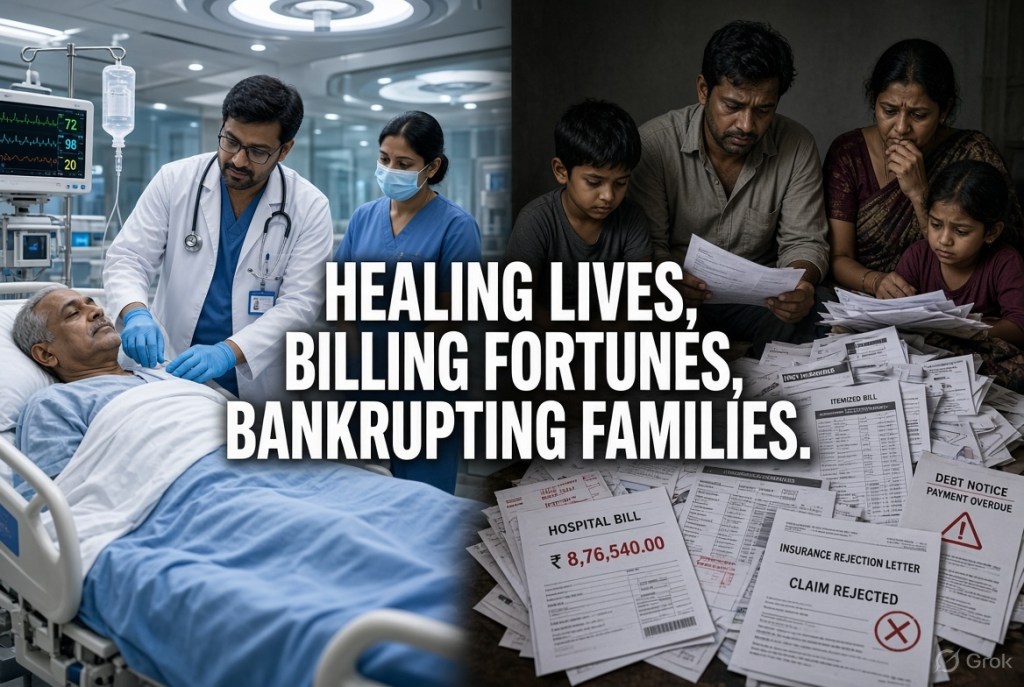
Ultimately, India must reject the false choice between private enterprise and public welfare. Private hospitals are indispensable to expanding capacity and delivering specialised treatment; their financial sustainability matters. But healthcare cannot be governed exclusively by shareholder returns because illness is not an ordinary consumer choice and the patient is rarely negotiating from a position of strength. The state must build credible public hospitals, strengthen insurance protection, regulate unreasonable pricing, expose opaque billing and reward measurable clinical outcomes. Increasing public health expenditure towards 3 per cent of GDP is a worthwhile policy ambition, provided additional funding translates into functioning facilities, trained personnel, essential medicines and reliable diagnostics. The measure of a healthcare system is not simply the sophistication of its equipment, the height of its hospital towers or its revenue growth. It is whether an ordinary citizen can access timely, effective treatment without sacrificing a lifetime of savings. A nation may learn to monetise medicine, but it must never allow the price of survival to become the price of financial ruin.
VISIT ARJASRIKANTH.IN FOR MORE INSIGHTS

