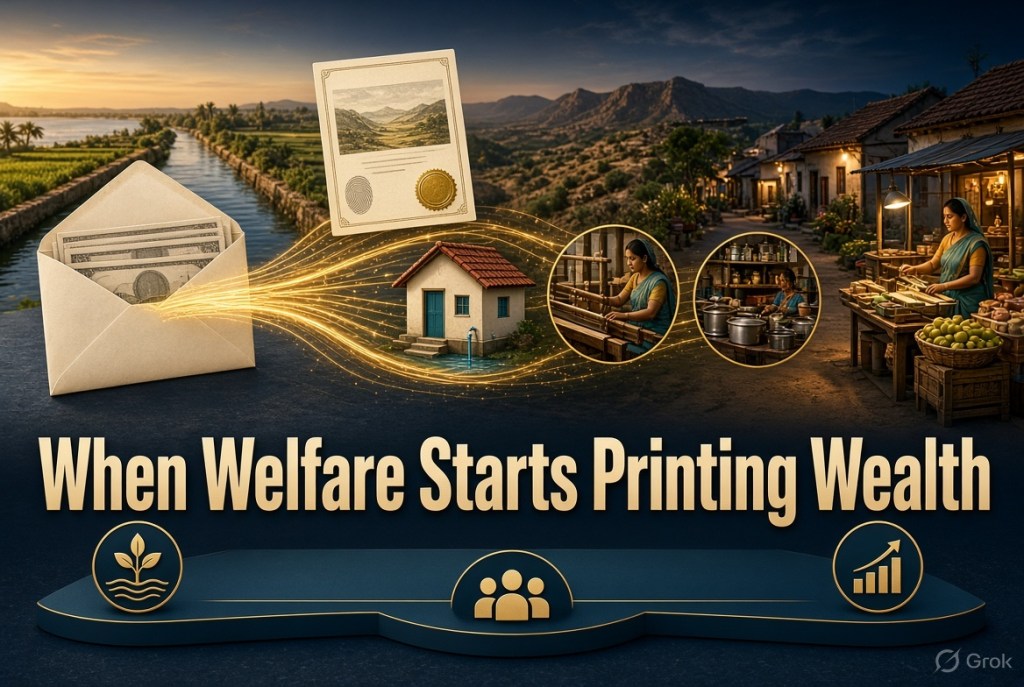
The most consequential transformation in welfare governance is not the size of the benefit distributed today, but the productive asset and economic capability created for tomorrow. Andhra Pradesh’s evolving policy architecture points towards a potentially significant shift: from consumption support to asset creation, from beneficiary dependence to productive agency, and from recurring transfers to pathways for household wealth accumulation. Land, housing, drinking water and women’s entrepreneurship are often discussed as separate policy interventions, yet their deeper significance emerges when viewed together. They represent different forms of capital—physical, financial, social and productive—through which vulnerable households can strengthen their economic foundations. The underlying proposition is both simple and radical: poverty is not permanently defeated by giving a family something to consume; it is challenged when that family acquires something it can own, improve, leverage and eventually pass to the next generation.
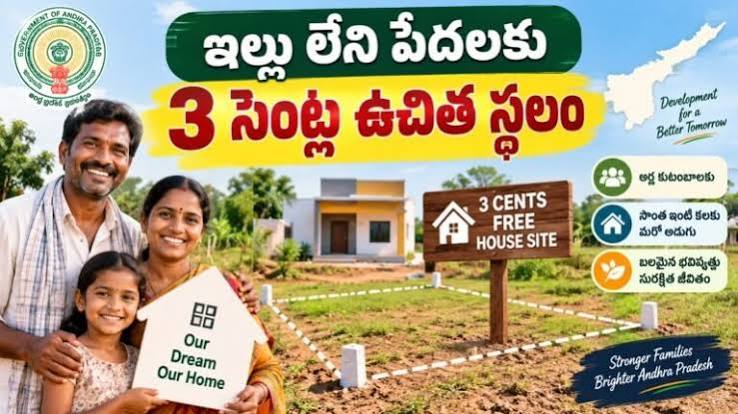
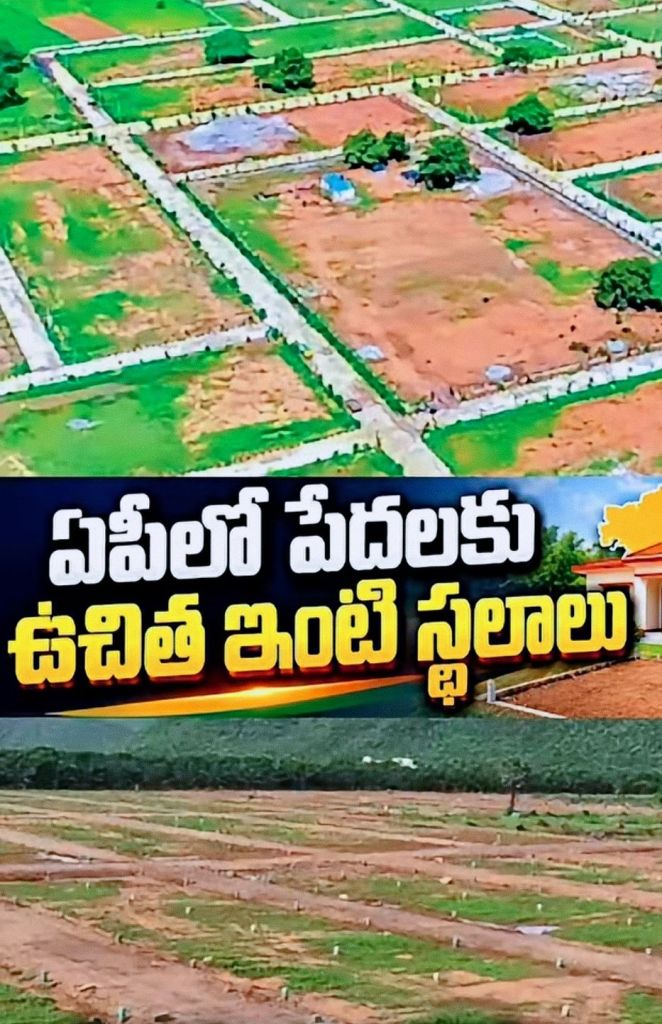
Land is perhaps the clearest expression of this transition. Under initiatives such as Pedalaku Pattabhishekam, around 60,646 families in Vijayawada, Visakhapatnam and Mangalagiri have reportedly received house-site titles, with the estimated market value of these assets approaching ₹52,000 crore. The precise valuation will naturally fluctuate with location and market conditions, but the larger economic principle remains important. A legally secure title can transform an uncertain claimant into an owner, potentially creating collateral value, residential security and intergenerational wealth. Andhra Pradesh has a long history of land assignment to landless and vulnerable households; the contemporary challenge is therefore not merely who receives land, but whether ownership becomes economically meaningful. A patta should represent more than a certificate of possession. Properly supported, it can become the foundation for housing, investment, credit access, livelihood development and family wealth creation.
This is where the crucial distinction between distribution and productive asset creation emerges. The experience associated with IKP-Bhoomi demonstrates that land becomes significantly more transformative when ownership is combined with beneficiary participation, technical assistance, irrigation, credit and livelihood planning. A parcel without water, infrastructure, inputs, market access or institutional support may remain a low-productivity subsistence asset. The same parcel, integrated into a functioning economic ecosystem, can become a platform for enterprise and income generation. This principle extends beyond agriculture. Public policy generates greater social returns when an asset is accompanied by the capabilities required to use it effectively. Giving someone an economic instrument without teaching them how to operate it is incomplete empowerment. The real value of an asset lies not only in what it is worth, but in what its owner can do with it.
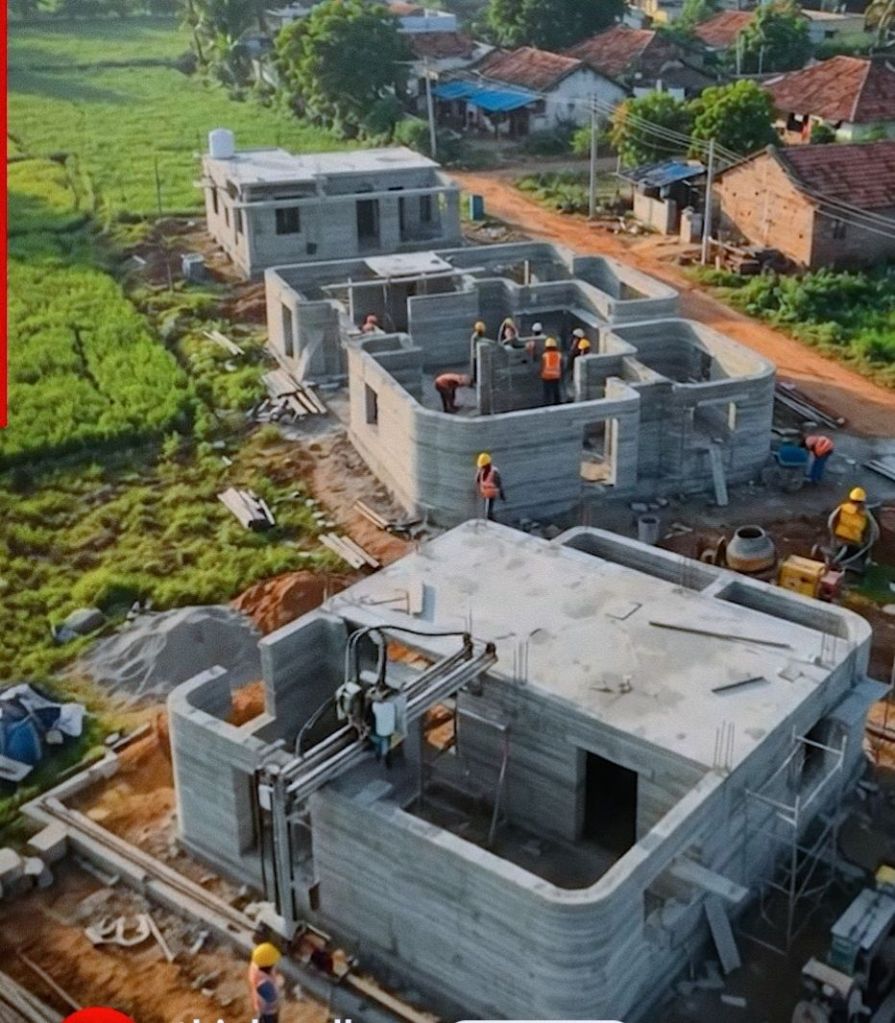
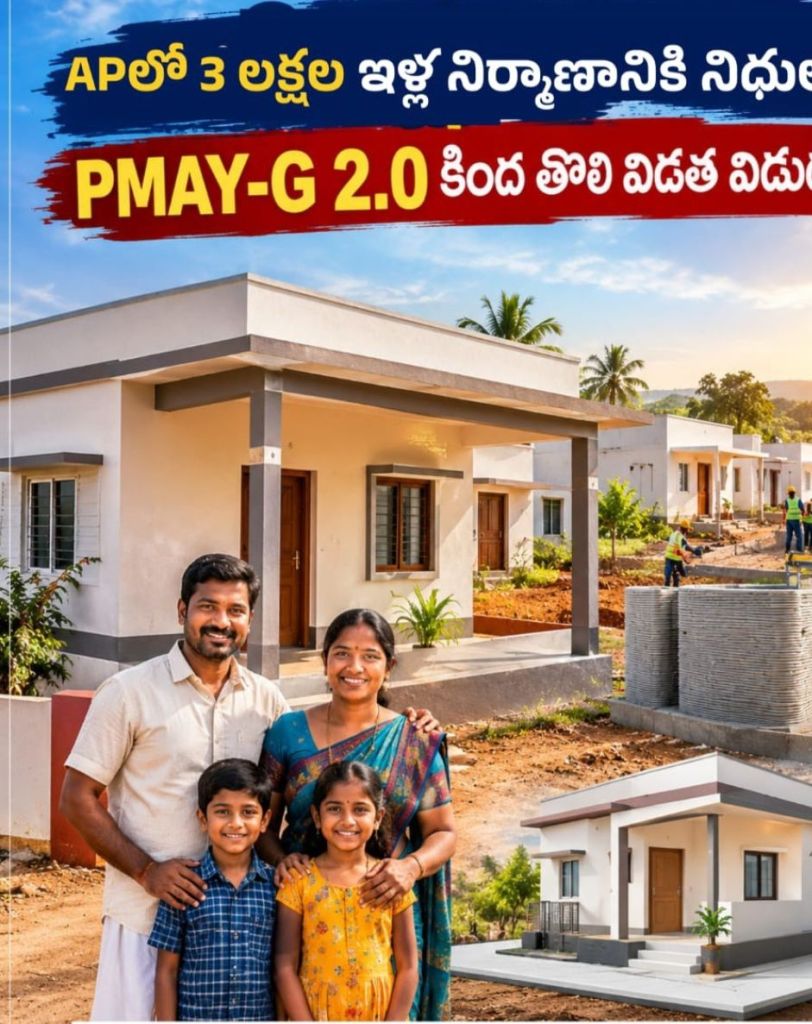
Housing constitutes the second pillar of this emerging model. The objective should not be reduced to constructing a physical structure and counting completed houses. A house built on legally secure land, connected to roads, electricity, drinking water, sanitation, digital networks and livelihood opportunities becomes something much more valuable: a stable platform for household economic life. Technologies such as 3D concrete printing may offer opportunities to reduce construction time and potentially improve cost efficiency, but technology alone cannot create successful communities. Housing policy must be integrated with infrastructure and employment planning. A house isolated from jobs, markets and essential services may satisfy a construction target while failing the larger objective of social mobility. The conceptual shift is therefore from “providing a roof” to creating a secure household asset embedded within a functioning local economy.
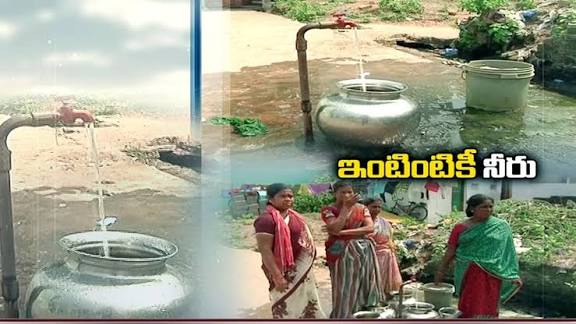
Water security adds another, frequently underestimated, dimension to the wealth-creation equation. Amarajeevi Jaladhara’s proposed ₹30,156-crore investment, including extensive pipeline networks, overhead tanks and household connections, illustrates how public infrastructure can expand the productive capacity of poor families. Safe and reliable water is not merely a public-health intervention. It reduces disease, lowers household expenditure, saves time and disproportionately benefits women and girls who often carry the burden of water collection. Time released from repetitive unpaid labour can be redirected towards education, paid employment, childcare, skill development or enterprise. The economic return is therefore indirect but potentially substantial. A tap inside a household can function as invisible infrastructure for income generation. The lesson is that welfare infrastructure should be evaluated not only by how many connections are installed, but by how much human time, health and productive capacity those connections unlock.
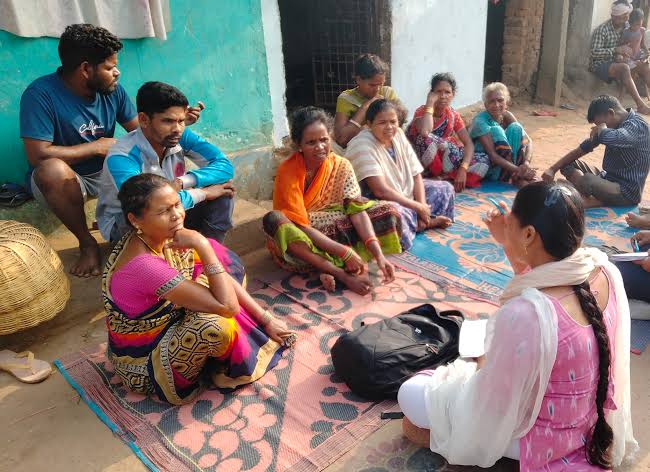
The most ambitious expression of this philosophy may be Swayam AP, which seeks to move Andhra Pradesh’s extensive Self-Help Group ecosystem beyond savings and credit towards entrepreneurship, production and wealth creation. The ambition to create five lakh women entrepreneurs represents a significant conceptual departure from viewing rural women primarily as recipients of financial inclusion. It positions them instead as producers, business owners, market participants and potential employers. A common Swayam AP identity, digital commerce, institutional finance, training, quality standardisation and logistics can help address the barriers that traditionally prevent small producers from scaling. Yet the ultimate metric should not be the number of loans issued, women trained or enterprises registered. The real test is whether businesses survive, generate sustained profits, enter larger markets, create employment and raise household incomes. Entrepreneurship policy becomes meaningful only when enterprise becomes economically durable.
Yet the transition from welfare to wealth creation is neither automatic nor risk-free. A title without possession, land without irrigation, a house without connectivity, water infrastructure without maintenance, or an enterprise without customers can produce the appearance of empowerment without its economic substance. Land disputes, unsuitable locations, groundwater stress, weak maintenance, inadequate working capital, poor product quality, limited digital capabilities and insufficient market access can undermine otherwise ambitious programmes. Industrialisation creates another difficult policy tension: when land acquired for development affects vulnerable households, compensation must be accompanied by credible livelihood restoration and long-term economic rehabilitation. Otherwise, an asset created through redistribution can eventually be weakened or lost through development pressures. The objective must not simply be asset ownership; it must be durable asset ownership combined with the capability to protect and increase its value.
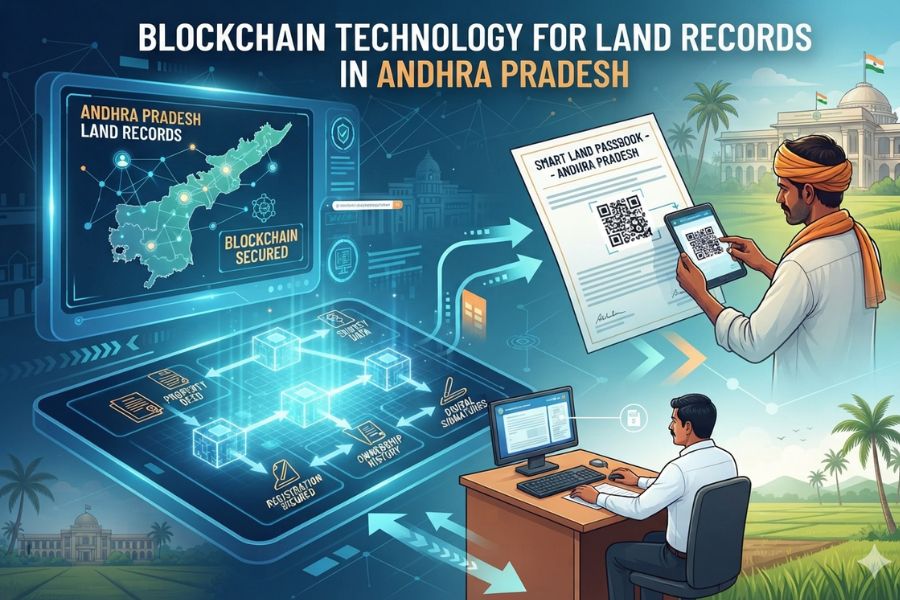
The next generation of governance should therefore measure welfare through the quality of assets, strength of ownership and capability of beneficiaries. Secure digital land records, GIS-based verification, transparent beneficiary databases and time-bound grievance mechanisms can strengthen property rights. House-site beneficiaries should be systematically connected to housing, water, roads, electricity, credit and livelihood opportunities. Women entrepreneurs need more than loans: they require technology, product development, packaging, branding, mentorship, digital access, working capital and reliable markets. Major public investments should similarly be evaluated according to the economic capabilities they create among citizens. This reframes the State’s role from perpetual distributor to platform builder. The objective is not to eliminate welfare, but to make welfare progressively less necessary by increasing household resilience and productive capacity. A mature welfare system should ideally leave behind assets, skills, enterprises and confidence—not merely expenditure records.
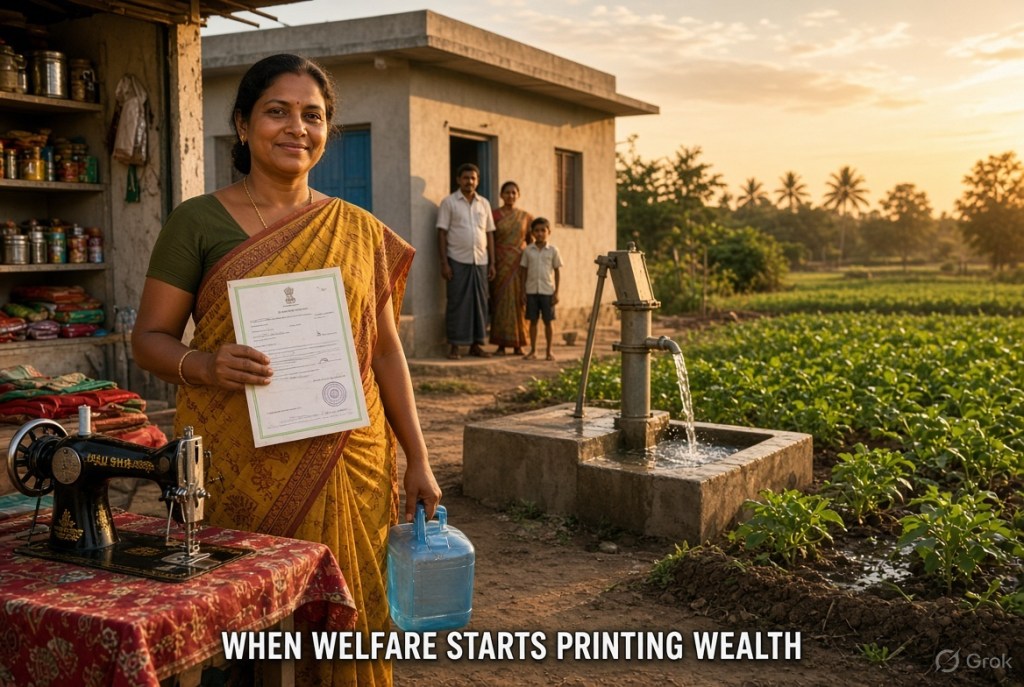
The deeper transformation is therefore psychological as well as economic. A patta says: “You own something.” A house says: “You have a secure foundation.” A tap says: “Your time and health have value.” An enterprise says: “You can create wealth.” When these interventions converge, welfare can become a ladder rather than a loop—a mechanism through which public expenditure gradually converts vulnerability into capability and capability into opportunity. Land, housing, water and women’s enterprise should consequently be understood not as four disconnected schemes, but as components of a broader governance philosophy: build the asset, secure the owner, connect the infrastructure, unlock the enterprise and let the household compound its gains. The ultimate measure of successful welfare is not how much the State continues to give, but how much economic security citizens are eventually able to build for themselves.
VISIT ARJASRIKANTH.IN FOR MORE INSIGHTS

