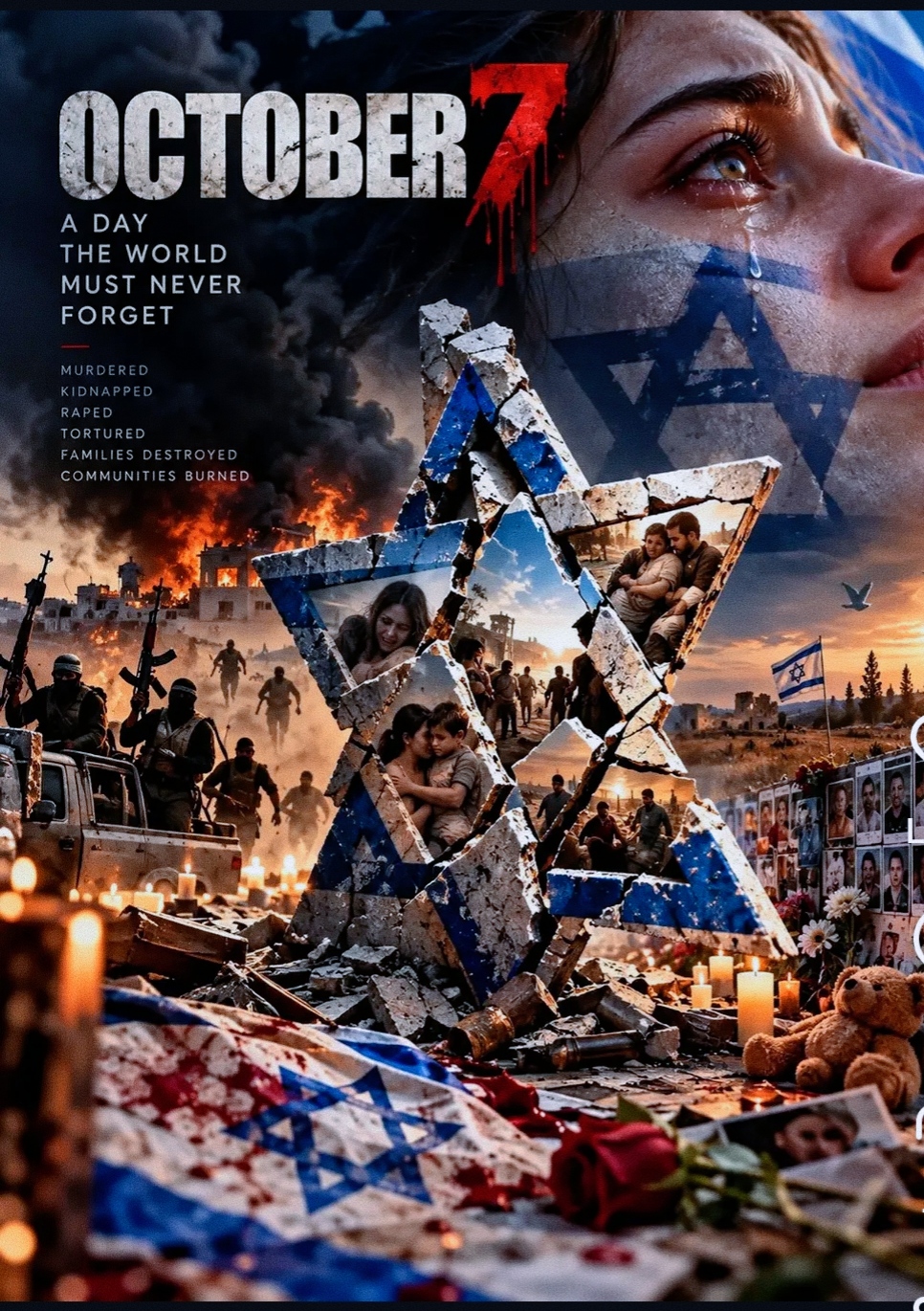
Terrorism is perhaps the most cynical form of political violence because it converts human beings into instruments of a message. It frequently arrives wrapped in the language of religion, liberation, resistance, revenge or historical grievance; yet beneath these narratives lies a stark reality: the architects of terror rarely bear the full cost of the violence they unleash. The pattern is visible in three defining episodes of the 21st century—the attacks of September 11, 2001, in the United States; the 26/11 Mumbai attacks of 2008; and the Hamas-led assault on Israel on October 7, 2023. Their political contexts are profoundly different, and they should not be artificially equated. Yet they illuminate one common proposition: when terrorism strikes, its first victims are civilians, but its consequences frequently radiate outward to entire societies, economies and generations.
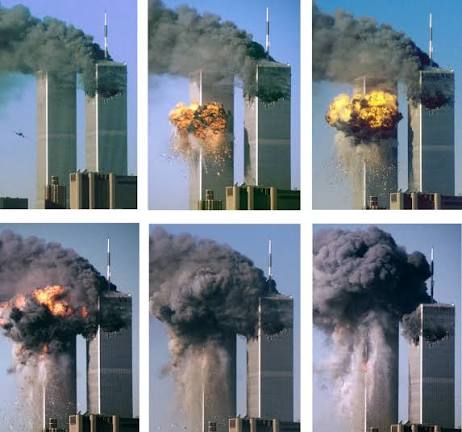
September 11 demonstrated with terrifying clarity how a relatively small terrorist network could alter the strategic architecture of the world. Nineteen al-Qaeda operatives hijacked four aircraft, destroying the World Trade Centre, striking the Pentagon and causing Flight 93 to crash in Pennsylvania. Nearly 3,000 people were killed. But the consequences could not be contained within the physical boundaries of Ground Zero. The attacks transformed American national-security policy, international military strategy, aviation, intelligence cooperation and public perceptions of risk. The post-9/11 world witnessed wars, extraordinary security expenditure, tighter financial surveillance, expanded intelligence capabilities and a fundamental redefinition of the relationship between liberty and security. The extraordinary power of terrorism, therefore, does not necessarily lie in the number of people it can kill; it lies in the number of institutions, policies and human behaviours it can compel societies to change.
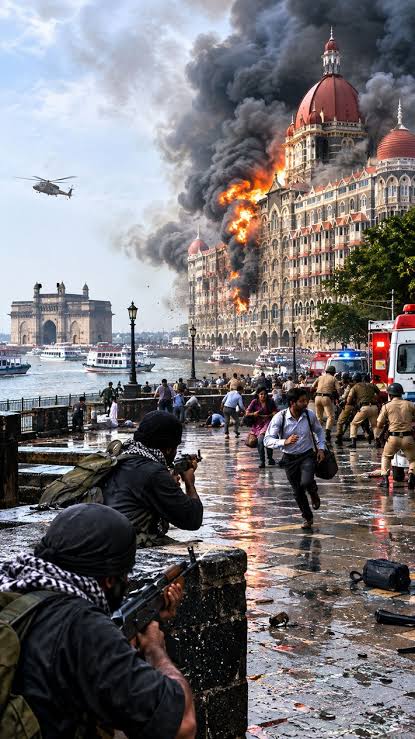
Seven years later, Mumbai became another symbol of this phenomenon. On November 26, 2008, ten Lashkar-e-Tayyiba terrorists attacked several locations across the city, including the Taj Mahal Palace Hotel, Oberoi Trident, Chhatrapati Shivaji Terminus and Nariman House. Approximately 164 people were killed and hundreds injured. The United Nations identifies Lashkar-e-Tayyiba as a Pakistan-based terrorist organisation and records its involvement in the Mumbai attacks. The significance of 26/11 extended beyond the immediate human tragedy. Mumbai represented India’s commercial confidence, cosmopolitan character and connection to the global economy. The attack therefore targeted not merely buildings but the psychology of an open metropolis. The international consequences were equally significant: heightened security perceptions, pressure on Pakistan over terrorist infrastructure and renewed scrutiny of the economic costs of terrorism. The IMF observed that the attacks could adversely affect tourism, even while noting the difficulty of isolating their effect from the global financial crisis. Terrorism attacks a city in minutes; rebuilding confidence can take decades.
The larger lesson, however, concerns the paradox of the state that permits extremist ecosystems to survive. Pakistan itself has suffered grievously from terrorism, and Pakistani civilians have been among the victims of extremist violence. That reality deserves recognition. But it does not erase the international record concerning organisations such as Lashkar-e-Tayyiba. Following years of international scrutiny, the Financial Action Task Force’s 2018 action plan required Pakistan to address significant weaknesses in terrorist-financing controls, investigations, prosecutions and targeted financial sanctions. The lesson is broader than Pakistan: terrorism creates an economic externality for the very society in which its infrastructure operates. It damages investment confidence, increases security costs, complicates international financial relationships and generates diplomatic distrust. The strategic illusion is that terrorism can be selectively cultivated for political objectives while its consequences remain controllable. History repeatedly suggests otherwise. Extremist infrastructure has a tendency to acquire its own logic, constituencies and targets.
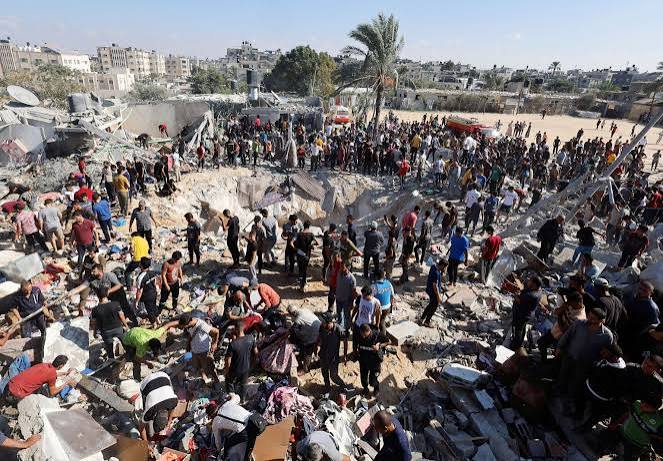
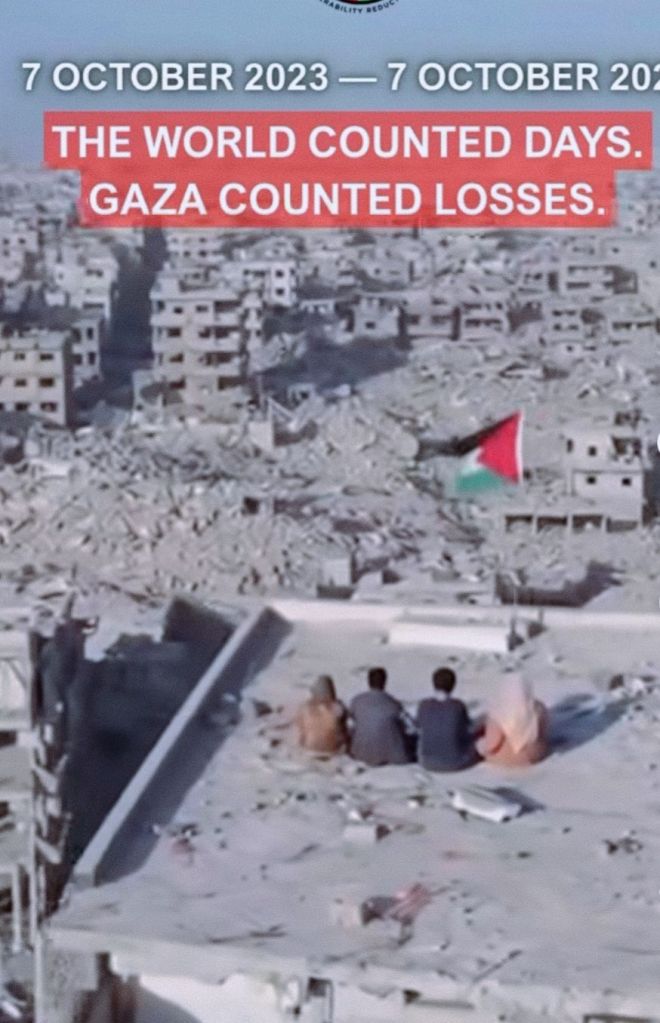
Then came October 7, 2023. Hamas and other Palestinian armed groups launched a large-scale assault on Israel, killing more than 1,200 Israelis and foreign nationals and abducting 251 people, according to the United Nations Secretary-General’s 2026 commemoration. Civilians were attacked in communities, homes and at a music festival. The attack was followed by a devastating war in Gaza, with immense civilian casualties, destruction and displacement. Two propositions must coexist without contradiction: the deliberate killing of civilians and hostage-taking cannot be justified, and civilians in Gaza must equally be protected from violence and deprivation. One does not cancel the other. The tragedy demonstrates the most consequential characteristic of terrorism: it rarely controls the consequences of its own violence. An attack intended to achieve a political objective can trigger military escalation, social polarisation, regional instability, economic disruption and generations of trauma. The original perpetrators may have calculated the first move; they cannot necessarily control the chain of reactions that follows.
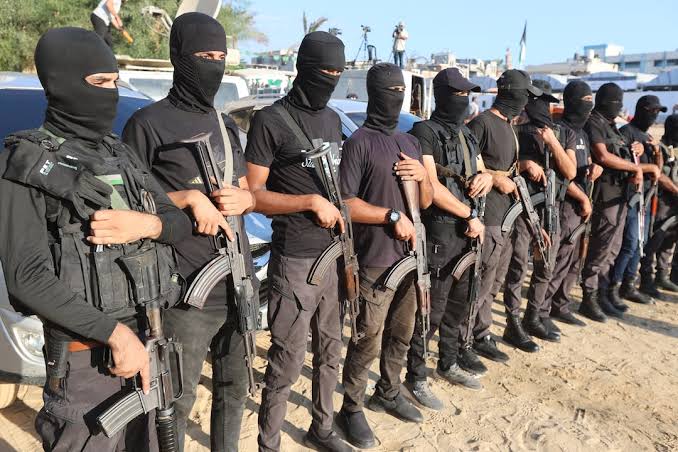
This reveals a fundamental weakness in the strategic logic of terrorism. Extremist organisations often assume that spectacular violence will produce political leverage. Sometimes it does generate immediate attention. But attention is not the same as legitimacy, and fear is not the same as durable political power. Terrorism can instead harden public opinion, strengthen security institutions, narrow political space and produce military responses that expose the very population whose interests the perpetrators claim to represent to extraordinary suffering. The terrorist leader may issue a communiqué from a secure location; the ordinary citizen confronts the consequences in the marketplace, the classroom, the hospital and the home. The commander calculates strategic advantage; the family calculates how to survive the night.
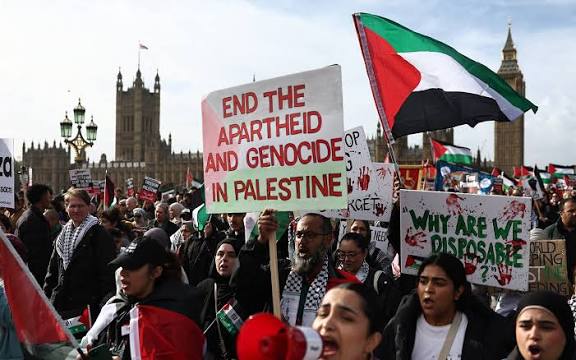
That is why the distinction between a political grievance and the methods employed to advance it is intellectually indispensable. History contains genuine grievances, unresolved conflicts and legitimate demands for justice. But the existence of a grievance cannot transform civilians into legitimate targets. Nor should the moral assessment of violence depend upon the identity of the victim or perpetrator. A consistent international standard must begin with a simple proposition: civilians cannot become bargaining chips in political warfare. If killing civilians is condemned when one adversary does it, it cannot be rationalised when another does it. If hostage-taking is unacceptable in one conflict, it cannot become acceptable because the political narrative surrounding another conflict is more sympathetic. The universality of the rule is what gives the rule its moral meaning.
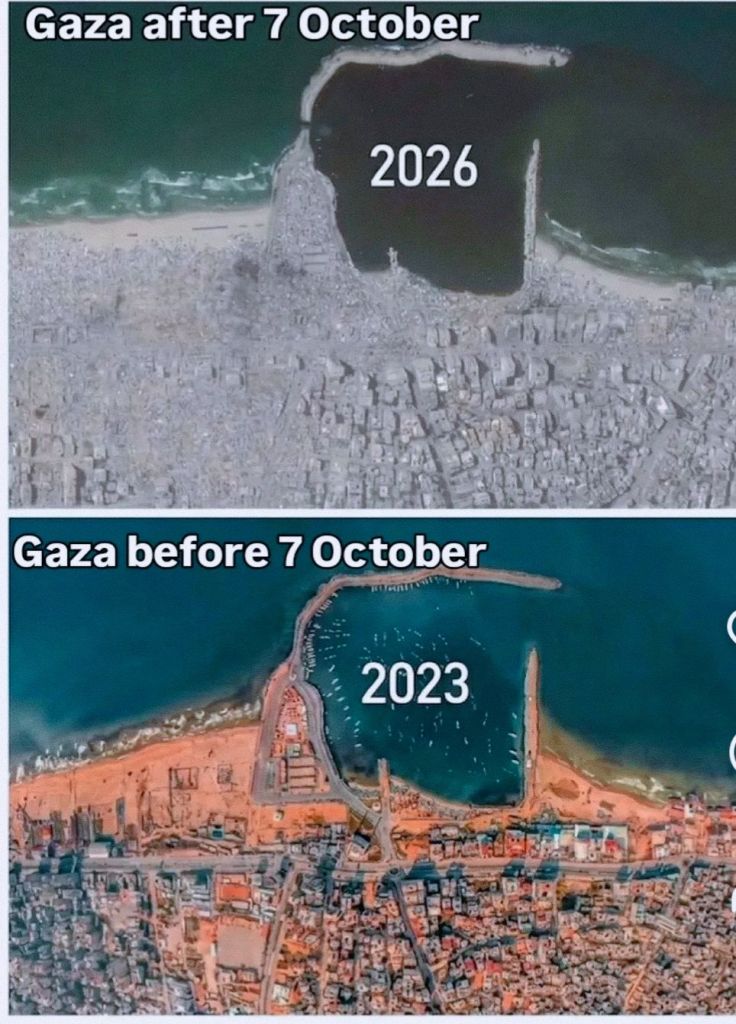
Perhaps the most devastating irony of terrorism is that the people allegedly being defended by the terrorist often become the ultimate custodians of the wreckage. New York paid a terrible price after al-Qaeda’s assault. Mumbai paid the price of Lashkar-e-Tayyiba’s violence, while Pakistan itself has borne a heavy human and institutional cost from terrorism and extremism. Israelis continue to live with the trauma of October 7, while Palestinians have endured catastrophic civilian suffering during the war that followed. The perpetrators may believe that terror can rewrite history. It certainly can—but usually by creating consequences beyond their control. It destroys trust, redirects national resources, hardens identities, damages economies and leaves children inheriting memories they never chose. The terrorist may believe he is firing at an enemy. In reality, the bullet has no passport. It eventually crosses borders, enters economies, reshapes societies and wounds ordinary people. Terrorism does not merely kill the present; it mortgages the future—and the debt is invariably paid by those who never signed the contract.
VISIT ARJASRIAKNTH.IN FOR MORE INSIGHTS

