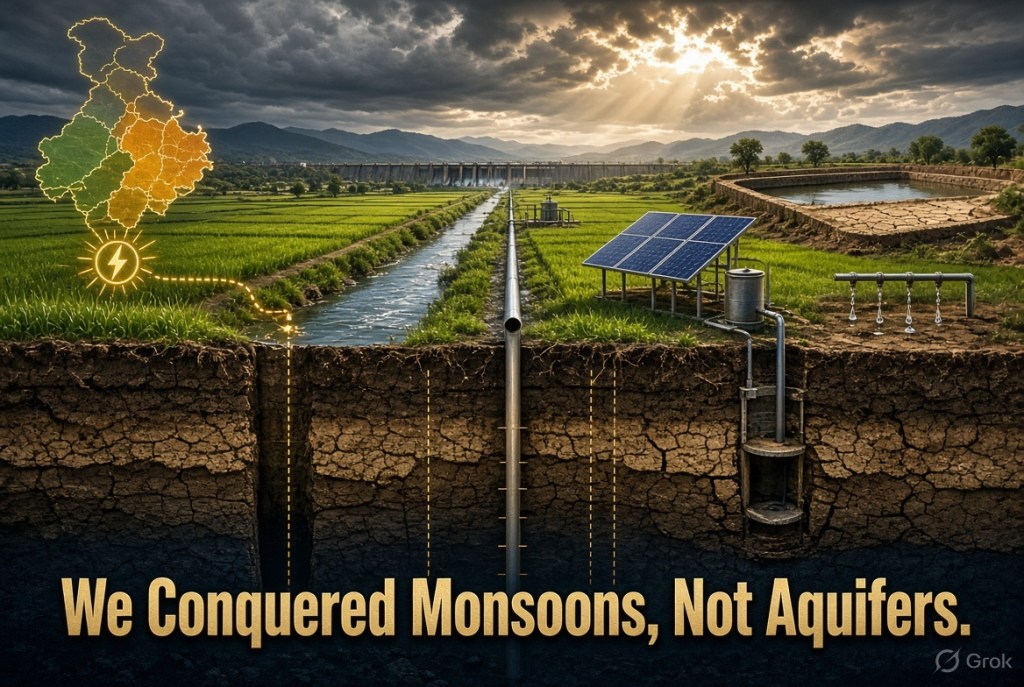
India’s irrigation story is one of development’s most extraordinary paradoxes: the country spent decades trying to liberate agriculture from the tyranny of the monsoon, and largely succeeded—only to discover that the substitute, groundwater, could itself become a new source of vulnerability. From dams and canals to tube wells, subsidised electricity, solar pumps and micro-irrigation, each technological revolution solved an immediate agricultural constraint. Yet each also altered incentives in ways that generated another problem. Irrigation coverage expanded dramatically from the roughly one-fifth of cultivated area seen in the mid-1960s to more than half in recent decades, strengthening agricultural resilience. But India’s irrigation challenge is no longer simply about creating water infrastructure. It is about ensuring that the infrastructure does not encourage agriculture to consume the very resource on which its future depends.
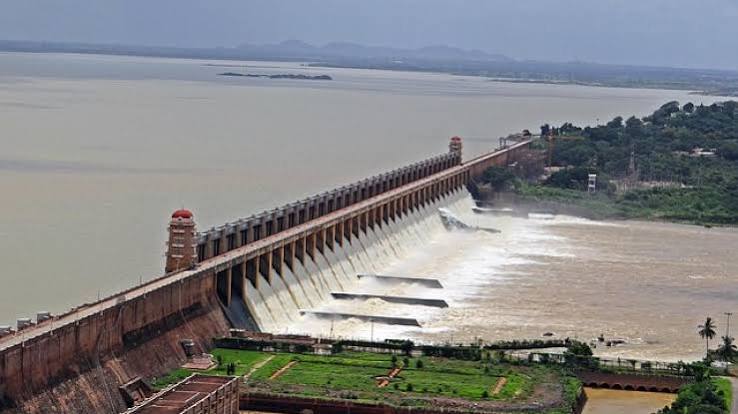
The first great intervention was the dam-and-canal era. Independent India needed food security, electricity and protection against drought, and multipurpose river-valley projects became monuments to national development. They created enormous irrigation potential and helped transform agricultural production. But a persistent distinction emerged between irrigation potential created and irrigation potential actually utilised. Central Water Commission assessments have repeatedly identified gaps caused by incomplete distribution networks, inadequate maintenance, land and institutional constraints and inefficient water management. The lesson was profound: storing water is an engineering achievement; delivering it reliably to the farmer is an institutional achievement. India became increasingly capable of building reservoirs, but the last mile of irrigation remained governed by local infrastructure, fragmented administration and uncertain incentives.
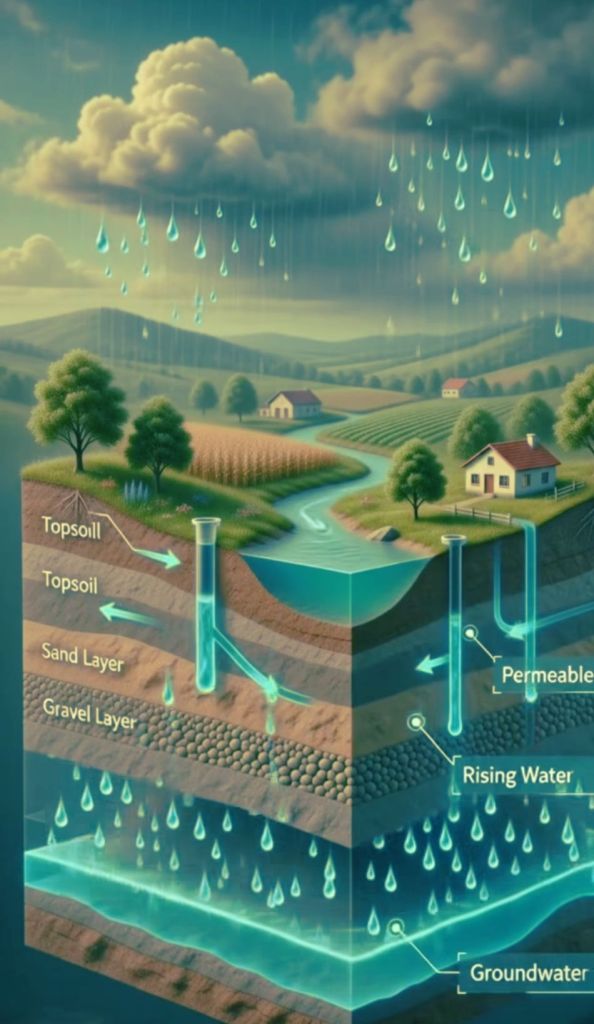
The tube-well revolution then changed the economics and geography of irrigation. Instead of waiting for a canal network to reach the farm, a farmer could access groundwater directly. This decentralised access proved particularly powerful during the Green Revolution, when assured irrigation became indispensable for higher-yielding varieties, multiple cropping and increased fertiliser use. Groundwater irrigation expanded enormously, becoming one of the principal foundations of Indian agricultural productivity. Yet its very strength contained the seed of its weakness. Unlike a canal whose water flows through a visible and collectively managed system, groundwater is largely invisible beneath individual farms. Extraction therefore became decentralised while the consequences remained collective. Every farmer could rationally pump more water for his own crop, even though millions of individually rational decisions could collectively exhaust the aquifer.
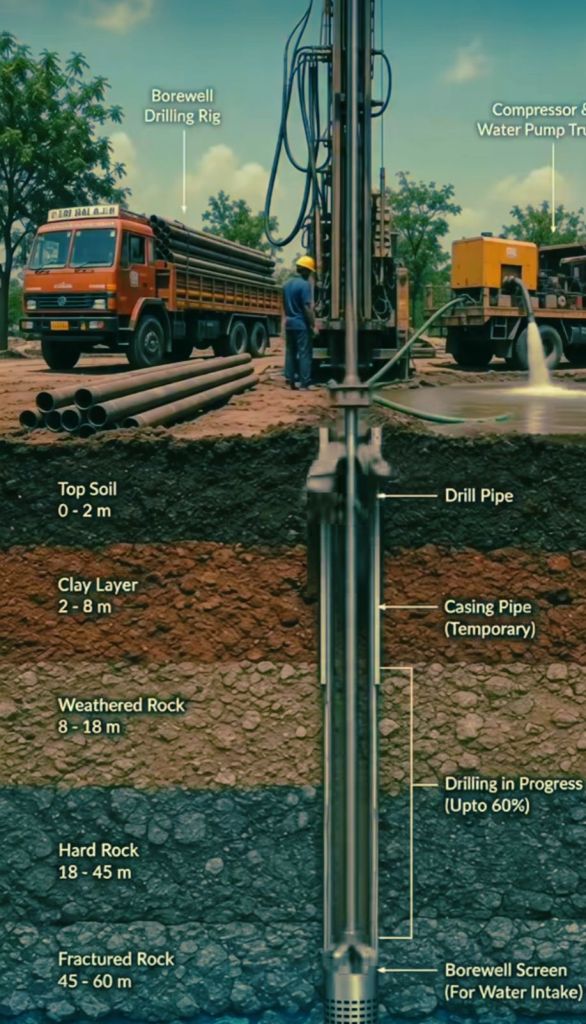
Then electricity policy transformed groundwater extraction into an incentive problem. Rural electrification, subsidised agricultural power and, in several States, highly subsidised or free electricity dramatically reduced the marginal cost of pumping. The policy logic was understandable: cheaper irrigation supports farm incomes, reduces monsoon risk and strengthens rural livelihoods. But when the farmer does not face the full marginal cost of pumping, electricity becomes effectively detached from the scarcity value of groundwater. The aquifer becomes an invisible common asset from which individual users extract privately while depletion is socialised. A policy designed to support agriculture can consequently create a powerful incentive to consume water beyond its sustainable recharge. The central contradiction is not that farmers misuse water; it is that the policy architecture often makes water-intensive behaviour economically rational.
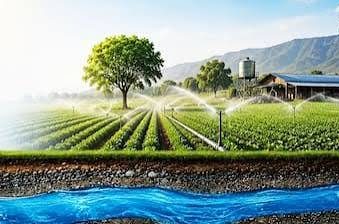
India’s latest groundwater numbers expose the accumulated liability. The 2025 national groundwater assessment estimated annual extraction at about 247.22 billion cubic metres, against annual extractable resources of approximately 407.75 BCM, giving a national extraction stage of 60.63%. But national averages conceal severe regional stress. Punjab’s extraction stage was estimated at about 156%, Rajasthan at roughly 147%, and Haryana at around 137%. These figures represent fundamentally different hydrological realities from the national average. In such regions, the question is no longer whether groundwater is available today, but whether current agricultural systems are drawing down a natural capital stock faster than nature can replenish it. India has effectively converted part of its groundwater reserve into an agricultural subsidy—and the accounting bill is increasingly arriving through deeper borewells, higher pumping costs and declining aquifer security.
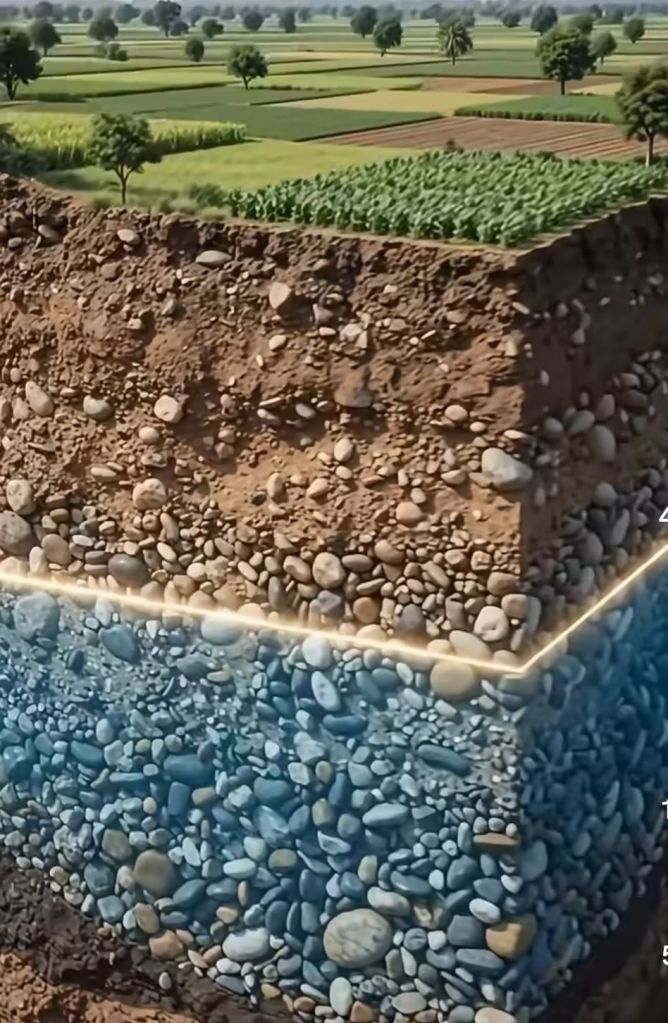
This produces the energy-water vicious circle. Falling water tables require deeper wells and more powerful pumps. Deeper pumping requires more energy. Higher agricultural electricity demand places additional pressure on distribution companies and public finances. Where electricity supply is rationed or available at particular hours, farmers may pump intensively whenever power arrives. The resulting extraction accelerates groundwater decline, reinforcing the original problem. What policymakers often classify separately as an electricity challenge, groundwater crisis and agricultural issue is actually a single interconnected system. The solar-pump revolution adds another layer. Solarisation can reduce diesel consumption, improve energy reliability and lower farmers’ operating costs. But when pumping becomes almost costless, the incentive to conserve groundwater can weaken further. Solar can decarbonise the pump without necessarily conserving the aquifer. Technology has solved the energy constraint; it has not automatically solved the water constraint.
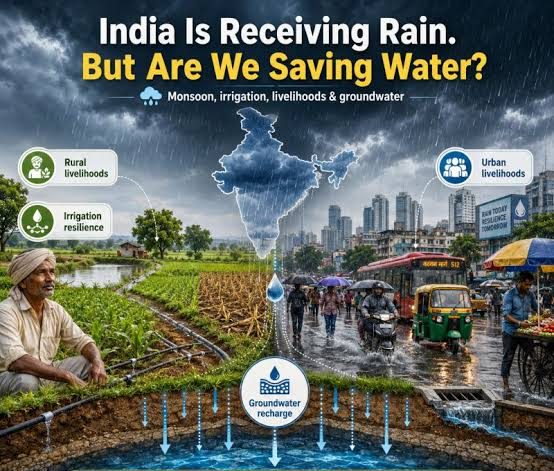
Micro-irrigation provides an equally important lesson about the difference between efficiency and sustainability. Drip and sprinkler systems can substantially improve the efficiency with which water is applied to crops, and India has expanded micro-irrigation through programmes such as Per Drop More Crop. But saving water per hectare does not guarantee lower groundwater extraction. Farmers may respond to efficiency gains by expanding irrigated acreage, increasing cropping intensity or shifting toward higher-value but more water-intensive crops. This is the classic rebound effect: a resource-saving technology can reduce the cost of using the resource and thereby increase total consumption. The objective, therefore, cannot be simply “more efficient irrigation.” It must be less unsustainable extraction at the aquifer level. A highly efficient pump drawing from a rapidly declining aquifer is still part of an unsustainable system.
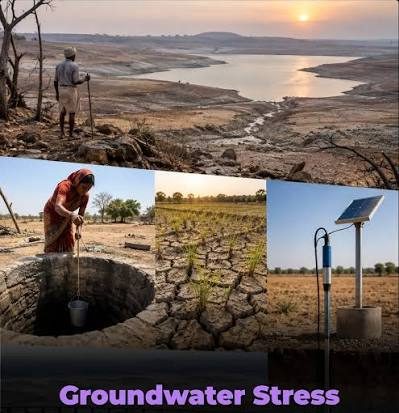
Climate change makes this institutional contradiction increasingly urgent. Irrigation has unquestionably strengthened India’s resilience against rainfall variability, but that resilience becomes fragile when it depends excessively on groundwater mining. The country therefore needs to move from a narrow philosophy of “more irrigation” to “better water economics.” Electricity subsidies should become transparent and fiscally accountable, with smart metering, feeder separation and carefully designed direct-support mechanisms where appropriate. Crop diversification must be supported by reliable markets, procurement signals, processing infrastructure and income protection—not merely administrative instructions. Most importantly, groundwater must be governed at the aquifer level, because aquifers do not respect farm boundaries, village boundaries or departmental jurisdictions. Farmers need credible information about groundwater availability and recharge, while communities require institutions capable of collectively managing extraction.

India’s irrigation journey has consequently entered its most difficult chapter. The first revolution conquered the monsoon. The second conquered distance from the canal. The third conquered the cost of pumping. The fourth must confront the politics of the last drop. India does not lack dams, pumps, pipelines, solar panels or drip systems; it lacks sufficient alignment between the incentives governing water, electricity, crops, procurement and rural incomes. The future of irrigation will therefore be determined less by how efficiently India can extract water and more by whether institutions can make its scarcity economically, ecologically and politically visible. The real test of agricultural modernisation is no longer whether technology can put water on the field. It is whether technology and policy can ensure that there is still water beneath the field tomorrow.
VISIT ARJASRIKANTH.IN FOR MORE INSIGHTS

