
Commercial aviation has spent decades constructing an extraordinary security architecture around one powerful assumption: the cockpit must be protected from the outside. Reinforced flight-deck doors, airport screening, access controls, surveillance, crew identification and tightly regulated cockpit procedures have made unauthorised intrusion exceptionally difficult. Yet the extraordinary events involving Flydubai Flight FZ1073 on September 30, 2026, expose a more uncomfortable vulnerability: security can be exceptionally effective at keeping outsiders out while remaining inherently dependent on the people already authorised to be inside. The aircraft was flying from Dubai to Tel Aviv when a violent cockpit incident triggered a dramatic loss of altitude, emergency signalling and an eventual diversion to Tabuk, Saudi Arabia. The aircraft landed safely, but the episode has reopened a fundamental question about the meaning of aviation security in the age of the insider threat.
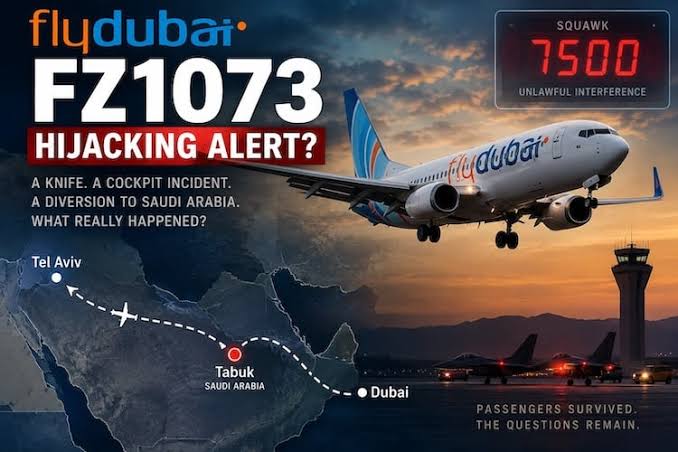
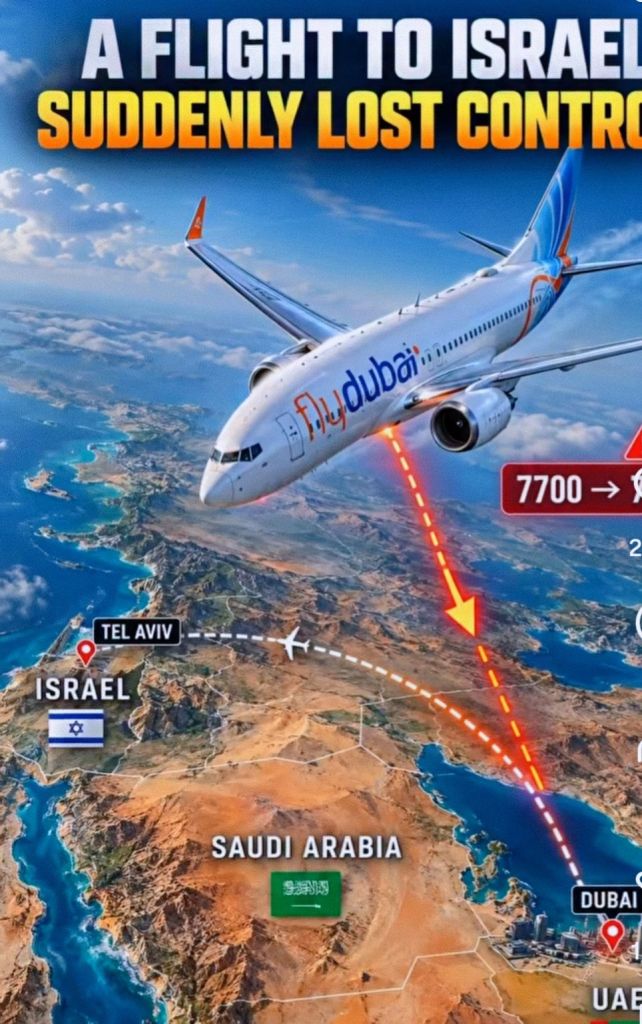
The flight’s trajectory illustrates how quickly a cockpit emergency can become an international security crisis. According to flight-tracking data, FZ1073 climbed to approximately 34,000 feet before beginning a sudden and substantial descent, followed by further changes in altitude and direction. The aircraft transmitted the internationally recognised 7700 general-emergency code and subsequently 7500, indicating unlawful interference. It later requested an emergency landing from Tabuk air-traffic control and landed safely in Saudi Arabia. Israeli authorities scrambled fighter aircraft amid concerns generated by the aircraft’s abnormal flight path. Such circumstances demonstrate the brutal mathematics of aviation emergencies: the aircraft is moving at hundreds of kilometres an hour while the information required to understand what is happening remains incomplete. Controllers, pilots, air-defence authorities and governments must act before investigators can establish the facts.
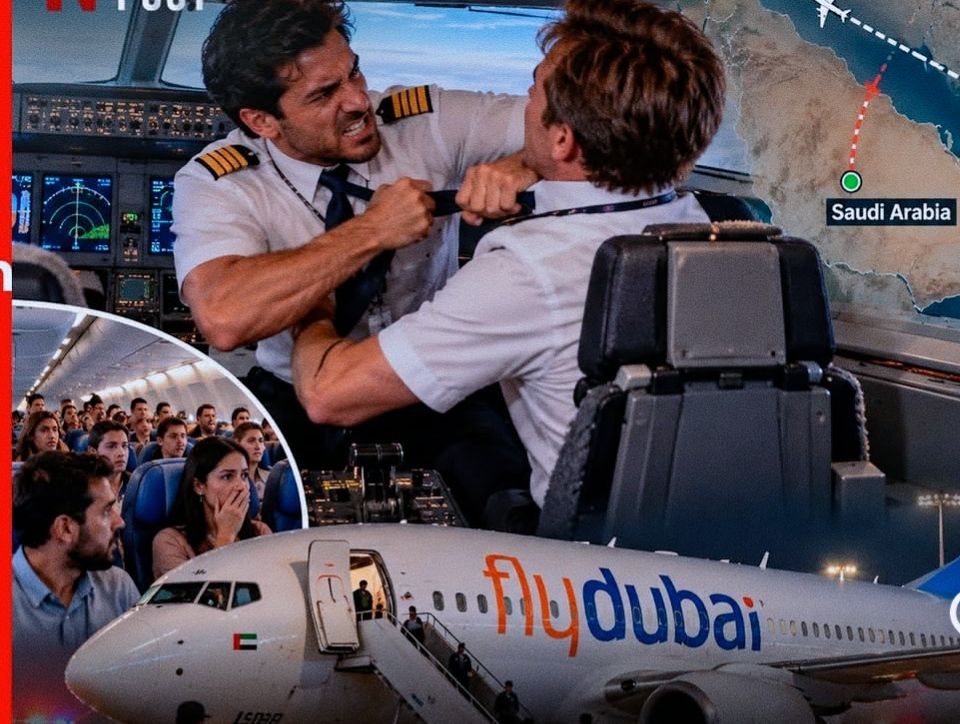
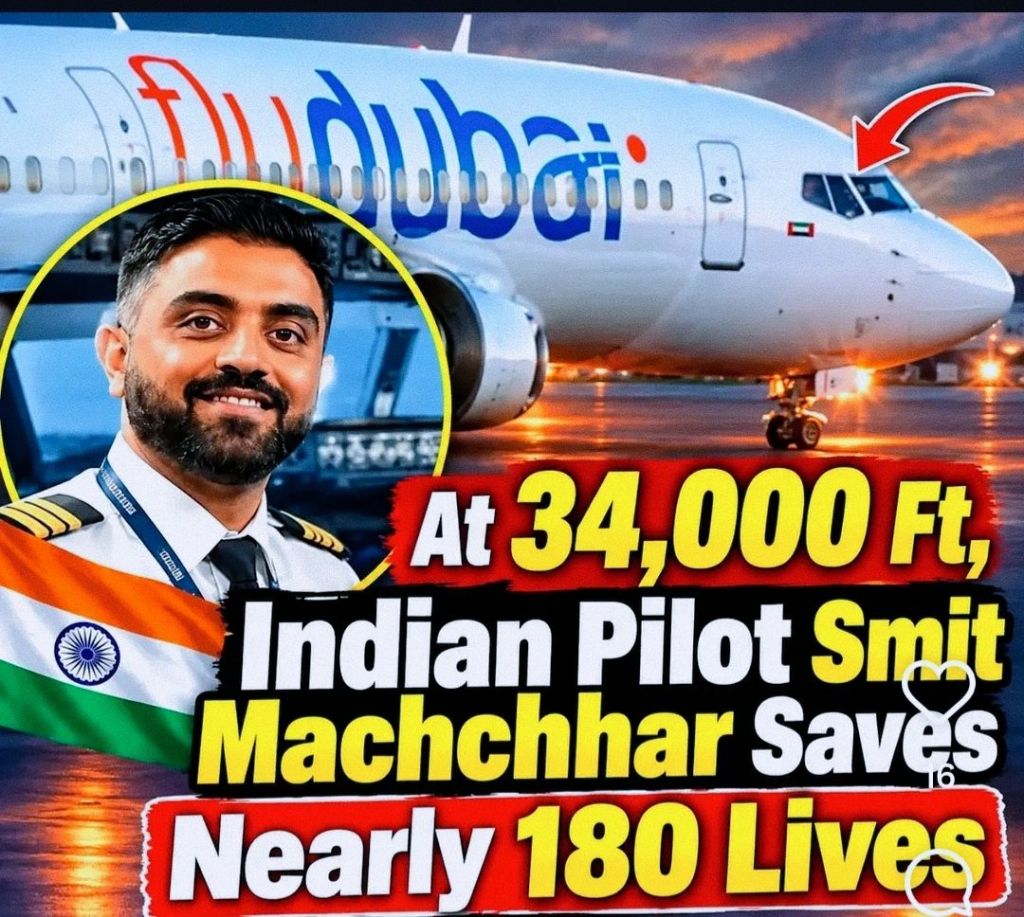
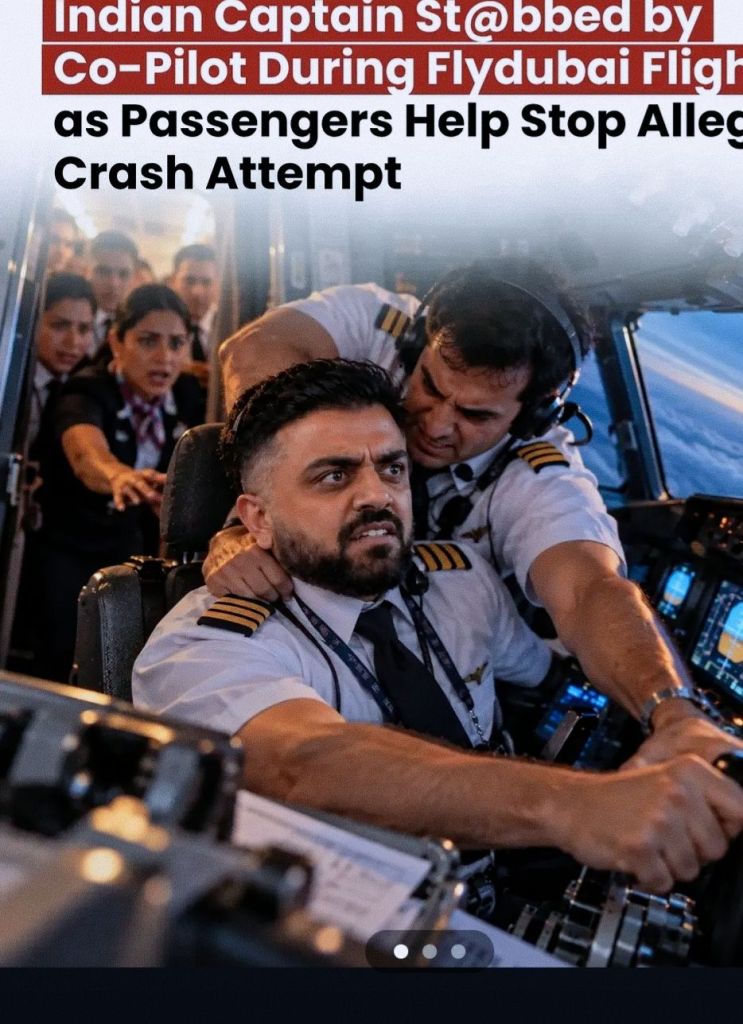
The reported trigger was even more disturbing. Israeli officials and multiple media reports said the co-pilot allegedly attacked Captain Smit Machchhar with a knife during the flight, resulting in a struggle inside the cockpit. The captain was reportedly injured but managed to open the cockpit door, allowing others to intervene. Passengers and off-duty pilots travelling aboard the aircraft subsequently helped secure the cockpit and facilitate the aircraft’s diversion to Tabuk. Reuters reported that the co-pilot was taken into custody after landing. The aircraft’s 174 occupants were ultimately brought to safety. Whatever the final legal and investigative conclusions may be, the episode demonstrates something aviation manuals are designed to minimise but cannot completely eliminate: a catastrophic contest for control can occur between people who are both legitimately authorised to occupy the flight deck.
The first lesson, however, must be epistemic discipline. A terrifying event does not automatically establish its motive. Israeli Prime Minister Benjamin Netanyahu publicly said that the co-pilot apparently attempted to crash the aircraft, while Israeli authorities examined whether the incident constituted a deliberate or terror-related attack. Other reporting has emphasised that the investigation was continuing and that some elements of the account had not been independently confirmed. Flydubai and UAE authorities have treated the matter as a security incident and are cooperating with the investigation. Therefore, the distinction between what happened, what officials believe happened and what investigators ultimately establish is crucial. Aviation safety cannot be built on speculation, however compelling the initial narrative may appear.
FZ1073 nevertheless exposes the paradox of modern cockpit security. A reinforced cockpit door is designed to defeat an unauthorised intruder; it cannot determine whether an authorised occupant has suddenly become dangerous. The security perimeter may therefore be strongest at the door and weakest behind the door. This is the essence of the insider-threat problem. Aviation depends upon professional trust: pilots are extensively trained, credentialled and entrusted with extraordinary authority. Excessive suspicion of legitimate crew would itself undermine operational effectiveness. Yet the very privileges that make a pilot indispensable—access, knowledge, authority and familiarity with aircraft systems—also create a distinctive security risk if that trust is deliberately or unexpectedly breached.
The two-pilot cockpit embodies this contradiction. Its fundamental purpose is redundancy: if one pilot becomes incapacitated, the other can continue operating the aircraft. But a deliberate confrontation transforms redundancy into conflict. One pilot becomes simultaneously the safety mechanism, the potential threat and the person attempting to retain control. The assumption of cooperative teamwork collapses precisely when it is most needed. FZ1073 therefore raises difficult questions for regulators and airlines: How should pilot access to potentially dangerous objects be controlled? What behavioural warning signs can legitimately be identified before a flight? How can concerns about a crew member be escalated without violating confidentiality or due process? What procedures should cabin crew follow when the cockpit itself becomes the source of danger? And how can airlines train crews for an exceptionally rare event without creating unnecessary fear or operational confusion?

The incident also demonstrates that aviation security is no longer confined to the airport or even to the aircraft. A commercial jet can simultaneously become an aviation-safety incident, a criminal investigation, a diplomatic complication and an air-defence problem. FZ1073 was operating between the UAE and Israel across a politically sensitive region. Its sudden descent and unlawful-interference signal could plausibly trigger multiple interpretations—technical failure, pilot incapacitation, medical emergency, cockpit conflict, hijacking or deliberate attack. Air-traffic controllers and military authorities cannot wait for investigators to settle those alternatives. The decision window is measured in seconds; the evidentiary window may stretch for months. That asymmetry is one of the defining challenges of contemporary aviation security.
The reported conduct of Captain Machchhar and the intervention of people aboard the aircraft also underline another truth: sophisticated technology does not eliminate the human element; it merely surrounds it with layers of protection. The survival of FZ1073 ultimately depended on a sequence of human actions under extraordinary pressure—maintaining aircraft control, communicating distress, opening the cockpit, restraining the alleged attacker, coordinating with air traffic control and executing a safe diversion. The investigation should therefore examine the entire system rather than simply search for an individual culprit: cockpit procedures, crew security, emergency training, passenger intervention protocols, communication with air-traffic control, unlawful-interference responses and coordination between civil aviation and defence authorities.
FZ1073 may ultimately prove to be an isolated incident whose circumstances cannot easily be replicated. But exceptional events are valuable precisely because they reveal vulnerabilities that routine operations conceal. Aviation has become extraordinarily successful at preventing outsiders from entering the cockpit. The next generation of aviation security must therefore confront a harder question without destroying the culture of professional trust on which flying depends: What happens when the person behind the locked cockpit door is the person creating the emergency? The answer will not be another stronger door. It will have to be a layered architecture combining recruitment safeguards, continuous professional oversight, cockpit procedures, human-factor training, rapid-response protocols and intelligent coordination between airline, regulator, security and defence systems. The cockpit door may remain locked—but aviation security can no longer afford to believe that everything dangerous is necessarily outside it.
VISIT ARJASRIKANTH.IN FOR MORE INSIGHTS!!!

