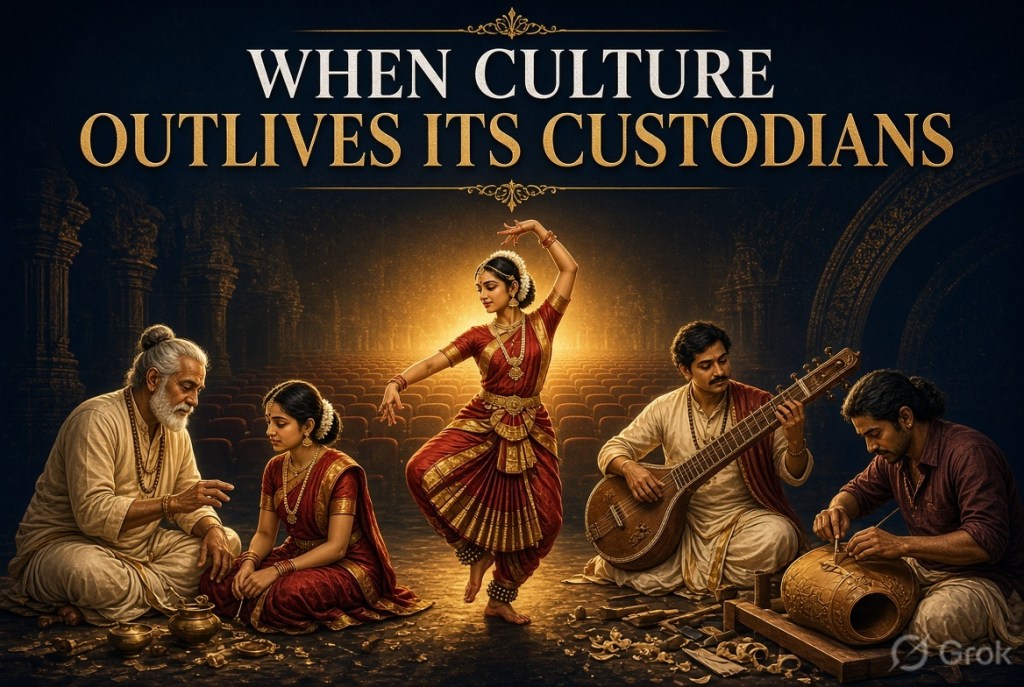
India may be committing a peculiar civilisational crime: celebrating its classical heritage in speeches, festivals and ceremonial platforms while allowing the human ecosystem sustaining that heritage to quietly disappear. No temple needs to be demolished, no manuscript necessarily destroyed and no monument physically erased for cultural extinction to occur. Traditions can die while their symbols remain perfectly intact. Gurus struggle to survive, young artists struggle to find stages, hereditary instrument makers abandon their crafts, audiences diminish and an attention economy conditions an entire generation to consume culture in seconds. A civilisation does not lose its heritage merely when its monuments disappear; it loses it when the people capable of interpreting, performing and transmitting that heritage disappear. The real cultural emergency, therefore, is not the destruction of the past but the failure to reproduce its custodians for the future.
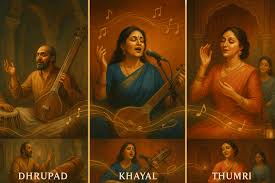
Indian classical music and dance represent far more than entertainment. They constitute sophisticated knowledge systems in which mathematics, rhythm, language, literature, philosophy, spirituality, memory, movement and aesthetics intersect. From the intellectual foundations associated with the Natya Shastra to centuries of evolving musical and dance traditions, knowledge was transmitted not simply through books but through disciplined human relationships. The Guru-Shishya Parampara worked because the student absorbed far more than technique: timing, restraint, interpretation, artistic temperament, discipline and cultural memory were transmitted through prolonged observation and practice. Modern technology can democratise access to instruction, but a video lesson cannot completely reproduce the subtle correction of a guru, the discipline of daily apprenticeship or the intuitive transmission of artistic sensibility. Digital access is valuable; it cannot become a substitute for living pedagogy.
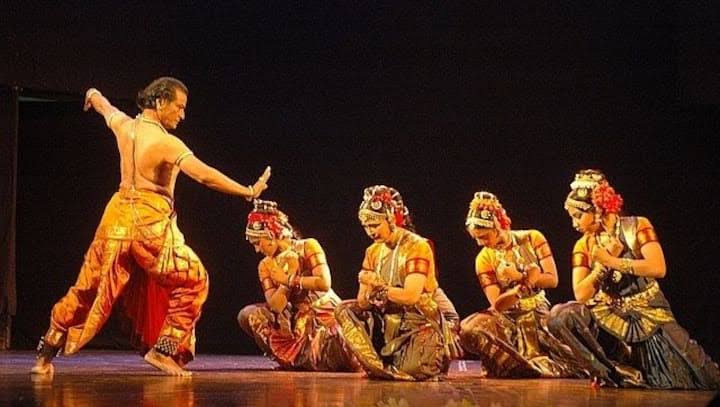
The crisis is particularly severe among traditions without strong commercial or institutional protection. Gotipua, for instance, remains an important source tradition of Odissi, sustained in significant measure by gurus whose commitment frequently exceeds the economic support available to them. Across India, hereditary craftsmen who make instruments such as the sitar, pakhawaj and other traditional instruments face a parallel dilemma: younger generations may admire the finished instrument but increasingly question whether making it can provide a viable livelihood. This is the hidden economics of cultural extinction. When the guru disappears, the student pipeline weakens; when the instrument maker disappears, performance itself becomes vulnerable; when performance opportunities shrink, audiences disappear. Cultural preservation is therefore not a collection of isolated rescue operations. It is an ecosystem problem requiring an ecosystem response.
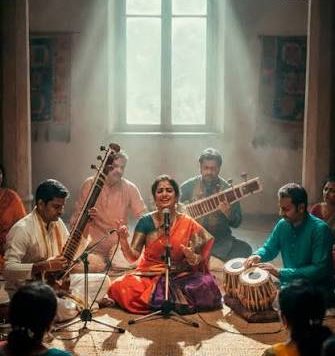
The economics of becoming a classical artist are particularly unforgiving. A serious practitioner may invest fifteen or twenty years before achieving professional recognition, while bearing recurring costs for training, travel, costumes, instruments, accompanists and performance production. Yet opportunities remain limited and irregular. Commercial entertainment naturally attracts larger audiences, sponsors and platforms because it generates faster returns. The resulting cycle is vicious: fewer stages create fewer professional performers; fewer performers reduce public exposure; reduced exposure weakens audiences; smaller audiences discourage sponsors; and declining sponsorship further reduces stages. This is not simply a failure of artistic supply. It is a market failure in which cultural value is substantially greater than the revenue the market is willing to pay for producing it. If the State recognises classical heritage as a public good, it must accept some responsibility for correcting that market failure.
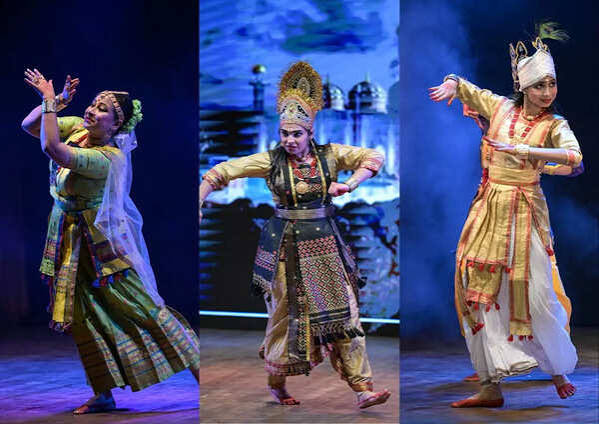
The deeper disruption, however, is psychological. Classical art demands patience in an age that monetises impatience. The gradual architecture of a vilambit raga can appear almost alien in a world organised around fifteen-second videos, viral clips and algorithmic rewards. But blaming young Indians would be intellectually convenient and administratively useless. Young people respond rationally to the cultural environment presented to them. If one cultural experience is immediate, inexpensive, interactive and omnipresent while another requires years of training, expensive travel and limited opportunities to perform, the outcome is hardly surprising. The answer is not to force the young backwards into nostalgia. It is to redesign the bridge between tradition and contemporary life. The smartphone is not necessarily the enemy of classical culture; it can become its most powerful distribution network if technology is used to create curiosity rather than merely chase clicks.
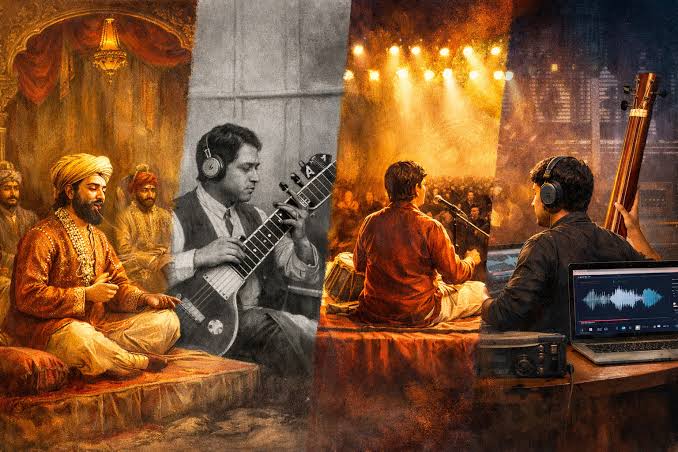
Government policy must consequently move from heritage celebration to heritage transmission. India needs a long-term National Classical Arts Revival Mission with measurable ten-year objectives, mapping gurus, students, institutions, endangered traditions, instrument makers and performance ecosystems. Funding should follow the entire artistic pipeline rather than merely the festival calendar. Multi-year fellowships could support emerging practitioners; recognised gurus could receive assistance for maintaining apprentices; endangered traditions could receive dedicated revival packages; and cultural institutions should be evaluated not simply by the number of events conducted but by the number of practitioners trained, performances created and audiences developed. A modern cultural policy must measure whether traditions are reproducing themselves. If public expenditure produces spectacular annual festivals but no new generation of sustainable artists, the State is financing cultural display rather than cultural survival.
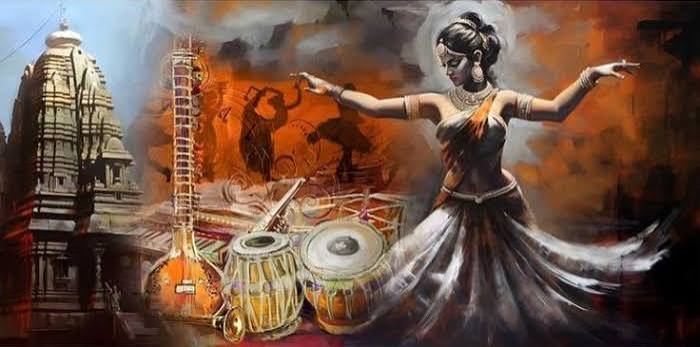
The Guru-Shishya tradition now needs a modern institutional reincarnation—a “Gurukul 2.0.” Government-supported gurukuls could finance accommodation, food, healthcare, instruments and student stipends while preserving intensive, immersive training. A limited network of National Institutes of Classical Performing Arts could combine rigorous shastriya education with arts management, entrepreneurship, digital communication, intellectual property, technology and cultural diplomacy. Schools should introduce children to raga, tala, mudra and abhinaya as cultural literacy rather than another examination burden. Universities could integrate classical practice with professional skills, while a national cultural apprenticeship programme could provide stipends to young adults undertaking intensive training. Corporate India should similarly move beyond one-night event sponsorship towards five-year commitments to gurus, gurukuls and endangered traditions. A professionally governed National Cultural Endowment Fund, supported by government, CSR and philanthropy, could provide stable financing beyond annual bureaucratic cycles.
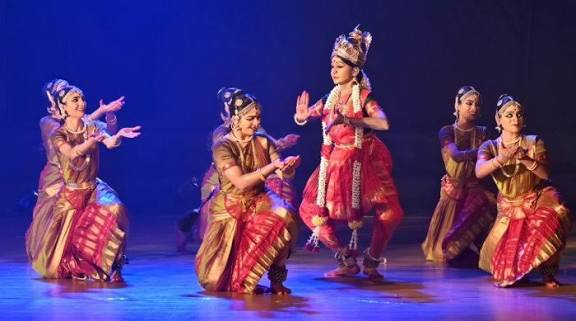
Technology should ultimately be treated as an ally rather than an existential threat. A National Classical Arts Digital Grid could preserve performances, oral histories, compositions, biographies, notation and pedagogical resources while making them accessible globally. Short-form content should follow a “Reel to Recital” principle: the sixty-second clip should create curiosity for the sixty-minute performance, not replace it. Artificial intelligence, subtitles, multilingual archives, immersive visualisation and interactive learning can make sophisticated traditions accessible to audiences who might otherwise never encounter them. At the same time, classical traditions must be allowed to evolve. Contemporary themes—migration, technology, loneliness, inequality, climate anxiety and changing social relationships—can enter classical expression without destroying its grammar. A tradition frozen entirely in the past becomes a museum exhibit; a tradition redesigned entirely for algorithms becomes cultural fast food. India needs neither. It needs continuity with reinvention: preserve the grammar, modernise the delivery, expand the audience and protect the depth.
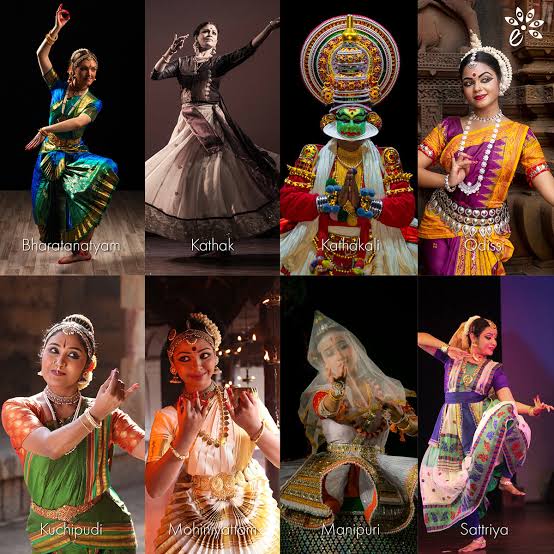
The ultimate test of cultural policy should therefore be brutally simple: how many new gurus, professional artists, students, audiences and instrument makers will exist five and ten years from now? If those numbers are not growing, no number of festivals, awards, commemorative speeches or cultural summits can credibly demonstrate revival. India must abandon both romantic nostalgia and indiscriminate modernisation. Its classical traditions will survive not because the nation repeatedly declares them priceless, but because it builds an ecosystem in which learning them, teaching them, performing them and earning a livelihood through them remains possible. The tanpura does not need to defeat the smartphone; the smartphone must become the road that leads a new generation back to the tanpura. Civilisations preserve memory not by worshipping their past, but by giving the future a compelling reason to inherit it.
VISIT ARJASRIKANTH.IN FOR MORE INSIGHTS

