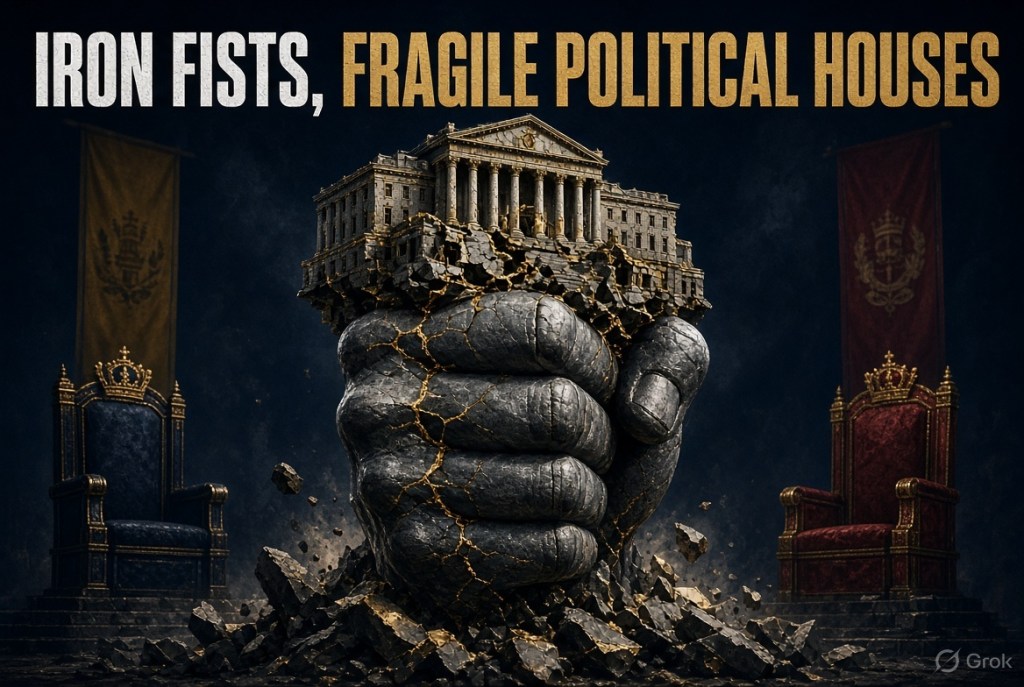
India’s regional political parties are built around a fascinating paradox: the very centralisation that can create extraordinary political strength can eventually become the architecture of organisational collapse. A charismatic leader can unify competing social groups, impose discipline, eliminate factional paralysis and convert a loose political movement into a formidable electoral machine. In the early stages, concentration of authority can therefore appear efficient, even indispensable. But when political authority becomes excessively personalised—around one leader, one family or a narrow unelected circle—the party gradually loses its capacity to reproduce leadership. The organisation stops functioning as an institution and begins functioning as an extension of an individual personality. The leader becomes the institution; the institution becomes the brand; and the brand becomes vulnerable when the leader loses authority, disappears from the political arena or becomes inaccessible. A party that cannot imagine its future beyond its supreme leader has already begun to mortgage its future.
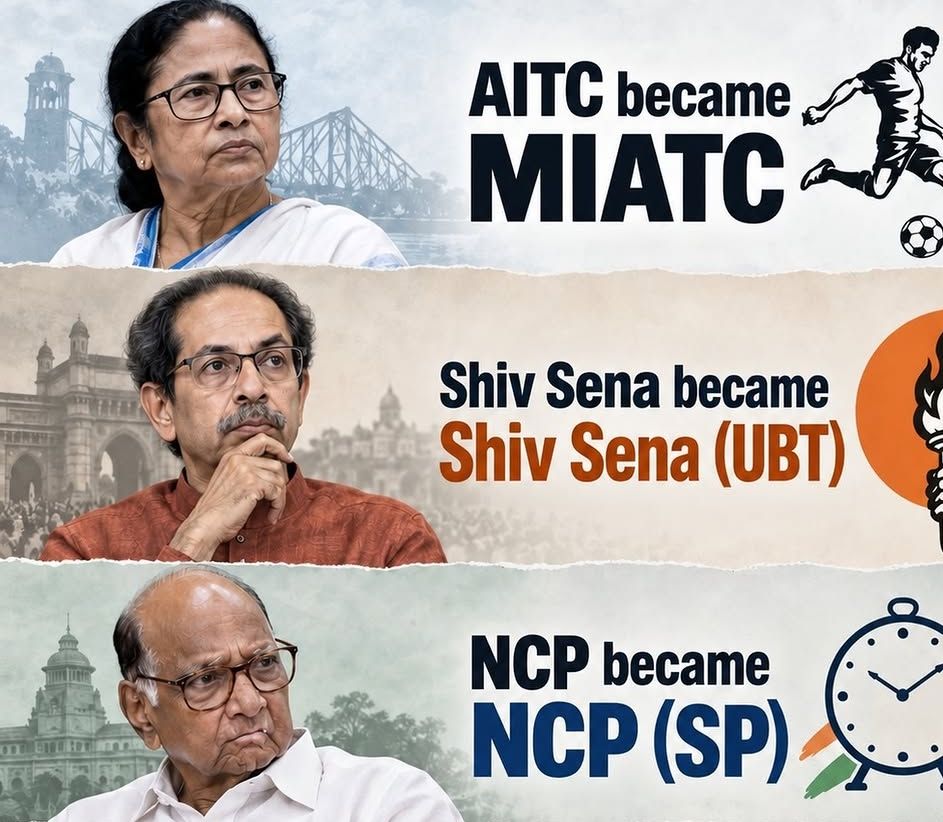
The fundamental distinction, therefore, is between centralised leadership and institutionalised leadership. Centralisation can provide strategic clarity, particularly for regional parties confronting powerful national competitors. But centralisation becomes organisationally corrosive when loyalty replaces deliberation, dissent is interpreted as disobedience and elected representatives are reduced to political executors. Grassroots workers gradually cease to be sources of intelligence and become mobilisation machinery. A “yes-man” ecosystem can look extraordinarily disciplined from outside while becoming dangerously information-poor within. Leaders hear increasingly what their immediate circle wants them to hear rather than what society is actually saying. Bad news travels slowly; inconvenient feedback is filtered; constituency-level grievances remain buried. The result is a political organisation with perfect obedience but imperfect information—a particularly dangerous combination in electoral politics.
The next casualty is usually the independent authority of elected representatives. MLAs, MPs and local leaders possess something a centralised inner circle cannot manufacture: direct democratic legitimacy and continuous contact with the electorate. Yet in personality-driven organisations, their political survival may depend more upon proximity to the supreme leader than upon their independent standing among constituents. This creates a structural contradiction. A party may require hundreds of legislators to win an election while simultaneously treating those legislators as subordinate employees after the election. Such an arrangement remains stable while the central leader commands unquestioned popularity. But political ambitions cannot be permanently suppressed; they accumulate beneath the surface. When the central authority weakens, those ambitions can rapidly transform into competing centres of power. What appears to be a sudden rebellion is often the delayed consequence of years of organisational compression.
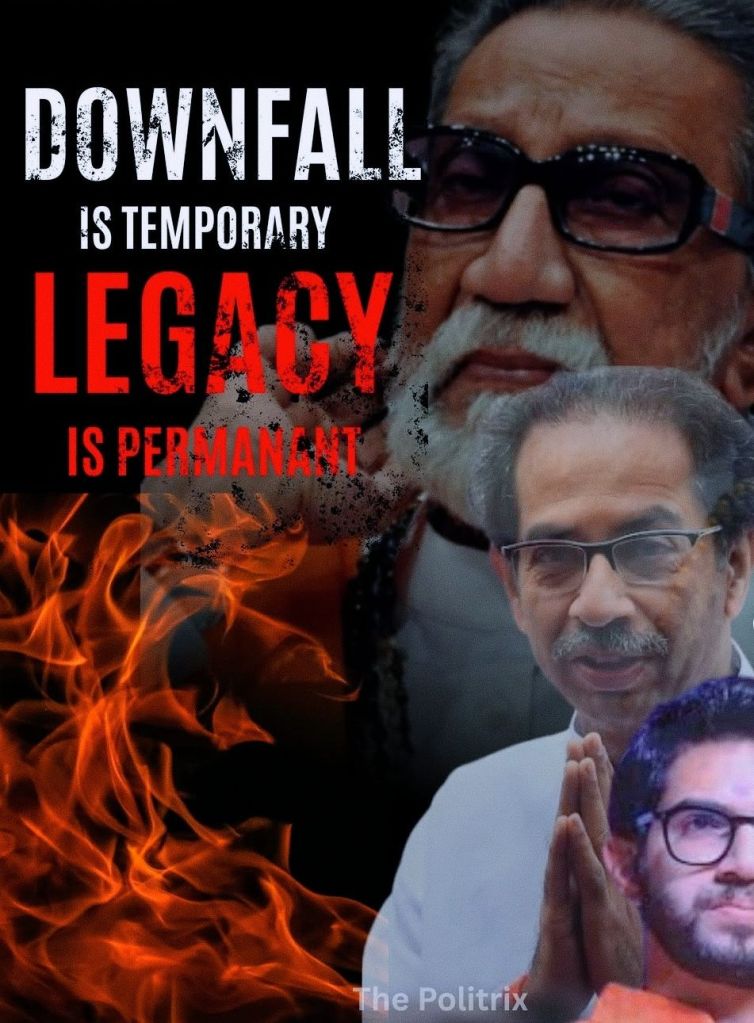
The Shiv Sena rupture illustrates how such tensions can become existential. Its later organisational and legislative conflict produced competing claims over the party, its identity and its election symbol, eventually requiring formal adjudication by the Election Commission. The Commission maintains a dedicated record of the Shiv Sena dispute, including its February 2023 final order. The significance of the episode extends beyond the personalities involved. It demonstrates that when internal mechanisms for resolving disagreements are inadequate, an organisational dispute can escalate into a battle over the very ownership of a political institution. Once substantial elected representatives develop their own political networks and legislative strength, expulsion does not necessarily restore discipline; it can instead deepen fragmentation. The moment a party begins fighting over who owns the organisation, the organisation itself has already become institutionally fragile.
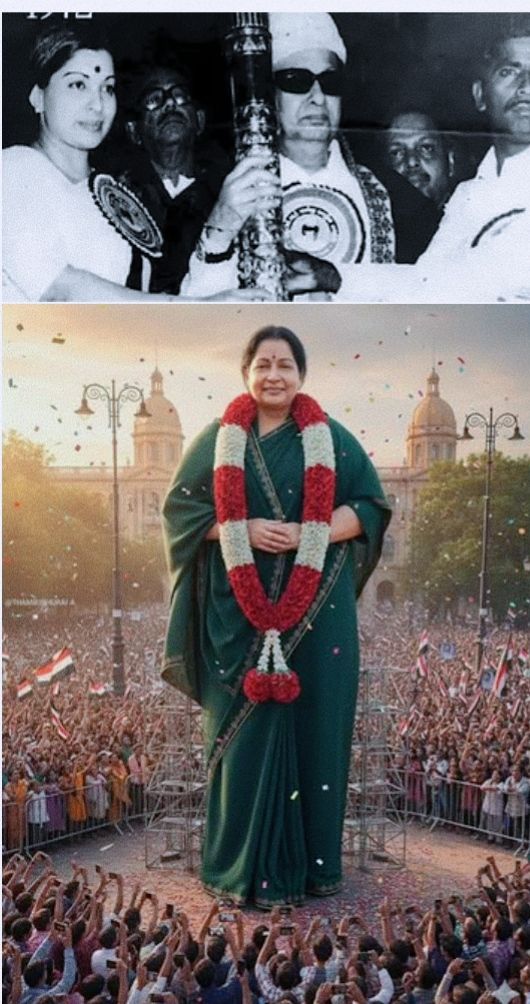
The AIADMK succession experience reveals a different but equally important vulnerability: what happens when a party built around an exceptionally dominant leader must function without that leader. After J. Jayalalithaa’s death, competing leadership arrangements and factional tensions exposed the difficulty of transferring political legitimacy from a personality-centred system to an institutional one. The Election Commission formally records AIADMK’s party constitution, while its contemporary political history demonstrates how leadership structures can become central to organisational survival. Earlier analysis of the post-Jayalalithaa period also highlighted the temporary role of dual leadership in preventing an immediate organisational implosion before subsequent consolidation. The deeper lesson is not that dynastic or personalised succession is inherently doomed; rather, succession becomes dangerous when legitimacy depends upon personal designation instead of an accepted institutional process. A party must know not merely who follows the leader, but why that successor is accepted.
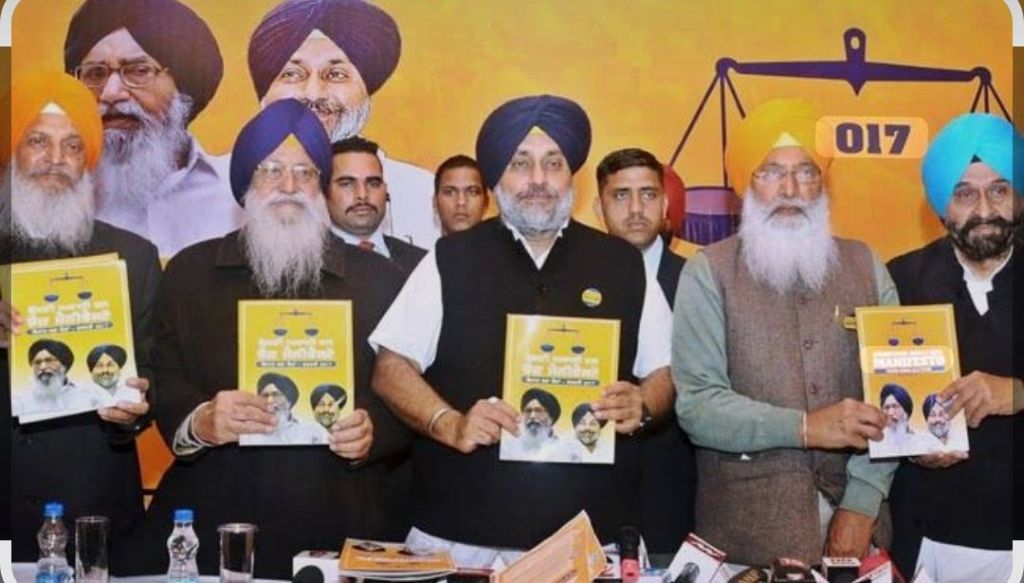
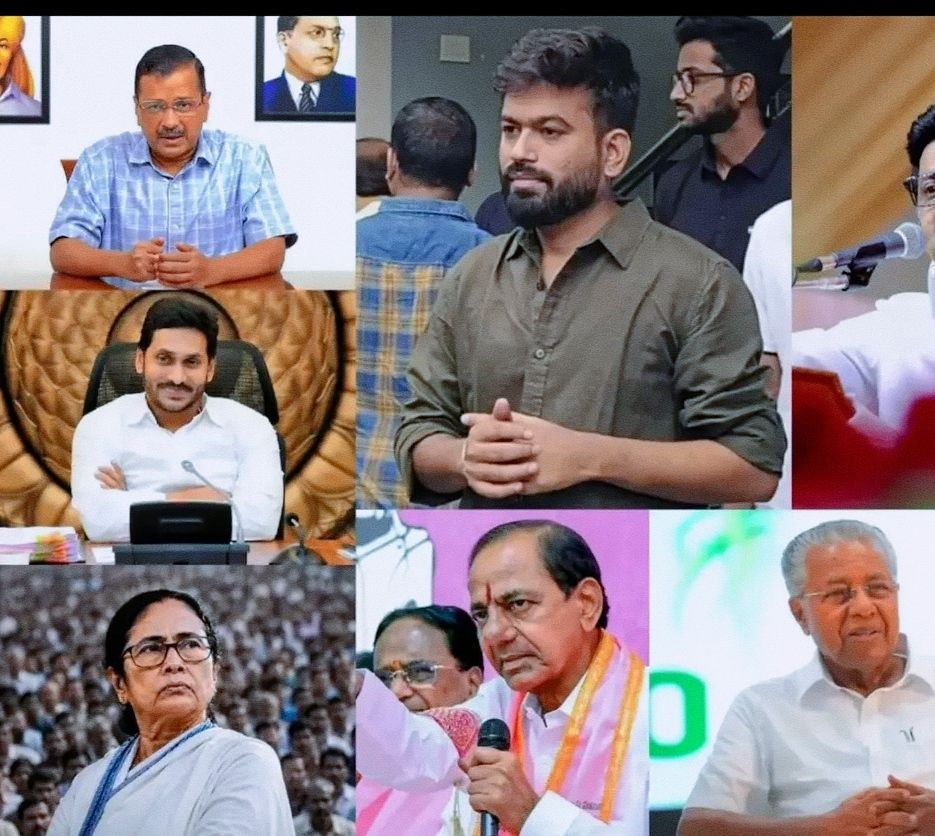
The same analytical question can be applied, with appropriate differences, to parties such as the TMC, AAP and SAD. Their histories, ideologies and organisational structures are not identical, and they should not be mechanically placed in the same category. Yet each illustrates the broader question of how much organisational identity can be concentrated around a powerful leadership nucleus before institutional depth becomes inadequate. The Election Commission maintains formal constitutions for recognised parties, including TMC, AAP, AIADMK and Shiv Sena, as well as records concerning organisational elections. The existence of a written constitution, however, is not identical to institutional vitality. The real test is whether party structures can generate debate, leadership, accountability and succession without requiring every major political decision to pass through one central personality.
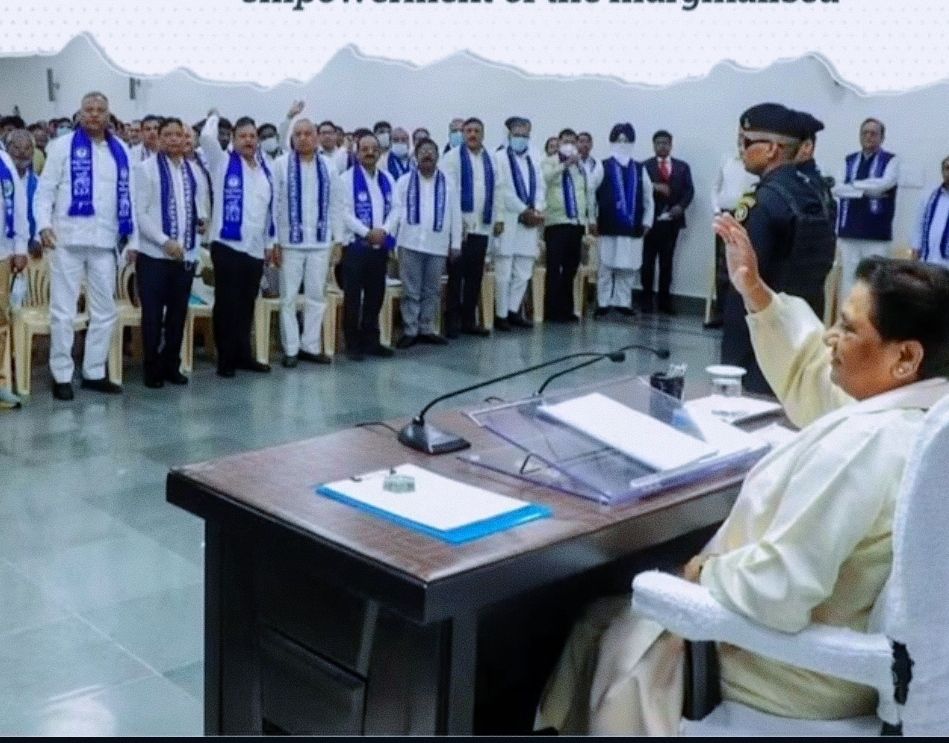
This has consequences far beyond party headquarters. A regional political party is an intermediary institution between society and the state. Its grassroots network should carry social grievances upward, while its leadership should carry policy and political strategy downward. Excessive centralisation can break this two-way communication system. Information becomes filtered through a narrow hierarchy, and dissatisfaction remains invisible until an election suddenly exposes it. Defections can then become attractive to politicians who possess strong constituency networks but little influence within their own party. The apparent betrayal of today may therefore be the accumulated frustration of yesterday. A healthy organisation does not eliminate disagreement; it processes disagreement before disagreement becomes rupture. Institutionalised dissent is therefore not weakness. It is an early-warning mechanism.
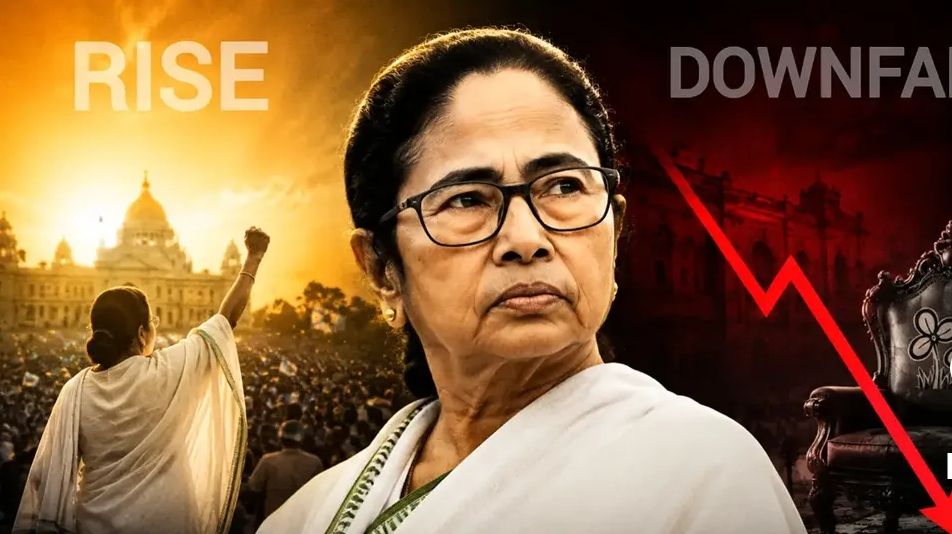
The long-term survival of regional parties consequently depends upon converting personal authority into institutional authority. Strong leaders need not disappear; they must build structures capable of surviving them. Regular organisational elections, empowered district and state units, transparent candidate-selection processes, meaningful consultation with legislators, credible grievance mechanisms, independent internal debate and clearly understood succession arrangements can transform a personality-led movement into a durable political institution. The Election Commission itself separately maintains party constitutions and organisational-election material and has issued communications concerning adherence to party constitutions. These are not merely procedural details. They point toward a larger democratic principle: a political party must possess an organisational life that is larger than the person who currently commands it.
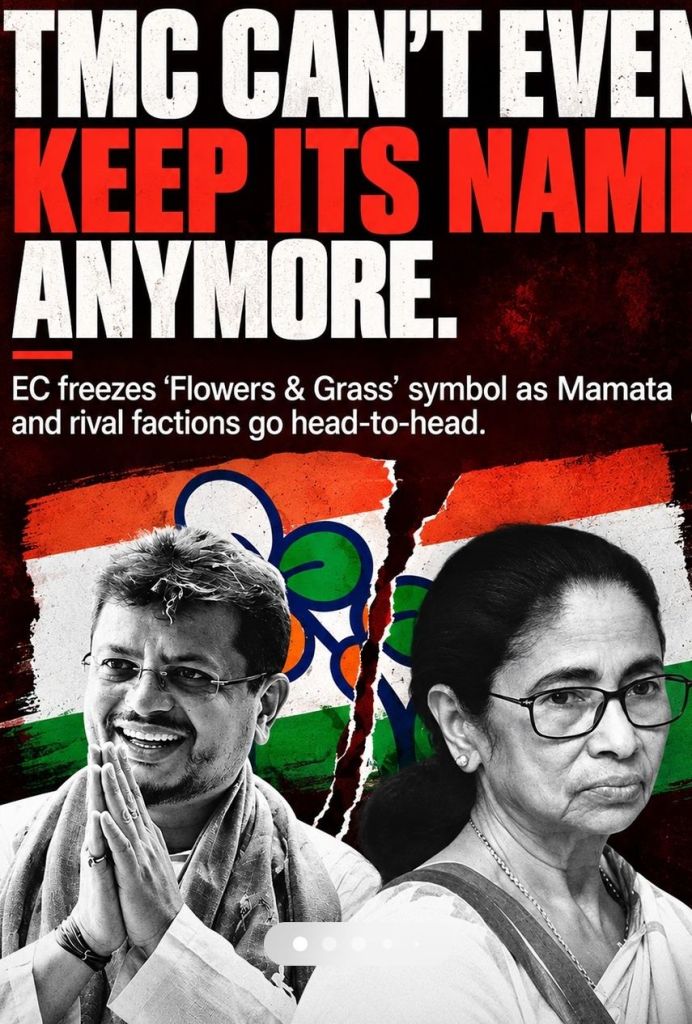
The ultimate paradox is brutally simple: the leader who centralises everything may make the party extraordinarily powerful today while leaving it dangerously weak tomorrow. The iron fist can suppress factionalism, but suppression is not resolution. Political ambition cannot be permanently abolished; it merely waits for the moment when central authority becomes vulnerable. A party whose cadres are trained only to obey cannot suddenly be expected to produce independent leadership. A party whose elected representatives are denied institutional space cannot expect them to remain permanently invested in its internal future. And a party whose succession question is postponed indefinitely eventually discovers that succession itself has become the crisis. Charisma can create a political party. Electoral machinery can expand it. Fear can discipline it. But only institutions can make it survive its founder, its supreme leader and its inevitable generational transition.
VISIT ARJASRIKANTH.IN FOR MORE INSIGHTS !!

