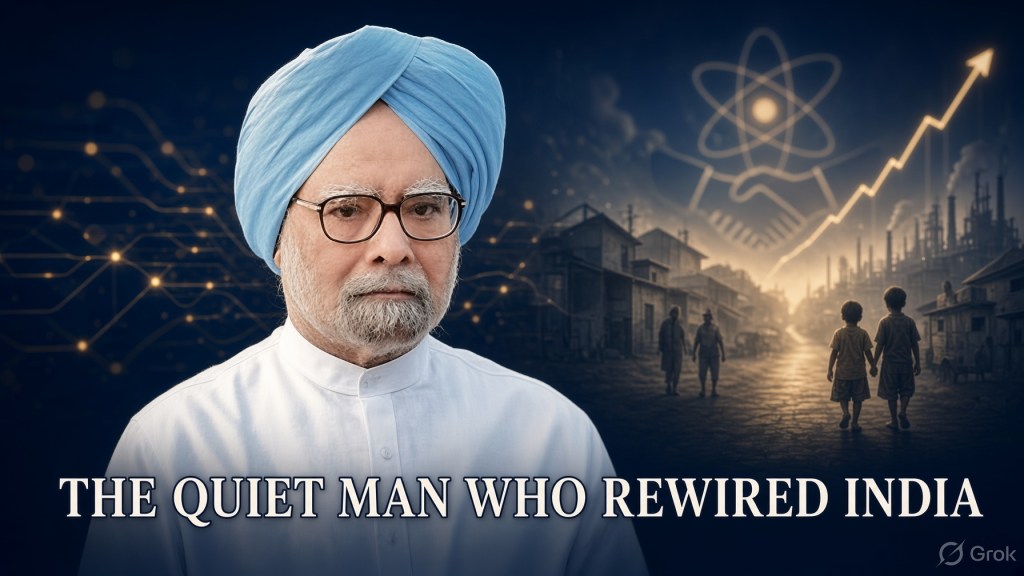
On 26 September 2026, Dr. Manmohan Singh would have turned 94. His birth anniversary offers an opportunity to examine the economic architecture of modern India and the quiet mind that helped reshape it. Born in Punjab in 1932, educated at Cambridge and Oxford, and later RBI Governor, Finance Minister and Prime Minister, Singh combined scholarship, administrative experience and political restraint. The Government of India remembers him as a thinker and scholar distinguished by diligence, an academic approach, accessibility and an unassuming demeanour. His journey also demonstrated how academic discipline can become public policy when institutions are under pressure.
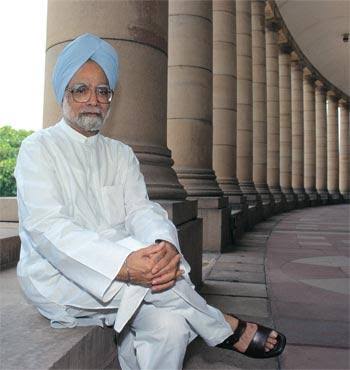
The decisive chapter began in North Block in 1991. India faced a balance-of-payments crisis, exposing the limitations of an economic system built around licensing, import controls and state direction. The Reserve Bank identifies the 1991 crisis as the trigger for economic reforms and liberalisation. As Finance Minister in P.V. Narasimha Rao’s government, Singh became the principal economic face of reform. The reforms emerged from a wider political, administrative and intellectual ecosystem. Singh supplied intellectual coherence and credibility. The challenge was simultaneously financial, political and psychological: India had to restore confidence while accepting that the old model had reached its limits.
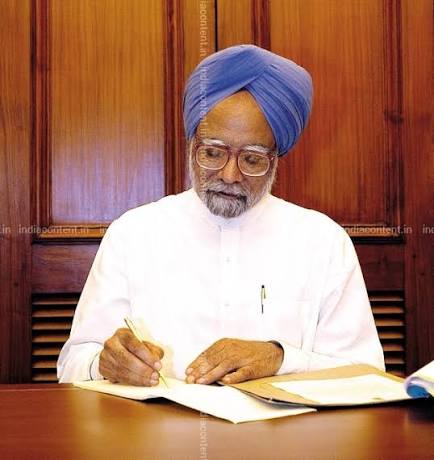
The significance of 1991 was that an emergency became an opening for structural change. The rupee underwent a two-stage adjustment that July, while industrial licensing was substantially dismantled. Industrial policy removed licensing requirements for most industries, taking roughly 80 per cent outside the licensing framework. Import restrictions were progressively reduced and foreign investment opened in selected areas. The objective was a new incentive structure: productivity, technology, exports, efficiency and competitiveness mattered. Singh’s Budget argued for international competition and foreign investment to bring capital, technology and market access. The reform process was gradual, uneven and politically negotiated, but its direction was unmistakable: Indian firms increasingly had to compete rather than depend on administrative protection.
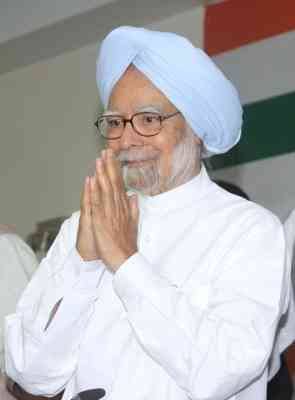
Singh understood that markets require institutions. Liberalisation therefore redefined what government should do. Financial-sector reforms, monetary institutions, market-oriented exchange-rate arrangements and stronger regulation became part of the transition. The state was not expected to disappear, but to move from routine allocation and licensing towards rule-making, regulation, infrastructure and capability creation. The crucial distinction was that economic freedom becomes durable only when supported by institutional capacity. His contribution lay in helping build the framework within which markets could function. That institutional approach helped make reform more durable because policy credibility depends on rules, supervision and public confidence, not announcements alone.
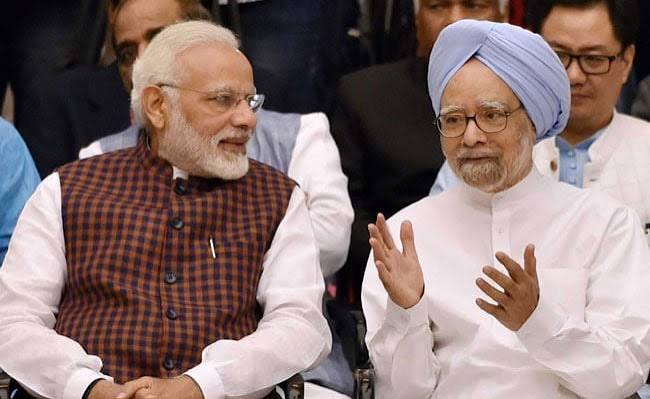
When Singh became Prime Minister in 2004, India’s economic challenge had changed. The challenge was to combine growth with inclusion. His decade in office brought together economic expansion and rights-based social policy. MGNREGA created a rural employment framework; the Right to Information strengthened citizens’ ability to scrutinise government; and the Right to Education expanded the legal commitment to elementary education. These initiatives reflected “growth with a human face”: markets could generate opportunity while public institutions addressed vulnerability and access. Reform became a continuing negotiation between efficiency, equity and legitimacy. The social-policy agenda also showed that liberalisation could coexist with an expanded conception of state responsibility rather than an abandonment of it.
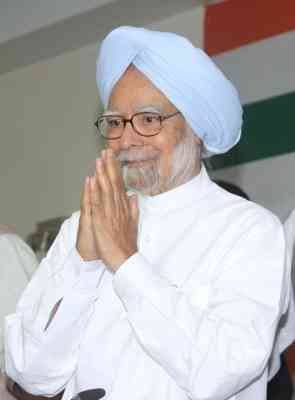
The global financial crisis of 2008 became another test. India was integrated with global capital and trade, yet its domestic financial system proved relatively resilient. The Reserve Bank records monetary easing, liquidity measures and fiscal stimulus as the shock intensified. The response sought to maintain liquidity, support credit and prevent deeper contraction. Integration increased exposure to global shocks, but stronger domestic institutions also increased India’s capacity to absorb them. India’s relative resilience was not immunity; the slowdown was significant, and the crisis exposed the costs of deeper global integration. Singh’s premiership also pursued the India-US civil nuclear agreement, marking a significant shift in India’s engagement with the international civilian nuclear system.
Serious history requires neither hagiography nor dismissal. Liberalisation created opportunities, but inequality, regional disparities, employment quality and agricultural distress remained concerns. Singh’s second term was overshadowed by controversies and corruption allegations involving the wider UPA government, including 2G spectrum and coal-allocation matters. These shaped public perceptions of governance and accountability. At the same time, Singh himself was not personally accused of corruption in those controversies. The distinction between personal integrity, ministerial responsibility and institutional accountability is essential. That complexity makes his legacy more instructive, because public policy is rarely a contest between pure success and pure failure.
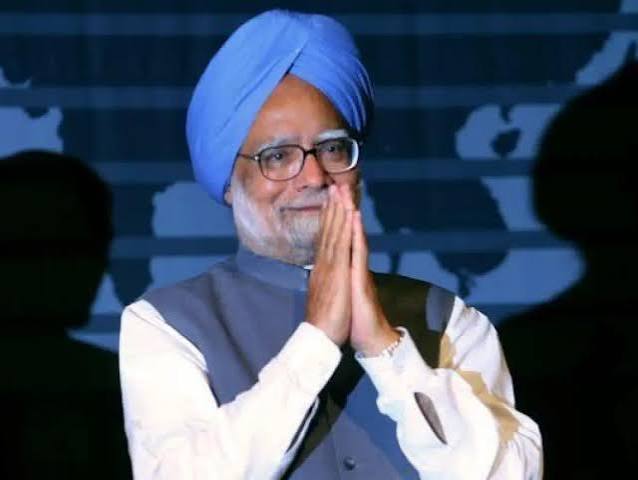
Singh passed away on 26 December 2024, aged 92. Remembering him in 2026 means looking beyond political headlines to India’s changing economic imagination. He was neither the solitary author of liberalisation nor merely a ceremonial figurehead. He was a scholar-administrator who helped give India an intellectual framework for difficult choices: moving from scarcity and controls towards competition and global integration, while seeking to reconcile growth with social protection. His enduring lesson is the power of quiet competence. Leadership need not announce itself through volume; sometimes it works through preparation, credibility and institutional memory. His passing therefore closed a life that connected India’s pre-reform scarcity with its post-reform aspirations, leaving an economic vocabulary that continues to shape national debate.
VISIT ARJASRIKANTH. IN FOR MORE INSIGHT

