India’s Election Commission of India (ECI) is designed to be the quiet authority of the electoral arena: powerful enough to enforce the rules, but institutionally detached enough to command confidence among competing political forces. The Special Intensive Revision (SIR) controversy has pushed that model into an unusually intense public examination. What began as an electoral-roll revision exercise has expanded into questions about internal decision-making, technological control, statutory authority, dissent and institutional transparency. The issue is not whether three constitutional functionaries can disagree; disagreement is intrinsic to serious institutions. The more consequential question is whether disagreement is systematically recorded, considered, resolved and communicated. An electoral referee does not require unanimity at every stage. It requires a decision-making architecture in which every member knows how decisions are made—and citizens can reasonably understand that process.
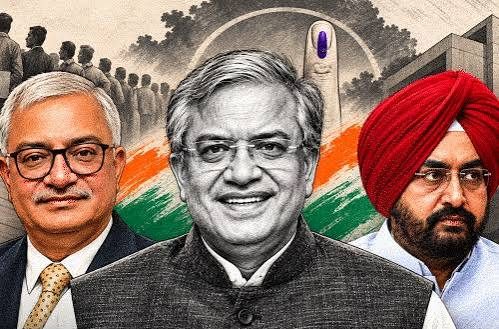
SIR itself is not inherently controversial. Electoral rolls require periodic revision to remove deceased, shifted or duplicate entries and to include eligible citizens. The present exercise, however, is extraordinary in scale. According to reporting based on ECI material, the exercise has involved more than 13 crore names across 30 States and Union Territories. West Bengal illustrates the magnitude and complexity of the process: the ECI reported that 27.16 lakh electors were deleted, while more than 22 lakh subsequently appealed for restoration. More recent reporting based on an ECI affidavit put the number of appeals before tribunals at about 38.20 lakh, of which only 1.02 lakh had been disposed of by September 2026. These figures do not by themselves establish wrongful exclusion, but they demonstrate why the institutional design of verification, appeal and restoration matters enormously. When electoral administration operates at this scale, even procedural ambiguity can acquire democratic significance.
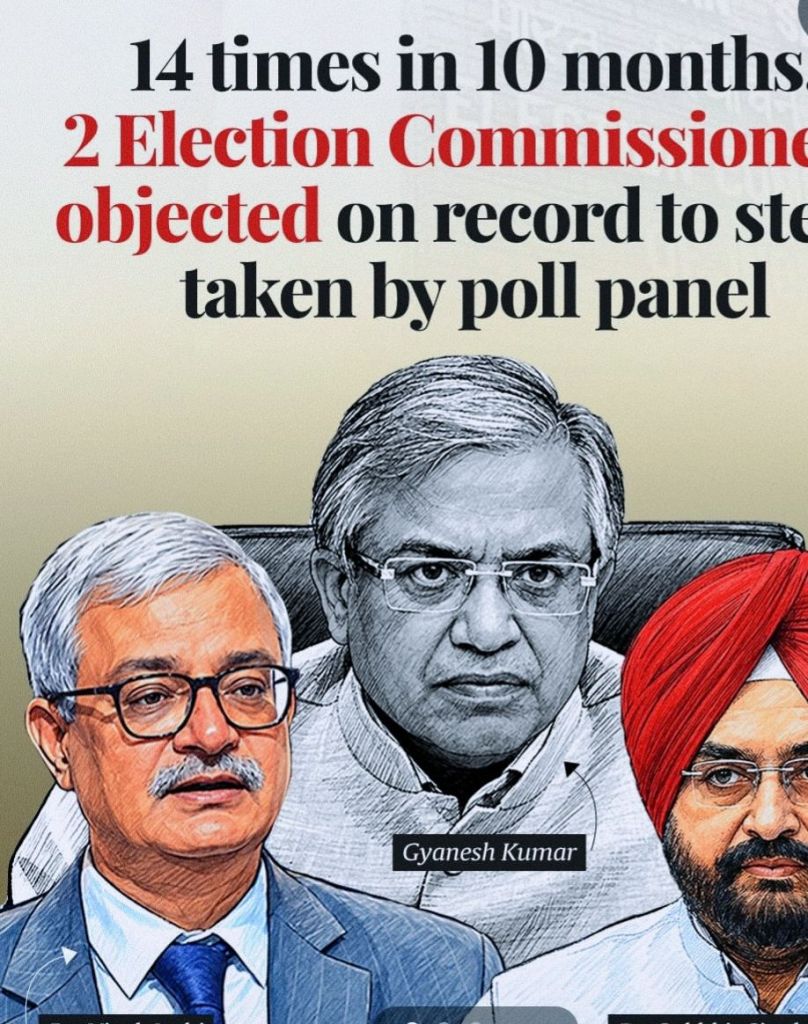
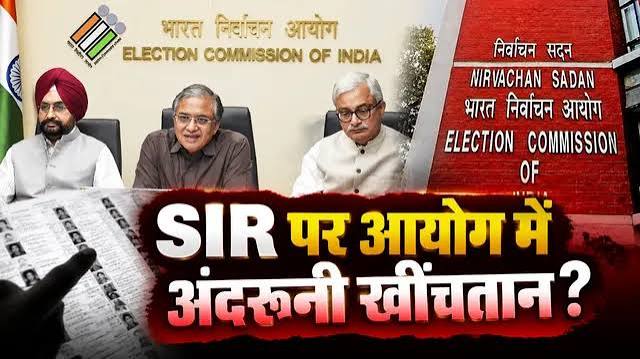
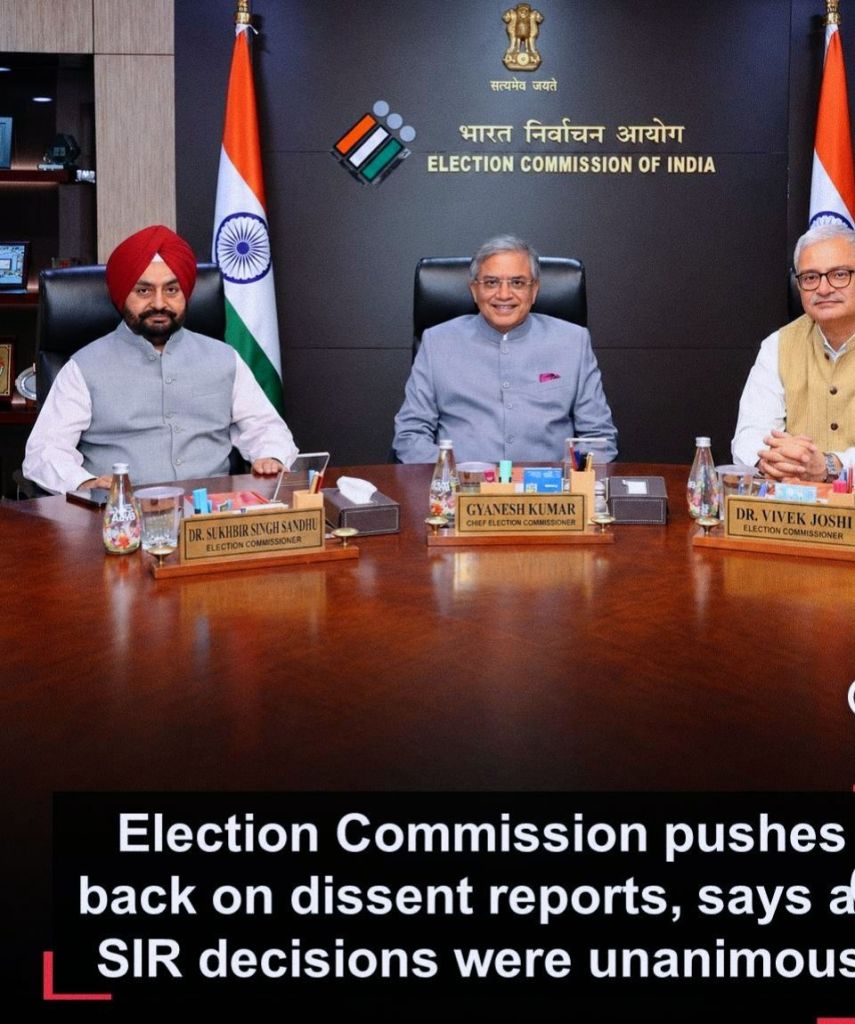
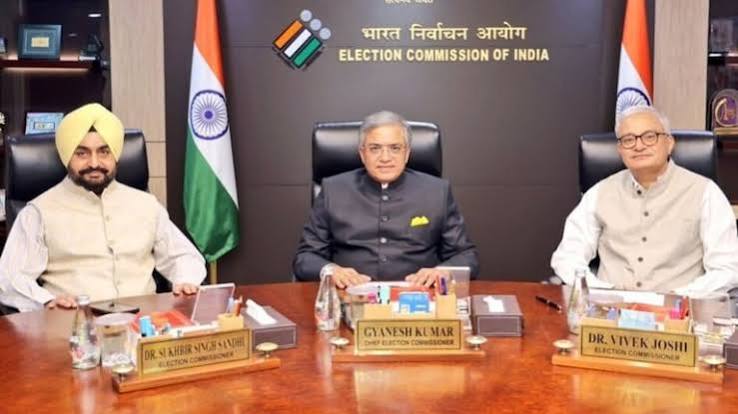
The controversy became substantially more consequential after an Indian Express investigation reported that Election Commissioners Sukhbir Singh Sandhu and Vivek Joshi had placed at least 14 formal objections on record over ten months concerning issues including voter registration, deletion and restoration, database access, Form 6 and appeals relating to West Bengal. The report further said that the three Commissioners held their first full meeting in four months on September 9. The ECI has disputed the characterization of these developments as institutional disquiet, saying that decisions, including SIR, had the approval of all three Commissioners and that differences formed part of normal deliberation. Both accounts can coexist with a larger institutional question: what formal mechanism exists for recording, responding to and resolving dissent within the Commission? A constitutional institution becomes stronger, not weaker, when disagreement has a defined procedural destination.
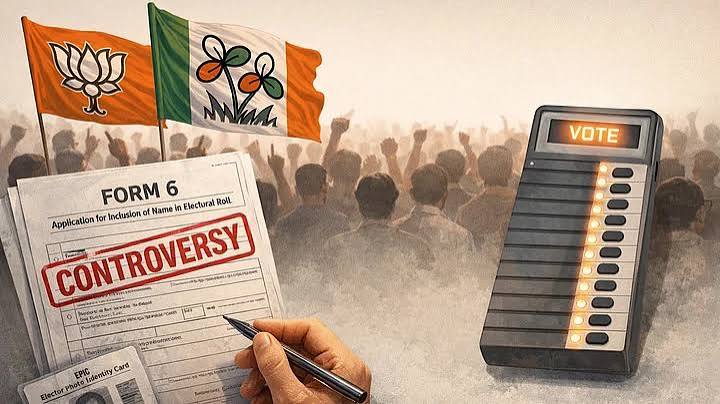
Form 6, through which citizens apply for inclusion in electoral rolls, illustrates why this matters. The reported internal objections concerned changes to the way applications were handled through the ECINet technological system. The Indian Express investigation reported that one Commissioner questioned whether changes involving links to earlier electoral-roll data required alteration of the applicable rules, while another subsequently characterized aspects of the change as “unauthorised and illegal.” The eventual legal position is a matter for the competent authorities and courts where necessary. But the underlying governance principle is clear: technology may execute law, but it cannot silently become a substitute for law. Whenever a digital platform changes the practical conditions under which citizens register, delete, restore or challenge their electoral status, the statutory basis, authorization chain and audit trail should be demonstrable.
The same concern extends to the architecture of electoral databases. The reported objections included questions about the centralisation of electoral-roll database access and the respective roles of Election Registration Officers, Chief Electoral Officers and other statutory authorities. This is an increasingly important constitutional issue in the digital age. Earlier administrative decisions generally left a visible trail—an officer, a file, an order and an appeal. In a highly centralised digital environment, however, authority can become obscured behind permissions, software configurations and database controls. If a statutory officer is unable to alter or restore a record because the technological architecture prevents the action, responsibility must remain traceable. Software should increase administrative efficiency without making constitutional accountability invisible.
The West Bengal appeals add another layer. Reporting has raised questions about the authorisation and institutional handling of appeals against decisions restoring voters to the rolls. At the same time, the large volume of pending appeals demonstrates the importance of accessible and timely remedies. Electoral administration ultimately concerns individual citizens, not merely databases. A person whose name disappears from a roll faces a very different consequence from an ordinary clerical error: participation in an election may be affected. That is why verification, notice, opportunity to respond, reasoned decisions and effective appeal mechanisms are not bureaucratic details. They are safeguards connecting administrative action with the citizen’s constitutional relationship with the State.
The controversy also coincides with a broader constitutional examination of how the ECI itself is constituted. On September 23, 2026, the Supreme Court dealt with challenges to the 2023 law governing appointments of the Chief Election Commissioner and Election Commissioners. The two-judge Bench differed on whether the challenge should immediately be referred to a Constitution Bench, but the matter was placed before the Chief Justice for consideration of a larger Bench. The litigation concerns, among other things, the 2023 law’s replacement of the Chief Justice of India on the selection committee with a Union Cabinet Minister nominated by the Prime Minister. Justice Dipankar Datta also emphasized in the proceedings the importance not merely of institutional independence but of the institution being perceived as independent. This remains a judicial question awaiting authoritative determination; it should not be converted into a political conclusion.
The SIR episode therefore presents India with a governance question larger than any individual electoral-roll dispute. The ECI does not need an artificial culture of unanimity; it needs a culture of accountable collective decision-making. Commission meetings, dissenting views, statutory interpretations, technology changes and authorisations should have a clear documentary trail. Electoral software should be independently auditable. Access controls should correspond transparently with statutory responsibilities. Citizens should have predictable remedies, and litigation undertaken in the Commission’s name should have an identifiable authorisation chain. None of these reforms presupposes that any particular Commissioner or political party is right or wrong. They simply strengthen the institutional architecture through which electoral authority is exercised. India’s democratic system ultimately depends not only on who wins an election, but on whether citizens across the political spectrum can see the electoral referee as operating through rules, records and procedures that are stable, comprehensible and accountable. The enduring lesson of SIR may therefore be less about one revision exercise than about a modern constitutional necessity: when authority becomes digital, collective and enormously consequential, transparency in the decision-making process becomes part of the legitimacy of the decision itself.

