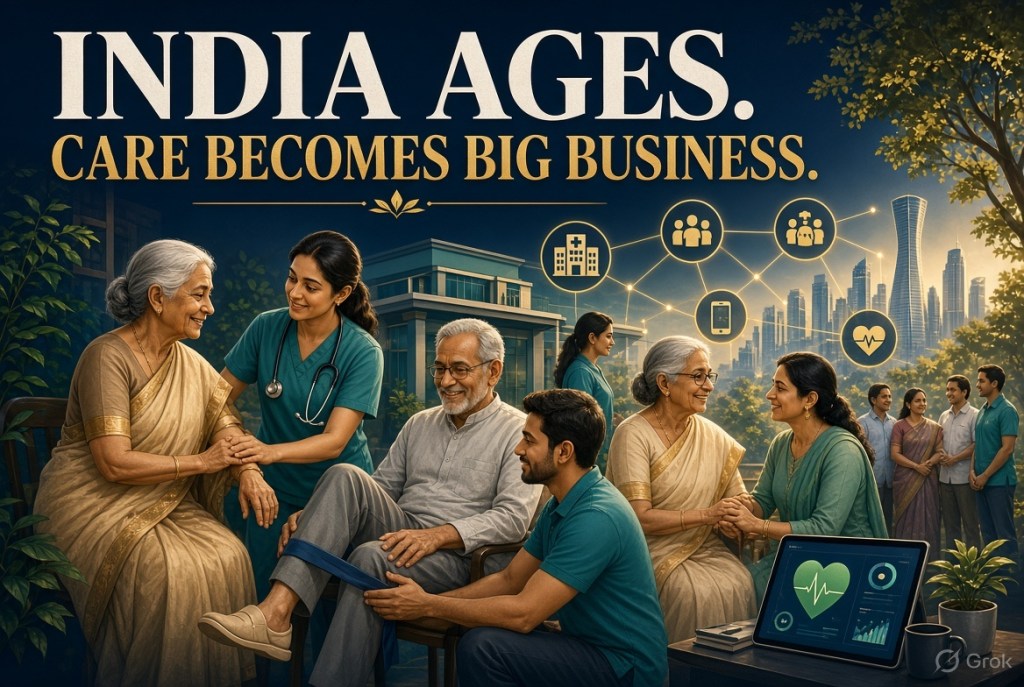
India is approaching a demographic transformation that may ultimately prove more consequential than the celebrated population-dividend narrative. For generations, the joint family operated as India’s largest invisible social-security institution: proximity replaced formal care systems, kinship substituted for insurance, and obligation performed the work of professional eldercare. That architecture is now steadily weakening. Fertility has fallen dramatically from around 5.9 children per woman in 1950 to close to replacement level, while life expectancy has risen from roughly 37 years to more than 70. Migration, urbanisation, smaller households and changing employment patterns are separating generations geographically. India is therefore confronting a remarkable demographic paradox: it is adding years to human life while simultaneously subtracting caregivers from households. With about 167 million people already aged 60 and above, and the elderly population projected to expand substantially by 2050, ageing is no longer a welfare-sector footnote. It is becoming a major economic, social and infrastructure transformation.
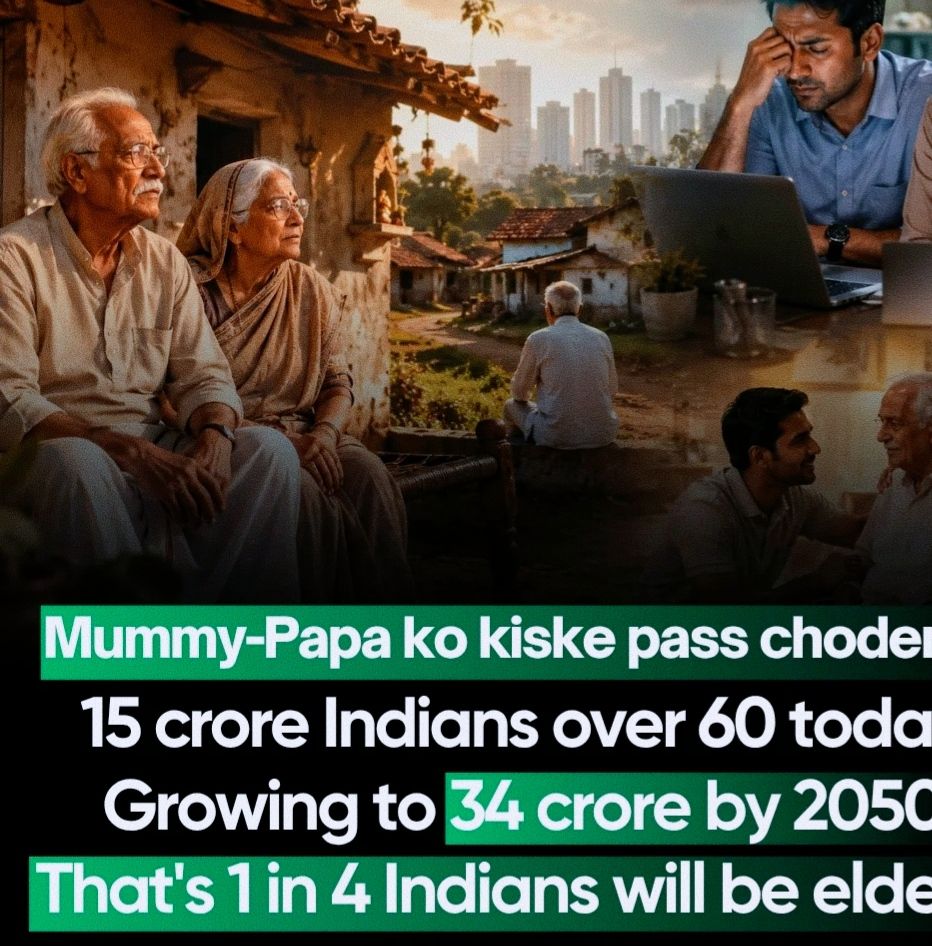
The deeper disruption is not ageing itself, but the changing economics of dependency. A longer lifespan increasingly contains a longer period of chronic illness, disability or reduced mobility. A large proportion of older Indians live with at least one chronic condition, while many experience limitations in activities of daily living. Diabetes, hypertension, cardiovascular disease, arthritis, dementia and other age-associated conditions require continuous medication, nutrition management, physiotherapy, monitoring, rehabilitation and repeated medical intervention. The traditional healthcare model—diagnose, prescribe and discharge—is poorly suited to this reality. India is gradually creating a population that may require care for years rather than treatment for weeks. Eldercare consequently sits at the intersection of healthcare, housing, mobility, technology, emergency response, rehabilitation and social support. The objective is shifting from merely treating disease to preserving independence, functional ability, dignity and quality of life.
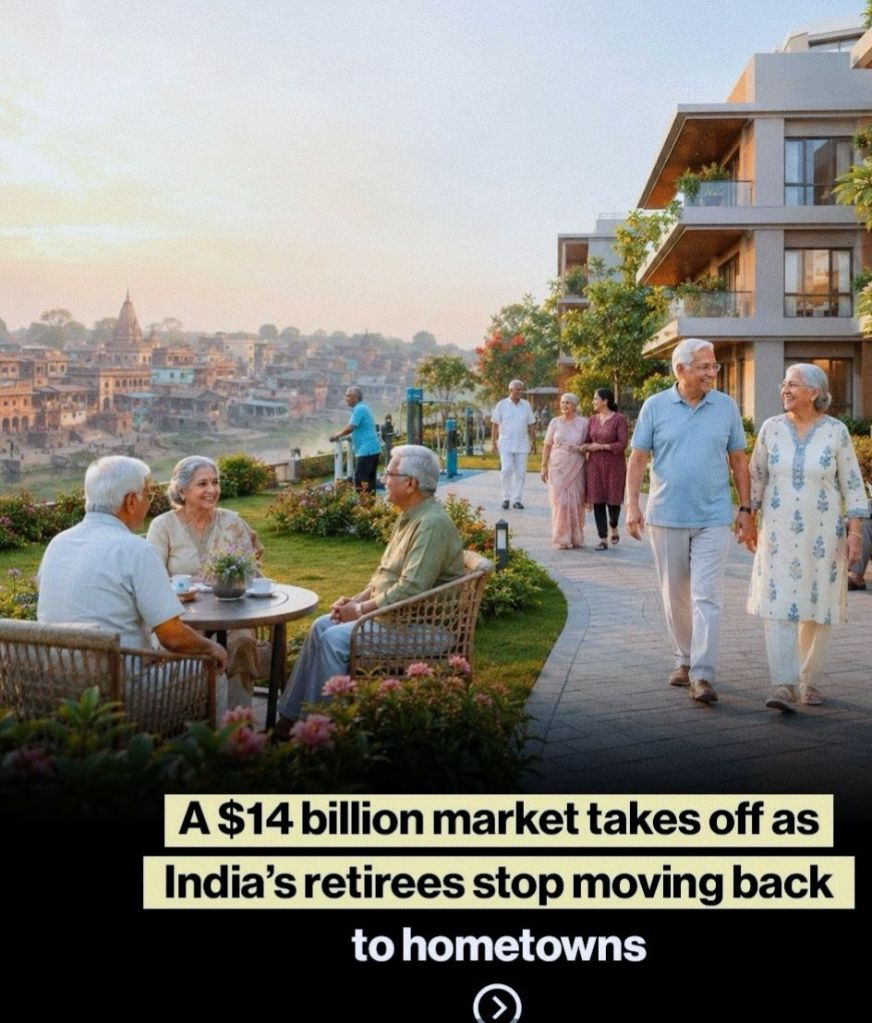
The most intriguing commercial opportunity is emerging not necessarily in retirement homes, but in the care-management layer between ageing parents and geographically dispersed families. The person receiving care and the person paying for it are often different. An adult child living in Bengaluru, Mumbai, Dubai, London or Seattle may be willing to pay for a trusted professional located near an ageing parent who maintains medical records, coordinates doctors and medicines, arranges diagnostics, responds during emergencies and provides verified updates to the family. The business proposition is therefore not simply separation from parents; it is the infrastructure through which responsibility survives distance. Home nursing, physiotherapy, assisted living, palliative care, emergency-response subscriptions, remote monitoring, pharmacy coordination and senior housing are beginning to converge into a lifecycle-care ecosystem. The decisive competitive advantage may ultimately be continuity, reliability and trust, rather than the physical scale of a retirement campus.
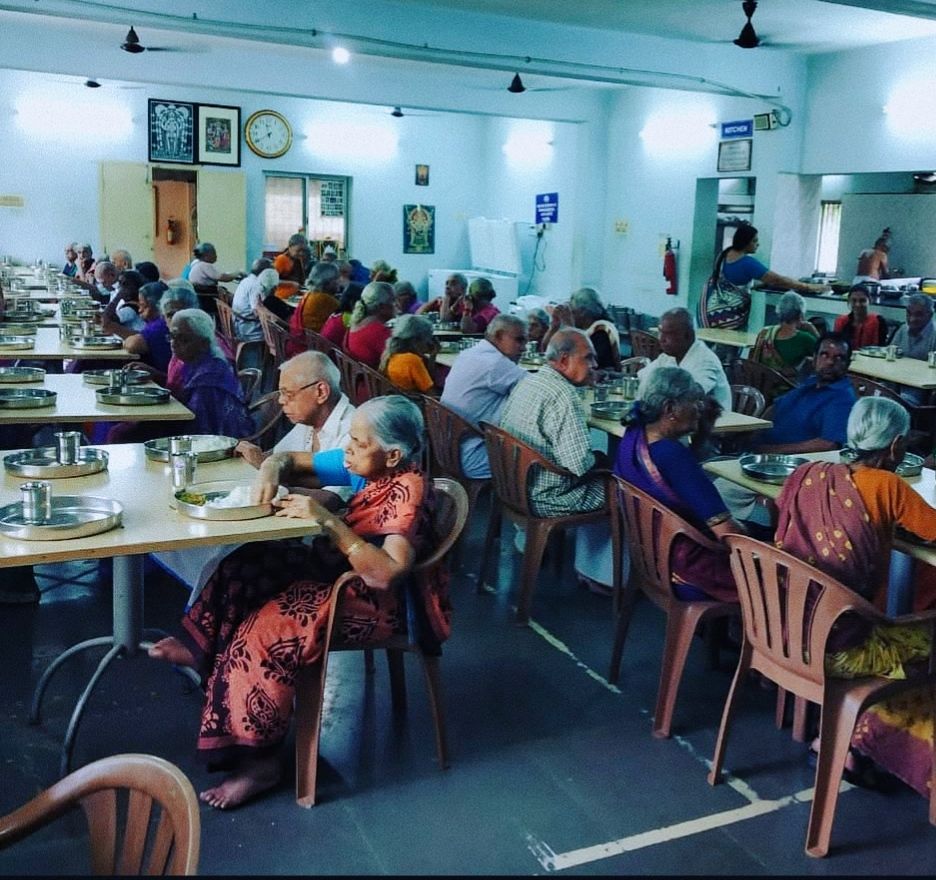
Yet the emerging silver economy contains a formidable affordability paradox. Organised senior living and professional home care remain disproportionately accessible to affluent households, while millions of elderly Indians possess limited independent financial resources. More than seven in ten older Indians are estimated to live in rural areas, where formal eldercare infrastructure is especially thin. Monthly professional-care expenses that may be manageable for an urban upper-middle-class family can be prohibitive for households dependent on pensions, agricultural income or children’s remittances. India could consequently develop a three-tier care economy: premium organised services for affluent seniors, semi-formal fragmented services for the emerging middle class, and predominantly family- and government-supported care for the majority. Such a structure may create a sophisticated silver economy without creating an inclusive care economy. The policy challenge is therefore not simply how to monetise longevity, but how to make dignity affordable.
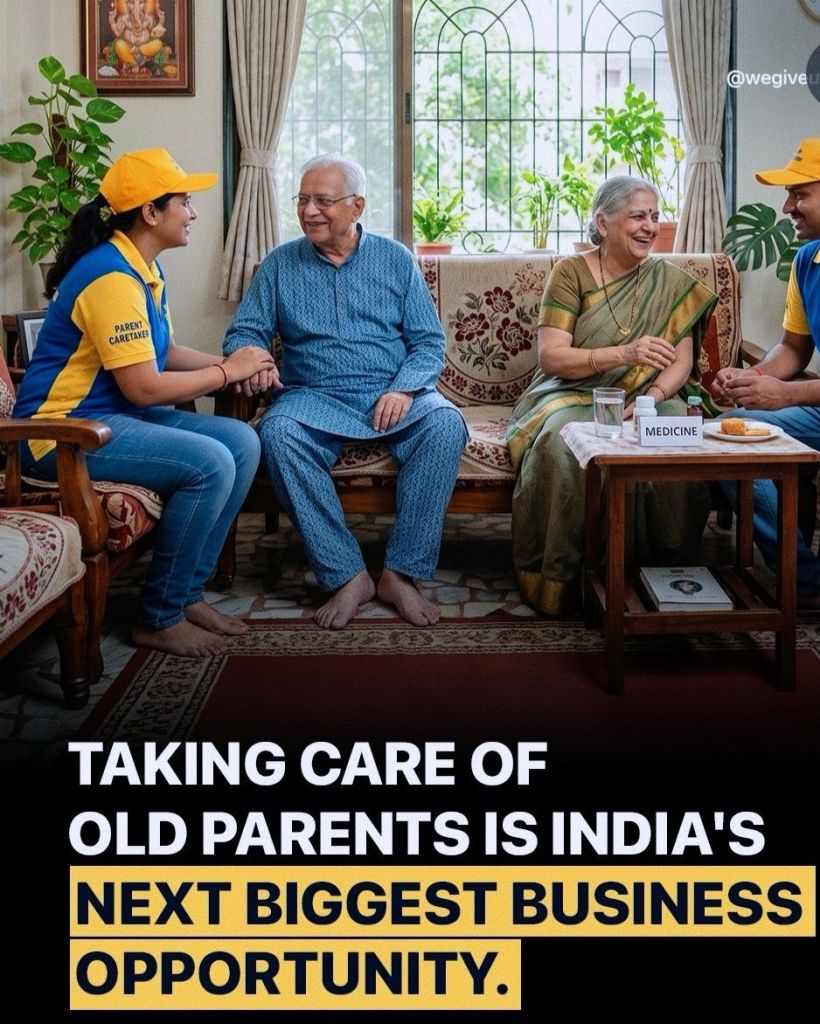
Geography intensifies the challenge. Organised senior-living and specialised care capacity is concentrated in particular urban and southern markets where ageing and migration have generated stronger demand. Rural India, despite having a large elderly population, has far less institutional infrastructure. A national call centre cannot substitute for a trained caregiver reaching a village; telemedicine cannot replace an ambulance arriving on time; and a digital health dashboard has little value without a nearby laboratory, physiotherapist, nurse or doctor. Eldercare is consequently both a technology opportunity and an intensely local service. India’s scalable model may lie in combining digital coordination with physical delivery: ASHA and frontline-health-worker networks, geriatric screening, mobile diagnostics, telemedicine, community-based rehabilitation, local caregivers and district-level emergency systems. The country cannot simply export the urban retirement-community model to rural India; it needs a distributed care architecture.
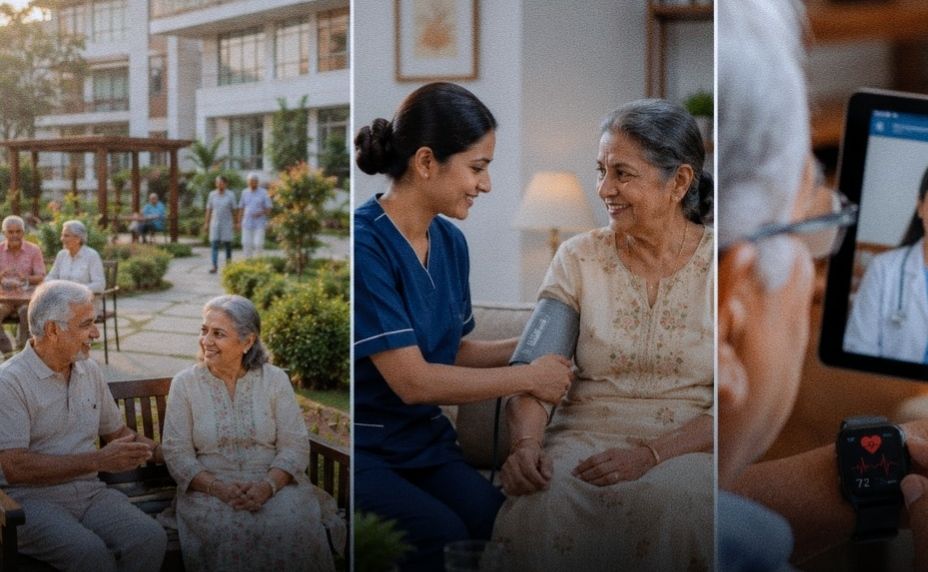
The industry’s most consequential bottleneck, however, may be human capital. Buildings can be constructed and applications can be coded, but competent caregivers cannot be manufactured overnight. Attendants, nurses, physiotherapists, dementia-care specialists and palliative-care professionals require different competencies, yet caregiving remains fragmented and insufficiently professionalised. Low remuneration, limited career progression, weak social recognition and demanding working conditions contribute to attrition. Language and cultural familiarity are equally important because eldercare is an unusually intimate service. India therefore needs professionalisation rather than merely more training: competency-based national standards, recognised qualifications, verified caregiver registries, background checks, continuous skill development and credible career pathways. Eldercare could become a significant employment engine, particularly for women and semi-skilled workers, but only if caregiving moves from invisible domestic labour to recognised professional work.
Regulation is the other elephant in the room. Eldercare simultaneously touches healthcare, housing, insurance, social welfare, skill development, technology and consumer protection, yet the continuum from home-care services to assisted-living facilities requires stronger and more consistent quality safeguards. Inadequate standards can produce uncertain accountability, inconsistent staffing, variable care quality and consumer vulnerability. India needs proportionate standards covering caregiver qualifications, verification, staffing, facility safety, emergency response, medication practices, medical-data protection and grievance redressal. But regulation must also be intelligent: excessive compliance costs could push services back into informal markets and make organised care even more unaffordable. The objective should be minimum assured quality without maximum bureaucratic friction. In a sector dealing with vulnerable citizens, trust is indispensable—but trust without enforceable standards is not governance.

India’s ageing moment is therefore much larger than the fashionable phrase “silver economy”. It is a test of whether economic growth can redesign social institutions before demographic change overwhelms them. The family will remain the emotional centre of Indian eldercare, but it can no longer be expected to remain the entire operating system. India needs an integrated longevity architecture combining ageing-in-place, preventive geriatric medicine, home care, community services, rehabilitation, assisted living, technology, insurance and social protection. Government can establish standards, financing mechanisms and rural infrastructure; private enterprise can bring capital, innovation and professional management; communities can provide companionship and social connection. The ultimate measure should not be the number of retirement homes constructed or the size of the silver-economy market, but whether an elderly Indian—rich or poor, urban or rural, surrounded by family or separated from it—can grow old with security, autonomy, dignity, purpose and human connection. India is not merely entering an ageing era. It is entering an era in which care itself becomes infrastructure—and longevity could become the country’s second demographic dividend.
VISIT ARJASRIKANTH.IN FOR MORE INSIGHTS


One response to ““THE SILVER TSUNAMI: INDIA’S NEXT ₹4-LAKH-CRORE CARE ECONOMY IS WAITING FOR SOMEONE TO NOTICE””
Wonderful article…
Changing landscapes about the geriatric care and related.
Crisp summary with a good understanding….
Please keep me in your mailing list….
Warm Regards .
JV Ramamurthy
LikeLike