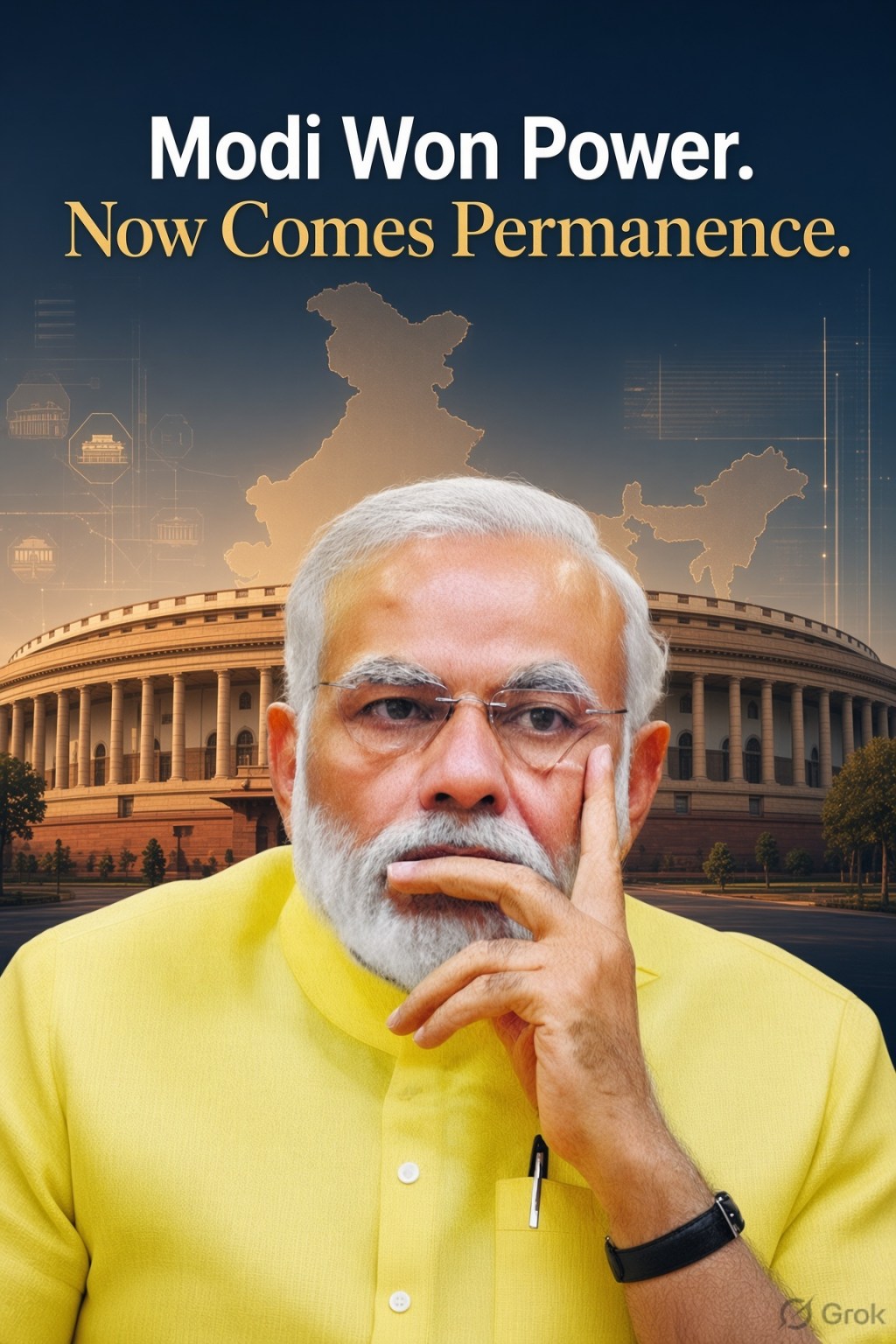
Narendra Modi today occupies a position in Indian politics that transcends ordinary electoral success. Few democratic leaders in contemporary history have managed to reshape not merely governments but the very architecture through which politics is conducted. Over the last decade, Modi has altered the grammar of political competition by synchronizing welfare delivery, governance reforms, technology, nationalism, organizational discipline, and leadership branding into a single political ecosystem. The Bharatiya Janata Party is no longer merely a successful political party; it has become the central axis around which national political discourse revolves. The true significance of the Modi era lies not in the number of elections won but in the creation of a self-reinforcing political model where administration, communication, and mass mobilization operate in unprecedented harmony. Yet history repeatedly reminds us that the most difficult challenge for any leader begins after achieving dominance.
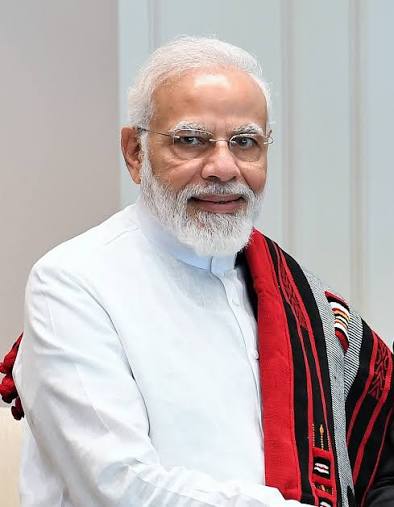
Prime Minister Narendra Modi’s tenure has coincided with a profound transformation in India’s economic, digital and administrative landscape. India remains among the world’s fastest-growing major economies, while initiatives such as UPI, Direct Benefit Transfers, Jan Dhan, Aadhaar, GST, PM GatiShakti, infrastructure expansion and Digital Public Infrastructure have significantly expanded the state’s capacity to deliver services at scale. UPI has become the world’s largest real-time payment system by volume, while DBT has transferred welfare benefits directly to citizens, strengthening transparency and financial inclusion. Infrastructure, manufacturing and global digital cooperation have further expanded India’s economic capabilities and international profile. At the same time, assessments of the period remain contested, with debates over employment, inequality, institutional autonomy and social cohesion. Modi’s enduring legacy will ultimately be measured by whether this transformation produces sustained, inclusive and broad-based national development.
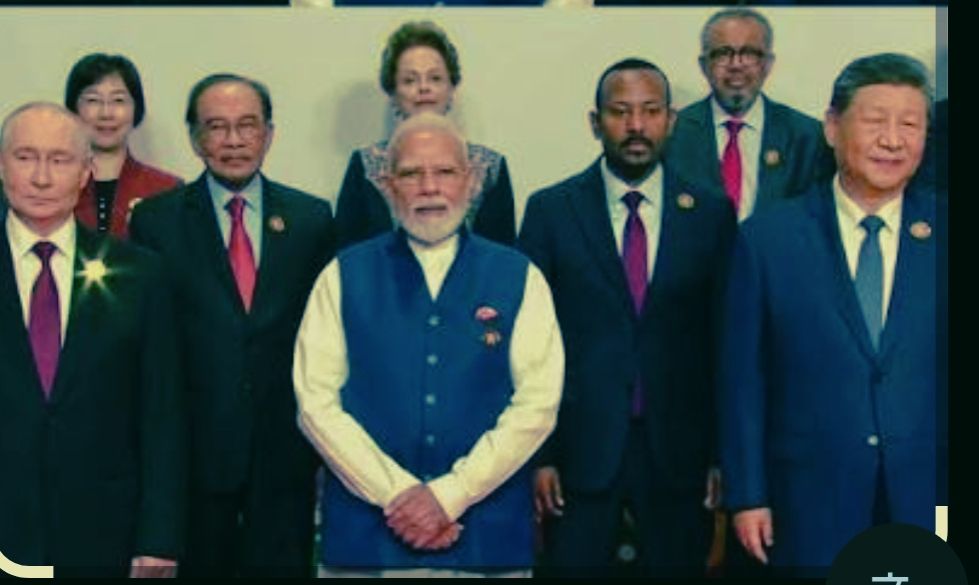
Under Narendra Modi’s leadership, the BJP has undergone a remarkable transformation from a major national challenger into India’s dominant political force, fundamentally reshaping electoral organisation, geographic reach and political mobilisation. The party won 282 Lok Sabha seats in 2014 and 303 in 2019, before securing 240 seats in 2024 and forming the Union government with its NDA partners. Its expansion beyond traditional strongholds, sophisticated grassroots organisation, digital mobilisation and sustained cadre-building have created an unusually powerful national political network. The party has also pursued several long-standing ideological and legislative priorities, including Article 370’s abrogation and the Ram Temple project. At the same time, its rise has generated intense debate over centralisation, institutional autonomy, social cohesion and the balance between electoral strength and constitutional restraint. The BJP’s evolution has therefore become one of the defining developments of contemporary Indian politics.
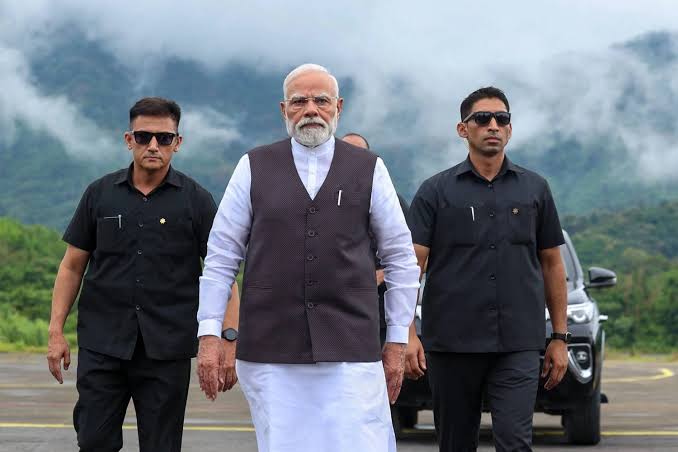
This strategic evolution was forged through important political lessons. The Gujarat election of 2017, the setbacks in several state elections in 2018, and the coalition realities that emerged after the 2024 Lok Sabha election collectively demonstrated a critical truth: popularity does not automatically translate into constitutional authority. Electoral dominance and institutional transformation require different forms of power. Consequently, every parliamentary constituency now carries significance beyond local representation. Every alliance negotiation, regional expansion effort, and legislative manoeuvre contributes to a larger constitutional equation. Politics under Modi has increasingly evolved from the management of elections to the management of long-term institutional outcomes.
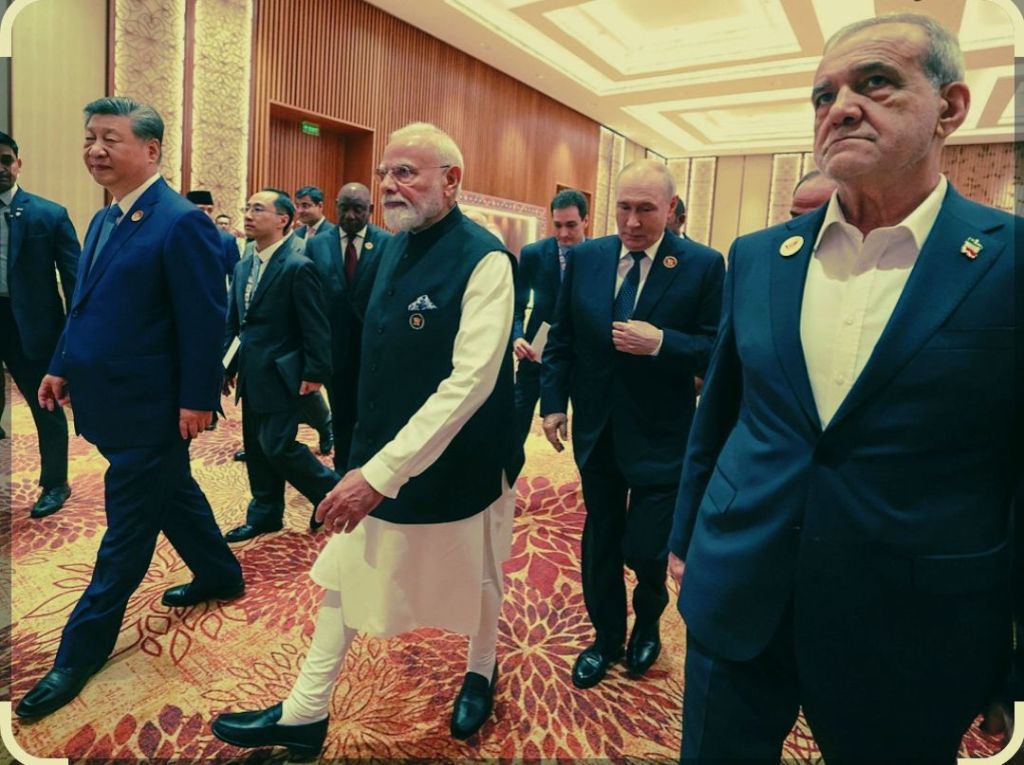
The organizational foundation supporting this vision remains perhaps the BJP’s greatest strength. Unlike traditional political formations that activate only during election seasons, the BJP has institutionalized permanent political engagement. Booth-level networks, welfare-linked communication systems, digital outreach platforms, data-driven voter engagement, and continuous organizational expansion have created what can only be described as a permanent campaign infrastructure. This machinery allows the party to maintain relevance between elections and penetrate regions previously considered politically inaccessible. It represents one of the most sophisticated political organizations ever built in democratic India and has significantly contributed to Modi’s sustained dominance.
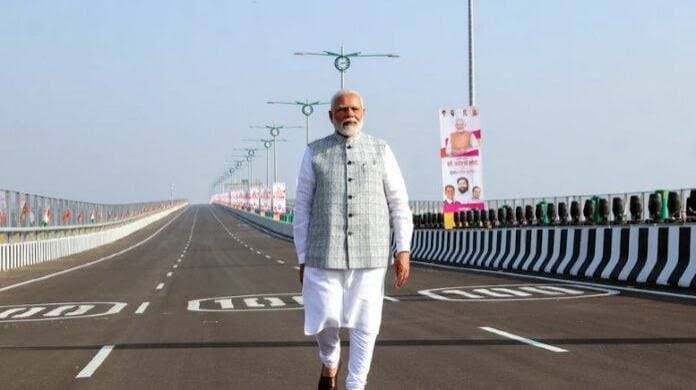
Yet the next phase of Modi’s leadership will be judged by challenges that organizational excellence alone cannot solve. The global environment is entering an era of profound uncertainty marked by great-power rivalry, technological disruption, supply-chain realignments, energy transitions, and regional conflicts. India must simultaneously deepen relations with the United States, manage strategic competition with China, preserve influence in its neighbourhood, and maintain strategic autonomy. Diplomatic visibility, while important, is no longer sufficient. The next stage requires converting geopolitical goodwill into economic resilience, technological self-reliance, manufacturing competitiveness, and military preparedness. The challenge is no longer participating in global transformation but shaping it.
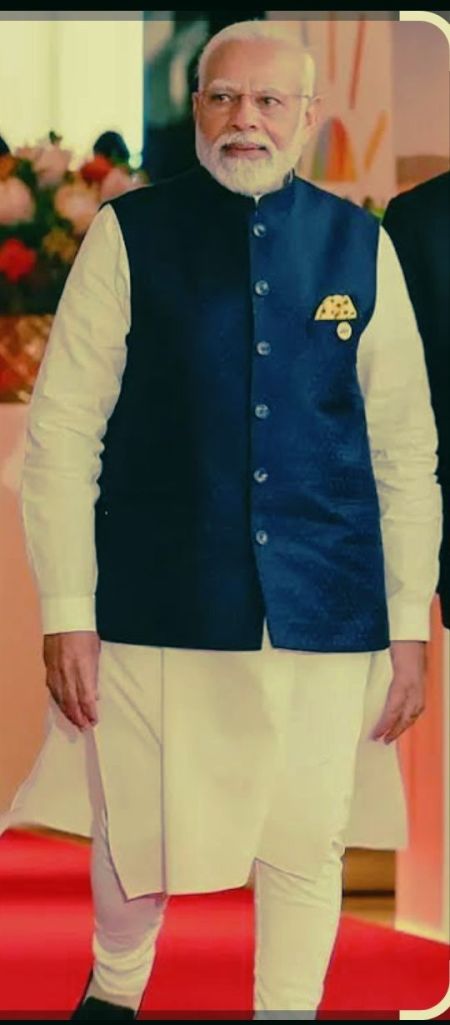
The economy presents an even more complex political test. Strong macroeconomic indicators generate international confidence, but democratic legitimacy ultimately depends upon microeconomic outcomes. Growth rates may impress investors; employment opportunities determine voter sentiment. India’s demographic profile, rapid technological change, artificial intelligence, automation, and evolving labour markets require a fundamentally new development paradigm. The electorate that embraced Modi in 2014 sought hope and opportunity. The electorate that will judge him in 2029 will demand measurable outcomes. Employment generation, entrepreneurship, education quality, urban liveability, agricultural modernization, and upward mobility may become more politically decisive than ideological narratives. The challenge is shifting from infrastructure-led growth to opportunity-led prosperity.
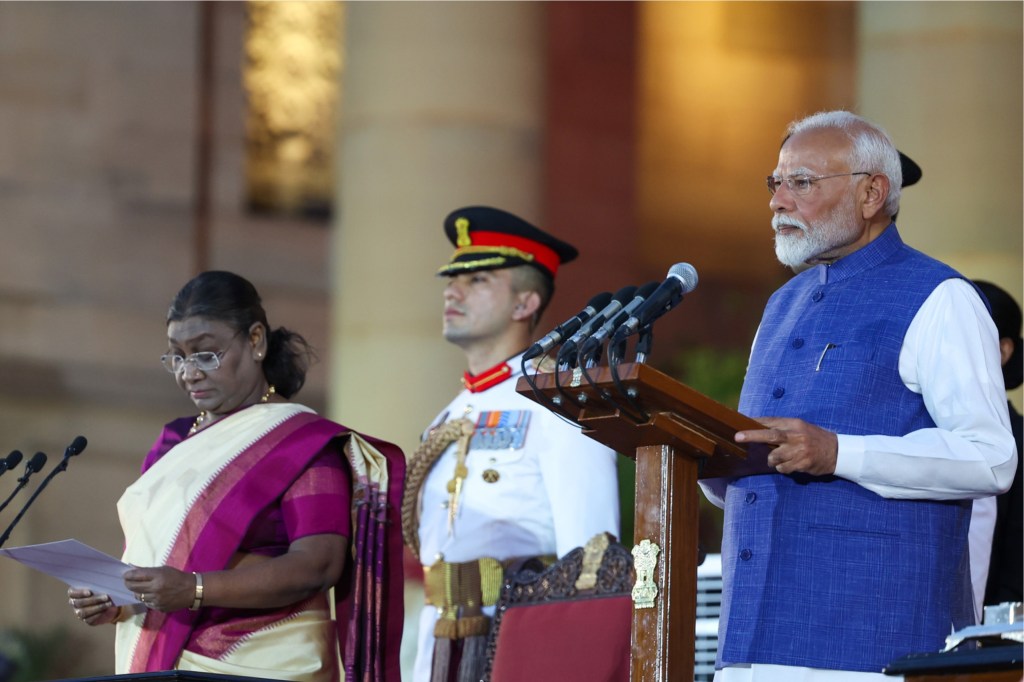
Simultaneously, India is experiencing a generational transition that may prove politically transformative. A large section of young voters has grown up during India’s economic rise and increasingly views many of the achievements of the past decade as normal rather than exceptional. Their aspirations are shaped by technology, global connectivity, innovation, quality of life, and economic mobility. They are less influenced by historical grievances and more focused on future possibilities. This generation evaluates governments through performance metrics rather than political symbolism. Managing these rising expectations may ultimately prove more difficult than mobilizing earlier generations around transformational narratives. The expectations of a confident India are often harder to satisfy than the hopes of an emerging one.
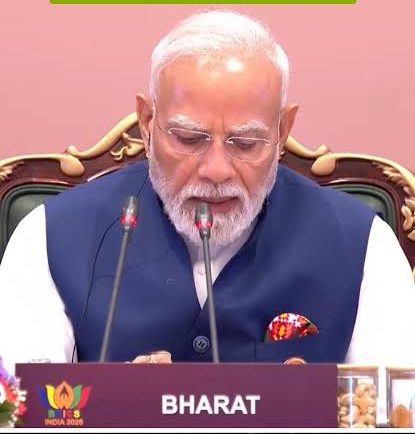
Ultimately, Narendra Modi’s greatest challenge is no longer defeating political opponents; it is defeating the natural limits of political leadership itself. History remembers many leaders who won elections. It remembers far fewer who built institutions capable of thriving beyond their own presence. The coming decade will determine whether Modi’s legacy rests primarily on electoral dominance or on creating systems strong enough to sustain India’s rise after his tenure. The irony is profound. Having spent a decade redesigning India’s political landscape, he now confronts the most difficult task of all: ensuring that the architecture he created can endure without depending on its architect. The hardest climb has begun—not toward power, but toward permanence.
VISIT ARJASRIKANTH.IN FOR MORE INSIGHTS


One response to ““THE EVEREST TRAP: Modi’s Next Hardest Climb Begins at the Summit” ”
A powerful and thought-provoking reflection on leadership, legacy, and India’s future. The true test of reaching the summit lies not merely in holding power, but in building enduring institutions, creating opportunities, and laying foundations strong enough to outlast the leader. A compelling reflection that rises above politics to contemplate the larger destiny of India. 🇮🇳 — Bollu RamaMohan Renowned Telugu Writer
LikeLike