
Andhra Pradesh is attempting something audacious: to redraw its geography through water. A state where the Godavari can periodically discharge enormous quantities into the sea while Rayalaseema and parts of Prakasam and Nellore face drought, groundwater stress and fluoride contamination is constructing an interconnected architecture of dams, reservoirs, canals, tunnels and lift systems to move water from seasonal abundance to chronic scarcity. The inauguration of Phase-I of the Poola Subbaiah Veligonda Project on August 31, 2026, alongside the continuing execution of Polavaram and the operational success of Pattiseema, signals a transition from isolated irrigation projects towards an emerging state-wide water grid. Yet moving water is engineering; governing water is politics, ecology, economics and institutional statecraft.
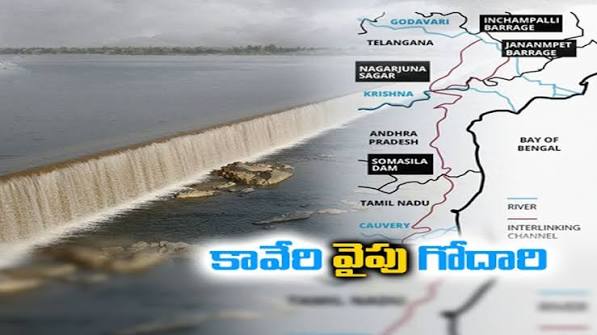
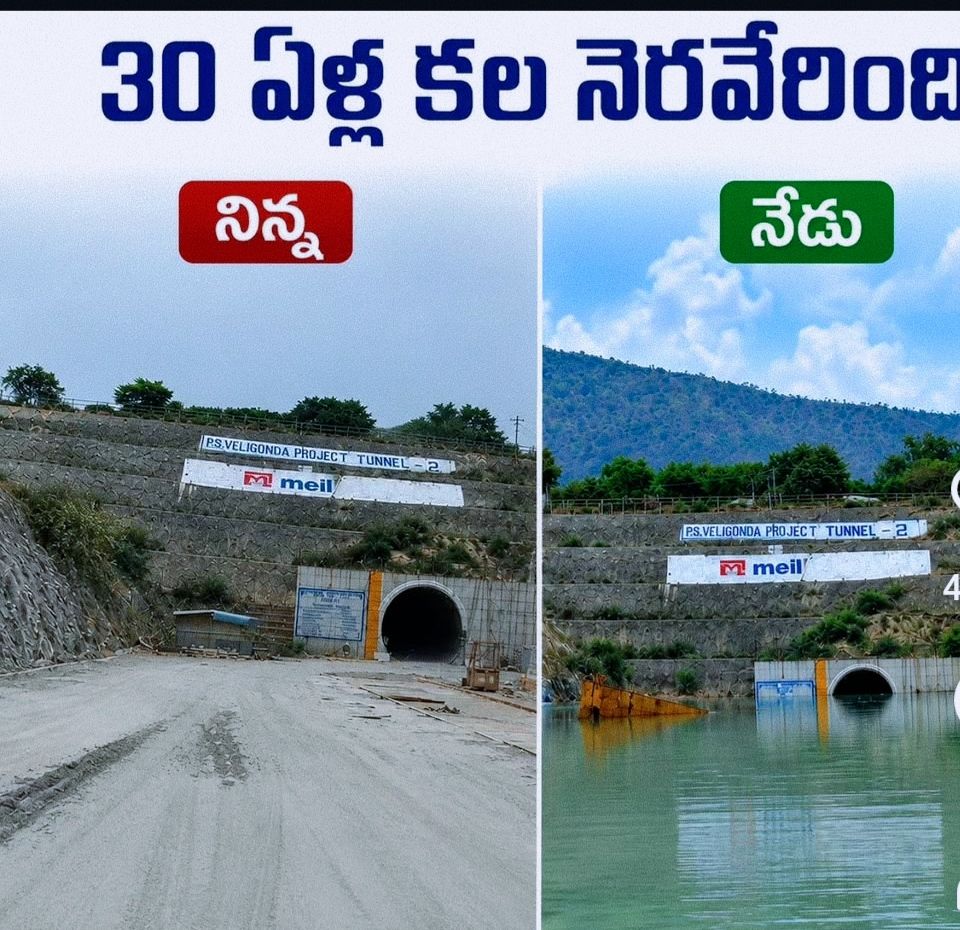
Veligonda is perhaps the most compelling symbol of this new hydrological geography. Designed to convey Krishna floodwaters from the Srisailam foreshore through twin tunnels beneath the Nallamala Hills, it represents infrastructure being deployed for regional equity. Phase-I is designed to convey 10.70 TMC into Nallamala Sagar, supporting irrigation over approximately 1.19 lakh acres and drinking-water requirements of nearly four lakh people. At full scale, the project is expected to irrigate more than four lakh acres and provide drinking water to millions. In drought-prone and fluoride-affected regions, however, water is not merely an agricultural commodity. It is public health, human dignity, productivity and an opportunity to dismantle a geography of inherited deprivation.
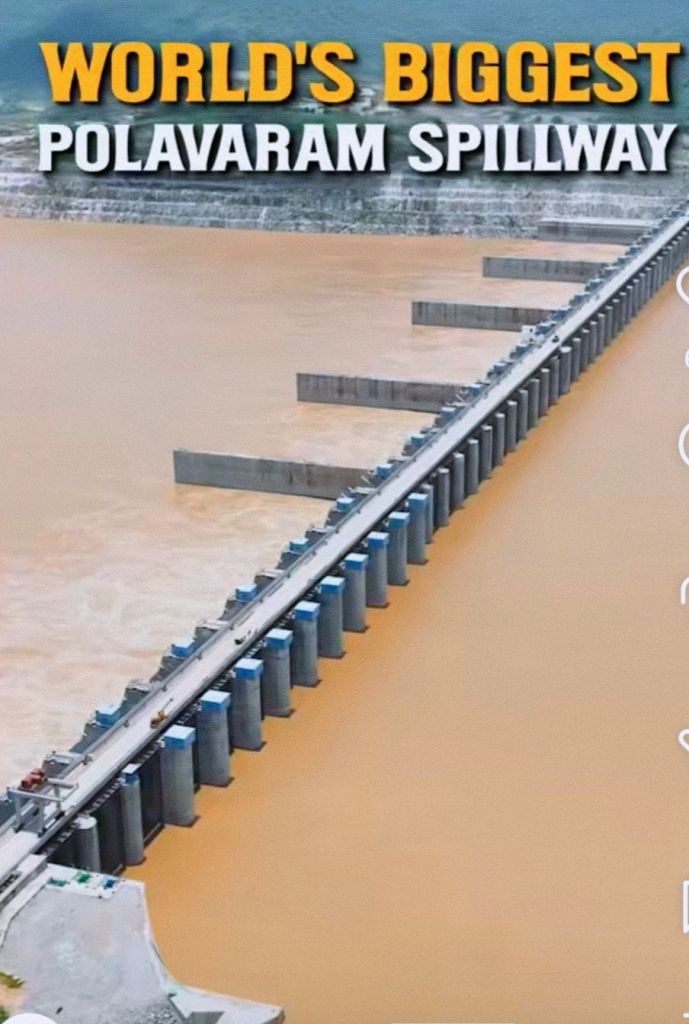
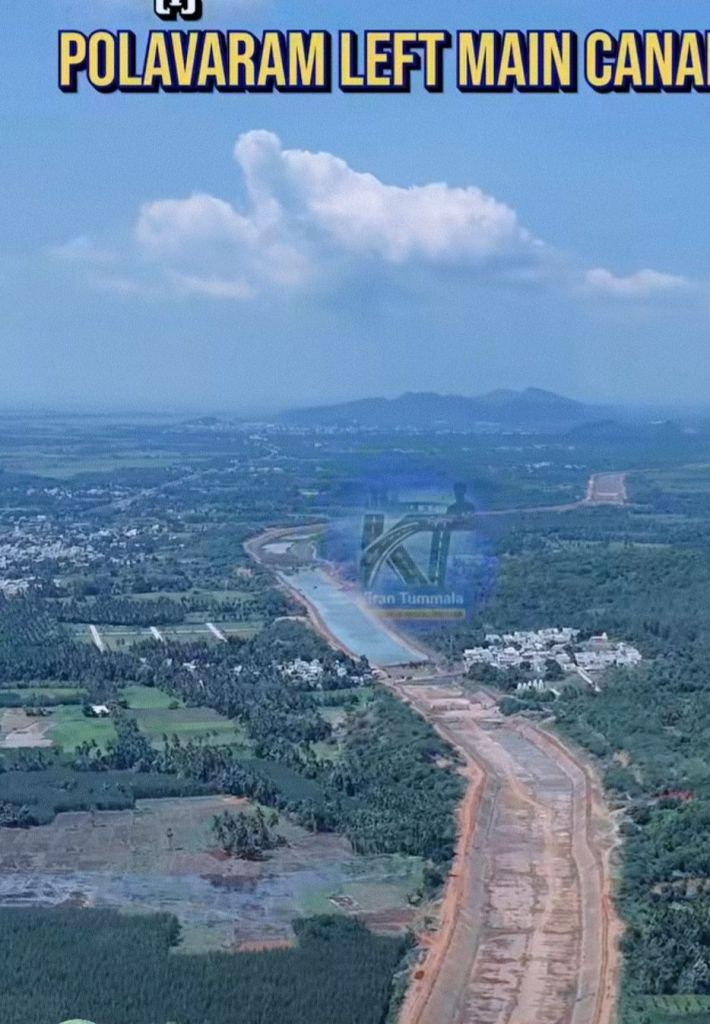
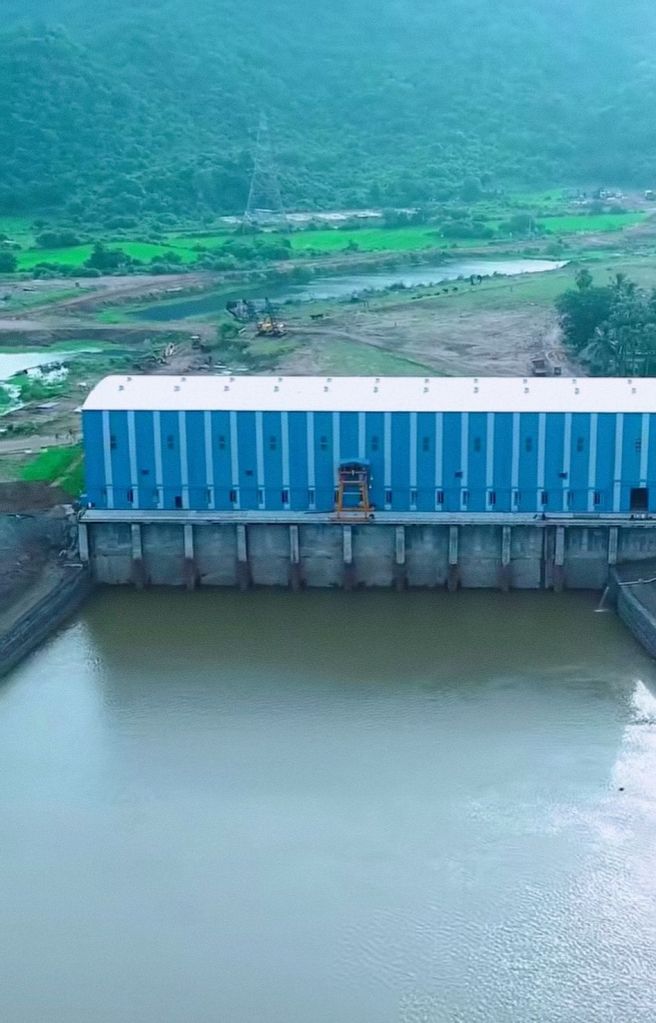
Polavaram provides the larger strategic canvas. Its significance lies not simply in storing Godavari water, but in its potential to become Andhra Pradesh’s hydraulic hub. With planned storage of about 194 TMC and extensive right and left canal systems, it can support irrigation, drinking water and industrial requirements while enabling transfers across regions. The movement of Godavari water through the Polavaram Left Main Canal towards North Andhra illustrates this emerging hub-and-spoke architecture. Pattiseema was the proof of concept: surplus Godavari water was lifted into the Polavaram Right Main Canal and transferred towards the Krishna Delta, demonstrating that inter-basin water transfer could move from political rhetoric to functioning infrastructure.
The deeper proposition is compelling: Andhra Pradesh is attempting to convert hydrological inequality into infrastructure-mediated equity. Handri-Neeva and Galeru-Nagari extend this philosophy towards Rayalaseema, while Thotapalli and Vamsadhara seek to maximise northern river flows. The proposed ₹80,112-crore Telugu Talliki Jala Harathi represents the next, vastly more expensive chapter, envisaging water movement towards Kurnool, YSR, Nellore and Prakasam through a three-stage network. Its proposed 27-kilometre underground tunnel through the Nallamala landscape captures both the ambition and the dilemma. The question is no longer whether engineers can move water. They can. The harder question is whether institutions can govern the consequences.
Water recognises no political boundary; Indian federalism recognises every one. Every major inter-basin transfer potentially affects the legal entitlements and political anxieties of neighbouring states. Telangana’s objections to proposed Godavari transfers expose the central fault line: what Andhra Pradesh considers water equity may be perceived elsewhere as water appropriation. Krishna and Godavari allocations are embedded in tribunal awards, agreements and statutory institutions. Consequently, no grand water grid can be politically sustainable without a credible federal compact. Otherwise, an architecture designed to connect rivers could end up connecting governments through litigation. Hydrological ambition must therefore be matched by constitutional prudence, transparent data-sharing and negotiated interstate confidence.
Then comes the ecological bill. Rivers are not pipelines carrying TMCs; they are living systems carrying sediments, nutrients, aquatic life and ecological processes. Inter-basin transfers alter hydrological regimes, and their consequences cannot be reduced to engineering feasibility. The proposed tunnel through the Nallamala tiger landscape makes the issue particularly sensitive. Underground construction may reduce surface disturbance, but “less impact” cannot mean “no impact.” Wildlife movement, groundwater behaviour, construction activity and cumulative ecological consequences require independent scientific assessment. Environmental flows in donor rivers must be treated as a design constraint rather than an environmental footnote. A water revolution that damages the ecological foundations of future water security would ultimately defeat its own purpose.
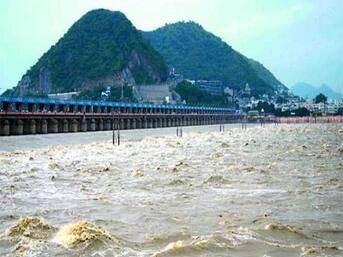
The fiscal arithmetic is equally unforgiving. Mega-projects become expensive not simply because concrete costs money, but because delay compounds every cost. Veligonda’s long gestation demonstrates the consequences: postponed benefits, escalating construction expenditure and prolonged vulnerability for water-stressed communities. A proposed ₹80,112-crore future network therefore requires more than political enthusiasm. Innovative or hybrid financing may mobilise capital, but private participation must not convert essential public water infrastructure into an opaque long-term liability. Independent cost audits, milestone-based financing, transparent procurement, realistic completion schedules and rigorous accountability should be embedded from inception. The economics of water must measure not only construction cost, but the value of reliable water delivered to the last beneficiary.
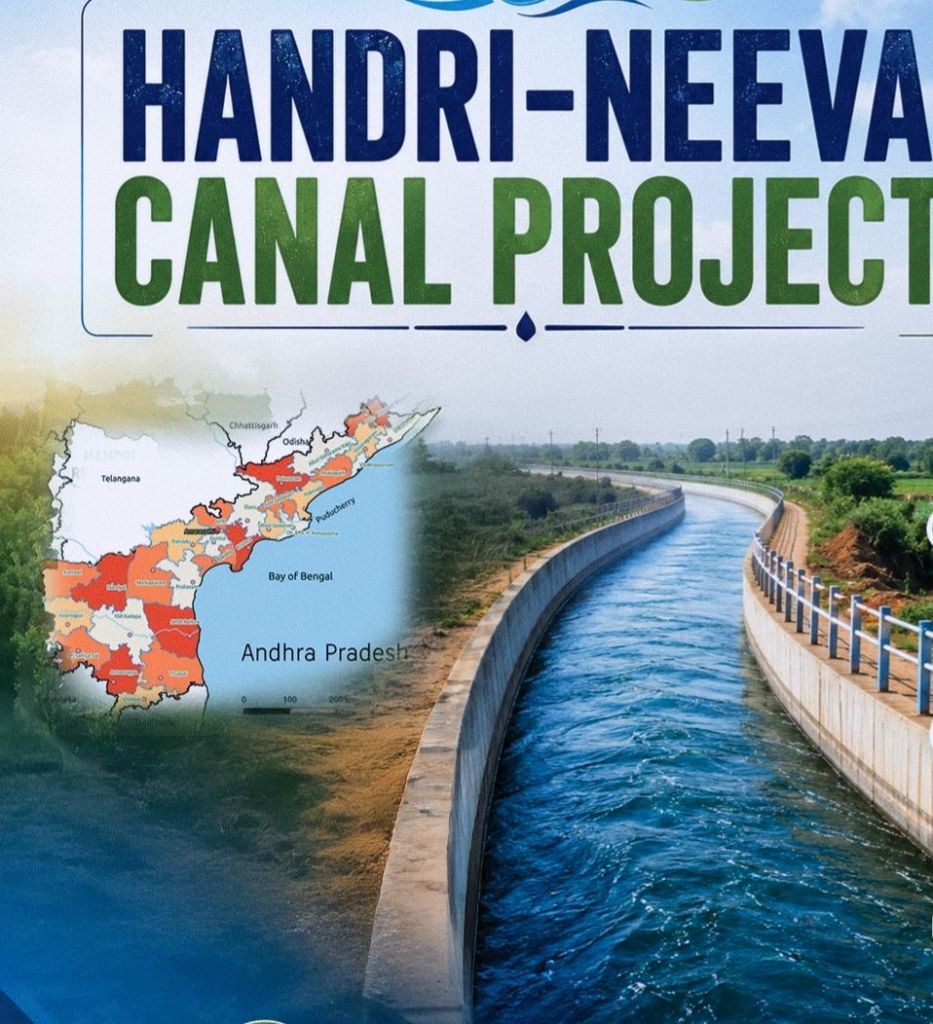
Most importantly, Andhra Pradesh must resist the seductive assumption that more water automatically means better water management. Every new canal can become an invitation to wasteful flood irrigation unless supply expansion is accompanied by demand-side reform. Drip and sprinkler irrigation, crop diversification, groundwater recharge, wastewater reuse, reservoir management and participatory irrigation governance must accompany major transfers. A technologically enabled water grid using telemetry, soil-moisture information and real-time reservoir and canal monitoring could make allocations responsive to actual demand rather than historical patterns alone. The ultimate test will be distributive: whether the tail-end farmer receives water as reliably as the head-reach farmer, whether drinking water is prioritised, and whether agricultural expansion remains within ecological and groundwater limits.
Andhra Pradesh has demonstrated that rivers can be connected. The far more difficult task is connecting engineering with ecology, expenditure with accountability and infrastructure with federal trust. The success of this water revolution will not be measured by tunnel length, concrete volume or the number of TMCs transferred. It will be measured by whether drought-prone communities experience durable water security, whether farmers become less vulnerable rather than merely more dependent on canals, whether ecosystems retain their resilience and whether neighbouring states see cooperation rather than encroachment. The real revolution is therefore not moving water farther. It is governing water better. Andhra Pradesh’s ultimate ambition should be nothing less than water security without ecological insecurity—and regional equity without federal conflict.
VISIT ARJASRIKANTH.IN FOR MORE INSIGHTS


One response to ““RIVERS REWIRED: ANDHRA’S GREAT WATER GAMBLE””
The best article on audacious water management in Andhra Pradesh. Thank you.
LikeLike