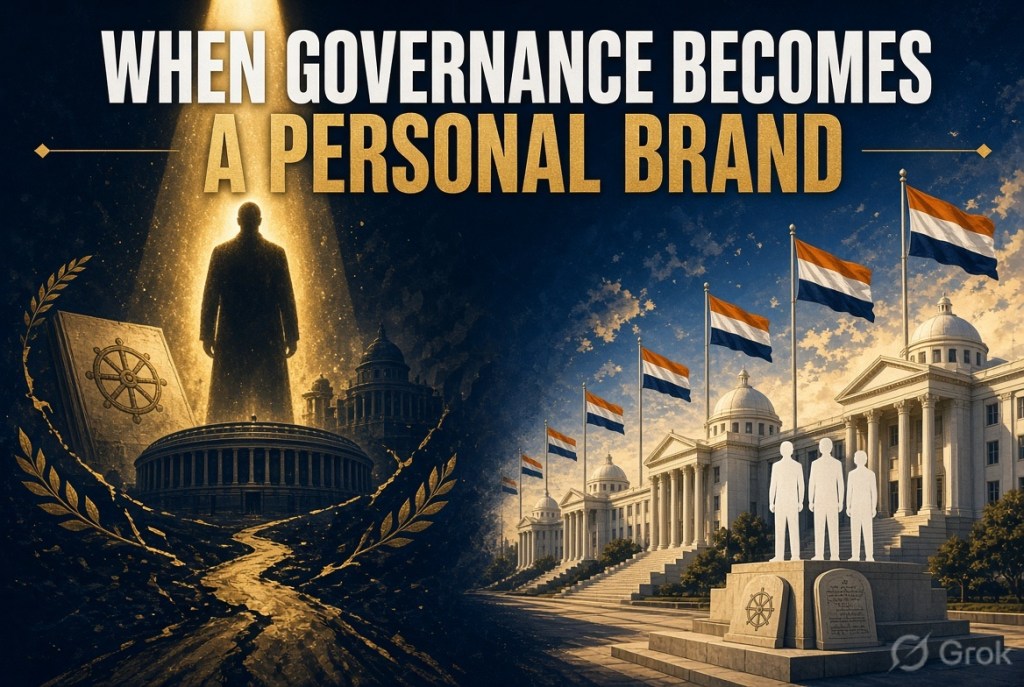
India’s democratic paradox is becoming increasingly difficult to ignore: elections are becoming more competitive, political communication more sophisticated and voter expectations more demanding, yet governance in several political systems is simultaneously becoming more personalised. Governments change, ideologies mutate and welfare programmes are redesigned, but one structural tendency survives—the concentration of political and administrative authority around a dominant personality. Strong leadership is neither undesirable nor undemocratic; complex societies require leaders capable of taking difficult decisions and providing strategic direction. The danger begins when leadership becomes indistinguishable from institutions, loyalty becomes more valuable than competence, and citizens can no longer determine clearly who made a decision, on what evidence, through which institutional process and who ultimately bears responsibility for its consequences. Democracy then retains its electoral machinery while slowly losing its institutional architecture.
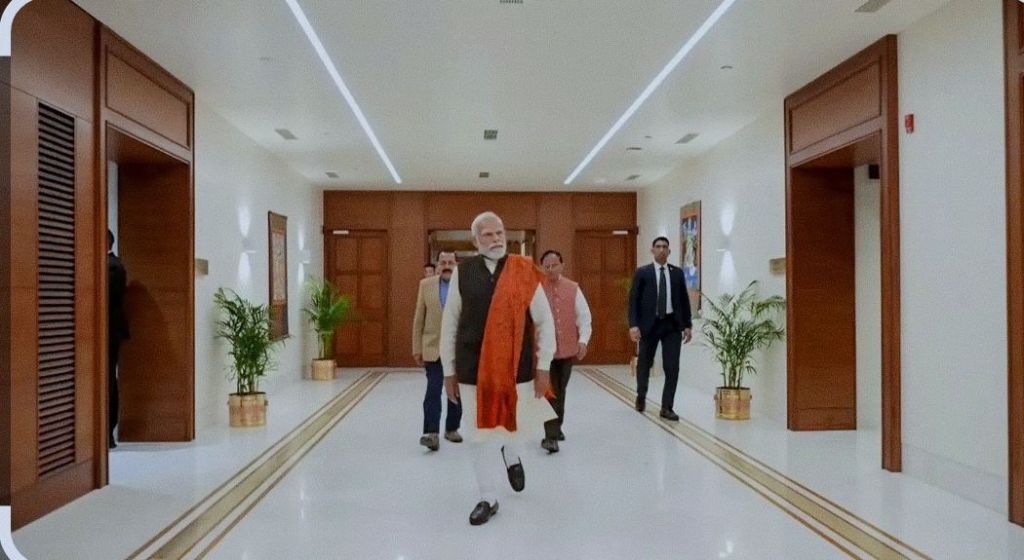
India now presents several distinct leadership experiments. The Vijay Model represents the newest political phenomenon, combining celebrity capital, outsider imagery and an unusually direct emotional connection with voters. The Amma Model demonstrated the extraordinary political power of personalised welfare, centralised authority and symbolic leadership. The Didi Model combines a powerful individual political identity with welfare delivery, grassroots mobilisation and intense organisational control. The 5T Model—Teamwork, Technology, Transparency, Timeliness and Transformation—attempted to recast governance as a performance-oriented, technology-enabled administrative enterprise. At the national level, the PMO-centric model represents another form of executive concentration, placing strategic policy direction, coordination and political communication within an exceptionally powerful institutional centre. These models are neither identical nor equally centralised, but together reveal a larger question: how much personal authority can democratic governance absorb before institutions begin adapting themselves to personalities rather than constitutional purposes?
The attraction of personalised leadership is understandable. A dominant leader can accelerate decisions, discipline administration, overcome bureaucratic inertia and communicate directly with citizens. In fragmented political environments, concentrated authority can even create clarity where institutions previously produced delay. But the same mechanism contains its own institutional danger. When every major initiative acquires the leader’s identity, administrative success becomes inseparable from political branding.
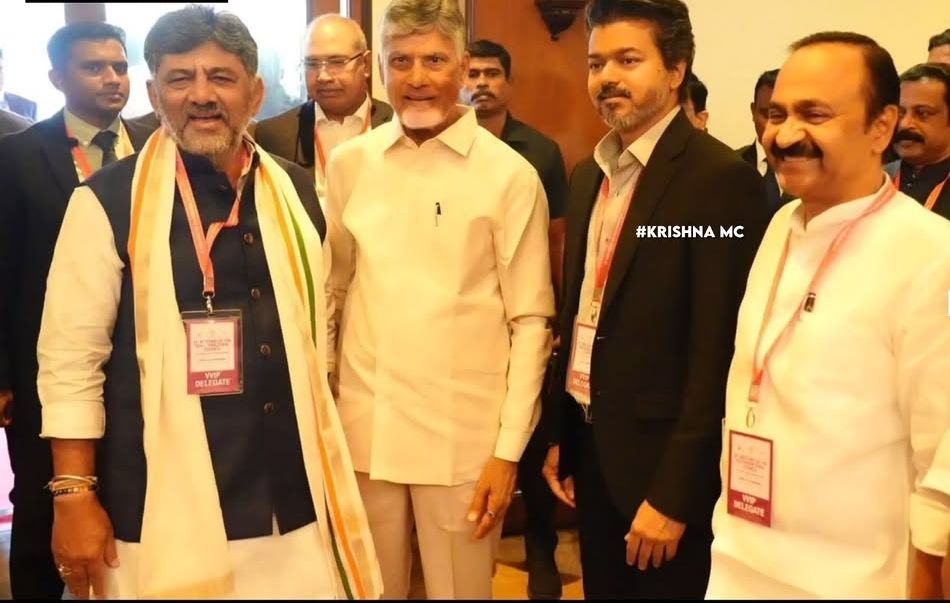
Second-rung leadership weakens because potential successors compete for proximity rather than independent credibility. Institutional memory becomes subordinate to political memory. Informal advisers and trusted intermediaries acquire influence that may exceed their formal authority. The bureaucracy gradually learns to anticipate political preferences rather than simply implement lawful decisions. The system may become faster, but it also becomes more opaque—and therefore more vulnerable to arbitrary power.
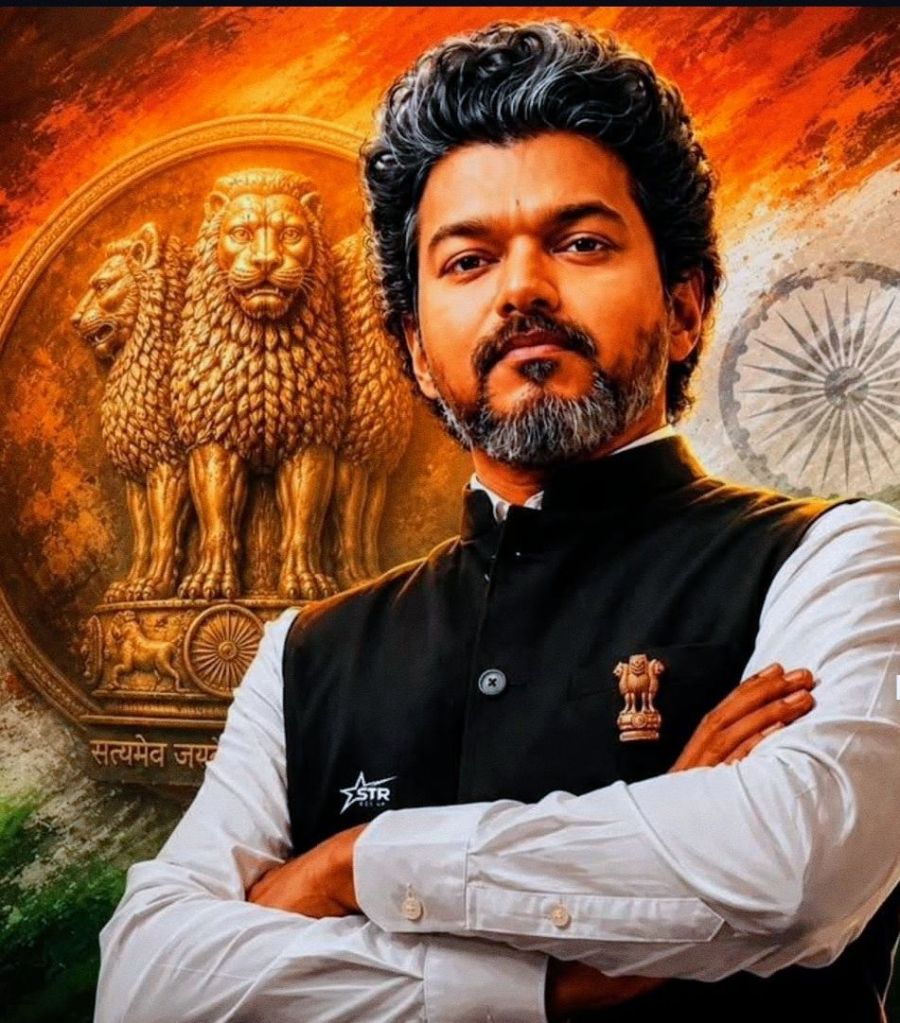
The Vijay Model illustrates this contemporary challenge with unusual clarity. Celebrity credibility can rapidly become political legitimacy, but electoral popularity cannot automatically manufacture administrative capacity. Governance is fundamentally different from political performance. It requires cabinet responsibility, legislative scrutiny, professional bureaucracy, financial discipline, interdepartmental coordination and measurable outcomes. The decisive test is therefore not whether a popular personality can convert fame into votes, but whether that personality can convert political capital into durable institutions. A government cannot indefinitely function through charisma, messaging and personal proximity. If every important file requires the leader’s intervention, the apparent strength of leadership may actually conceal institutional weakness. The strongest political leader is ultimately not the one who controls every decision, but the one who creates institutions capable of making good decisions without constantly requiring personal intervention.
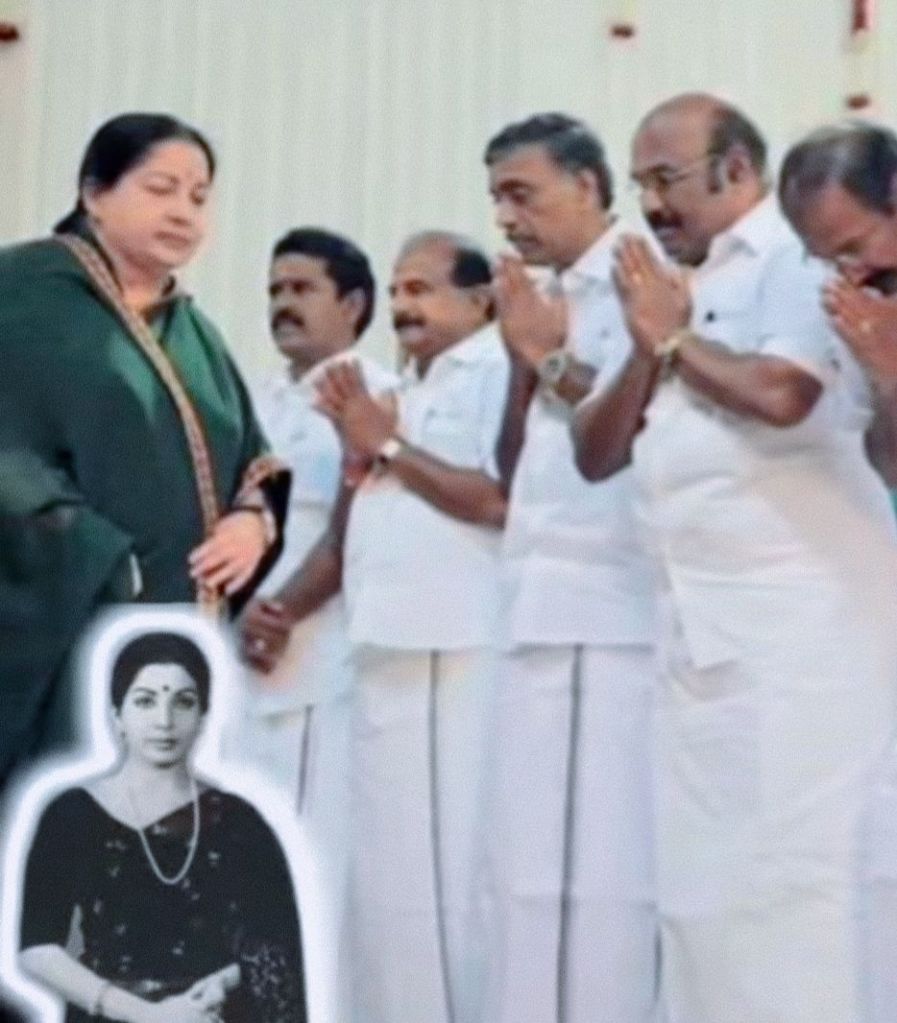
The Amma Model revealed another dimension of this transformation: the extraordinary political power of personalised welfare. Welfare can provide genuine relief, reduce vulnerability and establish a powerful emotional connection between government and citizen. Yet when welfare programmes become identified primarily with an individual leader, the language of citizenship can subtly change. The citizen stops asking, “What does the State guarantee me?” and begins asking, “What has the leader given me?” That is a profound democratic shift. Entitlements become favours; public policy becomes political generosity; institutional responsibility becomes personal benevolence. The danger is not welfare itself. The danger is converting a constitutional relationship between citizen and State into a psychological relationship between beneficiary and benefactor. A mature welfare state should make citizens more secure without making them politically dependent.

The Didi Model demonstrates another variant of concentrated political authority, combining personalised leadership, welfare politics and grassroots mobilisation. Its effectiveness illustrates why voters often prefer direct, visible and emotionally intelligible leadership over distant institutional processes. Yet the stronger the concentration of authority, the stronger must be the surrounding institutional safeguards. Legislative scrutiny, fiscal transparency, professional administration, judicial independence, media plurality and internal party democracy become more—not less—important when political power is highly centralised. Electoral legitimacy provides the mandate to govern; it does not provide unlimited discretion.
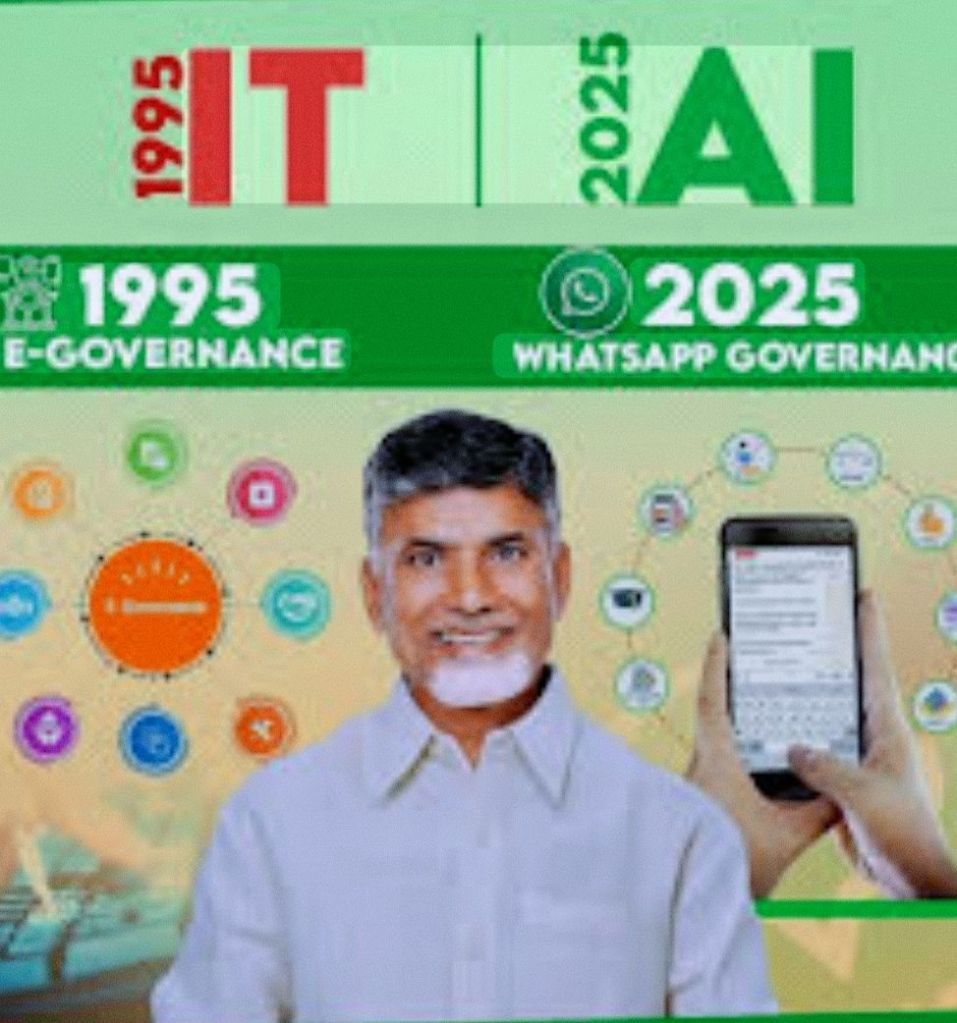
Similarly, the 5T Model offers an important counterpoint by attempting to shift governance from personality toward measurable performance through teamwork, technology, transparency, timeliness and transformation. Its enduring lesson is perhaps the most important of all: technology can accelerate administration, but only institutions can guarantee continuity. A governance model should be judged not by how brilliantly it performs under its architect, but by how effectively it survives after the architect leaves.
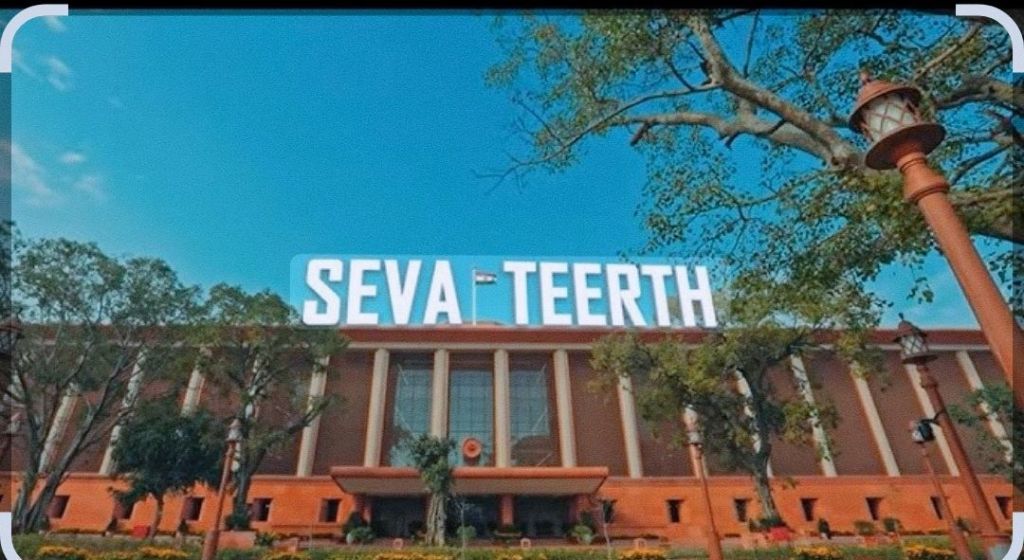
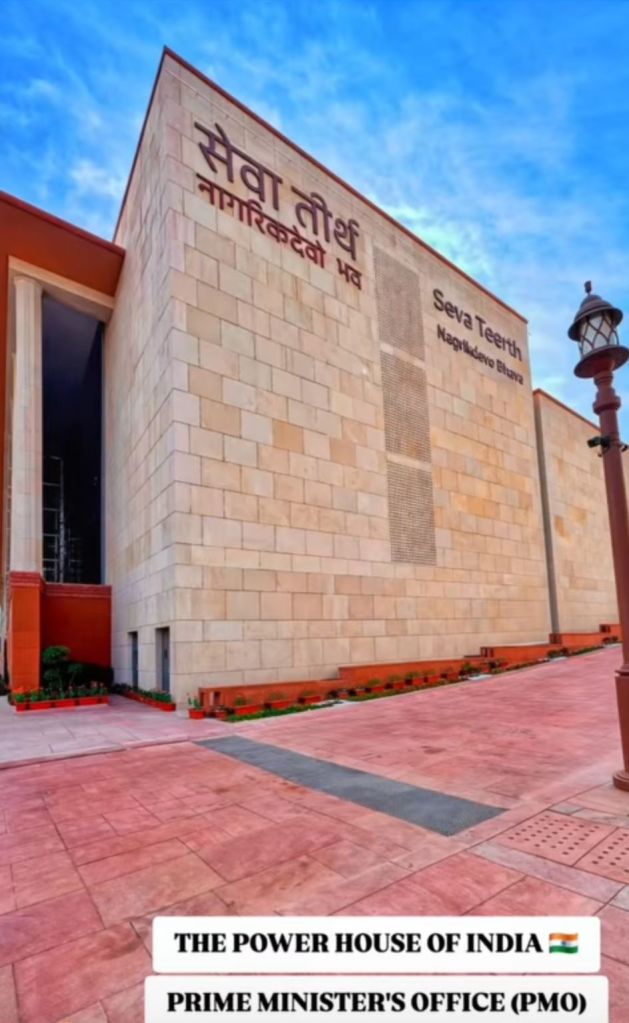
The PMO-centric model brings the same constitutional question to the national level. Central coordination can reduce bureaucratic fragmentation, align ministries and accelerate complex national programmes. In an era of rapid technological, geopolitical and economic change, strategic executive capacity is indispensable. But centralisation becomes institutionally problematic when parliamentary scrutiny, federal consultation or the autonomy of constitutional institutions become secondary to executive direction. Cooperative federalism cannot survive merely as political vocabulary; it requires predictable fiscal arrangements, meaningful consultation and respect for institutional boundaries. India’s constitutional architecture deliberately distributes power because efficiency is not the only objective of democracy. The system must also preserve accountability, pluralism and checks against the excessive accumulation of authority. Speed is valuable, but unaccountable speed can become institutional risk.
The most dangerous consequence of excessive personalisation is therefore not necessarily corruption or authoritarianism; it is the creation of an invisible government within the visible government. Political advisers, informal representatives and trusted networks may perform legitimate functions, but their authority, qualifications and accountability should remain transparent. When proximity to political leadership becomes an informal substitute for professional competence, bureaucrats begin responding to signals rather than rules. Digital governance can help reverse this tendency: transparent procurement, auditable transactions, Direct Benefit Transfer, interoperable government platforms, electronic file trails and preventive vigilance can make decisions traceable and reduce discretionary opacity. India needs a culture in which major appointments have transparent criteria, significant policy reversals carry recorded reasons, civil servants and regulators receive predictable professional protection, and citizens possess effective mechanisms to challenge administrative decisions. Political parties themselves require stronger internal democracy so that constitutional institutions do not become instruments of personality cults.

The ultimate test of every leadership model—Vijay, Amma, Didi, 5T or PMO-centric—is brutally simple: Can the system survive the leader? A leader may be charismatic, compassionate, technocratic, combative or transformative. None of these qualities substitutes for institutional accountability. Democracy does not require weak leaders; it requires strong institutions around strong leaders. The real measure of political greatness is not how completely a system bears one leader’s imprint, but how confidently it continues when that imprint disappears. When governance becomes a personality, democracy risks becoming a fan club. When governance becomes an institution, citizens become constitutional stakeholders. India’s next leadership revolution must therefore be measured not by the strength of the personality at the top, but by the strength of the institutions left behind.
VISIT ARJASRIKANTH.IN FOR MORE INSIGHTS

