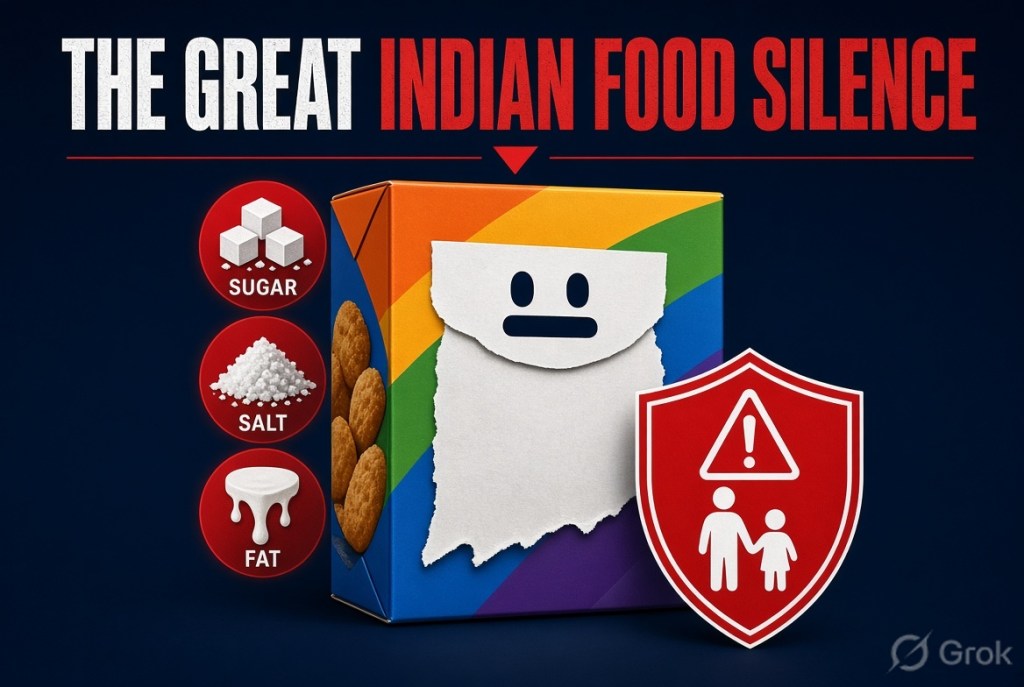
India’s food-safety crisis is no longer merely about what we eat; it is about what we are not told about what we eat. The supermarket shelf has become an information battlefield where attractive colours, health claims, celebrity endorsements and clever nomenclature compete with the consumer’s right to know. The most powerful public-health intervention may therefore be remarkably simple: a clear, prominent and unavoidable food alert. When a product contains excessive sugar, salt or saturated fat, consumers should not need scientific literacy, forensic attention or ten minutes of label-reading to discover it. Transparency that cannot be understood at the point of purchase is not genuine transparency.
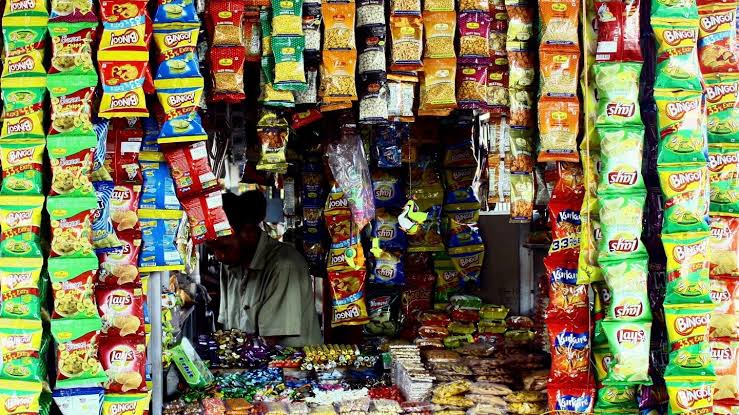
The urgency is amplified by India’s rapidly expanding packaged-food market and the growing burden of diet-related non-communicable diseases. Children are particularly vulnerable because food preferences are cultivated early—and the food industry understands this psychology exceptionally well. Bright packaging, cartoon characters, celebrity endorsements, digital influencers, collectibles and emotionally engineered advertising do not merely sell products; they manufacture familiarity and habit. The industry can subsequently invoke “consumer preference” as justification for maintaining formulations that it has itself helped create. The commercial cycle is almost perfect: engineer the taste, manufacture the demand, call the demand consumer preference, and then resist reformulation because consumers supposedly “want” the product.
The deceptive trinity is sugar, salt and unhealthy fat. Sugar can appear as sucrose, dextrose, maltose, syrups or concentrated fruit ingredients. Sodium may enter through multiple compounds, while saturated and other undesirable fats can remain buried inside complex processed formulations. The issue is not that every technical ingredient is inherently illegal or dangerous. It is the profound information asymmetry between manufacturer and consumer. A label can satisfy regulatory requirements and still fail its democratic purpose. The average parent should not have to decode chemistry while standing in a supermarket aisle. Regulation must translate technical nutritional information into immediate consumer understanding.
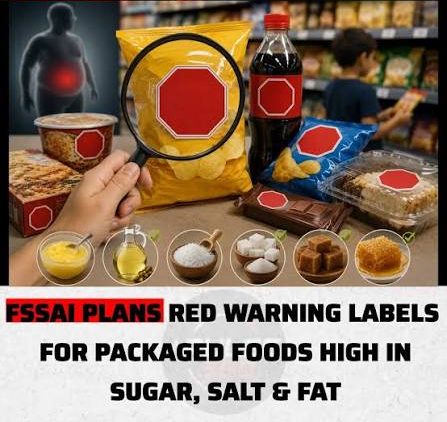
This makes front-of-pack labelling central to modern food governance. A warning system that requires multiple nutrients to cross specified thresholds before triggering a prominent alert can miss products that are excessively high in a single nutrient. Excessive sugar does not become benign because salt happens to remain below a particular threshold. Nor should consumers be required to navigate marketing distinctions between refined sugar and ingredients such as jaggery, honey or concentrated fruit powders without understanding their overall nutritional contribution. If regulation exists to enable informed choice, the warning architecture must measure nutritional risk, not simply administrative convenience. The principle should be brutally simple: if a product is high in sugar, say so; if high in salt, say so; if high in saturated fat, say so.
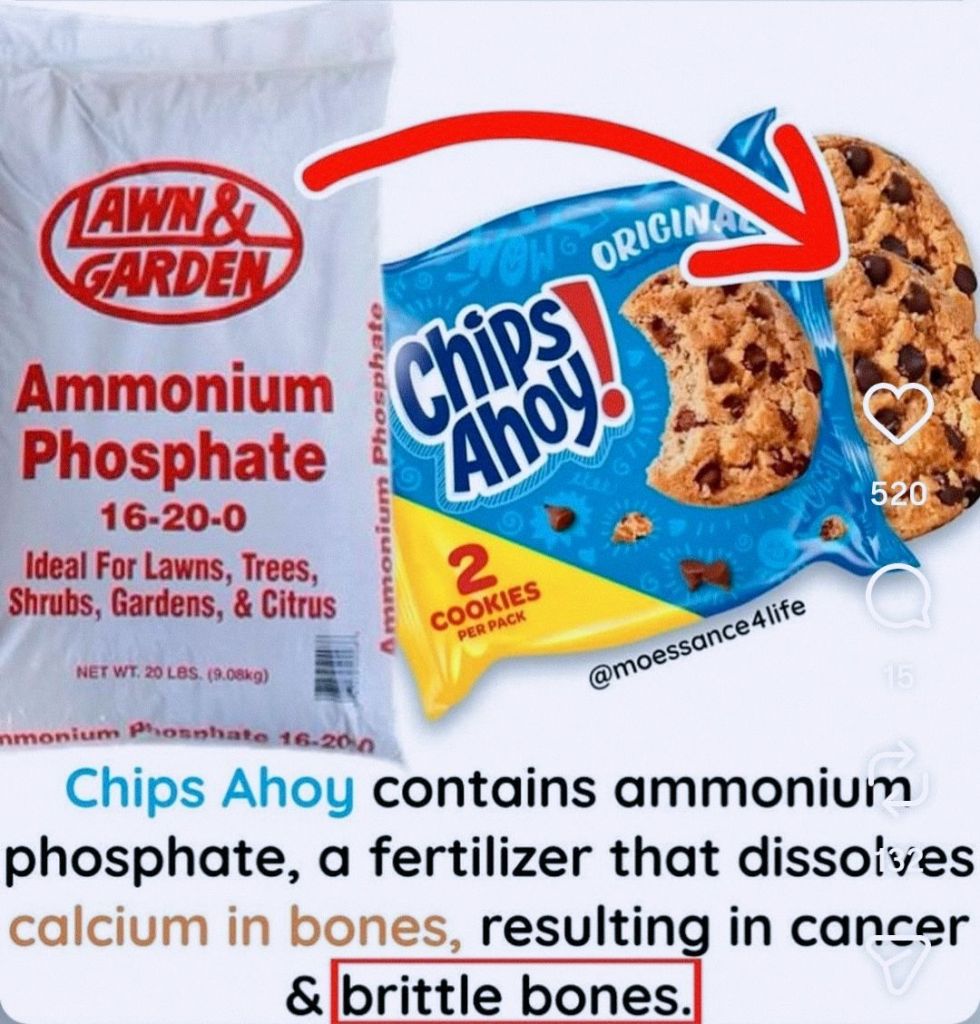
A genuine food alert should operate like a traffic signal. “High in Sugar.” “High in Salt.” “High in Saturated Fat.” Large, prominent, standardised and instantly comprehensible. Such information cannot be buried in microscopic type on the reverse of a packet while the front celebrates words such as “natural”, “energy”, “immunity”, “multigrain” or “fruit”. Information consumers cannot see, understand and use at the moment of purchase is effectively invisible. The objective of labelling should therefore shift from disclosure to decision-making. The consumer should be able to understand the nutritional warning in seconds, without needing a smartphone, a nutritionist or a magnifying glass.

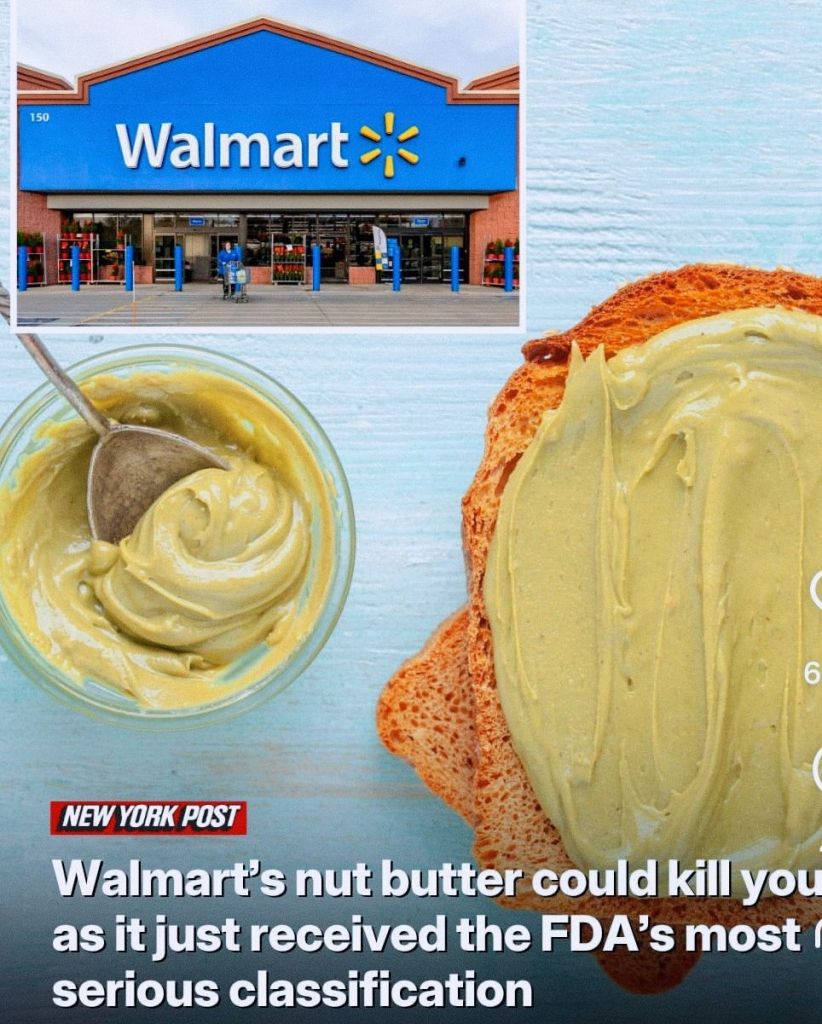
The deeper weakness, however, is regulatory fragmentation. The ORS/ORSL controversy illustrates how nomenclature, medicines, food regulation, advertising and consumer protection can overlap in ways that create confusion. A product using a drug-associated name with minor variation can potentially exploit consumer familiarity even when its regulatory status differs. The larger lesson is unmistakable: modern commercial practices do not respect bureaucratic boundaries, so regulation cannot remain trapped within them. India needs a national regulatory alert architecture in which a serious finding by one authority automatically reaches every relevant regulator, enforcement agency and public-information channel. Food safety, medicines, trademarks, advertising and consumer protection must communicate rather than operate in silos.
Food surveillance must undergo the same transformation. Enforcement drives that uncover poor hygiene, pest infestation, expired ingredients or prohibited substances demonstrate that the problem is not simply the absence of rules but the absence of continuous enforcement. Raids generate headlines; sustained surveillance generates safer markets. Manufacturing units, warehouses, cold chains and increasingly online marketplaces should be subjected to risk-based inspections, random sampling, digital traceability and rapid recall mechanisms. A modern food-alert system should identify a dangerous product before thousands consume it, not after photographs of contaminated facilities become viral on social media. Technology should make food regulation predictive rather than merely reactive.
The debate over food additives also requires greater scientific transparency. An ingredient restricted in one jurisdiction is not automatically dangerous at every exposure level elsewhere. Standards can legitimately differ according to scientific assessments, exposure levels and regulatory philosophies. But when prohibited or unsafe substances are detected where they should not be present, the issue becomes one of enforcement and accountability. India needs independent testing, transparent publication of results and periodic scientific review of standards. Regulatory frameworks cannot remain frozen while food technology, processing methods, marketing strategies and consumption patterns evolve rapidly. Scientific uncertainty should lead to better evidence—not regulatory paralysis.
Children require an even higher regulatory threshold. A child cannot evaluate nutritional claims, understand ingredient nomenclature or resist sophisticated marketing in the same manner as an adult. Packaging and advertising are therefore part of the regulatory environment. When a nutritionally poor product is surrounded by cartoons, celebrities, gaming associations or claims of superior childhood nutrition, the consumer is not encountering a neutral choice; parents are navigating an engineered information environment. Protecting children consequently requires stronger restrictions on child-directed marketing of nutritionally harmful products, alongside clearer warnings that parents can immediately recognise.
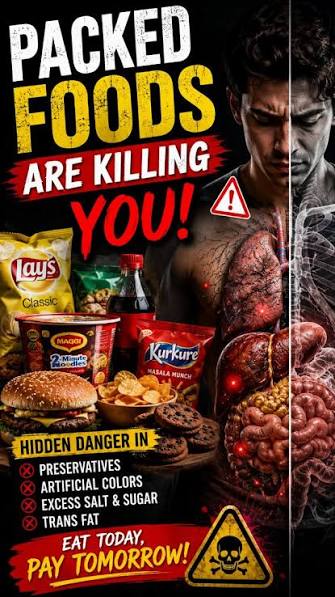
The phrase “FSSAI approved” must also never be confused with “healthy.” Regulatory approval signifies compliance with applicable standards; it is not a government endorsement of nutritional excellence. That distinction deserves far greater public communication. Consumers need independent information, not corporate health language wrapped in regulatory legitimacy. Equally, regulatory authorities need stronger powers to challenge misleading claims, impose meaningful penalties and ensure rapid corrective action when products breach standards.
India must therefore move from compliance to clarity, disclosure to deterrence, and periodic inspection to permanent vigilance. Mandatory front-of-pack warnings for excessive sugar, salt and saturated fat should form part of this transition. Child-directed marketing of nutritionally harmful foods should face tighter controls. Online food marketplaces should be incorporated into surveillance systems. Independent laboratories should undertake random testing, while regulators should maintain interoperable, real-time alert and recall mechanisms. The objective should not be to punish industry for the sake of punishment, but to ensure that commercial innovation never outruns public protection.
The greatest danger is not that India lacks food regulations. It is that regulation can become technically sophisticated while remaining practically invisible to the citizen. A rule that exists on paper but fails to warn a parent at the supermarket shelf has not completely fulfilled its public purpose. Food safety must ultimately be judged not by the sophistication of the regulatory file, but by the quality of the decision made by the ordinary consumer.
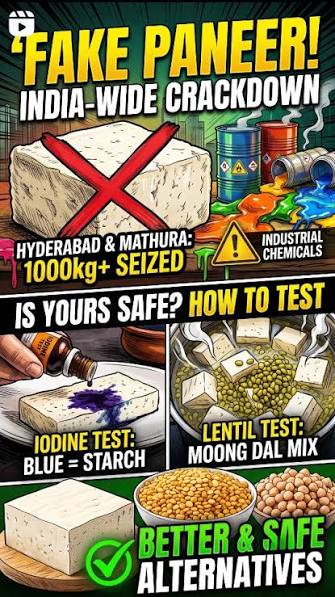
India therefore needs to rediscover the power of the warning. A cigarette packet does not politely hide its risk. A road sign does not require a PhD to interpret. Food capable of contributing to serious health risks should not receive a gentler information regime simply because it arrives in attractive packaging. The fundamental question should no longer be merely, “Does this product technically comply?” It should be: “Can the consumer immediately understand the risk?”
Until that question becomes central to food governance, India’s most dangerous ingredient may remain neither sugar nor salt nor fat. It may be something far more invisible: silence.
VISIT ARJASRIKANTH.IN FOR MORE INSIGHTS

