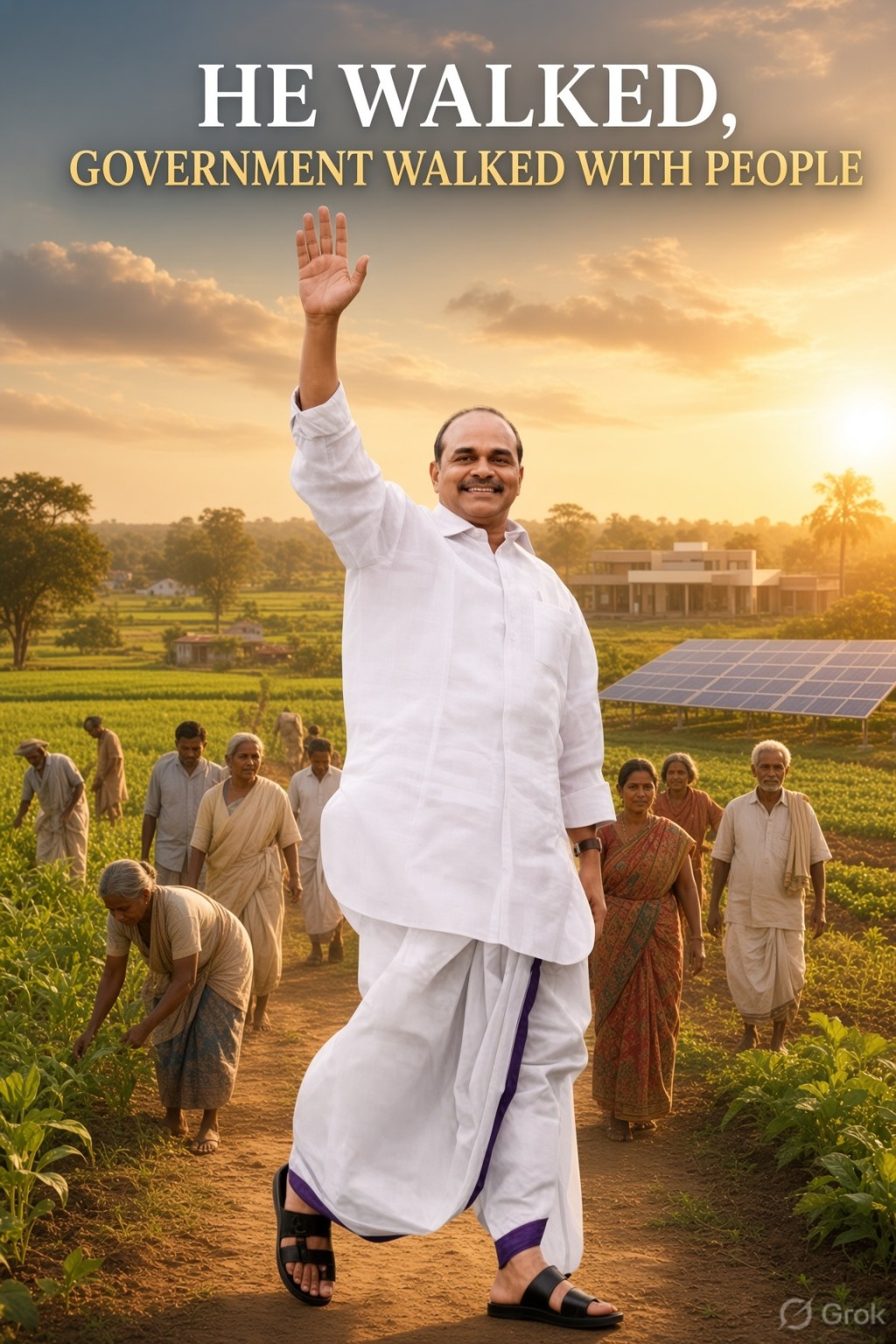
On 2 September 2009, Andhra Pradesh lost a Chief Minister in a tragic helicopter crash in the Nallamala forests. But for millions of ordinary people, the loss was profoundly more personal: they felt they had lost a leader who understood their struggles. Dr. Yeduguri Sandinti Rajasekhara Reddy—YSR— was more than the occupant of the State’s highest political office. He became, in the imagination of the poor, a face of government that could listen, respond and care. Seventeen years after his death, that emotional connection remains perhaps the most powerful dimension of his political legacy. Political leaders are usually remembered through elections, speeches and statistics; YSR is remembered through experiences—medical treatment received, education made possible, irrigation extended, a home secured or a family supported when circumstances were desperate. His enduring relevance lies in that intimate relationship between public policy and private hope.
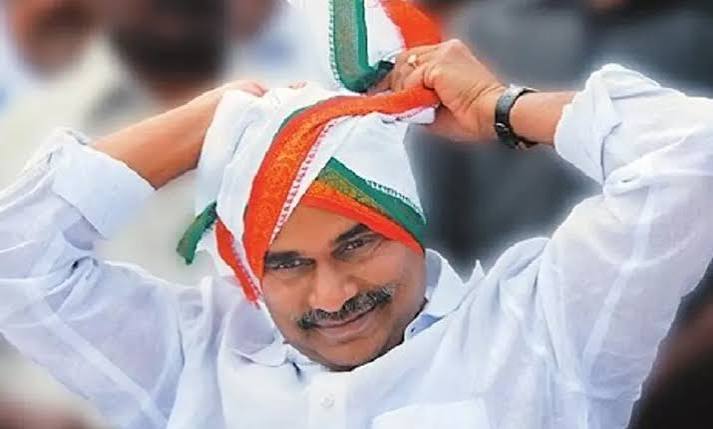
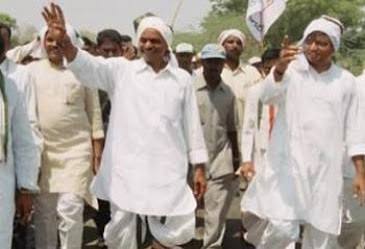
The political foundation of that relationship was laid well before he became Chief Minister. His historic 1,470-kilometre padayatra in 2003, from Chevella to Ichchapuram, became a defining moment in Andhra Pradesh politics. Walking through villages and towns, he encountered rural society not through official reports, bureaucratic summaries or statistical tables, but through direct human conversation. He saw drought, farmer distress, indebtedness, unemployment, inadequate healthcare, fragile livelihoods and deep inequalities of opportunity. More importantly, he experienced the enormous distance between the State as imagined in government files and the State as experienced by citizens. The padayatra became his political laboratory. Poverty ceased to be an abstract statistic and became a human reality attached to individual families. This transformation in political perception was crucial: governance, in his conception, had to begin by understanding how policies actually touched people’s lives.
When YSR became Chief Minister in 2004, he translated those experiences into a distinctive political philosophy: welfare was not charity; it was social justice delivered through the State. His administration attempted to build a broad protective architecture around vulnerable citizens—farmers, women, students, patients, elderly persons and families without adequate housing. Free electricity for farmers became emblematic of his understanding of rural vulnerability. Agriculture was not treated merely as another economic sector but as the foundation of rural survival. Jala Yagnam reflected the larger ambition of expanding irrigation and addressing chronic water insecurity. Individual projects, their costs, execution and long-term sustainability can and should be examined through rigorous institutional scrutiny. But the underlying political message was unmistakable: the farmer should not be expected to carry alone the enormous risks created by drought, uncertain markets, indebtedness and inadequate irrigation. YSR’s politics therefore attempted to make the State an active participant in reducing the risks borne disproportionately by the rural poor.
Perhaps his most transformative intervention was in healthcare, because illness can destroy a poor family’s economic security within days. Aarogyasri attempted to break the vicious relationship between poverty and untreated disease. For a low-income household, major surgery or specialised treatment could mean borrowing at high interest, selling productive assets or simply abandoning treatment. State-supported access to advanced healthcare altered that equation for many families. The 108 emergency ambulance service extended the same philosophy into moments when time itself becomes a determinant of survival, particularly for rural populations distant from major hospitals. These initiatives represented more than administrative programmes. They communicated a powerful social message: poverty should not determine who receives a chance to live. In a country where medical expenditure has historically pushed vulnerable families deeper into poverty, reducing the financial consequences of serious illness had significance extending well beyond the health sector.
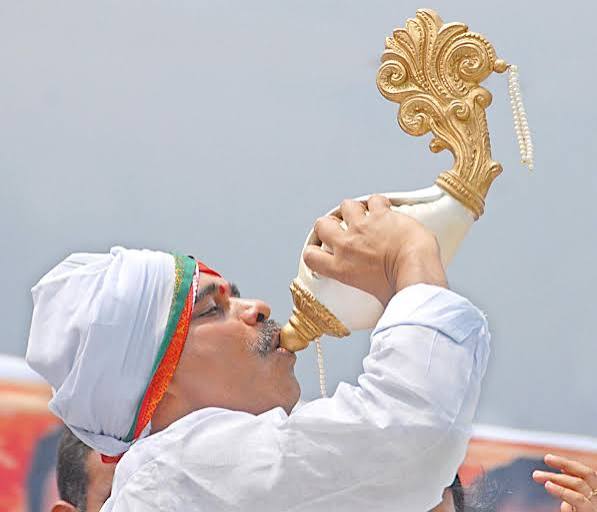
Education represented another critical dimension of his social vision. Fee reimbursement opened professional and higher education to students whose families could not realistically finance expensive courses. For a first-generation college student, financial assistance was not simply a government transfer to an educational institution; it could represent the possibility of breaking a generational cycle of poverty. This is where welfare can become development rather than mere consumption. Healthcare protects human capital; education expands it. A student who receives an opportunity to become a doctor, engineer, professional or skilled worker can potentially transform not only individual circumstances but the economic trajectory of an entire family. YSR’s approach therefore contained an important philosophical proposition: the State should not merely prevent deprivation; it should create pathways through which disadvantaged citizens can escape it.
His wider welfare architecture—Indiramma housing, subsidised food, social-security pensions and Pavala Vaddi support for women’s self-help groups—addressed different dimensions of vulnerability. Housing provided security and dignity. Food support protected basic consumption. Pensions offered a measure of independence to vulnerable elderly citizens. Assistance to women’s groups strengthened collective economic agency. Individually, these programmes addressed particular needs; collectively, they created a political conception of government in which the quality of administration was judged not solely by aggregate growth, investment or infrastructure, but by how society treated those who possessed the least economic power. This remains one of the most important aspects of YSR’s legacy. Welfare became not an adjunct to development but part of the State’s social contract with its citizens.
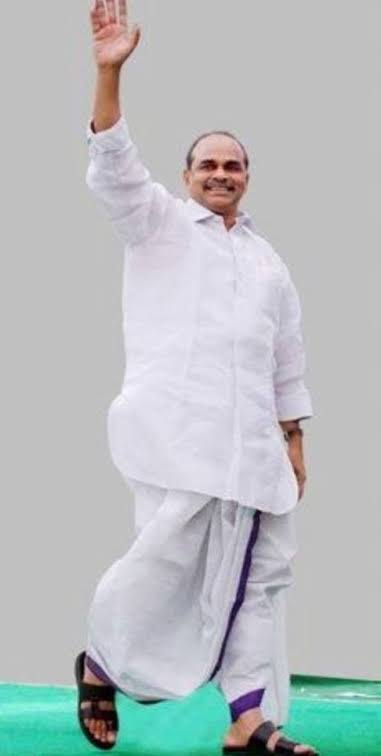
That explains the extraordinary durability of his public memory. Governments change. Political parties evolve. Schemes are renamed, redesigned, merged or discontinued. But political memory becomes remarkably resilient when policy enters personal experience. A mother remembers treatment that protected her family from financial ruin. A student remembers the opportunity to enter higher education. A farmer remembers support during difficult agricultural seasons. A poor household remembers receiving a home. Such memories do not reside exclusively in government records; they are carried within families and communities. YSR understood something that sophisticated policy frameworks sometimes overlook: citizens experience the State emotionally before they evaluate it statistically. A government may publish thousands of pages of achievements, but one intervention that changes the trajectory of a family can create a lifetime of political memory.
Yet a serious assessment of YSR’s legacy should avoid both hagiography and dismissal. Welfare programmes require fiscal sustainability, transparent implementation, measurable outcomes and institutional accountability. Infrastructure projects require environmental, financial and administrative scrutiny. Public expenditure must ultimately generate durable social returns. The strongest defence of welfare is therefore not sentiment but effectiveness. YSR’s larger contribution was the proposition that economic development and social welfare need not be competing philosophies. Infrastructure, irrigation, investment and growth create productive capacity; healthcare, education, housing and social security create human capacity. Growth without inclusion can deepen inequality, while welfare without productive economic expansion can become fiscally fragile. The real challenge is to make the two reinforce each other. YSR attempted that synthesis, and his political legacy continues to influence debates about the meaning of responsive governance in Andhra Pradesh and beyond.
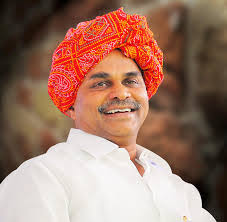
Seventeen years after the helicopter disappeared into the Nallamala forests, the most meaningful way to remember YSR may therefore be to look beyond monuments, anniversaries and political slogans. His enduring significance lies in the relationship he established between government policy and human dignity. His political journey began with walking 1,470 kilometres to understand people; his legacy survived because millions believed that the government subsequently walked a little closer to them. The farmer seeking security, the student seeking opportunity, the patient seeking treatment, the woman seeking economic independence and the family seeking a dignified home all became part of a larger democratic conversation about what the State owes its citizens. YSR did not merely occupy the Chief Minister’s chair; for millions of the needy and poor, he occupied a place in their lives. That is why his death anniversary is more than a commemoration of a political leader. It is a reminder of a fundamental democratic truth: a leader becomes larger than office when ordinary people remember not merely what he said, but what government felt like when he was in power.
VISIT ARJASRIKANTH.IN FOR MORE INSIGHTS


One response to ““THE HELICOPTER DISAPPEARED INTO THE CLOUDS—BUT YSR NEVER LEFT THE HEARTS OF THE POOR””
Great diverse topics and wonderfull demonstration. Namaste sir.
Thanking you, Best Regards, Rangarao Dy.CGM/Civil. APMRCL
LikeLike