
For generations, Rayalaseema was synonymous with drought, agrarian distress, migration, and economic deprivation. Its harsh climate was viewed as a structural disadvantage that constrained growth and compelled millions to seek livelihoods elsewhere. Today, however, the region stands at the threshold of one of India’s most remarkable economic reversals. The relentless sunshine that once symbolized hardship is emerging as its most valuable natural resource. With renewable energy proposals exceeding ₹1.32 lakh crore, over 20.7 GW of confirmed capacity in the pipeline, and an estimated long-term potential of nearly 80 GW, Rayalaseema is rapidly transforming from a water-scarce hinterland into one of India’s most strategic clean-energy frontiers. The region is no longer asking how to survive; it is preparing to define the future of India’s energy economy.
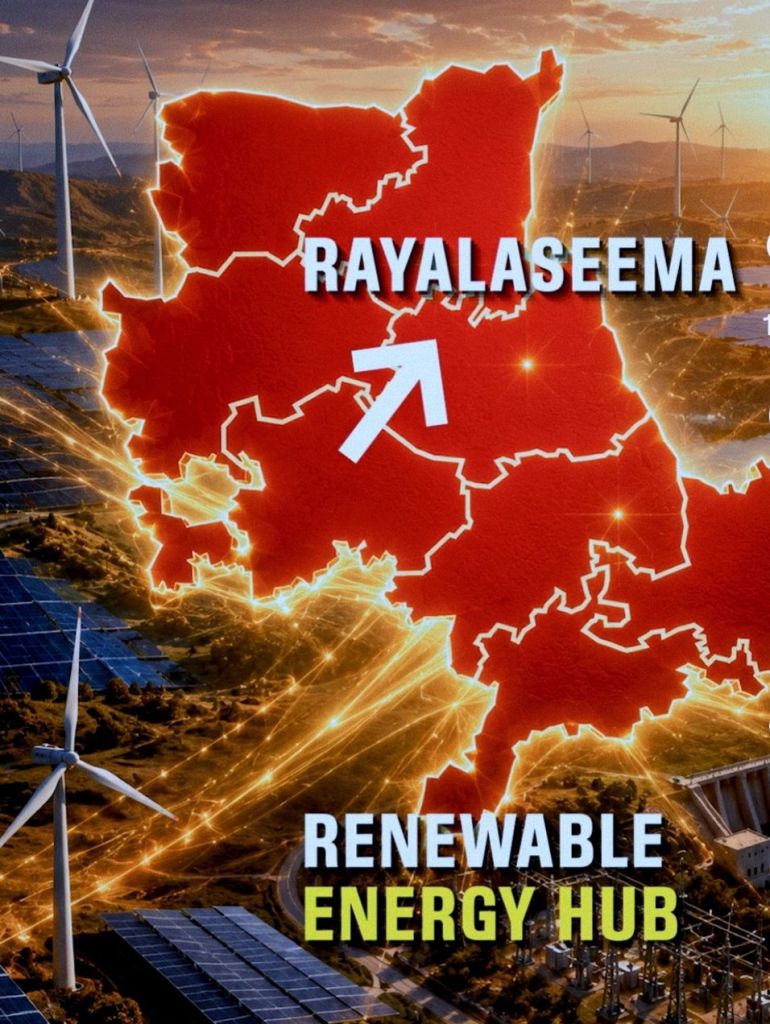
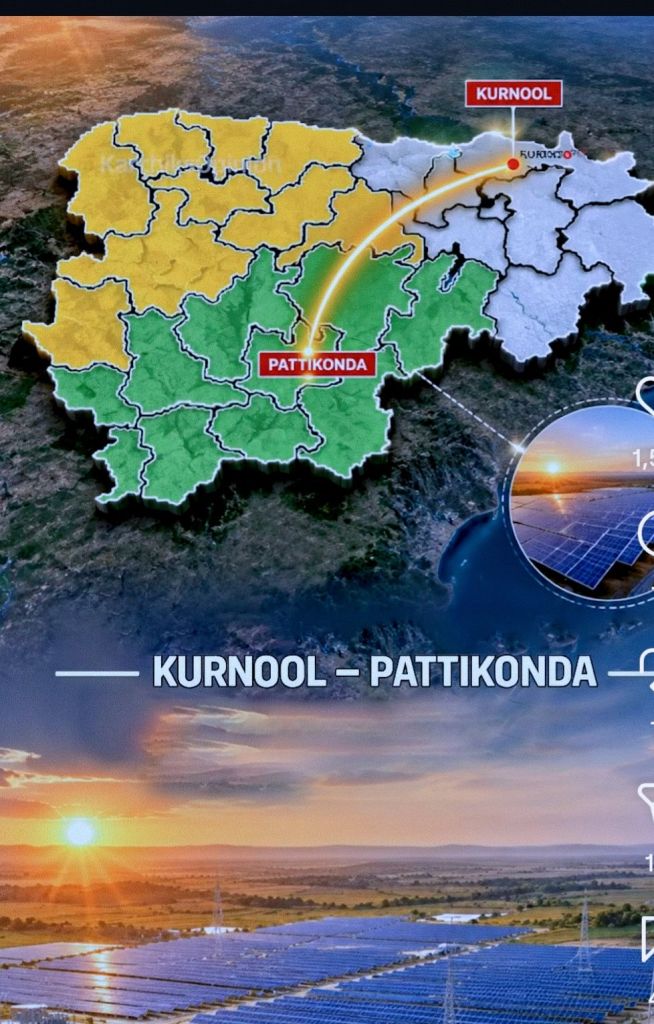
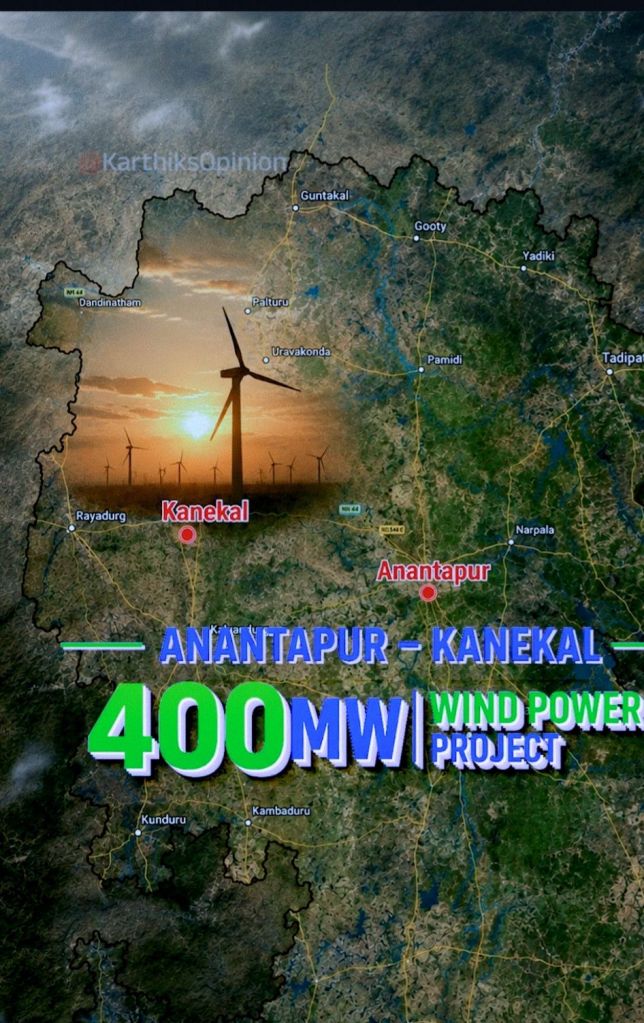
Few regions in Asia possess such a powerful convergence of renewable resources. The districts of Kadapa, Kurnool, Nandyal, and Anantapur combine exceptional solar irradiation, favourable wind corridors, abundant topography for pumped-storage hydropower, and vast land availability. Current investment proposals alone account for approximately 20,731 MW of renewable capacity involving investments of nearly ₹1,32,939 crore, with the potential to generate close to 40,000 direct jobs and several times more indirect employment. Kadapa is emerging as India’s pumped-storage powerhouse with more than 12 GW of planned capacity, while Kurnool contributes nearly 6 GW through integrated solar and wind projects. Nandyal is evolving into a major hub for Battery Energy Storage Systems (BESS), creating a diversified clean-energy ecosystem rather than isolated power projects.
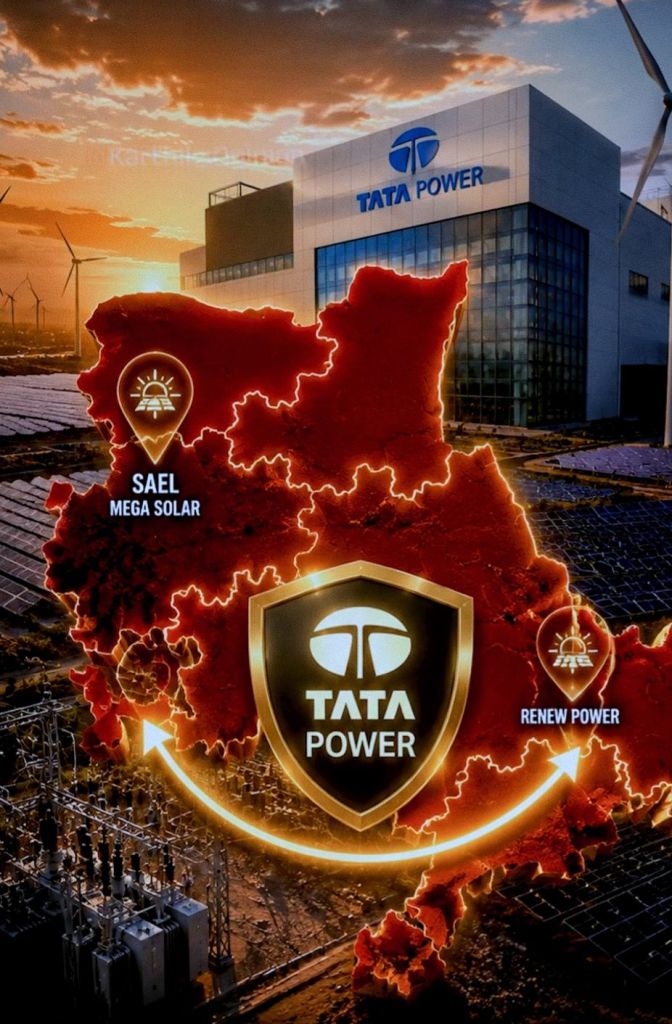
The momentum is already visible on the ground. The 600 MW SAEL Solar Project has demonstrated that globally competitive renewable infrastructure can be executed rapidly in Rayalaseema. International investors are responding with confidence. Evren, the Brookfield–Axis Energy joint venture, plans nearly 9 GW of renewable assets. The Hinduja Group has announced investments of around ₹20,000 crore, while ReNew has proposed projects worth nearly ₹60,000 crore. These investments align with Andhra Pradesh’s ambitious target of achieving 72 GW of renewable energy capacity by 2029, positioning Rayalaseema as the state’s principal engine of green growth. This is not merely capital flowing into infrastructure; it is global confidence flowing into a region once considered economically peripheral.
The true significance of renewable energy lies not in electricity generation alone but in its ability to catalyse industrial transformation. Affordable, reliable, and carbon-free power is rapidly becoming the world’s most valuable industrial input. The ₹16,350 crore JSW Green Steel Plant at Kadapa exemplifies this new industrial paradigm, where renewable electricity powers low-carbon steel manufacturing using Electric Arc Furnace technology. Such projects can trigger an industrial ecosystem spanning green hydrogen, battery manufacturing, semiconductor packaging, electronics assembly, electric mobility components, fertilizers, advanced materials, and artificial intelligence-enabled data centres. Instead of exporting raw electricity, Rayalaseema can export high-value manufactured products, integrating itself into global supply chains driven increasingly by sustainability and carbon-neutral production standards.
The economic consequences extend well beyond industrial output. For decades, Rayalaseema exported its most valuable resource—its people. Migration became an economic necessity rather than a choice. The renewable economy offers the opportunity to reverse this historic trend. Construction, operations, engineering services, logistics, equipment manufacturing, digital monitoring, maintenance, hospitality, and technical consulting together create a broad employment ecosystem. Farmers gain stable, long-term lease income while retaining land ownership. Universities and technical institutions can evolve into centres of excellence for renewable engineering, energy storage, hydrogen technologies, and grid management. Local entrepreneurs gain opportunities in fabrication, transportation, maintenance, and specialized services, allowing prosperity to spread through multiple layers of the regional economy instead of remaining confined to large corporations.
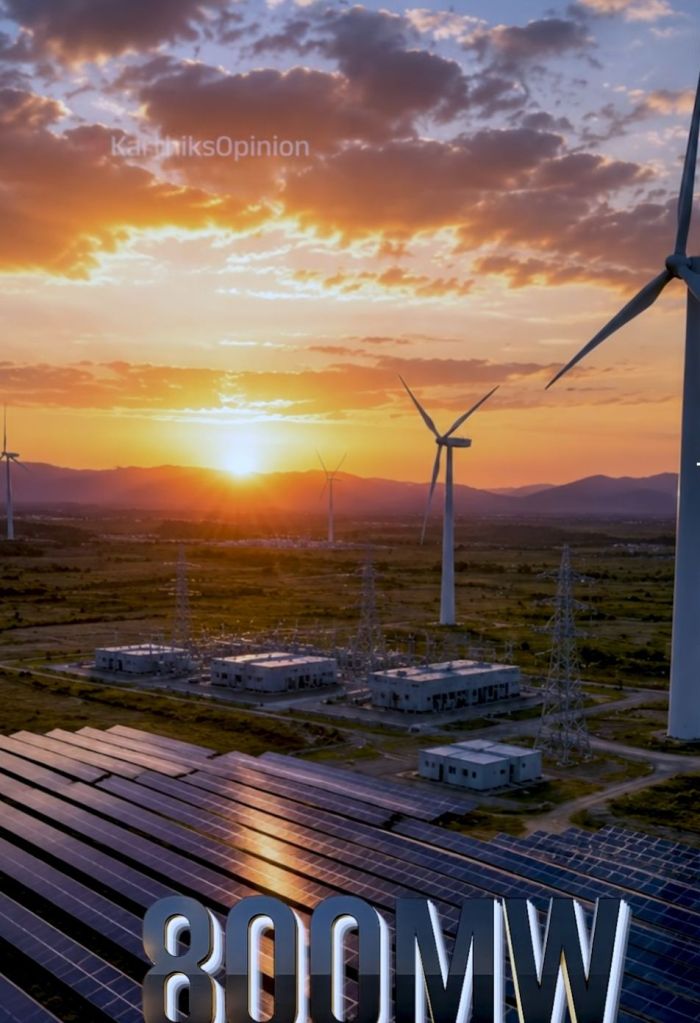
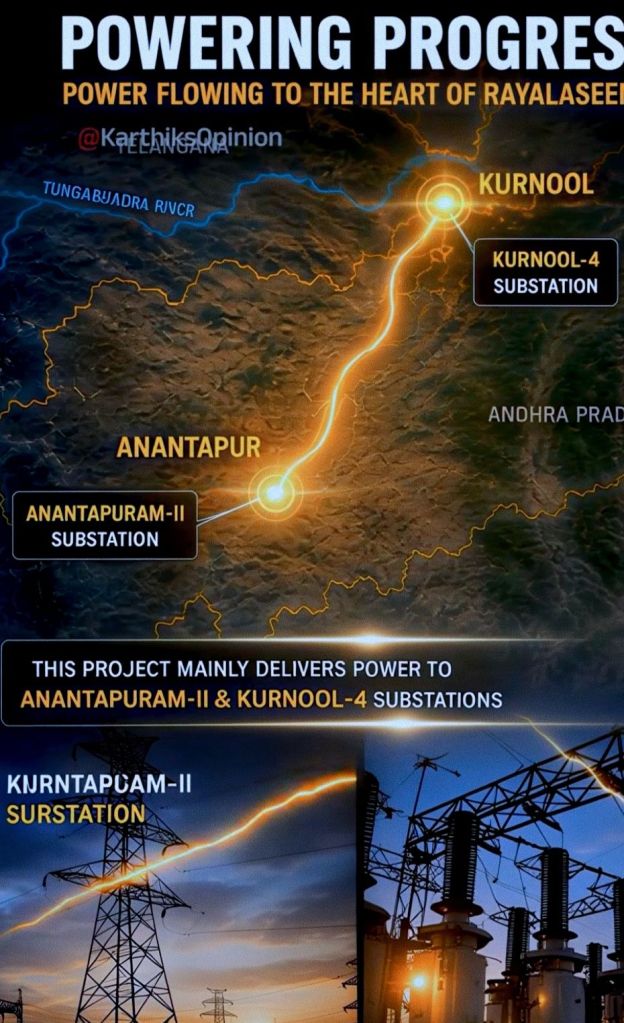
Yet ambition alone will not guarantee success. Renewable generation without robust transmission infrastructure risks creating stranded assets. The proposed ₹28,436 crore Green Energy Corridor is therefore as important as the power plants themselves. Efficient evacuation infrastructure linking Rayalaseema with coastal industrial clusters and the national grid will determine whether renewable capacity translates into economic value. Equally important are investments in Battery Energy Storage Systems, more than 12 GW of pumped-storage facilities, smart-grid technologies, artificial intelligence-based forecasting, and modern transmission architecture. Land governance also requires decisive reforms to ensure that allotted projects achieve timely financial closure and execution, preventing speculative land holding from obstructing serious investment.
Global experience offers a clear roadmap. California has demonstrated how large-scale battery storage can stabilize renewable-rich grids. China has shown the transformative role of pumped-storage hydro in balancing intermittent energy generation. Germany has pioneered digital forecasting systems that optimize renewable integration, while Gujarat has illustrated the importance of transparent approvals and time-bound project implementation. Rajasthan has successfully institutionalized farmer-friendly land lease models that combine investor confidence with rural prosperity. Andhra Pradesh has the opportunity to synthesize these international best practices with its Integrated Clean Energy Policy, creating perhaps India’s most efficient and globally competitive renewable investment ecosystem centred in Rayalaseema.
Rayalaseema’s renewable transformation is therefore not simply an energy story; it is a civilizational shift in regional development. It represents the replacement of scarcity with abundance, migration with opportunity, and climatic adversity with strategic advantage. Clean energy can become the foundation upon which advanced manufacturing, green steel, hydrogen, electronics, artificial intelligence infrastructure, and climate-resilient industries flourish simultaneously. Future historians may conclude that Rayalaseema’s greatest natural resource was never hidden beneath its soil but shining above it every day. If visionary policy, world-class infrastructure, and disciplined execution converge, the region will not merely illuminate Andhra Pradesh—it will power India’s green industrial revolution and emerge as one of Asia’s defining clean-energy economies.
VISIT ARJASRIKANTH.IN FOR MORE INSIGHTS

