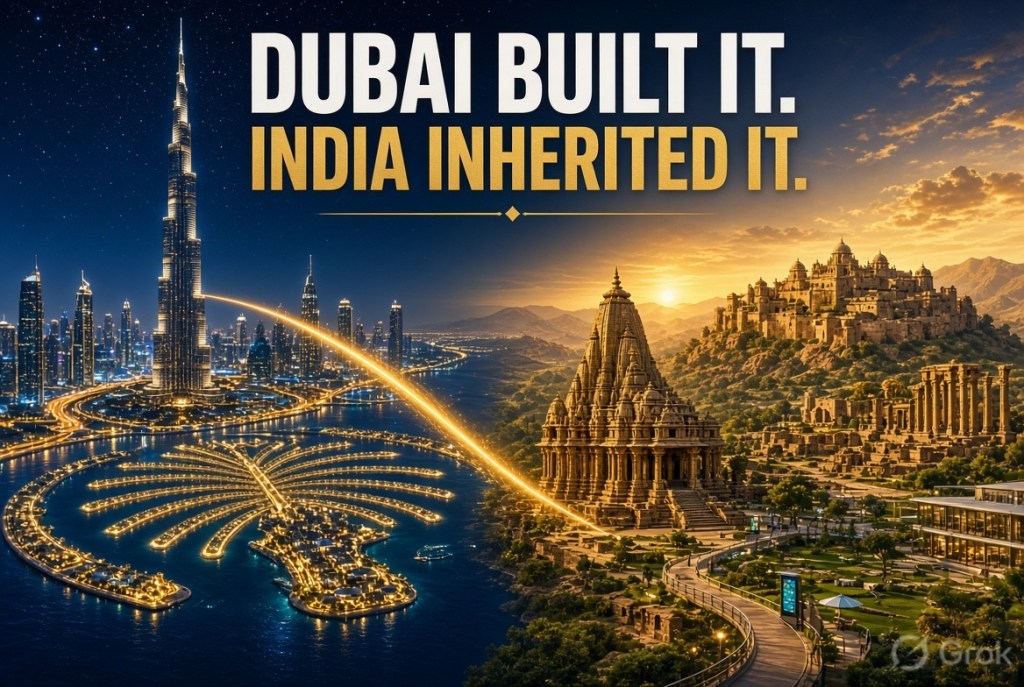
Dubai did not become a global tourism powerhouse merely because it possessed oil wealth, spectacular hotels or an appetite for architectural extravagance. Its deeper achievement was strategic: it understood that tourism is not created by attractions alone; it is engineered through accessibility, infrastructure, experience, connectivity, hospitality and relentless global storytelling. The Burj Khalifa conquered the skyline; Palm Jumeirah conquered the coastline. Together, they demonstrated how infrastructure can manufacture destinations and convert geography into economic opportunity. India faces the reverse paradox. It possesses thousands of authentic monuments, temples, forts, caves, archaeological sites, sacred landscapes and living cultural traditions—many centuries or millennia older than Dubai’s newest icons. Yet too many remain economically invisible because India has traditionally approached heritage primarily as something to conserve, rather than something to intelligently connect, curate, experience and market.
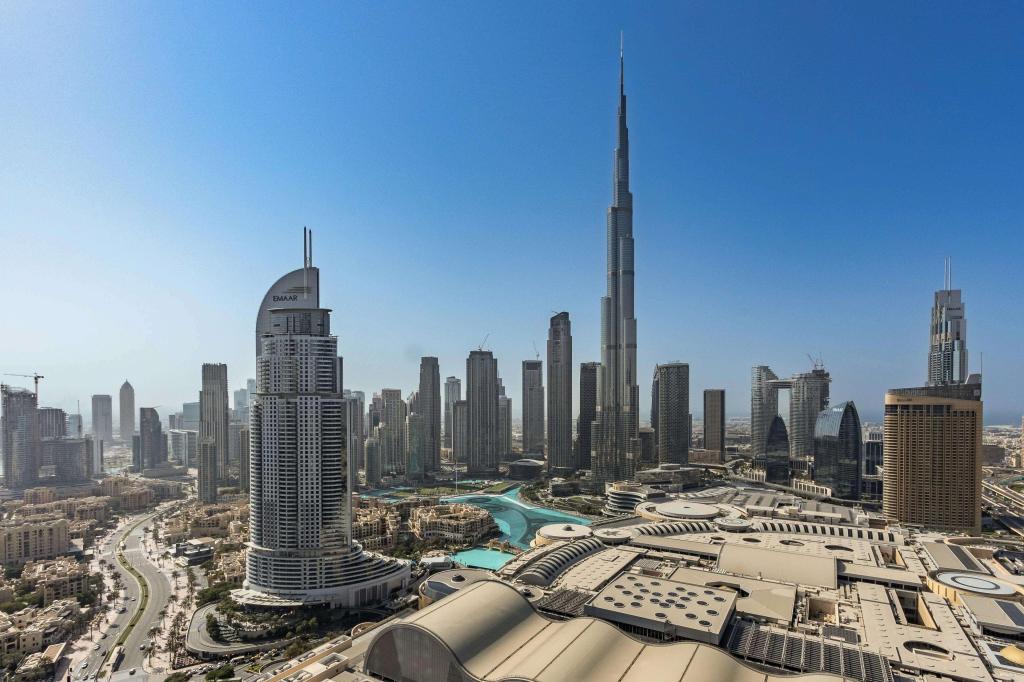
The Burj Khalifa is therefore much more than an 828-metre building. Opened in 2010, the tower became the centrepiece of an integrated urban tourism ecosystem. Its extraordinary height created the headline, but Downtown Dubai created the business model: the Dubai Mall, hotels, restaurants, fountains, entertainment, luxury retail, residences, public spaces and observation experiences transformed a building into a destination. A visitor does not merely “visit” Burj Khalifa; the visitor enters an ecosystem in which sightseeing, dining, shopping, entertainment and hospitality reinforce one another. The genius lies not simply in constructing the world’s tallest tower but in ensuring that every additional visitor generates economic activity far beyond the attraction itself. Architecture became tourism; tourism became consumption; consumption became urban branding; and branding became global economic capital.
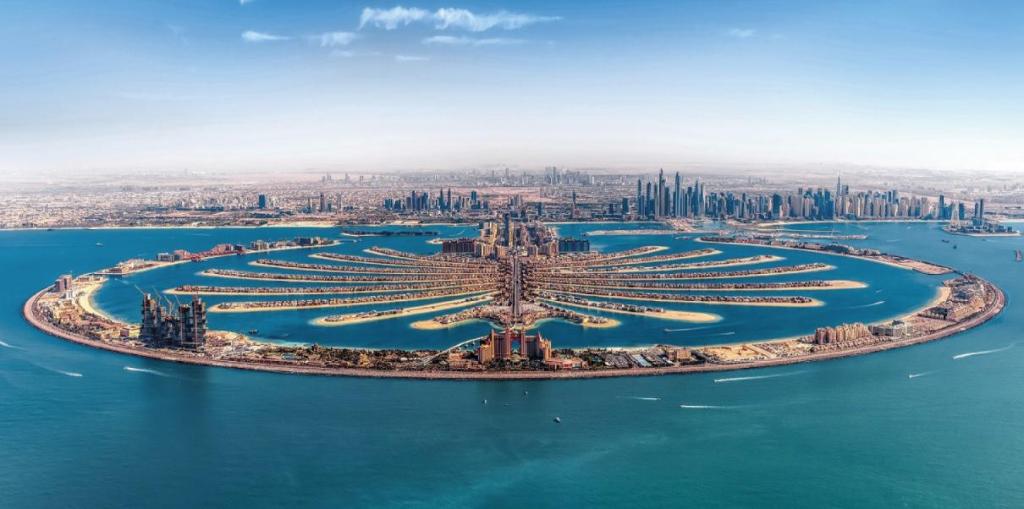
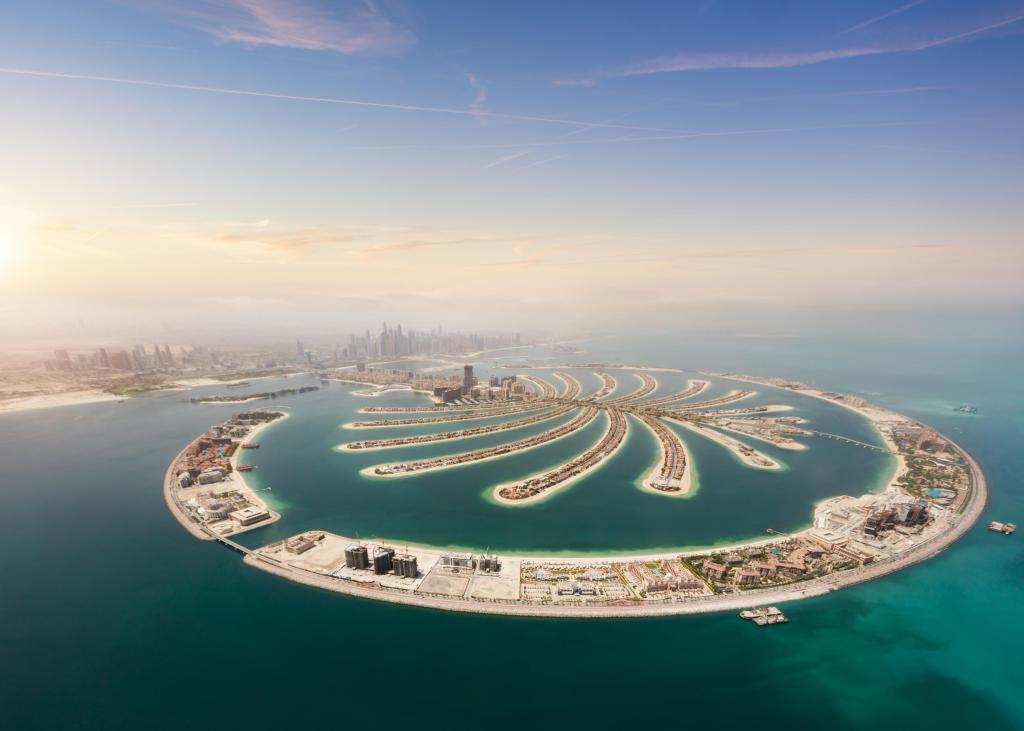
Palm Jumeirah represents an even more audacious proposition: if a destination does not possess enough coastline for premium tourism, create one. Through massive marine engineering, reclamation, breakwaters and infrastructure investment, Dubai manufactured an entirely new geography of leisure. Luxury hotels, beaches, residences, restaurants, entertainment venues and marine activities transformed the artificial island into a globally recognisable tourism platform. The crucial lesson is conceptual. Dubai did not wait for tourists to discover an existing attraction. It created the attraction and simultaneously created the ecosystem necessary to monetise it. This is why Palm Jumeirah cannot be assessed simply by the cost of reclamation. Its value lies in the hotels, restaurants, employment, property markets, visitor spending, international publicity, conferences and premium experiences generated around it. Infrastructure preceded demand—and helped create demand.
The two projects reveal a powerful development philosophy: create something distinctive, connect it seamlessly, surround it with hospitality and experiences, and market it relentlessly. The economic return therefore extends far beyond entrance fees. Hotels gain occupancy; airlines carry passengers; taxis and public transport move visitors; restaurants generate turnover; retailers benefit; conferences arrive; entertainment expands; property values rise; international media repeatedly broadcasts the destination’s imagery. The attraction becomes an economic multiplier. This is the intellectual difference between building an asset and building a destination. Dubai has repeatedly demonstrated that tourism infrastructure should not be viewed merely as expenditure on visitors; it can be viewed as productive infrastructure capable of generating an entire economic ecosystem.
India, by contrast, possesses something no amount of contemporary engineering can reproduce: civilisational authenticity. The Taj Mahal, Ajanta and Ellora, Khajuraho, Hampi, Konark, Sanchi, Pattadakal, Badami, Dholavira, Mandu and countless other destinations embody layers of history extending across thousands of years. India’s heritage is not a manufactured product. It is an inherited civilisational archive. Dholavira connects contemporary visitors to the Indus Valley civilisation; Pattadakal and Badami reveal extraordinary Chalukyan architectural achievement; Sanchi carries the history of Buddhism; Hampi evokes the grandeur of Vijayanagara; Konark transforms architecture into stone-carved cosmology. And beyond the internationally recognised names lie hundreds of extraordinary sites waiting for discovery. India’s problem is therefore not an absence of attractions. It is an absence of destination architecture around those attractions.
This distinction is critical. A magnificent archaeological site becomes commercially invisible when reaching it involves hours of difficult travel, quality accommodation is scarce, public toilets are inadequate, signage is poor, professional multilingual guides are unavailable, local transport is unreliable and the destination disappears after sunset. The monument may be world-class; the visitor experience may not be. Tourism is a chain, and the weakest link can determine the value of the entire journey. International travellers do not evaluate a monument in isolation. They evaluate airports, roads, railways, hotels, sanitation, safety, digital information, food, guides, local mobility, interpretation and entertainment as part of one integrated experience. India’s heritage strategy has often focused on preserving the object while insufficiently designing the journey. That is why places such as Dholavira, Unakoti, Mandu, Badami and Pattadakal can possess extraordinary global tourism potential without receiving proportionate international footfall.
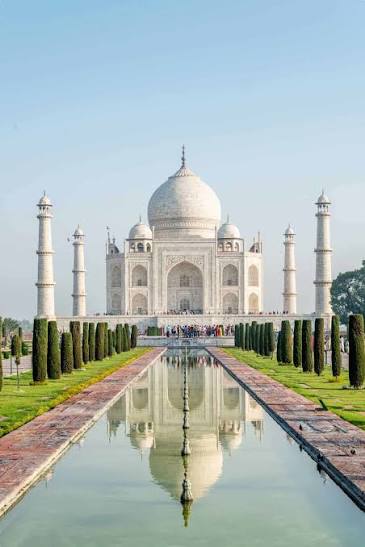
The economic opportunity is enormous. A successful heritage destination does not merely sell a ticket; it creates a regional economic ecosystem. Hotels employ people. Restaurants support farmers and food producers. Guides monetise knowledge. Artisans sell crafts. Transport operators gain livelihoods. Cultural performances create new markets. Museums and interpretation centres create employment. Local entrepreneurs build businesses around the visitor economy. Even the Taj Mahal demonstrates the potential of heritage when demand, accessibility and global recognition converge. The economic question should therefore shift from “How much does conservation cost?” to “How much economic and social value can responsible conservation unlock?” Heritage can become an engine for employment, foreign exchange, entrepreneurship and regional development while simultaneously strengthening cultural pride—provided commercialisation never overwhelms authenticity.
India should therefore launch an ambitious National Heritage Destination Mission, identifying perhaps 100–200 high-potential sites and developing integrated destination plans rather than isolated monument projects. Each plan should combine road and rail connectivity, nearby airports where economically justified, quality accommodation, sanitation, pedestrian infrastructure, lighting, multilingual interpretation, trained guides, digital ticketing, local cuisine, curated cultural performances and carefully designed evening experiences. Public-private partnerships can develop hospitality and visitor infrastructure while conservation authorities retain control over the heritage core. Tourism circuits should also be designed around stories and experiences rather than merely administrative boundaries. A visitor should be able to experience an entire civilisational narrative—architecture, cuisine, music, crafts, history and landscape—not simply tick another monument off a checklist.
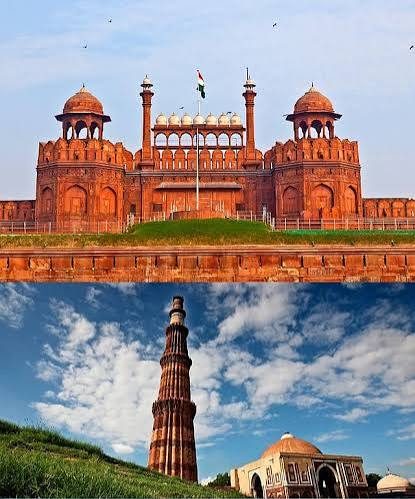
The deeper lesson from Dubai is therefore not that India should copy skyscrapers, artificial islands or extravagant spectacles. India needs Dubai’s audacity, not Dubai’s architecture. Dubai demonstrated the willingness to build infrastructure before demand fully materialised, while India often waits for tourist numbers before investing in infrastructure—and tourists wait for infrastructure before arriving. That is the classic tourism chicken-and-egg trap. India already possesses the raw material for one of the world’s greatest cultural tourism economies. What it requires is strategic imagination capable of converting heritage into infrastructure, infrastructure into experience, experience into tourism, and tourism into sustained regional prosperity. Dubai built two modern wonders and persuaded the world to visit. India inherited thousands of ancient wonders—and now needs to give the world a reason, a route and an unforgettable experience to find them.
VISIT ARJASRIKANTH.IN FOR MORE INSIGHTS

