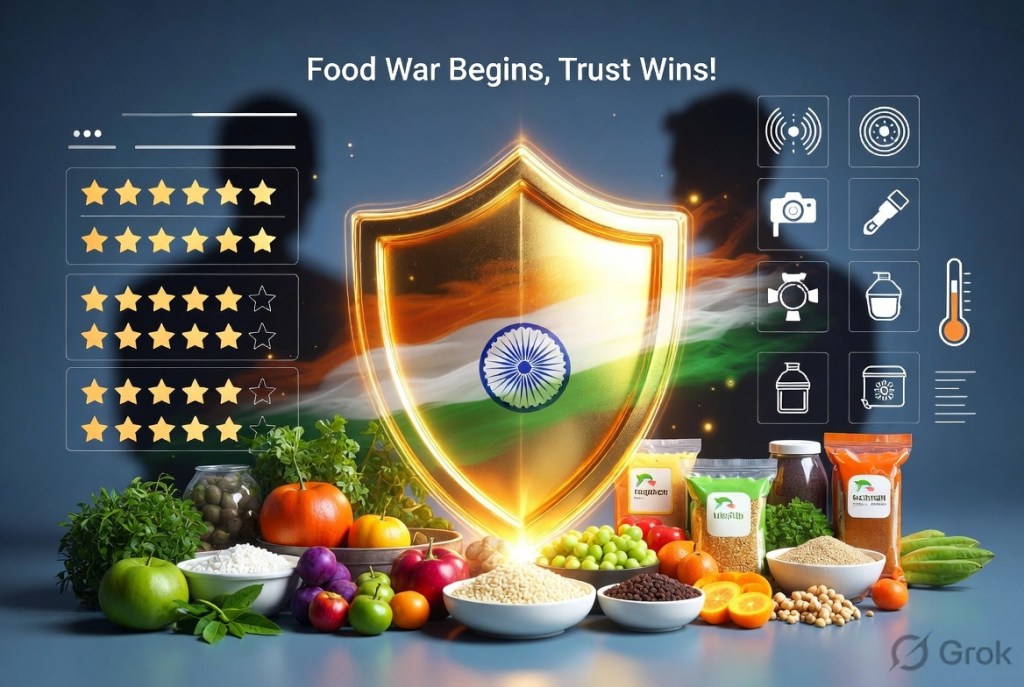
For decades, food safety in India largely remained confined to paperwork, periodic inspections and reactive enforcement. That era is rapidly fading. India is entering a defining chapter where food regulation is transforming into a system of continuous vigilance, signalling that public health is no longer an administrative obligation but a national strategic priority. Surprise inspections, intensive audits, licence suspensions, digital monitoring and rigorous hygiene assessments have fundamentally altered the operating environment for restaurants, food processors, warehouses, institutional kitchens and supply chains. While sections of industry view this heightened scrutiny as regulatory overreach, the broader reality is that India can no longer afford complacency in a sector that directly influences the health of 1.4 billion people. The real debate is not whether enforcement should become stricter, but whether it can remain fair, predictable and innovation-friendly while ensuring uncompromising consumer protection.
The urgency of this transformation cannot be overstated. Food safety failures silently impose enormous economic and social costs through food-borne diseases, productivity losses, rising healthcare expenditure, declining consumer confidence and reputational damage to India’s rapidly expanding food industry. Recent enforcement drives have exposed uncomfortable truths—expired ingredients being recycled, poor pest control, unhygienic kitchens, weak traceability, inadequate storage systems and misleading product labelling. Perhaps the most significant revelation is that such deficiencies are not confined to informal eateries or small establishments. Even reputed brands have occasionally failed to maintain fundamental hygiene standards. These incidents reinforce an important lesson: food safety is not a one-time certification but an organisational culture requiring continuous investment, disciplined processes, employee training and uncompromising accountability.
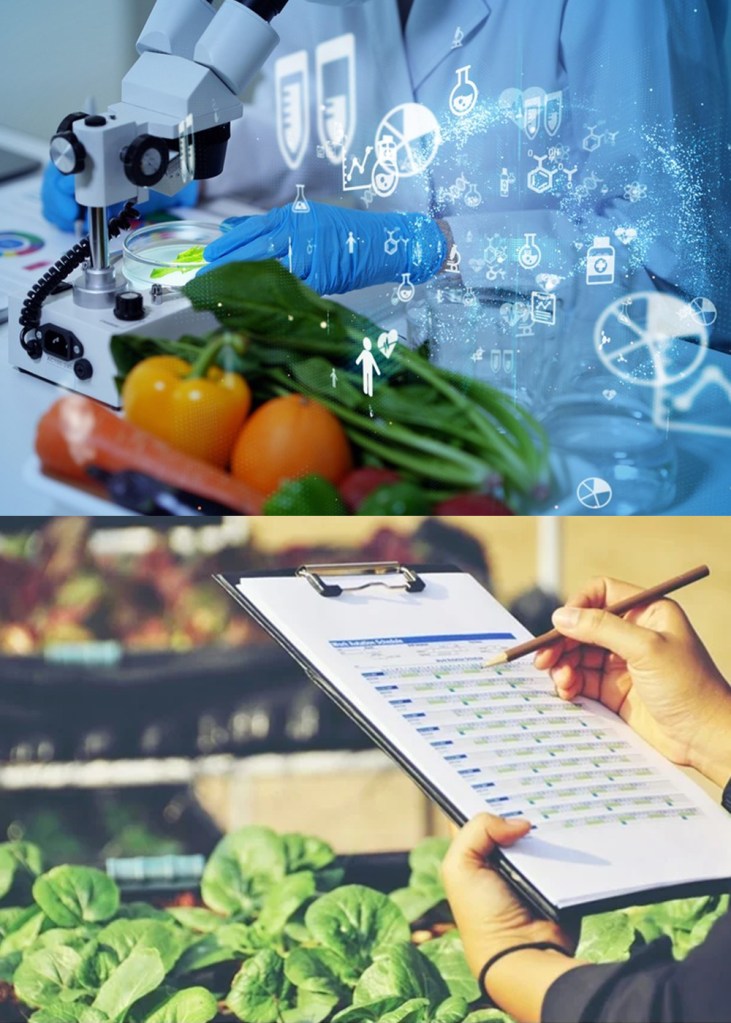
Yet regulation derives its legitimacy not merely from its power to punish but from its commitment to procedural fairness. Regulatory credibility is strengthened when penalties are proportionate to the nature and severity of violations. Immediate licence cancellation is entirely justified where deliberate adulteration, toxic contamination or intentional resale of expired food threatens public health. However, procedural deficiencies and non-critical compliance gaps deserve a more calibrated response. Improvement notices, defined timelines for corrective action, follow-up inspections and transparent hygiene rating downgrades should precede harsh punitive measures wherever public safety is not under immediate threat. Such a graduated framework strengthens compliance while preserving the authority of regulators. It also encourages businesses to view regulators as institutional partners rather than adversaries.

Encouragingly, the current enforcement wave is already reshaping industry behaviour in positive ways. Businesses across the food value chain are strengthening internal audits, modernising storage facilities, investing in scientific inventory management, improving deep-cleaning protocols, implementing digital traceability systems and adopting stronger quality assurance mechanisms. Increasingly, food operators recognise that hygiene is not merely a legal requirement but a competitive business advantage. Consumer trust has become one of the most valuable commercial assets in the food industry. Sustainable compliance cannot be built on fear alone; it emerges when enterprises understand that food safety directly influences brand reputation, customer loyalty, export opportunities and long-term profitability. Predictable regulation creates a marketplace where responsible businesses compete on quality instead of merely competing on price.
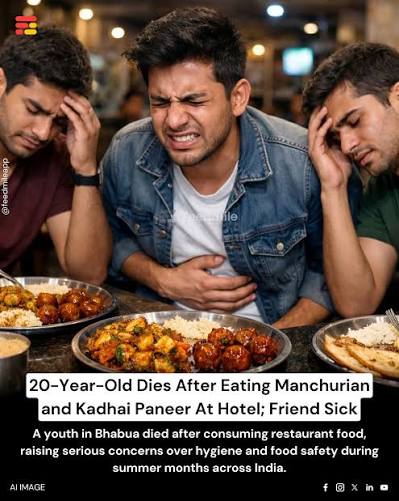
Simultaneously, India must ensure that regulatory vigilance does not become an obstacle to scientific innovation. Global food technology is evolving at unprecedented speed, introducing novel ingredients, precision fermentation, alternative proteins, functional foods and advanced processing technologies. Lengthy regulatory approval timelines risk discouraging research, delaying investments and weakening India’s competitiveness in the rapidly expanding global food economy. Scientific risk assessment must remain rigorous, but evaluation processes should become faster, transparent and bound by clearly defined timelines. Regulatory efficiency should never imply diluted standards; rather, it should reflect administrative competence. A modern regulator protects consumers while simultaneously enabling responsible innovation, ensuring that safety and scientific progress reinforce rather than obstruct each other.

Transparency represents the missing pillar that can transform regulation into a powerful market incentive. Public disclosure of hygiene ratings, inspection outcomes and enforcement statistics empowers consumers while encouraging businesses to maintain consistently high standards. A visible food hygiene rating system converts regulatory compliance into a commercial advantage, rewarding responsible establishments with greater consumer confidence. Equally important is transparent publication of scientific assessments, policy consultations and enforcement rationale. Such openness reduces perceptions of arbitrariness, minimises opportunities for discretionary decision-making and strengthens institutional credibility. In an era where consumers increasingly seek trustworthy information before making purchasing decisions, transparency itself becomes a powerful instrument of public health protection.
The food safety conversation must also move beyond commercial establishments into classrooms and households. Lifelong dietary habits are shaped during childhood, making schools critical centres for preventive public health interventions. Restricting unhealthy food around educational institutions is necessary but insufficient. Nutrition literacy and food safety awareness should become integral components of school education, enabling students to understand food labels, recognise hygienic practices, evaluate nutritional claims and make informed dietary choices. Informed consumers naturally demand higher standards, creating market-driven accountability that complements regulatory oversight. When citizens understand food safety, compliance becomes a societal expectation rather than merely a legal obligation.
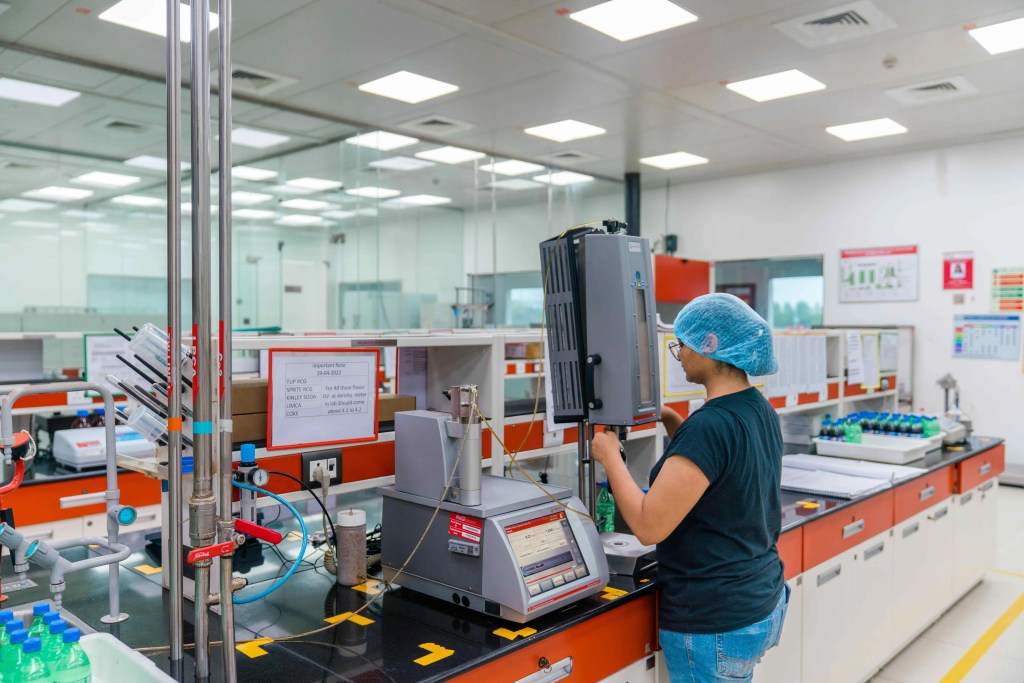
India’s ambition to become a global food manufacturing, processing and export powerhouse will ultimately depend on far more than inspections or licence cancellations. It requires an integrated ecosystem where regulators enforce consistently, businesses embrace responsibility, laboratories provide scientific credibility, technology enables end-to-end traceability, educational institutions cultivate awareness and consumers reward ethical enterprises. The true success of the present enforcement wave will not be measured by the number of licences suspended or penalties imposed, but by the number of unsafe practices eliminated before regulators ever need to intervene. Food safety has evolved beyond a public health issue—it is now an economic strategy, an export imperative and a measure of national credibility. Nations build technological leadership with innovation, but they build enduring trust one safe meal at a time. India’s next great competitive advantage may well begin not in its factories or laboratories, but in the integrity of every kitchen that serves its people.
VISIT ARJASRIKANTH.IN FOR MORE INSIGHTS

