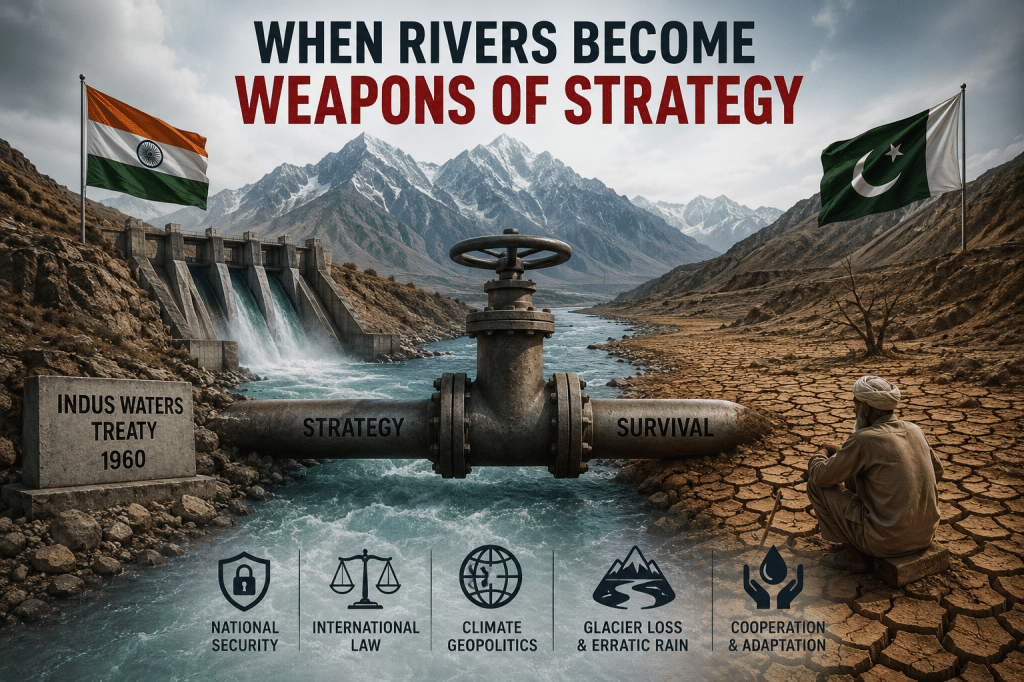
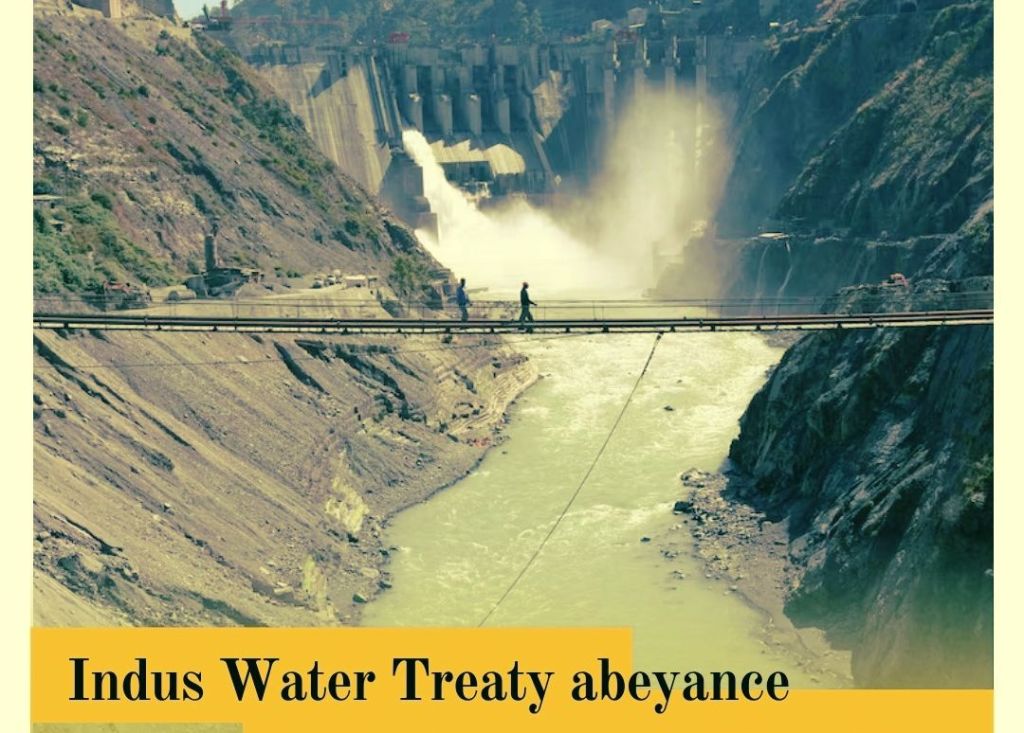
For more than six decades, the Indus Waters Treaty stood as an extraordinary example of diplomatic endurance in one of the world’s most volatile regions. Signed in 1960 with the mediation of the World Bank, the agreement survived three major wars, repeated military confrontations, political hostility and decades of mutual suspicion between India and Pakistan. It represented a rare recognition that rivers follow geography, not ideology; that water systems cannot be permanently divided by political borders. However, India’s decision in April 2025 to place the treaty “in abeyance” after the Pahalgam terrorist attack has transformed the character of the dispute. What was once considered a successful model of transboundary water cooperation has now become a strategic contest involving national security, international law, climate uncertainty and regional stability.

The original genius—and simultaneously the greatest limitation—of the Indus Waters Treaty was its unique architectural design. Instead of creating a mechanism for joint management and proportional sharing, the treaty effectively divided the river system itself. India received unrestricted rights over the eastern rivers—the Ravi, Beas and Sutlej—while Pakistan received control over the western rivers—the Indus, Jhelum and Chenab, subject to limited Indian usage rights. It was less a treaty of cooperation than a treaty of separation. This arrangement successfully reduced immediate conflict, but it also froze the river system within a 1960 framework. Modern challenges such as groundwater depletion, environmental flows, pollution management, climate adaptation and ecological conservation were largely absent from its design. A document considered visionary in the twentieth century now faces questions from a very different century.
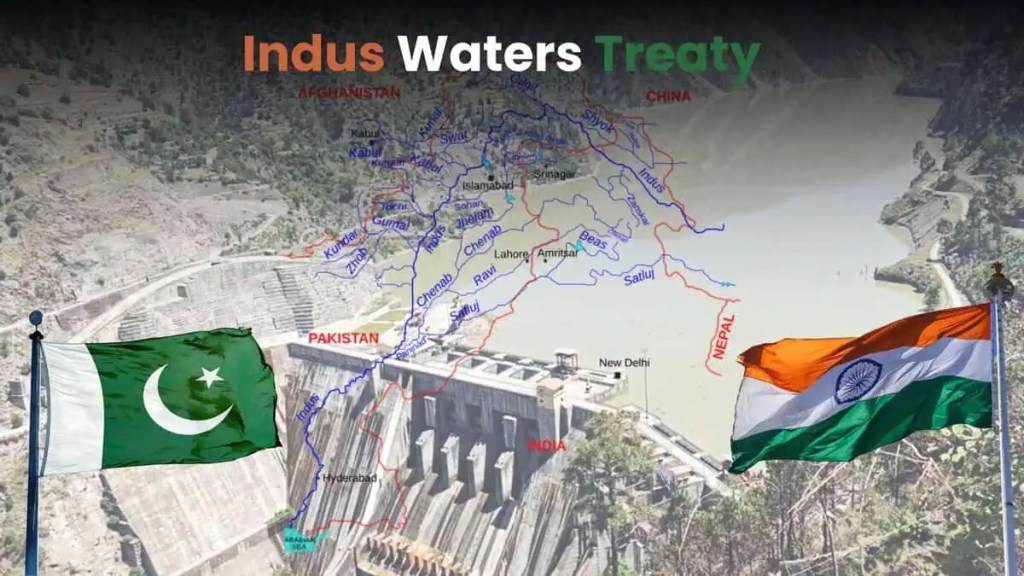
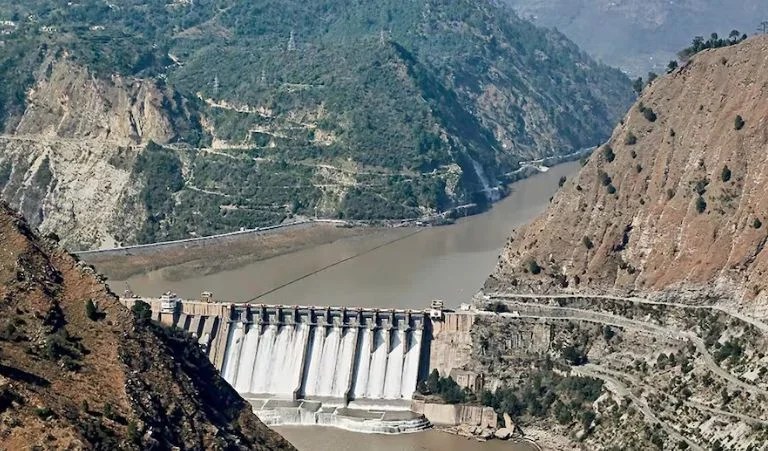
India’s current position reflects a growing perception that the treaty created strategic and administrative disadvantages for the upper riparian state. New Delhi argues that despite contributing financially to Pakistan’s replacement canal infrastructure after partition, accepting restrictions on its own utilisation of western rivers and complying with detailed engineering limitations, Indian hydroelectric projects have repeatedly faced prolonged objections. Projects such as Baglihar, Kishenganga, Ratle, Pakal Dul and Tulbul became subjects of international scrutiny and procedural disputes. India increasingly believes that treaty mechanisms intended for technical resolution have often become platforms for political resistance. The decision to accelerate hydropower and storage projects in Jammu and Kashmir represents an assertion that India must fully utilise its legitimate rights within the boundaries of international law while protecting its strategic interests.
Pakistan’s interpretation is fundamentally different. Islamabad views the treaty as a carefully negotiated legal guarantee that protects its agricultural economy and national water security. Pakistan argues that historical experiences, particularly the 1948 water stoppage after partition, demonstrated the vulnerability of downstream states dependent on upstream decisions. Therefore, restrictions on India’s storage capacity, pondage and project design are not unfair limitations but essential safeguards. Pakistan maintains that downstream rights cannot remain dependent on goodwill or political circumstances. Recent concerns regarding fluctuations in Chenab River flows have intensified Pakistani fears that water could become a strategic instrument. While India rejects allegations of deliberate manipulation, the deepening mistrust has transformed technical water questions into broader security concerns.
The legal dimension of the controversy introduces another layer of complexity. International treaty law generally discourages unilateral suspension of bilateral agreements. The Indus Waters Treaty itself provides that modification or termination requires mutual consent between both countries. India’s possible arguments based on fundamental changes in circumstances or security concerns arising from cross-border terrorism would face significant legal scrutiny under established international principles. However, India’s position introduces a relatively new argument: that terrorism and hostile state behaviour can fundamentally alter the environment within which resource-sharing agreements operate. This creates a difficult intersection between traditional water law, national security doctrine and geopolitical realities. The result is an uncertain legal landscape where established norms confront emerging strategic challenges.
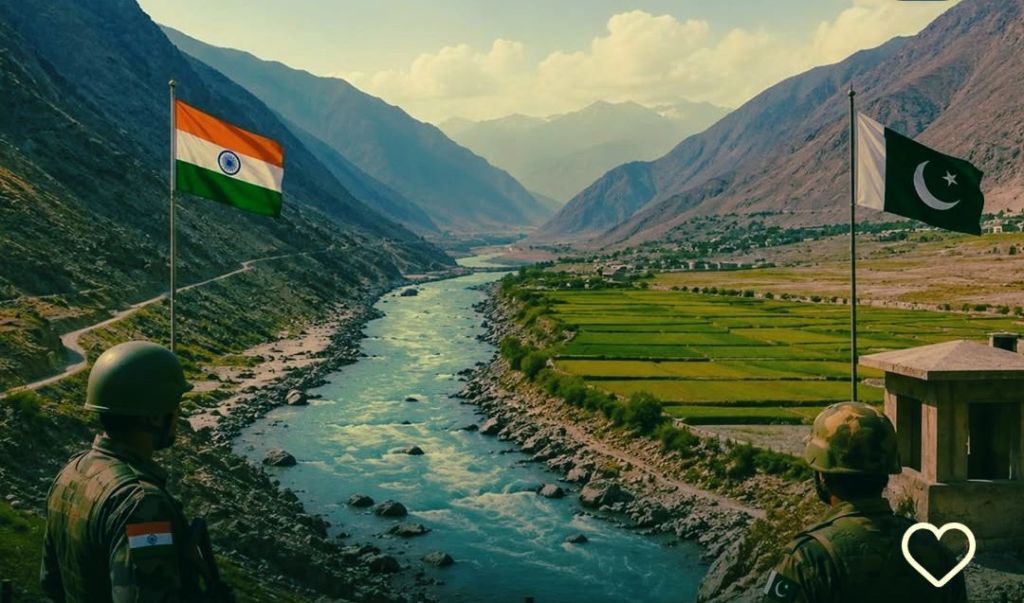
Yet the greatest challenge facing the Indus Basin may not come from either New Delhi or Islamabad. It may come from climate change. The Himalayan region, which feeds the Indus system, is experiencing rapid ecological transformation through glacier retreat, changing snowfall patterns, erratic monsoons, rising temperatures and increasing sedimentation. Groundwater stress and population growth are further intensifying pressure on the basin. The treaty was negotiated during an era when hydrological conditions were relatively predictable. Today, climate volatility has become the invisible stakeholder in every water negotiation. It attends no meetings, respects no arbitration decisions and follows no political boundaries, yet it is continuously reshaping the future of the river system.
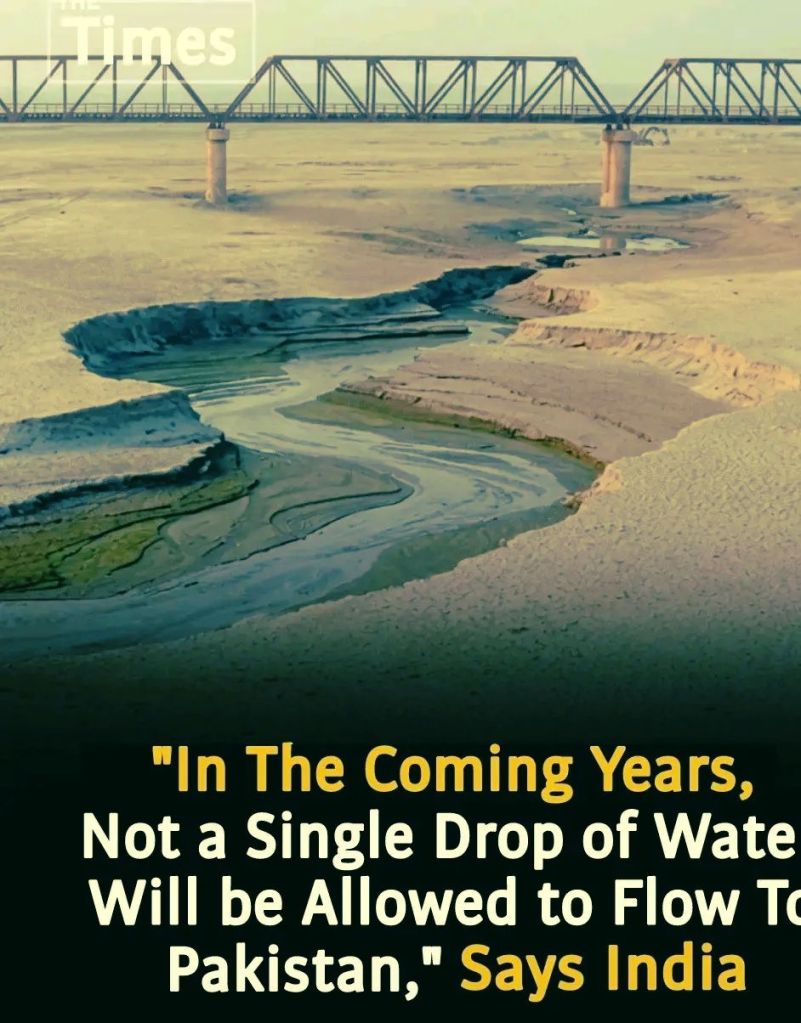
The future of Indus governance therefore requires a fundamental shift from a conflict-based approach to a climate-resilient cooperative model. Legal entitlements alone cannot guarantee water security in an era of ecological uncertainty. Both countries need mechanisms for real-time hydrological data exchange, climate-sensitive infrastructure planning, groundwater management, pollution control and environmental restoration. Modern water governance recognises that rivers are interconnected ecosystems rather than pipelines divided between competing nations. Scientific cooperation must become the foundation supporting diplomatic negotiations. Without such a transformation, every dam, flood, drought or unusual river fluctuation will become another trigger for political confrontation.
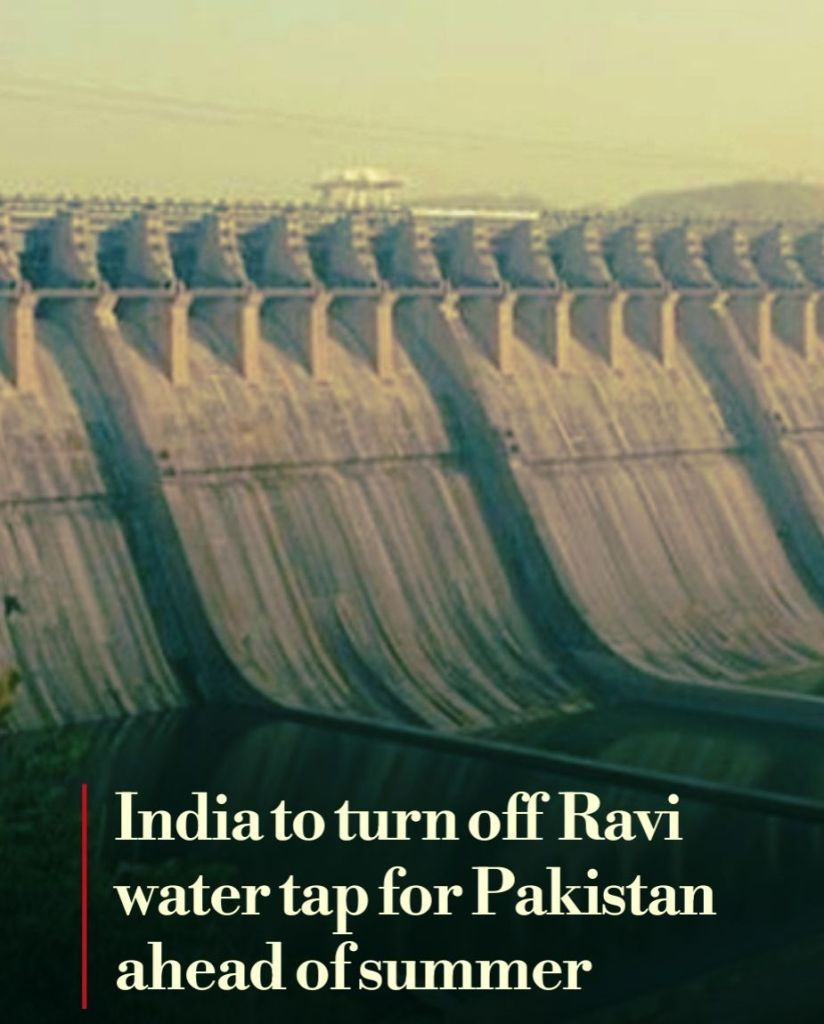
India’s own internal water disputes provide an important lesson in this regard. Conflicts involving the Cauvery, Yamuna, Godavari, Vamsadhara and Sutlej-Yamuna Link demonstrate that water governance challenges are not limited to international borders. India itself continues to struggle with balancing federal rights, ecological sustainability and equitable distribution. As climate pressures intensify, both domestic and international water institutions require modernisation. Water security can no longer be viewed only through the lens of engineering projects or legal claims. It demands flexible institutions, scientific cooperation and long-term ecological thinking. The ultimate question surrounding the Indus Waters Treaty is not merely whether an old agreement survives or collapses. It is whether South Asia can evolve from controlling rivers to managing shared ecosystems. Nearly 300 million people depend on the Indus Basin for food, livelihoods and economic stability. Rivers do not recognise nationalism; they respond only to nature. If diplomacy fails to adapt to changing hydrology, the real battle may not be India versus Pakistan, but both nations confronting a river system transformed by climate forces beyond human control.
VISIT ARJASRIKANTH.IN FOR MORE INSIGHTS

