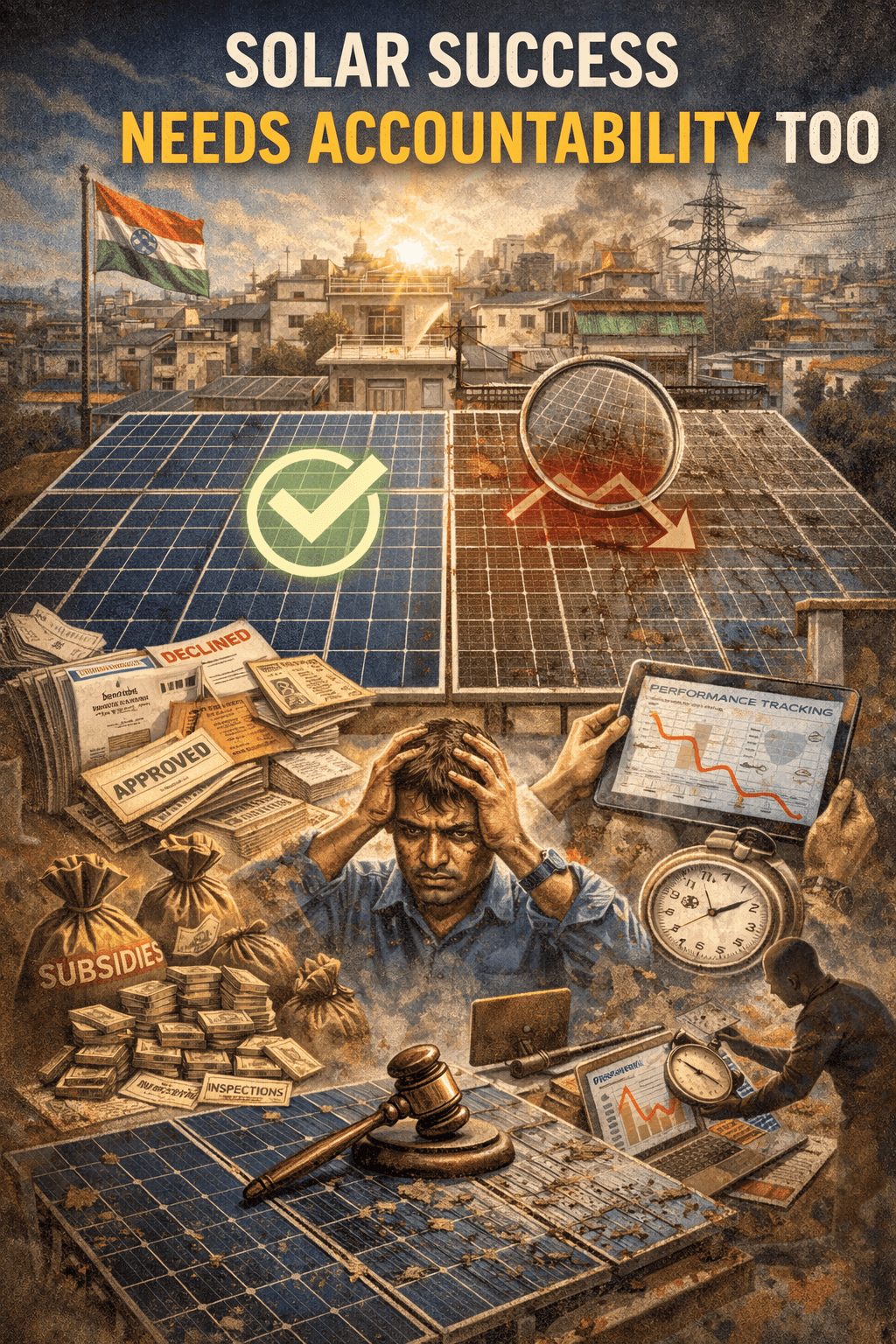
India’s rooftop solar program is often celebrated as one of the most visible successes of the country’s clean-energy transition. Millions of households are being encouraged to become power producers, subsidies are flowing at unprecedented levels, and flagship initiatives such as PM Surya Ghar have rapidly expanded rooftop installations across the country. On paper, the numbers appear extraordinary. Capacity additions are accelerating, public awareness is growing, and solar panels have become a familiar sight on urban rooftops. Yet beneath this impressive narrative lies a less visible but far more consequential problem. India does not suffer from a shortage of sunlight, technology, financing, or even consumer interest. It suffers from a shortage of institutional accountability. The real challenge is not installing solar panels—it is ensuring that they continue to generate power efficiently throughout their intended life cycle.
The crisis begins even before the first solar panel reaches a rooftop. India’s rooftop solar ecosystem is increasingly trapped in what may be described as a “two-signal failure.” The first signal emerges at the adoption stage. While millions of households express interest in rooftop solar, a significant majority never move beyond that initial enthusiasm. The reason is surprisingly simple: procedural complexity.
Consumers face a confusing maze of vendor selection, subsidy applications, technical approvals, net-metering requirements, inspections, and documentation. Most people understand the benefits of solar energy. What they lack is confidence in navigating the process. This creates a form of procedural poverty where the obstacle is not affordability but administrative complexity. As a result, adoption becomes concentrated among digitally literate, affluent, and persistent households rather than expanding across the broader population.
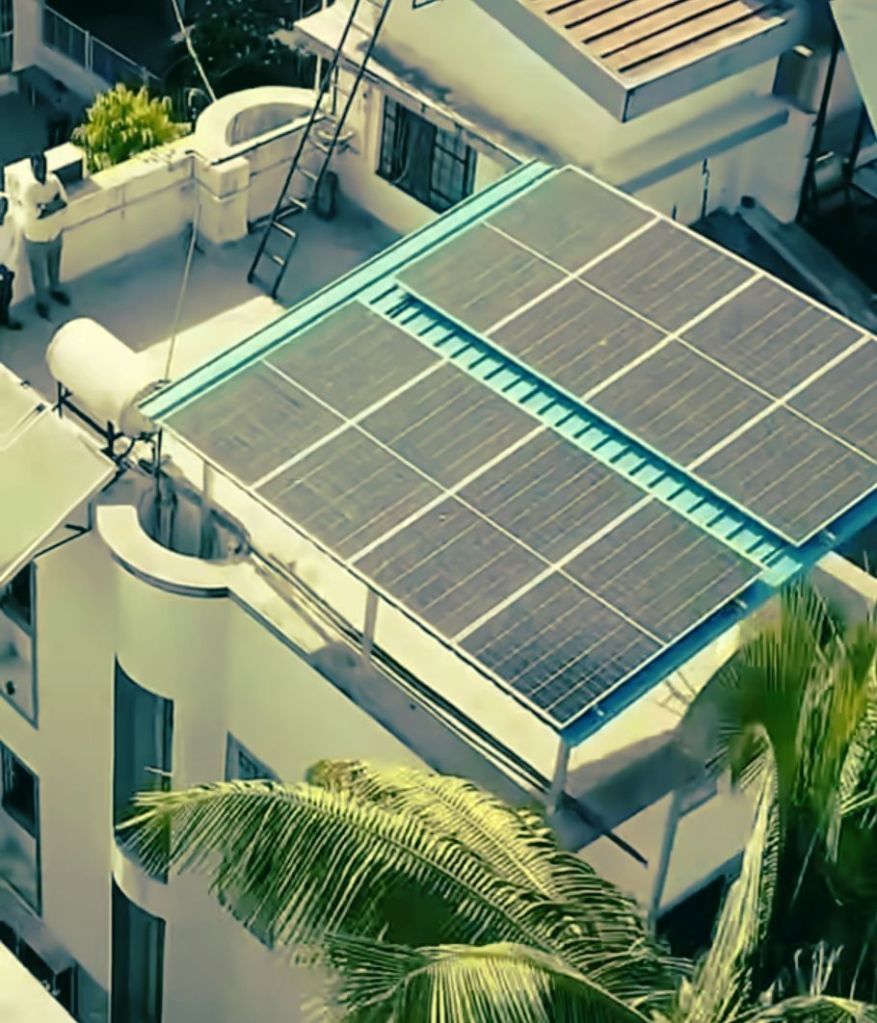
This reveals a fundamental weakness in policy design. Governments often assume that increasing subsidies will automatically increase adoption. However, subsidies are effective only when citizens can access them with relative ease. When procedures become excessively complicated, financial incentives lose their effectiveness. The result is a paradox where demand exists, awareness exists, and financial support exists, yet large sections of society remain excluded from participation. The problem is not economic activation but institutional activation. Unless the consumer journey becomes significantly simpler, rooftop solar risks becoming a program that disproportionately benefits those already equipped to navigate bureaucratic systems.
The subsidy structure itself introduces another distortion. Although rooftop solar incentives were designed to democratize access to clean energy, they often generate unequal outcomes. Wealthier households consume more electricity and therefore derive larger financial savings from solar generation. They typically own larger homes, possess greater roof space, and operate multiple high-consumption appliances. Lower-income households, by contrast, consume less electricity and therefore realize smaller savings from every unit generated. Their payback periods are often longer despite receiving similar subsidy support.
Consequently, rooftop solar increasingly mirrors broader patterns of economic inequality. Instead of narrowing energy disparities, the system sometimes amplifies them by directing the greatest economic benefits toward households already enjoying greater financial security.

Yet the most serious challenge appears after installation. Once panels are commissioned, policymakers often treat them as successful assets. Capacity figures are recorded, targets are achieved, and projects are counted as completed. However, many systems quietly begin underperforming shortly thereafter. Dust accumulation, bird droppings, poor maintenance, faulty components, shading issues, and inadequate monitoring can dramatically reduce generation. In some cases, energy output may decline by as much as fifty to sixty percent. This phenomenon has created what may be called India’s “phantom solar fleet”—thousands of rooftop systems that exist on paper but generate far less electricity than expected in reality.
The root cause is not technological inadequacy. Modern solar panels are highly reliable and capable of operating efficiently for decades. The problem is contractual and institutional. Many installation contracts promise years of free maintenance, yet these commitments frequently lack measurable performance obligations. Vendors may conduct occasional inspections but rarely undertake systematic cleaning, generation optimization, or active monitoring. Consumers often remain unaware of actual generation levels and may not fully understand the maintenance responsibilities associated with their systems.
Over time, performance deteriorates while nobody assumes responsibility for restoring efficiency. Assets designed to recover costs within five years can ultimately require much longer periods to deliver expected returns.

The implications extend well beyond individual households. Every underperforming rooftop system creates hidden costs for electricity distribution companies. When solar generation falls below expectations, households automatically consume more grid electricity. Distribution companies must then procure additional power, often at higher market rates. In effect, public funds end up subsidizing the same unit of electricity twice—first through installation incentives and later through grid purchases necessitated by underperformance. This exposes a deeper flaw in India’s renewable-energy metrics. Policymakers continue to celebrate installed capacity, whereas the true measure of success should be actual electricity generated over the asset’s lifetime. Capacity represents potential; generation represents performance.
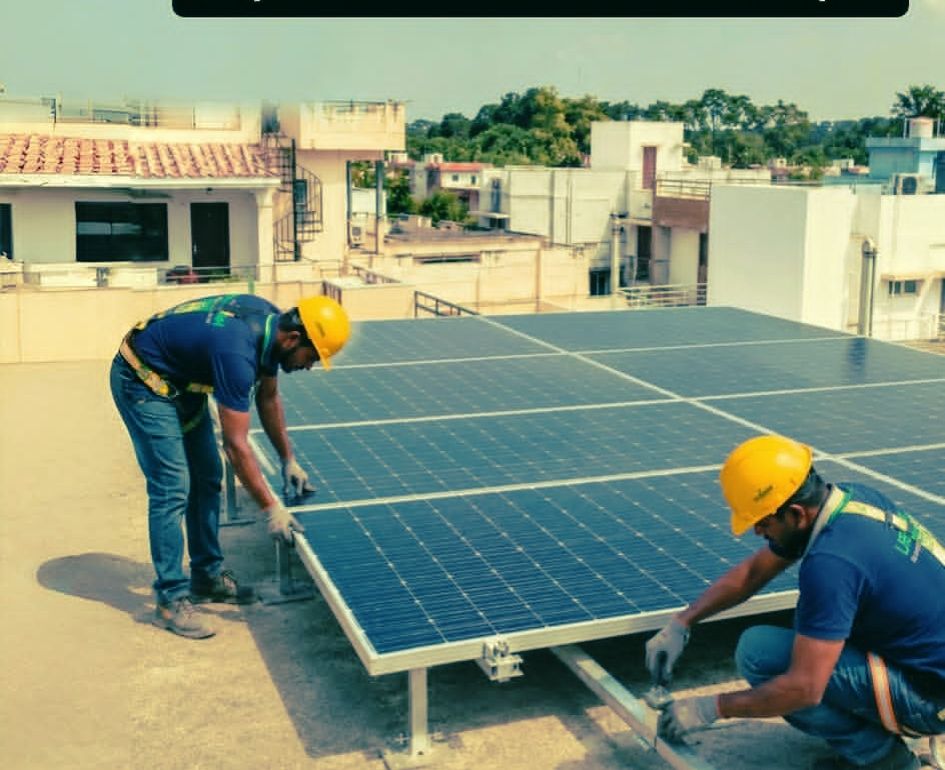
Ironically, the solution to this challenge may also represent one of India’s largest economic opportunities. Every rooftop solar installation creates a twenty-year service requirement involving cleaning, diagnostics, maintenance, monitoring, repairs, and performance optimization. This emerging ecosystem could generate hundreds of thousands of skilled jobs focused not on installing panels but on maximizing their long-term productivity. Progressive firms are already shifting toward business models that link revenues to energy generation rather than installation volume. Such approaches align incentives more effectively because profitability depends upon performance rather than merely completing projects. Investors increasingly view recurring service contracts as stable infrastructure assets capable of generating predictable long-term returns.
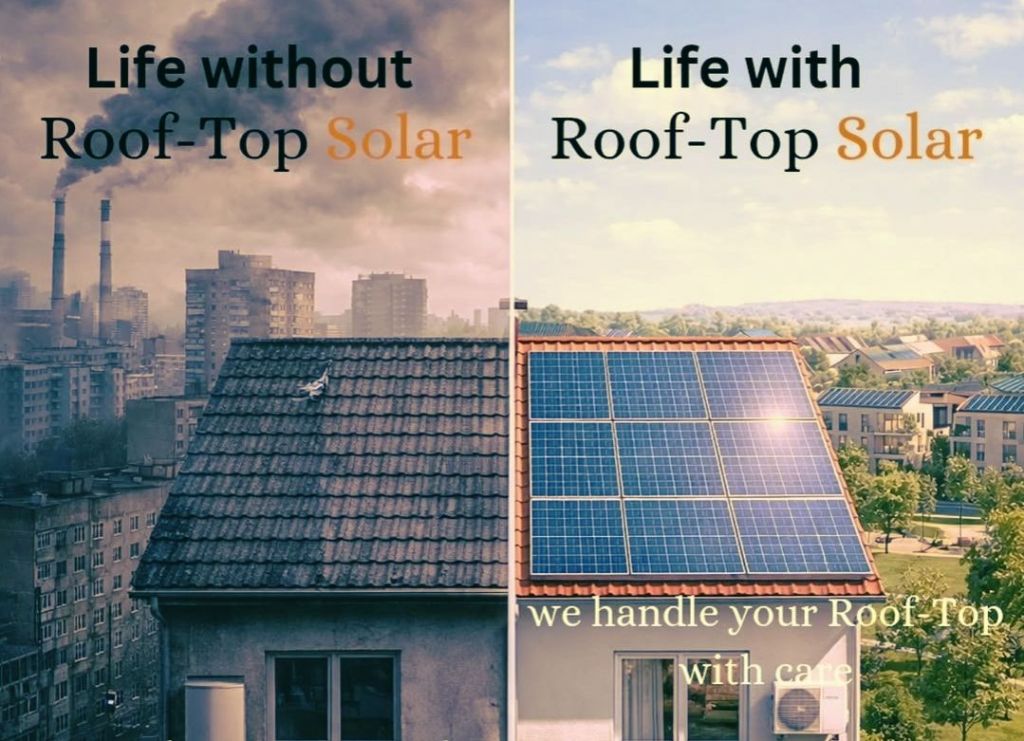
The future of India’s rooftop solar revolution therefore depends on a profound shift in policy thinking. Subsidies should increasingly reward verified generation rather than mere installation.
Maintenance obligations should become transparent, auditable, and enforceable. Consumer dashboards should simplify performance monitoring. Net-metering regulations should be harmonized across states, and approval processes must become faster and more predictable. Innovations such as community solar, virtual net metering, battery integration, and solar villages demonstrate that a more inclusive model is achievable. Ultimately, India’s challenge is not generating demand for rooftop solar—it is creating accountability for rooftop performance. Until every stakeholder assumes responsibility for long-term outcomes, the nation risks building millions of solar rooftops that look impressive from the sky but deliver far less energy on the ground. The next chapter of India’s energy transition will be determined not by how many panels are installed, but by how many continue generating value long after the inauguration photographs are forgotten.
VISIT ARJASRIKANTH.IN FOR MORE INSIGHTS

