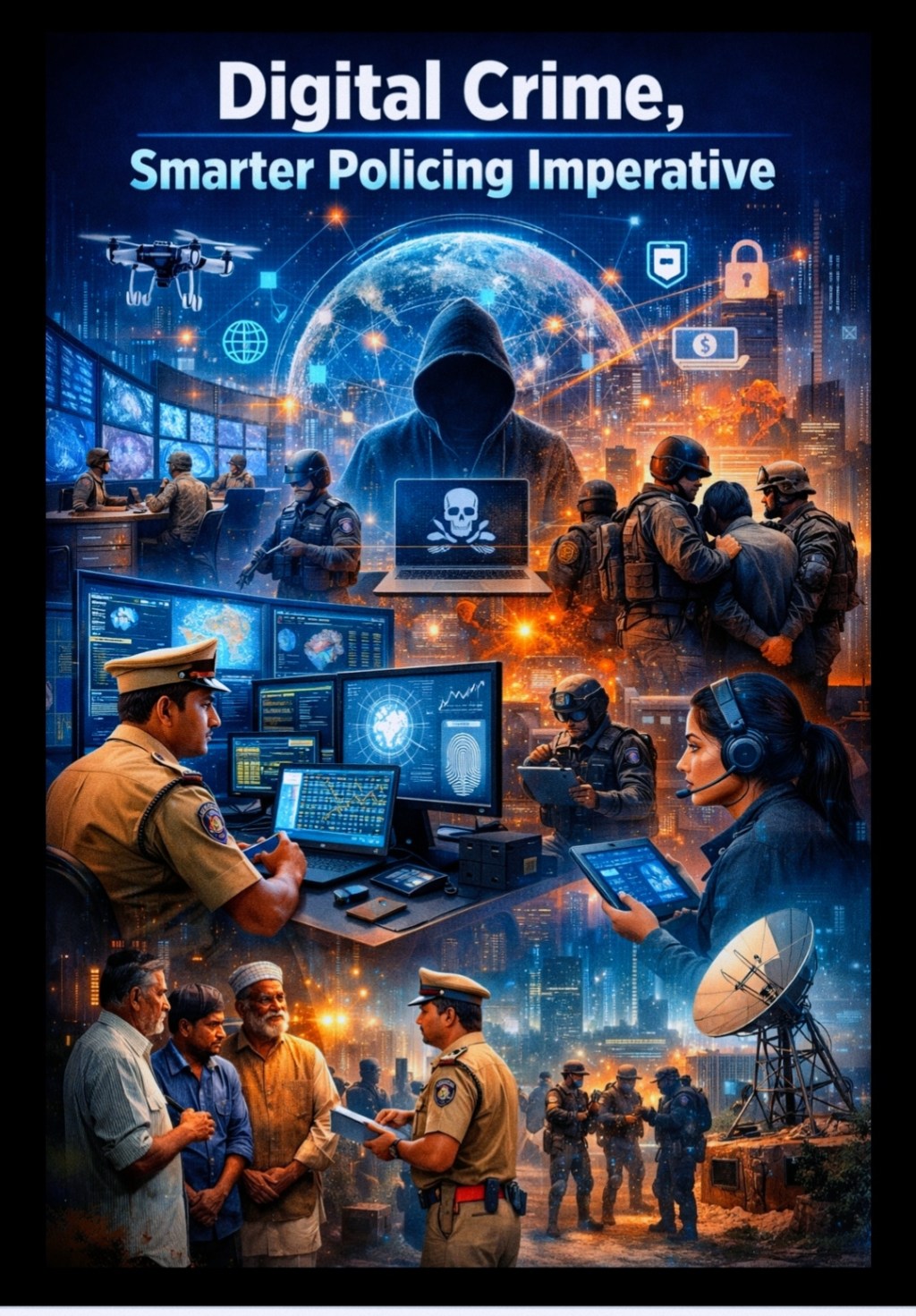
The image of policing in India remains trapped in the twentieth century. Public imagination still associates law enforcement with police stations, beat constables, informers, crime scenes, and post-incident investigations. Yet the threats confronting India today belong to a radically different age. Terrorist recruiters operate through encrypted messaging platforms, traffickers shift money through complex digital channels, cybercriminals attack from distant jurisdictions, and organized crime networks coordinate operations across continents without ever physically crossing borders. A hostile actor sitting thousands of kilometres away can now direct violence, radicalization, fraud, or extortion through local recruits who have never met their handlers. The uncomfortable reality is that while crime has become global, networked, and digital, policing remains largely local, fragmented, and reactive. The gap between the sophistication of modern criminals and the architecture of law enforcement is rapidly becoming one of India’s most significant national security vulnerabilities.

The nature of crime itself has undergone a fundamental transformation. Traditional criminals once operated within identifiable geographies and social circles. Today’s threats emerge from invisible ecosystems that connect small-time offenders with international syndicates, extremist organizations, financial fraud networks, and transnational criminal enterprises. Recent investigations reveal a disturbing pattern of “crime-terror franchising,” where international masterminds outsource operational tasks to local individuals with minor criminal backgrounds. These recruits are inexpensive, expendable, difficult to trace, and often absent from intelligence databases. The strategic genius of this model lies in its insulation. The masterminds remain hidden behind layers of intermediaries while local actors execute attacks, financial crimes, or logistical support. Modern crime increasingly resembles a multinational corporation, where leadership is distant and execution is decentralized.

This transformation demands a complete shift in policing philosophy. For decades, law enforcement was designed around a simple objective: identify criminals after a crime has occurred, gather evidence, and prosecute offenders. That model is increasingly inadequate in an era where a single attack can be coordinated across multiple countries and digital platforms within hours. Modern policing must move from reaction to anticipation. The challenge is no longer solving crimes alone; it is preventing crimes by identifying networks before they mature into threats. The distinction is profound. Traditional policing focuses on incidents. Modern policing must focus on ecosystems. Success can no longer be measured solely by arrests made after violence occurs. It must be measured by networks disrupted, vulnerabilities neutralized, and attacks prevented before they happen.
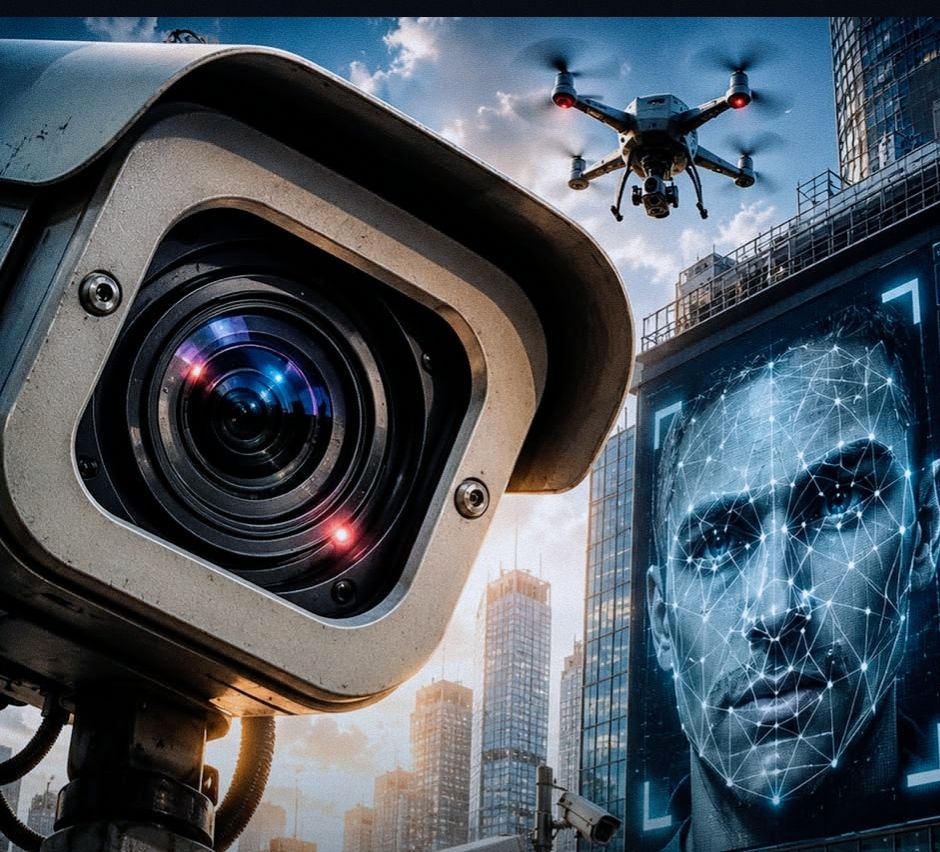
The most important lesson emerging from contemporary investigations is that criminals now leave digital footprints long before they leave physical footprints. Mobile phones, communication metadata, financial transactions, location histories, social media behavior, cryptocurrency transfers, cloud storage, and digital identities often reveal conspiracies months before weapons are recovered or suspects are apprehended. In this environment, the old investigative principle of “follow the suspect” is being replaced by a far more powerful doctrine: “follow the data.” Data has become the new witness, the new informant, and often the most reliable source of intelligence. Patterns hidden within digital ecosystems frequently expose networks that would remain invisible through conventional surveillance. The future detective will need to understand algorithms and data trails as deeply as previous generations understood neighborhoods and informers.
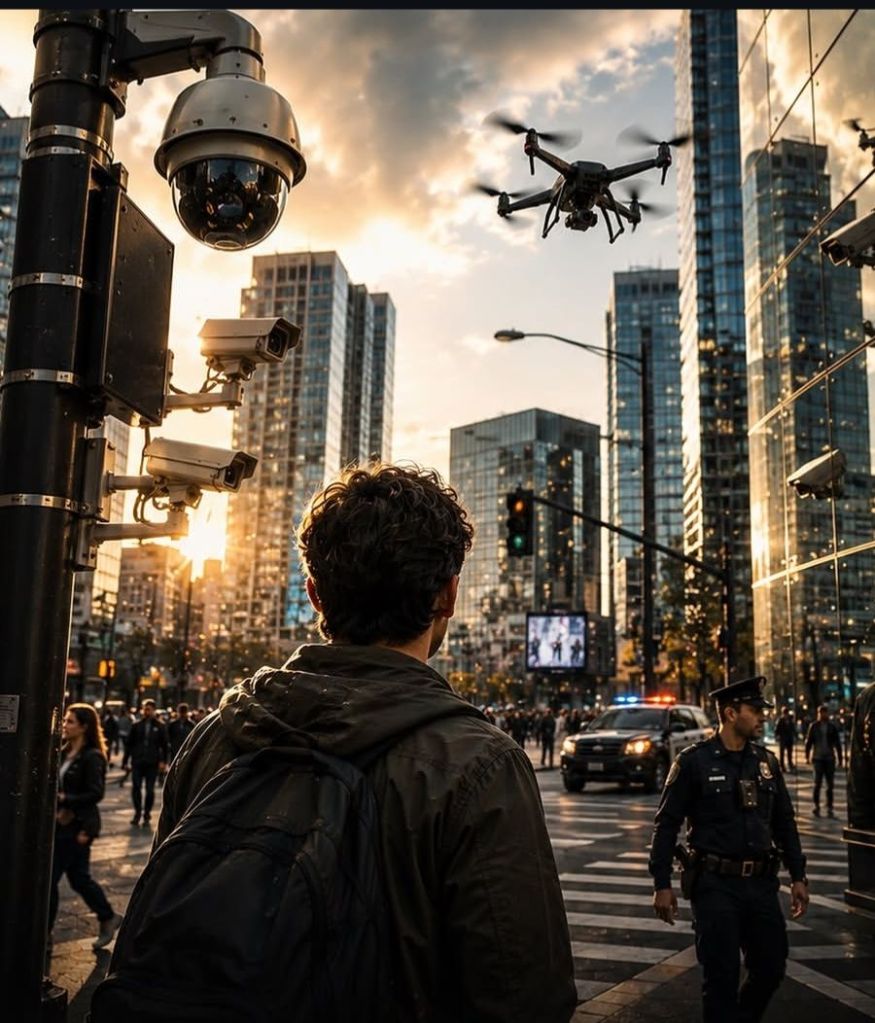
Unfortunately, India’s policing architecture remains constrained by structural weaknesses that criminals exploit with remarkable efficiency. The first challenge is jurisdictional fragmentation. Police and public order remain state subjects under the Constitution, while modern criminal enterprises operate seamlessly across states and international borders. Information frequently remains trapped within institutional silos, preventing investigators from constructing a complete threat picture. The second challenge is the digital capability gap. While criminals increasingly use encrypted communications, financial technologies, and sophisticated cyber tools, many police stations still lack advanced forensic capabilities. Critical evidence stored in mobile devices, cloud accounts, encrypted platforms, and digital wallets often remains inaccessible or underutilized. Investigations continue to depend disproportionately on confessions, eyewitness testimony, and conventional intelligence gathering methods.
Human resource limitations further deepen this challenge. Twenty-first-century policing requires a workforce that extends far beyond traditional law-and-order functions. Modern law enforcement increasingly needs cyber specialists, forensic accountants, blockchain investigators, behavioural analysts, artificial intelligence experts, digital intelligence professionals, and financial crime investigators. Yet police forces remain heavily burdened by routine administrative responsibilities, manpower shortages, and inadequate technological training. Political interference further compounds these weaknesses. Frequent transfers, short tenures, and external pressures undermine institutional continuity and discourage long-term planning. Technology modernization, intelligence integration, and capacity building require strategic commitment that transcends electoral cycles. Without institutional stability, modernization becomes episodic rather than transformational.
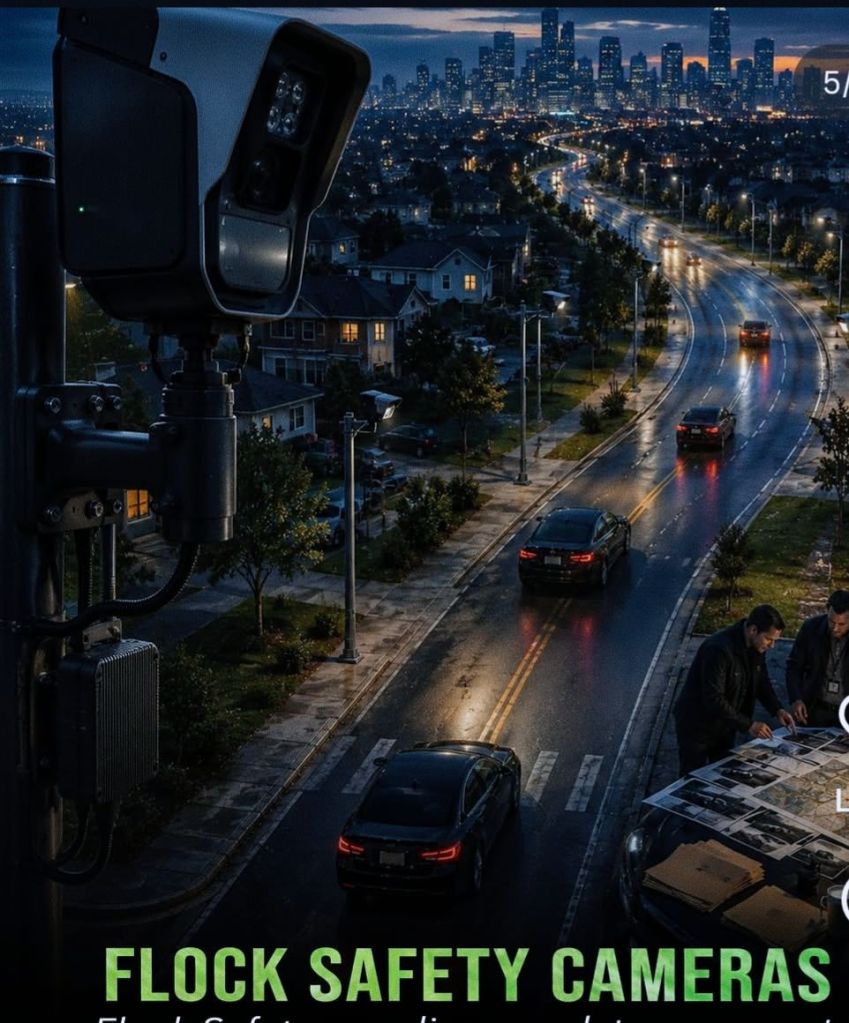
The solution lies not in incremental reform but in a comprehensive reinvention of policing architecture. India urgently requires a National Transnational Crime Fusion Centre capable of integrating intelligence from state police forces, central agencies, financial regulators, immigration systems, cyber institutions, and international partners. Information sharing must become real-time rather than bureaucratic. Criminal networks operate at digital speed; law enforcement cannot afford administrative delays measured in days or weeks. Simultaneously, digital forensics must become a core policing competency rather than a specialized function. Every police station should possess the capacity to preserve, image, and analyze digital evidence. Every Station House Officer should understand financial trail analysis, metadata interpretation, cyber investigation fundamentals, and digital evidence preservation. In the digital era, technological literacy is as essential as firearms training.
Artificial intelligence and predictive analytics must also become integral components of policing strategy.
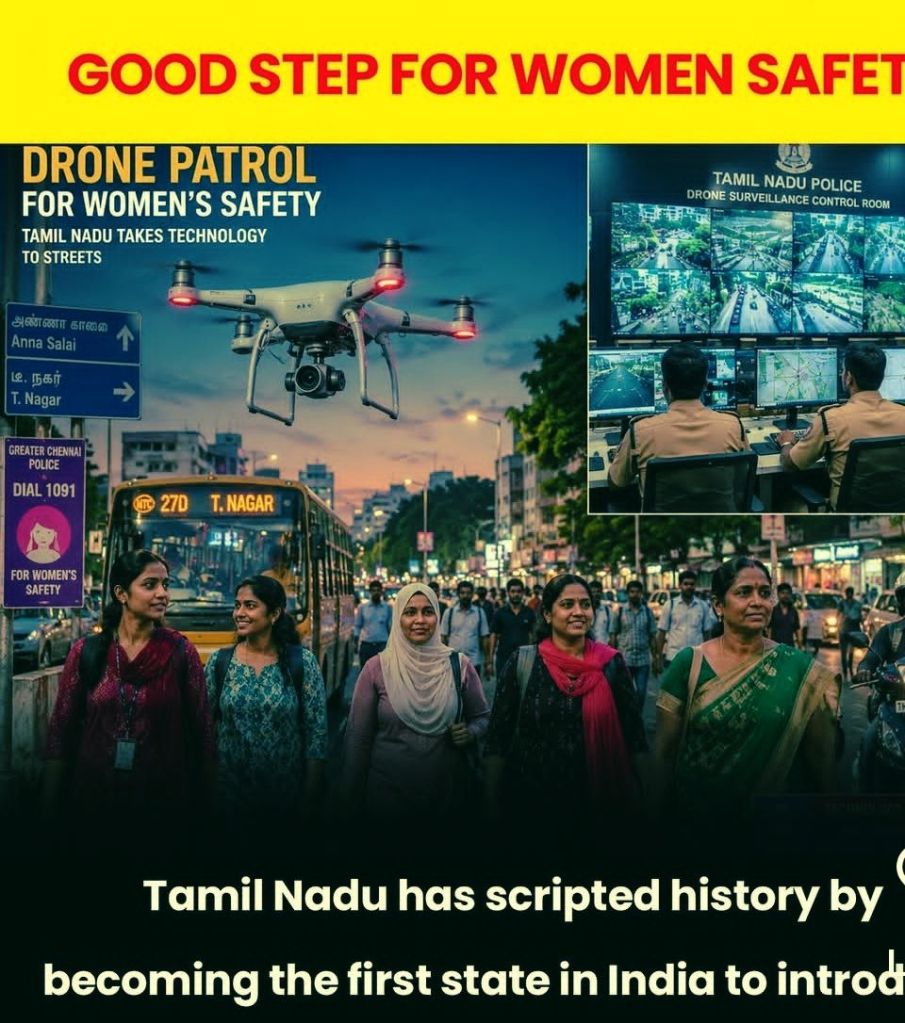
Data-driven systems can identify suspicious transaction patterns, unusual communication clusters, radicalization signals, emerging criminal networks, and recurring behavioral anomalies long before traditional intelligence mechanisms detect them. The objective is not indiscriminate surveillance but intelligent prevention. At the same time, community policing must remain central to the future security architecture. Technology can enhance human intelligence, but it cannot replace trust. The beat constable of tomorrow must evolve into a community intelligence professional who understands local vulnerabilities, social dynamics, and emerging risks. Local knowledge remains the first line of defense against radicalization, trafficking, organized crime, and extremist recruitment. Technology without trust is blind; trust without technology is insufficient.
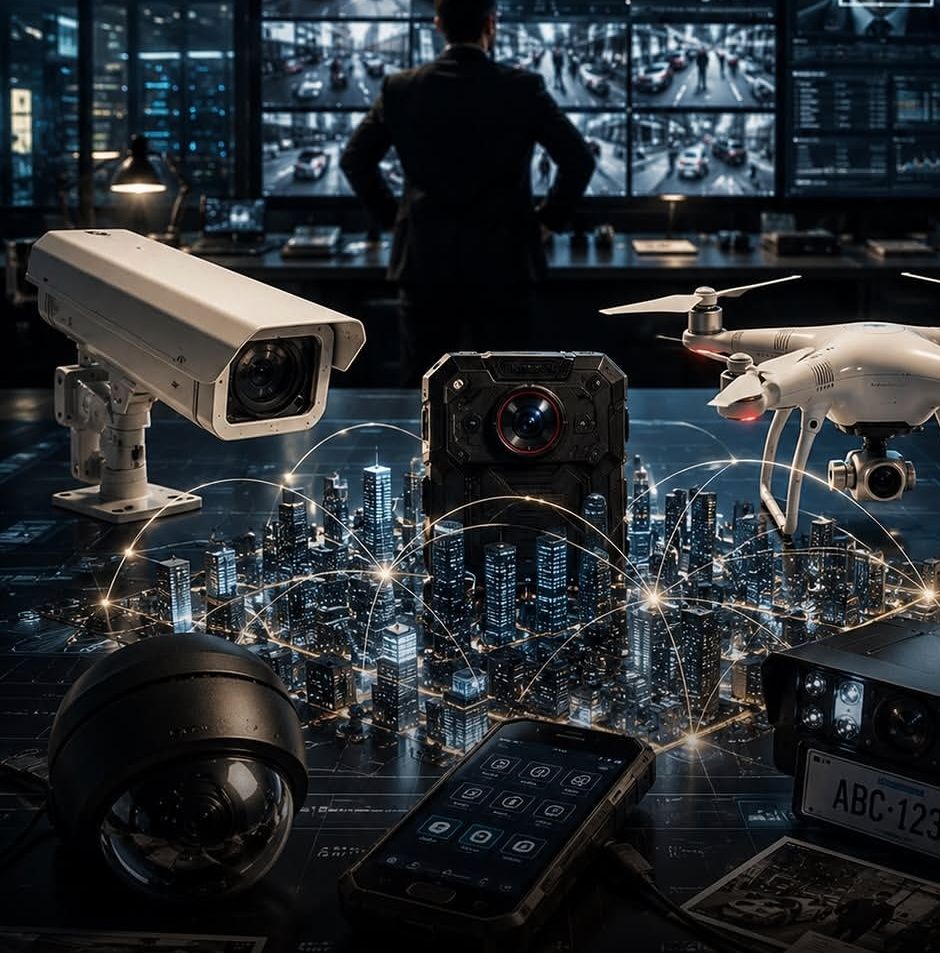
India stands at a decisive crossroads. One path leads to a policing model perpetually reacting to increasingly sophisticated threats, always one step behind criminal innovation. The other leads to an intelligent, integrated, technology-driven security architecture capable of protecting a rapidly digitizing nation. The future battlefield of policing will not primarily be streets, markets, or railway stations. It will be data networks, encrypted communications, financial ecosystems, dark-web marketplaces, and transnational criminal architectures. The police officer of tomorrow will need to understand metadata as much as manpower, algorithms as much as alleys, and digital ecosystems as much as district boundaries. In the age of networked crime, policing is no longer merely a law-and-order function. It is a national security mission. The question before India is not whether policing must modernize, but whether it can modernize fast enough to confront the invisible networks shaping the threats of the future.
VISIT AJRASRIKANTH.IN FOR MORE INSIGHTS

