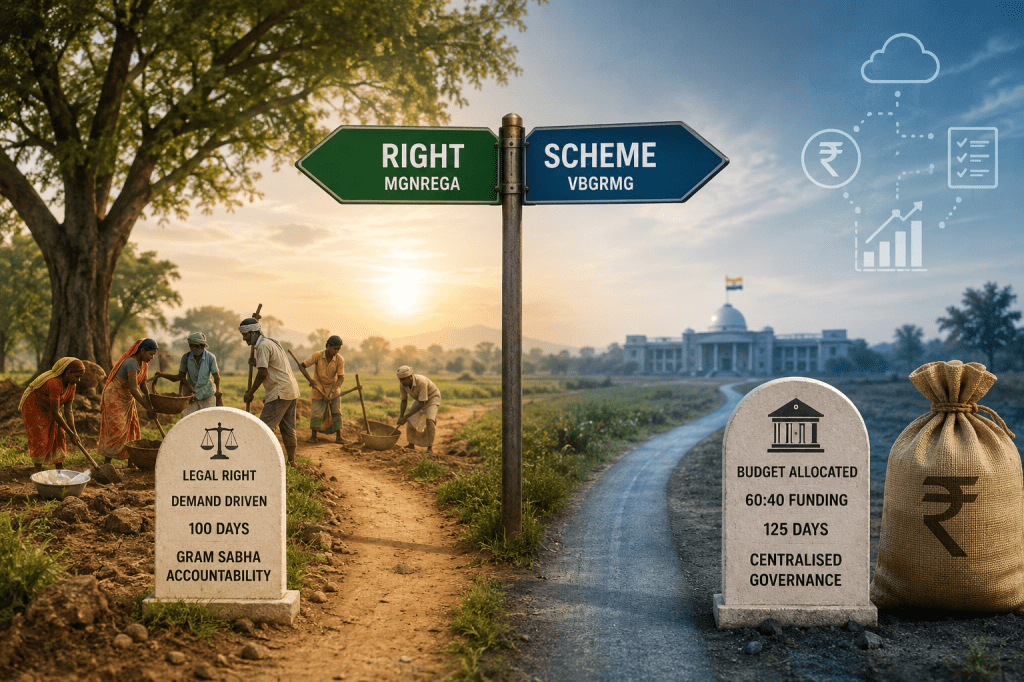
India’s rural employment architecture has entered one of the most consequential transitions since the enactment of the Mahatma Gandhi National Rural Employment Guarantee Act (MGNREGA). The introduction of the Viksit Bharat – Guarantee for Rozgar and Ajeevika Mission (Gramin) (VBGRMG) Act, 2025, effective from July 2026, is far more than an administrative restructuring of a flagship welfare programme. It represents a profound constitutional, fiscal and ideological reorientation of the relationship between the State and its citizens. While public attention has largely focused on the enhancement of guaranteed employment from 100 to 125 days, the deeper transformation lies in the shift from a legally enforceable employment right to a centrally administered programme governed by fiscal ceilings and executive discretion. The debate, therefore, is not about the number of workdays but about the changing philosophy of welfare governance in India.
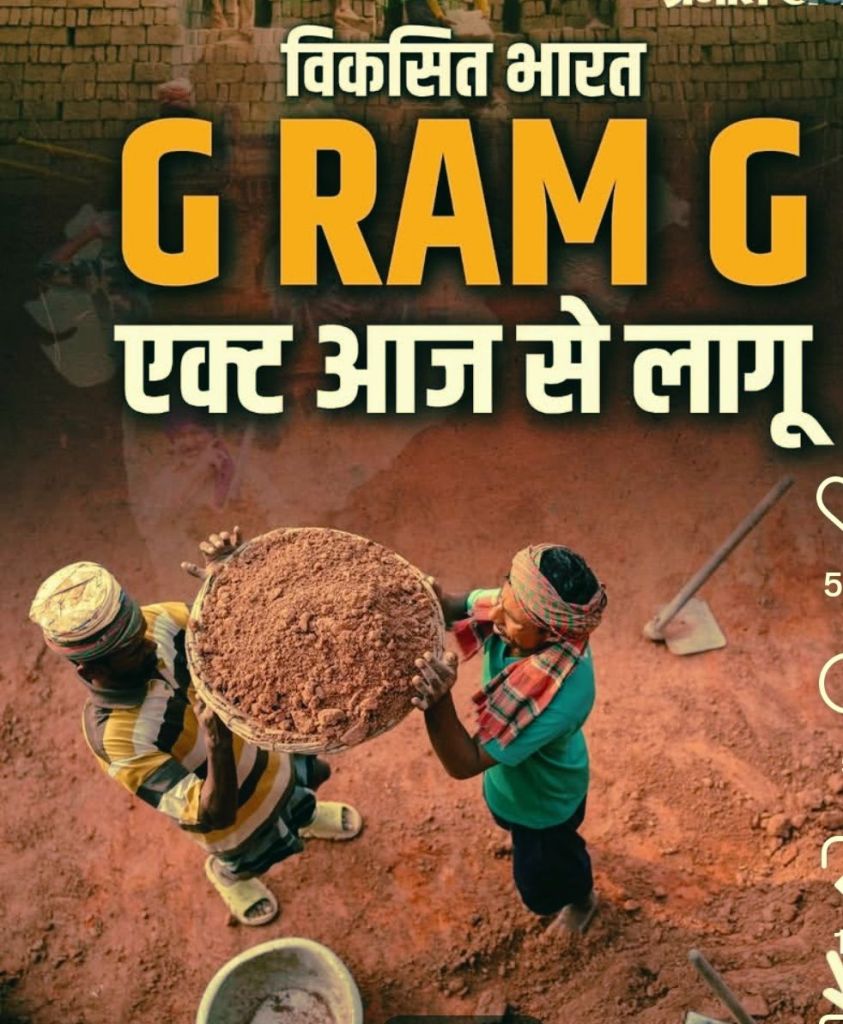
MGNREGA was conceived as a landmark rights-based legislation rooted in Articles 38, 39 and 41 of the Constitution, embodying the Directive Principles of State Policy that seek to promote social and economic justice. Employment under the Act was not a matter of governmental benevolence but a statutory entitlement. Its architecture was fundamentally demand-driven: whenever an eligible rural household sought employment, the State was legally obliged to provide work or compensate through unemployment allowance. VBGRMG fundamentally alters this principle by introducing “normative allocations”, whereby employment generation is linked to predetermined financial ceilings rather than actual demand. Consequently, the guarantee of employment gradually shifts from being a legally enforceable obligation to becoming contingent upon annual budgetary provisions. This subtle but significant transformation converts constitutional accountability into administrative discretion, thereby redefining the social contract between the citizen and the State.
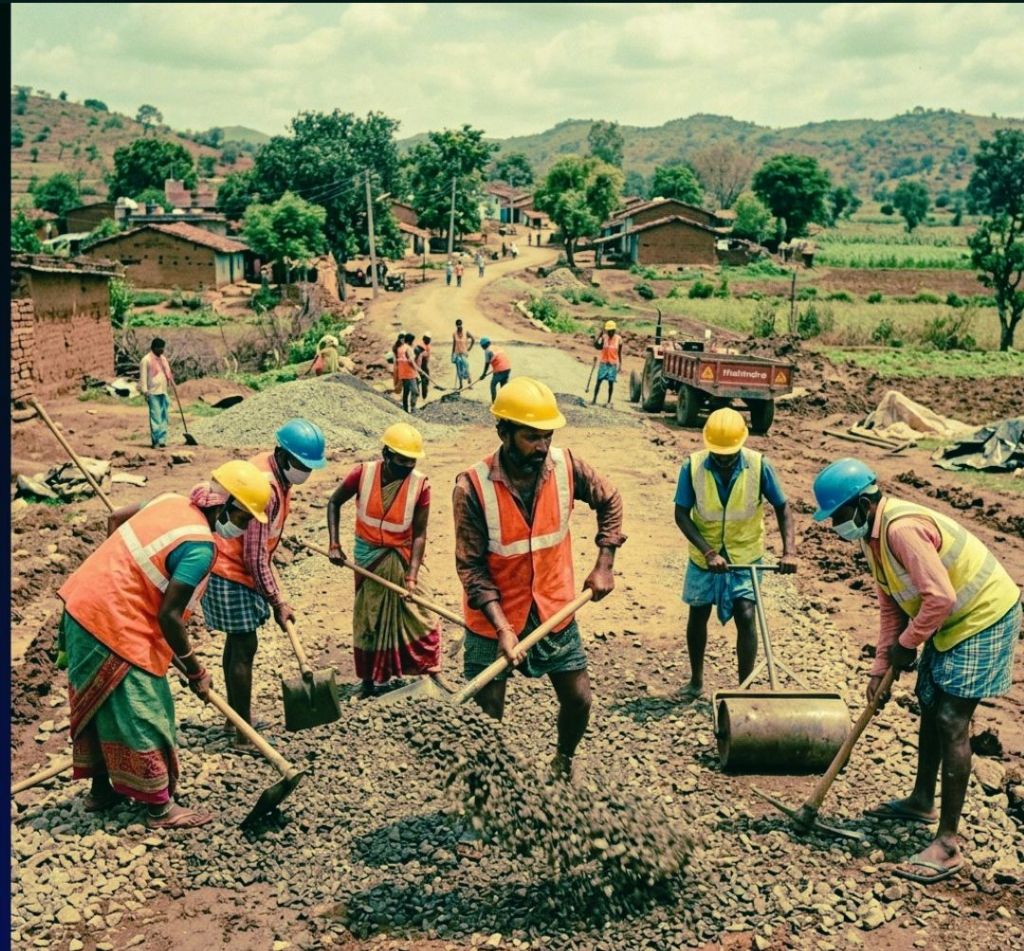
Equally transformative is the legislation’s impact on India’s model of fiscal federalism. Under MGNREGA, the Union Government assumed responsibility for almost the entire wage component, leaving states to contribute only about ten per cent of programme expenditure. VBGRMG introduces a substantially different fiscal architecture by adopting a 60:40 Centre-State cost-sharing ratio for most states while retaining the 90:10 arrangement for Himalayan and North-Eastern states. This policy shift is expected to raise the combined financial burden on states from nearly ₹7,700 crore in FY 2024–25 to approximately ₹51,000 crore by FY 2026–27. Such an escalation comes at a time when most states are already grappling with mounting public debt, rising committed expenditure on salaries and pensions, and borrowing constraints imposed under the Fiscal Responsibility and Budget Management (FRBM) framework. The result is the creation of an unfunded mandate in which constitutional responsibilities expand even as fiscal flexibility diminishes.
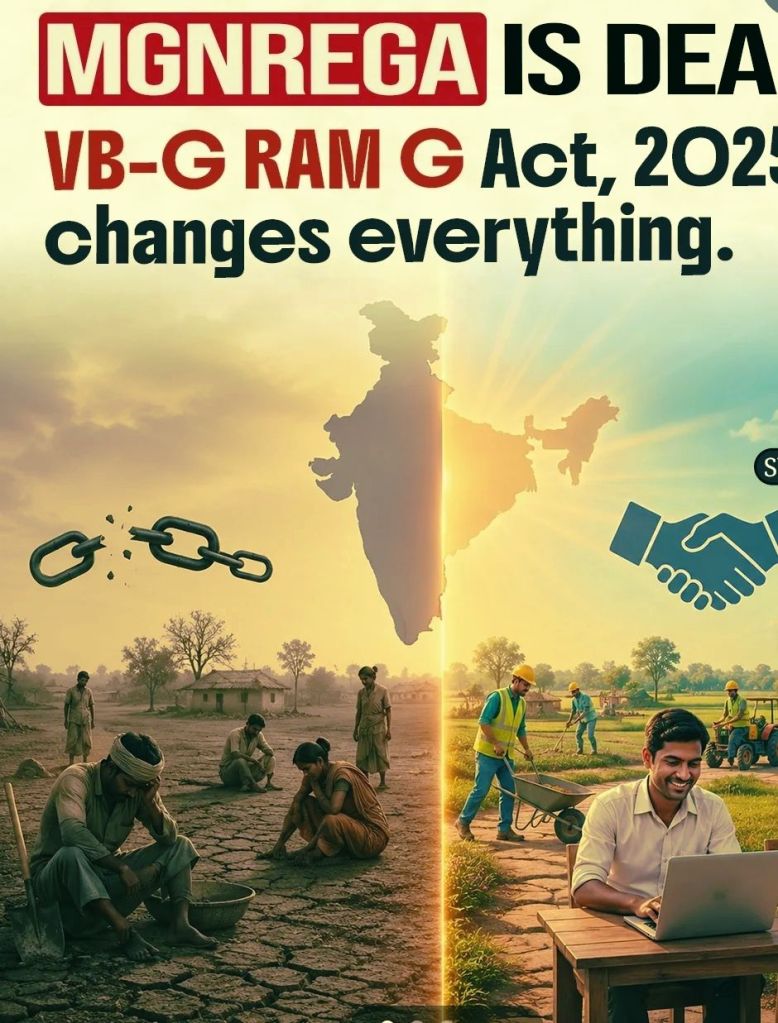
Karnataka provides a compelling illustration of the emerging fiscal challenge. During FY 2024–25, nearly 89 lakh households were registered under MGNREGA, although only around 29 lakh households actually sought employment, averaging approximately 45 workdays. Under the earlier financing model, the state’s contribution was roughly ₹570 crore. Under the new cost-sharing arrangement, sustaining the same level of employment could require nearly ₹2,600 crore from the state exchequer. If every registered household were to exercise its entitlement and demand 100 days of employment at prevailing wage rates, Karnataka’s financial obligation could potentially approach ₹27,000 crore. Faced with finite allocations and fiscal limitations, state governments may be compelled to ration employment, defer project approvals or restrict demand registration, thereby weakening the practical effectiveness of the employment guarantee while simultaneously creating tensions with statutory wage obligations and labour protections.
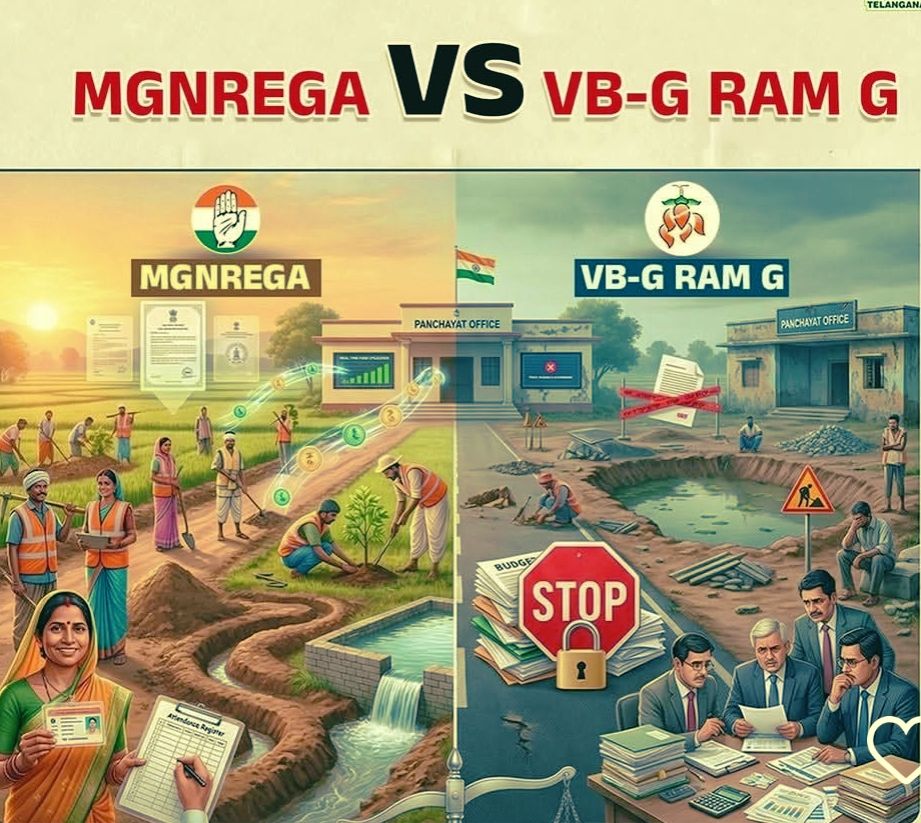
Beyond the fiscal dimension lies an equally significant institutional transformation. MGNREGA was globally recognised not merely for creating employment but for institutionalising participatory democracy through Gram Sabhas, decentralised planning, social audits, vigilance committees and community-led monitoring. These mechanisms ensured that rural development priorities emerged from local communities rather than administrative hierarchies. VBGRMG proposes a more centralised governance framework through the Viksit Bharat National Rural Infrastructure Stack, integrating geospatial mapping, digital asset planning and national performance monitoring systems. While such technologies can undoubtedly enhance efficiency, transparency and project quality, excessive centralisation risks diminishing the autonomy of Gram Sabhas and reducing the role of local institutions in determining developmental priorities. Democratic accountability may gradually shift from community oversight towards bureaucratic compliance, fundamentally altering the participatory character of rural governance.
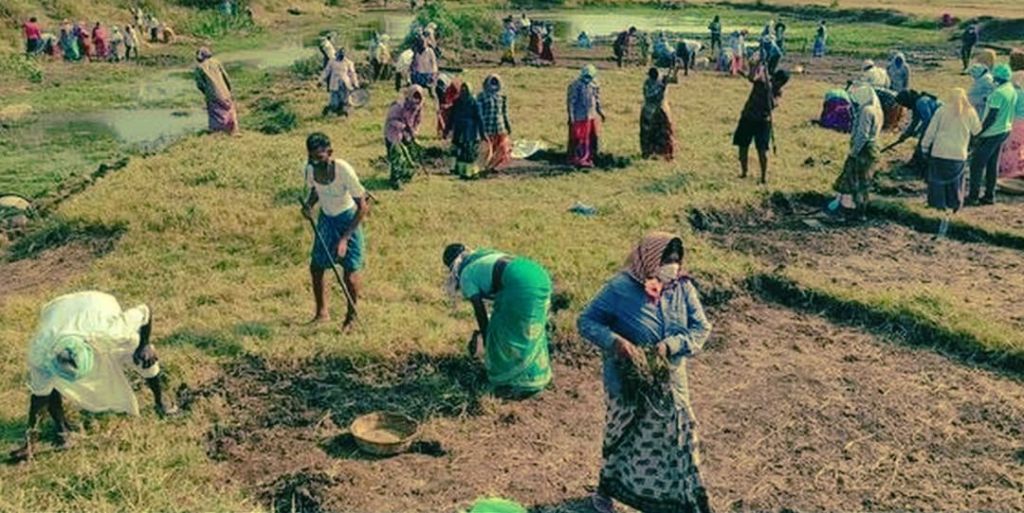
The labour market implications are equally profound. MGNREGA functioned not only as a public employment programme but also as an institutional wage floor that strengthened the bargaining power of rural workers in private labour markets. By guaranteeing alternative employment, it prevented excessive wage suppression during periods of rural distress. Should fiscal constraints compel states to restrict employment under VBGRMG, this protective mechanism may gradually weaken. Private employers could benefit from a larger pool of workers willing to accept lower wages, while landless labourers, marginal farmers, migrant workers and rural women may experience declining bargaining power. Furthermore, the provision permitting suspension of programme implementation for up to 60 days during peak agricultural seasons introduces additional vulnerabilities, particularly during years marked by crop failures, climate-induced disasters or localised economic shocks when households may simultaneously require agricultural work and employment security.
Technology, while offering unprecedented opportunities for transparency and efficiency, introduces its own set of governance challenges. Aadhaar-based attendance, biometric authentication, facial recognition systems and Direct Benefit Transfers are designed to minimise leakages and improve accountability. However, implementation realities in rural India remain uneven. Agricultural labour often erodes fingerprints, unreliable internet connectivity disrupts authentication, electricity outages impede digital attendance systems, and limited digital literacy disproportionately affects elderly workers, women and tribal communities. When digital authentication becomes the gateway to accessing welfare, even minor technological failures can translate into denial of wages for the poorest citizens. Digital governance undoubtedly enhances administrative efficiency, but technological sophistication cannot become a substitute for accessibility, inclusion and procedural fairness. Welfare systems must remain resilient enough to accommodate those whom technology unintentionally excludes.
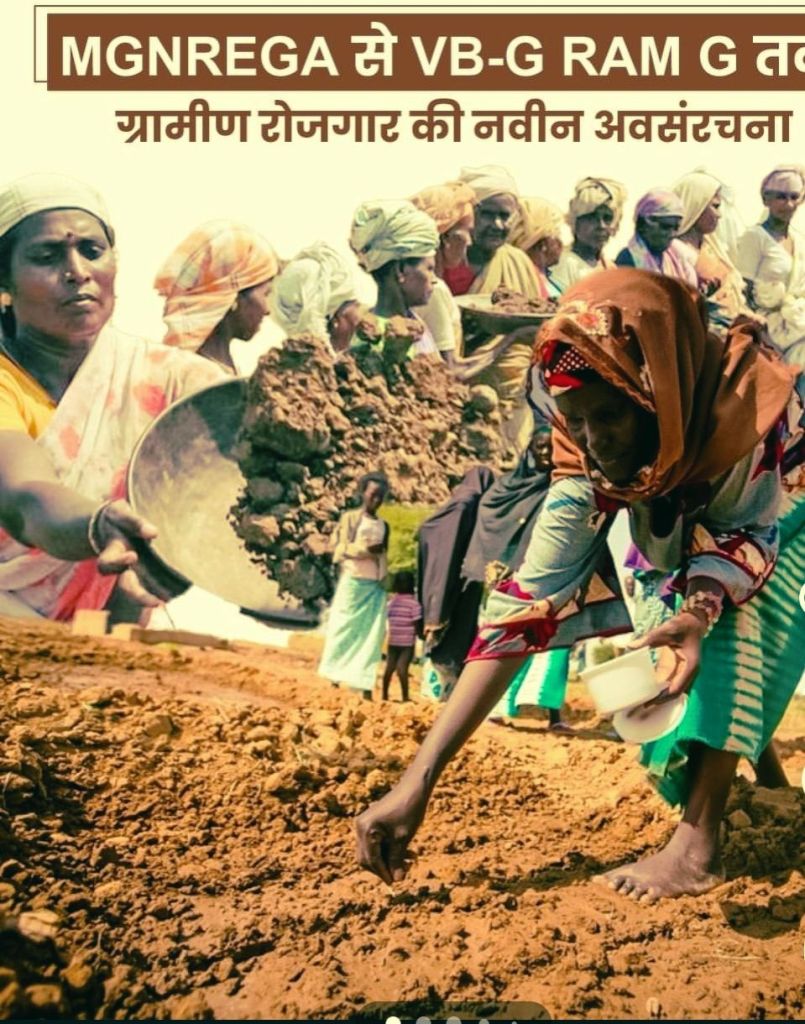
The transition from MGNREGA to VBGRMG should therefore be viewed neither as an unequivocal advancement nor as an outright regression, but as a pivotal moment requiring careful institutional balance. Enhancing guaranteed employment to 125 days, promoting climate-resilient infrastructure, integrating scientific planning through geospatial technologies, strengthening water conservation and adopting outcome-based monitoring are progressive reforms capable of improving rural development outcomes. Yet lasting success will depend upon preserving the constitutional spirit that originally inspired rural employment legislation. A phased fiscal transition, enhanced Union support for fiscally weaker states, performance-based incentives rather than rigid expenditure caps, continued empowerment of Gram Sabhas, robust offline verification mechanisms and the preservation of legally enforceable employment rights would create a more balanced and sustainable framework. Ultimately, the success of VBGRMG will not be judged by the number of digital platforms created or schemes announced, but by whether India’s rural poor continue to experience employment as a constitutional guarantee rather than a budget-dependent administrative concession. In a mature constitutional democracy, fiscal prudence and technological modernisation must reinforce—not replace—the enduring commitment to social justice.
VISIT ARJASRIKANTH.IN FOR MORE INSIGHTS

