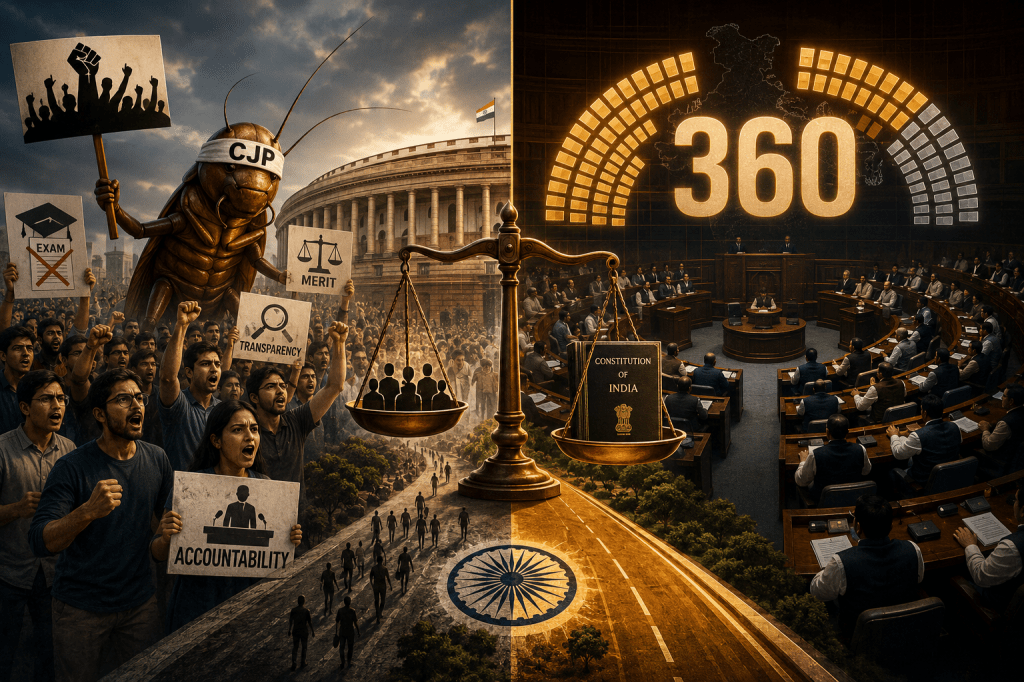
History repeatedly reminds democracies that political legitimacy is secured not merely through electoral victories but through the continuous ability of governments to respond to public aspirations, institutional failures, and democratic dissent. India today stands at an extraordinary constitutional crossroads where two powerful expressions of democracy are unfolding simultaneously. Outside Parliament, thousands of young citizens, rallying under the satirical yet symbolically potent banner of the “Cockroach Janta Party” (CJP), have transformed public frustration over examination irregularities and institutional accountability into a nationwide civic movement. Inside Parliament, the ruling establishment remains intensely focused on the political arithmetic of achieving the much-discussed 360-seat threshold that could provide the constitutional strength required for far-reaching legislative and constitutional reforms. The simultaneous pursuit of public legitimacy on the streets and constitutional legitimacy within Parliament has emerged as one of the defining political narratives shaping contemporary India.

The rise of the Cockroach Janta Party represents far more than a social media phenomenon or internet satire. It reflects a profound transformation in democratic participation led by Generation Z—a generation that has grown up in an era where digital communication, instantaneous information, and public scrutiny coexist with rising expectations of transparency and meritocracy. Triggered by widespread outrage over alleged irregularities in competitive examinations, particularly the NEET controversy, the movement converted online humour into organised civic mobilisation. By embracing the derogatory label “cockroach,” protesters inverted ridicule into resistance, demonstrating how political symbolism can unite dispersed public sentiment. Their movement is not rooted in ideological confrontation but in a demand for institutional credibility, administrative accountability, and equal opportunity. Their message is remarkably simple: public institutions entrusted with the future of millions must remain beyond suspicion, and those responsible for systemic failures must be prepared to accept responsibility.
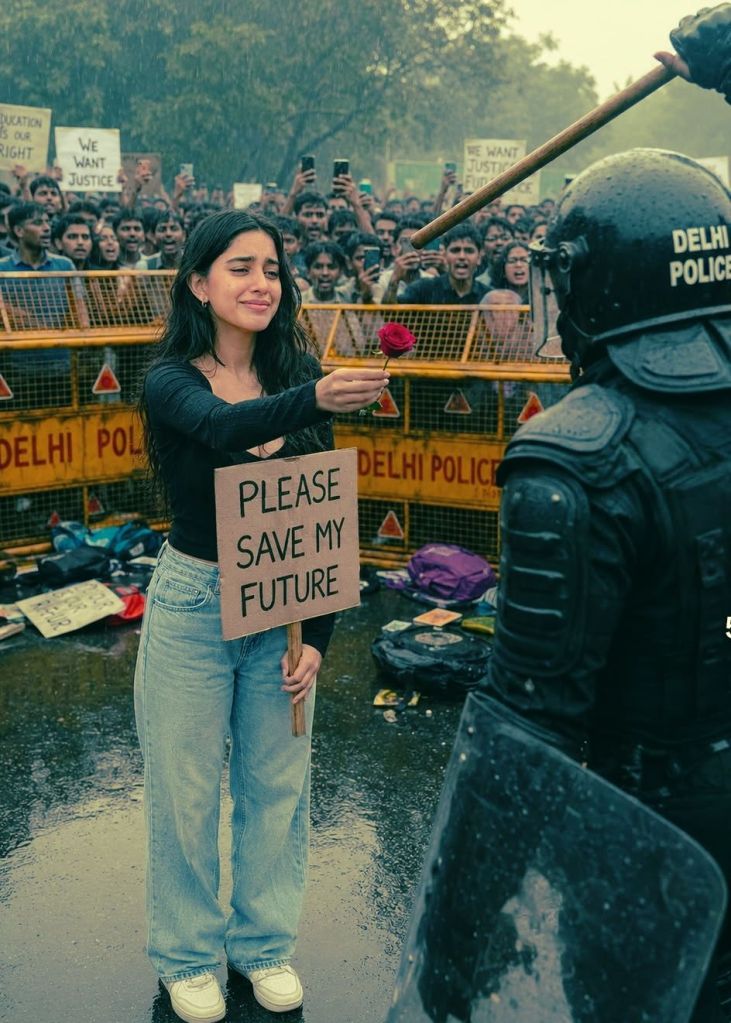
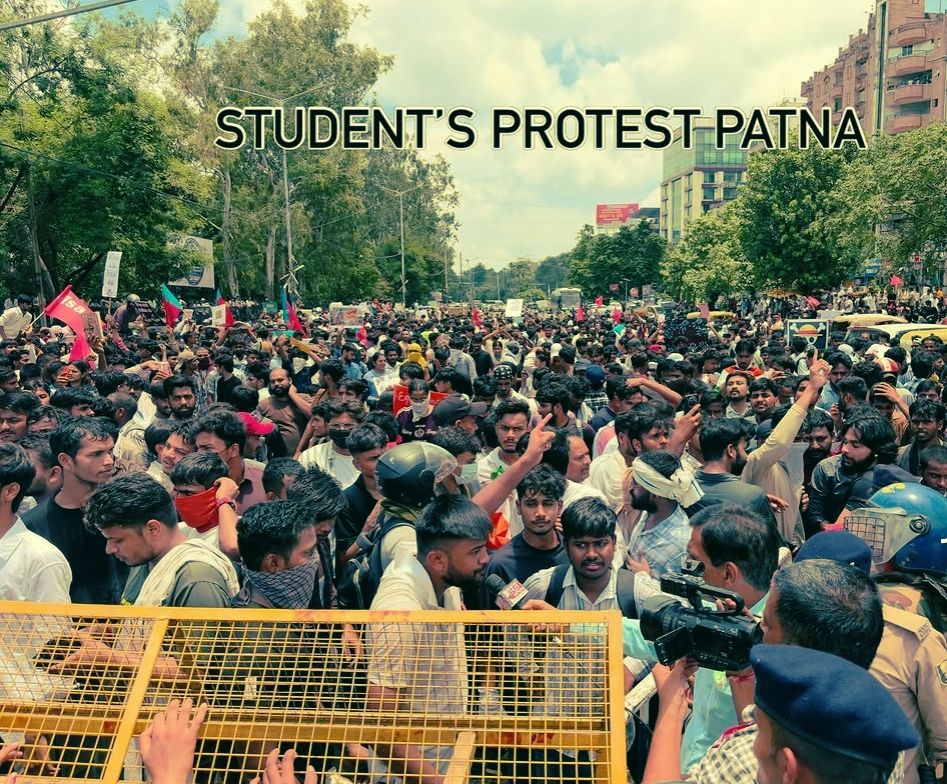
What distinguishes this mobilisation is its constitutional character rather than its political affiliation. Peaceful demonstrations, student marches, hunger strikes, digital campaigns, and gatherings around Parliament reflect an evolving democratic culture where accountability has become the central political currency. For many young Indians, ministerial responsibility is no longer viewed as an abstract constitutional convention but as a practical test of democratic ethics. They argue that governments cannot celebrate administrative successes while distancing themselves from institutional failures that directly affect citizens’ lives. Their demands extend beyond examination reforms to a broader expectation that governance should be transparent, responsive, and answerable. Whether every demand is accepted or debated, the movement signals a generational redefinition of democratic expectations in which credibility increasingly outweighs political rhetoric.

The government’s response illustrates the inherent complexity of balancing democratic freedoms with constitutional responsibilities. Security deployments, barricades, regulated access around Parliament, preventive policing, and measures to ensure uninterrupted legislative functioning reflect the State’s obligation to preserve public order and institutional continuity. Every constitutional democracy must safeguard both peaceful protest and the functioning of its legislative institutions. Yet democratic maturity is measured not only by maintaining law and order but by convincing citizens that peaceful dissent is genuinely heard rather than merely managed. Public trust deepens when governments acknowledge concerns with openness, initiate corrective action where necessary, and demonstrate that institutions remain capable of learning from criticism instead of becoming defensive in the face of it.
While democratic energy animated the streets, Parliament became the stage for an equally consequential constitutional calculation. The pursuit of “Mission 360” symbolises far more than an electoral target; it represents an effort to secure the two-thirds parliamentary majority necessary to undertake significant constitutional amendments and structural governance reforms. Such a majority could facilitate initiatives relating to delimitation, the implementation of women’s reservation following delimitation, institutional restructuring, and other constitutional changes requiring broad legislative support. Parliamentary arithmetic therefore assumes exceptional importance. Every alliance, legislative negotiation, cross-party understanding, abstention, and political realignment potentially influences the future constitutional architecture of the Republic. Inside Parliament, numbers translate into constitutional authority capable of reshaping institutions for decades.
This simultaneous unfolding of protest and parliamentary strategy presents one of the most fascinating democratic paradoxes in India’s constitutional journey. Outside Parliament, citizens seek moral legitimacy through public participation, civic engagement, and demands for accountability. Inside Parliament, elected representatives pursue constitutional legitimacy through legislative procedure and numerical strength. Both derive their authority from democratic principles, yet each operates through a different institutional logic. Public movements derive influence from persuasion, public sentiment, and moral credibility, whereas parliamentary democracy functions through constitutional processes, electoral mandates, and legislative majorities. Neither sphere can permanently disregard the other. Governments possessing overwhelming parliamentary strength but declining public confidence may face growing political resistance, while popular movements lacking institutional translation often struggle to produce durable policy outcomes.

The broader implications extend well beyond one examination controversy or one constitutional objective. They illuminate the changing relationship between citizens, technology, institutions, and political authority in twenty-first-century democracies. Generation Z increasingly organises through decentralised digital networks, issue-based campaigns, and rapid information sharing rather than conventional party structures. Simultaneously, governments across the world are discovering that electoral mandates, while indispensable, no longer guarantee sustained public legitimacy in an era of continuous scrutiny.
Institutional credibility now depends upon transparency, responsiveness, independent oversight, and timely corrective action. India’s evolving democratic landscape demonstrates that accountability is no longer confined to election cycles; it is exercised daily across digital platforms, judicial forums, media spaces, civil society, and legislative institutions.

Ultimately, India’s democratic strength will not be determined solely by whether protesters sustain their mobilisation or whether the government eventually secures the coveted 360-seat parliamentary majority. The enduring measure of constitutional success will lie in whether public accountability and constitutional authority reinforce rather than weaken one another. Constitutional amendments may reshape governance structures, but lasting legitimacy arises only when citizens continue to trust the fairness, transparency, and responsiveness of the institutions that govern them. Democracies flourish when criticism strengthens governance, when parliamentary power remains accountable to public confidence, and when constitutional processes accommodate both reform and dissent. The voices outside Parliament and the numbers inside Parliament are not rival democracies—they are complementary expressions of the same Republic, reminding India that the true strength of constitutional governance lies not merely in commanding majorities, but in continuously earning the confidence of its people.
VISIT ARJASRIKANTH.IN FOR MORE INSIGHTS


One response to ““360 Dreams, Cockroach Screams, and the Republic’s Loudest Constitutional Mirror””
what a balanced article with outstanding insights as to how institutionalised democracy and citizens have responsibilities and measure up responses and how they are shaping the future. Delighted Sir
LikeLike