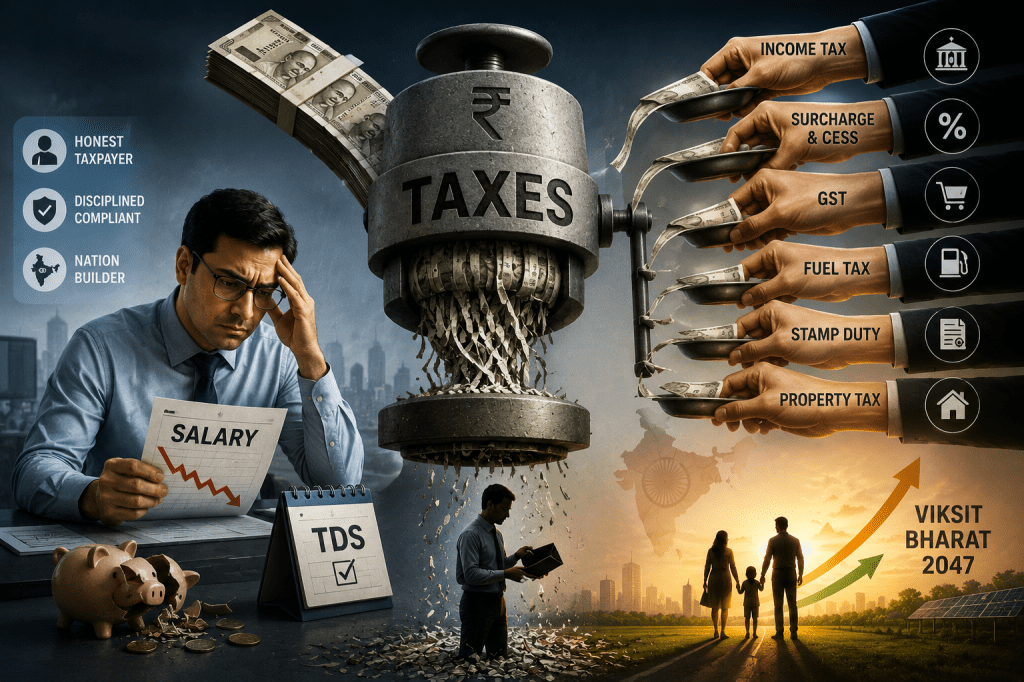
Every modern state depends upon taxation to finance public goods, build infrastructure, strengthen institutions, and promote inclusive economic growth. Yet the legitimacy of taxation rests not merely on the government’s power to collect revenue but on the citizen’s perception of fairness. In India, no constituency contributes to the national exchequer with greater certainty than the salaried class. Their taxes are deducted at source before salaries reach their bank accounts, leaving virtually no room for concealment, deferment, or tax arbitrage. However, their fiscal obligation does not conclude with income tax. Salaried employees navigate a multi-layered taxation ecosystem comprising progressive income tax, surcharge, Health and Education Cess, Goods and Services Tax (GST), fuel taxes, stamp duties, municipal levies, and numerous indirect charges embedded within everyday consumption.
Consequently, the same income is taxed repeatedly—when it is earned, when it is spent, and often when the assets created from it are transferred. While taxation is indispensable for nation-building, repeated taxation on the same income inevitably raises fundamental questions about fiscal equity and whether India’s most compliant taxpayers are gradually becoming its most overburdened contributors.

The New Tax Regime has undoubtedly introduced welcome reforms by simplifying tax slabs, increasing the rebate threshold, and making annual income up to ₹12.75 lakh effectively tax-free through rebates and the standard deduction. Nevertheless, the burden rises steeply for middle and upper-middle-income professionals. Income exceeding ₹24 lakh immediately enters the highest 30 percent tax slab, while earnings above ₹50 lakh attract surcharges that progressively increase the effective tax liability. Once surcharge and the mandatory 4 percent Health and Education Cess are incorporated, the effective marginal tax burden for high-income salaried individuals rises significantly above the headline tax rate. Although cess is presented as a dedicated levy for social development, it is imposed on both the income tax and surcharge, thereby compounding the overall liability. Unlike divisible tax revenues constitutionally shared with states, cesses largely remain outside the normal devolution framework, prompting legitimate discussions on transparency, utilisation, and long-term accountability.
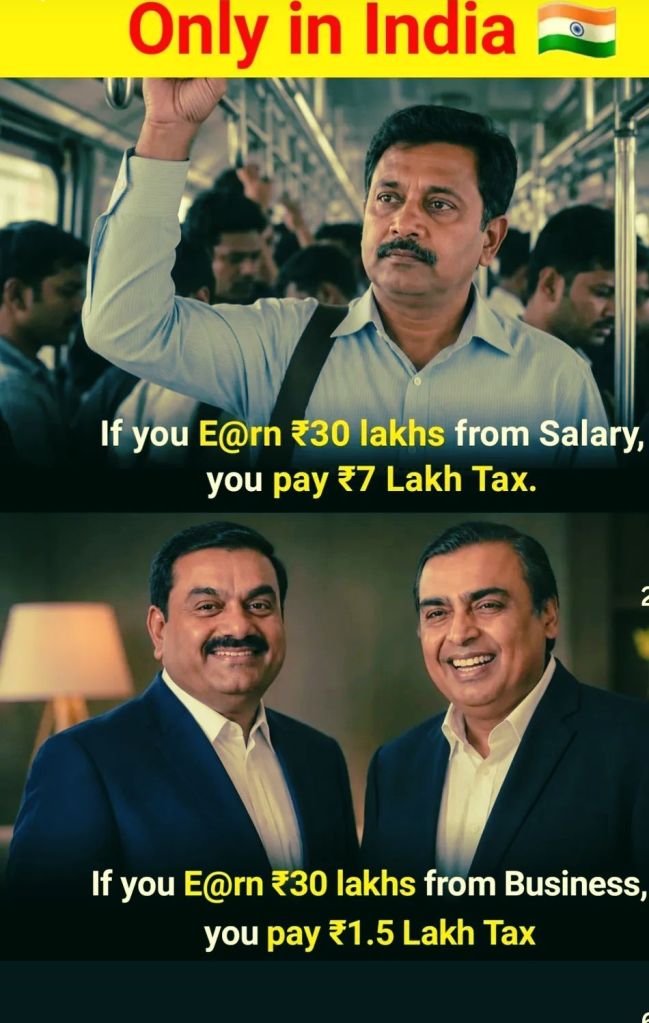
Yet income tax constitutes only the first chapter of the salaried employee’s fiscal journey. The second and often underestimated layer begins the moment disposable income enters the marketplace. Almost every element of urban living attracts GST—restaurant bills, digital subscriptions, insurance premiums, banking services, consumer electronics, travel, hospitality, healthcare services not exempted, professional fees, and entertainment. Simultaneously, petroleum products remain outside the GST framework and continue to attract substantial excise duties and state-level value-added taxes, increasing transportation costs that ultimately inflate the prices of almost every commodity. Property purchases invite stamp duty and registration charges, vehicle ownership attracts road taxes, electricity bills incorporate multiple surcharges, and local governments levy municipal taxes. Thus, income already subjected to direct taxation is once again taxed through consumption, resulting in a cascading fiscal burden that significantly reduces disposable household income.
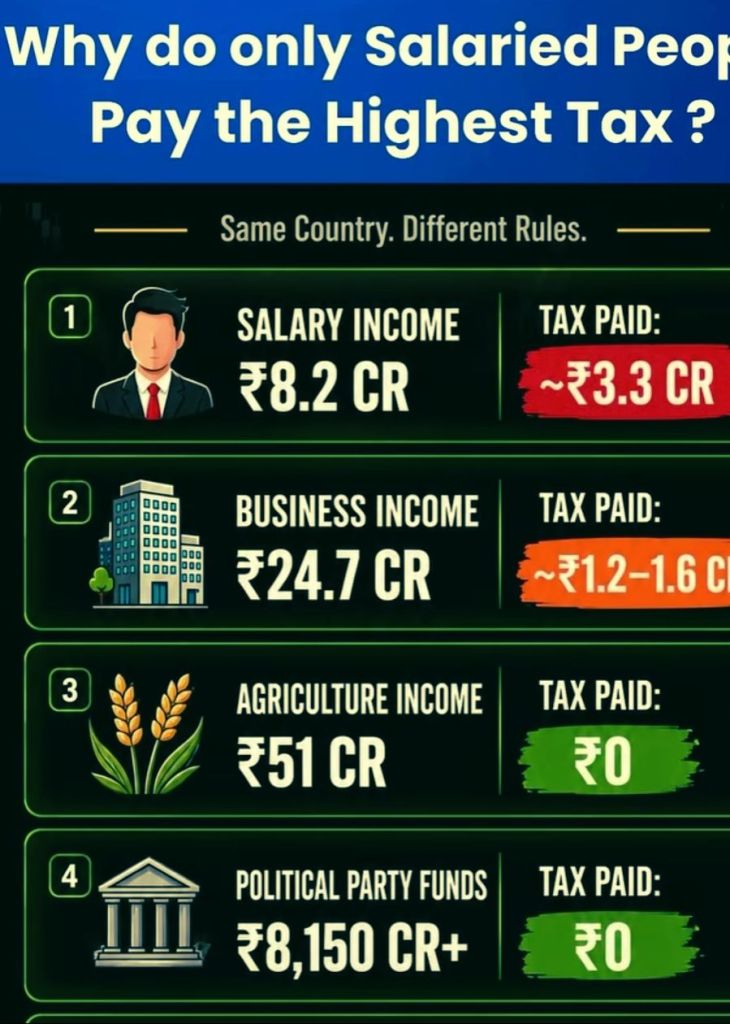
The salaried class occupies a uniquely vulnerable position within this architecture because its compliance is almost entirely compulsory. Tax Deducted at Source (TDS) ensures that taxes are collected before employees receive their earnings, effectively converting employers into tax collection agents. Unlike many businesses or self-employed professionals who possess legitimate flexibility in recognising income, claiming expenses, or managing cash flows, salaried employees enjoy virtually no discretion. Quarterly TDS adjustments frequently reduce take-home salaries unexpectedly when investment declarations change or additional income is disclosed. Employees with foreign earnings face another structural disadvantage because Foreign Tax Credit generally cannot be adjusted during payroll processing, temporarily exposing them to double taxation until refunds are processed after return filing. Annual Information Statements, Form 26AS reconciliations, digital compliance, and periodic scrutiny further reinforce a paradox: India’s most transparent taxpayers frequently shoulder the country’s highest compliance burden.
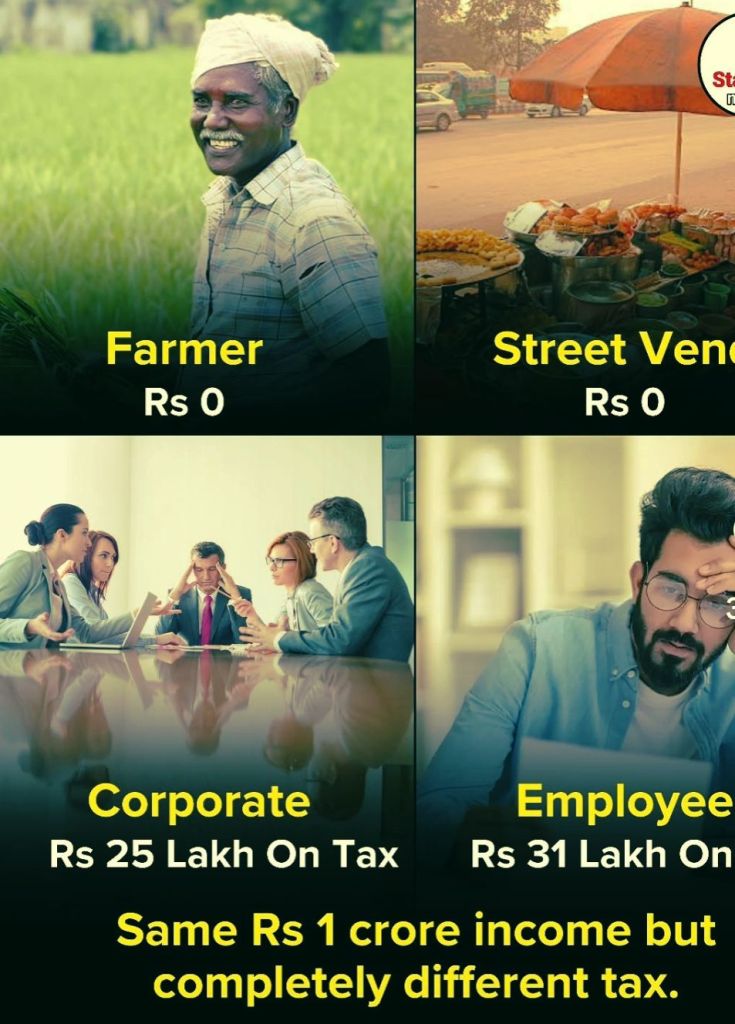
This reality raises an important philosophical question regarding the principle of horizontal equity in taxation. Tax systems should ideally treat taxpayers with comparable economic capacity similarly. However, the salaried class possesses relatively fewer opportunities for legitimate tax optimisation than entrepreneurs, investors, or business owners who can structure transactions, optimise expenditures, or defer taxable events within the framework of law. Salaried income, by contrast, remains entirely visible through payroll reporting. Consequently, taxation increasingly reflects administrative convenience rather than complete economic neutrality. The government’s aspiration of a “trust-first” tax administration represents an important policy direction, yet many salaried professionals continue to experience refund delays, compliance notices, procedural complexities, and increasing documentation requirements despite maintaining exemplary tax records. Trust, after all, must be experienced by taxpayers—not merely articulated through policy statements.
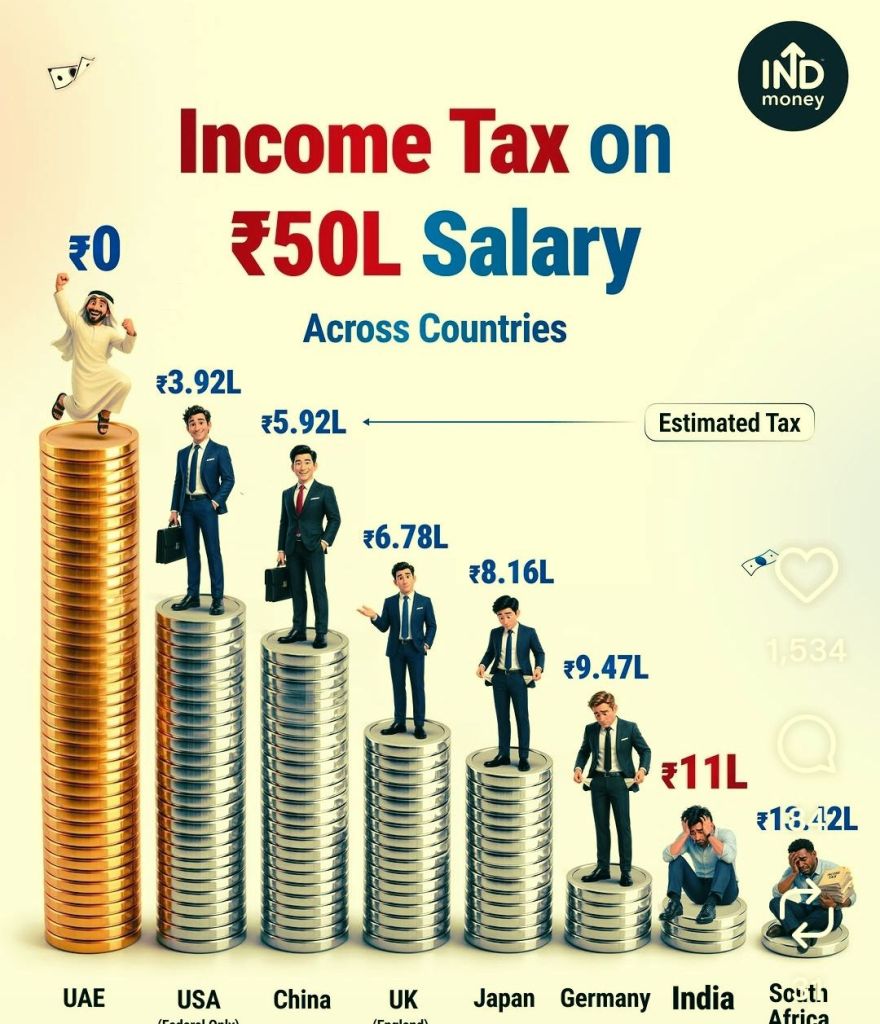
Global experience suggests that efficient tax systems balance revenue mobilisation with taxpayer confidence. Several advanced economies permit payroll-level adjustments for foreign tax credits, minimising unnecessary cash-flow disruptions. Others rely upon broader tax bases combined with fewer cesses and surcharges, allowing citizens to understand their actual tax burden more transparently. India’s Income Tax Act, 2026 represents an important step towards simplification through streamlined provisions, digital interfaces, and reduced compliance complexity.
However, further reforms remain desirable. Periodic public disclosure on the utilisation of Health and Education Cess would strengthen transparency. Temporary cesses should not evolve into permanent fiscal instruments without parliamentary review. Payroll systems should accommodate cross-border income more effectively, while indirect taxation should be calibrated carefully to avoid disproportionately affecting middle-income households whose consumption substantially contributes to national economic growth.
Beyond questions of fairness lies a broader macroeconomic concern. India’s salaried middle class represents the backbone of domestic demand. It finances housing, education, healthcare, retirement savings, insurance, capital markets, entrepreneurship, and long-term consumption. Every additional rupee extracted through overlapping layers of taxation reduces purchasing power, household savings, investment capacity, and discretionary spending. Excessive fiscal pressure can weaken incentives for productivity, encourage skilled migration, reduce entrepreneurial risk-taking, and gradually erode confidence among the very citizens who consistently comply with tax laws. An economy aspiring to become a global manufacturing and innovation leader cannot afford to overlook the financial psychology of its most productive workforce.
Sustainable economic growth requires not only attracting capital but also preserving the confidence of the taxpayers who finance national development year after year.
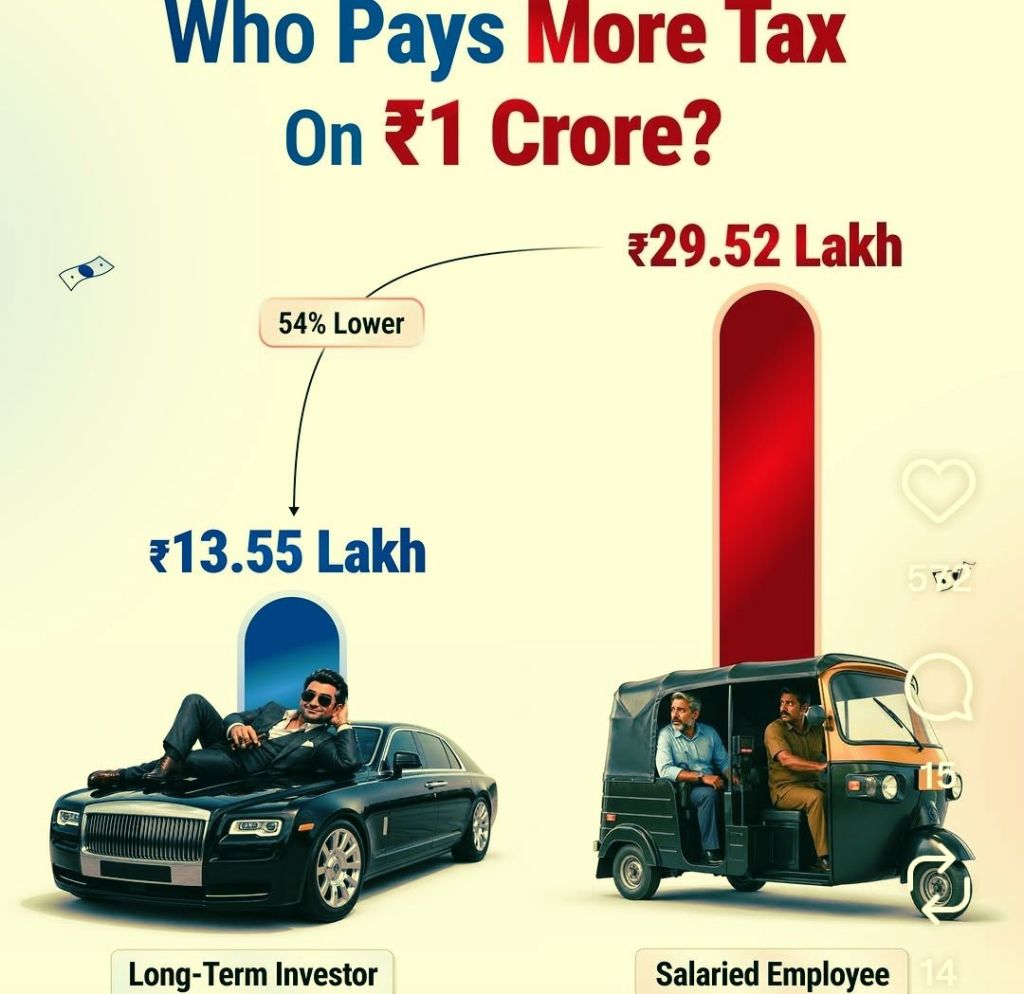
As India progresses towards the ambitious vision of Viksit Bharat 2047, tax policy must evolve from a philosophy of revenue maximisation to one of fairness, transparency, predictability, and partnership. Progressive taxation remains essential for social justice, but progressivity must never become punitive. The objective should be to broaden the tax base rather than continually deepen the burden on the already compliant. Rationalisation of surcharges, greater transparency in cess utilisation, moderation of indirect taxes, simplified compliance, and recognition of honest taxpayers would strengthen both fiscal legitimacy and public trust. The salaried class has consistently fulfilled its constitutional responsibility by contributing honestly, predictably, and without negotiation to India’s development. A mature republic must reciprocate by ensuring that integrity is rewarded rather than disproportionately taxed. Ultimately, the strength of a nation’s tax system is measured not merely by the revenue it collects, but by the confidence with which its citizens pay it.
VISIT ARJASRIKANTH.IN FOR MORE INSIGHTS

