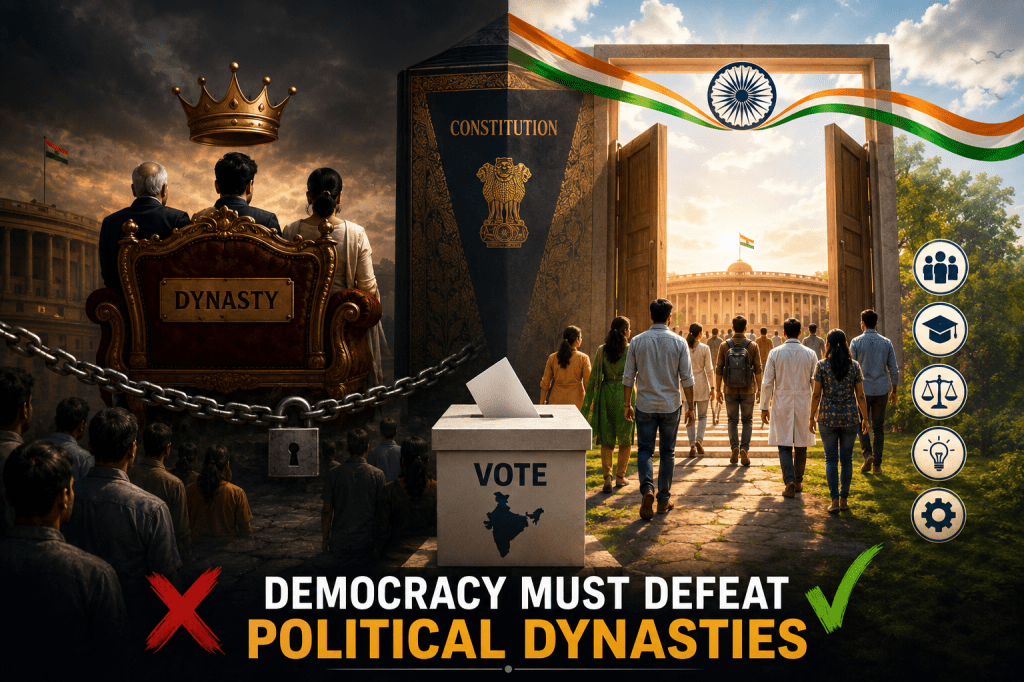
India proudly celebrates itself as the world’s largest democracy, yet one of its deepest contradictions quietly unfolds beneath every election cycle. While the Constitution guarantees equality of political opportunity, leadership across large sections of the country increasingly resembles inherited property rather than earned public trust. From the Nehru-Gandhi family at the national level to influential regional political houses such as the Karunanidhis, the NTR family, the Y.S. Reddy family, the Thackerays, the Abdullahs, the Pawars, the Yadavs and the Scindias, dynastic politics has become deeply embedded within India’s democratic architecture. Political families are not unique to India; the United States has witnessed the Kennedys and Bushes, Pakistan the Bhuttos, and Thailand the Shinawatras. Yet few democracies have institutionalised political inheritance with such scale and permanence. The question is not whether political heirs possess the democratic right to contest elections—they unquestionably do. The real concern is whether leadership in a constitutional republic should increasingly be determined by bloodline rather than by competence, integrity and public service.
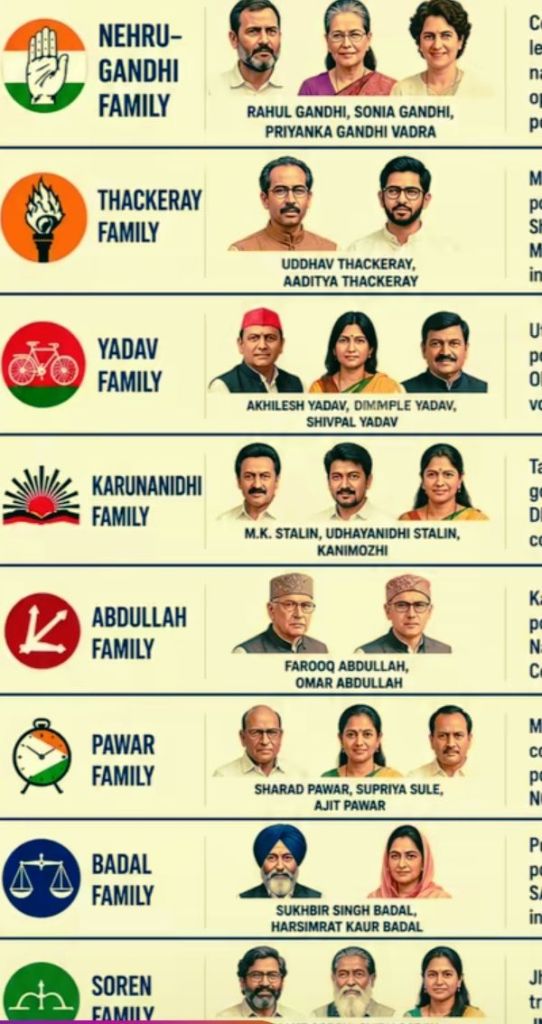
The greatest casualty of dynastic politics is not electoral competition but meritocracy itself. Across party lines, family members are routinely projected as natural successors, often bypassing thousands of committed grassroots workers who have spent decades building organisations, mobilising communities and serving citizens. Gradually, politics shifts from rewarding capability to rewarding lineage. A familiar surname becomes an electoral asset capable of substituting inherited visibility for earned credibility. Emotional attachment to established political legacies encourages voters to transfer trust across generations, even when individual competence remains untested. Yet statesmanship cannot be inherited like ancestral property. Administrative judgment, constitutional wisdom, ethical leadership and political vision are cultivated through experience, accountability and public engagement—not genetics. When ancestry becomes a stronger qualification than demonstrated ability, democracy quietly abandons one of its foundational promises: that every citizen, irrespective of birth, should enjoy an equal opportunity to lead.
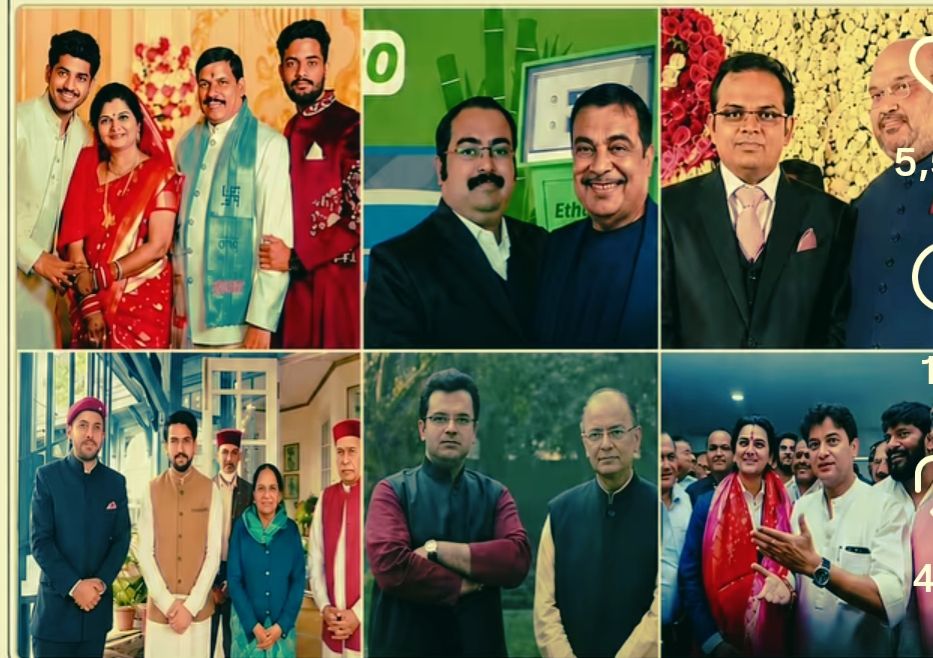
The consequences extend far beyond individual political careers. Dynastic politics gradually transforms political parties from democratic institutions into family enterprises. Internal elections become ceremonial rituals, while leadership succession is settled through private consultations rather than transparent democratic contests. Decision-making becomes concentrated within narrow family circles, reducing space for ideological debate, organisational renewal and institutional innovation. Over time, loyalty to personalities begins replacing commitment to principles. Bureaucratic appointments, electoral strategies and policy priorities increasingly become intertwined with preserving family influence rather than strengthening governance. Institutions designed to outlive individuals slowly become dependent upon them. This shift weakens institutional resilience because strong democracies derive legitimacy from predictable procedures, not charismatic personalities. Once parties cease functioning democratically within, they struggle to deepen democracy outside.
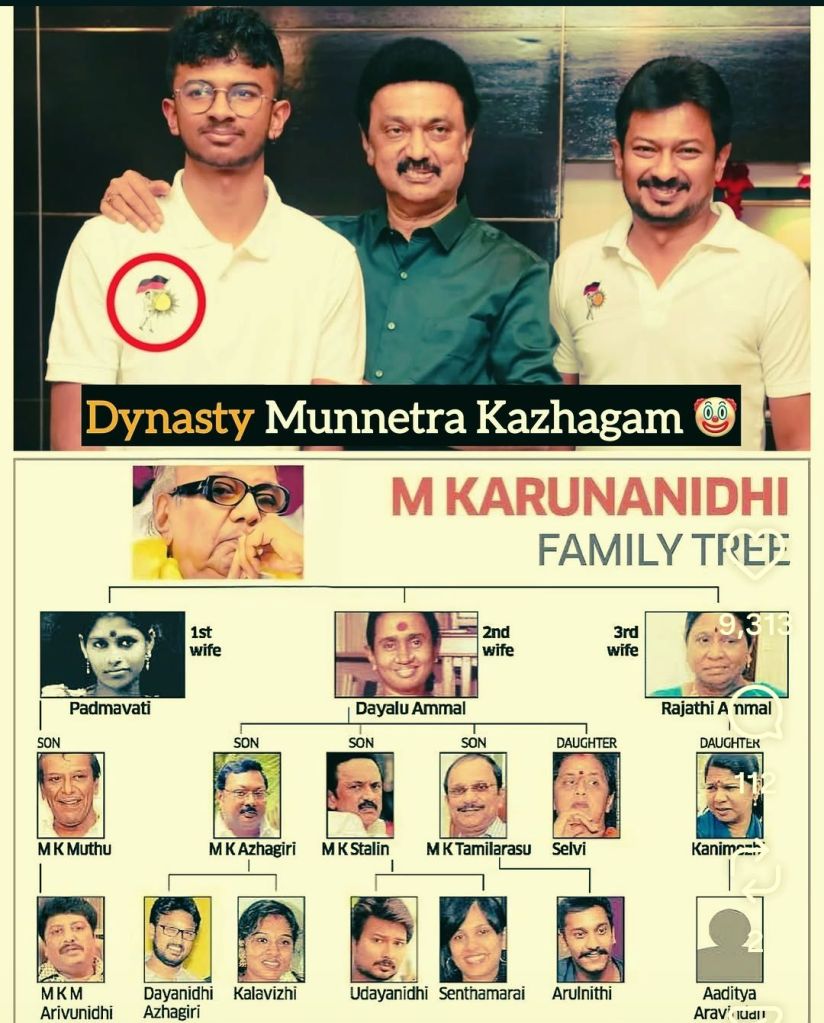
The persistence of dynastic politics reflects structural incentives as much as personal ambition. Established political families possess formidable organisational networks, financial resources, patronage structures and emotional goodwill accumulated over generations. In an increasingly complex electoral environment, familiar surnames reduce uncertainty for many voters and function as trusted political brands. Electoral goodwill earned by one generation frequently transfers almost automatically to the next, irrespective of individual performance. Simultaneously, weak internal democracy within political parties reinforces hereditary succession. Candidate selection often depends more upon proximity to leadership than objective evaluation of competence, allowing influential families to consolidate organisational control. Dynasties therefore survive not merely because voters support them but because existing institutional arrangements reward continuity over competition, familiarity over merit and inheritance over inclusion.
History demonstrates that democracies remain healthiest when leadership changes periodically. One of the most effective safeguards against excessive concentration of political authority has been the principle of term limits. Following Franklin D. Roosevelt’s unprecedented four presidential victories, the United States adopted the Twenty-Second Amendment restricting Presidents to two elected terms. Similar constitutional safeguards exist in countries such as Mexico, Costa Rica, the Philippines and South Korea, each designed to prevent prolonged monopolisation of power while encouraging leadership renewal. The underlying philosophy is elegantly simple: democracy flourishes when power circulates rather than accumulates. Regular leadership transitions introduce fresh ideas, reduce entrenched patronage networks, stimulate innovation and create opportunities for emerging leaders better equipped to address rapidly changing economic, technological and social realities. Democracies remain vibrant when ideas compete more vigorously than inherited identities.
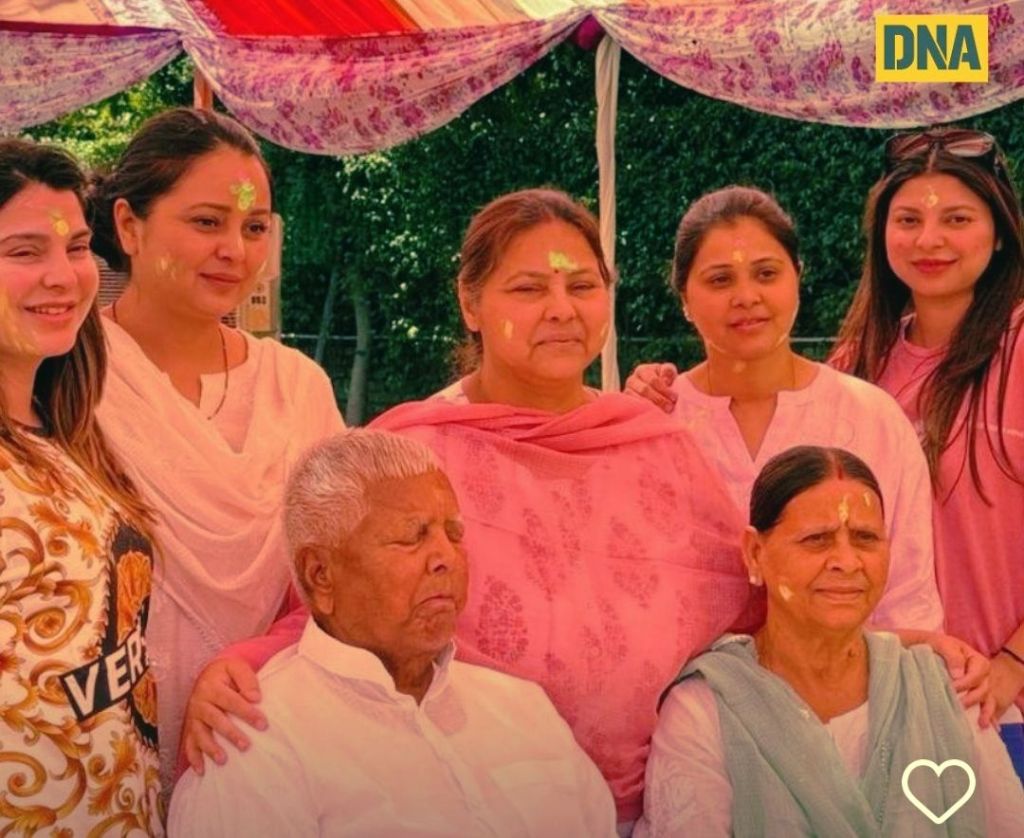
India would benefit from initiating a mature national debate on institutional mechanisms that promote political renewal without compromising democratic choice. One possible approach could involve limiting individuals to two consecutive terms in the same elected office. Another, though politically more sensitive, could examine whether prolonged family monopolies within a single constituency warrant carefully designed legislative safeguards. Equally important is strengthening internal democracy within political parties through mandatory organisational elections, transparent candidate selection and structured leadership development programmes that identify talent beyond family circles. Such reforms should never be viewed as punitive measures against political families. Their purpose is not exclusion but inclusion—expanding democratic opportunity by lowering structural barriers that prevent deserving professionals, entrepreneurs, social workers, young leaders and grassroots activists from entering public life on equal terms.
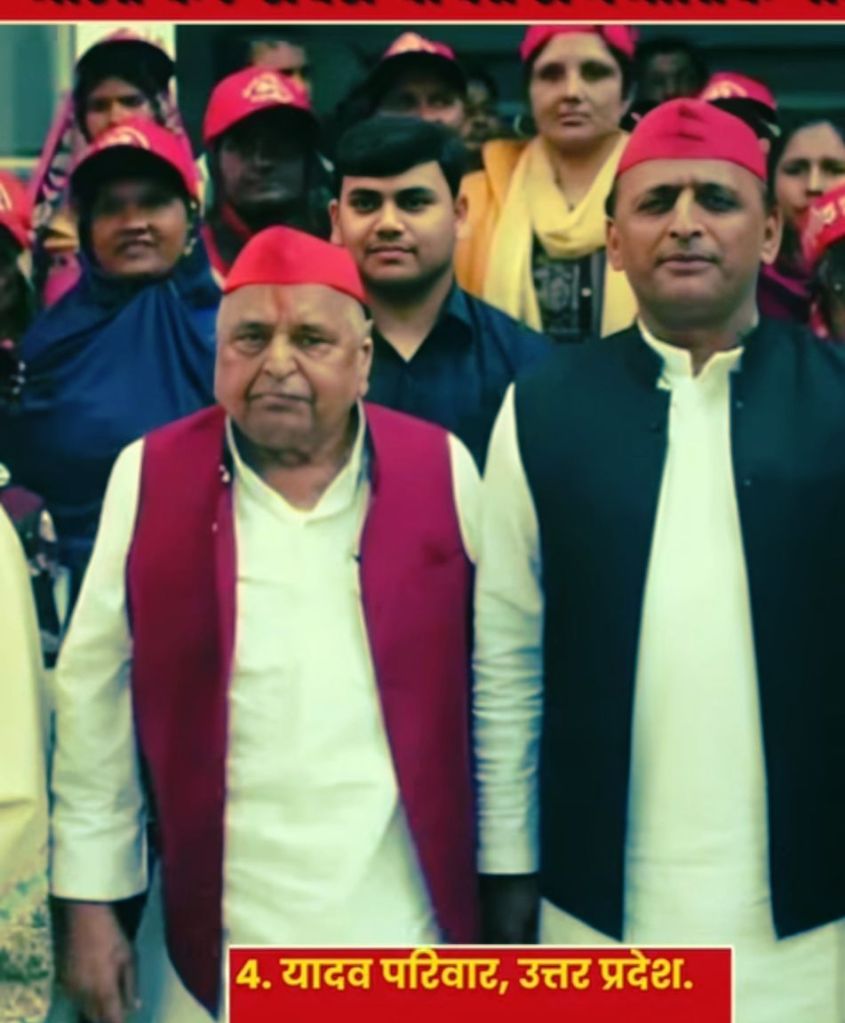
At the same time, constitutional engineering alone cannot cure every democratic deficiency. International experience offers valuable cautionary lessons. The Italian Five Star Movement’s internally imposed two-term rule demonstrated that legislators approaching mandatory retirement occasionally became less productive because the incentive of re-election disappeared. Democracies also risk losing experienced leaders whose institutional memory, negotiating skills and administrative expertise remain invaluable during periods of national transformation. The challenge, therefore, is not to choose between continuity and renewal but to balance both intelligently. Campaign finance reforms, stronger local governments, enhanced civic education, transparent political funding and greater accountability within parties are equally essential. Leadership renewal should emerge through stronger institutions rather than mechanical exclusion, ensuring that merit expands without sacrificing administrative stability.
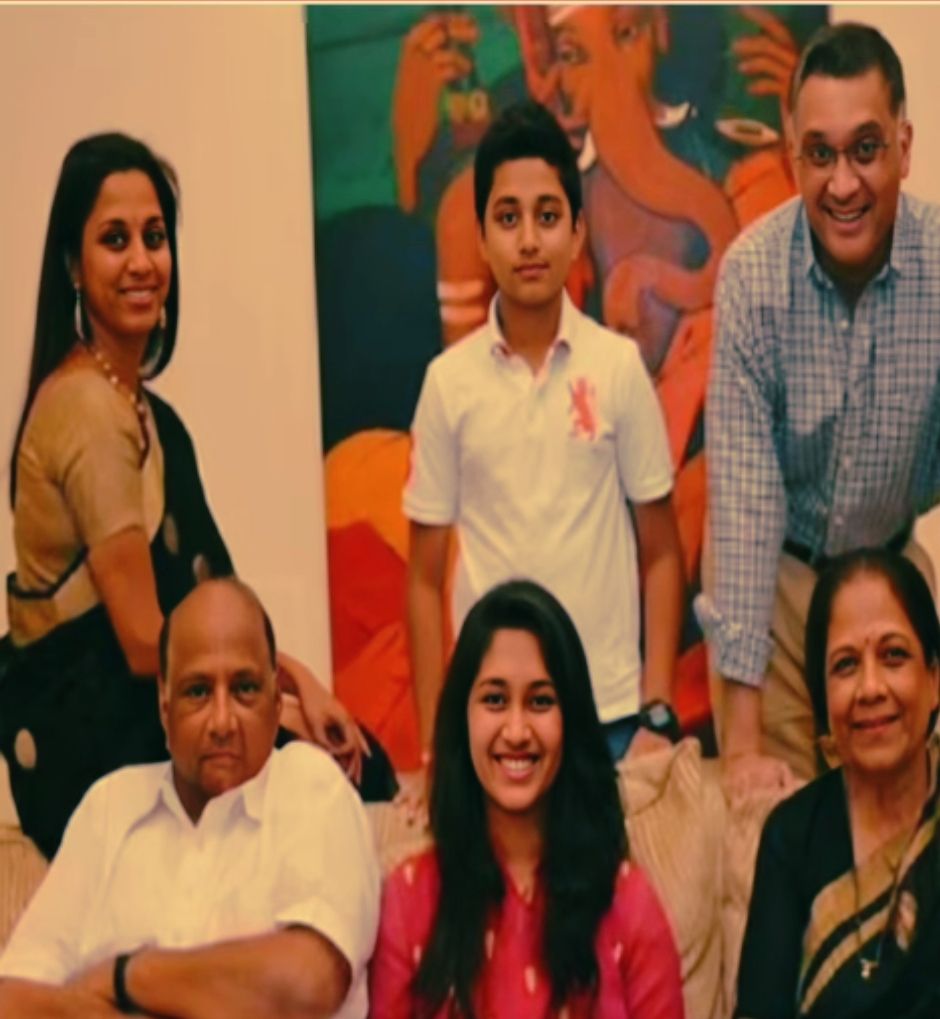
As India aspires to become Viksit Bharat by 2047, democratic renewal must accompany economic transformation. Roads, ports, digital infrastructure and industrial growth may build national prosperity, but enduring republics are built upon institutions that reward ability over ancestry. Political families will always remain part of democratic life, and there is nothing inherently unconstitutional about relatives entering public service. The danger arises only when lineage consistently eclipses competence, opportunity becomes hereditary and political mobility for ordinary citizens steadily diminishes. Every child—whether born into a political household or an ordinary village—must approach public life with an equal opportunity to earn leadership through integrity, vision and public service rather than surname alone. A mature democracy cannot allow the ballot box to become an extension of the family tree. Its greatest inheritance must forever remain the Constitution, because republics flourish when power belongs to citizens—not to bloodlines.
VISIT ARJASRIKANTH.IN FOR MORE INSIGHTS

