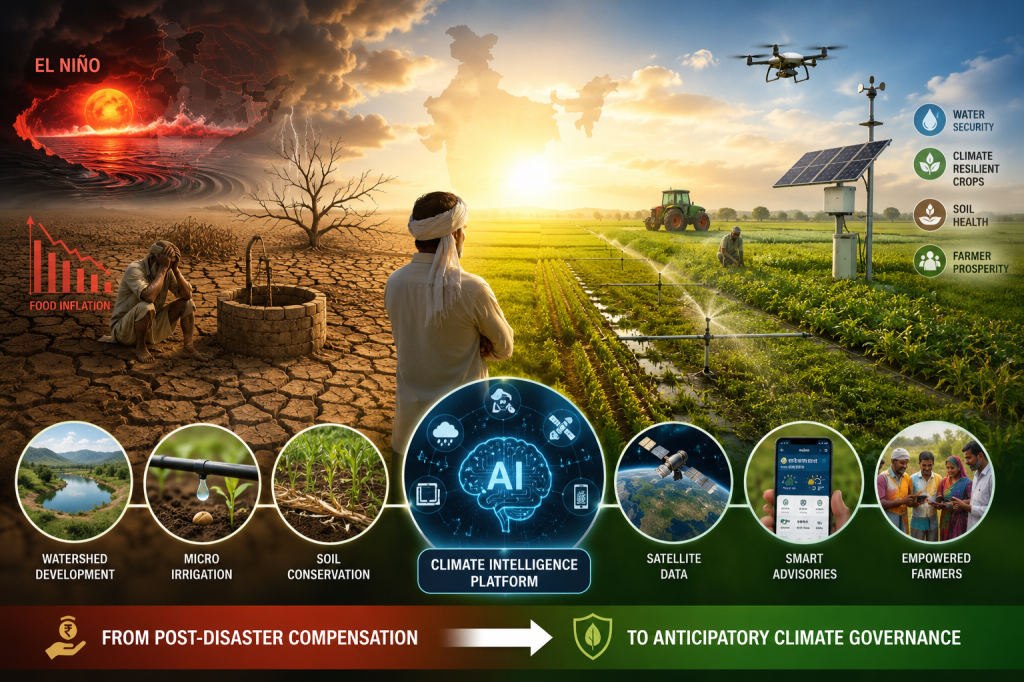
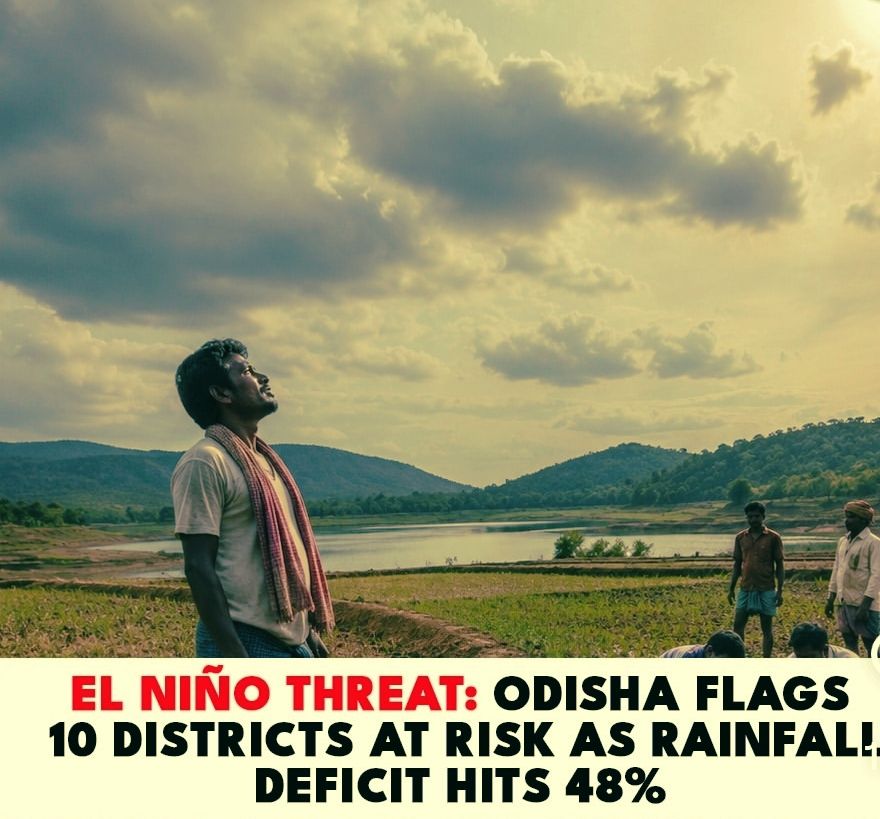
El Niño is not merely a climatic disturbance; it is an invisible battlefield commander that wages war against India’s agricultural economy without crossing a single border. Long before monsoon clouds gather over the Indian subcontinent, warming waters in the equatorial Pacific quietly begin reshaping rainfall patterns, intensifying heatwaves, depleting reservoirs and determining the fortunes of millions of farming households. The anticipated El Niño of 2026 represents one of the most formidable climatic threats in recent years, with the potential to trigger deficient monsoons, prolonged dry spells, shrinking groundwater reserves and escalating food inflation. Yet the most important lesson emerging from this challenge is strategic rather than meteorological. India’s agricultural future will be determined not by the intensity of drought alone but by the speed with which fragmented government interventions evolve into an integrated national climate resilience architecture. Climate change has fundamentally rewritten the science of agriculture; India must now rewrite the governance of agriculture with equal urgency.
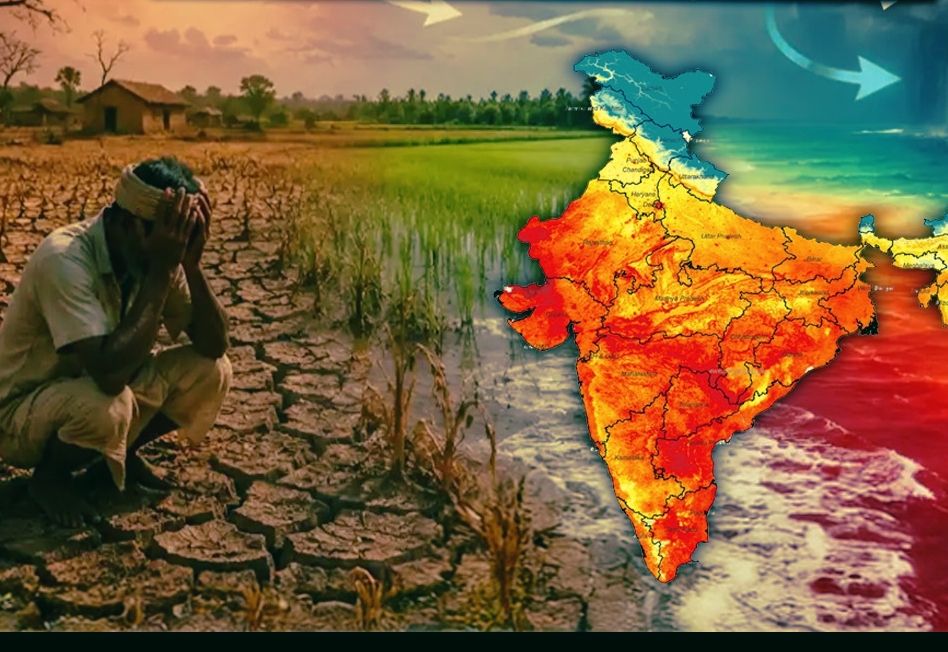
The magnitude of India’s vulnerability remains enormous. Nearly 52 percent of the country’s cultivated land continues to depend entirely on rainfall, leaving more than half of Indian agriculture exposed to an increasingly unpredictable monsoon. Among the country’s 315 highly climate-vulnerable districts, nearly 196 have irrigation coverage below 50 percent, placing large parts of Central India, Eastern India and the Deccan Plateau on the frontline of climate risk. Today, a delayed or deficient monsoon no longer signifies merely reduced crop yields. It unleashes a chain reaction across the economy—lower rural employment, declining household purchasing power, rising food prices, pressure on hydropower generation, increased fiscal expenditure on drought relief and mounting indebtedness among farming families. Every macroeconomic statistic ultimately reflects countless individual stories of failed sowing, drying borewells, exhausted soils and uncertain livelihoods.
India deserves considerable recognition for building one of the world’s largest agricultural support systems. Massive investments in irrigation infrastructure, Minimum Support Price procurement, the Pradhan Mantri Fasal Bima Yojana, PM-Kisan income support and sustained scientific research through ICAR have significantly strengthened national food security despite repeated climatic shocks. These interventions have enabled agriculture to maintain steady growth even during adverse weather conditions. However, national averages often conceal local suffering. Strong aggregate production figures cannot fully capture village-level crop failures, distress migration, declining farm incomes and livelihood insecurity. The principal weakness lies not in the absence of government programmes but in their institutional fragmentation. Irrigation, crop insurance, weather forecasting, groundwater management, agricultural extension, research and rural development continue to operate within separate administrative silos, while climate risk itself recognises no departmental boundaries. Consequently, India spends substantially on agriculture without creating a unified climate risk management ecosystem.
The most transformative reforms must therefore begin long before disasters occur. Compensation can reimburse financial losses, but it cannot replenish depleted aquifers, restore degraded soils or recover an irretrievably missed sowing season. Prevention consistently delivers higher economic returns than post-disaster relief. Conservation agriculture, zero tillage, crop residue management, rainwater harvesting, watershed development, drip irrigation, precision nutrient management and enhancement of soil organic carbon have already demonstrated their capacity to improve water efficiency, reduce climate vulnerability and sustain long-term productivity. Yet adoption remains uneven because nearly 86 percent of India’s farmers are small and marginal cultivators with limited financial resources, inadequate extension support and restricted access to modern technologies. Climate resilience cannot remain a demonstration project; it must become an affordable farming reality across every vulnerable district.
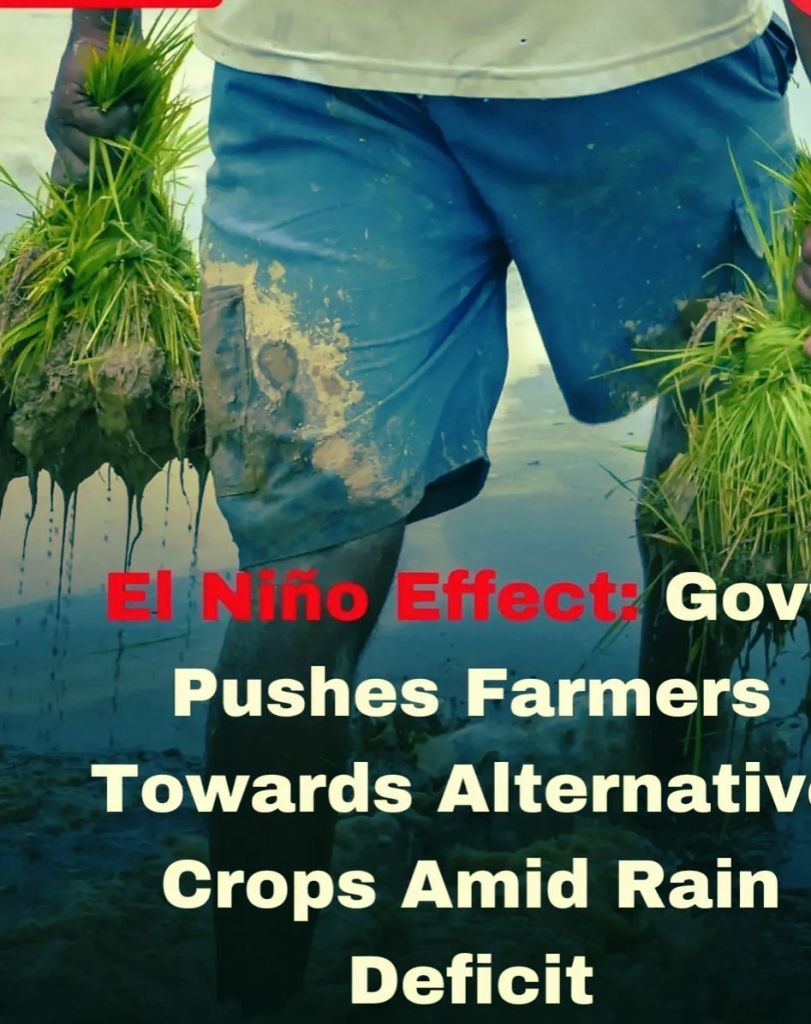
Among India’s staple crops, wheat provides perhaps the clearest warning of future climatic risks. Scientific studies indicate that every one-degree Celsius increase during the grain-filling stage can reduce national wheat production by approximately four to five million tonnes. For major producing states such as Punjab, Haryana and Uttar Pradesh, heat stress during February and March has evolved from an occasional weather event into a recurring strategic challenge. Continuous monitoring of temperature anomalies, combined with real-time advisories on irrigation scheduling, nutrient management and harvesting decisions, can substantially reduce productivity losses. In the era of climate uncertainty, agricultural resilience will increasingly depend not merely upon superior seed varieties but upon superior decision-making. Information has become an agricultural input as valuable as water, fertiliser or machinery.
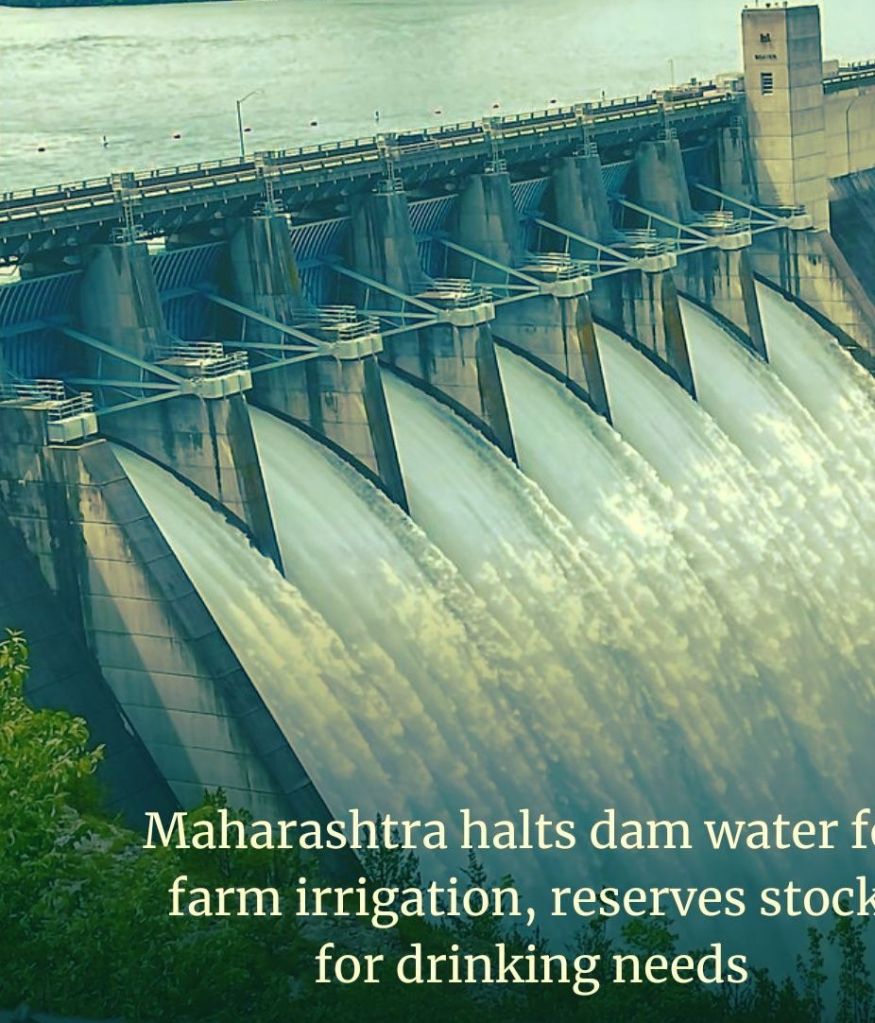
Fortunately, India already possesses one of the world’s richest agricultural information ecosystems waiting to be integrated. The India Meteorological Department generates sophisticated weather forecasts; the FASAL programme estimates crop conditions; PMFBY provides valuable insurance databases; PM-Kisan maintains extensive farmer records; satellites continuously monitor vegetation health; and ICAR contributes decades of field-based scientific research. Yet these remarkable resources continue to function largely in isolation. Artificial Intelligence now offers the opportunity to transform these fragmented datasets into a dynamic National Climate Intelligence Platform capable of identifying emerging drought hotspots, predicting crop stress, prioritising district-level interventions, optimising budget allocations and delivering hyper-local advisories directly to farmers. Rather than creating another institution, India requires smarter coordination under the Ministry of Agriculture with strategic guidance from NITI Aayog and the Prime Minister’s Office, ensuring that every department functions from a common evidence-based operational framework.
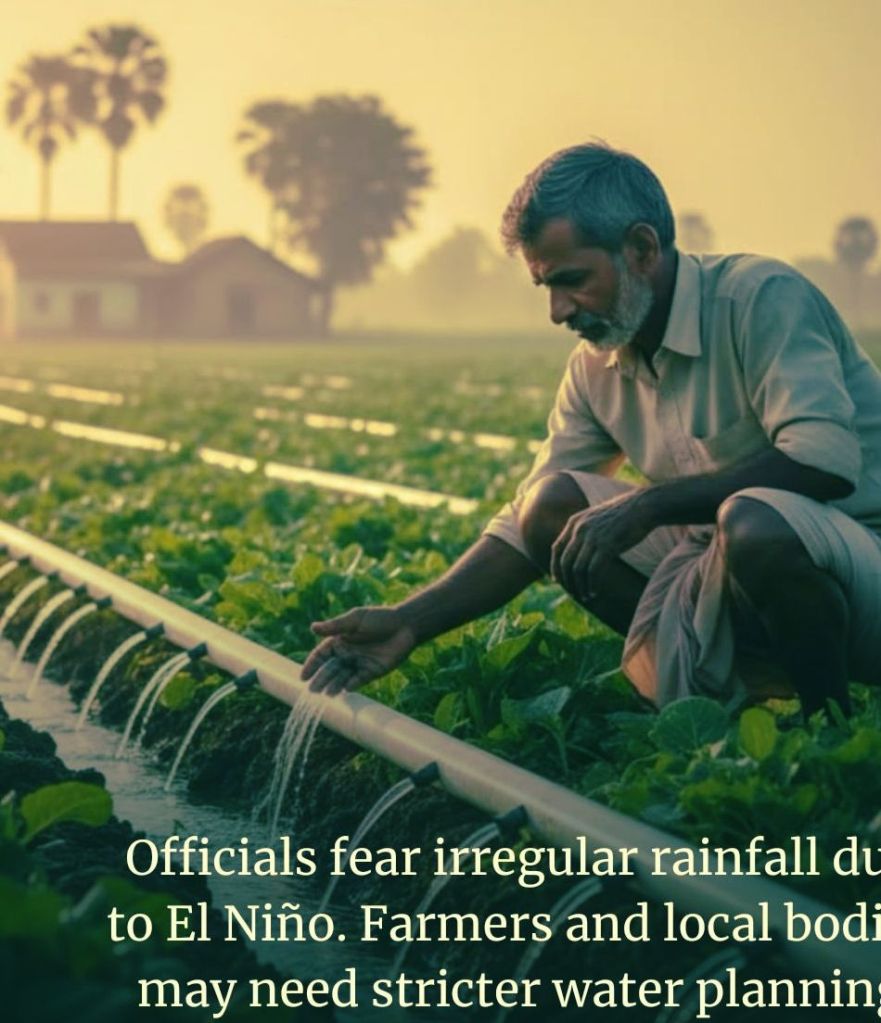
Encouragingly, several Indian states are already demonstrating that climate-smart agriculture is practical, scalable and economically viable. Maharashtra has pioneered anticipatory climate action planning by identifying vulnerable regions through climate analytics and promoting resilient cropping systems before crises emerge. Andhra Pradesh has successfully expanded Direct Seeded Rice and Alternate Wetting and Drying techniques, conserving billions of litres of water while simultaneously reducing cultivation costs and greenhouse gas emissions. West Bengal’s network of hyper-local weather stations provides location-specific advisories that empower farmers, particularly women, with timely decision-making support. Jharkhand’s Farmer Producer Organisations are encouraging the gradual transition towards drought-resilient millets and pulses, while ICAR’s National Innovations in Climate Resilient Agriculture (NICRA) villages demonstrate how scientific innovations can successfully translate into grassroots adaptation. Together, these initiatives confirm that resilience is neither theoretical nor prohibitively expensive when science, institutions and communities operate in partnership.
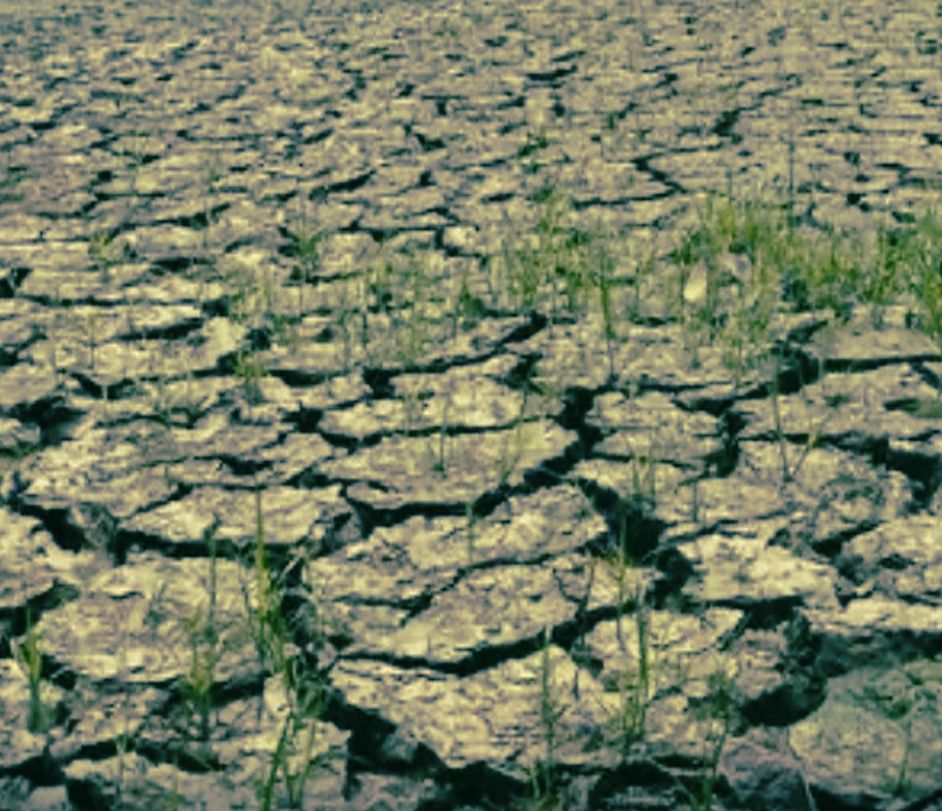
India’s agricultural strategy must now undergo a profound philosophical transformation—from counting compensation distributed after disasters to measuring losses successfully avoided before disasters strike. Public investment should increasingly prioritise irrigation modernisation, groundwater recharge, watershed development, climate-resilient seeds, digital advisory platforms, village-level climate institutions and farmer capacity building rather than relying predominantly on repetitive relief packages. Women, who constitute nearly two-thirds of India’s agricultural workforce, must become central architects of climate adaptation through improved access to credit, technology, extension services and institutional leadership. Ultimately, India’s greatest climate innovation will not emerge solely from sophisticated laboratories but from villages receiving the right information, the right seed, the right irrigation support and the right institutional assistance before the first failed monsoon cloud appears. When El Niño launches its next silent offensive, India’s decisive victory will belong not to those who perfect disaster management, but to those who master the far more powerful science of anticipation.
VISIT ARJASRIKANTH.IN FOR MORE INSIGHTS

