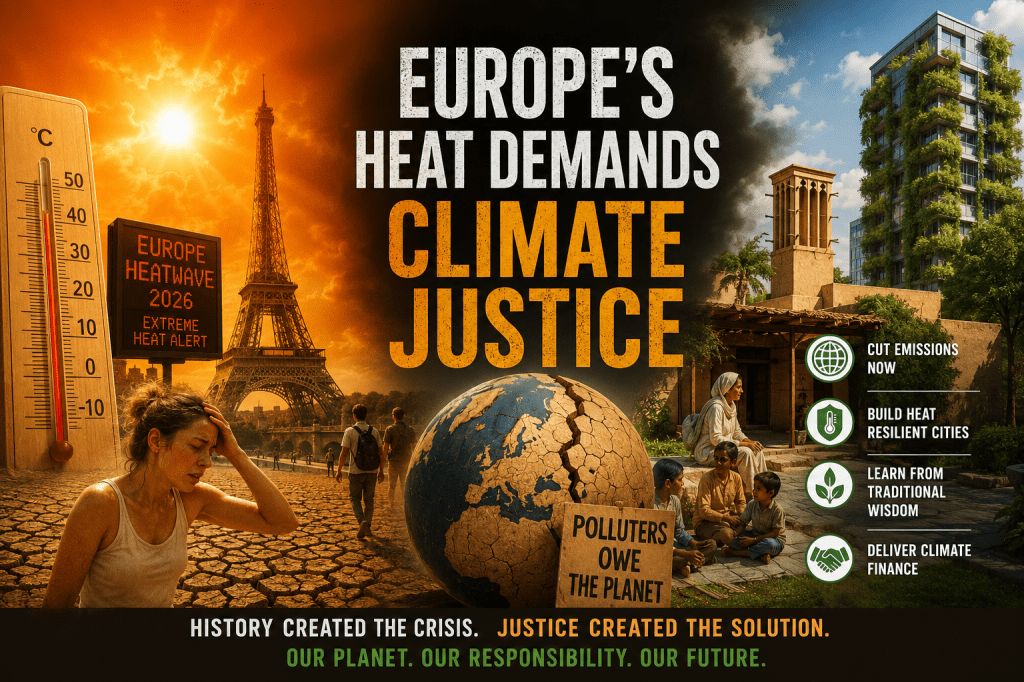
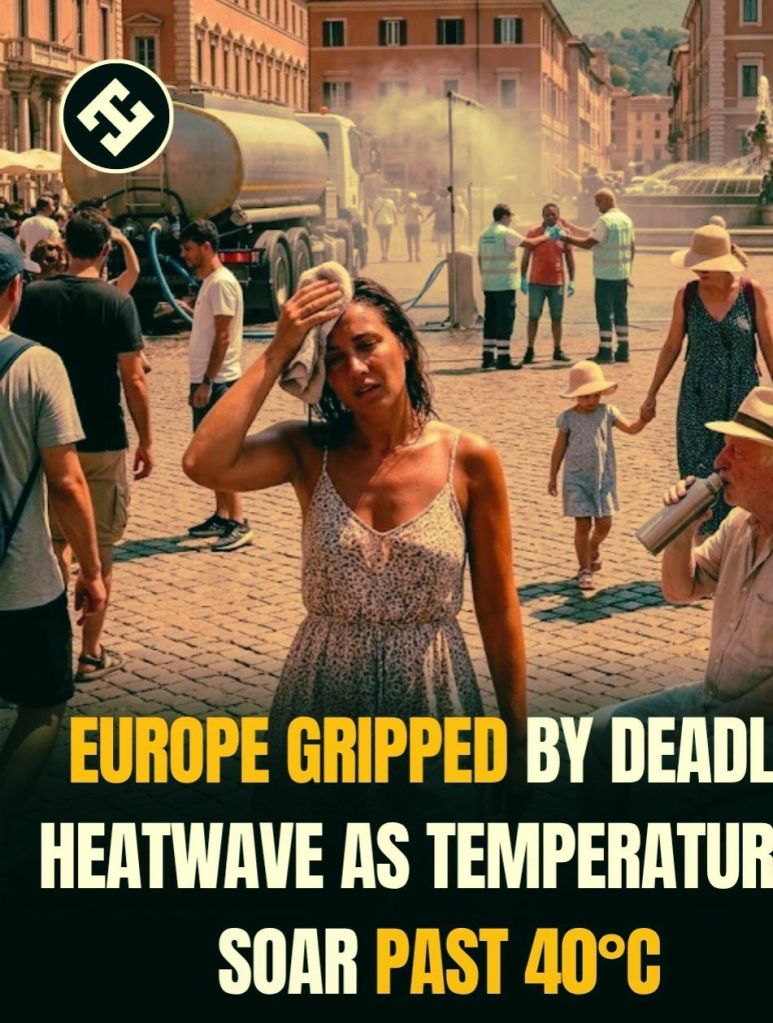
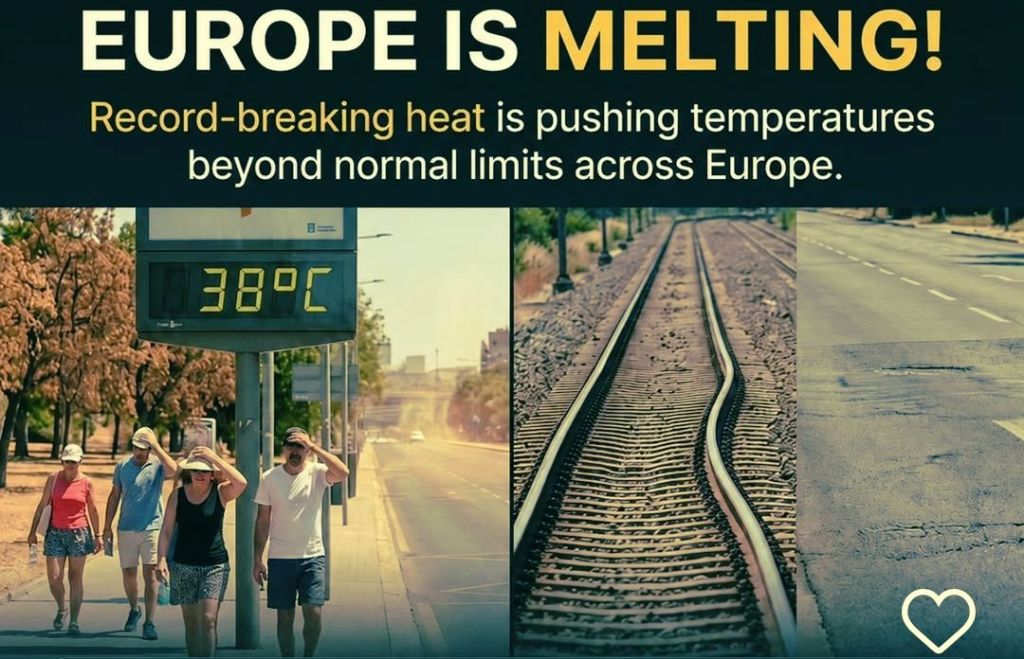
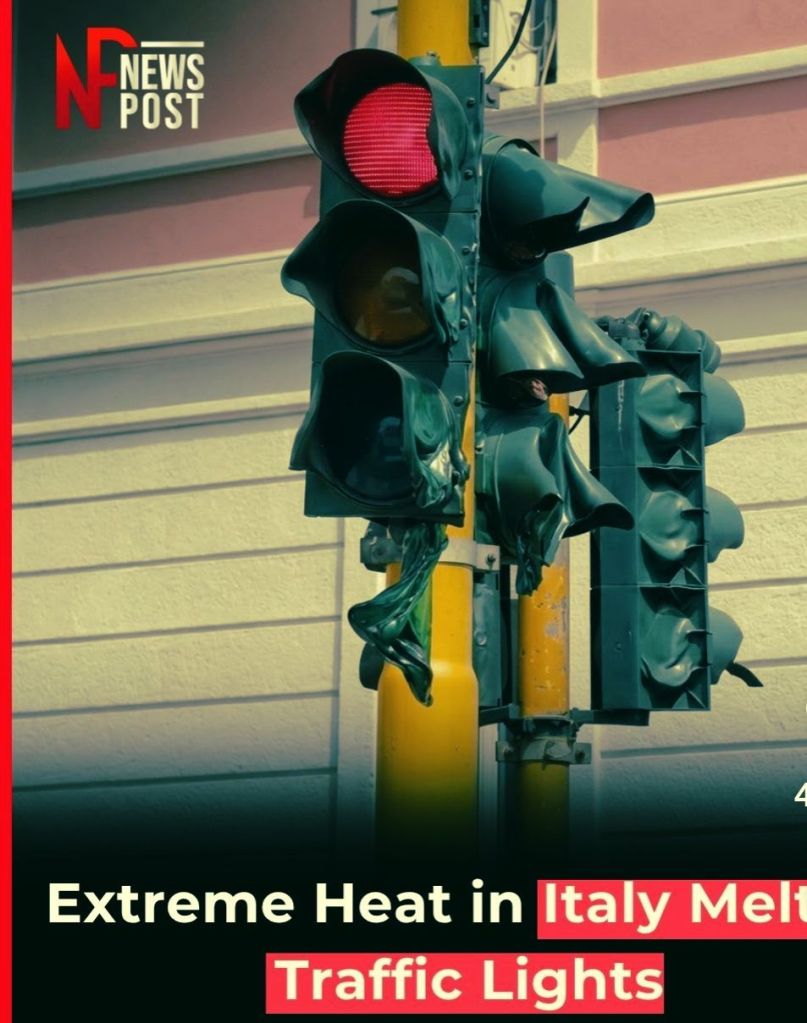
Europe’s summer of 2026 has demolished one of modern civilization’s greatest assumptions—that economic prosperity can permanently insulate societies from nature’s fury. Temperatures soaring between 40°C and 44°C across France, Germany, Spain, Portugal, the United Kingdom and several other nations have rewritten climatic history. Rail tracks have twisted, roads have softened, hospitals have overflowed, electricity grids have strained under unprecedented demand and wildfires have consumed thousands of hectares. More than 100 million Europeans have endured temperatures above 35°C, while thousands of excess deaths have exposed the deadly consequences of extreme heat. This is no ordinary weather anomaly. It is a defining climate event that reveals how decades of delayed environmental action have transformed scientific warnings into lived reality. The furnace engulfing Europe today was, in many ways, ignited by the very industrial prosperity that elevated the developed world.
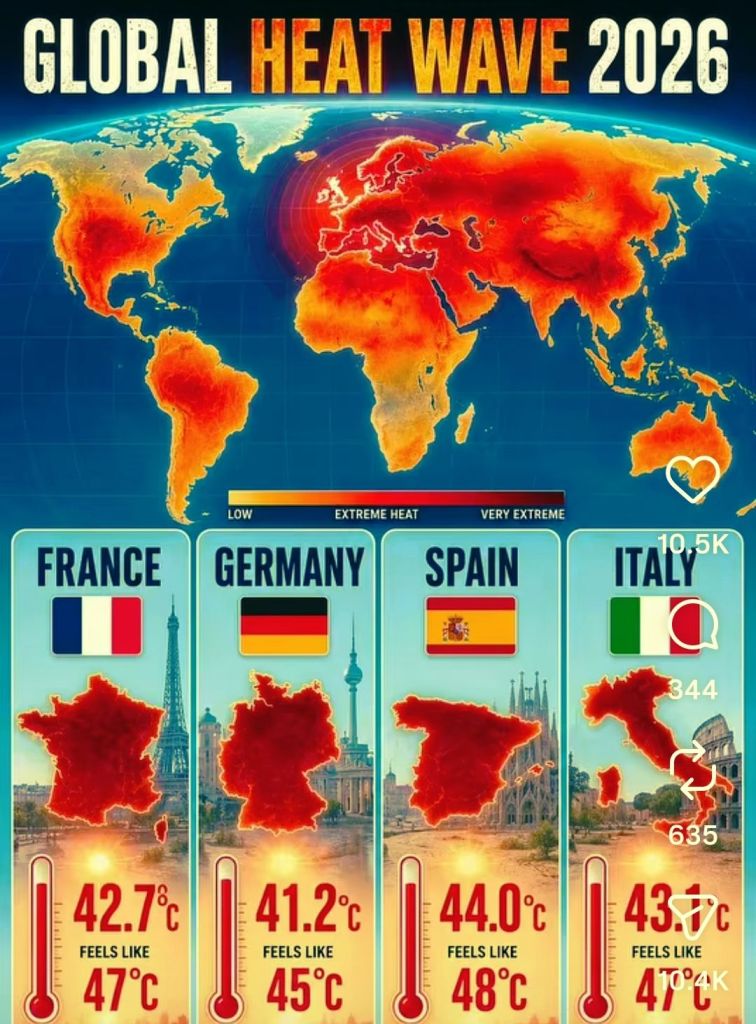
Science leaves virtually no room for uncertainty. Europe is now the fastest-warming continent, heating nearly twice as rapidly as the global average since the 1980s, while its hottest daytime temperatures are increasing almost three times faster than the global trend. Climate attribution research has established that such an extraordinary heatwave would have been virtually impossible without human-induced greenhouse gas emissions. A similar event occurring half a century ago would have been several degrees cooler, while dangerously warm nights—once relatively rare—have become exponentially more frequent because of rising atmospheric carbon concentrations. With global temperatures already approximately 1.4°C above pre-industrial levels, every additional tonne of carbon emitted increases the probability that today’s unprecedented extremes will become tomorrow’s seasonal norm. Climate change is no longer a forecast; it is the defining context within which modern societies must now function.
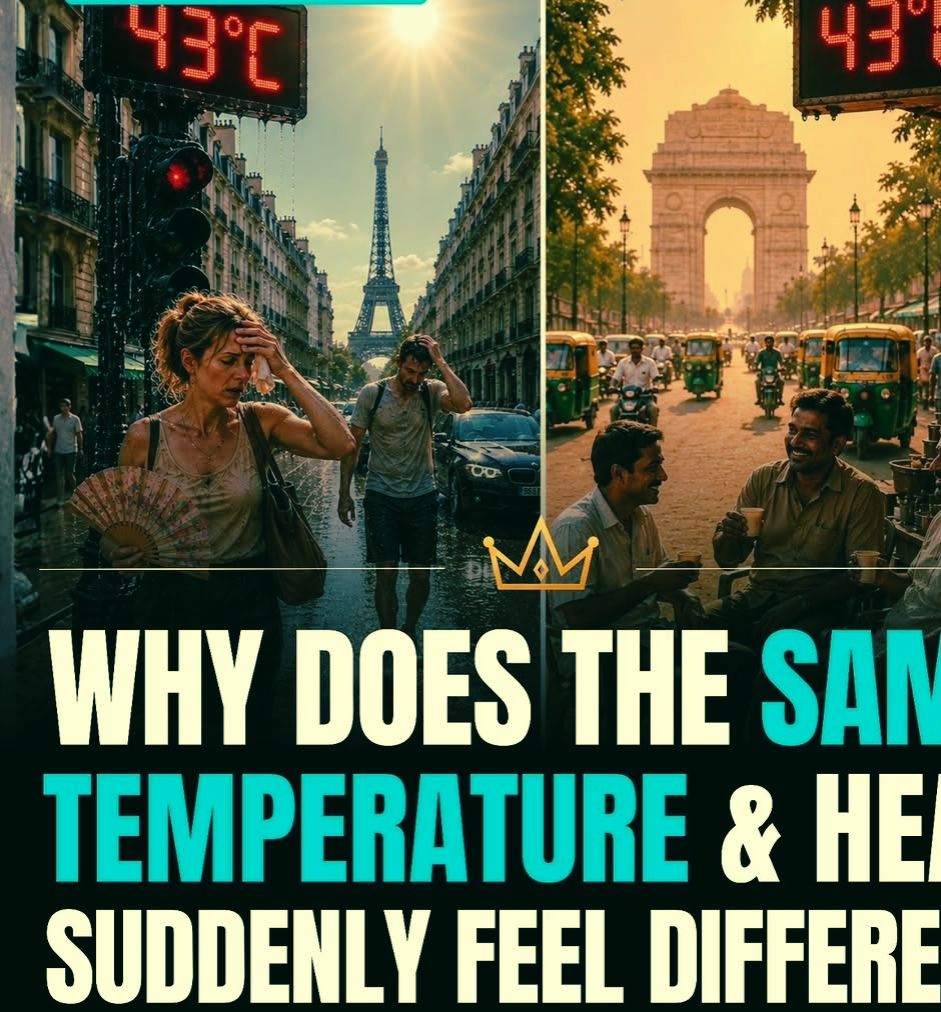
Yet the unfolding crisis presents an extraordinary paradox. Across large parts of Asia and Africa, temperatures exceeding 45°C have been endured for generations with comparatively greater continuity of daily life. The explanation lies not in biological superiority or greater human endurance but in adaptation accumulated through centuries of experience. Across the Sahel, adobe architecture with thick earthen walls naturally regulates indoor temperatures without consuming electricity. Rural India has traditionally embraced shaded courtyards, lime-coated walls, mud construction, climate-responsive work schedules and cooling foods such as buttermilk, fermented rice water, ragi porridge, sattu and aam panna to combat extreme heat. African farmers have developed indigenous water-harvesting techniques like tassa and zaï, restoring degraded landscapes while enhancing resilience against prolonged droughts. These examples demonstrate that adaptation is not merely technological; it is cultural, architectural and ecological wisdom refined over generations.

Europe, however, evolved under fundamentally different climatic assumptions. Its cities were engineered to preserve warmth during long winters rather than dissipate heat during increasingly hostile summers. Air-conditioning remains uncommon across much of the continent, leaving homes, schools, public transport systems and healthcare facilities vulnerable during prolonged heatwaves. Dense concrete landscapes, limited urban greenery and extensive paved surfaces amplify the urban heat island effect, trapping heat long after sunset. An ageing population further increases mortality risks, while many countries still lack comprehensive heat-health action plans capable of protecting elderly citizens, homeless populations and socially isolated communities. Consequently, temperatures that have long been managed elsewhere rapidly escalate into humanitarian emergencies because Europe’s physical infrastructure was designed for a climate that no longer exists.
Behind this unfolding emergency lies an uncomfortable historical reality. The climate crisis is fundamentally the accumulated consequence of emissions generated overwhelmingly by developed economies since the Industrial Revolution. Developed nations account for nearly 57 percent of cumulative carbon dioxide emissions, while the least developed countries have contributed only a negligible fraction despite facing some of the harshest climate consequences. The principle of climate debt therefore extends beyond political rhetoric into ethical and legal responsibility. Wealthier nations consumed a disproportionate share of the Earth’s atmospheric carbon budget while building modern prosperity, leaving developing countries to confront escalating environmental risks despite contributing comparatively little to the crisis. Recent international legal developments have further reinforced the obligation of historically high emitters to lead global mitigation, adaptation and climate finance initiatives.
Perhaps the greatest irony is that the developed world increasingly requires knowledge preserved within the Global South. Indigenous architecture, passive cooling techniques, traditional farming systems, community-centred adaptation and climate-sensitive lifestyles offer practical solutions that complement modern engineering. Climate resilience cannot emerge solely from expensive technologies or massive infrastructure projects; it must also embrace local knowledge developed through centuries of coexistence with harsh environmental conditions. The old assumption that innovation flows exclusively from wealthy nations to poorer societies has been fundamentally challenged. In the age of climate disruption, wisdom is becoming one of the most valuable global resources, regardless of its geographic origin.
The pathway forward therefore demands equal commitment to mitigation and adaptation. Developed nations must accelerate greenhouse gas reductions while redesigning cities for a hotter future through reflective roofs, green buildings, urban forests, permeable pavements, passive cooling architecture and nature-based solutions. Every country should institutionalize comprehensive heat-health action plans featuring early warning systems, cooling shelters, emergency healthcare preparedness and targeted protection for vulnerable populations. Successful models already exist. Ahmedabad’s pioneering Heat Action Plan, Paris’ cooling corridors, Vienna’s nature-based urban planning and advanced public alert systems demonstrate that proactive governance can dramatically reduce mortality and economic disruption. Investments in climate resilience consistently produce economic returns that far exceed their costs, making adaptation not merely an environmental necessity but a sound economic strategy.
Europe’s scorching summer of 2026 should therefore be understood as humanity’s collective warning rather than a continental misfortune. The atmosphere recognises neither national borders nor economic status; it responds only to accumulated emissions. The developed world now faces a defining moral responsibility—to reduce emissions with urgency, honour climate finance commitments, learn from the adaptive wisdom of the Global South and protect vulnerable populations both within and beyond its borders. Future generations will judge today’s leaders not by eloquent declarations at climate conferences but by their willingness to transform responsibility into measurable action. The furnace now consuming Europe is ultimately not the consequence of rising temperatures alone; it is the consequence of delayed decisions. The greatest legacy developed nations can leave is not another promise but a cooler, fairer and more resilient planet for those who will inherit the Earth.
VISIT ARJASRIKANTH.IN FOR MORE INSIGHTS

