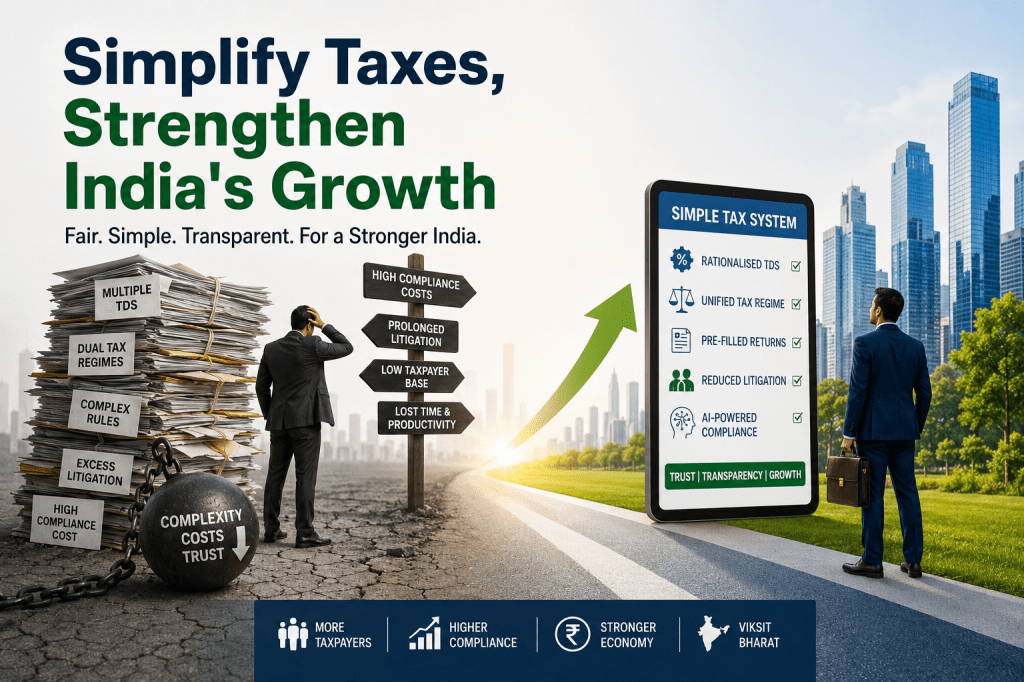
A nation’s tax system is far more than a mechanism for collecting revenue; it is a reflection of the social contract between the State and its citizens. The most successful economies have built tax regimes that are predictable, equitable, and simple enough to encourage voluntary compliance. India, despite remarkable advances in digital governance, continues to grapple with one of the world’s most intricate tax architectures. What was originally designed to balance revenue generation with economic growth has gradually evolved into a maze of exemptions, deductions, multiple tax regimes, overlapping compliance requirements, and perpetual legislative amendments. The paradox is unmistakable: barely three crore individuals—about two percent of India’s 140 crore population—pay income tax, even though nearly eight crore returns are filed annually. A nation aspiring to become a $10 trillion economy cannot sustainably depend on such a narrow taxpayer base.
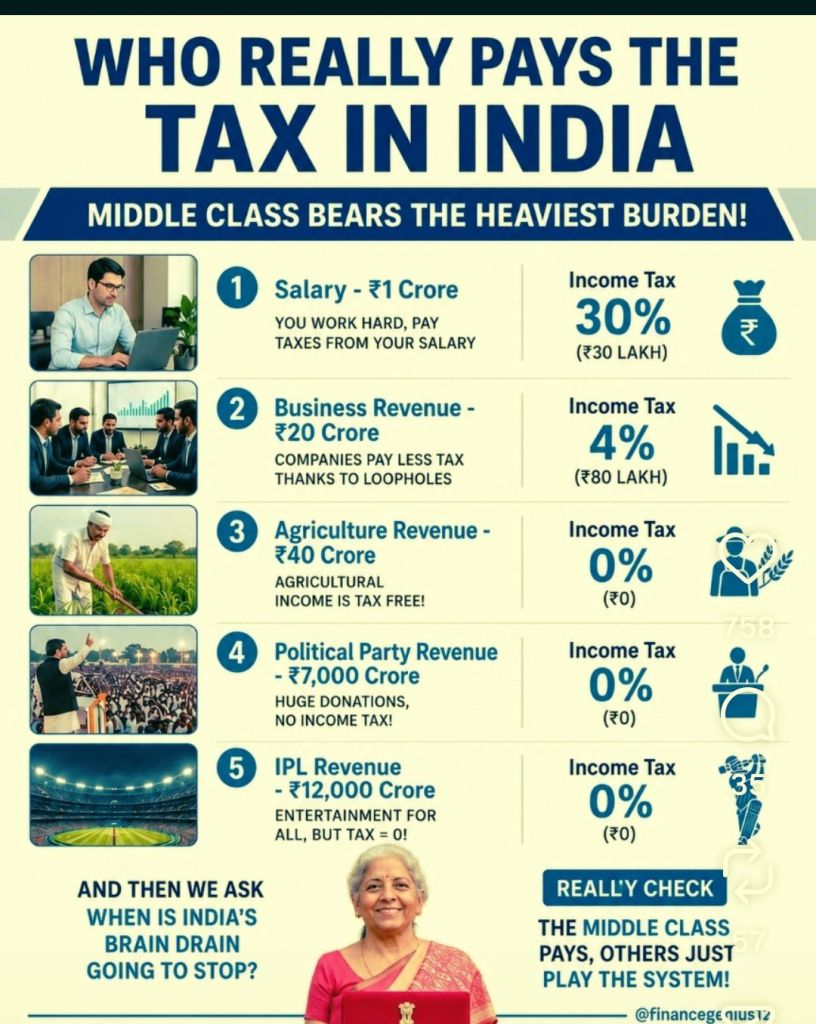
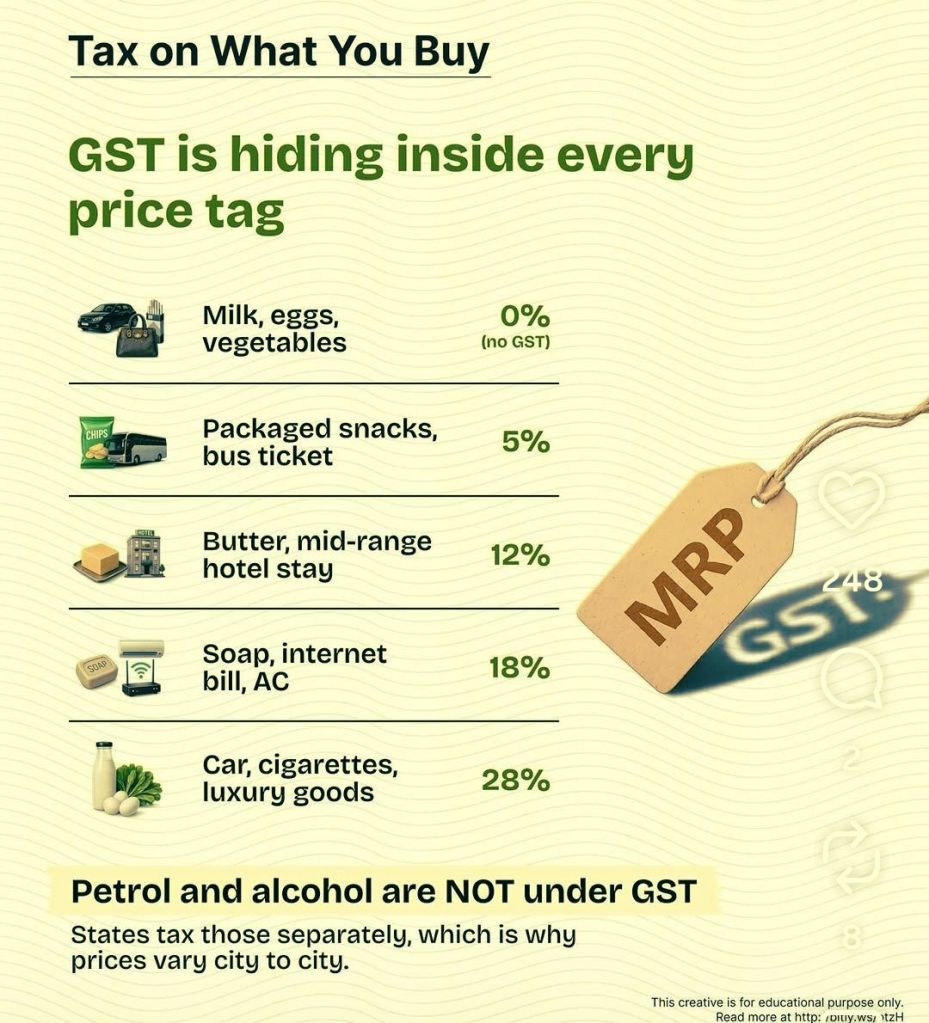
The complexity is deeply rooted in India’s constitutional and administrative framework. Fiscal powers are divided between the Union and the States, creating parallel layers of direct and indirect taxation that frequently intersect. The Income-tax Act itself categorizes earnings into five different heads, each governed by distinct rules, exemptions, deductions, and computational methods. Although the Goods and Services Tax unified several indirect taxes, it continues to operate through multiple slabs, cesses, exemptions, and classification disputes that impose considerable compliance costs. The proliferation of nearly thirty-seven categories of Tax Deducted at Source (TDS), with rates ranging from 0.1 percent to 30 percent, further complicates routine commercial transactions. Instead of rewarding productivity, innovation, and entrepreneurship, the system often rewards those who best understand procedural complexity.
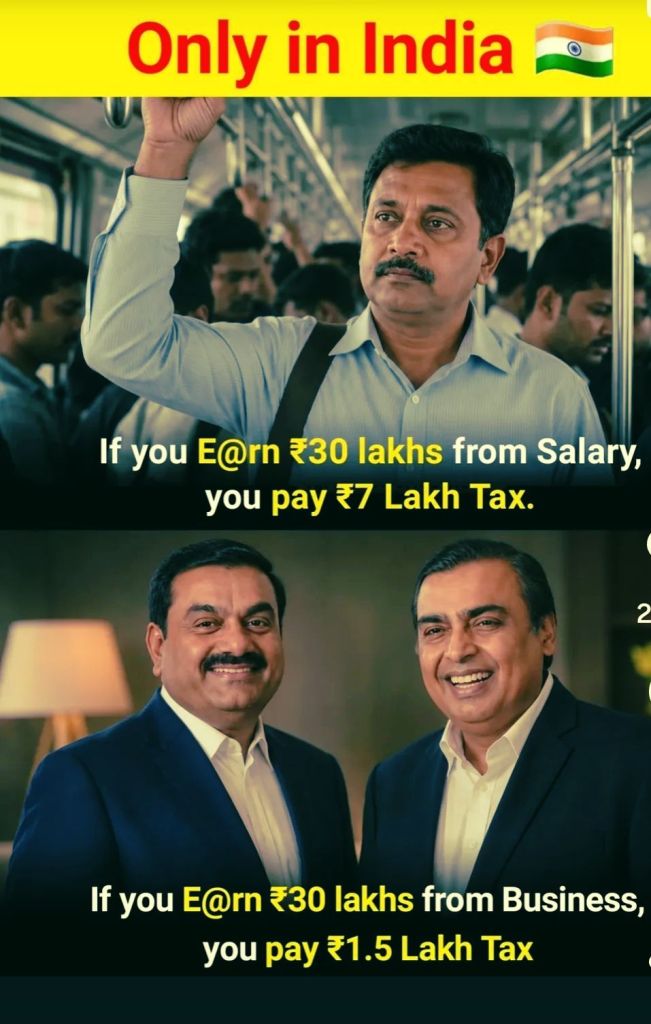
Nowhere is this imbalance more visible than in the contrasting treatment of businesses and salaried individuals. Businesses legitimately deduct operating expenses such as rent, salaries, travel, professional services, depreciation, communication costs, and technology investments before computing taxable income because these expenditures are recognized as essential for generating revenue. Salaried employees, however, receive little recognition for equally unavoidable expenditures such as housing, education, healthcare, transportation, and household utilities. The introduction of the new tax regime, intended to simplify taxation through lower rates and fewer exemptions, has paradoxically added another layer of decision-making. Taxpayers are now compelled to calculate liabilities under two parallel systems each year, transforming simplification into another compliance exercise and increasing dependence on professional advice.
The consequences extend beyond arithmetic; they shape economic behaviour itself. India’s direct tax collections rely disproportionately on salaried taxpayers whose taxes are deducted compulsorily at source, making compliance virtually unavoidable. At the same time, corporate tax rates have been progressively reduced to globally competitive levels of around 15–22 percent to stimulate investment and manufacturing. While this policy has strategic economic justification, it has also reinforced a perception that individuals bear a disproportionate burden of financing public expenditure. For countless entrepreneurs, freelancers, and small businesses, the costs of maintaining accounts, engaging tax professionals, complying with multiple filings, and responding to notices often exceed the actual tax liability. Complexity thus becomes an economic disincentive, encouraging informality rather than enterprise.
Equally concerning is the emergence of a litigation-driven tax ecosystem. Although faceless assessments have significantly improved transparency by reducing physical interaction, procedural reforms alone cannot eliminate interpretational ambiguity. A substantial proportion of tax disputes arise not from deliberate evasion but from differing interpretations of highly technical provisions. Government success rates in appellate forums remain relatively modest, yet taxpayers are often required to deposit a significant portion of disputed demands before pursuing appeals. With lakhs of pending tax cases and disputed demands running into several lakh crore rupees, productive capital remains locked in litigation instead of being deployed for investment, expansion, or employment generation. An adversarial tax administration weakens trust, while uncertainty discourages long-term business planning.
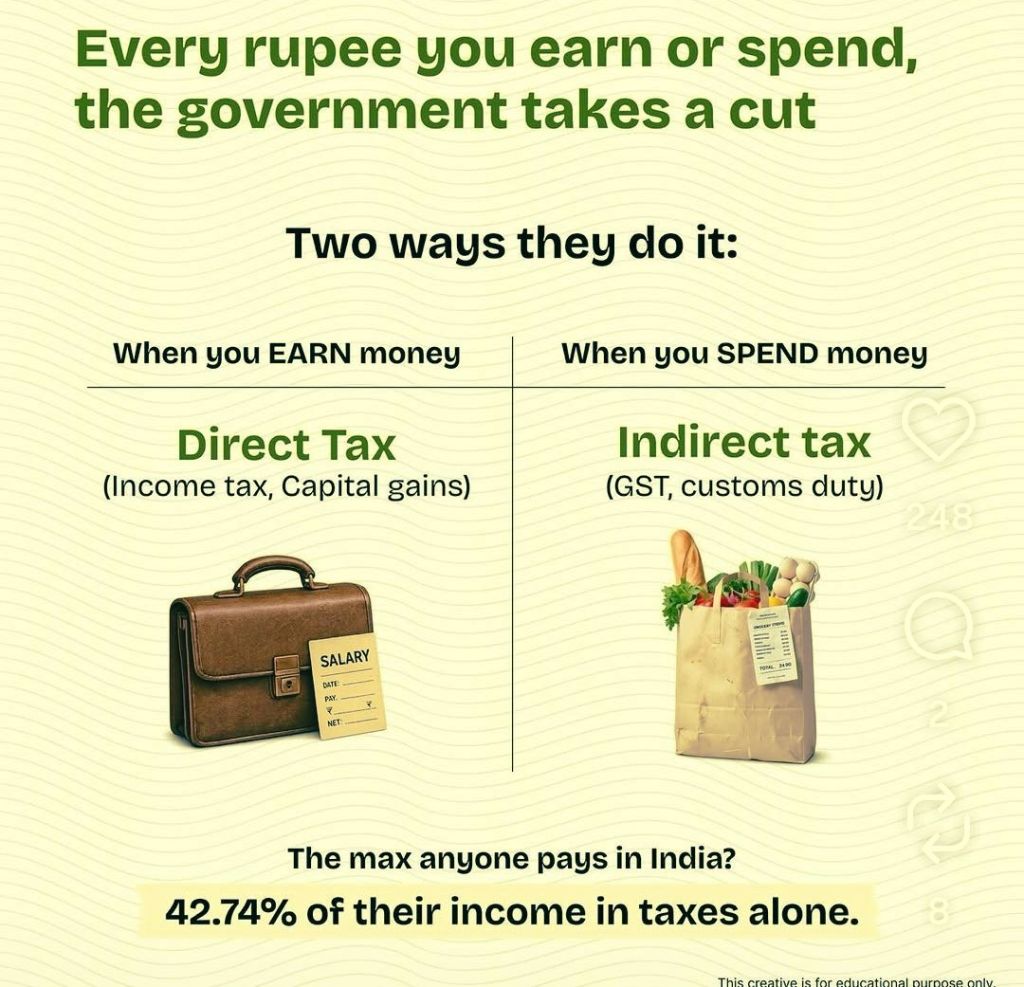
The broader macroeconomic implications are profound. High compliance costs reduce disposable incomes, suppress domestic consumption, discourage entrepreneurship, and encourage migration towards the informal economy. India’s overall tax-to-GDP ratio remains modest despite relatively high statutory rates, demonstrating that complexity alone cannot generate higher revenues. Simultaneously, greater dependence on indirect taxes shifts a larger burden onto consumers, making the tax structure relatively regressive. Visible wealth often expands faster than reported taxable income, creating a growing disconnect between economic reality and fiscal records. When honest taxpayers perceive inequity while habitual non-compliance appears to escape scrutiny, voluntary tax compliance gradually gives way to compliance driven purely by enforcement.
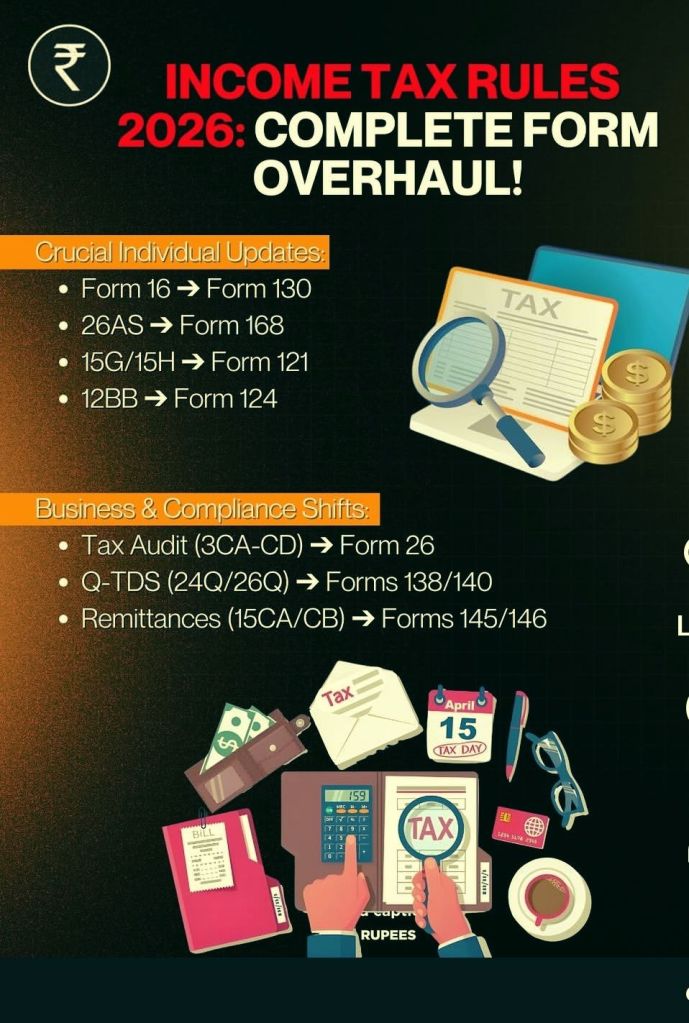
Global experience demonstrates that simplicity is not merely an administrative virtue but a powerful economic strategy. OECD nations increasingly rely on risk-based compliance systems that use advanced analytics to identify high-risk taxpayers while allowing compliant citizens to experience frictionless administration. Estonia and Singapore have transformed tax filing through comprehensive pre-filled digital returns. Australia and the United Kingdom employ expert review mechanisms before initiating litigation, ensuring only legally sustainable cases proceed. Brazil’s integrated digital reporting architecture enables real-time verification, while unified tax procedure codes adopted in several advanced economies separate procedural administration from substantive tax law. India already possesses an exceptional digital foundation through PAN, Aadhaar, GSTN, AIS, and Form 26AS. The next transformation lies not in collecting more information, but in intelligently integrating it.

The future of Indian taxation should therefore be guided by simplification rather than proliferation. Rationalising TDS into a few broad categories, replacing dual tax regimes with a single transparent framework, expanding standard deductions to reflect essential living costs, widening pre-filled return systems, reducing avoidable litigation, and deploying artificial intelligence to detect genuine evasion can substantially improve compliance while lowering administrative costs. Simultaneously, expanding the tax base through data-driven identification of high-value consumption and undeclared wealth—rather than repeatedly increasing the burden on existing taxpayers—would strengthen fiscal sustainability without undermining economic growth. A modern tax administration must move from a culture of suspicion to one of informed trust.
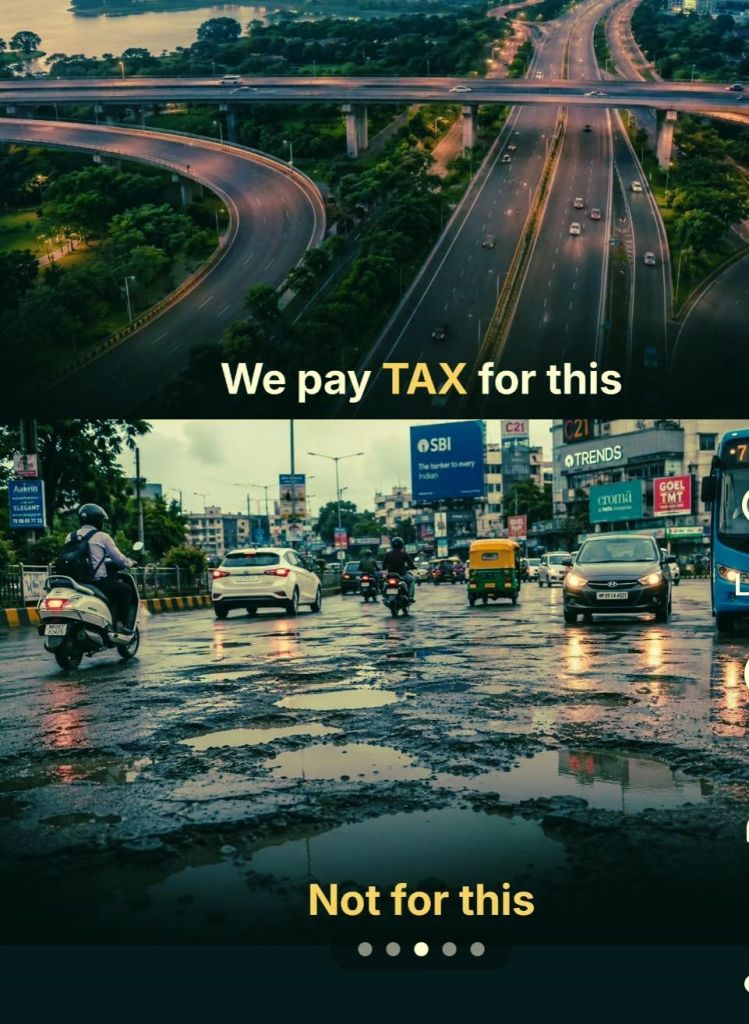
Ultimately, taxation succeeds not because governments possess coercive powers but because citizens believe the system is fair. A transparent, predictable, and equitable tax regime strengthens investment, encourages entrepreneurship, improves voluntary compliance, and deepens public confidence in governance. India’s ambition of becoming a developed economy cannot rest on one of the world’s most complicated tax systems. The nation does not require another Finance Bill filled with incremental amendments; it requires a philosophical shift from complexity to clarity. A tax code should function like a well-engineered expressway that enables economic activity—not like an endless bureaucratic labyrinth where only experts know the exit. When compliance becomes easier than avoidance and fairness becomes more visible than complexity, India will unlock not only higher tax revenues but also greater productivity, stronger institutions, and faster, more inclusive economic growth.
VISIT ARJASRIKANTH.IN FOR MORE INSIGHTS


One response to ““India’s Tax Catch-22: Too Complex to Comply, Too Important to Ignore” ”
Arja Srikant Sir. Beautifully articulated. A powerful and timely perspective on building trust through a simpler, fairer tax system. – KCR
LikeLike