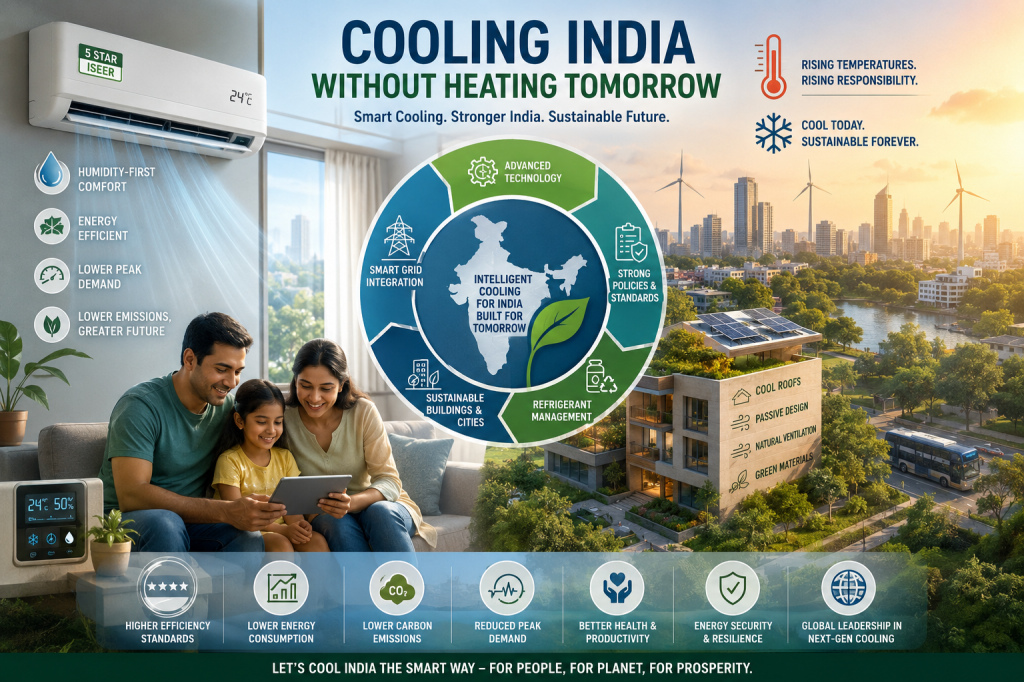
India is entering an era where air conditioning will shape far more than household comfort. It will influence the country’s energy security, public health, economic productivity, industrial competitiveness and climate resilience. As extreme heat transitions from an occasional event to a persistent reality, cooling is no longer a lifestyle choice but an essential public service. Yet India confronts a striking paradox. The very machines that protect citizens from life-threatening temperatures are simultaneously driving electricity demand, increasing carbon emissions and intensifying urban heat.
The question before policymakers is therefore not whether India should cool its people, but whether it can redesign cooling itself. The future belongs not to more air conditioners, but to intelligent cooling systems engineered specifically for India’s climatic and demographic realities.
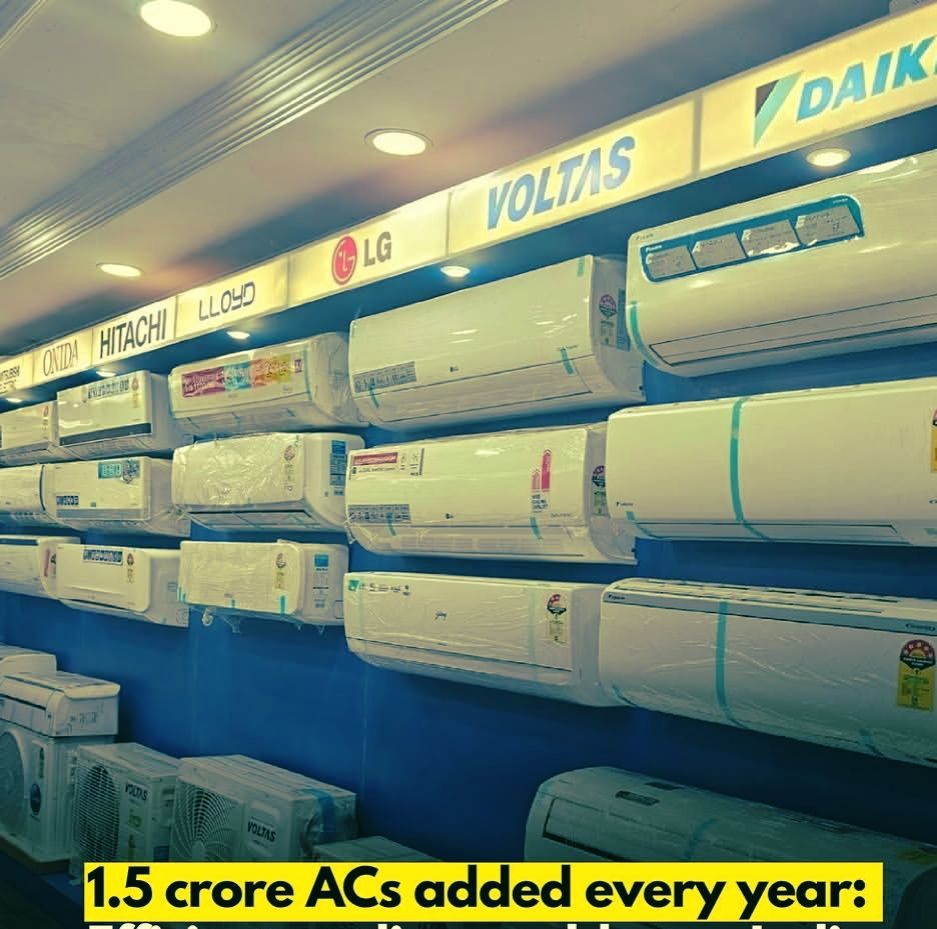
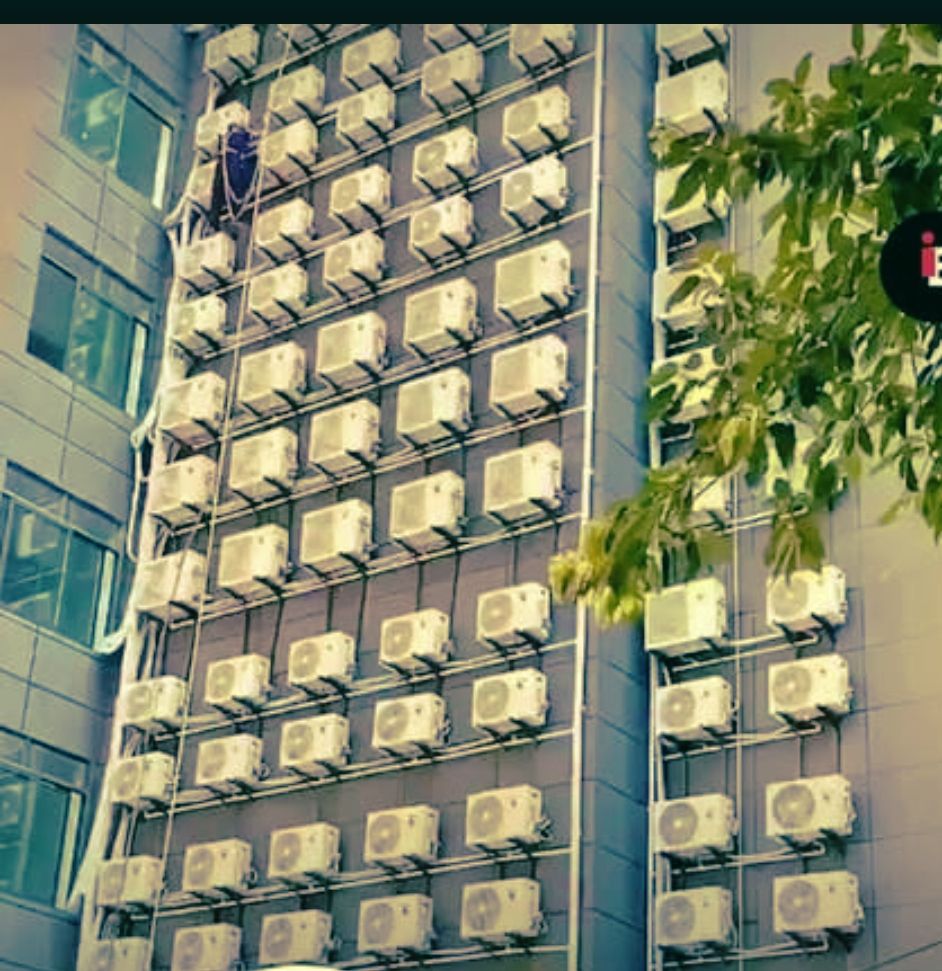
The magnitude of the coming transformation is unprecedented. Annual room air-conditioner sales have risen nearly tenfold over the past two decades, with approximately 14 million units sold in 2024 alone. India’s installed stock of room air conditioners is projected to expand from nearly 76 million units today to around 245 million by 2035. Yet household penetration remains barely 10–15 percent, indicating enormous untapped demand. Rising incomes, rapid urbanisation, expanding middle-class aspirations and increasingly frequent heatwaves are creating an irreversible cooling revolution. However, this revolution carries enormous consequences. Household cooling demand alone could approach 180 GW by 2035—equivalent to constructing an entirely new national electricity system simply to keep homes comfortable during peak summer evenings. Unless efficiency improves dramatically, India’s cooling success may become its greatest energy vulnerability.
Climate change is rapidly amplifying this challenge. Average temperatures across India have steadily increased, while recent years have witnessed record-breaking heatwaves exceeding 47°C in several regions. Even more concerning is the sharp increase in night-time temperatures, preventing buildings from naturally dissipating accumulated heat. Scientific studies indicate that every one-degree rise in average daily temperature increases India’s peak electricity demand by more than 7 GW. Urban heat islands compound the crisis as densely built cities remain several degrees warmer than surrounding areas. Conventional air conditioners inadvertently worsen the problem by extracting indoor heat and releasing it into already overheated streets, increasing local ambient temperatures by one to two degrees. The result is a dangerous feedback cycle where cooling generates additional heat, thereby increasing dependence on even greater cooling.
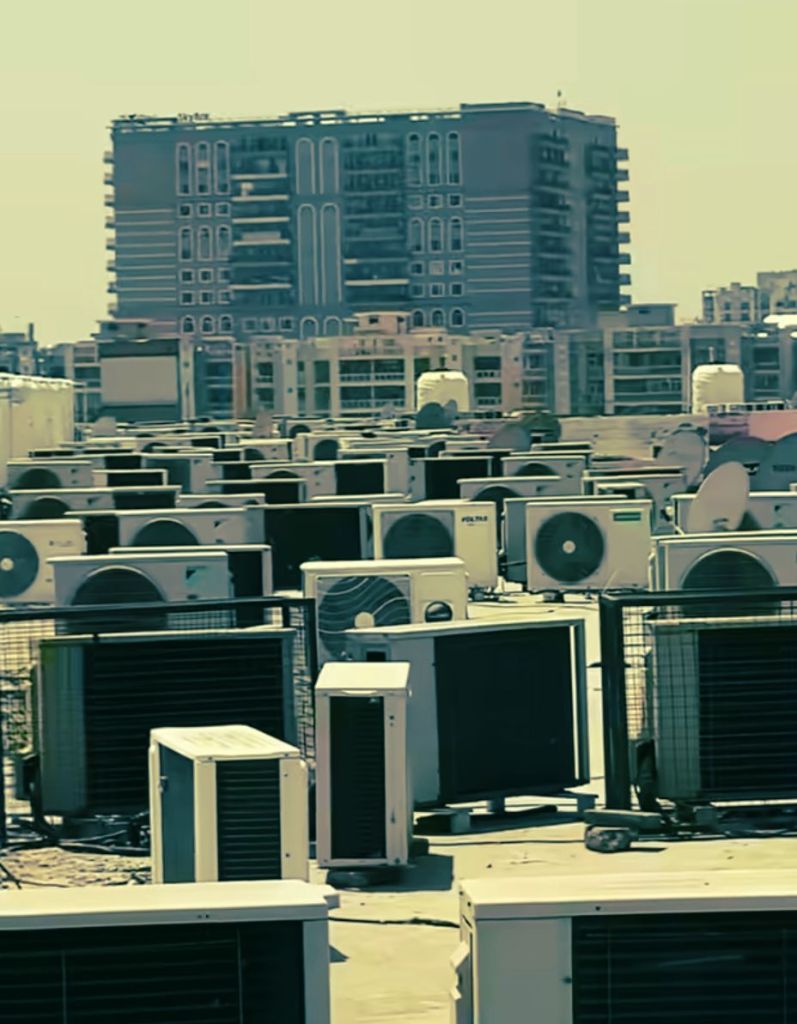
The limitations of today’s cooling technologies arise because they were largely designed for temperate climates rather than India’s tropical conditions. Conventional air conditioners primarily reduce temperature, despite humidity often being the dominant source of human discomfort across much of India. Consequently, consumers lower thermostat settings excessively to achieve dehumidification, leading to unnecessary electricity consumption and higher utility bills. Although most Indian consumers now purchase three- to five-star rated appliances, existing energy labels do not adequately capture real-world humidity performance. The outcome is a market where consumers believe they are purchasing efficient appliances while unknowingly paying for avoidable energy losses. India’s cooling challenge is therefore not merely technological but fundamentally one of engineering design aligned with local climatic realities.
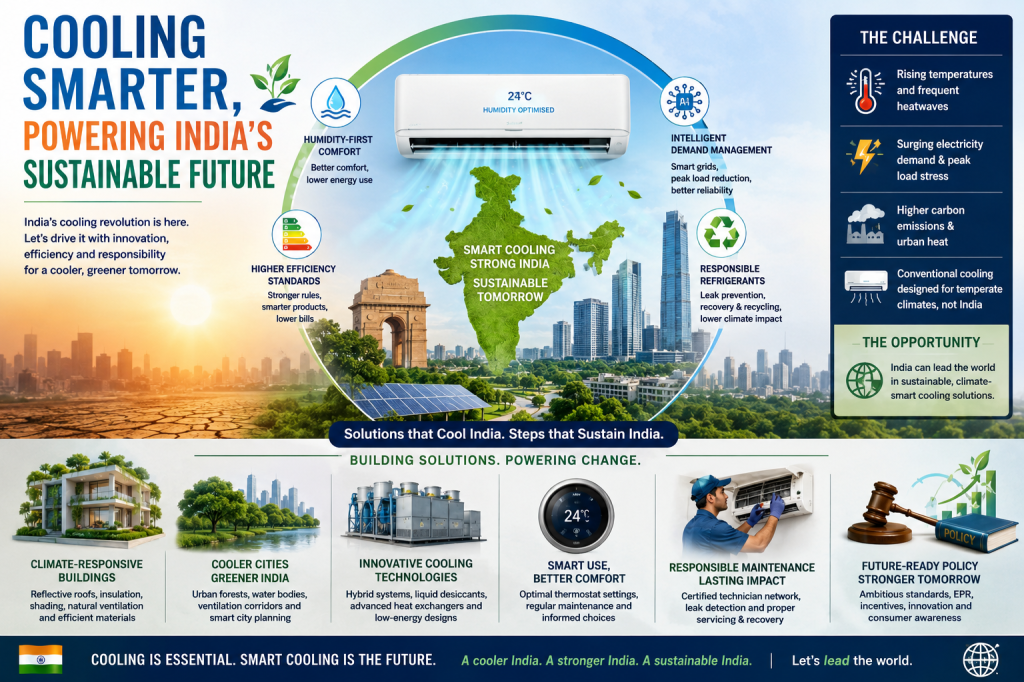
The most promising solution lies in developing humidity-first cooling technologies specifically tailored for Indian conditions. Instead of aggressively reducing temperature, next-generation systems intelligently regulate indoor moisture while maintaining thermal comfort. Experimental studies suggest that humidity-optimised air conditioners can reduce electricity consumption by nearly 60 percent while cutting peak demand by almost half. Innovations such as microchannel heat exchangers improve thermal performance, reduce refrigerant use and lower equipment weight. Even more transformative are hybrid systems employing liquid desiccants that remove moisture before refrigeration begins, substantially improving efficiency. Indian research institutions are already pioneering several of these technologies, positioning the country to become a global leader in climate-responsive cooling rather than merely a consumer of imported designs developed for entirely different environments.
Technology alone, however, cannot deliver the required transformation without equally ambitious policy reform. India’s Minimum Energy Performance Standards must evolve beyond incremental improvements toward globally competitive efficiency benchmarks. Raising Indian Seasonal Energy Efficiency Ratio (ISEER) thresholds more aggressively would stimulate innovation while gradually eliminating inefficient products from the market. Studies indicate that accelerated standards could reduce national peak electricity demand by more than 60 GW, save over 118 TWh of electricity annually and avoid tens of millions of tonnes of carbon emissions by 2035. Simultaneously, demand-response technologies enabling utilities to optimise air-conditioner operation during periods of grid stress could shave an additional 8–10 GW from peak demand without materially affecting consumer comfort. Intelligent regulation, rather than subsidies alone, will determine India’s long-term cooling trajectory.
Another overlooked challenge lies inside every cooling system—the refrigerant itself. India currently records one of the world’s highest refrigerant refill rates, with nearly 40 percent of air conditioners requiring annual refilling instead of the recommended five-year servicing cycle. Besides imposing substantial costs on consumers, refrigerant leakage releases hydrofluorocarbons whose global warming potential is hundreds of times greater than carbon dioxide. Addressing this hidden climate risk requires Extended Producer Responsibility, certified technician networks, refrigerant tracking systems, leak detection protocols and mandatory end-of-life recovery standards. Efficient air conditioners cannot be considered truly sustainable if their refrigerants continue escaping into the atmosphere. Proper maintenance should therefore become as important as efficient manufacturing in India’s cooling policy.
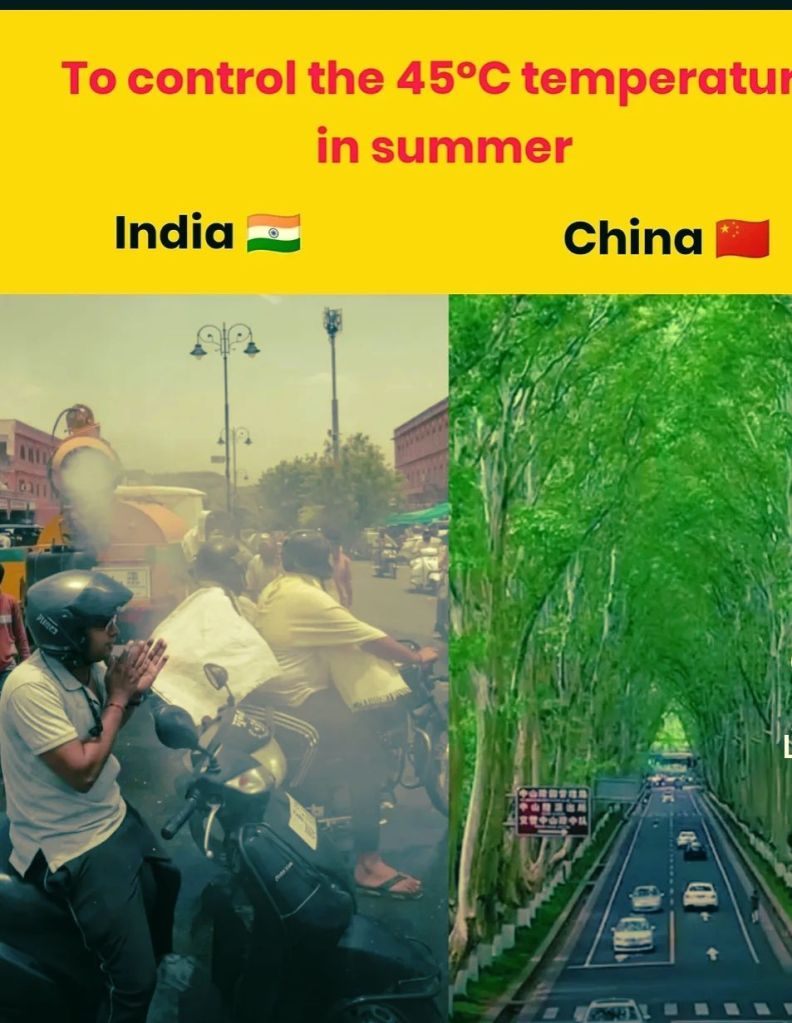
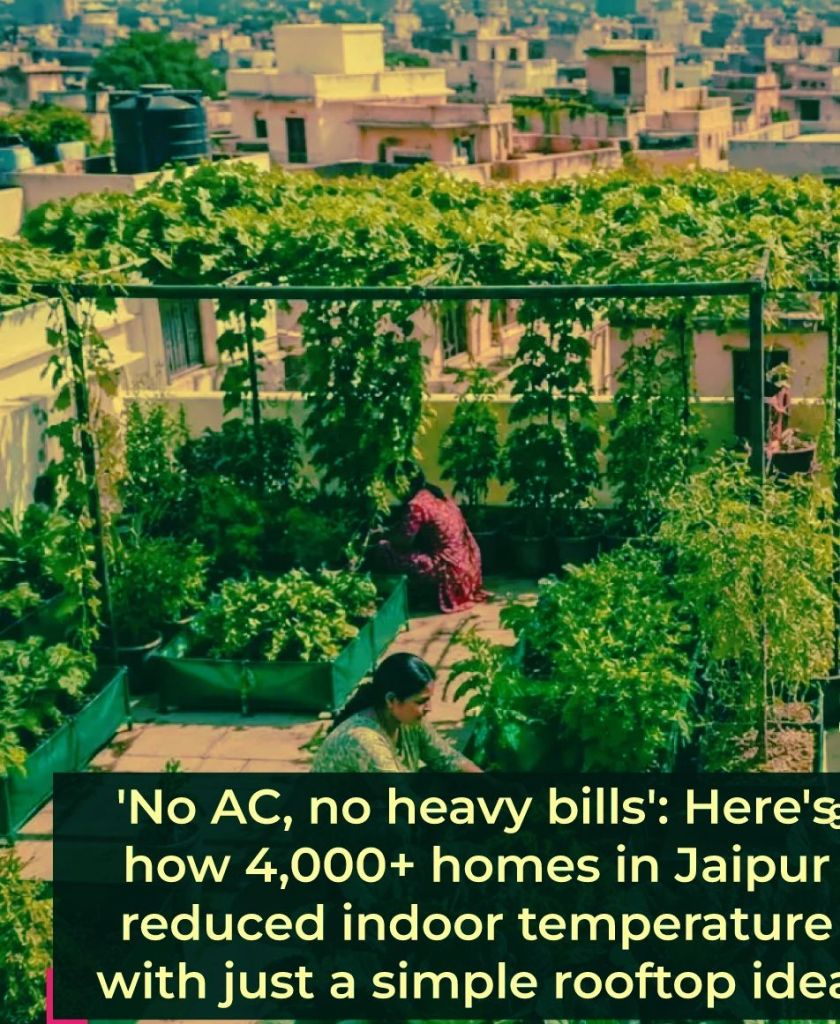
Ultimately, India’s cooling strategy must begin long before an air conditioner is switched on. Buildings themselves should become the nation’s primary cooling technology through reflective roofs, better insulation, passive ventilation, external shading, climate-responsive architecture and energy-efficient construction materials. Urban forests, restored water bodies, ventilation corridors, district cooling systems, radiative cooling materials and smart city planning can significantly reduce ambient temperatures before electricity is consumed. Consumer awareness regarding thermostat settings, preventive maintenance and responsible purchasing decisions must complement engineering innovation. India’s cooling future will determine far more than electricity consumption; it will shape public health, economic resilience and climate leadership. The countries that master intelligent cooling will define the next generation of sustainable development. India’s greatest opportunity is not to build millions more air conditioners—it is to invent a smarter way for the world to stay cool.
VISIT ARJASRIKANTH.IN FOR MORE INSIGHTS


One response to ““The Air Conditioner That Wants to Melt India: The Future of Cooling Must Learn to Sweat Before It Freezes””
This article is an eye opener and alarm alerting all to embrace alternative solutions for cooling.
one such alternative from Hyderabad is worth noticing … http://www.Ambiator.com
thank you Arja Sir🙏
LikeLike