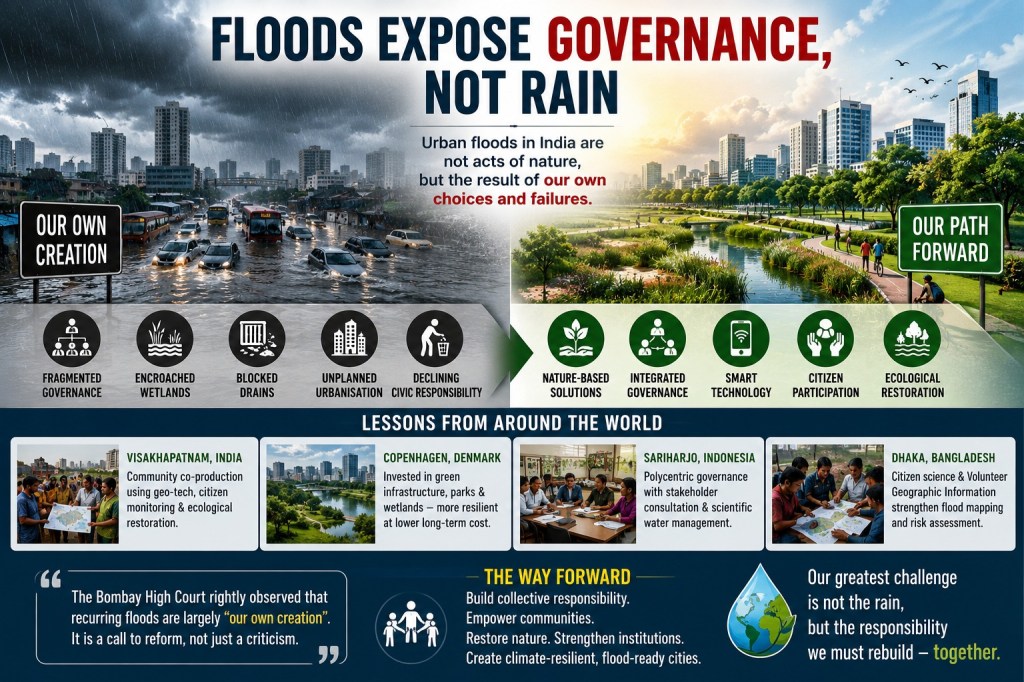
Every monsoon, India’s great cities rehearse an increasingly expensive tragedy. Roads vanish beneath torrents, railway stations resemble canals, airports slow to a crawl, and millions of citizens watch daily life dissolve into chaos after only a few hours of rain. For decades, the explanation has been conveniently attributed to unusually heavy rainfall or climate change. However, the recent observation of the Bombay High Court—that recurring urban flooding is largely “our own creation”—fundamentally alters the narrative. The statement shifts the debate from meteorology to governance, from natural disaster to institutional failure. India’s urban flooding is no longer merely an environmental phenomenon; it is the visible manifestation of civic disorder, ecological neglect, fragmented administration, and collective complacency. Rain only reveals weaknesses that have accumulated over decades.

The crisis is best understood as a dangerous convergence of three simultaneous failures—institutions, ecology, and citizenship. Institutionally, urban flood management suffers from fragmented authority. Municipal corporations, development authorities, irrigation departments, public works agencies, and state governments frequently operate in parallel rather than in partnership. Stormwater management rarely has a single accountable authority. Planning remains compartmentalized while flooding itself is systemic. Although technical expertise exists, enforcement of zoning regulations, protection of drainage channels, and routine maintenance often receive lower political priority than highly visible infrastructure projects.
Consequently, cities continue investing billions in concrete expansion while overlooking the natural systems that historically regulated water far more efficiently.

The ecological damage is equally alarming. Every thriving city was originally built around landscapes capable of absorbing and managing rainfall. Wetlands acted as natural reservoirs, lakes moderated runoff, rivers carried excess water, and permeable soils replenished groundwater. Modern urbanisation has systematically dismantled these ecological assets. Asphalt, concrete, and impermeable pavements now dominate urban landscapes, dramatically accelerating surface runoff. Floodplains have been converted into residential colonies, commercial complexes, parking lots, and transport corridors. Rivers have been narrowed, polluted, or encroached upon until they function more as drains than living ecosystems. Mumbai’s Mithi River exemplifies this transformation, where ecological degradation has directly translated into engineering failure. Cities cannot expect flood resilience after eliminating the very ecosystems designed to provide it.
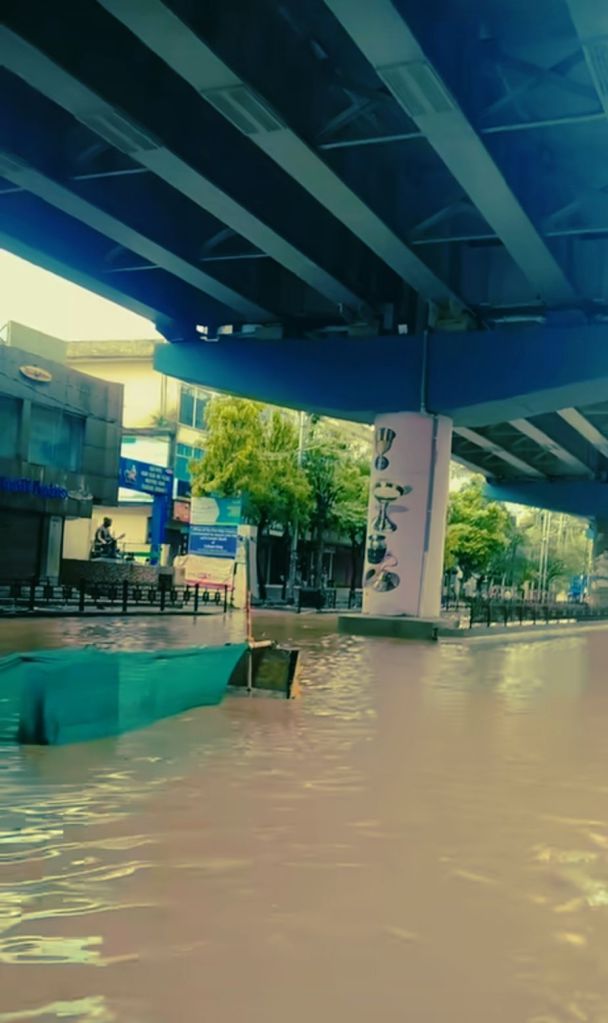
Yet institutions and ecology tell only part of the story. Civic responsibility has deteriorated with equal speed. Urban infrastructure functions effectively only when citizens recognize public spaces as shared assets rather than expendable commons. Stormwater drains have increasingly become dumping grounds for plastic waste, construction debris, and household garbage, significantly reducing drainage capacity during periods of intense rainfall. Encroachments upon lakes, canals, and riverbanks often proceed with tacit public acceptance until disaster strikes. Civic participation has become largely reactive. Public engagement typically begins after homes are flooded, when accountability is demanded but personal responsibility is rarely acknowledged. Sustainable urban resilience requires not merely better engineering but stronger civic ethics.
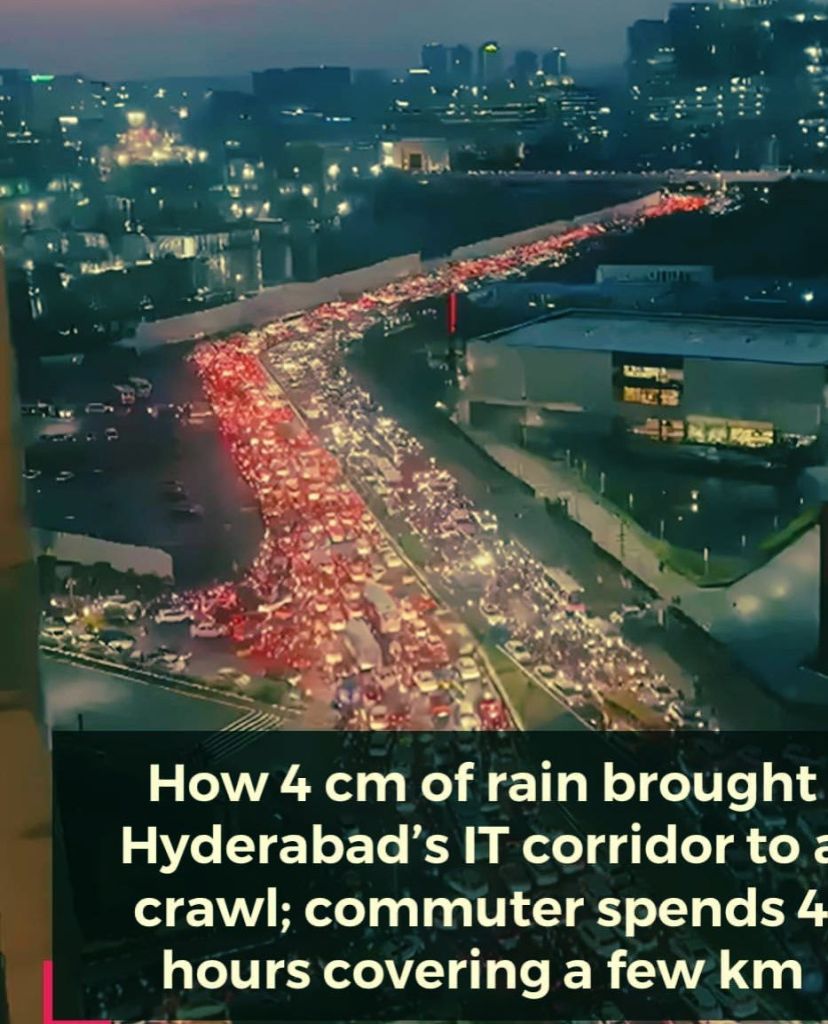
Overcoming this crisis demands more than constructing wider drains or deeper sewers. India faces formidable institutional, financial, and social barriers that conventional engineering alone cannot resolve. Government agencies remain locked into a path-dependent preference for grey infrastructure despite growing global evidence supporting nature-based solutions. Hyperlocal flood forecasting, geospatial monitoring, predictive analytics, and digital decision-support systems remain insufficiently integrated into urban governance. Regulatory frameworks intended to safeguard wetlands, riverbanks, and coastal zones frequently produce bureaucratic complexity without ensuring ecological protection. Meanwhile, informal settlements continue to bear the highest flood risks despite having the least influence over planning decisions. Ironically, ecological restoration often costs substantially less than large-scale engineering projects, yet receives only a fraction of long-term financial commitment.

The future of flood resilience lies in replacing symbolic consultation with genuine community co-production. This distinction is crucial. Community engagement often involves informing citizens after key decisions have already been made. Community inclusion, by contrast, empowers residents to participate in designing, implementing, monitoring, and continuously improving flood mitigation strategies. The Urban Living Lab model demonstrated in Visakhapatnam offers a compelling illustration. Citizens collaborated with public institutions to prepare hazard maps using geospatial technologies, report infrastructure deficiencies through mobile applications, monitor public dashboards, and participate in ecological restoration programmes.
Technology became effective not because it was sophisticated, but because communities became active partners rather than passive beneficiaries. Ownership, not merely innovation, produced resilience.
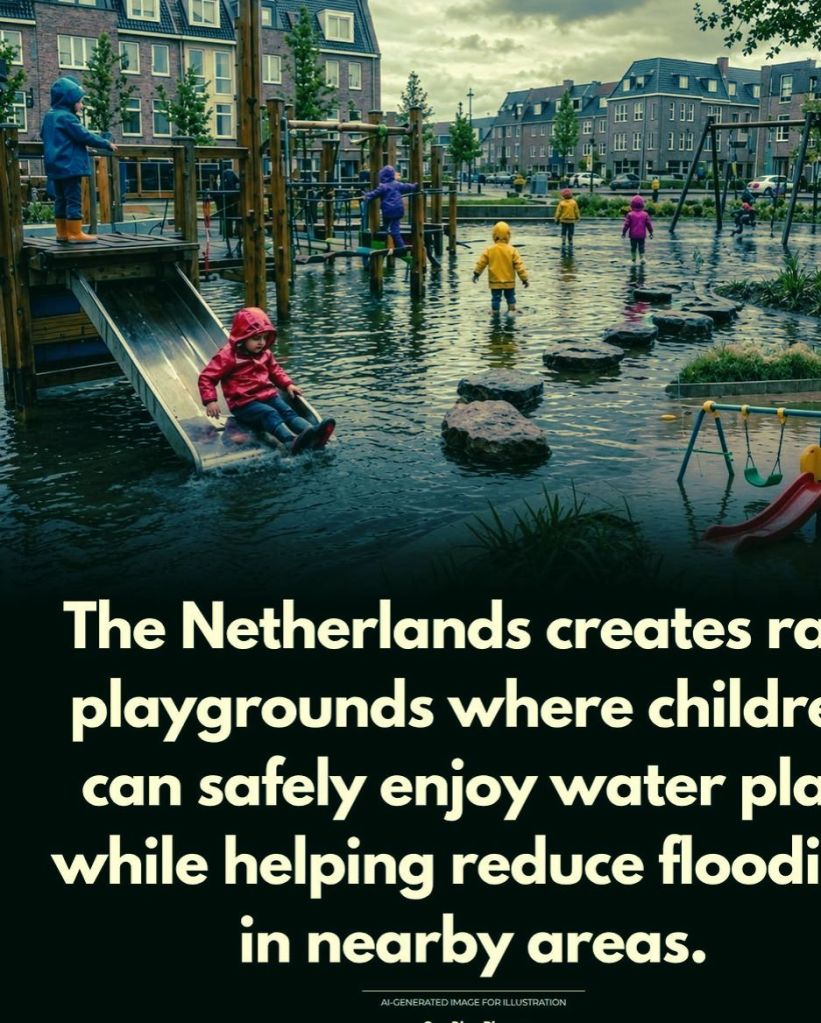
Global experience further strengthens this argument. Indonesia’s Sariharjo has successfully adopted polycentric governance, integrating scientific research, stakeholder consultations, systems analysis, and collaborative decision-making into urban water management. Bangladesh’s Dhaka has demonstrated the remarkable potential of citizen science and Volunteer Geographic Information, where residents actively contribute to flood mapping and risk assessment. Copenhagen provides perhaps the strongest economic lesson. Following devastating cloudburst floods, the city invested heavily in green infrastructure—parks, wetlands, permeable landscapes, and natural water retention systems—instead of relying exclusively on conventional sewer expansion. The outcome has been enhanced resilience achieved at significantly lower long-term cost. These examples illustrate that sustainable flood management depends not on building larger drains alone but on strengthening institutions, restoring ecosystems, and empowering communities.

India’s informal settlements also deserve a central place in future planning. Communities living in flood-prone areas possess invaluable local knowledge regarding drainage behaviour, flood pathways, seasonal variations, and adaptive responses. Their experience has produced innovative community-designed drainage systems, neighbourhood mapping, elevated sanitation facilities, local early warning mechanisms, women’s self-help networks, livelihood diversification strategies, and indigenous ecological practices. Rather than treating these communities merely as beneficiaries of government programmes, policymakers should recognize them as indispensable partners in urban resilience. The Bombay High Court’s observation is therefore not merely a criticism; it is a blueprint for reform. Climate change will undoubtedly intensify rainfall, but India’s greatest vulnerability is not precipitation—it is fragmented governance and weakened civic responsibility. The technologies already exist, ecological science is well established, and nature-based solutions are increasingly more economical than concrete-intensive alternatives. The missing infrastructure is neither steel nor cement. It is collective responsibility. Until governments, institutions, and citizens rebuild that invisible foundation together, every monsoon will continue exposing not only the inadequacy of urban drainage systems but also the deeper crisis of India’s civic conscience.
VISIT ARJASRIKANTH.IN FOR MORE INSIGHTS

