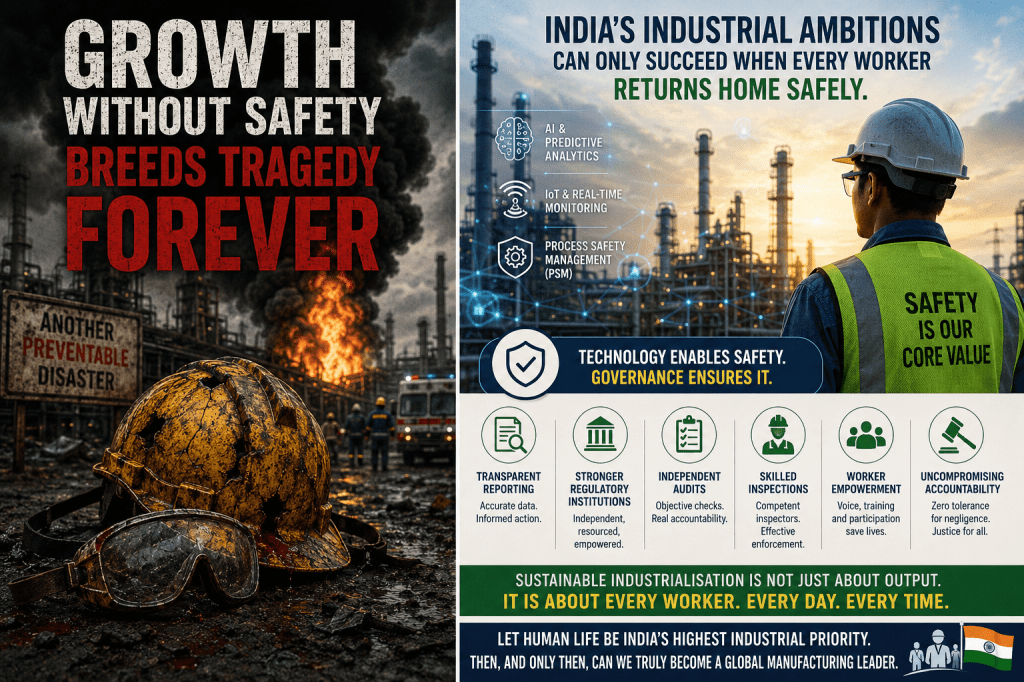
India proudly projects itself as the world’s next manufacturing powerhouse, championing initiatives that promise to transform the country into a global industrial hub. Yet beneath the celebration of rising investments, expanding industrial corridors, and ambitious production targets lies a far more unsettling reality. Every factory explosion, boiler blast, toxic gas leak, warehouse fire, mining collapse, or chemical disaster exposes not an isolated accident but the predictable consequence of systemic failure. From the haunting legacy of the Bhopal Gas Tragedy to the recent Sigachi Industries explosion, industrial disasters continue to reveal an uncomfortable truth: India’s economic ambitions are often advancing faster than its commitment to protecting the lives that sustain them. The nation has perfected the language of industrial growth but continues to struggle with the grammar of industrial safety.
The persistence of these tragedies demonstrates that they are neither random nor inevitable. Thousands of workers have lost their lives in industrial accidents over the past few years, while countless others have suffered permanent disabilities. These incidents recur because the structural causes remain largely untouched. Every inquiry uncovers familiar patterns—poor maintenance, obsolete equipment, inadequate safety systems, insufficient training, ignored warnings, and weak emergency preparedness. Public outrage follows every disaster, compensation is announced, committees are constituted, and recommendations are drafted. Yet once public attention fades, the same institutional inertia returns. Catastrophes are therefore not exceptional events; they are recurring manifestations of governance failures that have become deeply embedded within India’s industrial ecosystem.
The first and perhaps most fundamental weakness is the absence of credible data. India still lacks a comprehensive, unified, and transparent national database on industrial accidents. Multiple agencies collect fragmented information using different methodologies, while countless incidents in the informal economy never enter official records. With nearly ninety percent of India’s workforce engaged outside the formal sector, the true magnitude of workplace fatalities remains largely invisible. Policymakers attempting to improve safety without reliable data resemble physicians prescribing treatment without diagnosis. What cannot be measured cannot be effectively regulated, and what remains invisible rarely becomes a policy priority.
The second failure lies not in legislation but in enforcement. India possesses an extensive legal framework governing occupational safety, hazardous industries, environmental protection, and factory operations. The challenge is not legislative deficiency but regulatory credibility. Investigations into major industrial accidents repeatedly reveal expired safety certificates, manipulated inspection reports, missing fire clearances, dysfunctional emergency systems, and glaring violations that somehow received official approval. Such findings point less towards administrative oversight and more towards regulatory capture, where compliance becomes a bureaucratic ritual rather than an instrument of public protection. Laws inspire confidence only when institutions possess both the capacity and the integrity to enforce them.

Compounding this problem is the steady erosion of inspection quality. Industrial inspections have increasingly become documentation exercises instead of scientific evaluations of operational risk. Inspectors often verify files rather than machinery, certificates rather than processes, and paperwork rather than workplace realities. Many lack specialised expertise in chemical engineering, hazardous materials, automation systems, or process safety, while severe manpower shortages further weaken oversight. Consequently, factories frequently appear compliant in official records even as critical equipment deteriorates, alarms fail, emergency shutdown systems become unreliable, and preventive maintenance is repeatedly deferred to meet production schedules.
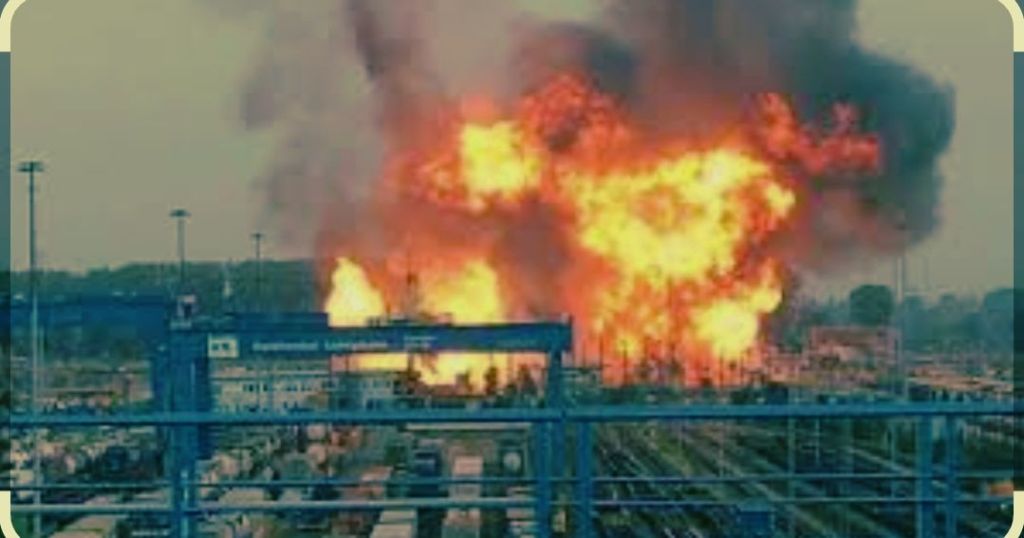
Perhaps the gravest ethical failure is India’s dependence on contract labour for its most hazardous industrial activities. High-risk operations such as confined-space entry, chemical handling, maintenance shutdowns, and equipment cleaning are increasingly outsourced to workers who possess the least bargaining power and receive the weakest protections. Safety training is frequently inadequate, protective equipment remains substandard, and occupational health monitoring is minimal. When accidents occur, accountability dissolves within layers of subcontracting, allowing responsibility to become legally fragmented and morally diluted. Industrial risk has effectively been outsourced alongside employment, leaving the most vulnerable workers exposed to the greatest dangers.
Underlying these institutional failures is an equally troubling cultural mindset. In many industries, safety continues to be viewed as a compliance obligation rather than an organisational philosophy. Under relentless pressure to maximise output and minimise costs, preventive maintenance is postponed, ageing machinery remains operational, safety devices are bypassed, and workers’ warnings are dismissed as operational inconveniences. The Sigachi Industries explosion illustrates this dangerous pattern with painful clarity. Reports suggest that concerns regarding ageing equipment and inadequate safety mechanisms had surfaced long before disaster struck.
The explosion therefore represented not merely the failure of machinery but the culmination of years of neglected warnings, deferred investments, and managerial complacency.
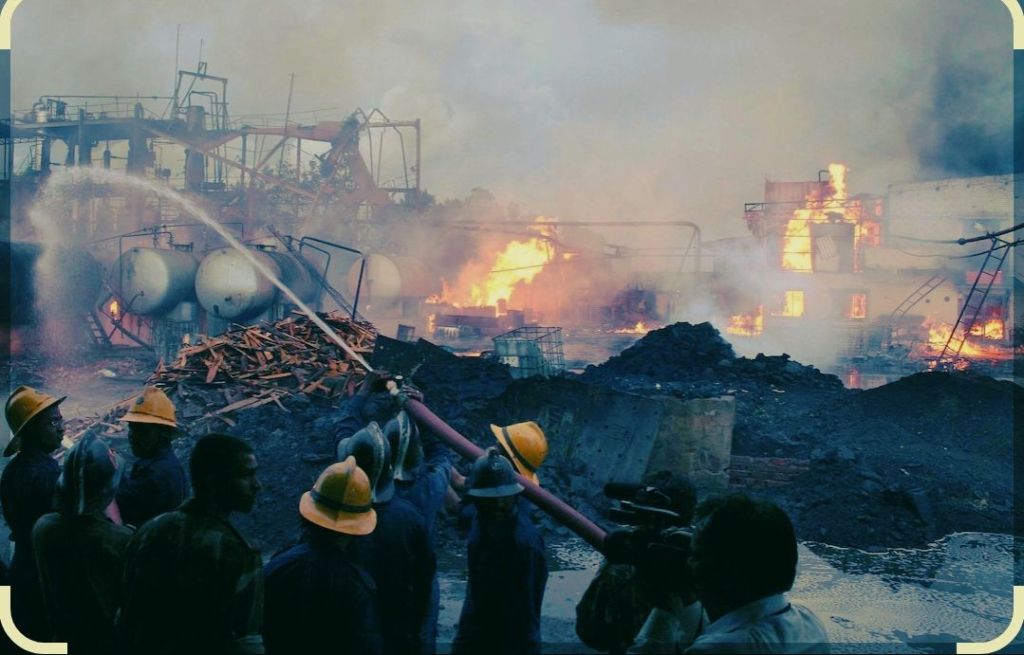
The contrast with global best practices could not be sharper. Advanced industrial economies increasingly embrace Process Safety Management built upon continuous risk assessment, predictive maintenance, digital monitoring, behavioural safety, workforce participation, and automated shutdown systems capable of preventing disasters before they occur. Artificial intelligence, Internet of Things sensors, real-time pressure and temperature monitoring, predictive analytics, and digital inspection platforms are redefining industrial safety worldwide. Encouragingly, several Indian companies have already demonstrated that world-class safety standards are entirely achievable. Their success proves that worker protection and industrial competitiveness are not competing priorities but mutually reinforcing pillars of sustainable manufacturing. Technology, however, cannot compensate for weak governance. Even the most sophisticated systems become ineffective when inspections are manipulated, maintenance budgets are sacrificed, and accountability remains optional.
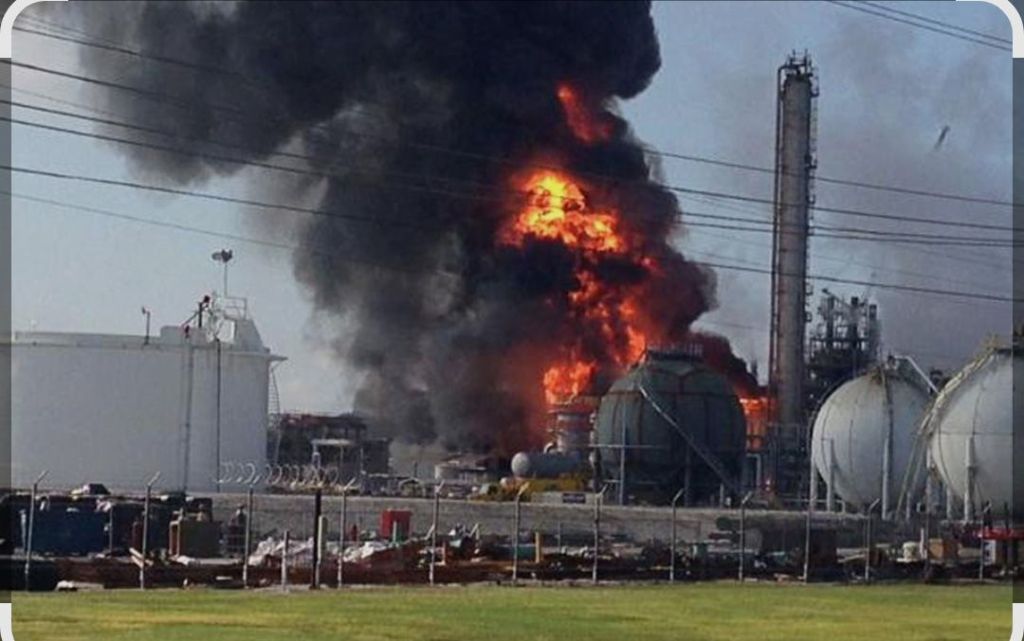
India’s aspiration to become a global manufacturing leader will ultimately be judged not by the number of factories it builds but by the number of workers who safely return home each evening. Industrial safety is not merely a technical challenge or a regulatory obligation; it is a profound test of governance, corporate ethics, and national values. The path forward requires mandatory national accident reporting across both formal and informal sectors, stronger regulatory institutions, technically competent inspections, independent safety audits, unequivocal accountability of principal employers, robust whistleblower protection, universal access to quality protective equipment, and continuous worker training. Every industrial disaster is a chain of preventable decisions in which production is allowed to eclipse precaution and profit overshadows human dignity. Until India places the sanctity of human life at the centre of every industrial decision, factory sirens will continue to sound less like symbols of productivity and more like funeral songs for a system that repeatedly mistakes negligence for progress.
VISIT ARJASRIKANTH.IN FOR MORE INSIGHTS

