
Few institutions in any civilization command the extraordinary moral authority enjoyed by religious shrines. Every coin dropped into a temple hundi, every cheque offered to a church, every contribution made at a mosque or gurudwara represents far more than financial generosity. It symbolizes faith, sacrifice, gratitude, and an unwavering belief that the offering will preserve sacred traditions, sustain charitable activities, serve pilgrims, and honour the divine. When allegations arise that such offerings have been diverted or misappropriated, the consequences extend well beyond monetary loss. They fracture the invisible covenant between devotees and the custodians of their faith. The recent controversy surrounding the Shri Ram Janmabhoomi Teerth Kshetra Trust is therefore not merely a criminal investigation into alleged financial irregularities; it has evolved into a profound constitutional debate about transparency, fiduciary responsibility, and the governance of institutions sustained by the trust of millions.
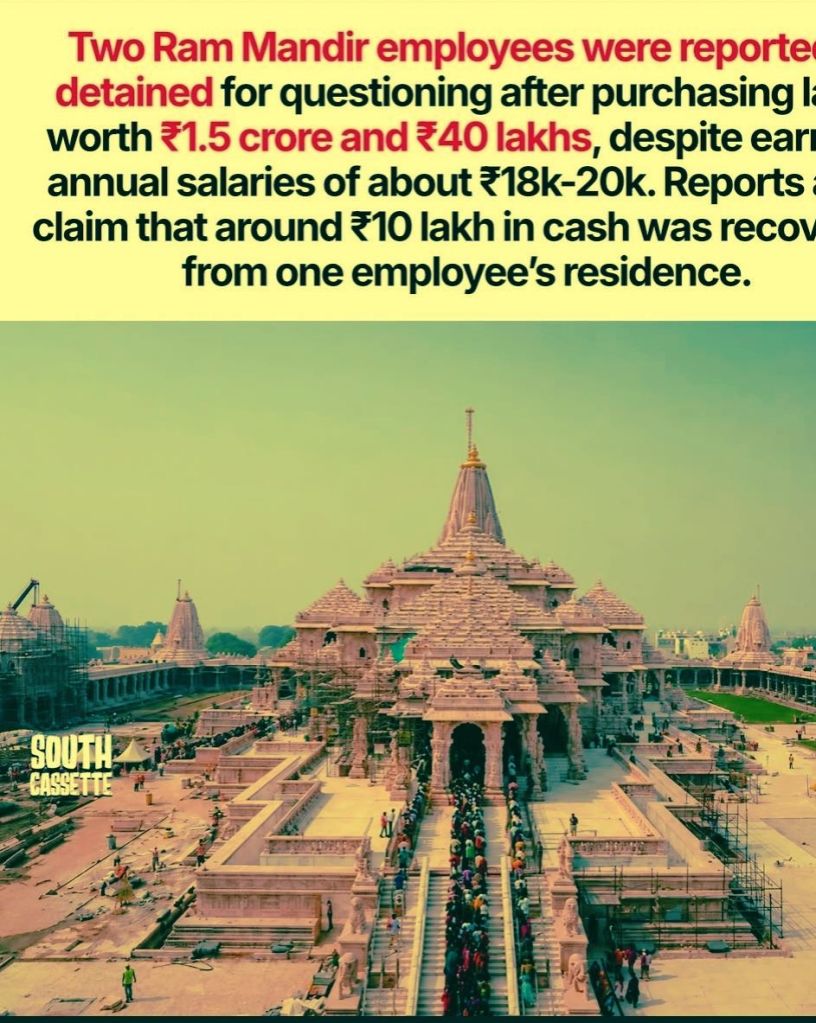
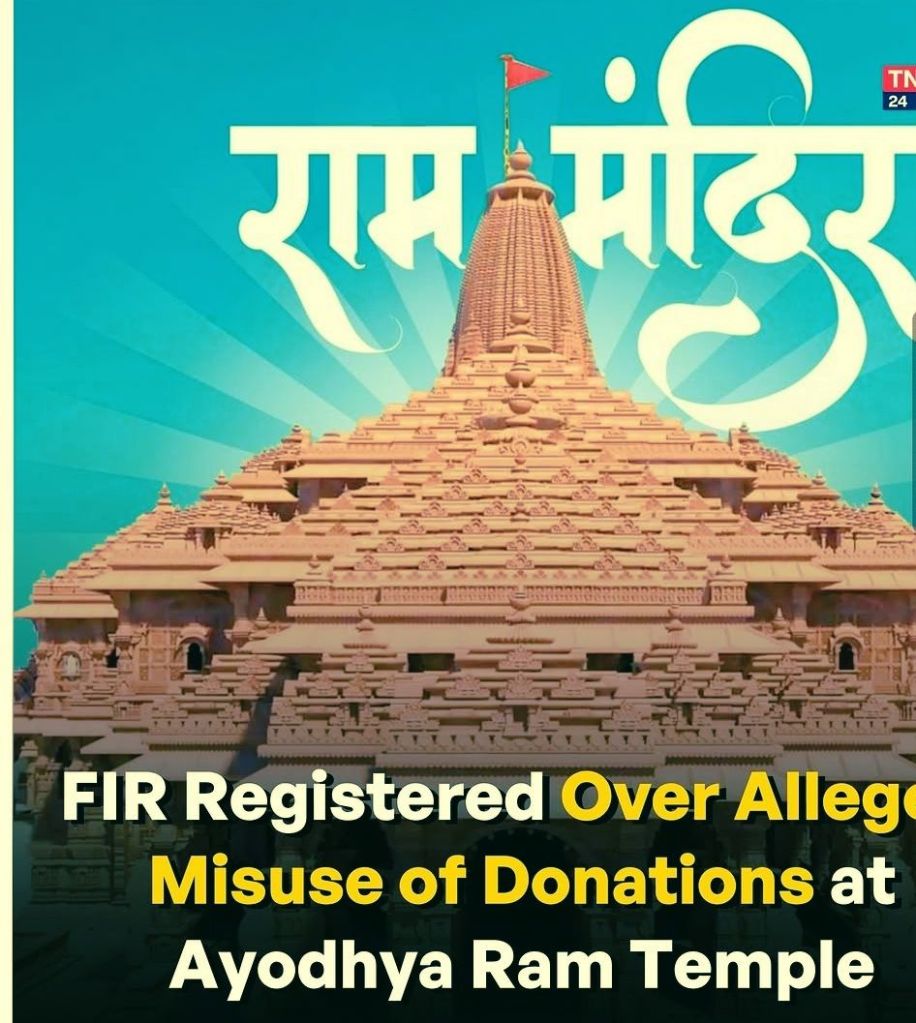
The allegations underscore an uncomfortable truth: no institution, however sacred, is immune from administrative failure. Following a Special Investigation Team inquiry, an FIR was registered, several arrests were made, and senior office-bearers relinquished their positions, accepting moral responsibility while the judicial process continues. Preliminary findings reportedly point towards repeated violations of established protocols governing donation management, including inadequate security deployment, weak custody of donation-box keys, insufficient personnel verification, and failures in preserving surveillance footage. Reports of recovered cash and foreign currency from certain accused have further intensified public scrutiny. While criminal culpability will ultimately be determined by the courts, the administrative deficiencies identified during the investigation are themselves sufficient to expose significant weaknesses in institutional governance.

From the standpoint of public administration, the episode reflects the classical “principal-agent problem,” wherein those entrusted with managing public resources may act contrary to the interests of those they represent when oversight weakens. Devotees are the ultimate principals, while trustees function as fiduciary agents obligated to safeguard offerings made in absolute good faith. This governance dilemma is hardly unique to religious institutions; it has long challenged governments, corporations, universities, and charitable organizations alike. Standard operating procedures, however comprehensive, are meaningless unless reinforced through continuous monitoring, independent audits, and institutional accountability. History repeatedly demonstrates that governance failures seldom arise from the absence of rules; they emerge when implementation gradually becomes ceremonial rather than operational.
The timing of the controversy also exposes a deeper structural vulnerability. Following the consecration of the Ram Mandir, Ayodhya experienced an unprecedented influx of pilgrims and donations, transforming the temple into one of the country’s largest repositories of public faith. Such exponential financial growth inevitably demands equally sophisticated governance mechanisms. Across the world, rapidly expanding charities, universities, corporations, and religious organizations have encountered internal control failures when institutional capacity failed to evolve alongside increasing financial inflows. Without parallel investments in professional auditing, digital accounting systems, surveillance infrastructure, and robust internal controls, extraordinary public trust can inadvertently create extraordinary opportunities for institutional abuse. The present controversy therefore serves as a cautionary reminder that growth without governance is an invitation to systemic vulnerability.
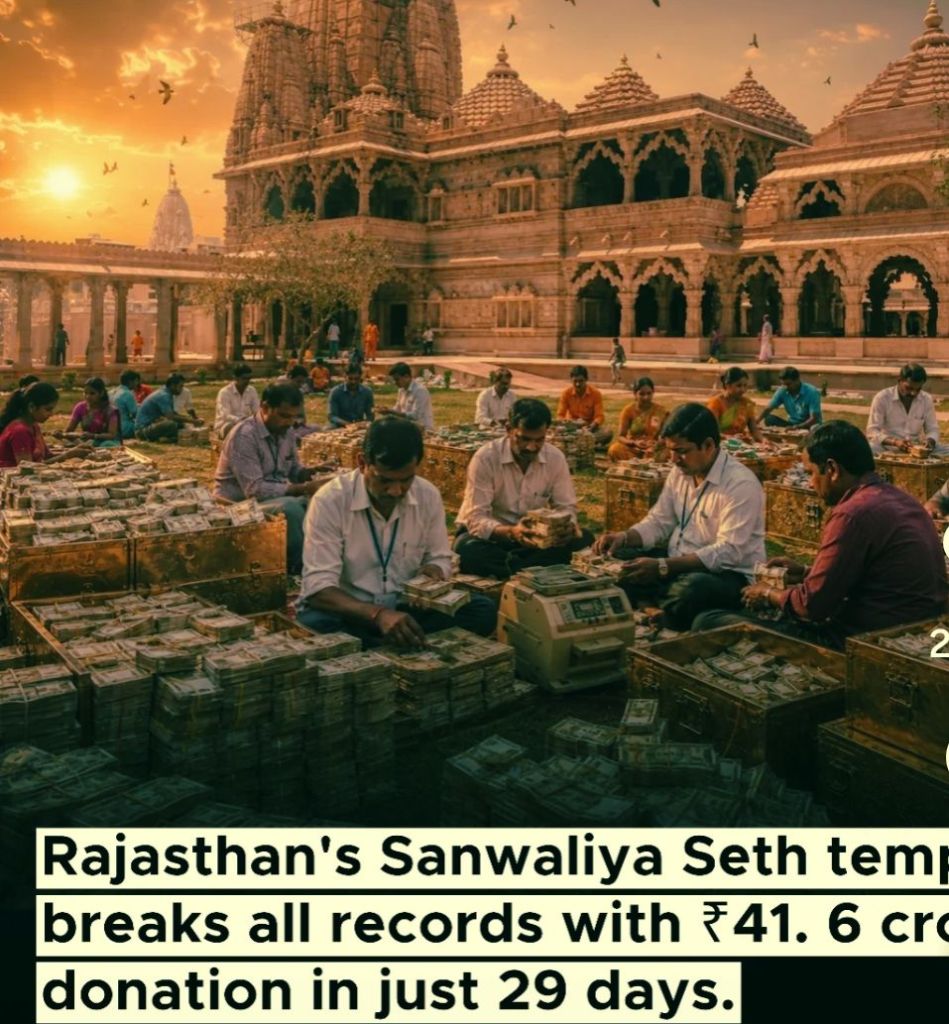
The debate has consequently expanded beyond Ayodhya into a broader national conversation on financial transparency across religious institutions. Public demands for greater disclosure regarding the finances of faith-based organizations—irrespective of ideology, denomination, or historical significance—have reignited discussions on registration, auditing, taxation, and public accountability. Unfortunately, such debates often descend into partisan confrontation, obscuring the larger constitutional principle at stake. Transparency cannot be selective, nor should accountability be imposed only upon institutions that are politically inconvenient while others remain insulated from scrutiny. Every organization receiving substantial public donations, whether temple, mosque, church, gurudwara, monastery, or charitable trust, must operate under identical standards of financial disclosure and institutional governance. Equality before law loses its moral legitimacy when accountability itself becomes unequal.
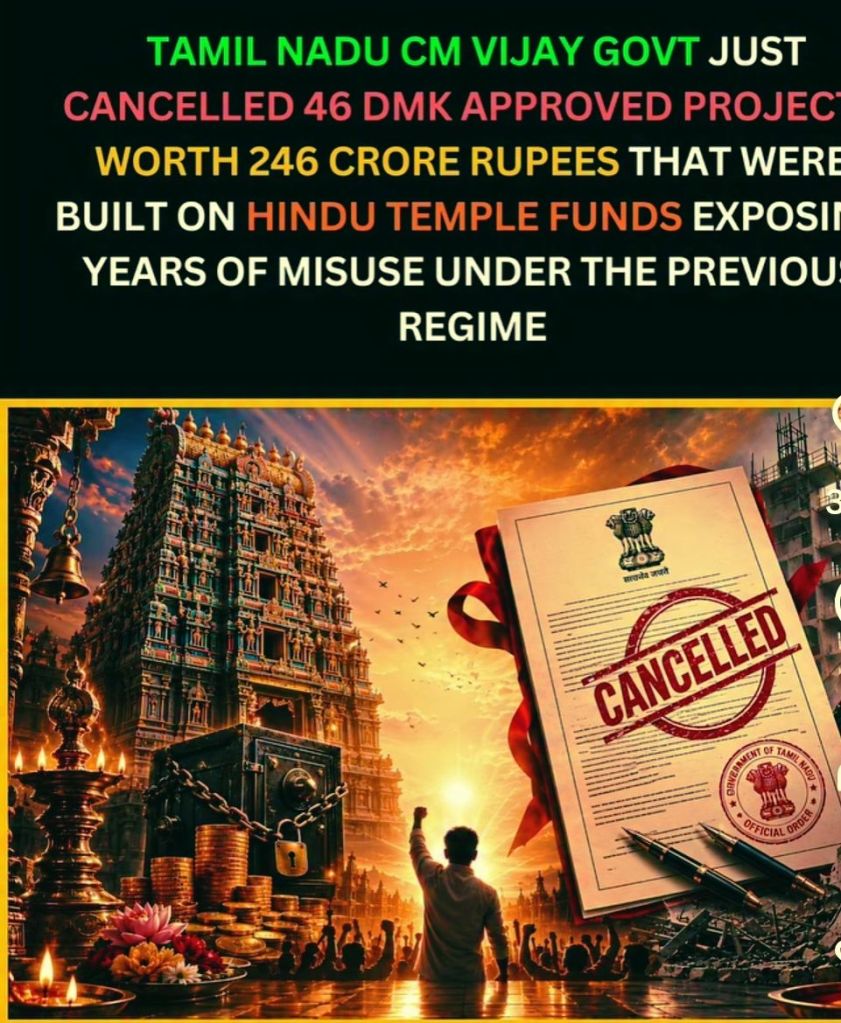
India’s legal framework governing religious institutions remains fragmented and uneven. Hindu temples operate under varying state legislations, waqf properties are regulated through separate statutory mechanisms, churches follow distinct legal arrangements, while numerous charitable trusts function under independent regulatory frameworks. Consequently, institutions managing thousands of crores in public donations often face widely differing standards of auditing, compliance, governance, and disclosure. Such inconsistencies sit uneasily with the constitutional promise of equality before law. The solution does not lie in expanding governmental control over religion but in establishing harmonized governance standards that preserve religious autonomy while ensuring financial integrity. An independent Religious Endowments and Charitable Trusts Commission could establish uniform norms of transparency, mandatory audits, digital donation tracking, whistleblower protection, and technology-driven oversight without interfering in matters of doctrine or worship.

The constitutional debate becomes even more nuanced when taxation enters the discussion. Articles 25 to 27 carefully balance religious liberty with secular governance, while Article 27 specifically prohibits the State from compelling citizens to finance the promotion of any particular religion. This constitutional philosophy explains why religious institutions have historically enjoyed substantial tax exemptions. Across India, faith-based organizations administer schools, hospitals, orphanages, community kitchens, and numerous welfare programmes that significantly complement public service delivery. Yet the increasing commercialization of several large religious institutions has blurred the distinction between charity and commerce. The Supreme Court, in Government of Kerala v. Mother Superior Adoration Convent (2021), responded with constitutional clarity by articulating the doctrines of “dominant purpose” and “rational connection,” affirming that genuine charitable and religious activities deserve protection, while commercial ventures cannot claim immunity merely because their profits ultimately support religious objectives.
Ultimately, the central issue transcends one temple, one trust, or one investigation. It concerns the preservation of public trust itself—the most valuable asset any religious institution possesses. Faith can never become a substitute for accountability, just as accountability should never be misconstrued as hostility towards religion. On the contrary, transparency represents the highest expression of respect an institution can demonstrate towards its devotees. Every rupee placed before a deity carries an unspoken expectation that it will be administered honestly, prudently, and exclusively for its intended purpose. Safeguarding that expectation is not merely an administrative obligation; it is a sacred fiduciary duty. If India’s religious institutions aspire to remain enduring moral beacons within a constitutional democracy, they must embrace scrutiny as an instrument of integrity rather than resist it as an intrusion. In the final analysis, civilizations are not judged by the magnificence of the temples they build, but by the honesty with which they protect the faith entrusted to them.
VISIT ARJASRIKANTH.IN FOR MORE INSIGHTS

