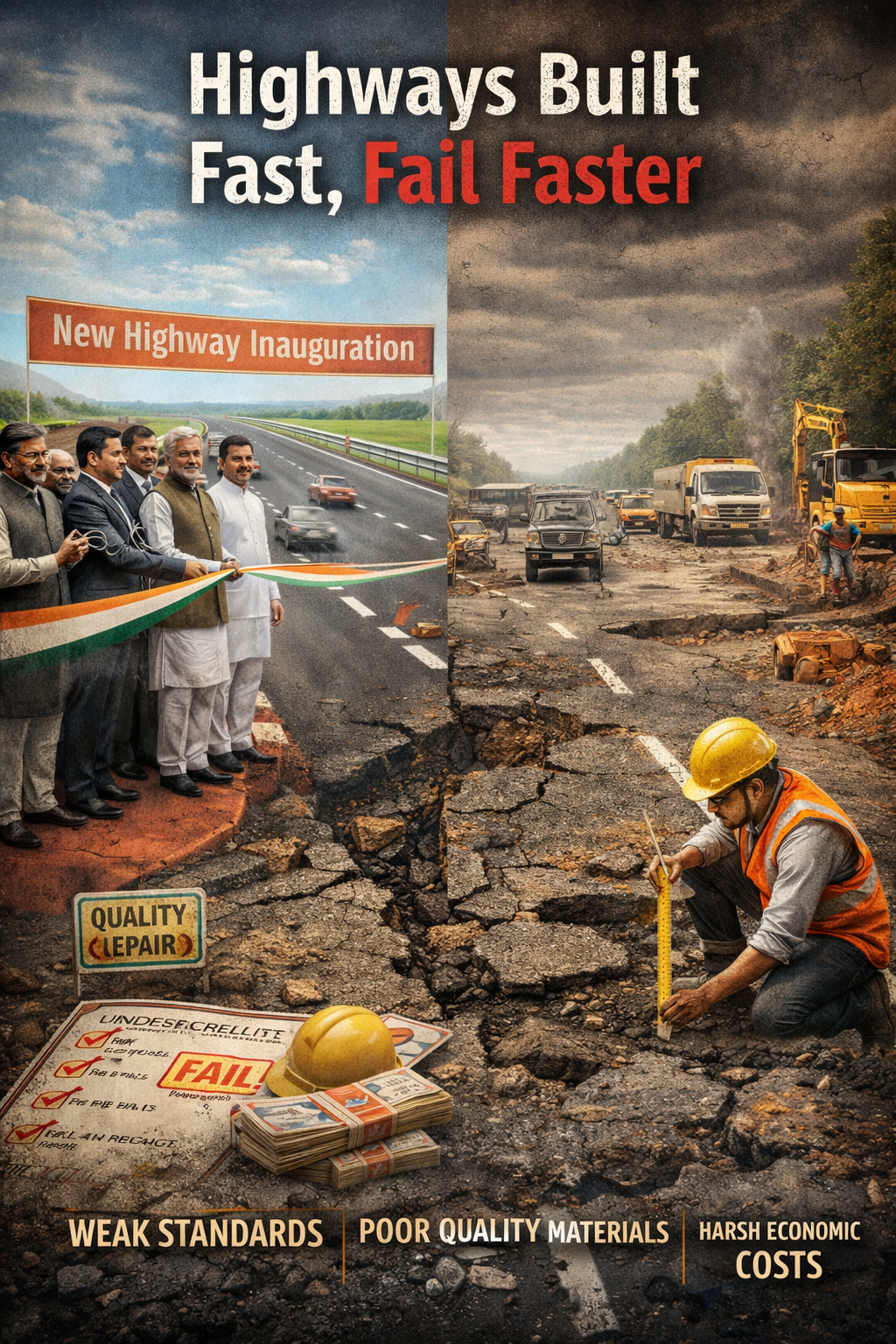
Few symbols of modern India are celebrated with greater enthusiasm than the National Highway. Every new expressway inauguration is accompanied by political pride, glowing statistics, and promises of accelerated growth. Kilometers of newly laid roads are showcased as evidence of national transformation, connecting markets, reducing travel time, attracting investment, and strengthening economic integration. The narrative is undeniably compelling. Yet beneath the impressive numbers lies a deeply uncomfortable reality. India is spending unprecedented sums on road infrastructure, but a disturbing proportion of these roads begin deteriorating long before their intended lifespan. The result is a striking paradox: a country building highways at world-class speed while watching many of them crumble at alarming speed. The challenge is no longer merely about constructing roads; it is about constructing roads that endure.
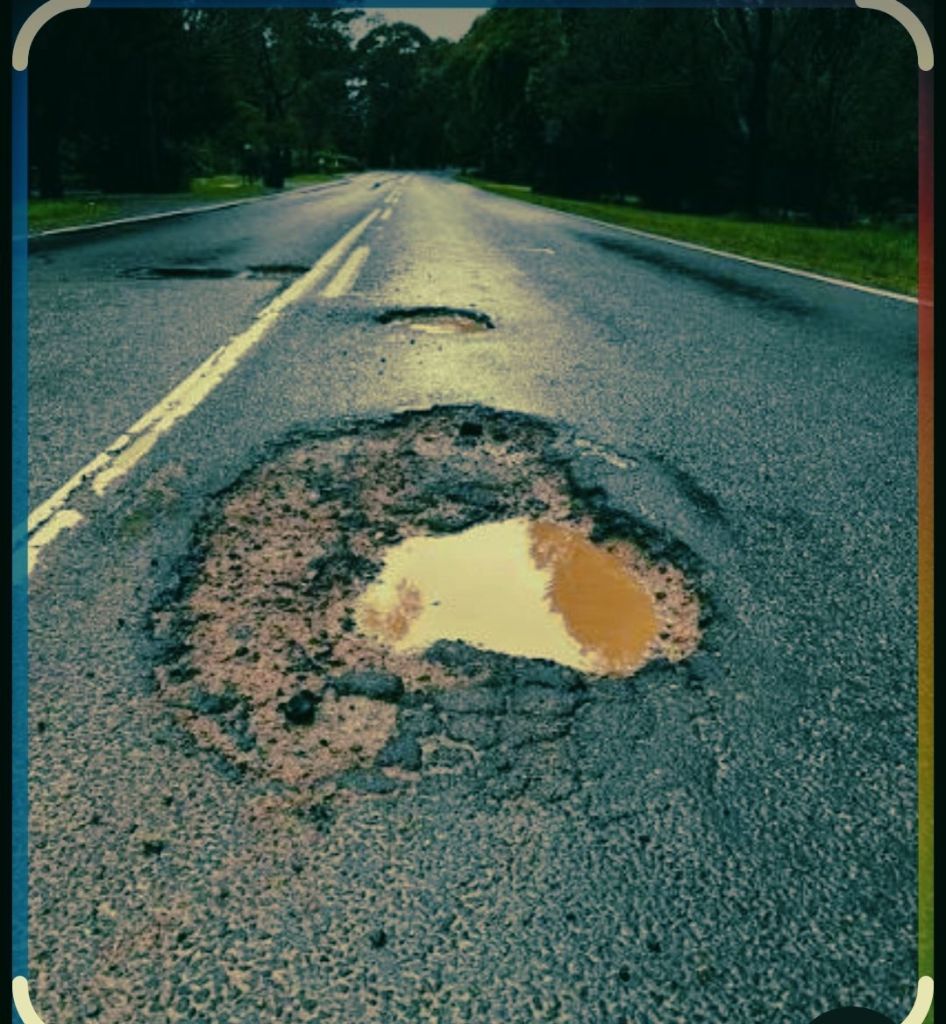
At the heart of the problem lies a flawed procurement philosophy that rewards the cheapest bid rather than the best value. Public infrastructure contracts are often awarded primarily on the basis of the lowest financial quotation. While competitive bidding is intended to promote efficiency and reduce costs, it frequently triggers a destructive race to the bottom. Projects estimated at ₹100 crore are routinely awarded for ₹70 crore or even less. Such aggressive underbidding may win tenders, but it leaves contractors with limited room for quality materials, skilled labour, rigorous supervision, or scientific testing. Once construction begins, commercial pressures inevitably encourage shortcuts. Inferior materials, diluted specifications, and claims for cost escalation become mechanisms for recovering losses. What appears as a saving at the tender stage often emerges as a much larger expense over the life cycle of the asset.
Road construction is not an art of approximation but a science of precision. A highway is a sophisticated engineering structure whose durability depends upon meticulous adherence to design standards. Seemingly minor deviations can produce disproportionately large consequences. Studies and internal quality reviews have repeatedly demonstrated that a reduction of just a few percentage points in compaction density can substantially weaken structural performance.
Inadequate temperature control during paving, improper mixing of materials, poor drainage design, or insufficient compaction may remain invisible during inauguration ceremonies, but they begin undermining the road from the very first day of operation. Infrastructure failures rarely occur suddenly; they are often embedded into projects during construction itself.
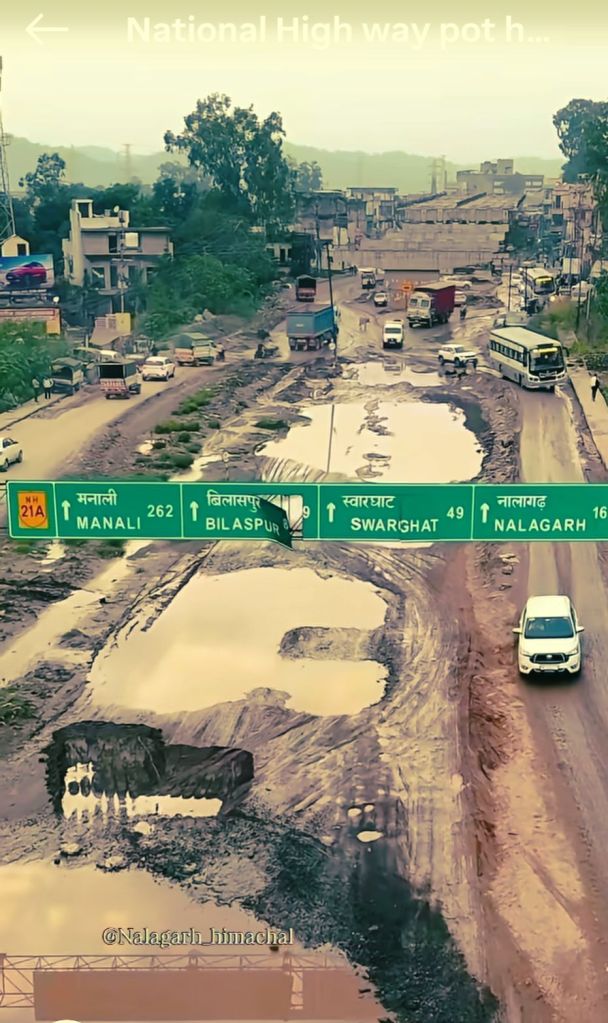
Equally troubling is the widespread tendency to compromise on thickness and material quality. Inspections across various projects have revealed instances where bituminous layers were significantly thinner than prescribed standards. Such practices are not technical errors; they constitute a direct violation of engineering integrity and public trust. Yet enforcement mechanisms often lack the severity necessary to deter misconduct. Instead of criminal prosecution, recovery of losses, or permanent blacklisting, violations frequently result in repair directives, revised estimates, or negotiated settlements. This creates a dangerous incentive structure. When the consequences of cutting corners are limited and predictable, non-compliance becomes economically attractive. The system inadvertently rewards opportunism while penalizing professionalism.

The economic consequences extend far beyond the construction sector. Poor-quality roads impose substantial hidden costs on the entire economy. Rough and damaged surfaces increase fuel consumption, accelerate tyre wear, damage vehicle suspensions, and raise maintenance expenses for millions of road users. Since nearly seventy percent of India’s freight movement depends on road transport, even marginal inefficiencies translate into significant increases in logistics costs. Higher transport costs ultimately affect the prices of goods and services, reducing industrial competitiveness and burdening consumers. Every pothole therefore represents more than an engineering defect; it functions as an invisible tax imposed on businesses, households, and the national economy.
The environmental and fiscal implications are equally serious. Premature road failures necessitate repeated repairs, consuming additional aggregates, bitumen, machinery, labour, and energy. Since a significant portion of bitumen is linked to imported petroleum products, poor-quality construction indirectly contributes to foreign exchange expenditure. Public funds intended for new infrastructure are diverted toward repairing assets that should have remained functional for years. This recurring cycle of construction and reconstruction represents a profound misuse of national resources. No strategic sector can achieve efficiency when assets are designed, built, and managed without regard for their long-term performance. Yet this cycle has become disturbingly normalized in road infrastructure.
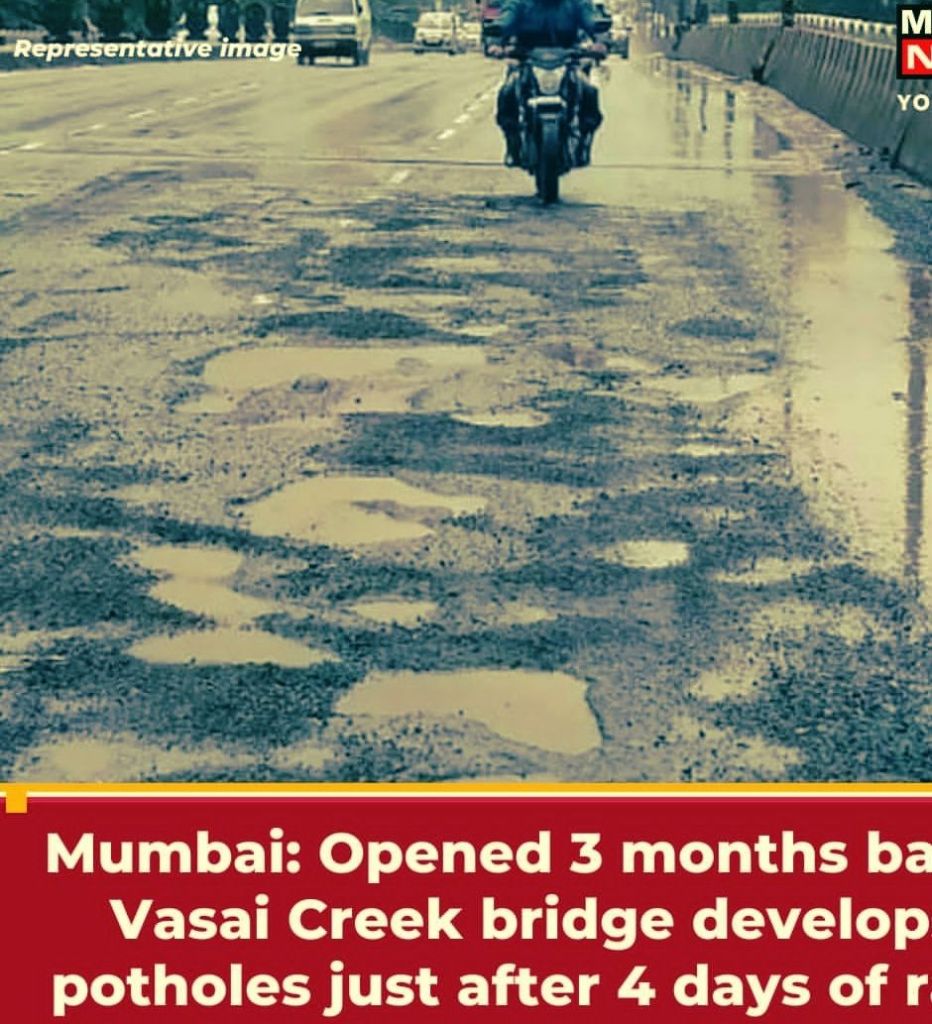
The deeper problem is institutional rather than technological. India possesses highly qualified engineers, advanced design standards, and access to modern construction technologies. The challenge lies in an administrative culture that increasingly prioritizes speed over sustainability. Success is often measured by kilometres completed, funds utilized, and deadlines achieved rather than by durability, service quality, and lifecycle performance. Engineers who raise concerns regarding material quality, density tests, drainage deficiencies, or specification compliance may find themselves under pressure to expedite projects. Consequently, technical judgment is frequently subordinated to administrative targets. Over time, this weakens professional accountability and erodes the culture of engineering excellence upon which durable infrastructure depends.
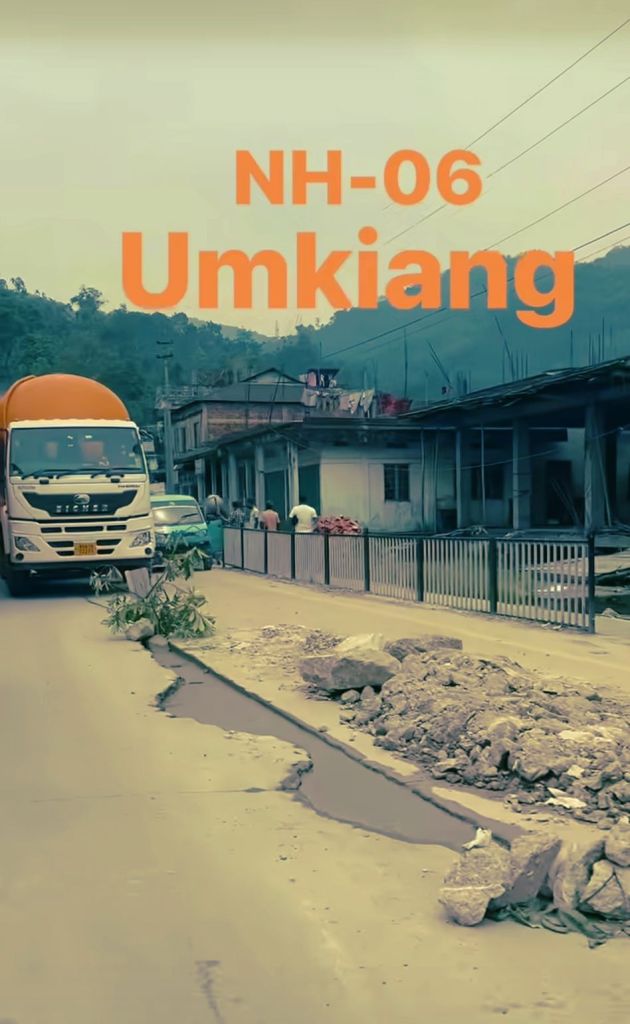
The contrast between internationally funded and domestically funded projects offers valuable insight. Highways financed by institutions such as the World Bank, Asian Development Bank, and Japan International Cooperation Agency often undergo rigorous third-party audits, independent quality verification, laboratory testing, and continuous monitoring. Their performance generally reflects these stronger accountability mechanisms. Domestic projects, however, frequently operate within less stringent oversight environments where progress is measured through expenditure and completion rates rather than long-term asset quality. This disparity highlights a fundamental truth: infrastructure quality improves when accountability is transparent, independent, and relentless. Quality is not a technological outcome; it is a governance outcome.
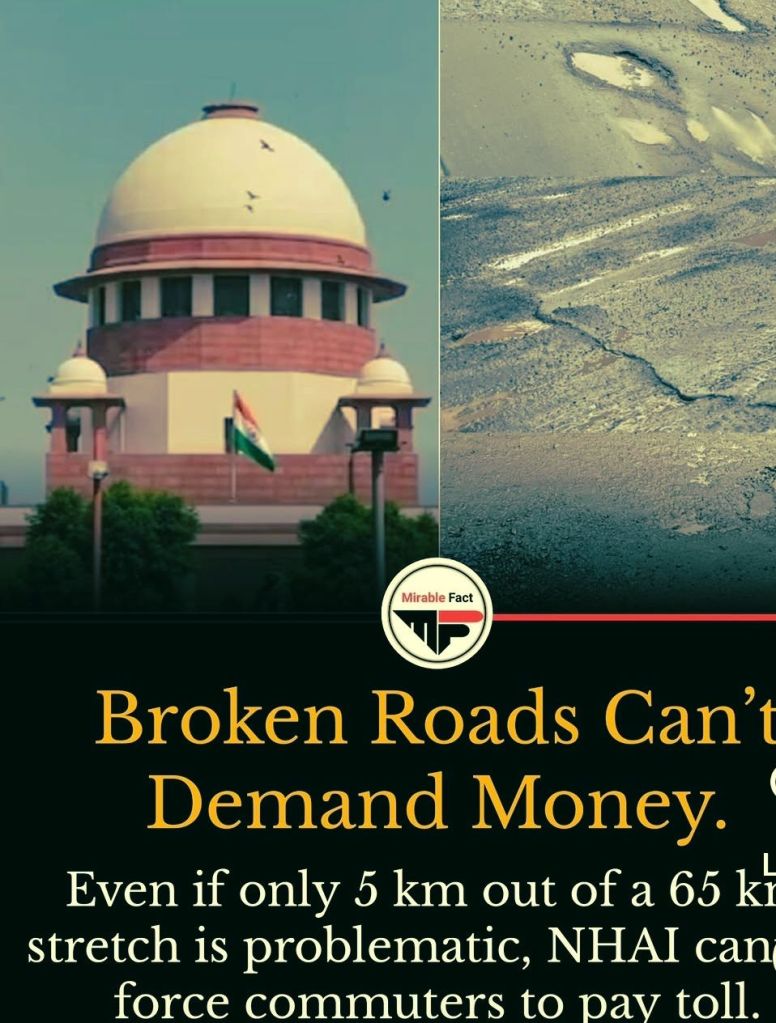
India’s highway story is therefore about far more than asphalt, concrete, and machinery. It is ultimately a story about incentives, accountability, and public trust. A nation capable of constructing highways at remarkable speed undoubtedly possesses the technical capacity to build roads that last decades. The real challenge is institutional courage. Contractor selection must prioritize quality and lifecycle value rather than merely the lowest cost. Performance guarantees, extended defect liability periods, digital quality monitoring, and strict penalties for violations must become standard practice. Most importantly, engineers must be empowered to defend standards without fear or interference. Until quality becomes as important as quantity, India risks spending billions on roads that become monuments to preventable failure. The true measure of infrastructure success is not how quickly a highway is inaugurated, but how long it continues to serve the nation with safety, efficiency, and reliability.
VISIT ARJASRIKANTH.IN FOR MORE INSIGHTS

